
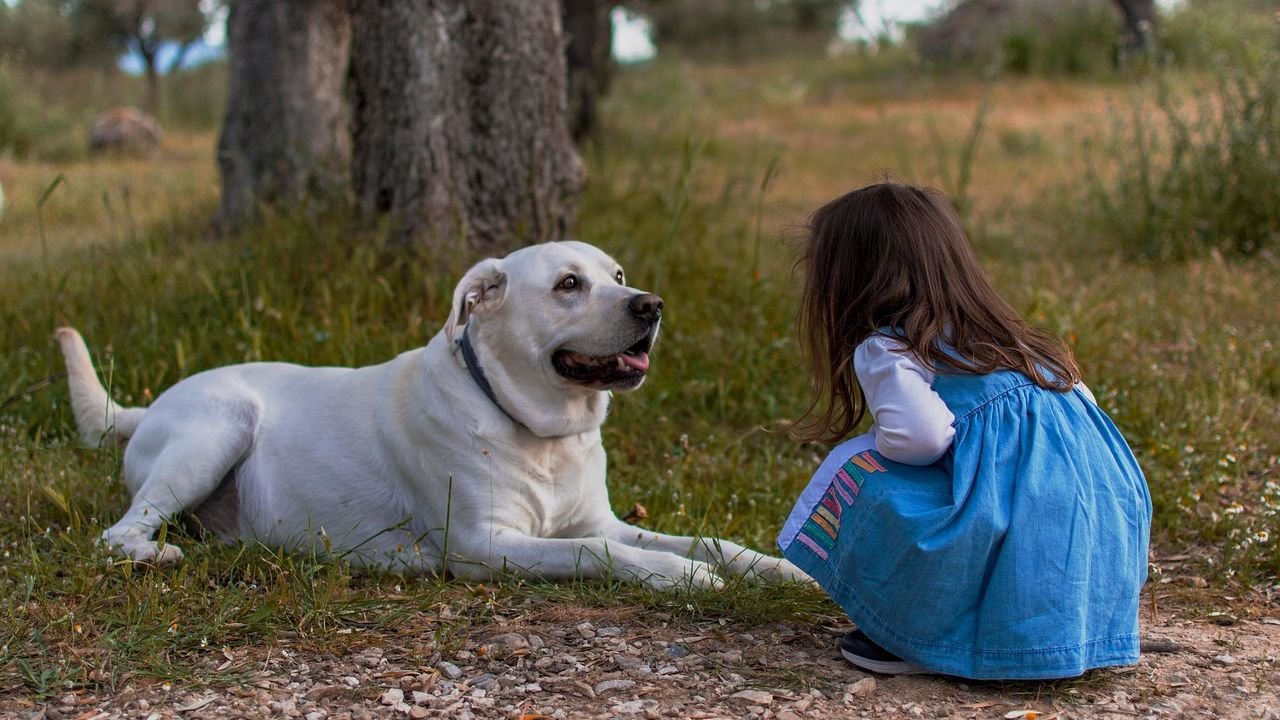
You’ve seen it happen. The dog that won’t leave your side while barely glancing at your partner. Or maybe you’re on the receiving end of the cold shoulder, watching your pup light up for someone else entirely. It’s not your imagination.
Dogs in multi-person households consistently demonstrate clear preferences for specific individuals, often forming their strongest emotional bonds with just one or two people. This isn’t about jealousy or some random whim. There’s real science behind who gets the tail wags and who gets ignored when food mysteriously drops on the floor. Let’s explore what really drives these surprisingly complex decisions our dogs make.
Those Critical Early Weeks Shape Everything
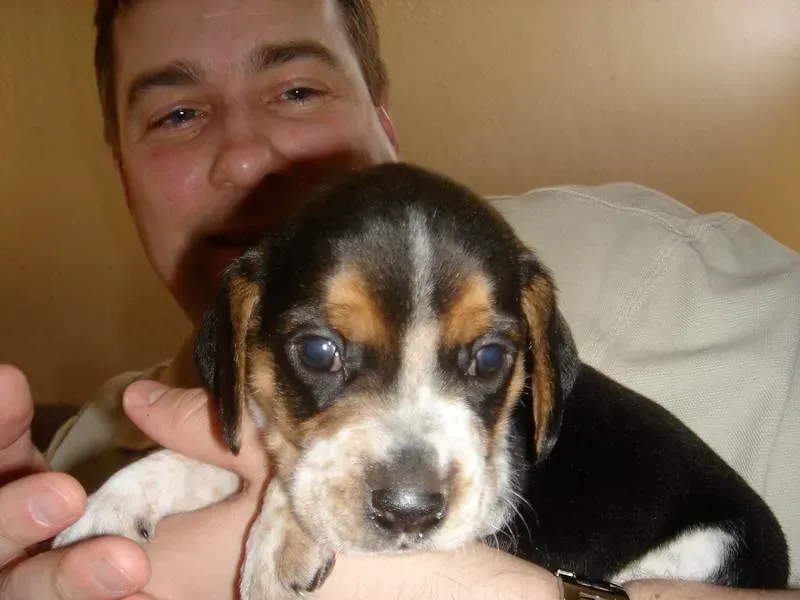
The critical socialization period for dogs occurs from birth to six months, and during this stage, puppies’ brains are incredibly receptive, causing dogs to often bond hardest with the person who was there for them. Think of it like a puppy’s first impression of the world, except it’s carved deep into their developing brain.
From seven to twelve weeks, puppies enter the critical human imprinting stage where they begin to form bonds with their human caregivers and household members, and this period is an optimal window for socialisation where positive interactions with various people help build trust, attachment, and confidence. If someone was consistently gentle, playful, and nurturing during those impressionable weeks, congratulations. They’ve likely secured a lifetime VIP pass to that dog’s heart. I think that’s honestly one of the most beautiful things about dogs.
It’s About Who Speaks Their Language Best
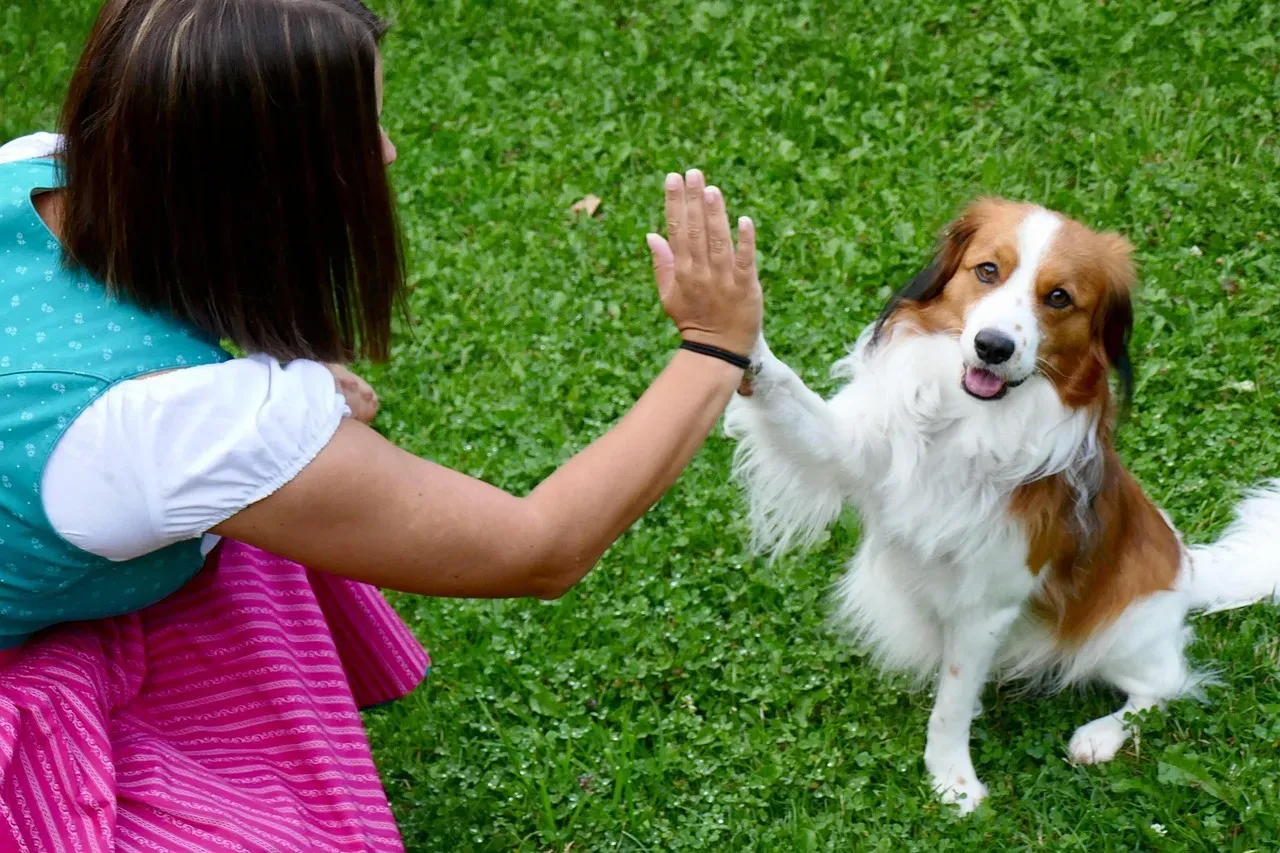
Dogs aren’t just looking for the person who feeds them, though that certainly helps. Dogs gravitate toward individuals who make them feel protected and understood, often selecting the person who best reads their body language and responds appropriately to their emotional needs.
Picture this: your dog freezes at a loud noise. One person immediately rushes over with soothing words, while another laughs it off. The dog remembers. Quality of attention matters more than quantity for many dogs, as a person who provides brief but highly engaging interactions throughout the day often outranks someone who spends more total time but offers less focused attention, because dogs can distinguish between distracted, half-hearted interactions and genuine, enthusiastic engagement.
Personality Matching Isn’t Just For Dating Apps
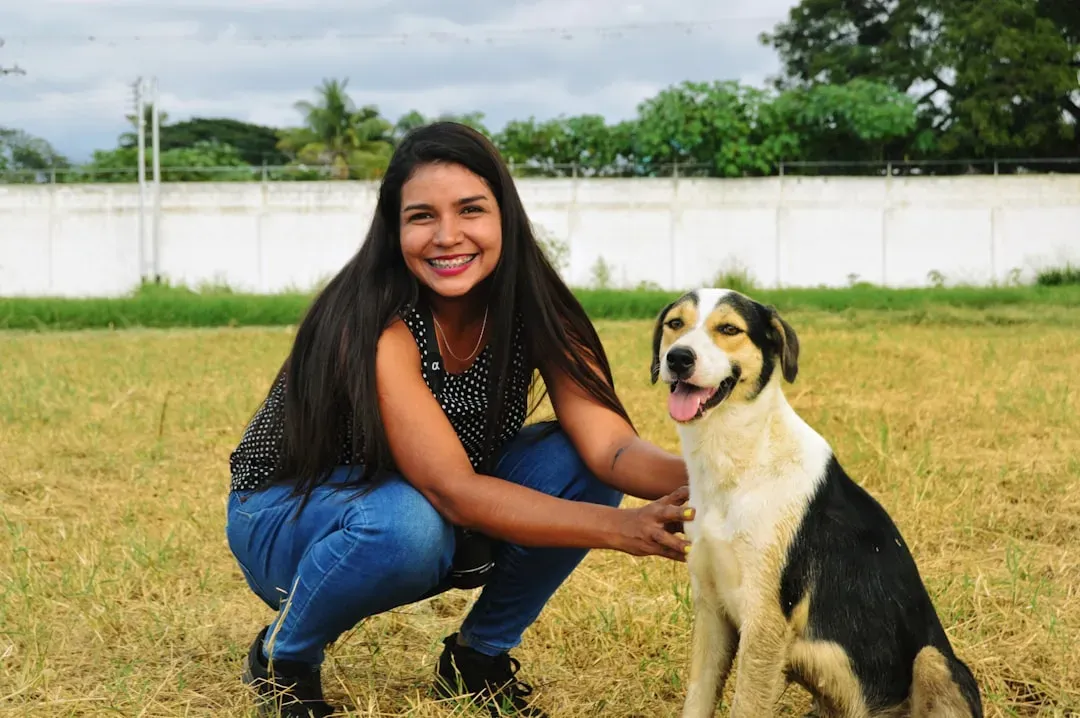
Here’s something that surprised me when I first learned it. Research found dogs often prefer individuals who share similar personalities, with dogs having calm temperaments gravitating toward relaxed people, while active dogs might prefer energetic owners.
That energetic Border Collie isn’t going to worship the couch potato who’d rather watch Netflix than throw a ball for the hundredth time. Likewise, a mellow senior Basset Hound probably finds your yoga-loving, serene roommate far more appealing than your hyperactive teenager. Dogs’ favorite person often turns out to be someone who matches their personality and energy levels, because a dog that gets excited by long country walks isn’t going to consider a devoted couch potato very good company. It’s compatibility, plain and simple.
The Power Of Positive Associations
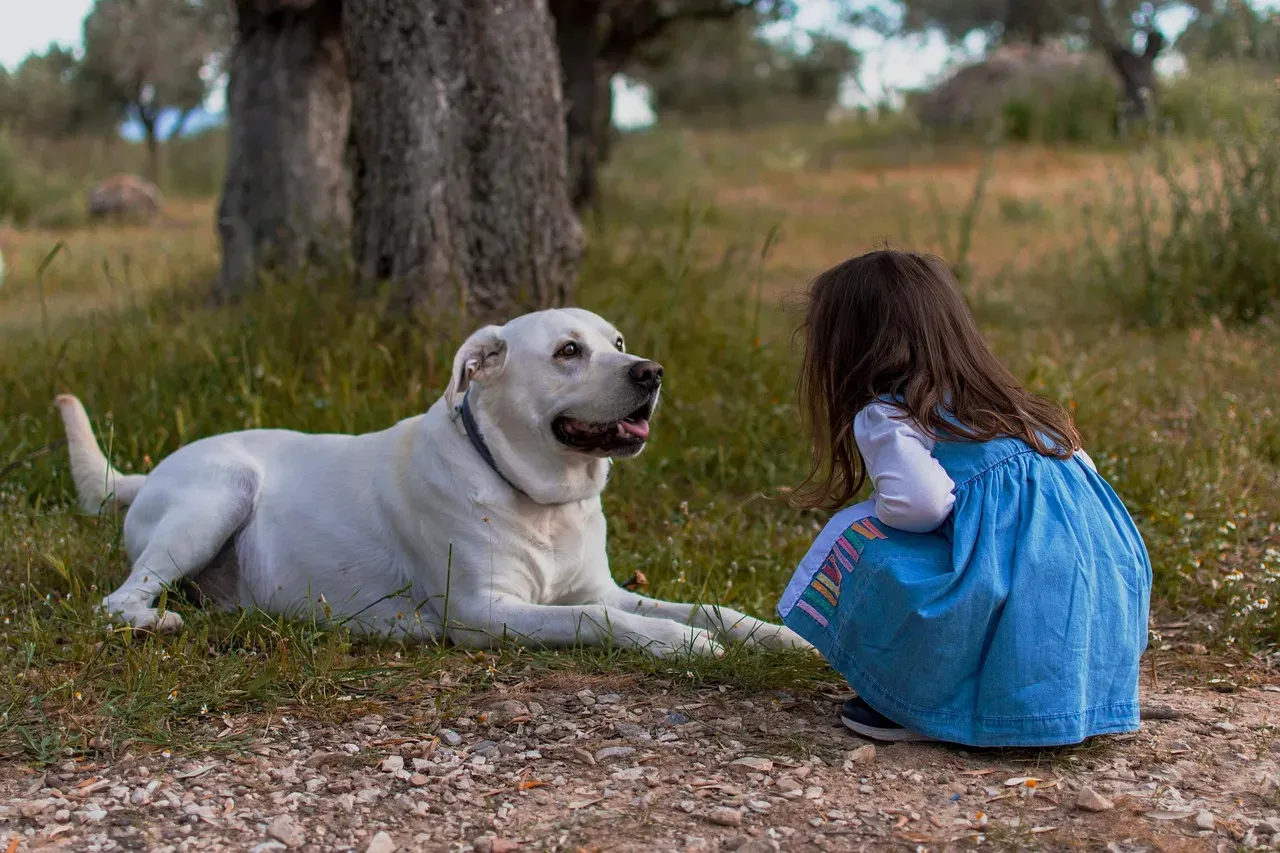
The person that always gives tasty dog treats, plays with them, and gives them the love and attention they need will most likely win the dog’s heart, as any positive experience dogs have, they associate with the person who gives it to them. Dogs are masters of association. Every walk, every game of fetch, every belly rub creates a mental tally.
Negative associations can just as powerfully influence how dogs choose their favorite person by creating avoidance behaviors, as individuals associated with unpleasant experiences like loud noises, rough handling, or stressful situations may find themselves lower on the dog’s preference list, which explains why dogs might avoid certain family members who, despite good intentions, have been linked with negative experiences in the dog’s mind. Your dog isn’t holding a grudge exactly, they’re just keeping score in their own way.
The Signs You’re The Chosen One
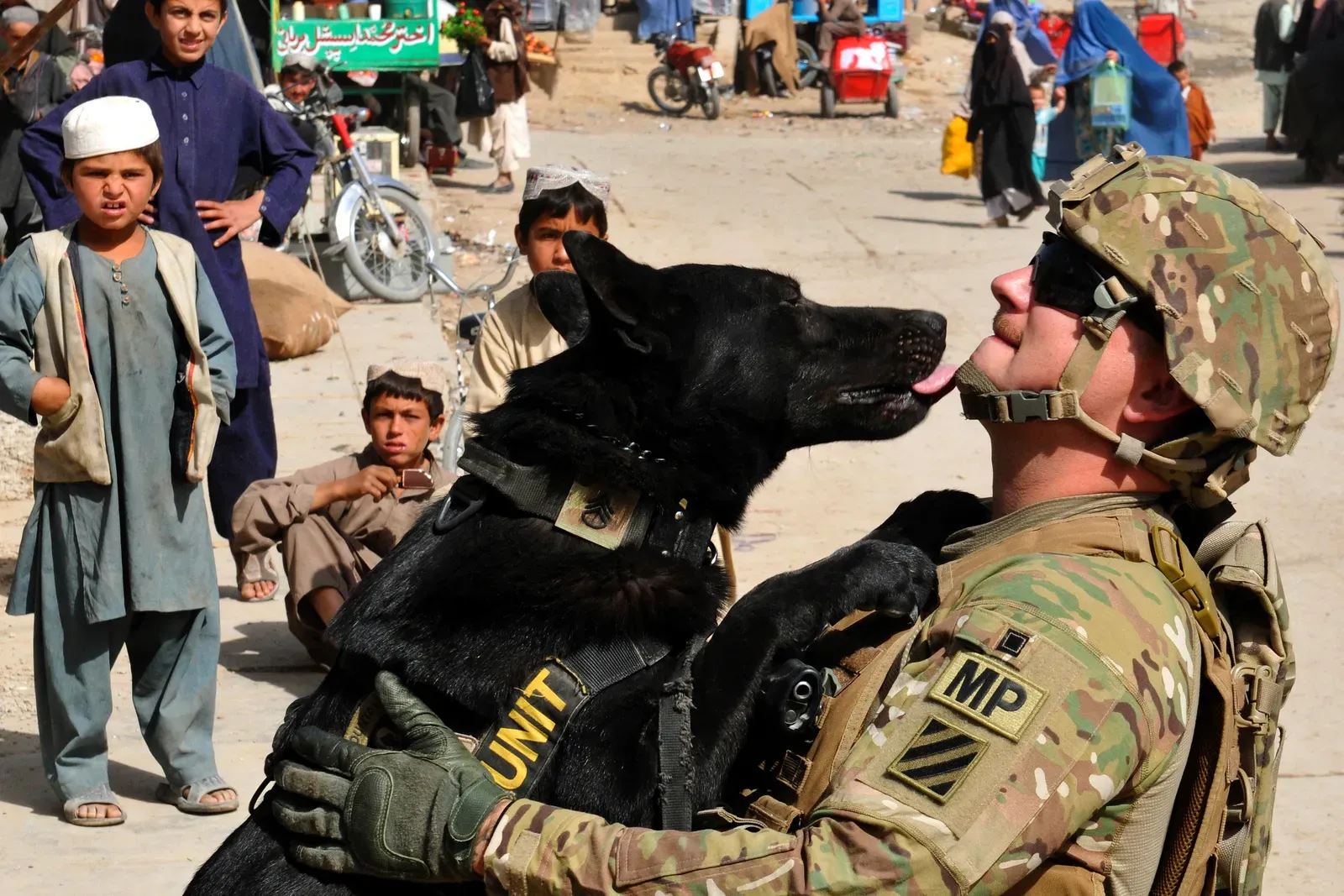
Want to know if you’ve made the cut? Dogs demonstrate preference through behaviors including following you around the house, leaning on you, getting excited when you return home, bringing their favorite toys to the person they prefer, and choosing to sleep next to the person they are most attached to.
Does your dog check on you constantly, even following you to the bathroom? That’s not clinginess, that’s devotion. Spending at least 30 minutes of focused, interactive time daily with a dog dramatically increases the likelihood of becoming their preferred person, and this dedicated time should exclude passive activities like watching television together and instead focus on engaging activities such as training sessions, interactive play, grooming, or structured bonding exercises that capture the dog’s full attention. Quality time really does pay off.
Conclusion
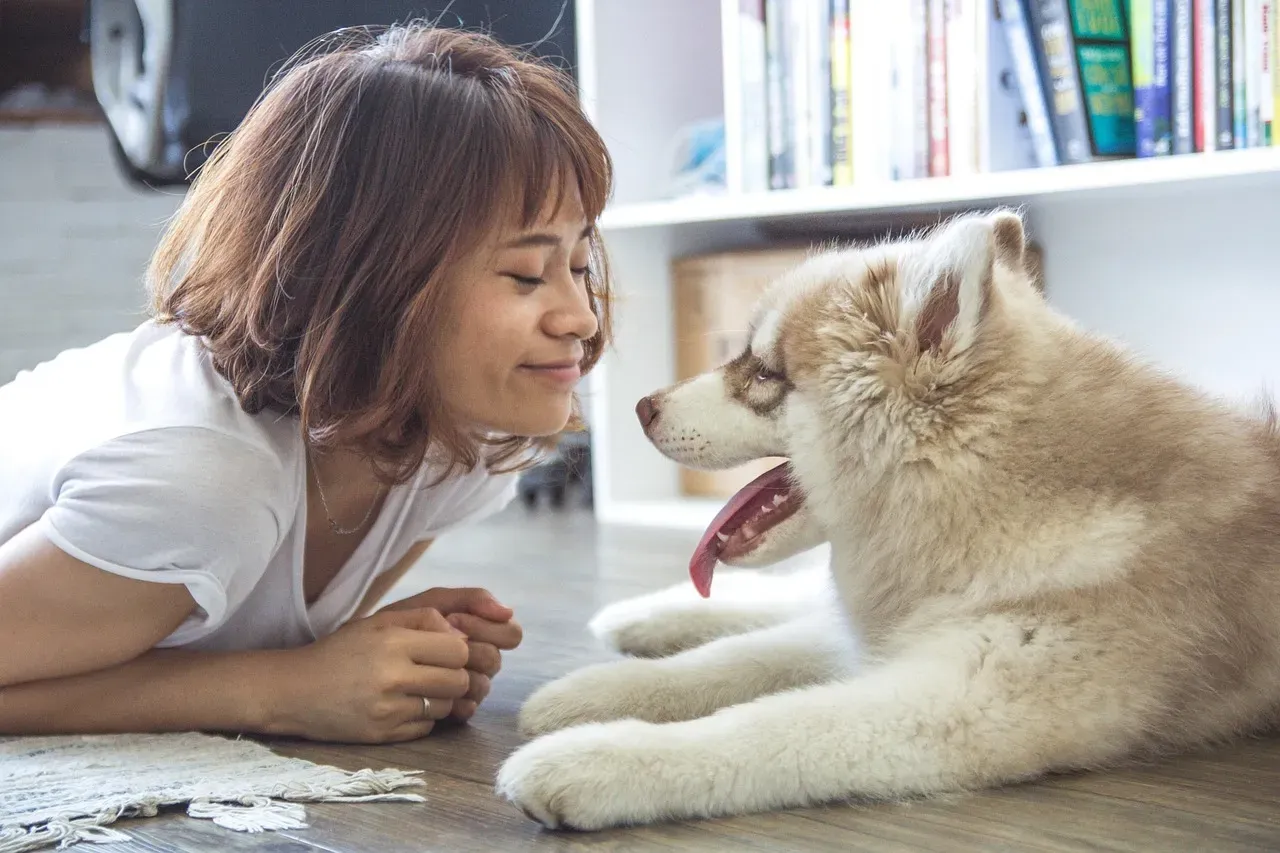
So there you have it. Your dog’s choice isn’t random favoritism or something you should take personally if you’re not the lucky winner. It’s a complex equation of early experiences, personality compatibility, consistent positive interactions, and who truly understands their unique language.
The good news? Dogs can indeed change their favorite person over time, and this shift can occur due to changes in the household, such as a family member leaving for college, or if someone else starts spending more time with the dog. Relationships take work, whether they’re with humans or the furry four-legged creatures who share our homes. If you want to strengthen your bond, focus on being present, reading their signals, and matching their energy. Your dog isn’t asking for perfection, just genuine connection.
What do you think shapes your dog’s preferences most? Have you noticed these patterns in your own furry friend?


