

You know that moment when you reach out to pet a dog and they flinch? It’s heartbreaking. Trust is the invisible thread that binds us to our canine companions, yet so many dogs struggle with it. Whether it’s a rescue with an unknown past or a beloved pet who experienced something frightening, trust issues in dogs are more common than most people realize. The good news is that healing is absolutely possible with the right approach, endless patience, and a whole lot of love. Let’s explore what causes these invisible wounds and how you can help your furry friend find their way back to feeling safe again.
The Roots Run Deeper Than You Think

Trust issues in dogs often stem from abuse or neglect, abandonment experiences like being rehomed or surrendered to shelters, trauma from frightening events such as dog attacks or loud noises, lack of socialization during critical early development periods, or sudden life changes like moving homes or losing a companion. What surprises many dog owners is that even seemingly minor incidents can shake a dog’s confidence to its core. It’s not always a history of abuse or neglect but often simply a fear of the unknown and the stress of being in unfamiliar surroundings and around unfamiliar people.
I’ve learned that trauma doesn’t discriminate. We can never know what, where, or whom a dog may associate with a traumatic experience, and the individual experiencing the trauma is the one who decides if it was traumatic – the owner, the leash, a harness, a location, or smells may all be associated with trauma. Fear can be born from trauma experienced directly or even passed down by stress in the womb, nurtured in environments where dogs never learned to trust people.
Reading the Silent Language of Fear
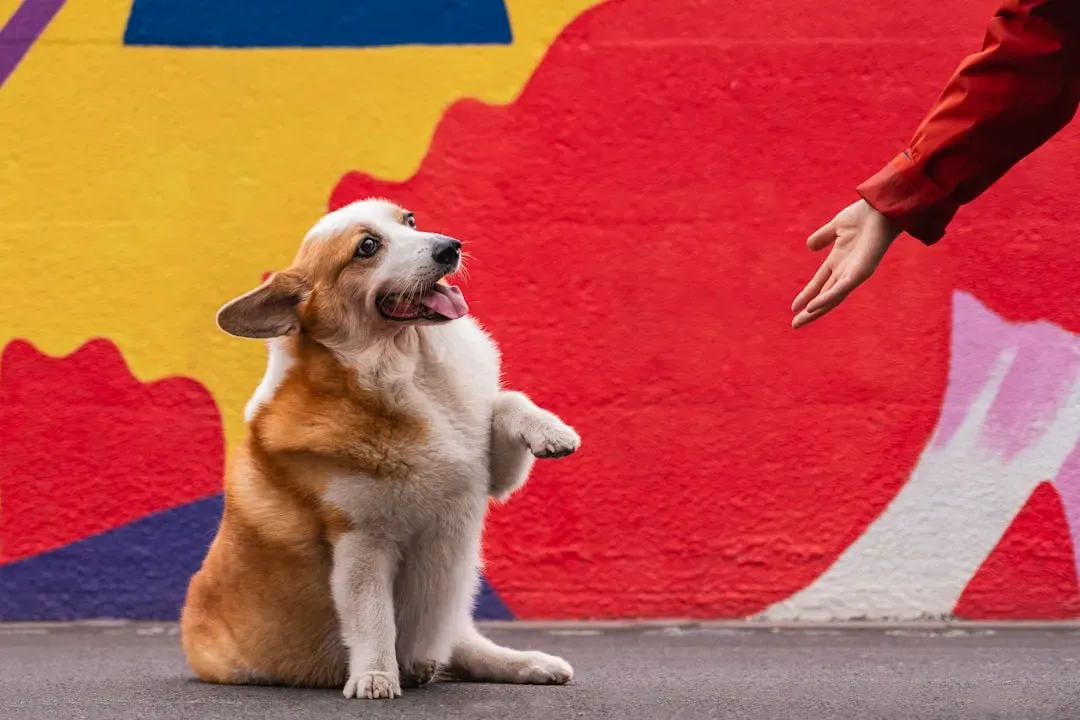
Dogs communicate their distrust through body language that’s easy to miss if you’re not paying attention. A fearful and anxious dog will have a tense body, hold their tail low or tucked under them, may avoid eye contact, and pant or pace. Other warning signs are equally telling. Cowering, carrying ears low or flat, standing still and stiff or moving slowly, a curling lip, growling, raised hackles, trembling, turning away, whining, yawning, or lip licking all signal stress.
An anxious dog may pant, pace, tremble, drool, withdraw from its owner, or hide, while alternatively they may appear irritable or aggressive by barking or growling, with their tail low or tucked, ears back, and eyes dilated or showing lots of white around them. Sometimes the signs are more subtle. I think we often overlook behaviors like excessive yawning or ground sniffing when nothing interesting has happened – these are displacement behaviors dogs display when stressed.
The Timeline Nobody Wants to Hear About
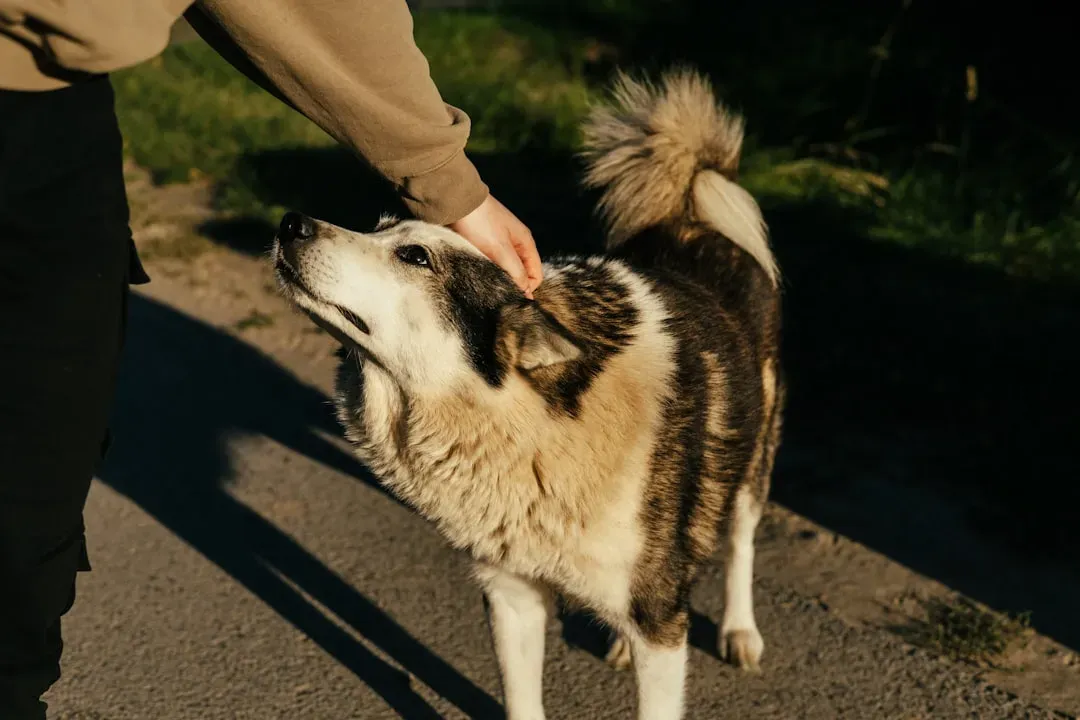
Here’s the thing: healing from trust issues takes time. Like, a lot of time. Some dogs may take only a few weeks to settle in and learn to trust their family, while others may take up to a year to truly feel safe and believe that their humans are capable guardians. It can take months for your dog to feel safe in their new home, and you should exercise patience and anticipate the occasional setback.
Dogs who went through a behavioral rehabilitation program spent an average of 96 days experiencing an average of 78 specific treatment sessions. That’s over three months of consistent, dedicated work. Let’s be real – expecting overnight miracles isn’t just unrealistic, it’s unfair to your dog. Recovery isn’t linear either. Recovery is possible for the rescue dog but it will not happen quickly, and some situations, scents, and actions can trigger nervousness in the rescued pet, transporting it to a flashback stage.
Building Trust Brick by Tiny Brick
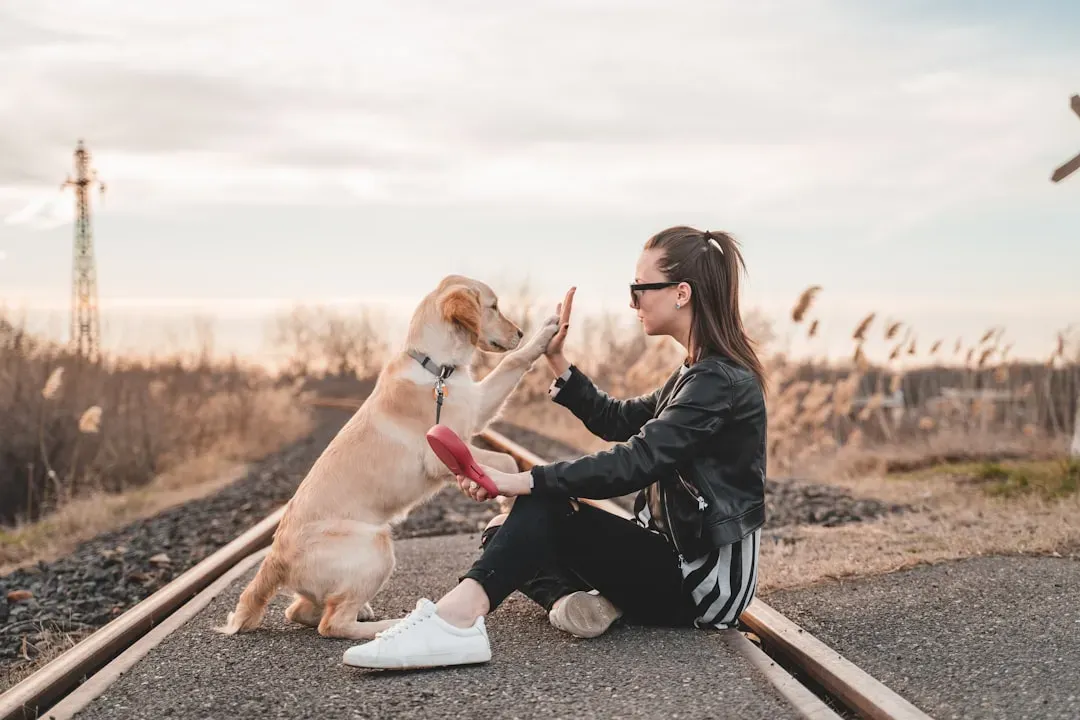
The foundation of trust begins with predictability and consistency. Consistency promotes predictability, which fosters trust – maintaining a consistent routine with things like feeding schedule, walk times, and play sessions allows your dog to have the same expectations throughout their day, building their confidence and reducing unexpected changes that might upset their sense of well-being. Think about it from their perspective: if everything in life feels uncertain and scary, knowing dinner arrives at six o’clock every evening becomes an anchor.
Establishing a routine of mealtimes, walks, and even training times can go a long way in building their trust and their sense of security in their new environment, developing your dog’s sense of security and increasing their trust in you and your ability to take care of them. Creating safe spaces is equally critical. Let your dog retreat into a safe place when they feel the need to, give them space to back off to escape, and ensure you provide them with a quiet room they can call their own.
The Power of Positive Reinforcement
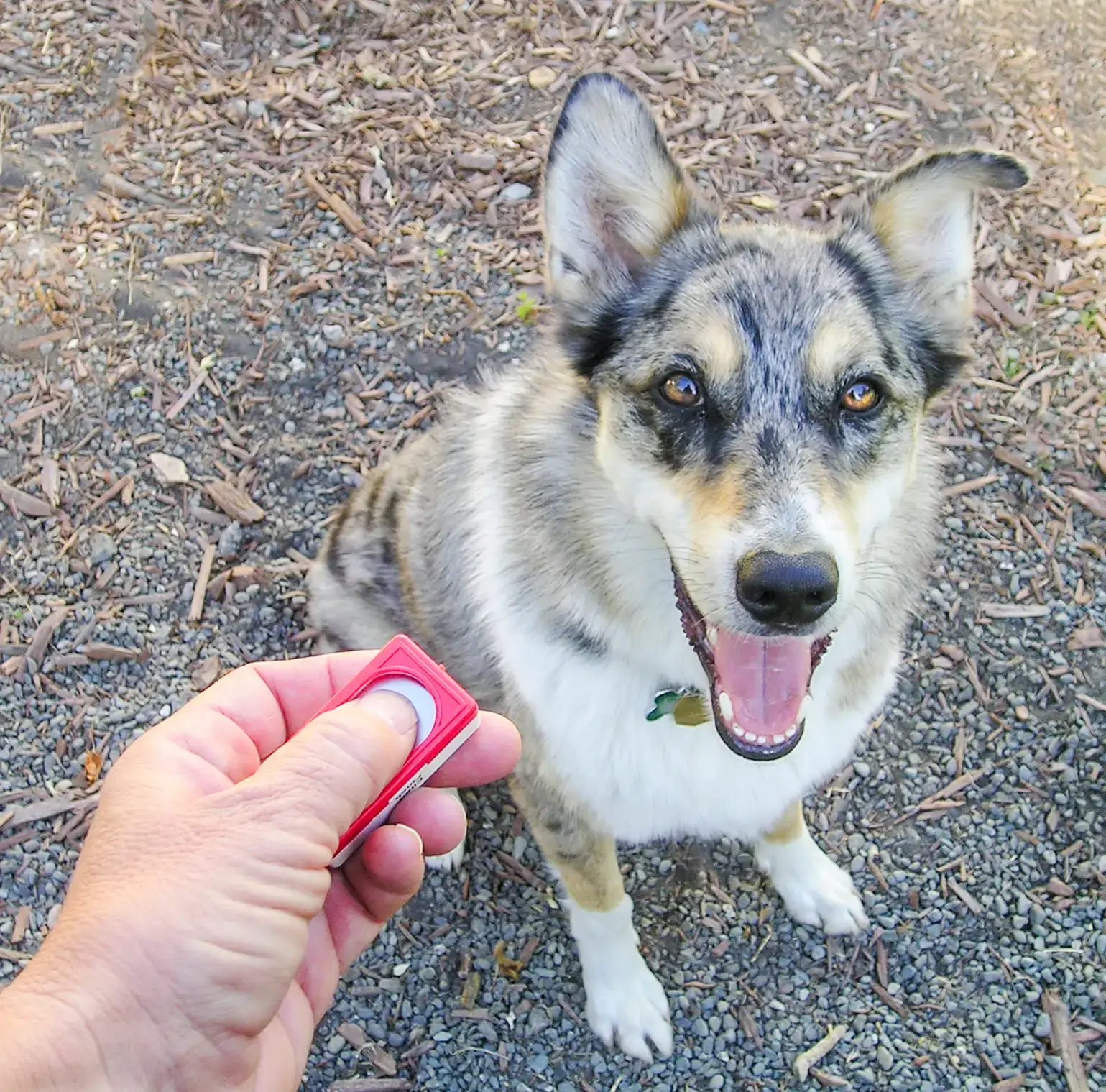
Punishment is absolutely off the table when dealing with trust issues. Punishment destroys trust and is more likely to cause problems, as a rescue dog may respond negatively to harsh discipline, reinforcing fears instead of overcoming trauma. Instead, positive reinforcement becomes your most powerful tool. Positive reinforcement rewards a dog when it does something constructive, and the rewarding experience should be more than a pat on the head or praise – it should be an edible treat small enough not to ruin dinner but sufficient to make the connection between behaviors and rewards.
The purpose of counterconditioning is to change your dog’s response to the stimuli responsible for anxiety, usually by replacing the anxious or aggressive behavior with a more desirable behavior, like sitting or focusing on the owner. Start simple. Begin rewards-based training with something simple like asking your dog to sit, then reward with lavish verbal praise and a favorite food treat, doing this several times a day and gradually adding other commands while keeping training sessions short, using a happy voice, and making it fun.
When Professional Help Makes All the Difference
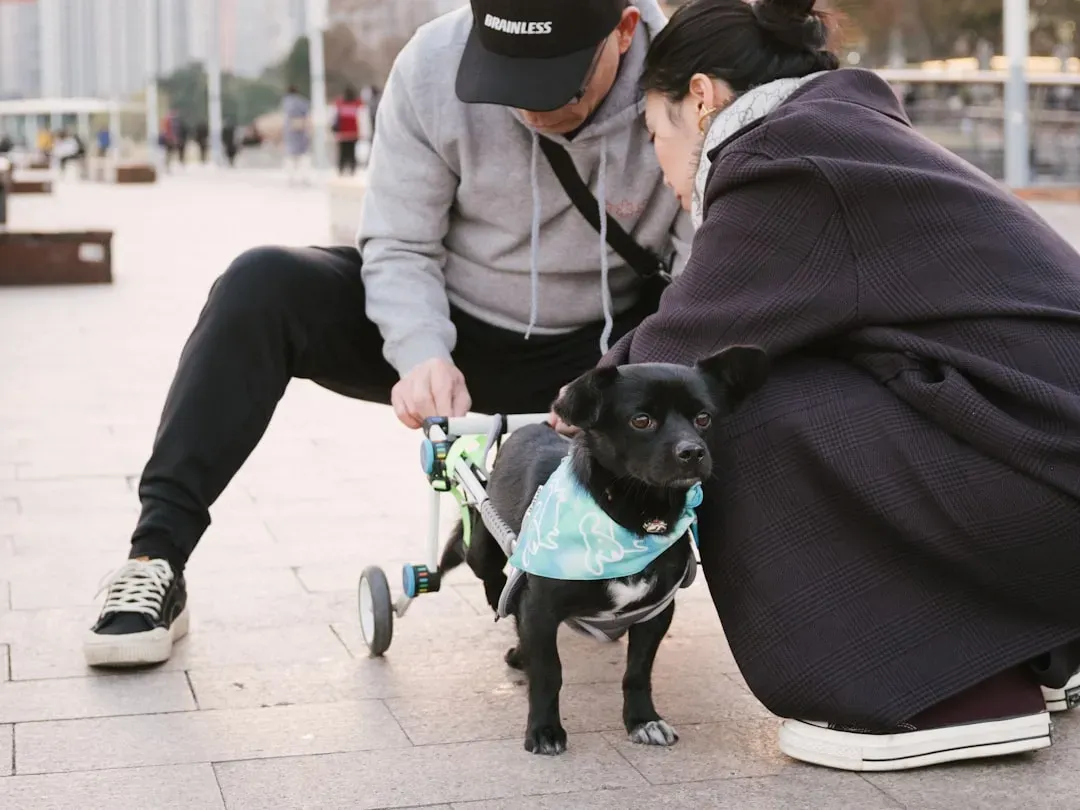
Sometimes love and patience aren’t enough, and that’s completely okay. Professional assistance is crucial when rehabilitating abused dogs because experts like trainers and animal behaviorists are specially trained to recognize signs of trauma, can tailor rehabilitation plans to meet each dog’s unique needs, and this personalized approach often leads to more effective and faster recovery. There’s no shame in admitting you need guidance – honestly, seeking professional help shows tremendous dedication to your dog’s wellbeing.
If you think the dog is suffering, if you are suffering, or if your relationship with the dog is suffering, then anti-anxiety medications are a solid option, and by the time most owners resort to seeing a behaviorist, their dogs need medication. Treatment often requires behavioral training and positive reinforcement in combination with natural calming supplements and pheromones, and anti-anxiety medication may also be prescribed. Medication isn’t a sign of failure; it’s a medical tool that can help your dog feel comfortable enough to engage in the behavioral work they need to heal.
Conclusion: The Journey Is Worth Every Step
Rebuilding trust with a dog who’s been hurt isn’t easy. There will be days when you feel like you’re making no progress at all, moments when a sudden noise sends you both back to square one, and times when you question whether you’re doing enough. The truth is, you probably are. Every small victory – the first time they willingly approach you, the moment they relax enough to fall asleep in your presence, the day they finally wag their tail with genuine happiness – represents profound healing.
Rebuilding a dog’s trust isn’t about quick results but about healing, asking you to slow down, listen, and communicate in a language of patience and empathy, and when a once-fearful dog finally wags their tail when you enter the room or curls up beside you with complete trust, you’ll feel the transformation of fear into love. Your commitment to helping your dog heal doesn’t just change their life – it changes yours too. What has your experience been with helping a fearful dog learn to trust again?


