
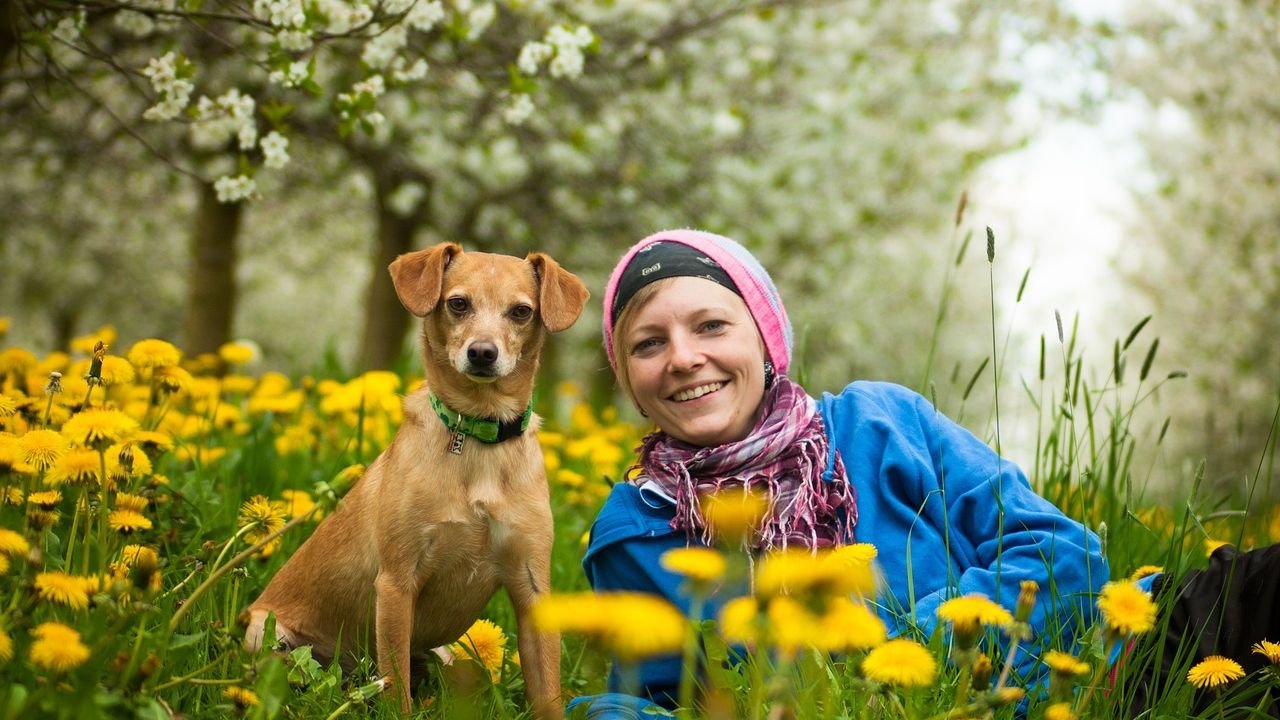
Picture this: you’re at a gathering, and there’s one person in the corner who seems utterly unbothered, maybe scrolling their phone, barely engaging with anyone around them. The host’s dog walks past a dozen enthusiastic guests, ignores all the outstretched hands, and plops itself right at that quiet person’s feet. Everyone laughs. “He always does that,” the host says, shaking their head. Sound familiar?
It’s one of those quirky, delightful things dogs do that makes us scratch our heads. Why would a dog ignore loud affection and choose the one person who isn’t even trying? The answer is layered, surprisingly scientific, and honestly a little beautiful. Let’s dive in.
Dogs Are Wired to Read What We Can’t Hide
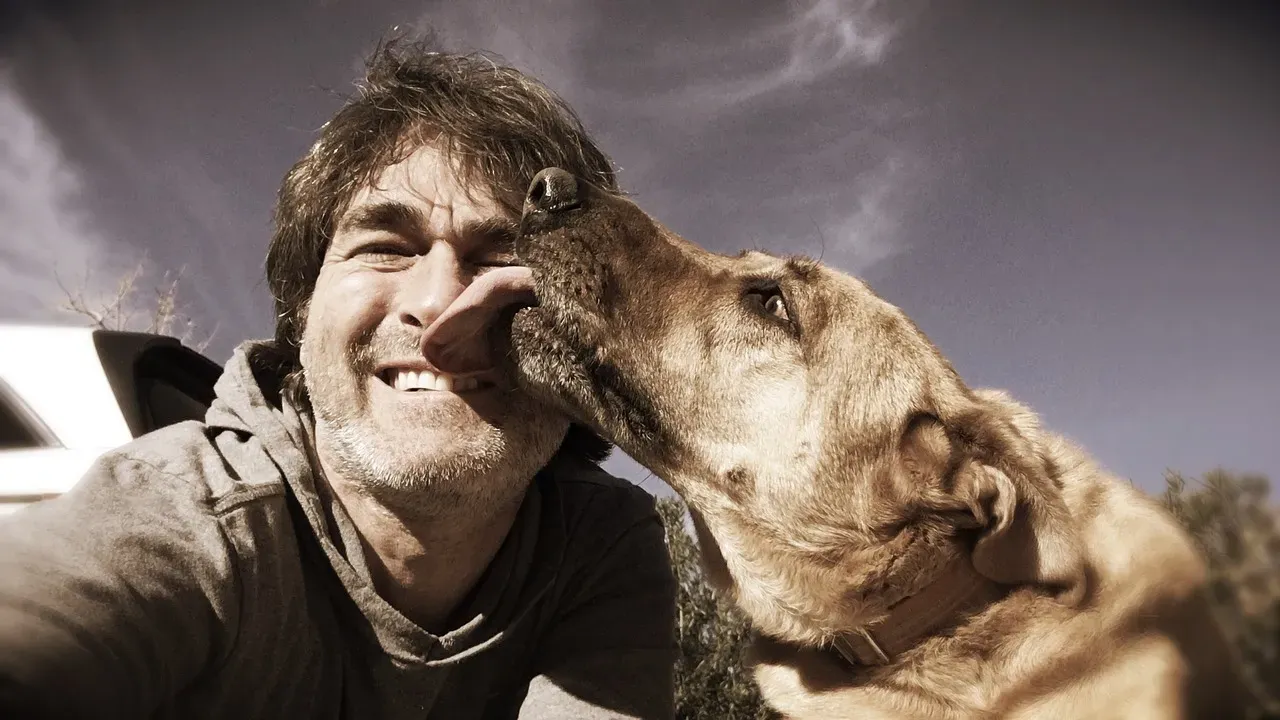
Here’s the thing: dogs are not fooled by social performance. Numerous studies have found that dogs use three main senses, namely sight, smell, and hearing, to determine human emotions, and they can recognize six basic emotions including anger, fear, happiness, and sadness, processing these in similar ways to humans. That person who isn’t performing enthusiasm at a party? Their body is completely calm. Their breathing is steady. Their movements are slow and deliberate. To a dog, that reads like pure safety.
When dogs pick up on human emotions, they use composite signals, drawing information from a cocktail of their senses including sight, hearing, olfaction, and even touch. So when someone is emotionally withdrawn but physically relaxed, a dog essentially gets a very clear and consistent signal: “Nothing threatening here.” It’s like a dog walking into a room and immediately knowing who’s truly at peace, even when that person isn’t even thinking about dogs.
The Science of Calm: What “Unavailable” Energy Actually Signals
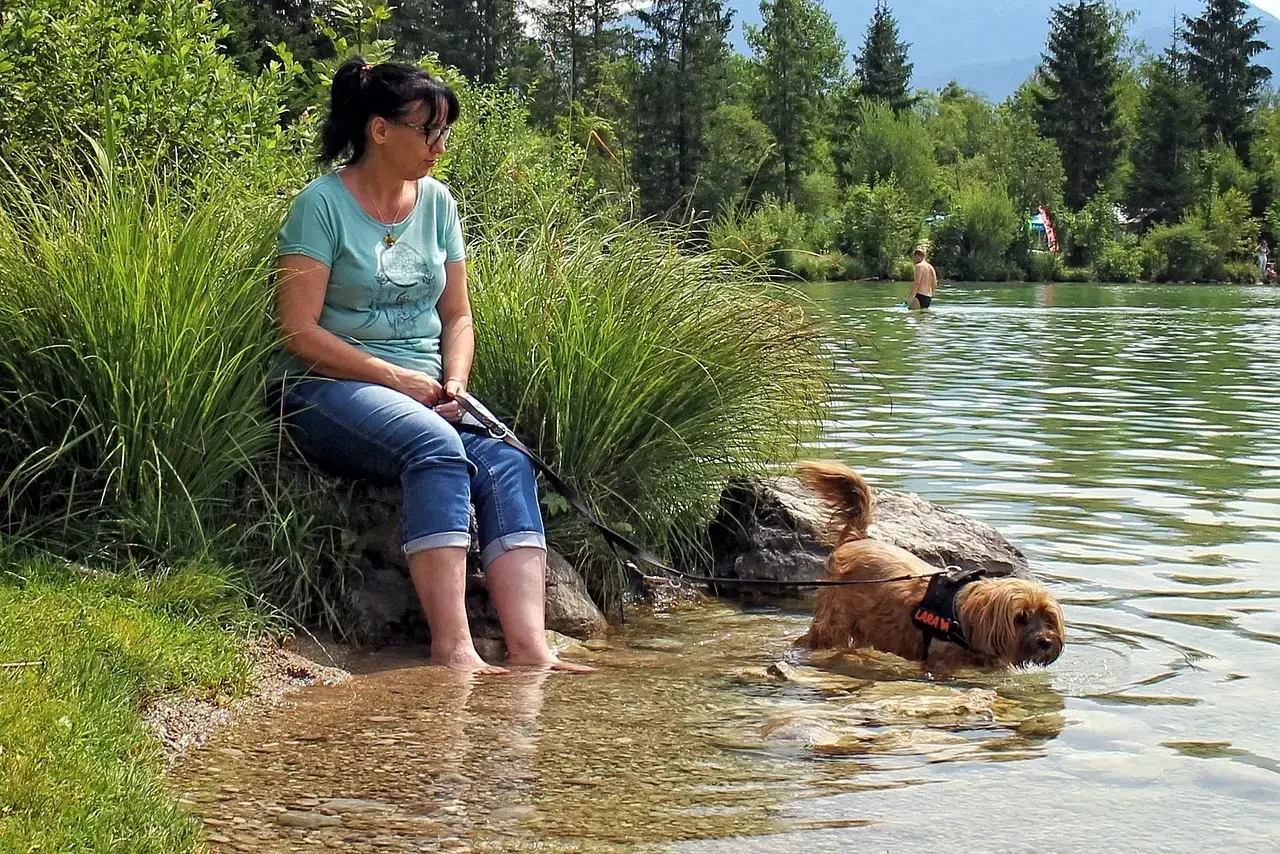
Individuals with calm, open body language and relaxed energy often attract dogs more readily. Direct eye contact may be perceived as threatening, while a non-threatening, crouched, or sideways posture can make dogs feel safer, and soft, slow movements are more inviting than quick or erratic behavior. , almost by definition, tend not to rush over, stare excitedly, or reach aggressively. They’re just… there. And to a dog, that low-pressure presence is basically a five-star resort.
A tense posture, slouched shoulders, and rapid movements can trigger unease in a dog because these convey fear or anxiety. On the other hand, calm and laid-back body language signals safety and trust. Ironically, the person who couldn’t care less about impressing a dog is the very one making all the right moves in canine language. Think of it like this: in a room full of people shouting “pick me!” dogs are quietly drawn to the one person who hasn’t said a word.
The Emotional Eavesdropping Dog: Social Awareness Beyond What We Imagine
I honestly find this next part fascinating. Research has shown that dogs are continually monitoring the social interactions their owners have with other people, and using this information to form opinions. Dogs are social eavesdroppers of the highest order. They watch. They assess. They form judgments based on behavior patterns. A person who doesn’t fuss or react dramatically to the world around them becomes, in a dog’s social map, a figure of stability.
Dogs are not only passive recipients of their own emotional experience but are also active subjects for expressing their emotions in a communicative way and for recognizing the emotions and emotional expressions of others. So when a reserved person sits quietly at the edge of the party, the dog has already clocked their calm consistency, their neutral face, and their unhurried energy. The emotionally unavailable person, without realizing it, just passed every single one of the dog’s background checks.
The Healing Pull: Why Dogs Seek the Emotionally Distant
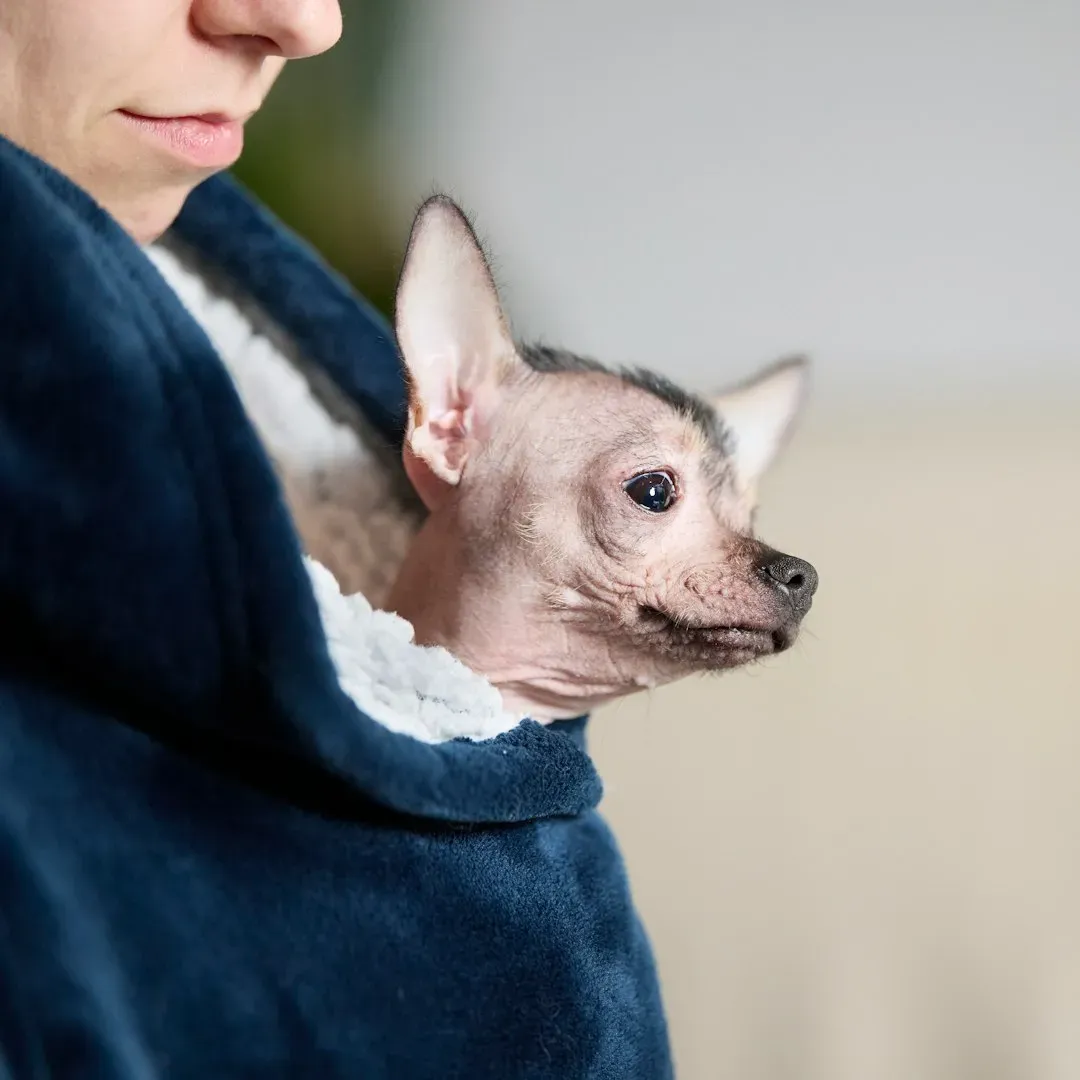
There is also something profoundly instinctive happening here. Dogs have “affective empathy,” defined as the ability to understand someone else’s feelings toward people who are important to them, and emotional contagion is a primitive form of that affective empathy reflecting the ability to actually share those feelings. When a dog senses that someone is emotionally shut down or holding something in, they don’t read it as rejection. They read it as a quiet call. Some dogs, especially empathic breeds like Golden Retrievers and Labrador Retrievers, seem magnetically drawn to that quiet distress.
Families often notice their Golden choosing to sit beside someone who feels withdrawn, offering quiet reassurance through simple presence, and their friendly nature extends beyond their own household, making them equally gentle toward strangers needing comfort. Unlike human relationships, dogs offer nonjudgmental companionship, creating a safe space for emotional vulnerability. This is why you’ll often see a dog gently resting its head on the lap of the one family member who hasn’t said a word all evening. The dog isn’t being dramatic. It’s being exactly what it was born to be.
The Hidden Cost: What Emotional Unavailability Does to Your Dog’s Well-being
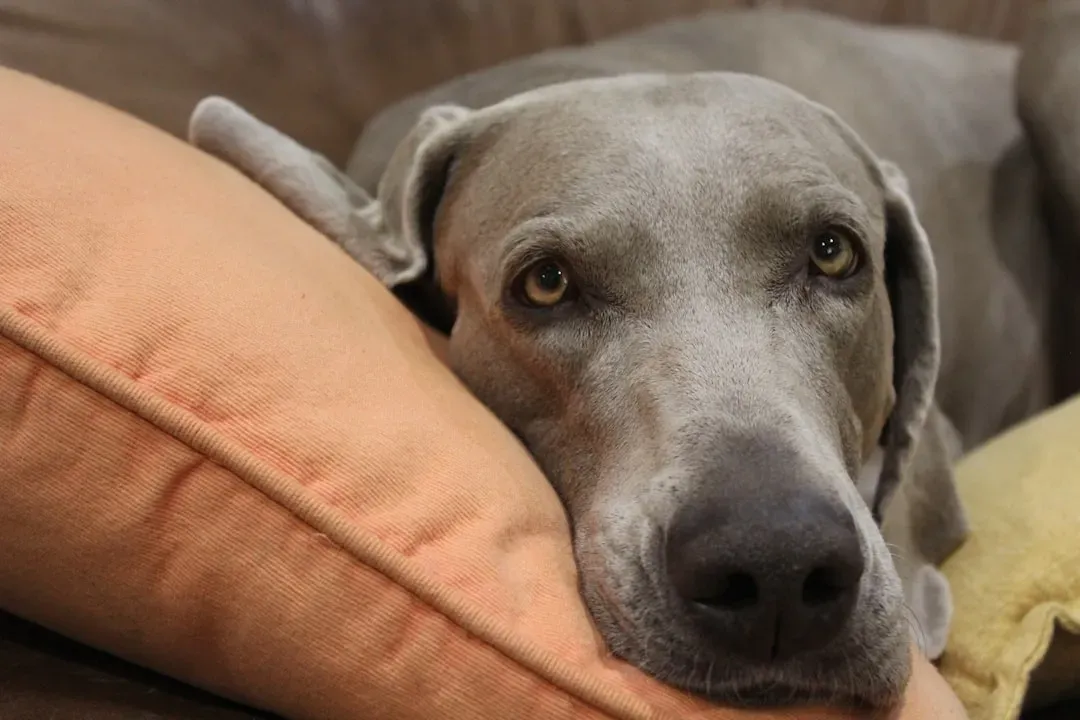
Now, here’s where we need to be honest, because I think this part often gets missed in the “aww, isn’t that sweet” conversation. It’s no great secret that dogs are sensitive to human emotions, but research published in Nature Scientific Reports indicates that if an owner is chronically stressed, it can rub off on their dog as well. Emotional unavailability, especially the kind rooted in chronic stress, anxiety, or emotional shutdown, doesn’t stay invisible to a dog. Over time, it seeps in.
Owners who scored low on the emotional stability trait had dogs with problems in the majority of the behavior issues measured, including aggression directed toward owners, aggression toward other dogs, fear, attention-seeking, separation anxiety, and persistent barking. Dogs may become agitated, clingy, withdrawn, or even exhibit undesirable behavioral changes like increased barking, destructive chewing, inappropriate urination, or sudden aggression. Being drawn to a calm-seeming person is one thing. Living long-term in a home where emotional connection is consistently withheld is something else entirely, and dogs feel that difference deeply.
How to Be the Person Your Dog Needs, Not Just the One They Chase
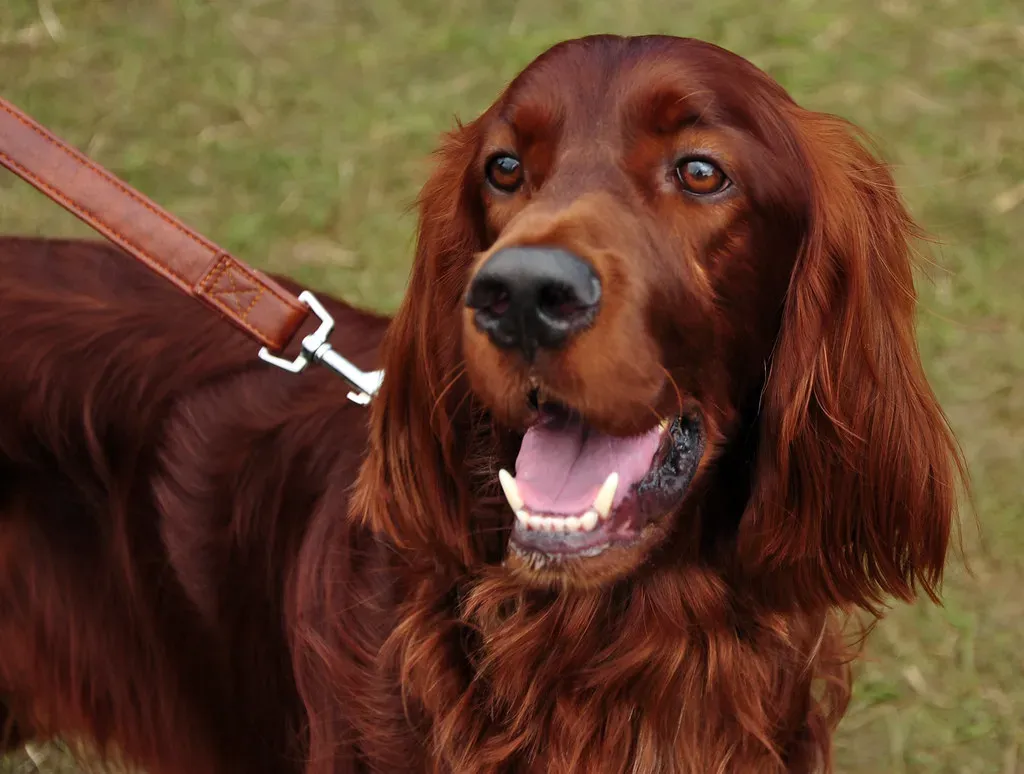
So what do we actually do with all of this? The goal isn’t to become emotionally robotic. It’s to offer your dog the thing they’re truly seeking: consistency, calm, and genuine presence. Maintaining structured, calming routines makes a real difference. Predictable daily patterns reduce stress in dogs, and regular walks, consistent feeding times, and quiet time routines offer both reassurance and stability. It doesn’t take grand gestures. It takes showing up the same way, every day.
For individuals with insecure attachment patterns, dogs can serve as a secure base, offering the emotional safety they may struggle to find in human relationships. This is particularly true for people who feel lonely or disconnected, as dogs provide a dependable source of affection and connection. The beautiful twist here is that your dog’s gravitational pull toward you, whether you’re emotionally reserved or just having a quiet day, is actually an invitation. An invitation to slow down, breathe, and let yourself be present. During your time with your pet, strive for genuine, unhurried presence, put away distractions like your phone, and consciously focus solely on connecting with them. Your dog already chose you. The rest is just showing up for that.
Conclusion
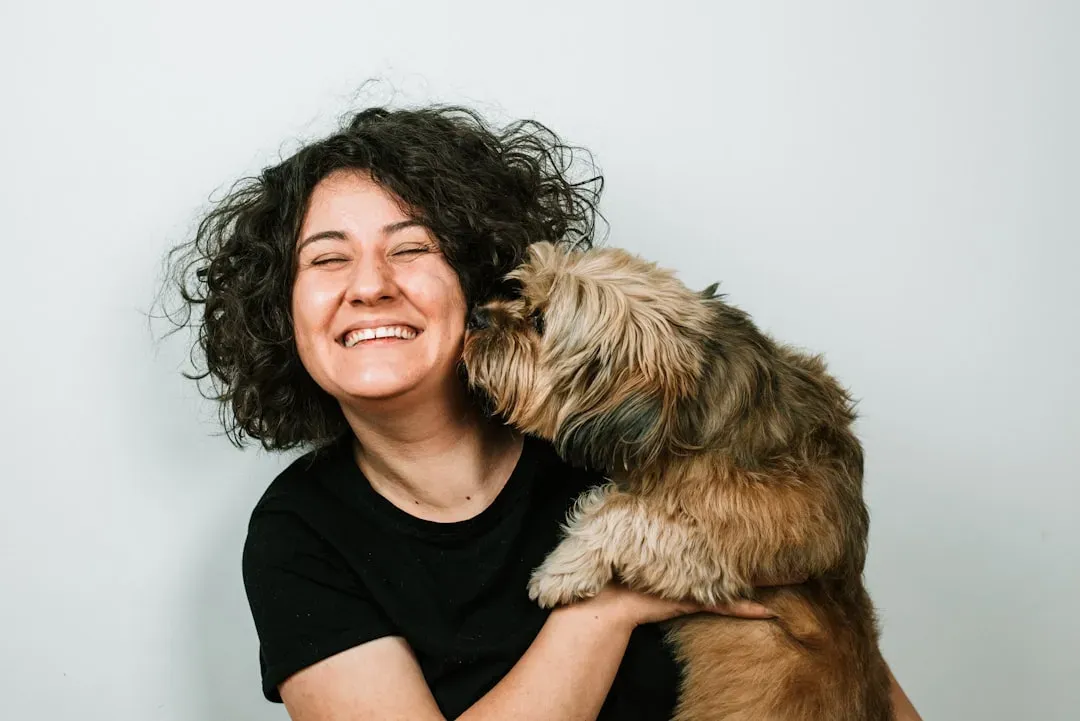
Dogs are not foolish creatures that stumble blindly into our laps. They are sophisticated emotional readers, ancient companions shaped by thousands of years of learning to understand us better than we sometimes understand ourselves. When a dog gravitates toward the quiet one in the room, it isn’t a mistake or a quirk. It’s a masterclass in reading what’s real.
The deeper takeaway is this: your dog does not need you to perform happiness. They need you to be steady, to be present, and to tend to your own emotional world so that it doesn’t quietly pull theirs down too. Your dog reflects more than your schedule. They reflect your soul. And that, honestly, is one of the most profound reasons to take your own emotional health seriously.
Have you ever noticed your dog choosing the quietest person in the room? Share your story in the comments. We’d love to hear it.


