
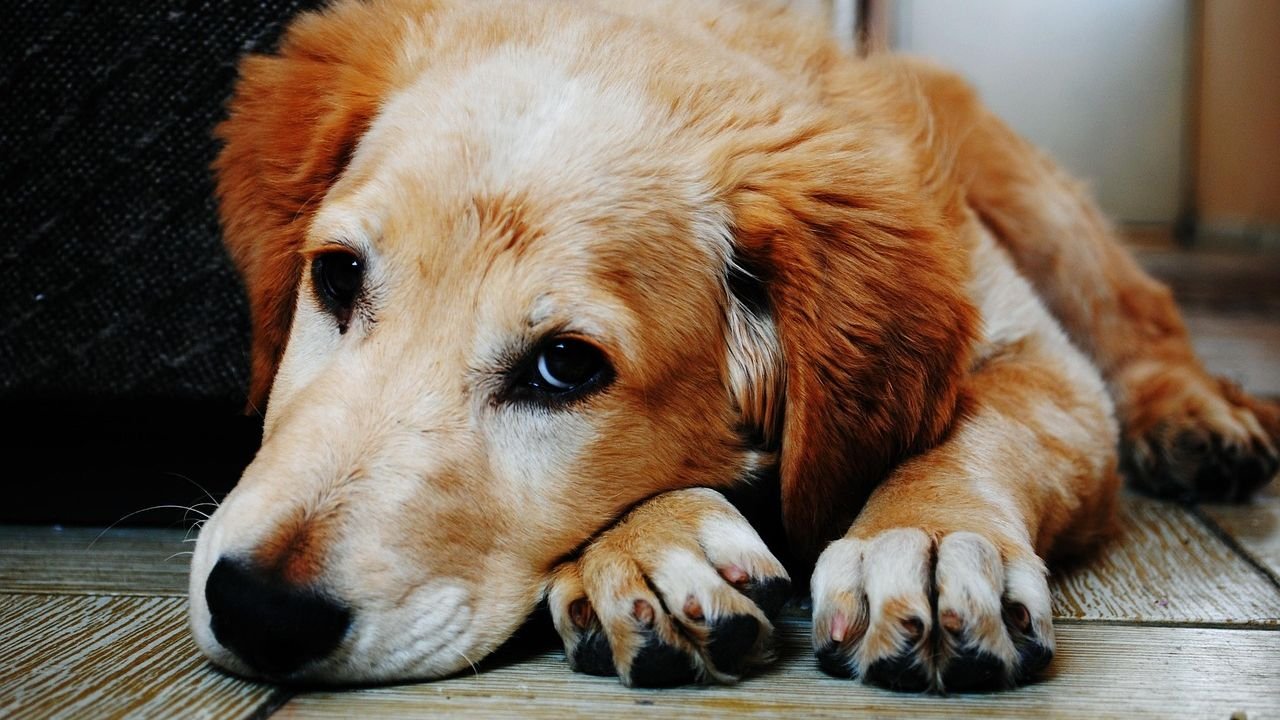
You might have heard stories about dogs slipping away quietly in their final hours. Maybe a neighbor’s old retriever disappeared into the woods one afternoon, or a friend’s aging terrier curled up behind the washing machine when her time came. It’s a heartbreaking image that haunts many dog lovers. Why would our loyal companions, who’ve spent years by our sides, suddenly want to be alone when they need us most? The truth behind this behavior is more complex than you might imagine, rooted in ancient instincts that have nothing to do with how much they love us.
Here’s the thing. Not every dog seeks solitude when death approaches. Some cling to their humans until the very end, seeking comfort in familiar arms. Others follow an ancient script written deep in their DNA, one that tells them to find a safe, quiet place away from the pack. Understanding this behavior can help us support our beloved companions through their final journey with compassion rather than confusion.
The Ancient Instinct Behind the Behavior
Dogs are hardwired to hide when feeling sick or weak because they understand that weak animals are easier targets for predators. This survival mechanism goes back thousands of years to their wolf ancestors. In the wild, showing vulnerability could mean death.
Dogs listen to their bodies, and when dying, they know they’re weakened and unable to protect themselves, making them incredibly vulnerable to predators. By hiding, wolves and wild dogs protected both themselves and their pack from danger, and modern dogs may not face predators, but that primal instinct remains strong in many breeds.
It’s honestly difficult to accept. Your dog isn’t rejecting your love or care when they retreat. This instinct can override years of love, safety, and warmth you’ve given your best friend, and it’s not about you but their instinct.
Reading the Warning Signs
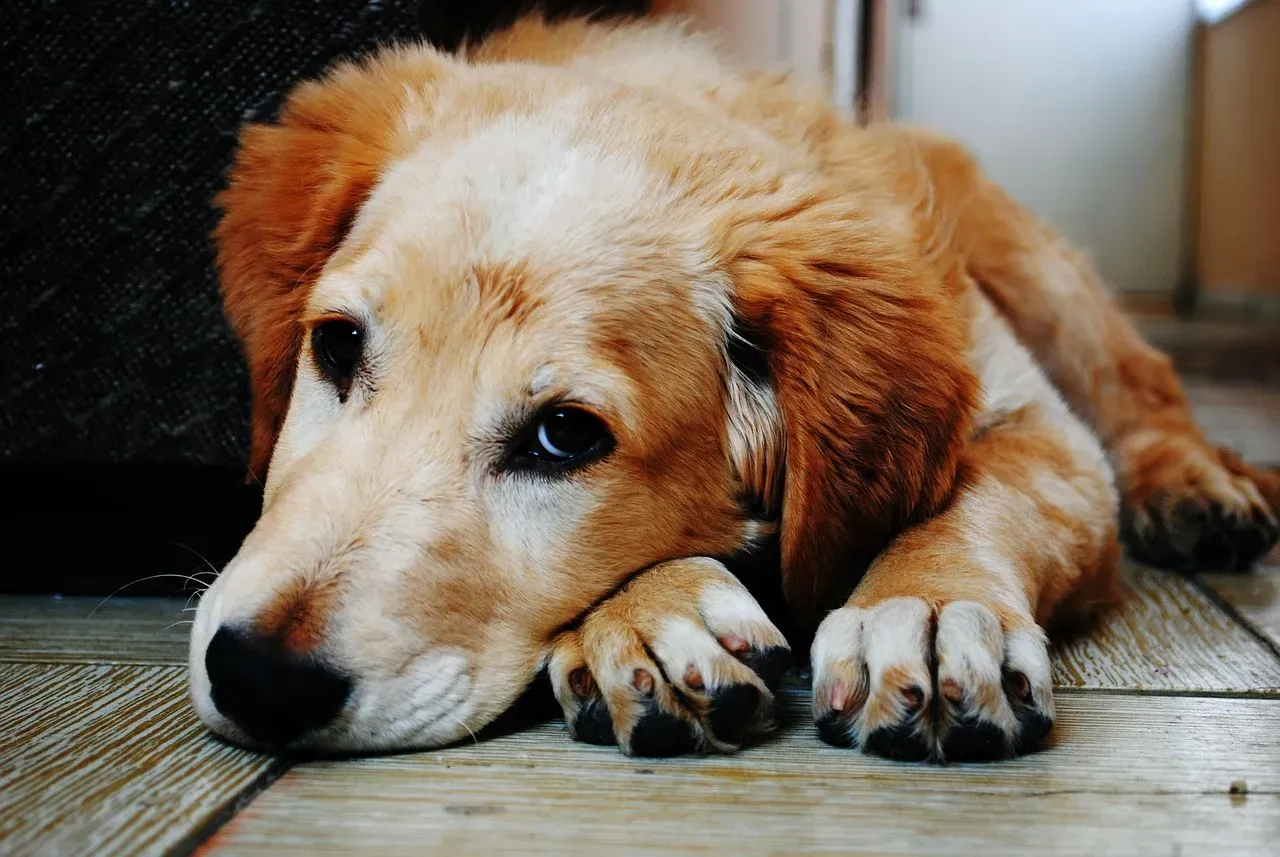
If your dog is seeking out quiet places of solitude or isolation, it could be a sign they are near the end of their time. There are other behavioral changes to watch for. Some dogs seek out the comfort and company of their humans to the point of clinginess, while others become more solitary and seek quiet corners to be alone.
They may detach a little bit more each day from their routines and seek resting areas away from all the hustle and bustle of busy homes. Maybe your usually energetic dog no longer greets you at the door. Perhaps they’ve stopped showing interest in walks or favorite toys.
Physical symptoms often accompany this withdrawal. If your dog is in pain, it may remain hidden or become reluctant to interact with the family, and you may notice panting more than usual, trembling, or other signs like irritability, restlessness or aggression.
The Truth About Dogs Wanting to Die Alone
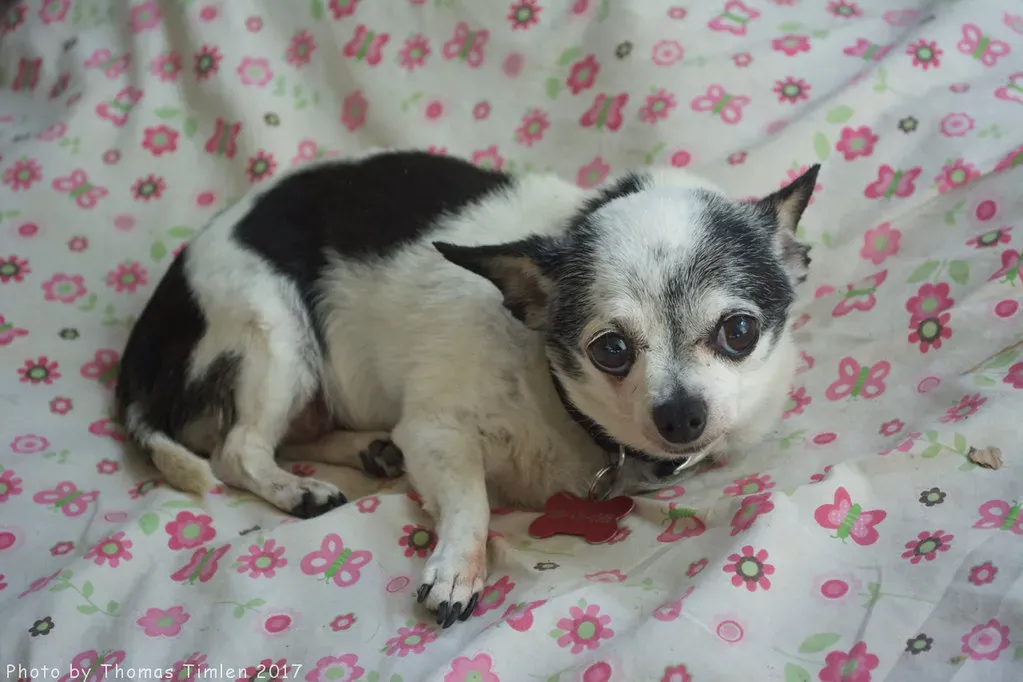
Let’s be real here. A myth arose that dogs approaching the end of their life prefer to be alone as they seek out a quiet, solitary, peaceful place to die. The reality is more complicated. Veterinarians and researchers attribute the strange behaviors of elderly dogs, including wandering off and disappearing, to age-related cognitive dysfunction and physical decline, and when a dog wanders off, they’re more likely confused, scared, or stuck in a situation they cannot get out of.
The reality is that your dog wants to be with you when it passes away, the same way that it wanted to be with you every day of its life. Sometimes dogs with dementia or disorientation simply get lost. They might have intended to find a comfortable spot in your yard but ended up somewhere they couldn’t navigate back from.
Not all dogs follow this pattern either. Many owners report that their dogs remain very present and affectionate, and some report them even being clingy, although at times they may still seek distance.
How to Support Your Dog During Their Final Days
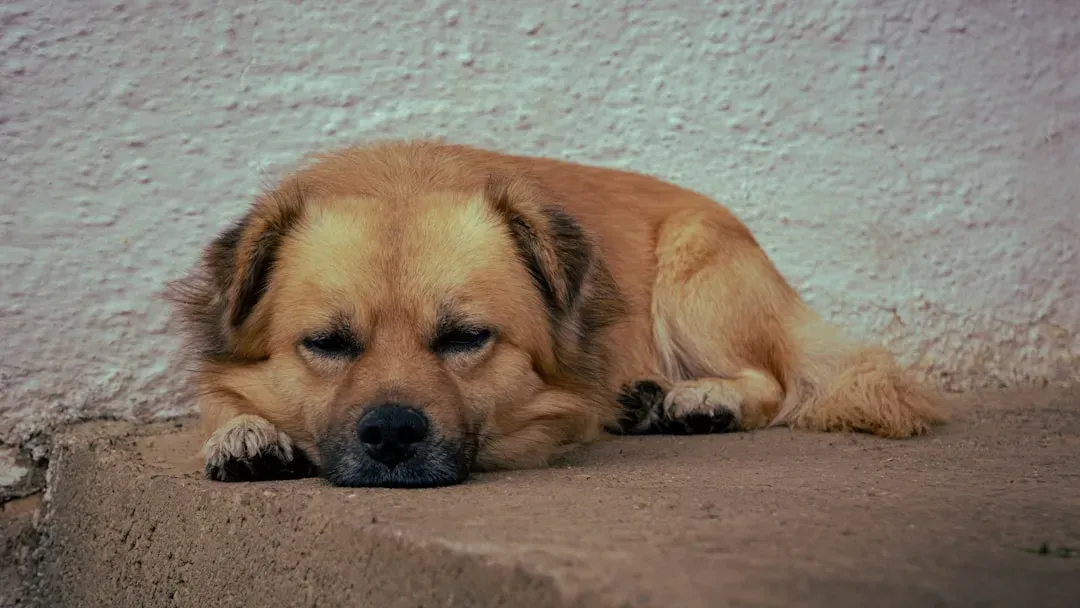
While we may want nothing more than to shower our dogs with love and affection, try to do so in a calm and quiet space, and you may wish to remove your dog from other pets, family members or a noisy or crowded environment. Respect their needs even if it breaks your heart.
If your pet seeks solitude, respect their need for privacy and allow them to choose their own hiding spots without forcing interaction, as this respect for their space can reduce their stress and anxiety. Set up a comfortable area with soft bedding where they can retreat. Keep it accessible but peaceful.
Pain management becomes essential during this time. Talk to your veterinarian about pain medication and management for your pup, as they can help you choose the approach that will work best to get your dog feeling more comfortable. Monitor them closely for signs of discomfort. Spend time sitting quietly nearby if they’ll allow it. Sometimes just your presence, without demands, provides comfort.
Making Peace with Their Choice
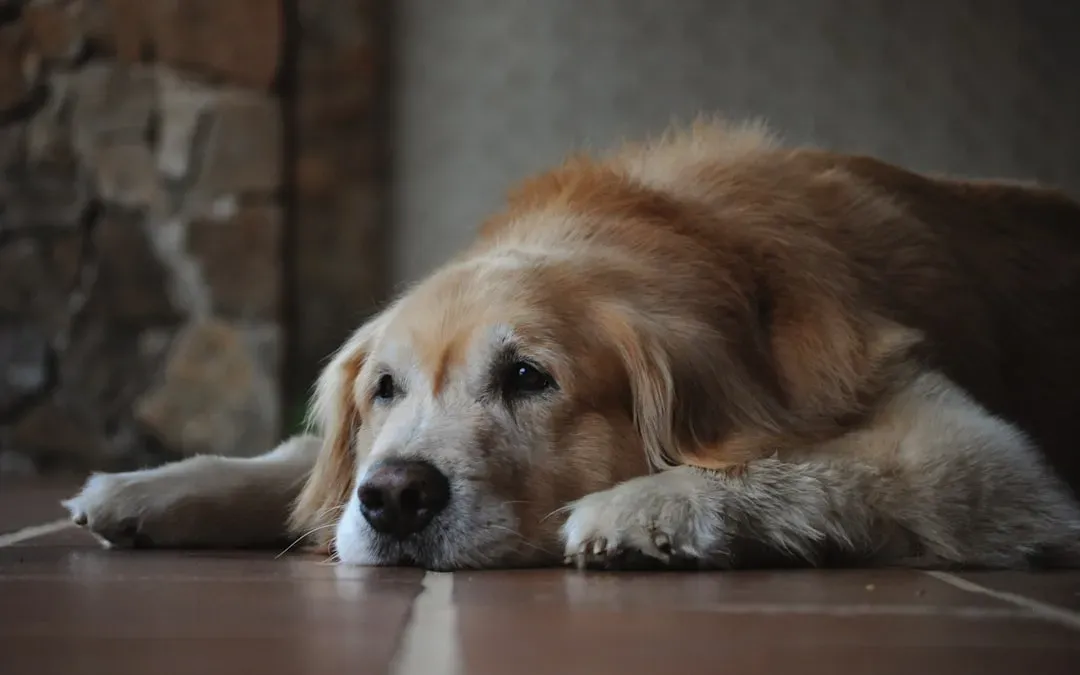
If your dog hides at the end of his life, it’s not because he didn’t love you or consider you his best friend, and even if you would have given him every comfort at the end, he was just following an instinct as a dog to hide for protection while he still loves you. This knowledge doesn’t make it easier, but perhaps it brings some understanding.
What matters most is that you recognize the signs and respond with compassion. When your dog’s final moments arrive, you may feel conflicted about watching your friend transition to death, but as difficult as it may be, it will provide great comfort for them to know their loving family is there with them.
Some owners choose euthanasia to prevent suffering. Others provide hospice care at home. There’s no single right answer. What matters is ensuring your dog’s final days are spent with dignity, free from unnecessary pain, and surrounded by the love that defined your years together. They gave you their whole lives. The least we can do is honor their instincts while staying close enough to ease their journey home.
Did witnessing your dog’s final behavior surprise you, or did you find comfort in being present? Every dog’s journey is unique, just like the bond you shared.


