Picture this. You come home from a long day at work, your dog races to greet you, tail wagging with pure joy. Then you notice the leash still clipped to their collar. Hours later, they’re still restricted, confined to limited movement in what should be their safest space. Something about that image just doesn’t sit right, does it?
Your home is meant to be a sanctuary for your furry friend, not an extension of outdoor rules. While leashes serve a critical purpose during walks and in public spaces, keeping them on inside your house can actually create more problems than they solve. Let’s explore why your dog deserves to roam free within the four walls they call home.
Freedom Of Movement Promotes Physical Health

Dogs need to stretch, turn, and move naturally throughout the day. When you keep them leashed indoors, you’re essentially limiting their ability to navigate their own territory comfortably.
Think about how you’d feel wearing restrictive clothing all day in your own living room. Being tethered to someone can leave some dogs feeling vulnerable, frustrated, or anxious. Your dog might want to shift positions, follow sunbeams across the floor, or simply stretch out fully without the constant tug of a leash reminding them they’re confined.
Mental Stimulation Requires Unrestricted Exploration

Exercising your dog’s mind and body can greatly enrich his life, decrease stress and provide appropriate outlets for normal dog behaviors. When dogs are , they can’t engage in those spontaneous investigative behaviors that keep their minds sharp.
Your dog might catch an interesting scent from the kitchen or hear a sound from another room that piques their curiosity. A leash prevents them from naturally investigating these stimuli. Over time, this suppression of natural curiosity can lead to boredom and even depression. Dogs are intelligent creatures who thrive on mental challenges, even small ones like deciding which room to nap in next.
Indoor Leashing Creates Unnecessary Stress And Anxiety

Here’s the thing. Feeling restrained can be stressful for dogs, so it’s important that your pup is used to her leash. The difference is that leashes should be associated with exciting outdoor adventures, not constant indoor restriction.
Every time your dog becomes highly distressed, stress hormones occur in the body which can take days to reduce. This can cause negative, long-term effects on your dog’s body and mental state. When you keep a leash on your dog at home without purpose, you’re potentially triggering these stress responses in an environment where they should feel most relaxed. Some dogs develop anxiety specifically around being restrained, and indoor leashing can amplify these feelings rather than resolve behavioral issues.
Safety Hazards Multiply With Indoor Leashing
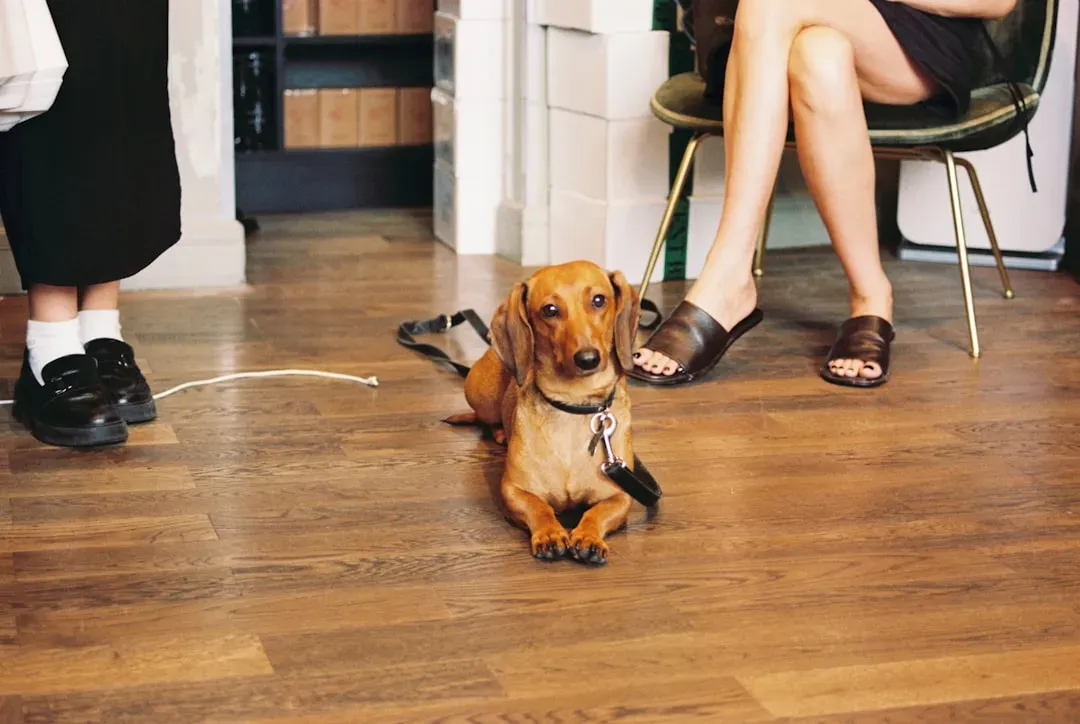
Honestly, keeping a leash on your dog inside the house introduces risks you might not immediately consider. That dangling leash can easily catch on furniture legs, door handles, or stair railings.
Imagine your dog suddenly startled by a noise and bolting, only to have the leash snag on something. This could result in injury to their neck, back, or legs. I’ve heard stories of dogs getting tangled while their owners were in another room, leading to panic and even self-inflicted wounds from desperate attempts to break free. The very tool meant to keep them safe outdoors becomes a liability indoors.
Your dog could also accidentally wrap the leash around their body or another pet, creating dangerous situations. Without constant supervision, these scenarios are more likely than you’d think.
It Interferes With Natural Behavioral Patterns
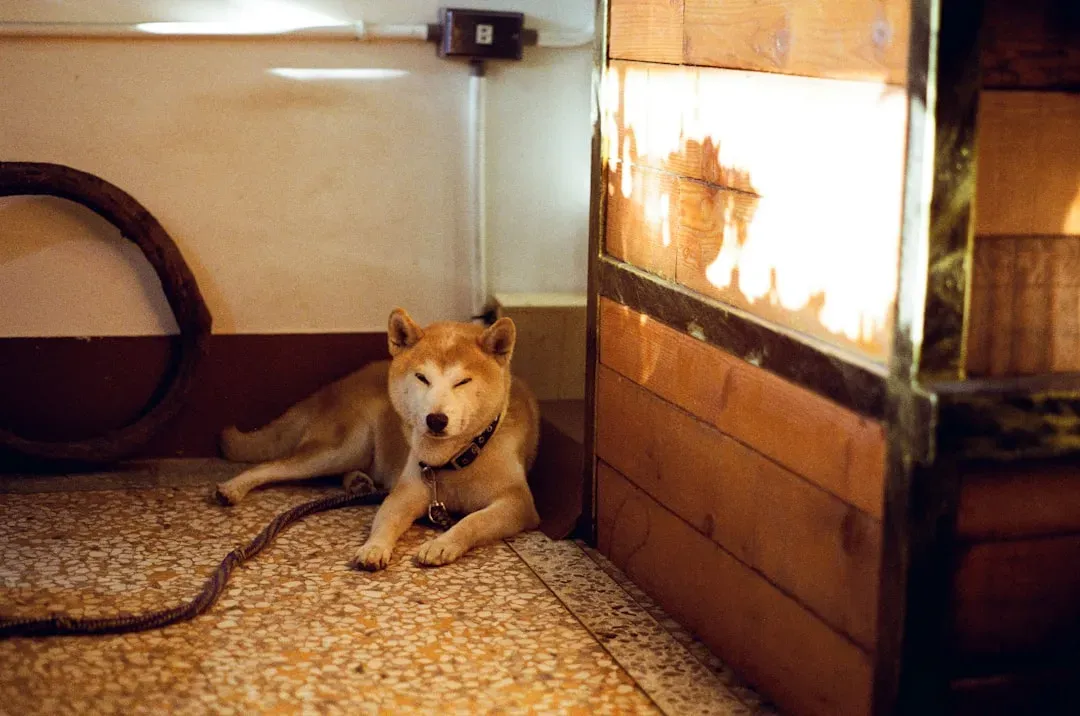
Dogs have instinctual behaviors that need expression, even in domestic settings. They need to circle before lying down, investigate corners and crevices, and position themselves strategically to watch over their domain.
Being on leash removes a dog’s ability to move away and add distance from the other – we’ve essentially removed the “flight” option. While this refers to outdoor situations, the same principle applies at home. When your dog can’t naturally distance themselves from situations that make them uncomfortable indoors, they’re forced into a constant state of vigilance.
A dog on a permanent indoor leash can’t properly perform their greeting rituals when family members come home. They can’t retreat to their favorite safe spot when overwhelmed. These natural coping mechanisms are essential for emotional regulation, and leashing at home disrupts them completely.
Building Trust Requires Giving Freedom
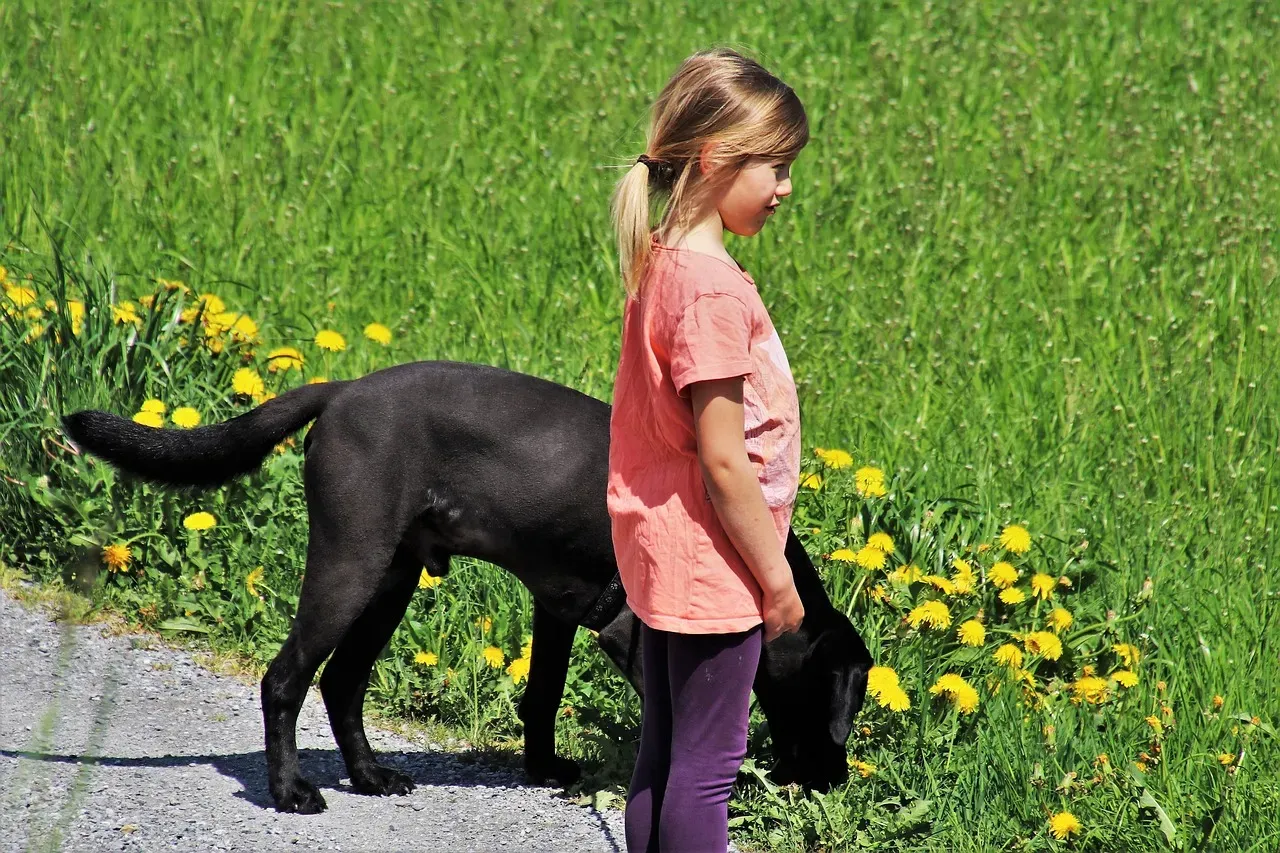
Your relationship with your dog is built on mutual trust and respect. When you leash them continuously at home, you’re sending a message that you don’t trust them in their own space.
Dogs are incredibly perceptive to our behavior and expectations. Keeping a leash on your dog in the house is truly the beginning of training. As your dog learns commands like Place, she starts to self settle, and make better choices. Then the leash on inside becomes unnecessary. The key phrase here is “the beginning.” Permanent indoor leashing shouldn’t be the end goal.
Let’s be real, if you find yourself needing to keep your dog leashed at all times indoors, that’s a sign of a training issue that needs addressing through proper methods. Using a leash as a permanent indoor solution is like putting a bandage on a wound that needs stitches.
Your Home Should Be Their Haven

At the end of the day, your home represents safety, comfort, and belonging for your dog. It’s where they should feel most themselves, most free, and most confident.
It is also important to provide your dog with a safe place in the home where they can escape stimuli that trigger a stress response. Everybody enjoys a calm place to retreat. A leashed dog can’t truly access that safe haven, even if it’s just across the room. They’re perpetually restricted, perpetually waiting for permission to simply exist comfortably in their own home.
Creating a nurturing indoor environment means allowing your dog the dignity of free movement. Train them properly, set boundaries through consistent commands and positive reinforcement, but don’t rob them of the simple pleasure of padding freely through the rooms where they live. Your dog gives you unconditional love and loyalty. The least you can offer in return is freedom within the sanctuary of home. What changes could you make today to give your dog that gift?