
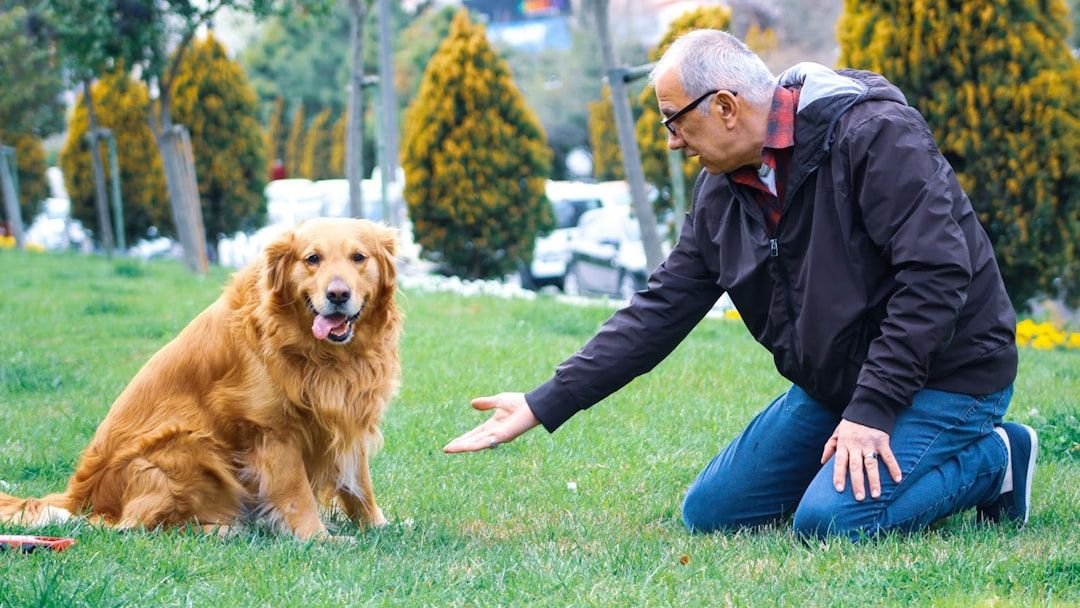
There’s a moment every dog owner knows. Your dog is pulling at the leash, barking at nothing, or suddenly ignoring every command you practiced all week. You feel helpless. Maybe even a little embarrassed. What you might not realize is that your dog is probably just as confused as you are.
Dogs are not misbehaving to spite you. Honestly, most of the time they’re reacting to something much simpler – the absence of clear, confident guidance. And the beautiful, surprising truth is that when you step up as a calm and purposeful leader, everything changes. Not just for your dog, but for you too. Let’s dive in.
The Hidden Language Your Dog Is Always Listening To
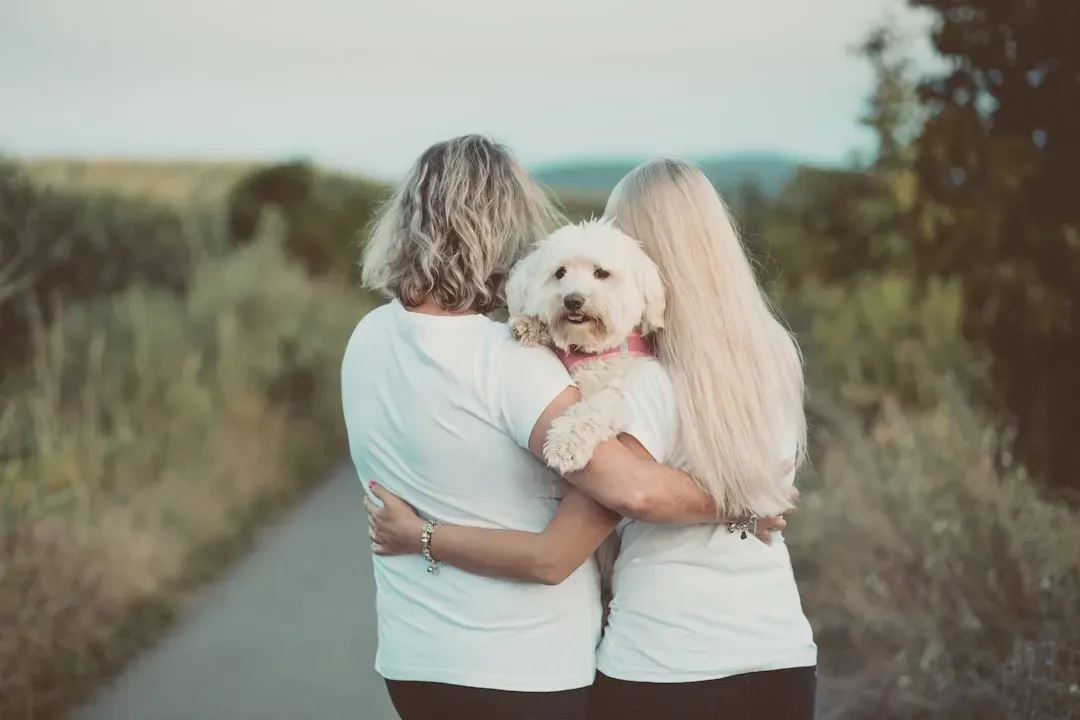
Think of your dog as a master reader of emotional weather. Dogs use constant energy to communicate, and they know the humans in their lives not by name, but by the energy they project and the activities they share. That means every time you walk into a room flustered, tense, or uncertain, your dog is picking up on that signal loud and clear.
A 2019 study published in Frontiers in Veterinary Science found that dogs actually mirror their owners’ stress levels through heart rate variability, with longer cohabitation strengthening this effect. So the longer you’ve lived together, the more in sync your emotional states become. That’s not just fascinating, it’s a real responsibility.
Not only does the type of energy you project affect your dog’s behavior, but it can also change how they perceive their environment. When a human is too fearful or in an angry state of mind, this unbalanced communication can have adverse effects and even cause aggression. In other words, your inner world shapes your dog’s outer world. More than any training technique, your emotional state is the first tool.
What Dogs Are Really Asking For (It’s Not What You Think)
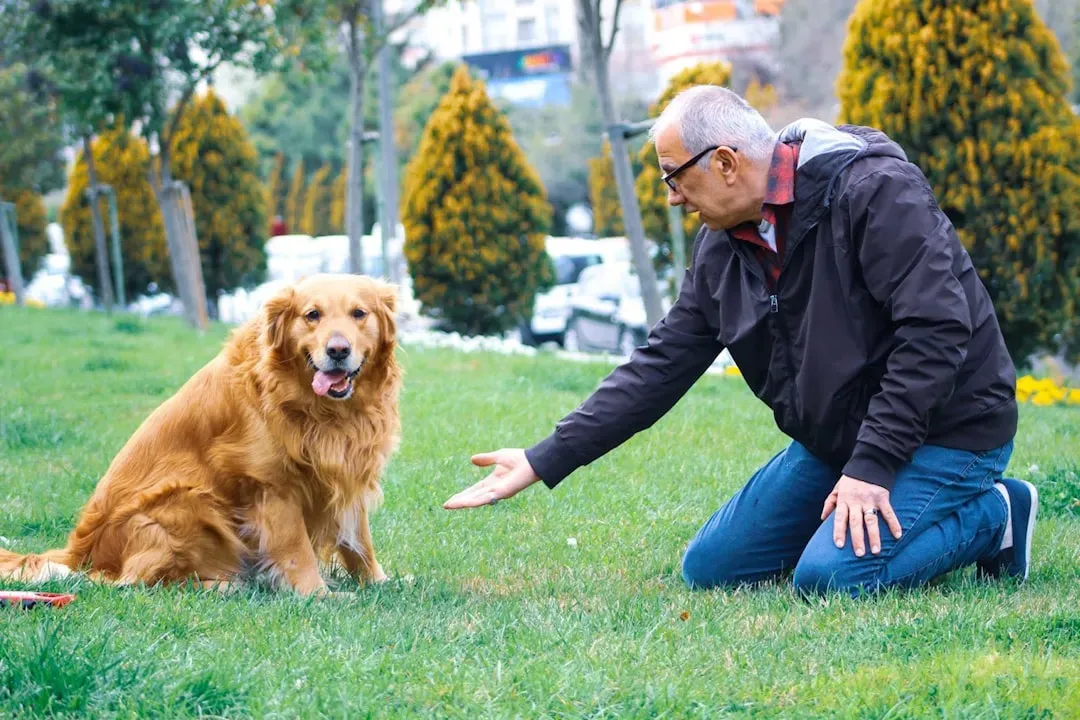
Dogs tend to thrive on structure. Yes, your dog is part of your family. Despite domestication, dogs are still pack animals, and to them, your family is their pack. Here’s the thing, that doesn’t mean you have to be rigid or dominant. It means you have to be reliable.
From the dog’s perspective, inconsistency creates uncertainty. Dogs are not moral decision-makers – they are pattern learners. When outcomes change unpredictably, dogs experiment with behavior to determine what works. Jumping, pulling, or ignoring cues are often simply attempts to figure out the rules of the game.
Without clear leadership from their human owners, some dogs may attempt to take on a dominant role themselves, leading to behavioral issues such as aggression, disobedience, or anxiety. On the other hand, overly submissive dogs may become insecure if they lack strong guidance from their owner. It’s not about being the “boss.” It’s about being the steady one they can count on.
The Real Cost of Confusion: What Stress Does to Your Dog

An anxious dog may pant, pace, tremble, drool, or withdraw from its owner. Alternatively, they may appear irritable or aggressive. The dog’s tail may be low or tucked, ears back, with eyes dilated or showing lots of white around them. These aren’t just “quirks.” They are SOS signals.
Dogs that are anxious all the time may become depressed or irritable, sleep more, and may lose interest in food, training, play, and social interaction. Chronic anxiety may also lower a dog’s threshold for allergies, inflammatory bowel diseases, and other medical problems. I know it sounds dramatic, but stress literally makes dogs physically sick.
An anxious dog is an unhappy dog. You can change that by adding consistency and predictability to your dog’s life. The remedy isn’t a fancy collar or a new training app. It’s you, showing up the same way, every single day.
Calm and Confident: What Leadership Actually Looks Like
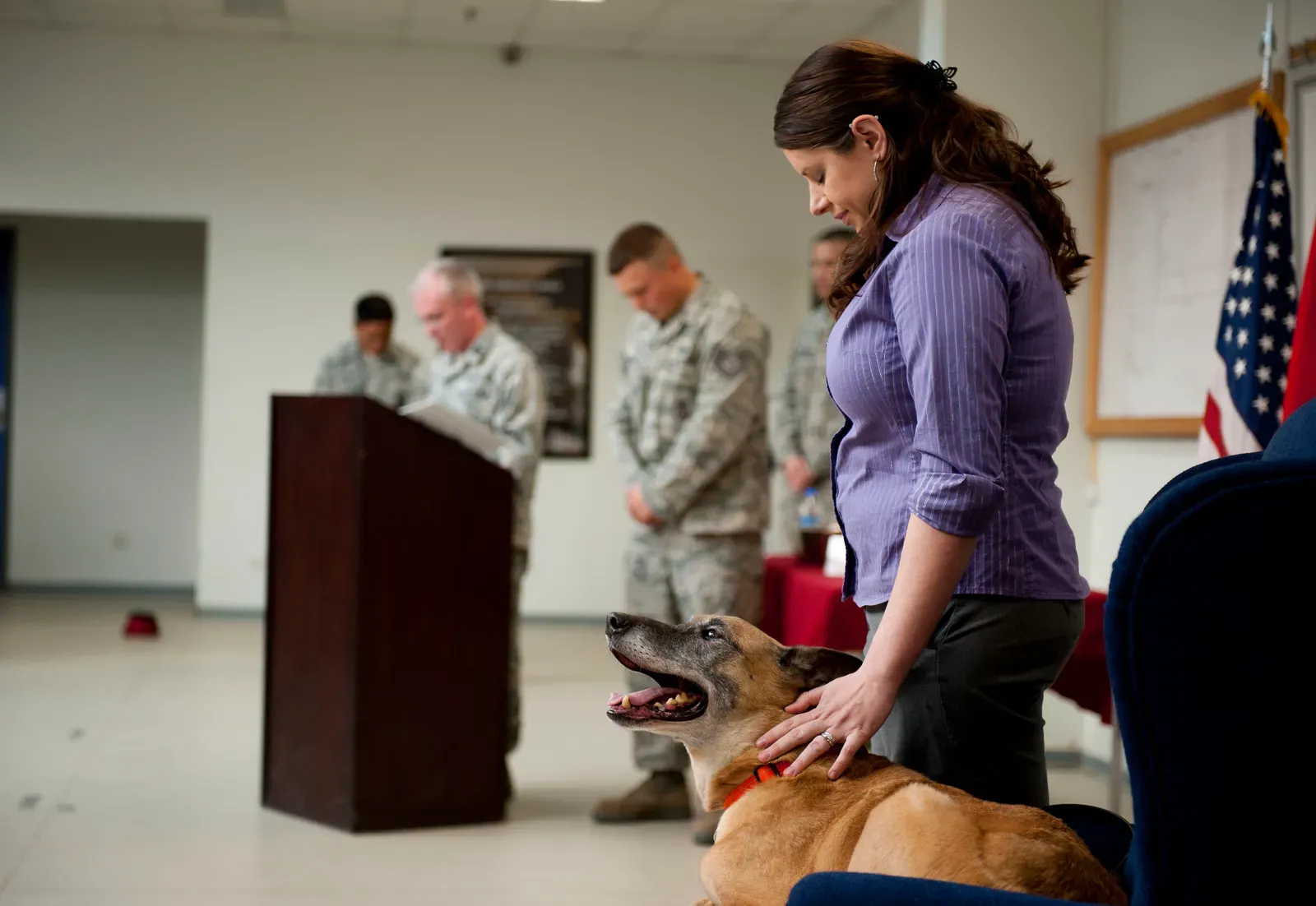
Pack leadership is not about being a dictator or exerting control over your dog. It is about being a calm, confident, and consistent leader that your dog can rely on. Dogs are social animals with a natural inclination to follow a leader, and by establishing yourself as one, you create a sense of security and stability. Think less military commander, more trusted parent.
To effectively train your dog and nurture a healthy relationship, it’s essential to position yourself as the pack leader. This leadership doesn’t rely on force or dominance, but on confidence, consistency, and clear communication. Let’s be real – it’s less about what you say and far more about how you carry yourself.
Calm assertive energy is the most balanced energy and the only energy that dogs will follow. Dogs will not listen to or follow frustration, anger, fear, insecurity, weakness, excitement, or anxiety. Next time you feel yourself tightening the leash out of anxiety on a walk, take a breath. Your dog is watching every move.
Practical Steps That Actually Work Every Day
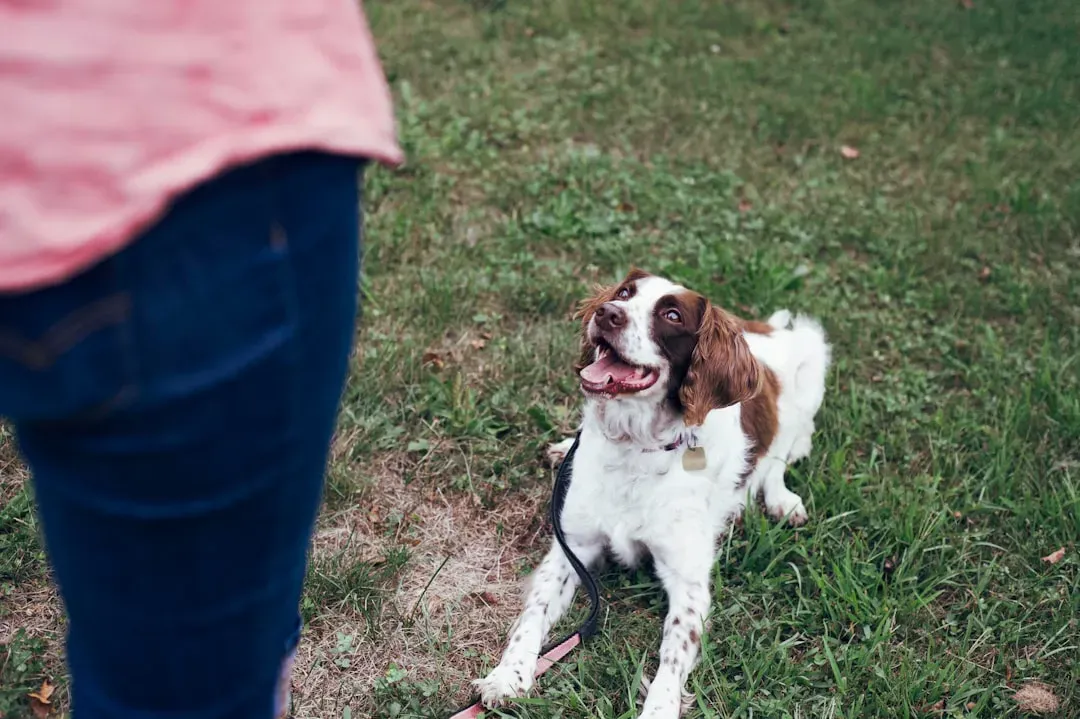
Structured interactions can be beneficial in treating problems rooted in fear and anxiety. These programs provide the dog with consistent and predictable owner responses, which decrease anxiety and build self-control by improving communication. The good news? You don’t need a professional bootcamp to get started.
One of the most basic ways to provide structure for your dog is through regular feeding times. Dogs feel secure when they know when food is coming, and it helps regulate their metabolism, digestion, and bathroom habits. Consistent feeding routines also make it easier to detect any changes in your dog’s appetite, which can be an early sign of illness. Simple routines carry enormous power.
The best way to lead your dog isn’t by showing dominance – it’s by showing them how to trust you. Be consistent, because dogs learn best when they understand what’s expected of them. Mixed signals create confusion, not respect. Small, daily acts of clarity are worth more than any one dramatic training session.
Why This Makes You a Better Human Too
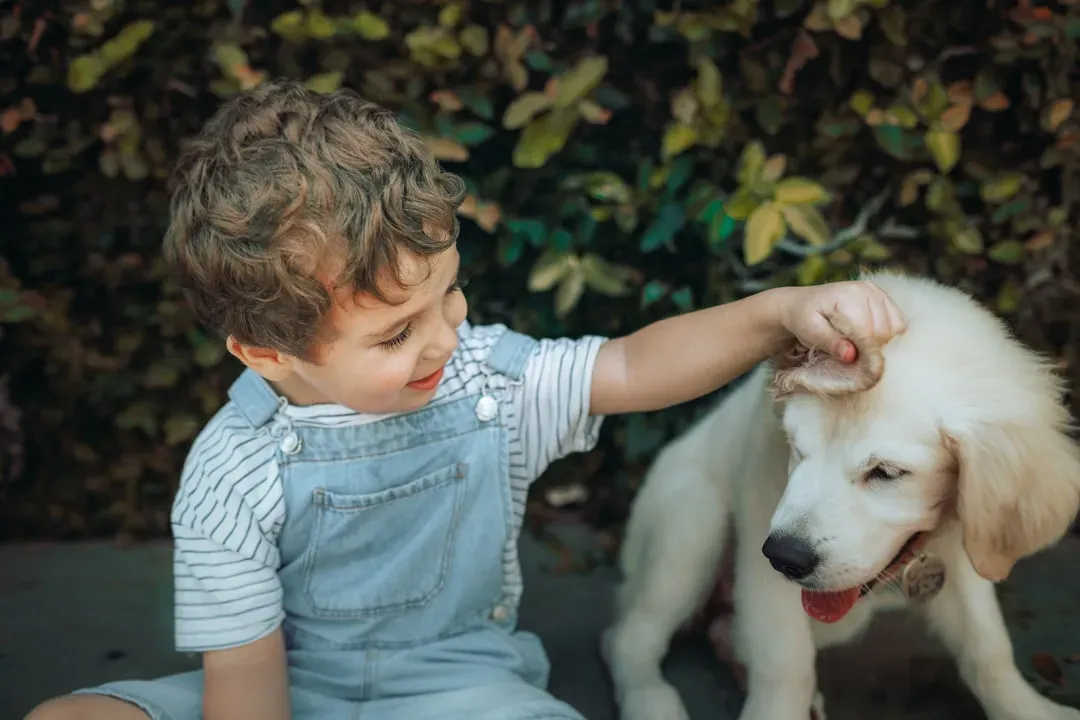
Interacting with dogs can lower cortisol, the stress hormone, and increase oxytocin, the bonding hormone. This hormonal shift promotes relaxation and emotional connection, helping to alleviate symptoms of anxiety. So while you’re busy being a calm leader for your dog, your dog is quietly healing you right back.
It’s not just dogs that benefit from structure – owners do too. A consistent routine can bring a sense of peace and order to your household. Knowing when your dog needs food, walks, or rest helps you plan your day more efficiently and minimizes the stress of last-minute surprises. Honestly, the discipline you build for your dog often becomes the backbone of your own daily rhythm.
The nonjudgmental, unconditionally positive presence of pets helps people feel supported no matter what they might be going through, which gives us the confidence to be our best selves. One study found that support provided by pets contributed to greater self-esteem, conscientiousness, and overall well-being among pet owners. That’s the beautiful loop nobody warns you about when you bring a dog home. You shape them. They shape you back.
Conclusion: The Leader Your Dog Already Believes You Can Be
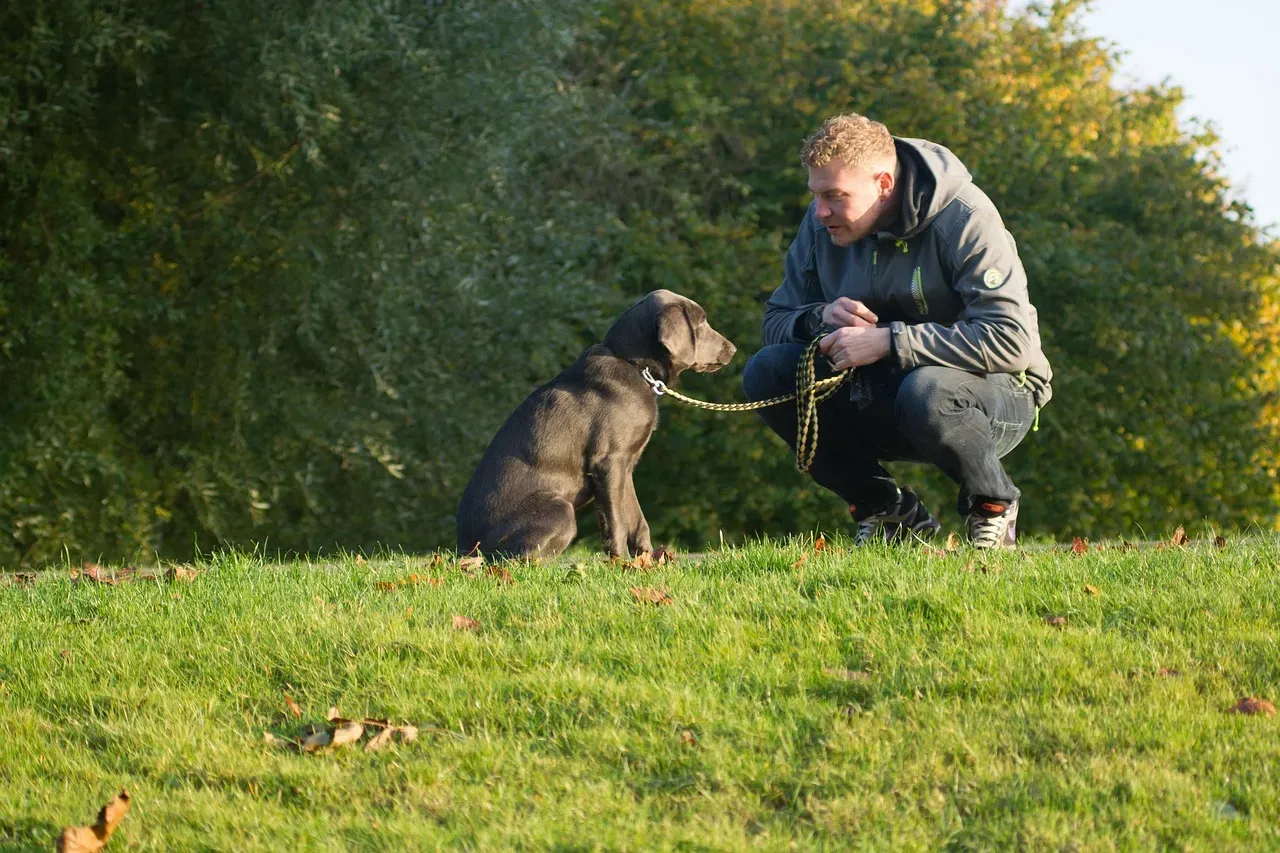
Here’s what I find truly moving about all of this. Your dog already wants to believe in you. They’re not waiting for you to be perfect. Dogs do not need perfect owners. They need present ones. Consistent ones. Ones who show up with a calm spine and a gentle, unshakeable resolve.
The Pack Leader approach, at its core, emphasizes nurturing relationships based on trust, respect, and affection rather than coercion. It advocates for compassionate and empathetic leadership, and by embodying the qualities of a benevolent leader, we create a supportive environment where dogs feel secure, valued, and motivated to learn and grow. That’s not dominance theory. That’s love with direction.
The dog curled at your feet right now is not asking for a trainer or a miracle. They’re asking for you, at your steadiest. Step into that, and watch what blooms between you. What kind of leader do you think your dog sees when they look at you today?


