Have you ever caught your dog tilting its head and wondered what on earth is going through that fuzzy mind? Maybe your pup does dizzying zoomies around the house, or seems to chase its own tail for no good reason. It’s easy to laugh at these adorable quirks, but behind every wag, wiggle, and woof, there’s a fascinating story waiting to be told. Dogs are full of surprises, and their behaviors—both charming and confounding—often have deeper meanings. Get ready to discover the science and heart behind those curious canine antics!
The Classic Head Tilt: What’s Really Going On?
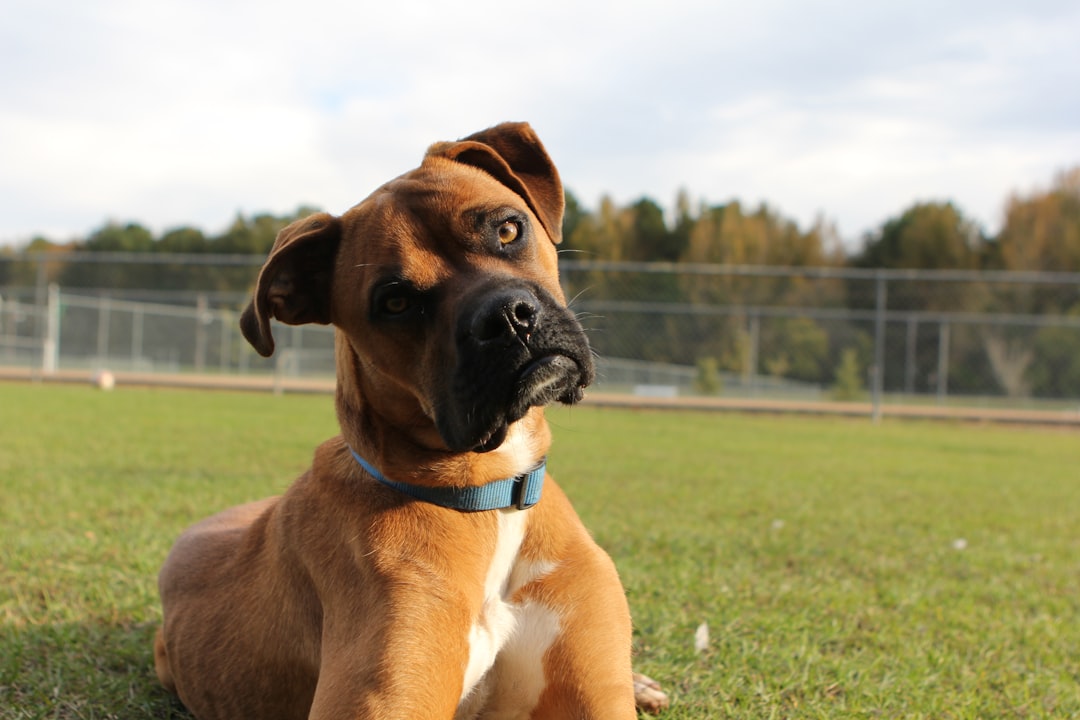
It’s a sight that melts even the coldest hearts: a dog tilting its head to the side, eyes bright with curiosity. This gesture isn’t just for show—dogs tilt their heads for a mix of reasons. Experts believe it helps dogs better locate the source of a sound, almost like fine-tuning their furry radar. The shape of a dog’s ear and muzzle can sometimes muffle noises, so tilting their head gives them a “clearer” view, especially when you’re talking or a mysterious sound grabs their attention. Some researchers even think head tilting is a way for dogs to read our facial expressions more easily, as shifting their angle helps them see past their own snout. Let’s be honest, though—it’s also possible that our delighted reactions encourage pups to repeat the behavior. The next time your dog looks at you with that questioning tilt, remember: they’re not just cute, they’re clever!
Tail Wagging: More Than Just Happiness
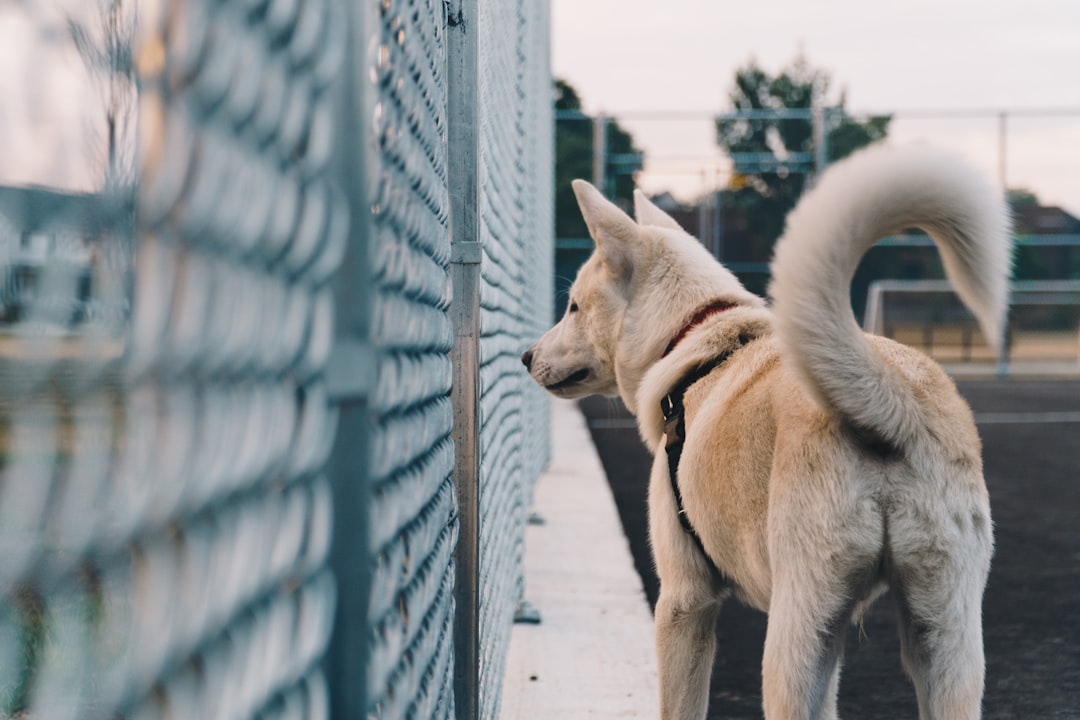
A wagging tail is often seen as the universal sign of a happy dog, but it’s not always that simple. Dogs use their tails to communicate a whole range of emotions, from excitement to nervousness. You might notice that a relaxed, full-body wag often means joy or friendliness, while a stiff, high, or rapidly wagging tail can signal tension or alertness. Some pups even wag to the left or right, with studies showing that right-side wags are more positive, and left can signal anxiety. If your dog’s tail is low and wagging slowly, it might mean uncertainty. Paying attention to the rest of their body language—ears, eyes, and posture—can help you decode the tail’s true message. So, while a wag is wonderful, it’s not always an open-and-shut case of canine happiness!
Zoomies: The Wild Release of Energy

If your dog suddenly sprints around the yard in wild circles, you’re witnessing the famous “zoomies.” Officially known as Frenetic Random Activity Periods (FRAPs), zoomies are bursts of pent-up energy that can strike at any time. Dogs often get zoomies after a bath, during playtime, or when they’ve been cooped up for too long. It’s a way for them to release excitement or stress in a hilarious, high-speed dash. Puppies and younger dogs are especially prone to zoomies, but even older pups can catch the bug. While zoomies might look chaotic, they’re totally normal and actually help dogs burn off extra energy. Just make sure your pooch is in a safe space—no slippery floors or breakable vases in the line of fire!
Why Do Dogs Chase Their Tails?

Is your dog spinning in circles, mouth snapping at its own tail? This classic move can be downright funny to watch, but what’s the reason behind it? For puppies, tail chasing is often playful exploration as they discover their own bodies. In older dogs, it can be a sign of boredom, excess energy, or a playful habit reinforced over time. Occasionally, tail chasing may signal discomfort from allergies, fleas, or even anxiety. If your dog is obsessed with the behavior, it’s a good idea to check with your vet. Otherwise, an occasional tail chase is just your dog’s way of entertaining itself—and maybe you, too!
Sniffing Everything: The Power of a Dog’s Nose
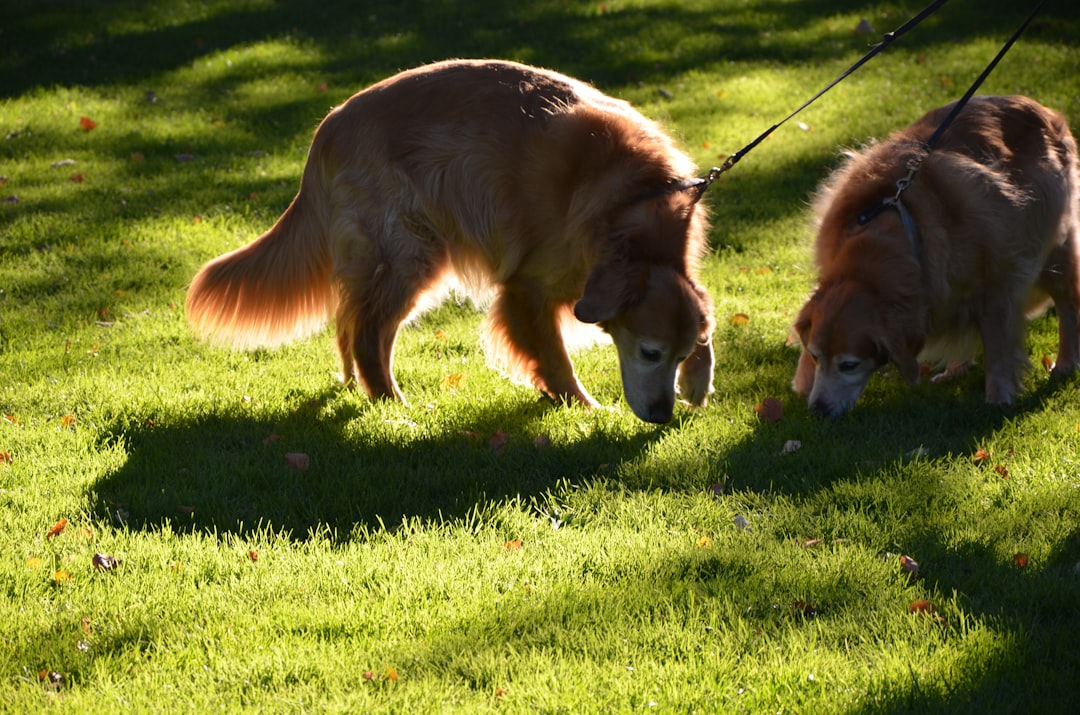
Walks with your dog can sometimes feel like a stop-and-go marathon, with your pup sniffing every blade of grass and mailbox post. Dogs experience the world mainly through their noses, which are up to 100,000 times more sensitive than ours! Each sniff is like reading a detailed newspaper of who and what has passed by. Scents can tell your dog about the age, health, and mood of other animals in the area. While it might test your patience, sniffing is more than a hobby—it’s essential mental stimulation. Letting your dog stop and sniff on walks helps keep their brain active and happy.
Barking: The Many Voices of Dogs

A barking dog can mean so many things—joy, alarm, playfulness, or even boredom. Dogs bark to communicate with us, other dogs, and sometimes just to hear themselves talk. The tone, pitch, and rhythm of a bark can give clues to your dog’s mood. A sharp, repetitive bark might signal a stranger at the door, while a single hearty “woof” could be a greeting. Some breeds are more vocal than others, but all dogs use barking to express themselves. The next time your dog sounds off, try to pay attention to the context and their body language—you might just start to understand their unique “language.”
Rolling Over: Submission or Pure Joy?

When a dog flops onto its back and shows its belly, it can mean a few different things. Sometimes, it’s a sign of trust and submission, especially if they’re meeting a new person or dog. But often, rolling over is all about comfort and playfulness. Dogs love a good belly rub, and sprawling out can help them cool down or just stretch. If your dog rolls over during play, it’s usually a sign they’re relaxed and having a blast. It’s their way of saying, “I feel safe with you!”—and maybe coaxing a few extra scratches out of the deal.
Leaning on You: More Than Just Affection

Has your dog ever plopped their full weight against your leg and just stayed there? This endearing behavior is about more than just seeking a snuggle. Dogs lean on their humans for comfort, reassurance, and sometimes even protection. It’s a way of showing affection and trust, but also a subtle reminder that they see you as their safe haven. In moments of uncertainty or excitement, your dog might lean in closer, looking for that calming connection. It’s a quiet, loving gesture that speaks volumes about your bond, reminding both of you that you’re never alone.