
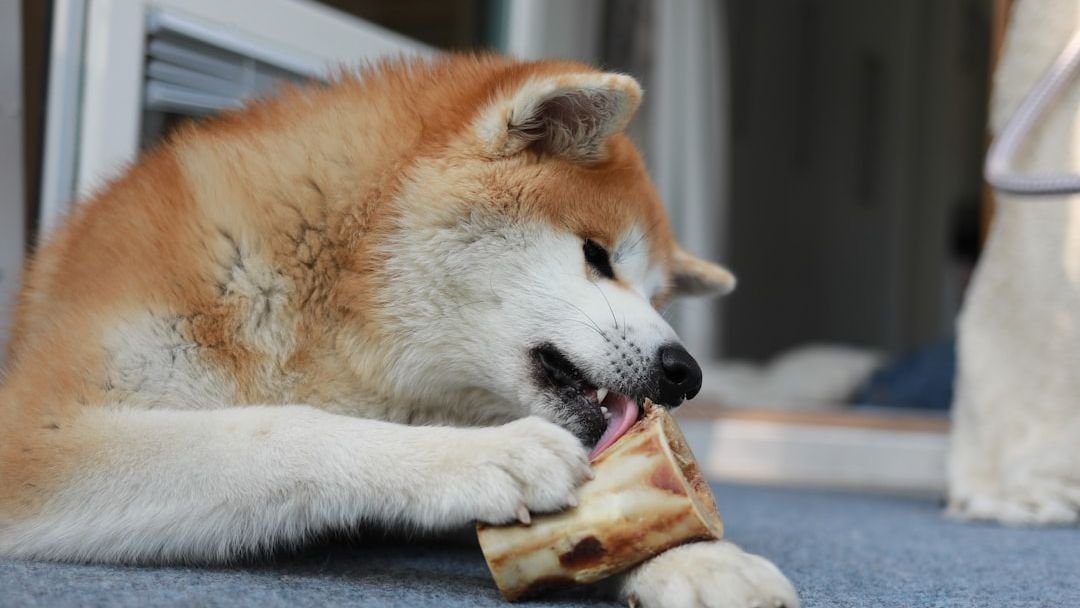
You know that look your dog gives you when it’s dinner time? That eager anticipation, the tail wagging like crazy, the whole body practically vibrating with excitement. Most of us respond by pouring food into a bowl and watching our pups inhale it in seconds flat. Then what? Your dog wanders off, still looking for something to do, that energy nowhere near satisfied.
Here’s the thing though. Those few seconds of gobbling down kibble might fill your dog’s stomach, but they’re leaving their mind completely empty. Dogs aren’t meant to just eat and be done. They’re designed to work for their food, to search, to problem solve, to engage every sense they have in the process. When we skip all that and just hand them a bowl, we’re robbing them of something they desperately need.
Let’s dive into why transforming mealtime from a quick pit stop into a genuine experience could be one of the most important things you do for your furry friend’s wellbeing.
Your Dog’s Brain Needs a Workout Too

We all know exercise matters. Daily walks are non-negotiable for most dogs, right? Yet somehow we forget that their brains need just as much stimulation as their bodies.
Dogs are intelligent creatures that thrive on mental engagement, and without it, they can become bored, anxious, or even destructive. Think about it from their perspective. In the wild, their ancestors spent hours each day tracking prey, figuring out how to catch it, working as a team. That’s massive cognitive work happening constantly.
Mental enrichment can reduce stress and improve cognitive function in dogs, similar to how puzzles benefit humans, and using a treat dispensing toy or playing a game of “find the treats” in the house can turn mealtime into a fun, brain boosting challenge. Your dog’s food bowl sitting in the same spot day after day? That’s the mental equivalent of staring at a blank wall.
Slow feeders usually require dogs to focus and “work” for their food, and this need for problem-solving engages their brains, reduces boredom, and can even reduce anxiety-driven behaviors.
It’s Written in Their DNA
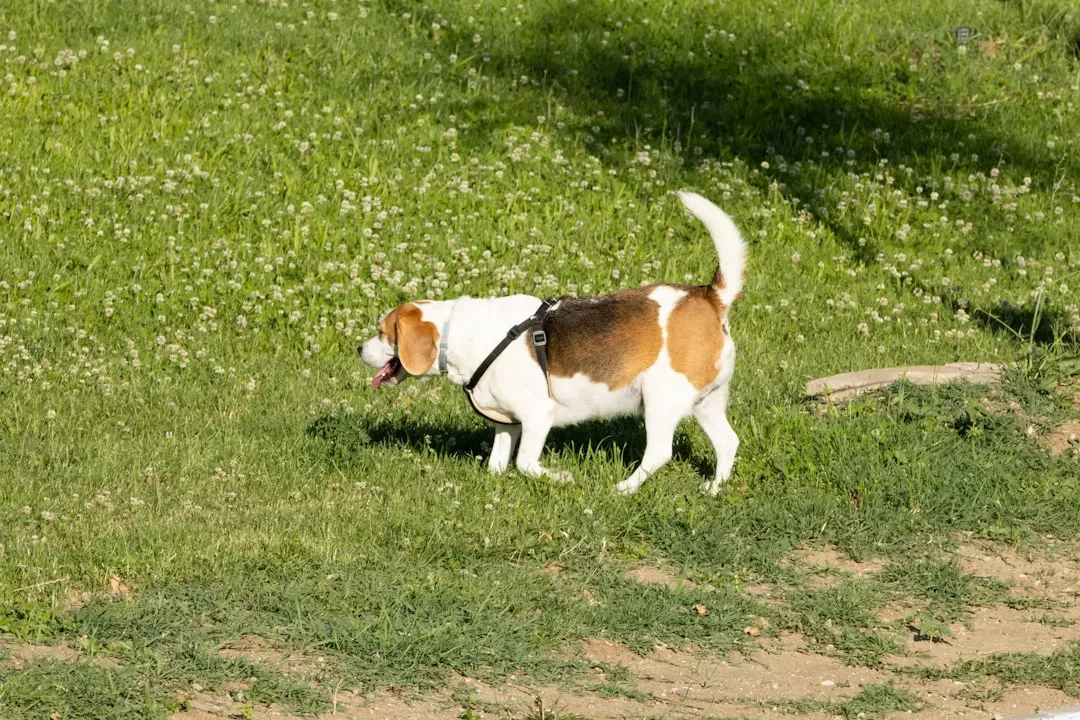
Let’s be real here. Dogs are highly motivated to forage and work to get food, but these needs are rarely met in a domestic setting, which can lead to behavioral problems. Your sweet golden retriever or your spunky terrier still carries those ancient instincts deep in their bones.
Dogs still enjoy and naturally partake in foraging, sniffing for crumbs on the floor and surfing their noses along the countertops, and they easily locate the wild blackberry bushes along the trail, but this foraging is often less productive, less necessary, and less fulfilling. They’re trying to satisfy that drive anyway, often in ways we don’t particularly appreciate.
When you make your dog work for their meals through enrichment activities, you’re not being mean. Scavenging is in their DNA, and eating out of a bowl put in front of them is boring; having them work for it adds excitement and enrichment to their routine. You’re actually speaking their language and meeting a fundamental need that’s been hardwired into them for thousands of years.
The Hidden Health Benefits You Can’t Ignore
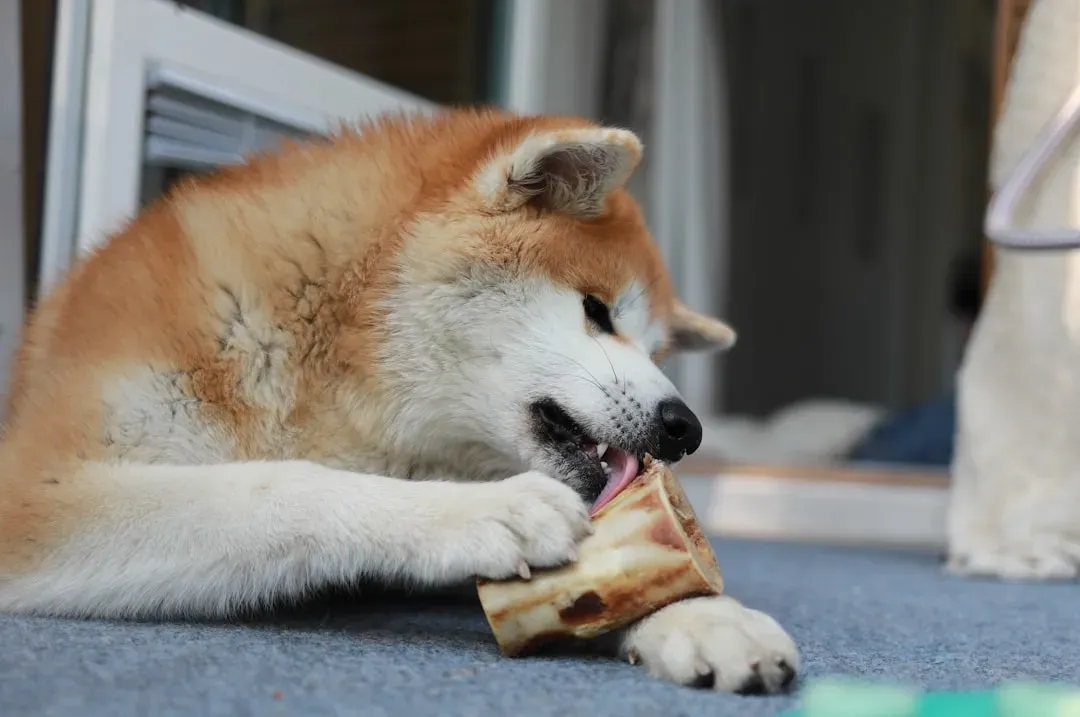
This isn’t just about keeping your dog entertained. Dogs that eat rapidly are five times more likely to experience Bloat than dogs that eat in a slower manner, and utilizing products that encourage slower eating means that your dog inhales less air as they eat, while also giving the dog’s stomach more time to accommodate their meal. Bloat is genuinely terrifying and potentially fatal.
Slower eating through enrichment activities also helps with digestion in ways you might not expect. Interactive feeders or puzzle toys force dogs to eat more slowly, reducing the chance of digestive problems, and according to veterinarians, slower eating can also aid digestion and nutrient absorption. Their bodies actually process the nutrients better when they’re not just shoveling everything down in three seconds.
There’s another benefit that surprised me when I learned about it. Feeding enrichment supports the natural feeding behaviors of dogs as they mimic hunting and playing behaviors, reducing unwanted behavior, cortisol levels, and heart rate variability, and increasing food consumption, eating duration, and active behaviors.
Say Goodbye to Destructive Behaviors
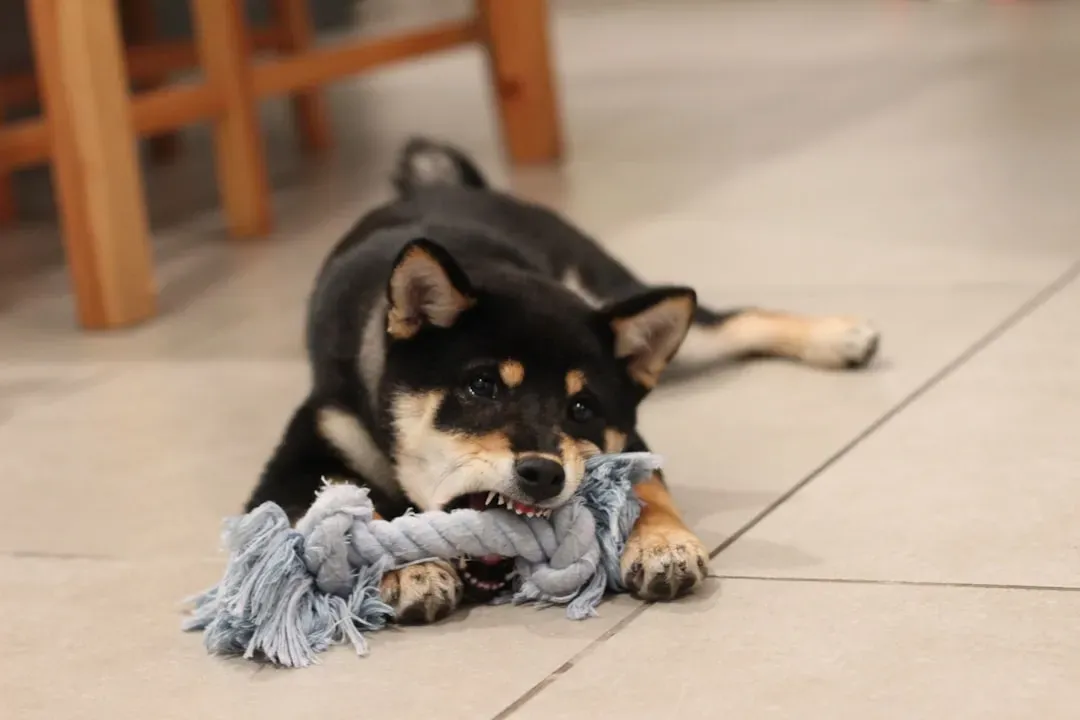
You know that chewed up couch cushion? The mysterious hole in your backyard? That incessant barking that drives the neighbors crazy? Prolonged periods of boredom in dogs can lead to behavioural problems, as dogs may develop destructive behaviours, become anxious or depressed, and exhibit excessive barking or aggression.
A bored dog will find a way to entertain itself, often leading to excessive chewing, digging, or barking, and having your dog work for their meals helps channel their energy into productive tasks, reducing the likelihood of destructive habits, while enrichment activities such as working for food can also help lower stress and anxiety, leading to a calmer, happier dog. It’s honestly that simple sometimes.
I think we often underestimate just how much mental stimulation our dogs need. They’re problem solvers by nature. When we don’t give them appropriate puzzles to solve, they create their own, and we typically don’t love their creative solutions.
Making It Happen Without Overwhelming Yourself
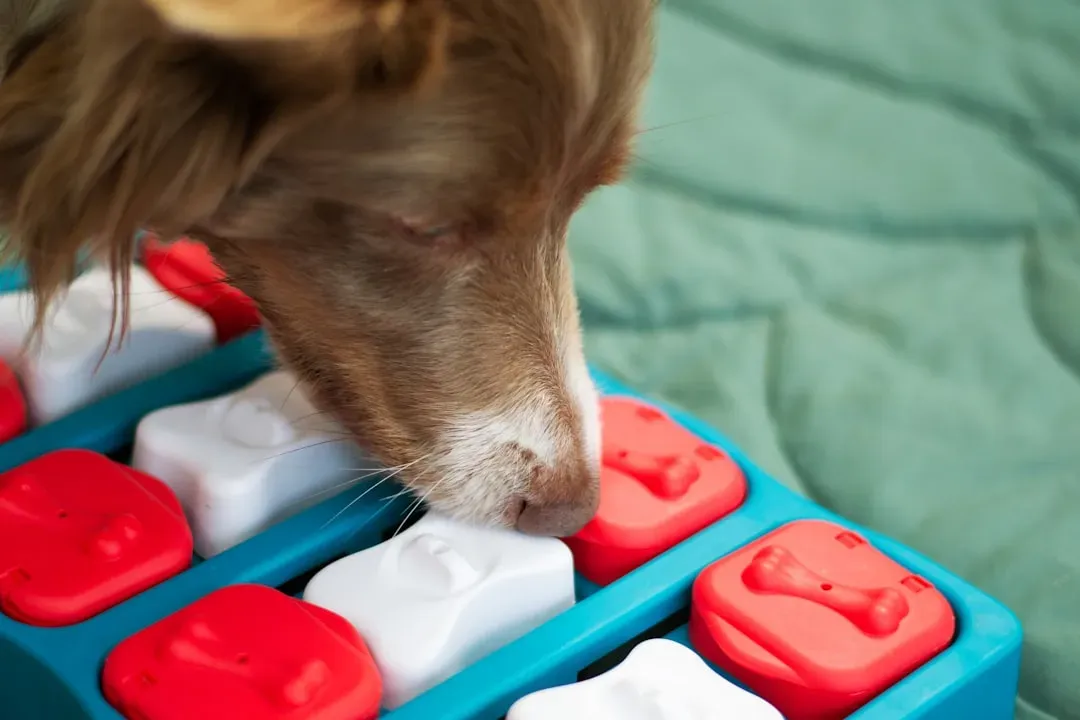
I know what you’re thinking. This sounds great, but who has time for elaborate food puzzles every single meal? Here’s the good news: enrichment doesn’t have to be complicated or time consuming.
Scatter feeding is an excellent way to provide your dog with mental stimulation while also slowing down their eating, and you simply take a handful or more of your dog’s food and scatter it over a safe area for them to seek out. That takes literally 30 seconds. Toss kibble in the grass before you leave for work. Done.
You can also try snuffle mats, puzzle feeders, or stuffed toys. Licking is a natural behaviour and can be very soothing for dogs, and a stuffed Kong or Toppl filled with a mixture of your dog’s food, treats and perhaps some peanut butter creates a sticky mixture. Freeze it overnight and you’ve got a meal that’ll keep them engaged for ages.
The key is variety. Offering a rotating variety of enrichment activities is the best way to encourage, engage, and enrich your pup. Switch things up so they don’t get bored with the same method every day.
The Transformation You’ll See
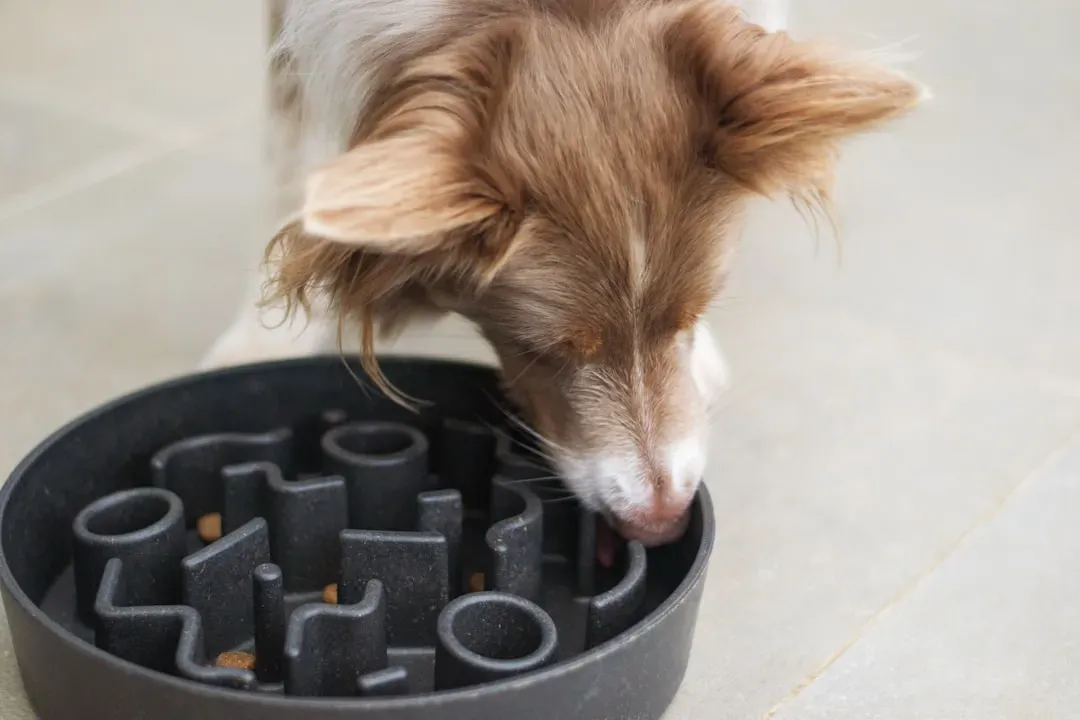
When you start incorporating mealtime enrichment, the changes can be pretty remarkable. Slow feeding keeps your dog engaged and mentally stimulated, which is especially important if they tend to get bored or anxious, and when combined with quality feeding, it creates a mealtime routine that’s doing double duty for your dog’s health.
Slow feeders can also help reduce stress and anxiety in dogs, as the mental stimulation provided by slow feeders can help calm your dog and provide a sense of accomplishment. That sense of achievement they get from successfully working for their food? It builds confidence and satisfaction in ways a regular bowl just can’t match.
You might notice they’re calmer overall, less reactive, more focused. By adjusting the home setting with food, positive training, novel objects, or sensory enrichment, we can reduce a pet’s stress, help them to stay mentally engaged, and improve the quality of their daily life. The changes often extend far beyond just mealtime itself.
Conclusion
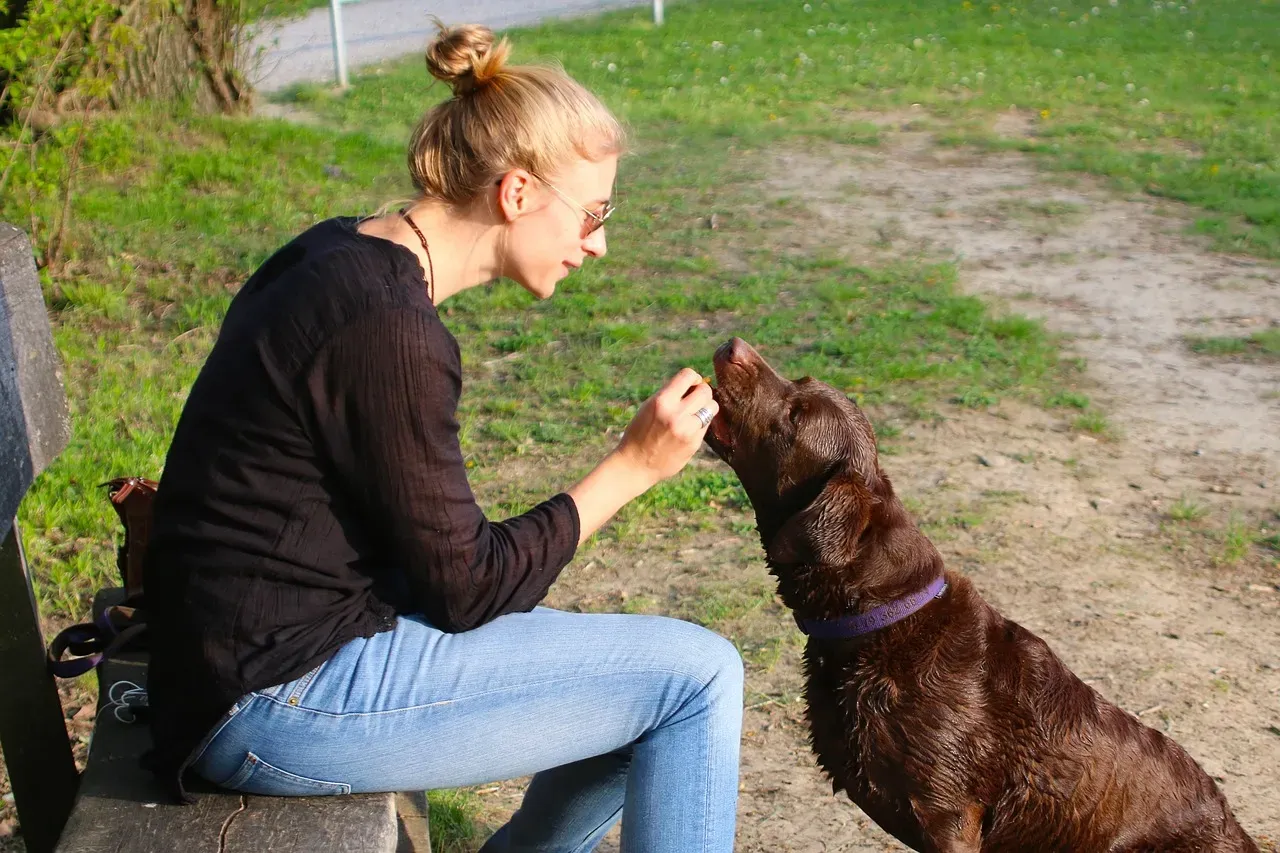
Honestly, enriching your dog’s mealtime is one of those things that seems small but creates ripples throughout their entire day and life. You’re not just feeding them anymore. You’re giving them purpose, challenge, satisfaction, and mental peace all wrapped up in something they already love: food.
For aging dogs, providing routine enrichment can help keep their brain stimulated and slow the progression of conditions like Cognitive Dysfunction Syndrome, aka doggy dementia. It matters at every life stage, from bouncing puppies to wise senior dogs.
Start simple. Scatter some kibble in the backyard tomorrow morning. Try a puzzle feeder next week. See what your dog loves most. Their wagging tail and calmer demeanor will tell you everything you need to know.
What’s your dog’s favorite way to work for their meals? Have you noticed changes in their behavior since making mealtime more engaging?


