
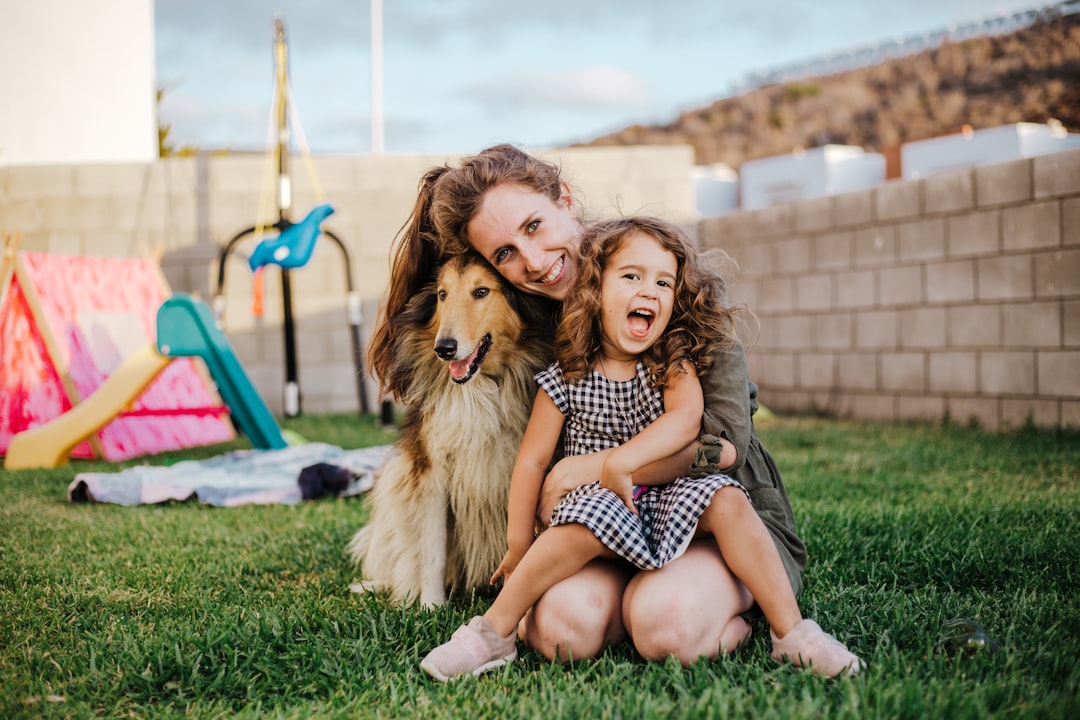
Have you ever found yourself dreaming about the dog you had as a kid, picturing those floppy ears or that wagging tail, and thinking, “That’s the breed I want again!”? For years, I did just that—chasing after the warm, fuzzy feelings of my childhood by choosing dogs that reminded me of my family’s beloved golden retriever. But the truth is, clinging to nostalgia nearly led me down the wrong path. It took a few hard lessons and a lot of soul-searching before I realized that my childhood memories weren’t the best guide for adding a new furry friend to my life. If you’re anything like me, you might be surprised at what you discover when you let go of the past and open your heart to a new way of choosing your next dog.
The Power of Childhood Memories—And Their Limitations
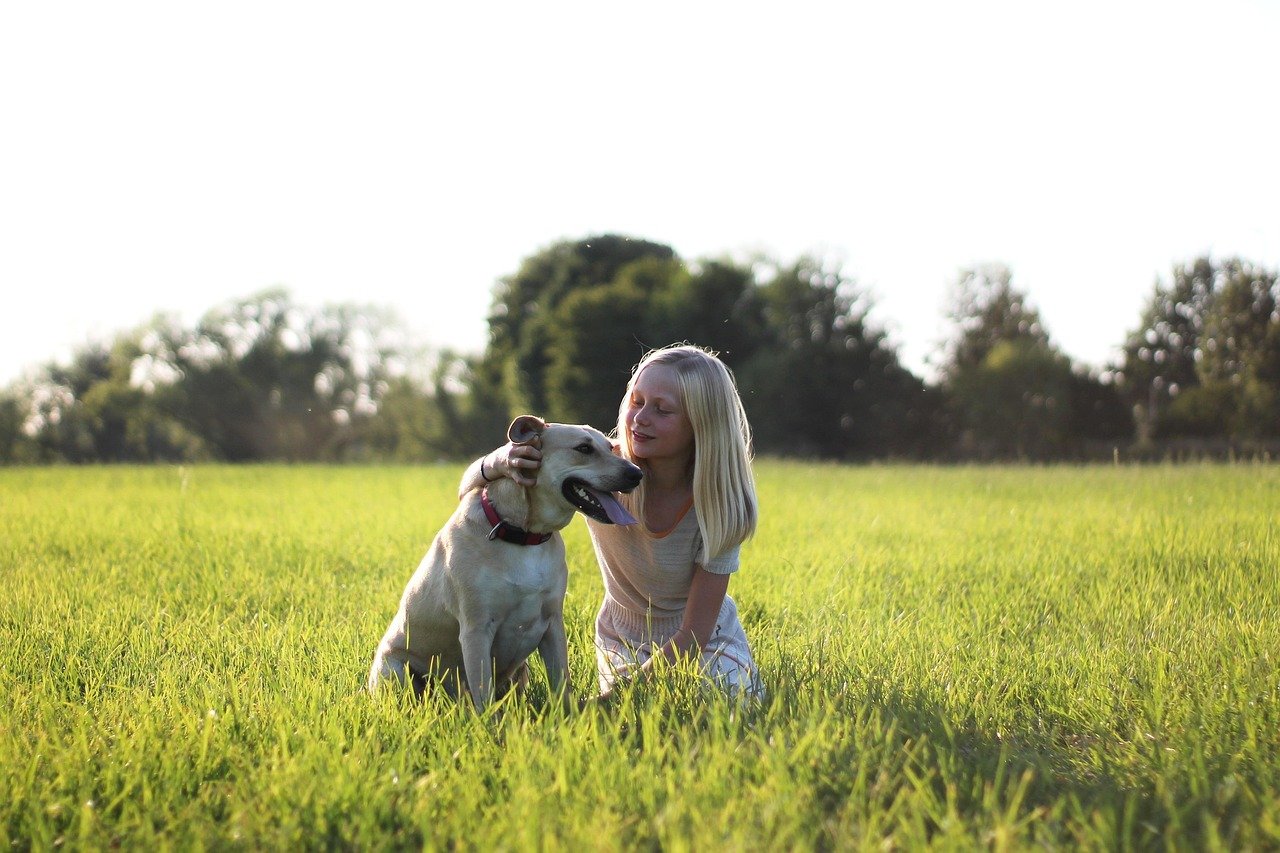
Nostalgia is a powerful thing. The smell of wet fur or the jingle of a collar can send us tumbling back to carefree days playing fetch in the backyard. Our first dogs are often our first best friends, and the bond we feel with them sticks with us for life. It’s no wonder so many people want to recapture those feelings by adopting the same breed they grew up with. But here’s the catch—memories are colored by the lens of childhood, where everything seemed simpler and responsibilities lighter.
The trouble is, childhood memories don’t usually include the nitty-gritty of owning a dog as an adult. We forget how much work our parents put in, or how a dog’s needs can shift as life changes. Clinging to nostalgia can blind us to the reality that a breed perfect for a child’s world isn’t always the right fit for an adult’s routine. This longing for the past may make us overlook important considerations, like lifestyle compatibility, energy levels, and even our personal growth since those early years.
How Life Changes Affect Dog Ownership
Life looks a lot different now than it did when we were kids. Maybe you work long hours, live in a smaller apartment, or travel more often. Your parents might have been home during the day, but now you’re the one juggling responsibilities. The breed that was perfect for your childhood home might not mesh with your current life at all. That energetic border collie who thrived with acres to run may feel trapped in your city apartment.
It’s easy to forget that dogs, like people, have unique personalities and needs. Choosing a dog based on a childhood dream can lead to mismatches that stress both you and your pet. Instead, taking an honest look at your present lifestyle—your activity level, work schedule, and living situation—can make a world of difference in finding a companion who truly fits.
Breed Popularity Versus Individual Needs
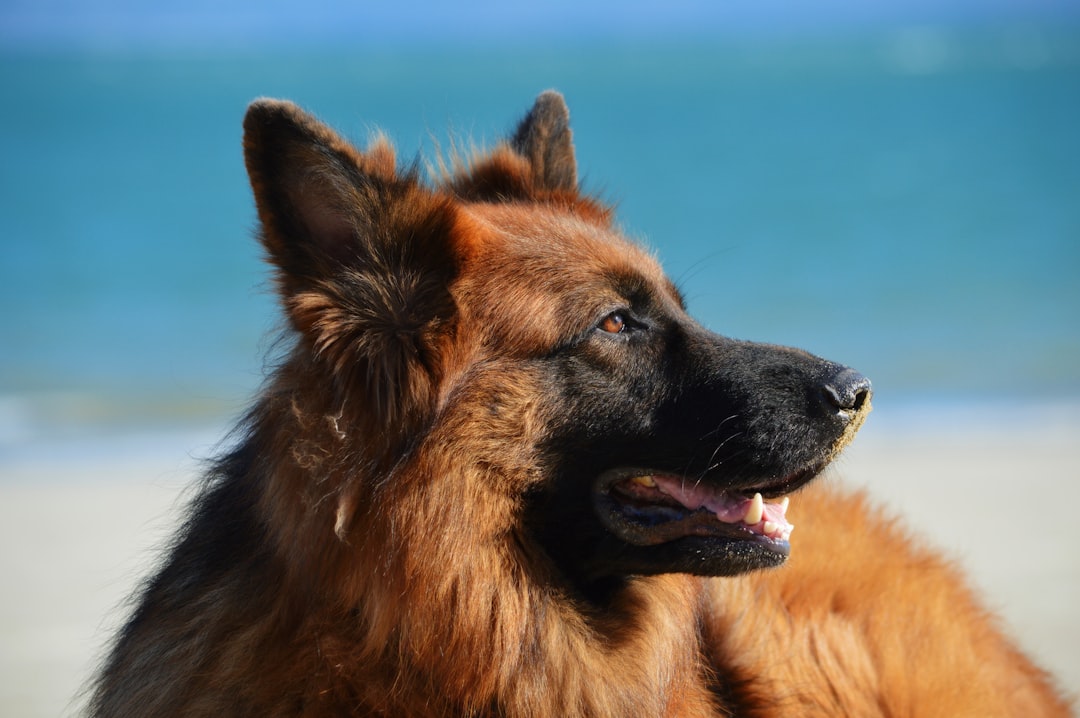
Some breeds become “family favorites” because of their popularity in movies, TV shows, or just word of mouth. But popularity doesn’t always mean suitability. Just because a Labrador retriever was perfect for your family twenty years ago doesn’t mean it’s the right fit for you now. Every dog is an individual, and breed traits only tell part of the story.
If you lock yourself into one breed because of nostalgia, you might overlook other wonderful options that better match your lifestyle. There are hundreds of breeds and countless mixed-breed dogs, each with their own quirks and charms. Expanding your search can help you discover a dog whose temperament, energy level, and needs are a match for your current situation, not just your childhood memories.
The Danger of Rose-Tinted Glasses
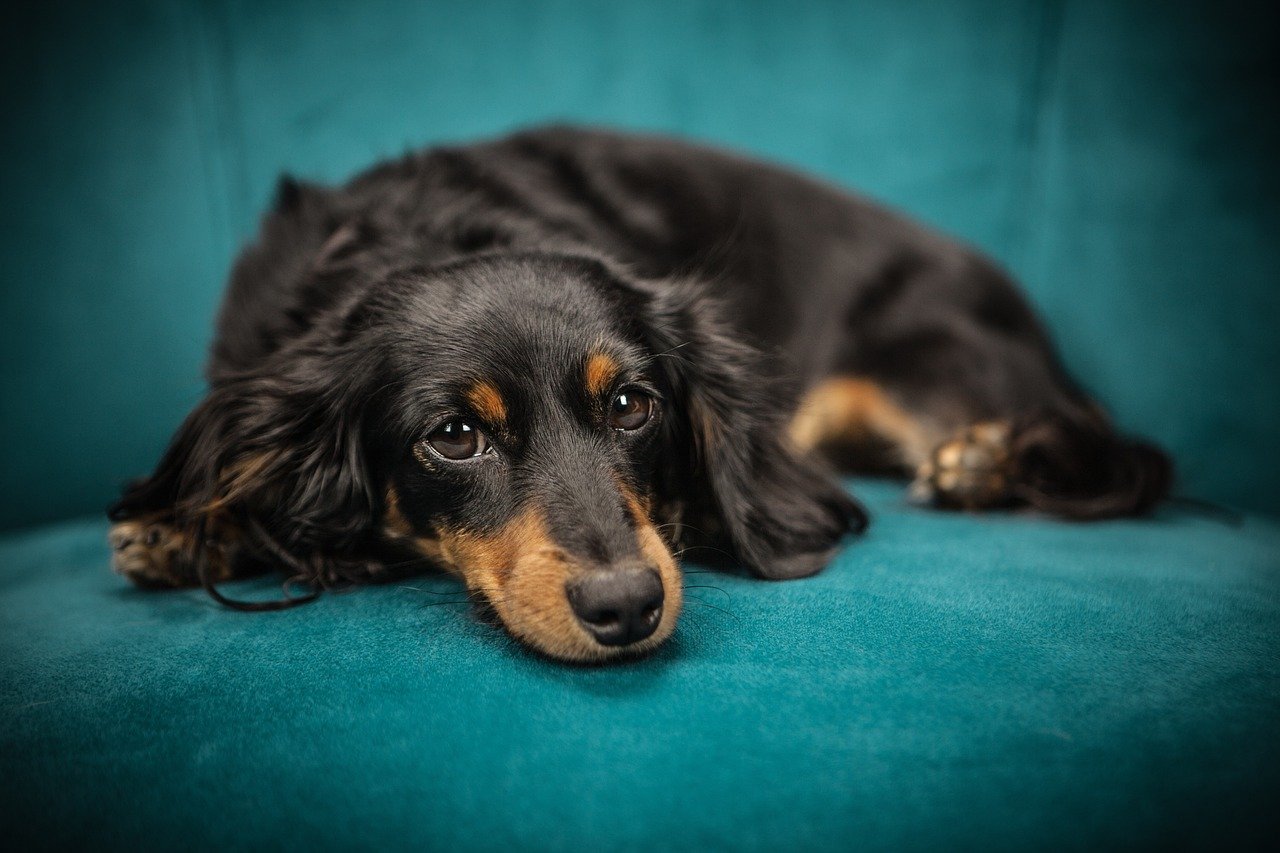
It’s easy to see the past through rose-tinted glasses. We remember the fun, the loyalty, and the comfort our childhood dogs brought us, but we often forget the challenges. Maybe your beloved childhood pup had separation anxiety or chewed up half the furniture, but those memories fade behind the glow of nostalgia. This selective memory can lead to unrealistic expectations when you bring home a new dog.
Expecting a new dog to recreate the magic of your childhood can set both of you up for disappointment. Every dog is unique, and no two experiences are ever exactly the same. Letting go of the illusion that you can “recreate” the past frees you to enjoy a new, authentic bond with a dog who is right for you now.
Personality Over Pedigree: The Importance of Temperament
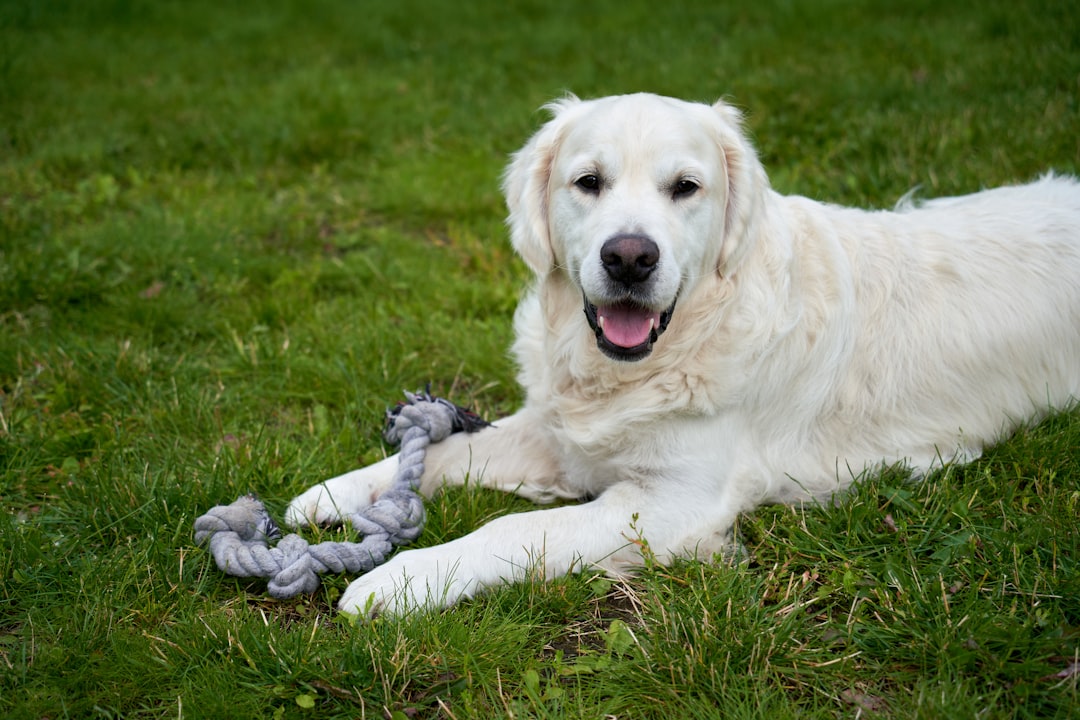
While breed traits offer general guidelines, a dog’s personality often matters more than pedigree. Some golden retrievers are mellow couch potatoes, while others have energy to spare. Even within breeds, there’s a huge range of temperaments. By focusing solely on breed—especially one tied to nostalgia—you might miss out on a dog whose personality is a perfect match for yours.
When I started meeting dogs outside my childhood favorites, I was shocked at how much I loved their individual quirks. One rescue mutt greeted me with a goofy grin and a tail that wagged so hard it nearly knocked over a lamp. That connection had nothing to do with breed and everything to do with personality. Temperament testing and meet-and-greets can help you find a dog you truly click with, no matter their background.
Health Considerations: What We Didn’t Notice as Kids
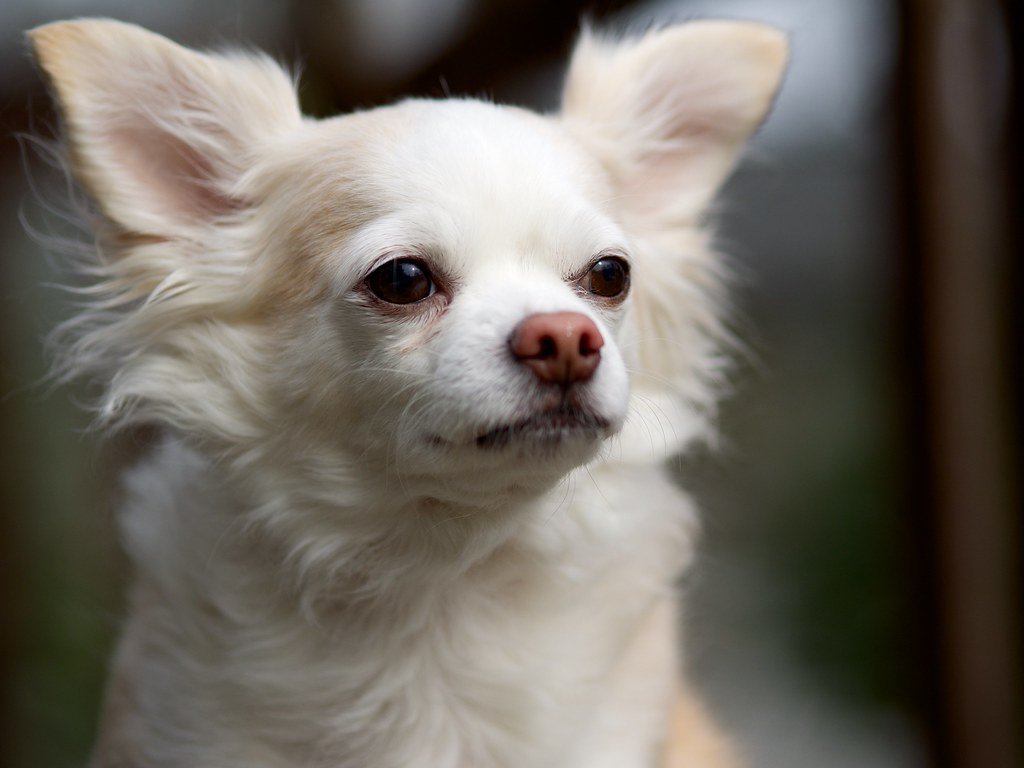
As kids, we rarely paid attention to things like hip dysplasia, allergies, or hereditary health problems. But as adults, these issues can become major concerns. Some breeds are predisposed to specific ailments that can be expensive or heartbreaking to manage. Relying on nostalgia to pick a dog might mean missing important health considerations that could affect both your dog’s quality of life and your peace of mind.
Before bringing home a new pup, it’s wise to research breed-specific health issues and talk to breeders or shelters about tests and screenings. Even mixed breeds can have health quirks. Being informed and realistic—rather than sentimental—helps ensure your future dog has the best chance at a healthy, happy life with you.
Training Realities: Starting Fresh Without Old Habits
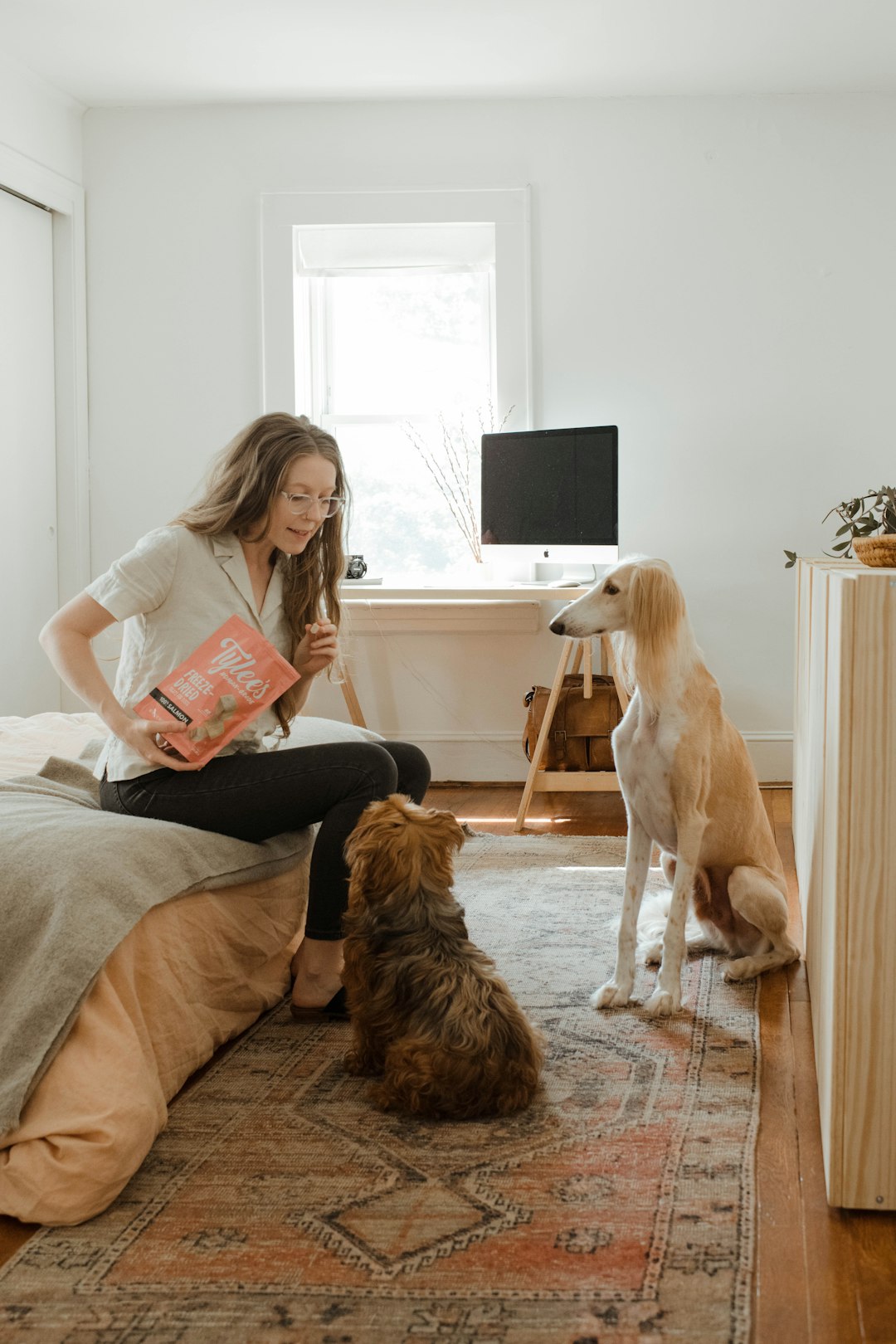
When you choose a dog based on childhood memories, you might expect them to behave just like your old pal did. But every dog is a blank slate, and training plays a massive role in shaping their behavior. Your childhood dog likely benefitted from years of consistent routines, training, and patience—much of which you may not have noticed as a kid.
Starting fresh with a new dog means being ready to put in the time and effort, no matter the breed. It also means letting go of comparisons to the past and focusing on building new habits together. This can be challenging but also deeply rewarding. You get to create a new partnership, grounded in understanding and respect, rather than just nostalgia.
Adoption Opportunities: Opening Up to New Possibilities
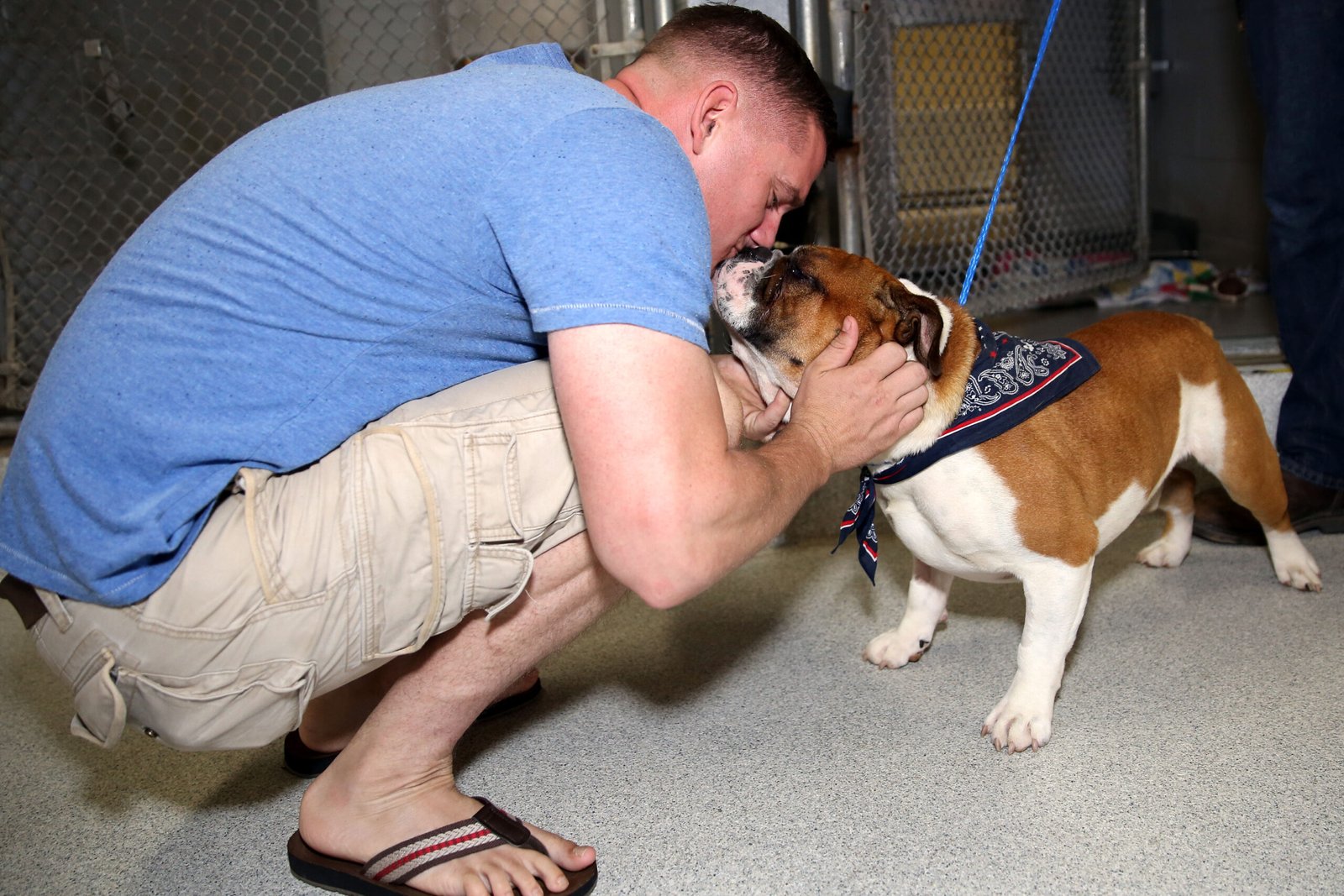
Limiting yourself to one breed can mean missing out on the amazing variety found in shelters and rescues. There are countless loving dogs waiting for homes—many of whom don’t fit the mold of your childhood pet, but might be the perfect match for you now. Keeping an open mind allows you to connect with dogs who need you, not just those who fit a nostalgia-driven checklist.
Adopting based on personality and lifestyle fit rather than childhood memories can lead to unexpected joy. Some of my most heartwarming moments have come from meeting dogs I never would have considered if I’d stuck to my childhood favorites. Sometimes the best connections come when you least expect them, and they can change your life in ways you never imagined.
Family Dynamics: Considering Everyone’s Needs
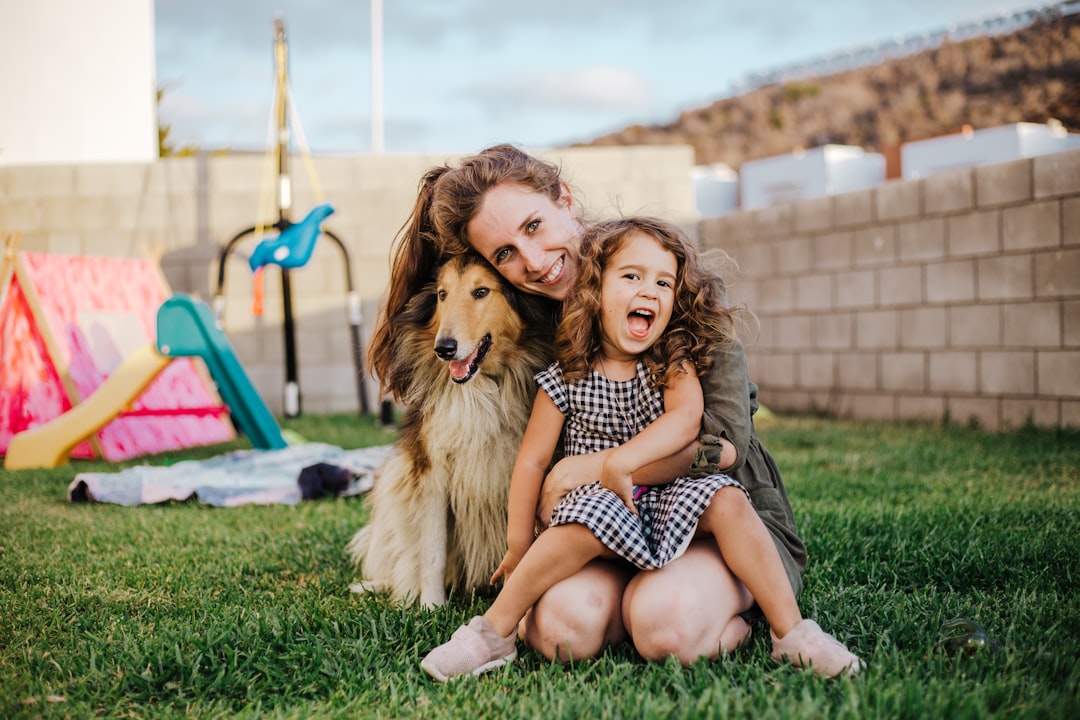
Back when you were a kid, your parents probably made most of the decisions about the family dog. Now, the choice is yours—and it affects everyone in your household. Maybe you have young kids, a partner, or even other pets. Their needs, allergies, and preferences all play a role in choosing the right dog.
It’s important to have honest conversations about what works for your current family, not just what worked in the past. Some breeds are better with children, while others need more space or exercise than your family can realistically provide. By considering everyone’s needs, you set the stage for a happy, harmonious home for both your dog and your loved ones.
Personal Growth: Embracing Change and New Experiences
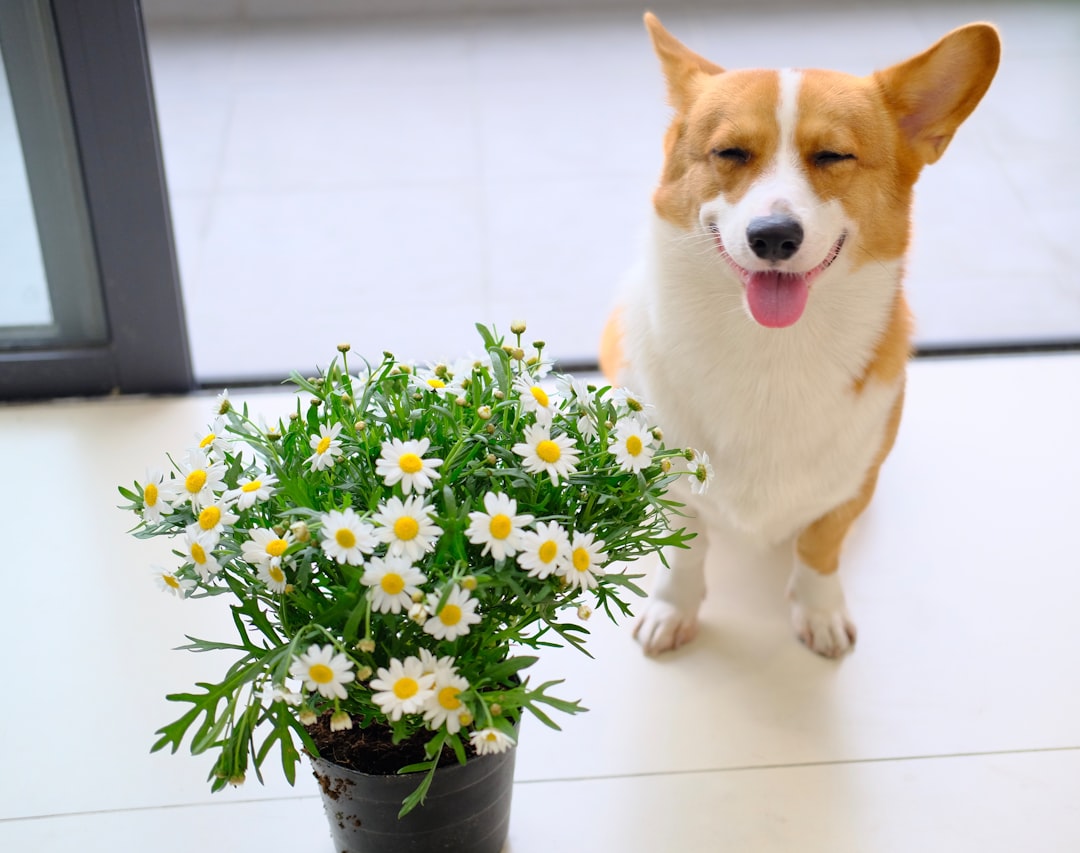
Letting go of childhood nostalgia isn’t about rejecting your past—it’s about embracing your growth. We change as we move through life, and our relationships with pets can reflect that transformation. Choosing a dog that suits who you are now is an act of self-awareness and self-care. It honors both your childhood memories and your current reality.
For me, stepping out of my nostalgia bubble was surprisingly liberating. It opened my heart to new experiences and taught me to value the present as much as the past. The bond I’ve formed with my current dog is special in its own way—different from my childhood pup, but just as deep and rewarding. Isn’t it amazing how life keeps offering us new ways to love and be loved?


