
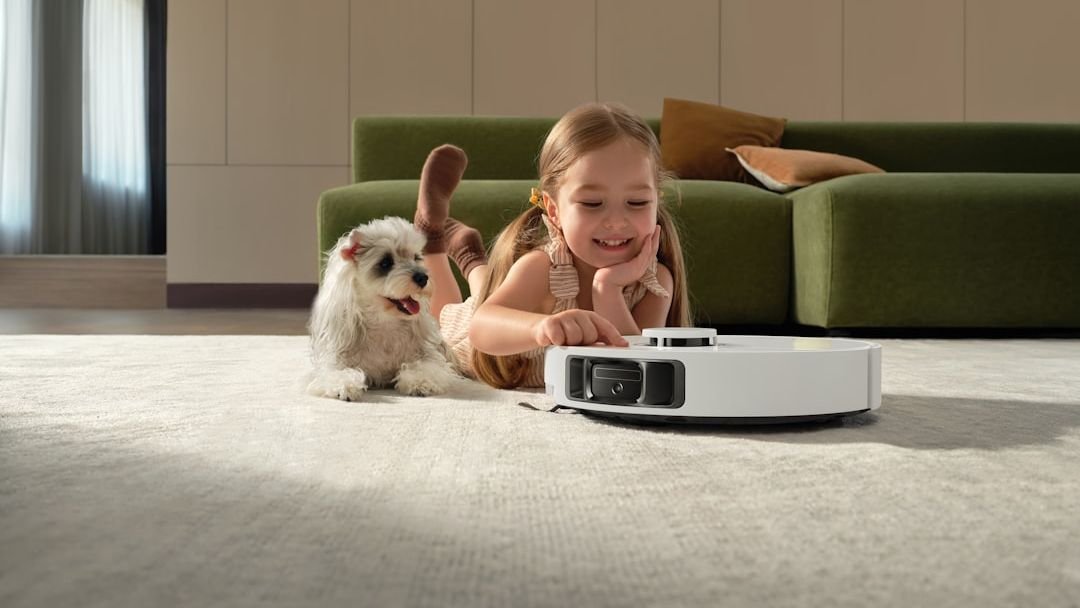
Picture this: It’s Saturday morning cleaning time. You roll out your trusty vacuum cleaner, plug it in, and suddenly your beloved furry companion transforms into a trembling, barking mess or disappears faster than a treat at dinnertime. Sound familiar? You’re definitely not alone in this household battle.
Many dog owners face the challenge of vacuuming around anxious pets who view these cleaning devices as loud, intimidating threats. Understanding why your four-legged friend reacts this way is the first step toward creating a peaceful coexistence between cleanliness and canine comfort. Let’s dive into the fascinating world of dog senses and discover practical ways to help your pup overcome their vacuum fears.
The Sound Assault on Super-Sensitive Ears

Your dog’s hearing capabilities make our own seem quite limited by comparison. While humans can only detect sounds up to 20,000 Hertz, dogs can hear frequencies ranging from approximately 40 Hz to 60,000 Hz. This incredible ability means they’re picking up sounds we can’t even imagine hearing.
When your vacuum cleaner operates at around 75 decibels, your dog experiences this noise much more intensely than you do. Think about how uncomfortable a loud concert can be for us, then multiply that sensation. The high-pitched sounds that vacuum cleaners emit can become overwhelming, especially when they catch dogs by surprise.
Vacuum cleaners can reach 80 decibels or more, compared to normal room conversation which is around 60 decibels. For dogs with their enhanced hearing sensitivity, this dramatic volume difference creates an auditory assault that naturally triggers fear responses.
The Moving Monster Mystery
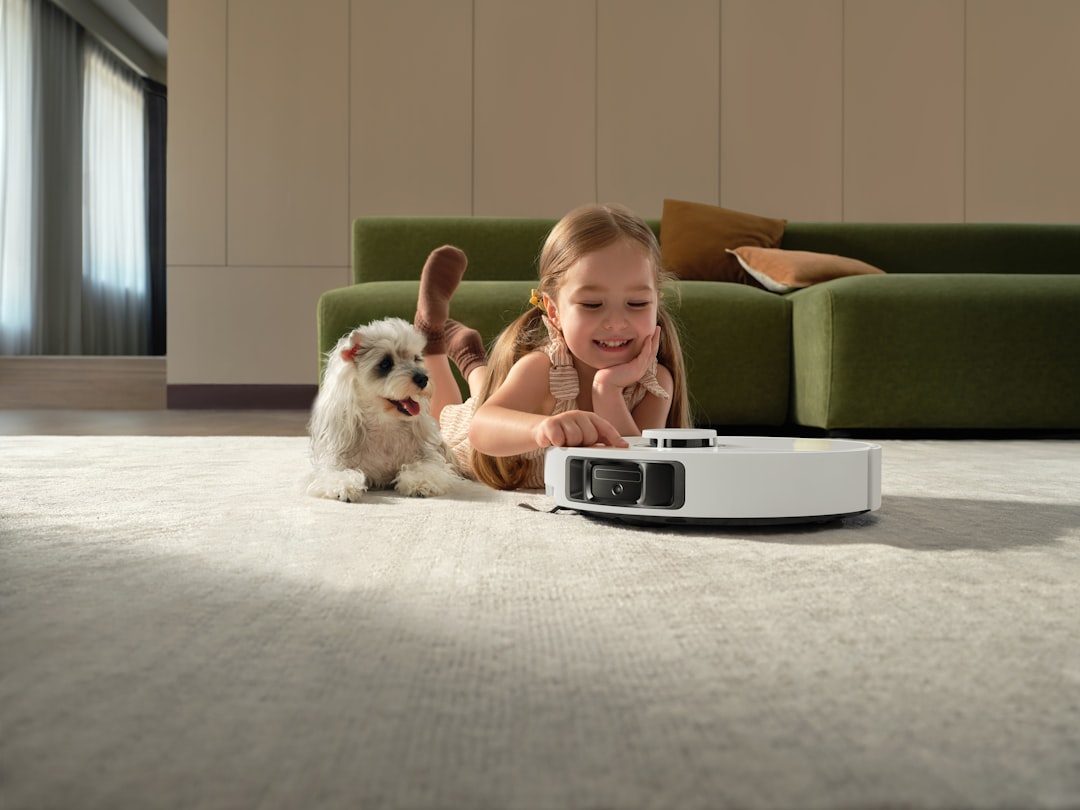
From your dog’s perspective, vacuum cleaners behave like strange, unpredictable creatures. These devices are loud, move around unpredictably, and change the appearance of whoever operates them. Imagine encountering something that makes terrible noises while chasing you around your safe space.
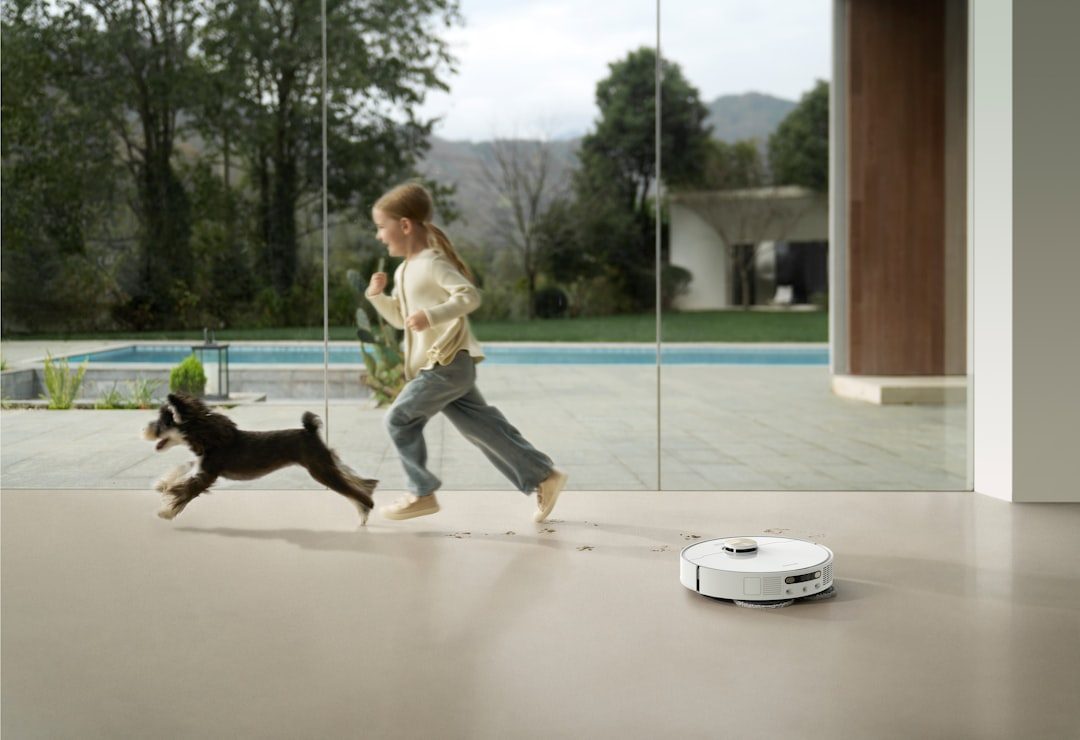
Many dogs develop negative reactions because they’re suddenly exposed to this loud, moving apparatus without gradual introduction. Self-propelled cleaners like robot vacuums are especially frightening because they move unexpectedly and appear without warning. The unpredictable movement patterns can trigger both fear and prey drive responses in different dogs.
Some dogs may perceive the vacuum as a threat and attempt to protect their owners from it, leading to lunging or barking behaviors. Others might view it as something to be herded or hunted, especially working dog breeds that have strong instinctual responses to moving objects.
Past Experiences Shape Present Fears
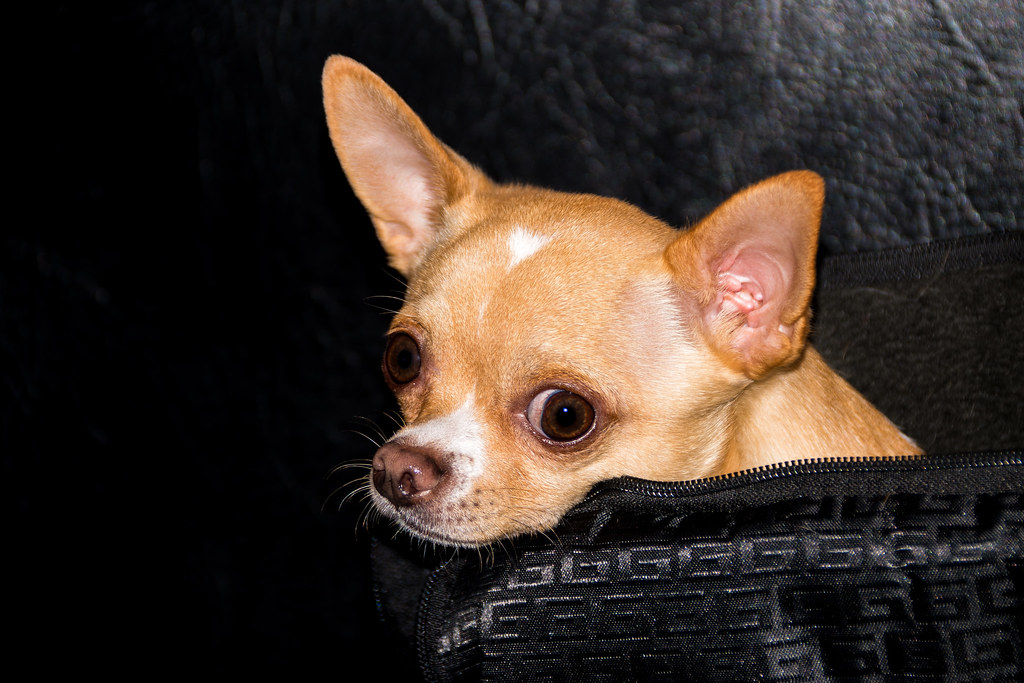
Sometimes dogs develop negative associations because of bad experiences, such as being chased while the machine is on or exposure to damaged vacuums that produce harmful high-pitched noises. Professional dog trainers note that it may take just one such incident to cement a dog’s fear of vacuum cleaners.
Puppies have a critical socialization period from 3 to 14 weeks, and new experiences after this time are more likely to cause fear if dogs weren’t properly exposed to vacuums as puppies. This explains why rescue dogs or those with limited household exposure often show more intense fear responses.
Fear impact periods exist during puppy development, and traumatic experiences during these sensitive times can leave lasting impressions. Even seemingly minor incidents can create powerful negative associations that persist into adulthood.
The Science Behind the Fear Response

Research has shown a genetic link to noise sensitivity in dogs, with data similar to previously discovered genetic links in humans. Studies have identified age as another contributing factor, with noise sensitivity increasing as dogs get older. This means some dogs are simply predisposed to being more sound-sensitive than others.
Research examining noise sensitivity in 17 different breeds found that Boxers, Great Danes, and Chinese Crested dogs had lower frequencies of noise-caused fear, while female and neutered dogs showed higher odds of being afraid of noises. Hunting breeds may have been selected for less noise sensitivity as well.
Links exist between various types of unwanted behaviors, with scientists finding associations between noise sensitivity and separation anxiety. Understanding these connections helps explain why vacuum-fearful dogs might also struggle with other household sounds or anxiety-related issues.
Recognizing Fear Signs in Your Dog

Fear-driven behaviors include trembling, hiding, or barking at or attacking the vacuum. Common signs include excessive barking, tucked tail, flattened ears, panting, drooling, attempting to flee, and some dogs may display aggressive behavior like growling or lunging.
Some dogs run away and hide, while others attempt to attack, lunge, bark, or bite at the vacuum, with both responses generally rooted in fear as they try to escape or scare away what they perceive as a threat. Watch for subtle signs too, like freezing in place, lip licking, or seeking comfort from you.
Pay attention to your dog’s body language before the vacuum even appears. Many dogs start showing stress signals when they see you moving toward the closet where it’s stored. Early recognition of these warning signs helps you adjust your approach and avoid pushing your dog over their comfort threshold.
Step-by-Step Desensitization Techniques
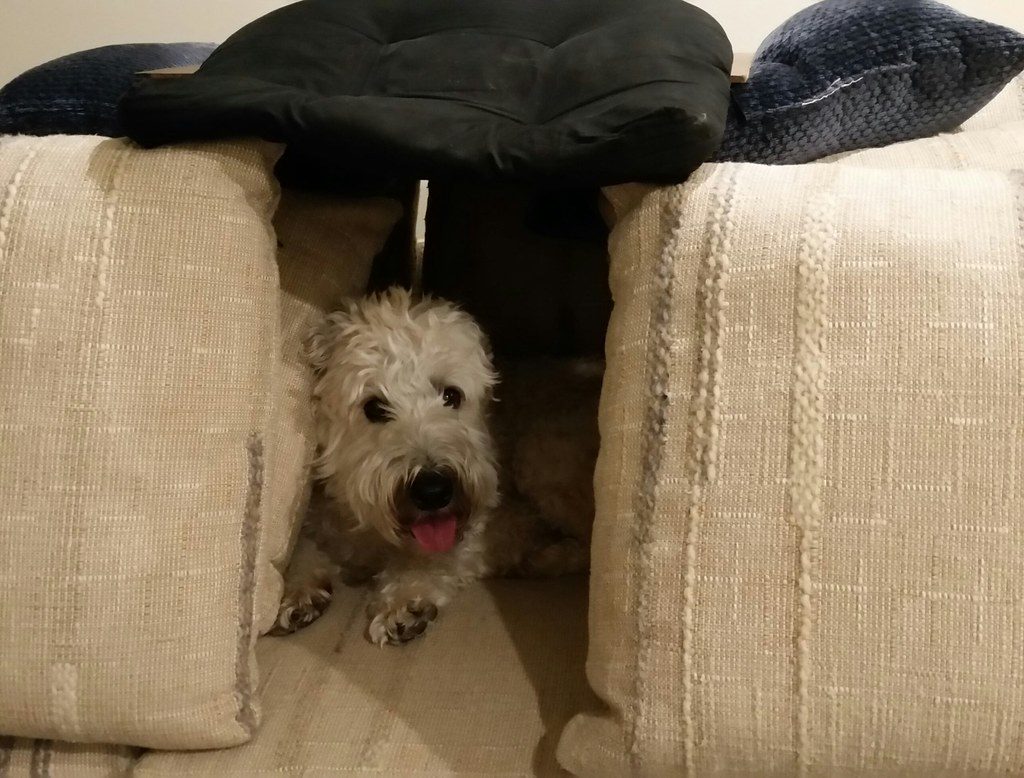
Systematic desensitization is an evidence-based behavioral modification approach using gradual exposure to help dogs slowly overcome phobias or fears. The goal is to change your dog’s perception of the vacuum from nemesis to occasional nuisance by working slowly, particularly with long-standing fears.
Start by placing the vacuum where your dog can view it without exceeding their comfort threshold, give high-value treats immediately, then remove the vacuum and stop treats. Work toward having your dog take treats placed directly on the vacuum itself, then practice placing treats in different spots on the vacuum.
Once your dog is comfortable at closer distances, turn the vacuum on for just a nanosecond while offering treats, then gradually build up the time it’s switched on and add movement for short periods. Remember to desensitize slowly and methodically, never skip steps, and always go at the pace your dog will allow.
Building Positive Associations and Long-term Success

Counter-conditioning pairs the vacuum with positive things like high-value treats or playtime, helping dogs learn to view it positively instead of negatively, and creating a training schedule incorporating these techniques works well. This helps dogs make positive associations with the vacuum because when it appears, they get rewards and start looking to you for treats.
Remember that this process can take months, and the longer your dog has felt negatively about the stimulus, the longer desensitization and counterconditioning will take. Stay positive and patient because if you get upset, your dog will too, and this slows down learning since the process takes considerable time.
Consider giving your dog safe chews or puzzle toys stuffed with treats during distant vacuuming to help build positive associations while providing mental stimulation. If your dog’s fear reaction involves aggression, don’t attempt training on your own and consult your veterinarian or a veterinary behavior specialist.
Conclusion
Your dog’s fear isn’t just stubbornness or drama; it’s a genuine response based on their incredible sensory abilities and past experiences. With patience, understanding, and consistent positive training, most dogs can learn to at least tolerate these necessary household helpers. Remember that progress might be slow, but every small step forward is a victory worth celebrating.
The key lies in respecting your dog’s comfort level while gradually building their confidence. Some dogs may never love vacuum cleaners, and that’s perfectly okay. The goal is simply peaceful coexistence where cleaning doesn’t become a traumatic experience for anyone in the household. What strategies have worked best for helping your furry friend overcome their vacuum fears? Share your success stories in the comments below.


