

There is something absolutely magnificent about a Great Dane walking into a room. That towering frame. That soulful gaze. That tail wagging with the enthusiasm of a dog who genuinely believes it is a lap puppy. Anyone who has ever loved one knows the feeling well. It is pure, almost overwhelming joy.
Yet behind that majestic exterior lives a deeply bittersweet reality. A nickname follows this breed quietly, spoken in hushed tones by veterinarians and long-time owners alike. “The Heartbreak Breed.” It is not just a catchy label. It is a truth that every Great Dane owner eventually comes to know in the most personal way possible.
So, why does such a gentle, loving giant carry such a heavy title? The answer unfolds in layers, from genetics to anatomy to the simple, painful math of time. Let’s dive in.
The Nickname That Says It All: A Short Life Filled With Big Love
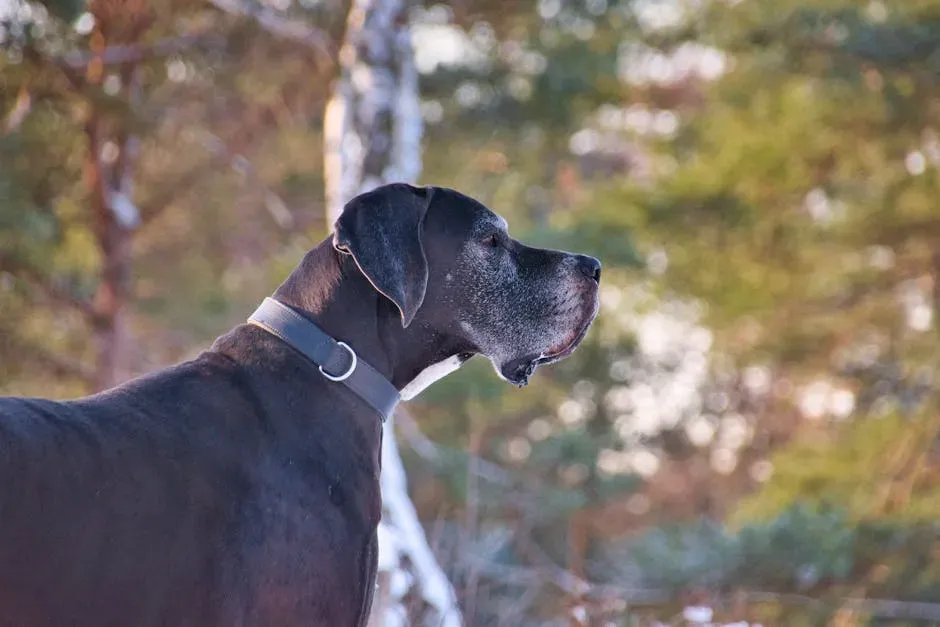
Let’s be real. When you fall in love with a Great Dane, you are signing up for one of the most rewarding and one of the most heart-wrenching experiences in the world of dog ownership. Great Danes are often referred to as the “heartbreak breed” primarily due to their relatively short lifespan and susceptibility to serious health issues, typically living only 7 to 10 years. That is a decade at most with a dog who fills your entire house and your entire heart.
A 2024 UK study found the average life expectancy of the breed to be 10.6 years, compared to an average of 12.7 years for purebreds and 12 years for crossbreeds. In the world of giant dogs, that gap feels enormous. You lose years you should have had together.
Honestly, I think the nickname is not just about years lost. It is about the intensity of the bond. Great Danes are loyal to their core, affectionate beyond measure, and deeply attached to their families. Despite the sorrow that may come too soon, many owners recount immense joy in having a Great Dane, and these traits make every moment meaningful and memorable, even if the years are few. The heartbreak, then, is not a reason to walk away. It is a reason to love more fiercely while you can.
The Heart Behind the Heartbreak: Dilated Cardiomyopathy in Great Danes
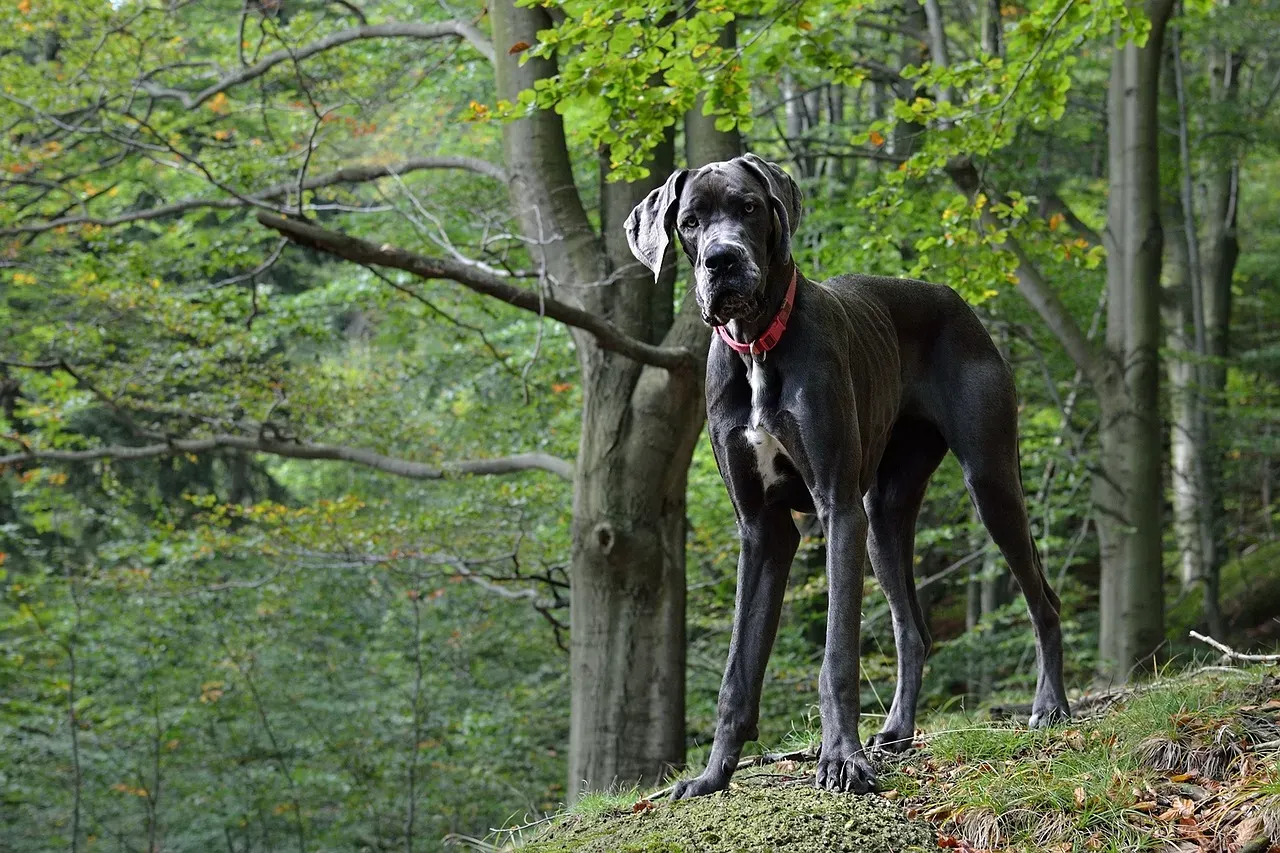
Here is the thing that most people do not know until it is too late. The “heartbreak” in the nickname is not just poetic. It is literal. Dilated cardiomyopathy and many congenital heart diseases are commonly found in the Great Dane, leading to its nickname “the heartbreak breed,” in conjunction with its shorter lifespan. This is a devastating combination, and it catches many owners completely off guard.
Dilated cardiomyopathy is a condition characterized by weakness of the heart muscle that eventually leads to enlargement of the heart chambers and complications of congestive heart failure, irregular heart rhythms, and even sudden death. Think of it like a balloon that has been overinflated. The walls thin out, the pump weakens, and eventually the whole system struggles to keep up.
What makes it especially cruel is how quietly it progresses. In the early stages of the disease, dogs may not show obvious signs of DCM, which can make it harder to detect until it progresses into heart failure when fluid backs up into the lungs or belly. Your dog may seem completely fine, right up until they are not. The Great Dane is one of the breeds most commonly affected by DCM, and it has been established that there is a familial tendency and a genetic predisposition to the condition in Great Danes. In other words, it can run in bloodlines, which is why knowing your dog’s history matters so much.
Bloat: The Other Silent Killer Great Dane Owners Must Know
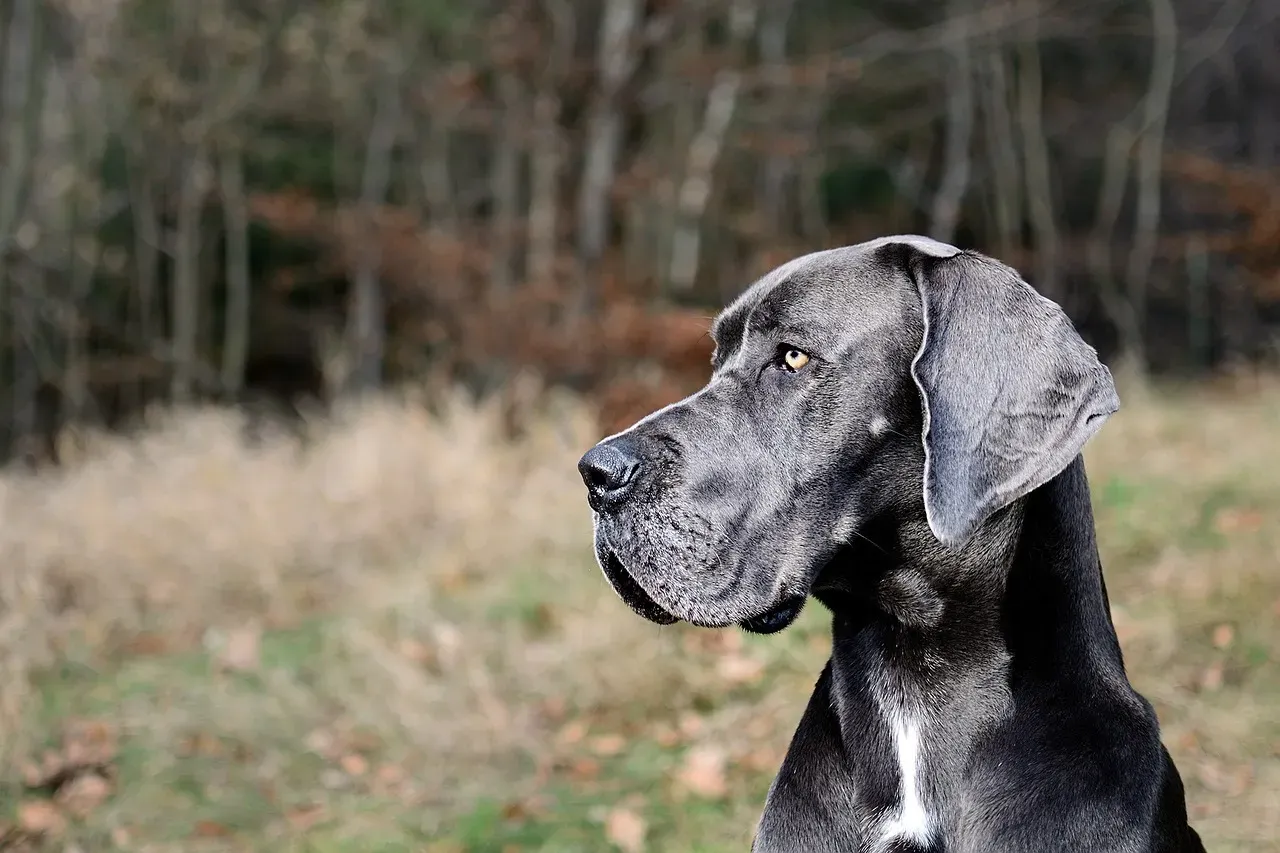
If DCM is the slow heartbreak, bloat is the sudden one. Bloat, or gastric dilatation-volvulus (GDV), is the greatest killer of Great Danes. It sounds almost too ordinary to be that dangerous. But do not let the casual name fool you for a single second.
The main reason this happens is the breed’s anatomy. Great Danes have long, deep chests that make them more susceptible to bloat. Bloat can be extremely painful and even fatal if not treated immediately, so you should always be on the lookout for signs such as an enlarged stomach, restlessness, drooling, and retching. If you ever see those signs together, you treat it like an emergency, because it is.
Many Great Danes reach their already low number of years only with comprehensive medical care, like operations for stomach torsion, which roughly one third to one half of Great Danes will need at some point in their life. That statistic genuinely surprises most people. Prevention tips include feeding smaller, more frequent meals, using a slow-feeder bowl, and never exercising your dog immediately after eating. A rest period of 40 minutes to one hour after meals is recommended before any exercise. Simple habits. Potentially life-saving ones.
More Than Just the Heart: Other Health Challenges This Breed Faces
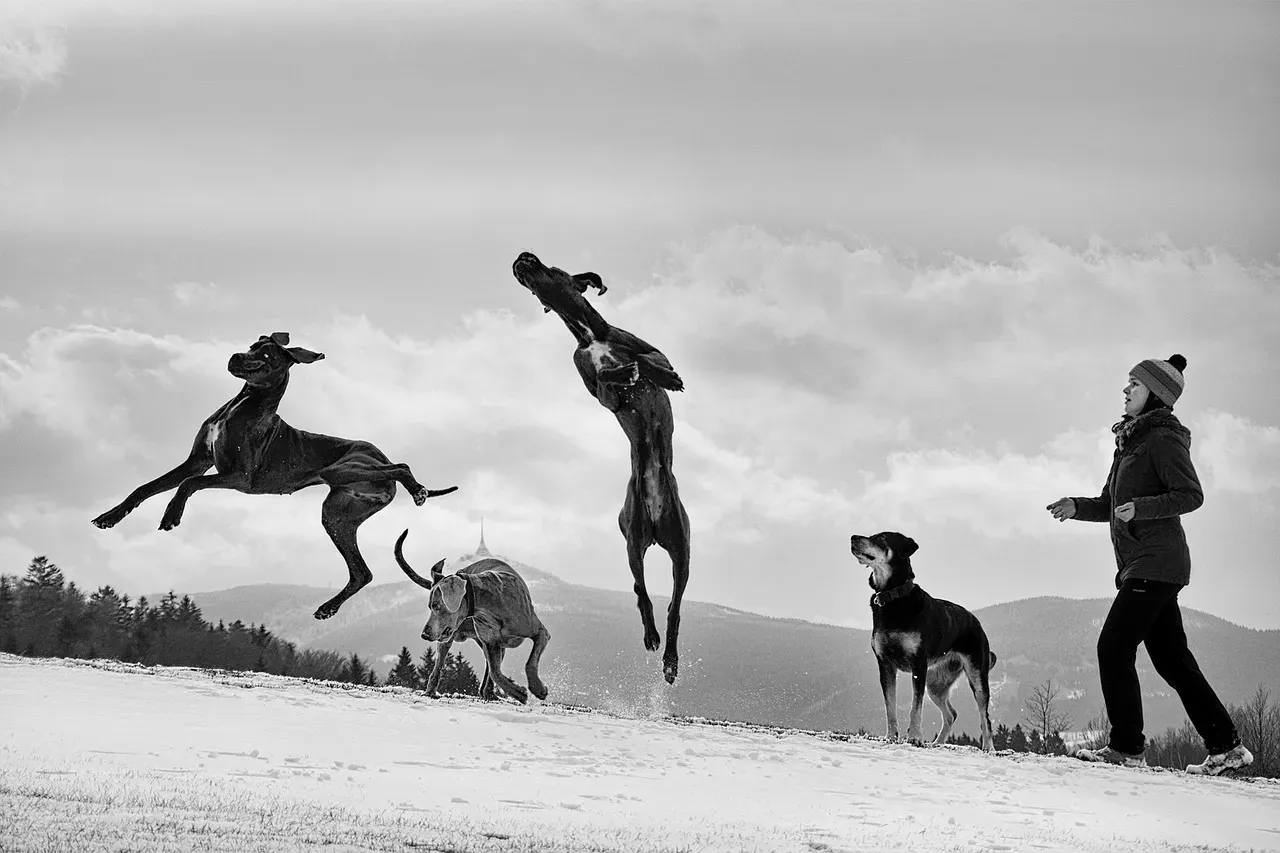
Beyond heart disease and bloat, Great Danes carry a surprisingly heavy health burden for a dog that looks so invincible. Great Danes can develop wobbler disease, a condition affecting the vertebral column, where the bones in their vertebrae can push against the spinal cord and cause weakness in the legs. Watching a giant dog lose control of its legs is both alarming and heartbreaking in its own right.
Like many larger breeds, Great Danes are also at particular risk for hip dysplasia. Add to that hypothyroidism, bone tumors, and eye conditions in certain coat patterns, and you begin to understand why veterinary visits need to be a consistent part of life with this breed. The low life expectancy is caused by the low genetic variety of the breed, which leads to inbreeding depression and accumulation of hereditary diseases. It is a sobering reality, but knowledge is power.
Great Dane puppies have a rapid growth rate, which makes them prone to joint and bone problems. Vets recommend two one-hour walks a day, ensuring they get the exercise needed for physical and mental stimulation, but responsible exercise is key, ensuring they are not over-extended in their first two years of life. Think of it like raising a toddler who grows at ten times the normal speed. Everything needs to be done carefully and intentionally.
How to Give Your Great Dane the Longest, Happiest Life Possible
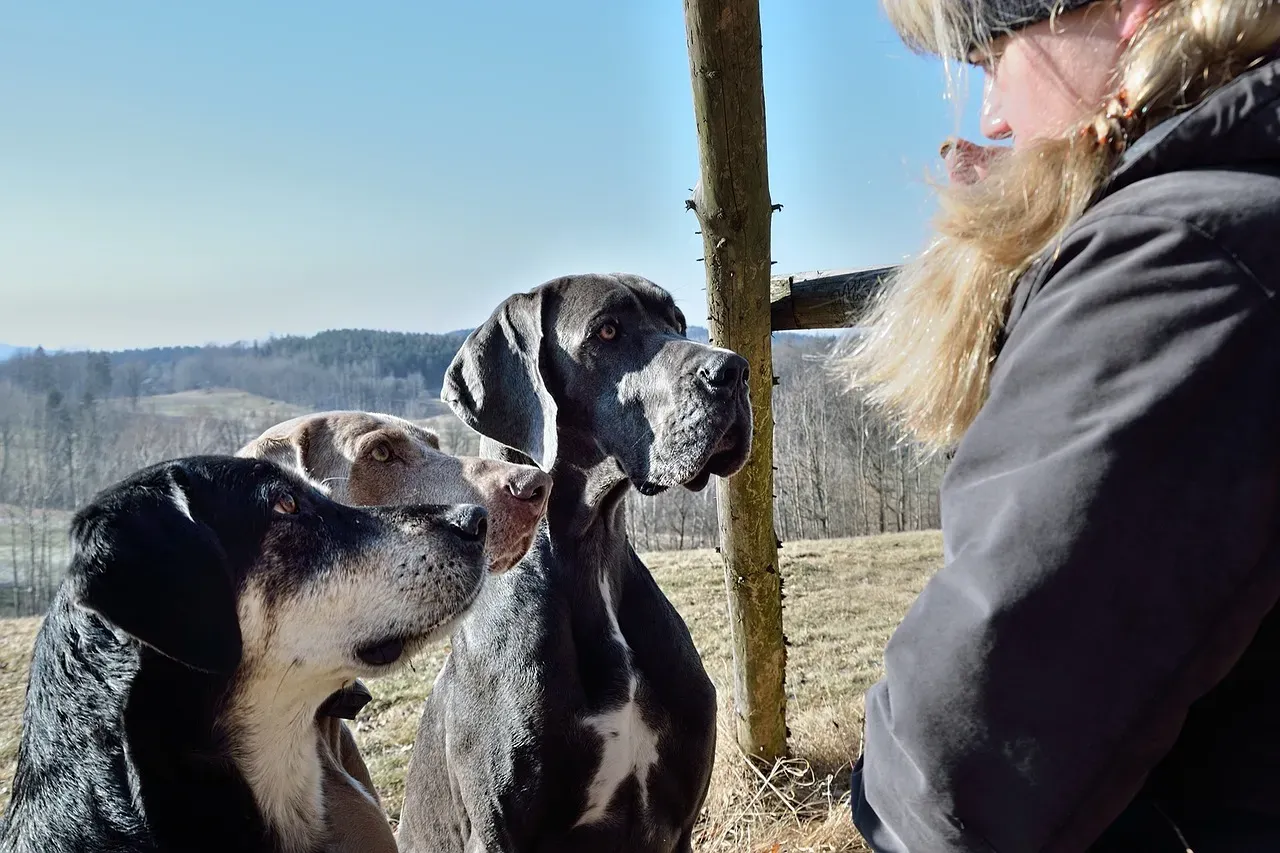
Here is the hopeful part. Because there absolutely is hope. Owning a Great Dane is not a guaranteed tragedy. It is a responsibility that, when met with real commitment, can translate into years of genuine joy. While owners cannot fully control genetics, certain actions help improve the quality and potentially the length of a Great Dane’s life, including regular veterinary checkups to identify early signs of disease, feeding appropriate diets especially during the rapid growth phase, and proper exercise routines that avoid strain or overexertion.
For breeds considered high risk, including Great Danes, yearly screening with an echocardiogram and Holter monitor is recommended, especially for dogs in active breeding programs or with a family history of DCM. While there is currently no cure for DCM, medications can help delay the progression of disease, manage clinical signs as they occur, and improve dogs’ quality of life. Early detection is genuinely everything here.
Great Danes can reach a maximum age of 13, 14, or even 15 years in very rare cases, and it is possible to raise the average life expectancy of Great Danes to 8 or 9 years if the long-known principles of population genetics were applied to the breeding of purebred dogs. That tells you something important. The ceiling is higher than many people think. What you do as an owner, from the breeder you choose, to the vet you trust, to the feeding bowl you buy, it all matters more than you might realize.
Conclusion: A Breed Worth Every Moment of the Heartbreak
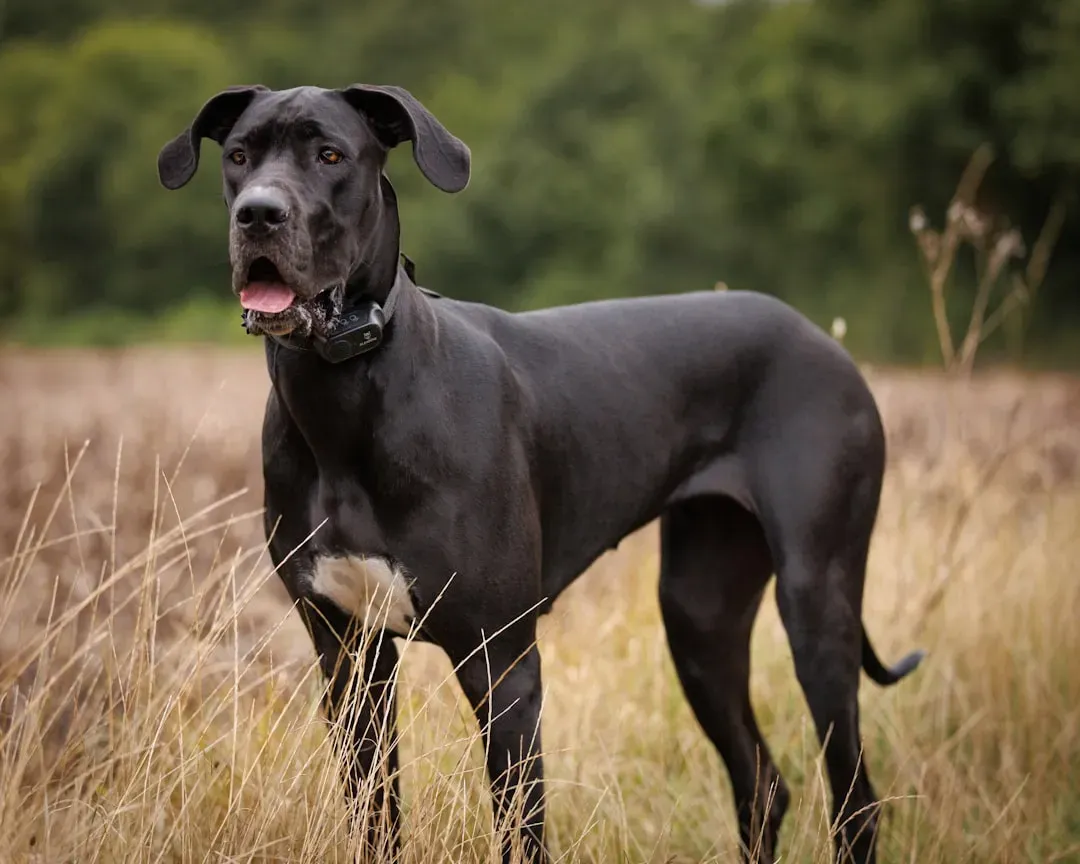
The Great Dane is called the heartbreak breed not because it is a broken dog, but because loving one so completely and losing it so soon is a grief unlike any other. It is the cost of choosing a companion whose love is enormous but whose time is limited. The Great Dane is called the heartbreak breed not because of disobedience or temperament but because their lives are often painfully short. Fraught with looming health challenges, owning one is a loving act of courage. Yet for many, the heartbreak is worth every moment of joy these regal and gentle companions provide.
If you share your life with a Great Dane, or you are thinking about it, lean into the knowledge. Learn the warning signs. Build a relationship with a good veterinarian. Feed them well, love them loudly, and appreciate every single morning they rest their enormous head on your lap. The heartbreak may be real. The joy is even more so.
What do you think, would you still choose a Great Dane knowing what you know now? Tell us in the comments. We would genuinely love to hear your story.


