

Ever wondered why Los Angeles consistently ranks at the very top of America’s most rat-infested cities? It’s not just the glitz and glamour that attracts crowds to the City of Angels. Beneath the surface lies a thriving rodent population that has made LA its permanent home, turning the sprawling metropolis into what many pest control experts now call the nation’s premier rodent hotspot.
In 2025, Los Angeles claimed the number one spot on Orkin’s annual Rattiest Cities List for the first time in the list’s history, knocking Chicago off its decade-long reign. This shift signals something much bigger than a simple change in rankings. With year-round warm weather, a booming culinary scene and dense neighborhoods that offer ample access to food and shelter, the City of Angels checks every box for rodent survival. Residents from downtown to the San Fernando Valley are reporting increased sightings, and it’s become impossible to ignore the scratching sounds in attics or the telltale droppings near dumpsters.
The problem isn’t just about numbers or statistics. It’s about real families dealing with contaminated food, costly property damage, and genuine health concerns. Let’s be real, nobody wants to share their living space with creatures that can spread disease and destroy everything from wiring to insulation. So what exactly makes Los Angeles such an irresistible destination for rats and mice?
The Perfect Climate for Year-Round Breeding

Here’s the thing most people don’t realize: rats don’t take vacations, and in Los Angeles, they certainly don’t hibernate. Rodents thrive in moderate weather, which increases their chances of survival and supports ongoing population growth. Unlike cities in the Midwest or Northeast where harsh winters naturally reduce rodent populations, LA’s mild Mediterranean climate creates ideal conditions for constant reproduction.
In Los Angeles County, California, it is always ‘pest season’ because it does not freeze or even get below 40 degrees. Think about what that means for a single pair of rats. While their cousins in colder climates struggle through winter months with limited breeding, LA rodents are busy multiplying month after month without interruption.
LA’s warming trend is shortening rodent gestation cycles, leading to faster population booms. The urban heat island effect makes things even worse. The “urban heat island” effect – where paved city zones trap heat – adds several degrees to local temperatures, accelerating reproduction. So while the rest of the country gets a seasonal break from rodent pressure, Los Angeles residents face an unrelenting cycle of breeding and infestation.
Climate change has only intensified the problem. Climate change has brought longer stretches of warmer weather, which means more time for breeding. Warmer nights extend the active feeding and mating periods, giving rats more opportunities to thrive. It’s honestly hard to say for sure whether the situation will improve, but current trends suggest the opposite.
Mountains of Trash and Food Sources Everywhere
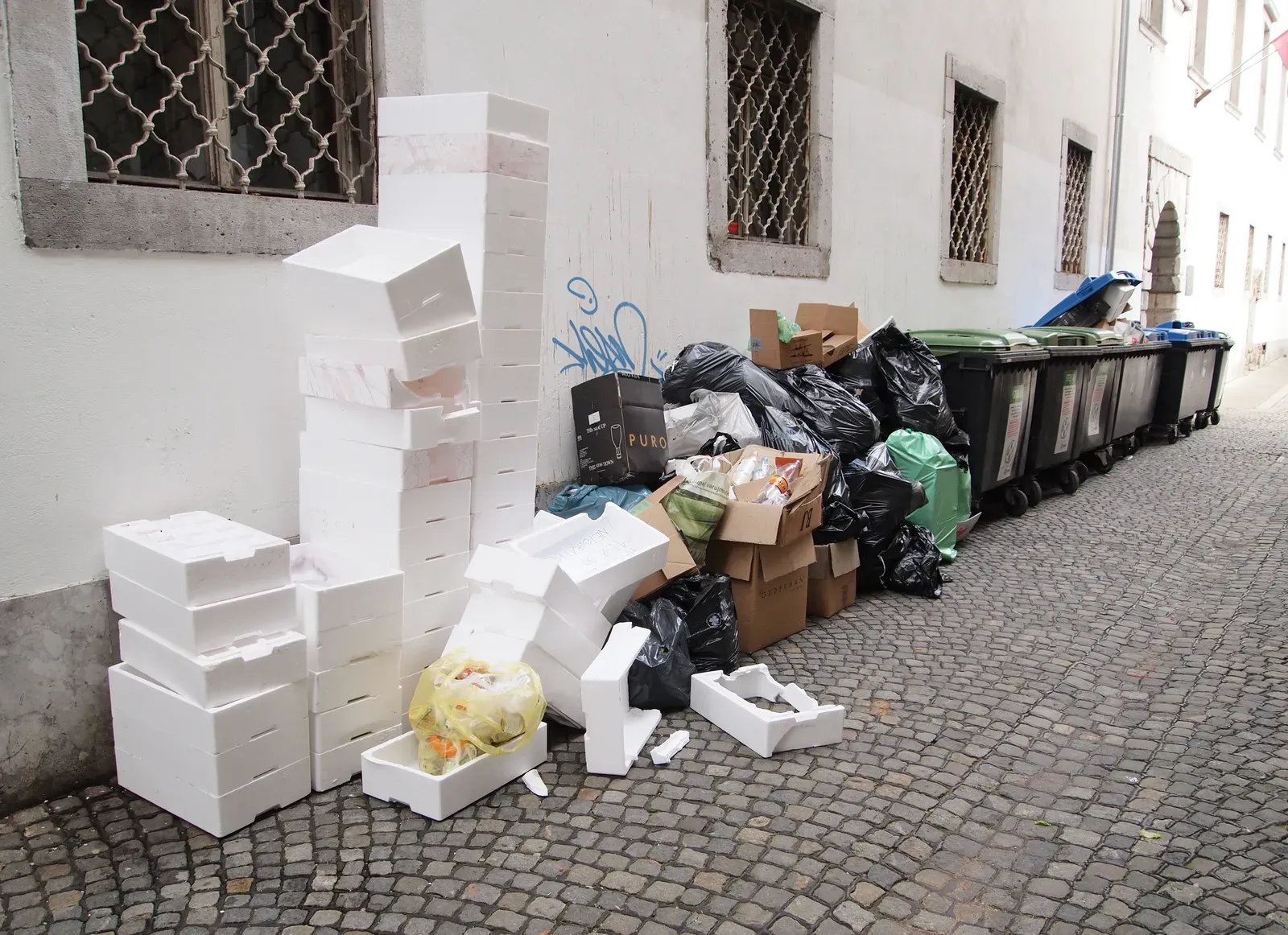
Walk through almost any Los Angeles neighborhood and you’ll see why rodents consider this city paradise. The sheer volume of accessible food waste creates an endless buffet. From bustling commercial corridors to hidden alleyways, Los Angeles’ signature blend of glam and grit creates a perfect storm for rodent activity.
Restaurant dumpsters overflow with scraps, residential trash bins often sit uncovered, and the city’s illegal dumping problem has reached crisis levels. Besides a 12 percent spike in homelessness in Los Angeles County in the past year, another problem is illegal dumping. When you combine that with the city’s sprawling footprint, you create countless feeding zones scattered across hundreds of square miles.
According to those who live in the city, trash and filth are the main reason for problems in Los Angeles, as trash pickup is rare in many low-income communities. It’s not just about quantity though. The variety of food sources matters too – from farmers markets to food trucks, ethnic restaurants to backyard fruit trees. After spending a nice summer climbing and feeding in and out of fruit trees, spending some nights outside in thickets like bougainvillea or ivy patches, rodents want to hunker down.
During the pandemic, the situation evolved in unexpected ways. As restaurants and businesses closed, rats found food in residential areas, and when the restaurants reopened, rats grew in number. Essentially, rodents adapted by expanding their territory, and they never gave that territory back.
Aging Infrastructure Full of Entry Points
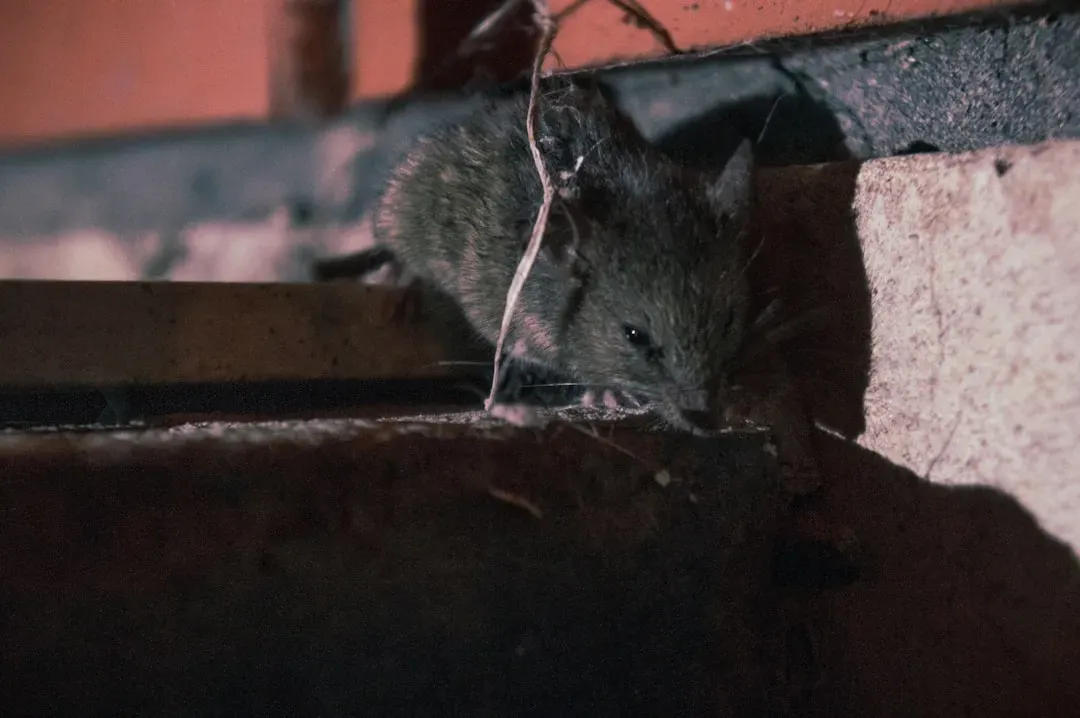
Los Angeles isn’t exactly a new city anymore. Many neighborhoods feature buildings constructed decades ago, and time has taken its toll on structural integrity. Combined with aging sewer systems, dense housing, and trash overflow, it creates a perfect storm for infestations.
The reality is startling when you consider the access points. Rats only need an opening the size of a quarter to access a building, and mice need even less space. Walk around older LA buildings and you’ll find countless gaps around pipes, cracked foundations, deteriorating door seals, and damaged vents. Each one represents an open invitation.
Factors unique to Los Angeles contribute to the higher cost of rodent extermination, including dense housing which increases risk of cross-infestation, and older homes which are more vulnerable to structural gaps, plus strict local codes affecting cleanup and proofing procedures. The city’s vast underground sewer network compounds the problem. Rats navigate these tunnels like highways, popping up wherever they find an unprotected entry point.
Construction and urban development actually make things worse before they get better. Construction displacement through ongoing development forces rats into adjacent neighborhoods. When one building gets renovated or demolished, its resident rodent population doesn’t simply disappear – they relocate to nearby structures.
Metal trash cans don’t even provide reliable protection. A rat’s teeth rank 5.5 on the Mohs hardness scale, making them strong enough to chew through steel garbage cans. If rats can gnaw through metal, imagine what they can do to wood, plastic, drywall, and insulation.
The Homeless Crisis Connection
This is where things get complicated, and honestly, it’s hard to discuss without acknowledging the human tragedy involved. About three-quarters of the nearly 59,000 homeless people counted in Los Angeles County in the past year were living outdoors, fueling concerns of a growing public health crisis with piles of garbage and rats near homeless encampments lining downtown sidewalks.
Nobody wants to blame vulnerable populations for the city’s rodent problem. Still, the connection between unsheltered homelessness and rodent infestations can’t be ignored from a public health perspective. Growing trash piles near encampments are creating rodent and insect problems for homeowners and apartment dwellers citywide, and some city streets are littered with months of uncollected trash that’s not only attracting rodents and fleas but now maggots.
The city of Los Angeles is grappling with deteriorating sanitation problems, as an increase in homeless camps and illegally dumped trash have created conditions for rats and other vermin to infest L.A. City Hall. Even government buildings aren’t immune. Los Angeles’ City Hall building has been plagued by a rodent problem for most of the year, with pest complaints made in 20 different locations within City Hall for a five-month period.
The pandemic made cleanup efforts even more challenging. Until the pandemic began, the city did regular cleanings around large homeless encampments, but the last six months the city hasn’t asked homeless residents to move their tents in most areas, citing fears about spreading COVID-19. When regular sanitation stops, rodent populations explode rapidly.
Restrictions on Effective Rodenticides

California has taken aggressive action to protect wildlife from secondary poisoning, but these well-intentioned laws have created unintended consequences. CA has expanded restrictions from SGARs to diphacinone and chlorophacinone/warfarin, with new laws effective in 2025.
Let me be clear – protecting eagles, hawks, and other predators from poison is important. The vast majority of bald and golden eagles tested were contaminated with these toxins. Nobody wants to see wildlife casualties. However, Los Angeles discontinued use of second-generation anticoagulant rodenticides in 2014, and pest control companies say their hands are tied by government regulations that force them to use “green pest control” to eradicate rodents.
The result? The increases in rodent population are the likely result of three issues: loss of effective tools used to control or eliminate rodents, unrealistic expectations on how rodents can be controlled, and the availability of food sources. Pest control professionals now rely heavily on trapping, exclusion, and sanitation – methods that work but require significantly more time, labor, and expense.
A ban on certain treatment options does not necessarily mean communities will struggle more to control rat populations, but it does take one tool out of the proverbial ‘toolbox,’ and the approach emphasizes exclusion and sanitation to limit rodents’ access to food, water and shelter. In theory, integrated pest management should work. In practice, it’s struggling to keep pace with LA’s rapidly multiplying rodent populations.
The Serious Health and Property Risks

Rodents aren’t just creepy or annoying – they pose genuine dangers that too many people underestimate. Rodents are known carriers of illnesses to humans, including Leptospirosis, Salmonellosis, LCM, plague and typhus, posing serious potential health risks. Let’s not forget that these are medieval diseases making a comeback in modern America.
In 2022, California Governor Gavin Newsom described the resurgence of typhus as a “medieval disease” after 171 cases were reported in Los Angeles County alone. Think about that for a moment. We’re living in an age of smartphones and space exploration, yet residents are contracting diseases that ravaged Europe centuries ago. Multiple LAPD police officers contracted typhoid fever, and others contracted hepatitis A and staff infections, while working at a police station in an area filled with hundreds of homeless encampments.
The property damage is equally alarming. Rodents gnaw through walls, wiring and even pipes. Chewed electrical wires create serious fire hazards. One family might spend thousands replacing contaminated insulation in their attic, while another deals with water damage from gnawed pipes. Their constant chewing and rapid reproduction can quickly turn a small issue into a large, expensive one.
Rodent populations can multiply rapidly, causing expensive problems for homeowners. The reproductive rate is genuinely shocking. A single pair of rats can produce up to 15,000 descendants in just one year. What starts as one or two rodents in your attic can become a full-blown infestation within months.
Even after rodents are removed, the contamination remains. Droppings, urine, and nesting materials harbor bacteria and pathogens that require professional decontamination. DIY cleanup puts homeowners at risk of disease transmission through airborne particles and direct contact.
What can residents actually do about this growing crisis? The solution requires both individual action and coordinated city-wide efforts. On a personal level, sealing entry points is absolutely critical – inspect your property regularly for gaps larger than a quarter inch and seal them immediately with appropriate materials.
Proper sanitation makes a massive difference. Keep trash in sealed containers, don’t leave pet food outside overnight, and pick up fallen fruit from trees. These simple steps remove the food sources that attract rodents in the first place. For those living in multi-unit buildings, collective action becomes essential since rodents travel between units through shared walls and infrastructure.
Professional pest control services have evolved their approach to work within California’s new restrictions. Companies now emphasize exclusion – physically blocking access – combined with trapping and ongoing monitoring. It’s more labor-intensive than simply setting out poison, but it addresses the root causes rather than just treating symptoms.
The city itself needs to step up sanitation efforts, particularly around areas with concentrated waste. Increasing the frequency of trash pickup in vulnerable neighborhoods, cracking down on illegal dumping, and maintaining the sewer infrastructure would all help reduce available food and harborage for rodents. Some neighborhoods have seen success with community cleanup initiatives that complement official city services.
Climate and infrastructure challenges won’t disappear, and the homeless crisis requires compassionate, comprehensive solutions that go far beyond rodent control. Still, residents shouldn’t feel helpless. Early detection and rapid response prevent small problems from becoming major infestations. The key is staying vigilant and taking action at the first sign of activity.
Los Angeles has earned its unfortunate distinction as America’s number one rodent hotspot through a combination of climate, infrastructure, sanitation challenges, and policy decisions. The mild weather supports year-round breeding, aging buildings provide countless entry points, and abundant food sources keep populations thriving. Add in the complexities of homelessness and pesticide restrictions, and you have a perfect storm that has made the City of Angels equally attractive to its least welcome residents.
The stakes are genuinely high – we’re talking about public health, property damage, and quality of life for millions of residents. Solving this problem requires coordinated efforts between individuals, communities, pest control professionals, and city officials. What’s your neighborhood doing to address the rodent problem? Have you noticed the issue getting worse over the past few years?


