

Picture this: you’re walking down the street when you see someone struggling with a tiny Jack Russell Terrier pulling frantically on its leash, while nearby, a massive Great Dane strolls peacefully beside its owner. This scene perfectly illustrates one of the biggest misconceptions in dog ownership. Size doesn’t determine behavior, energy levels, or training needs.
Too many people choose dogs based on appearance or size alone, only to discover they’ve brought home a furry tornado when they wanted a couch companion, or vice versa. The secret to a harmonious relationship with your four-legged friend isn’t about matching their size to your living space. It’s about aligning their energy levels with your lifestyle, personality, and daily routine.
The Big Dog, Low Energy Reality
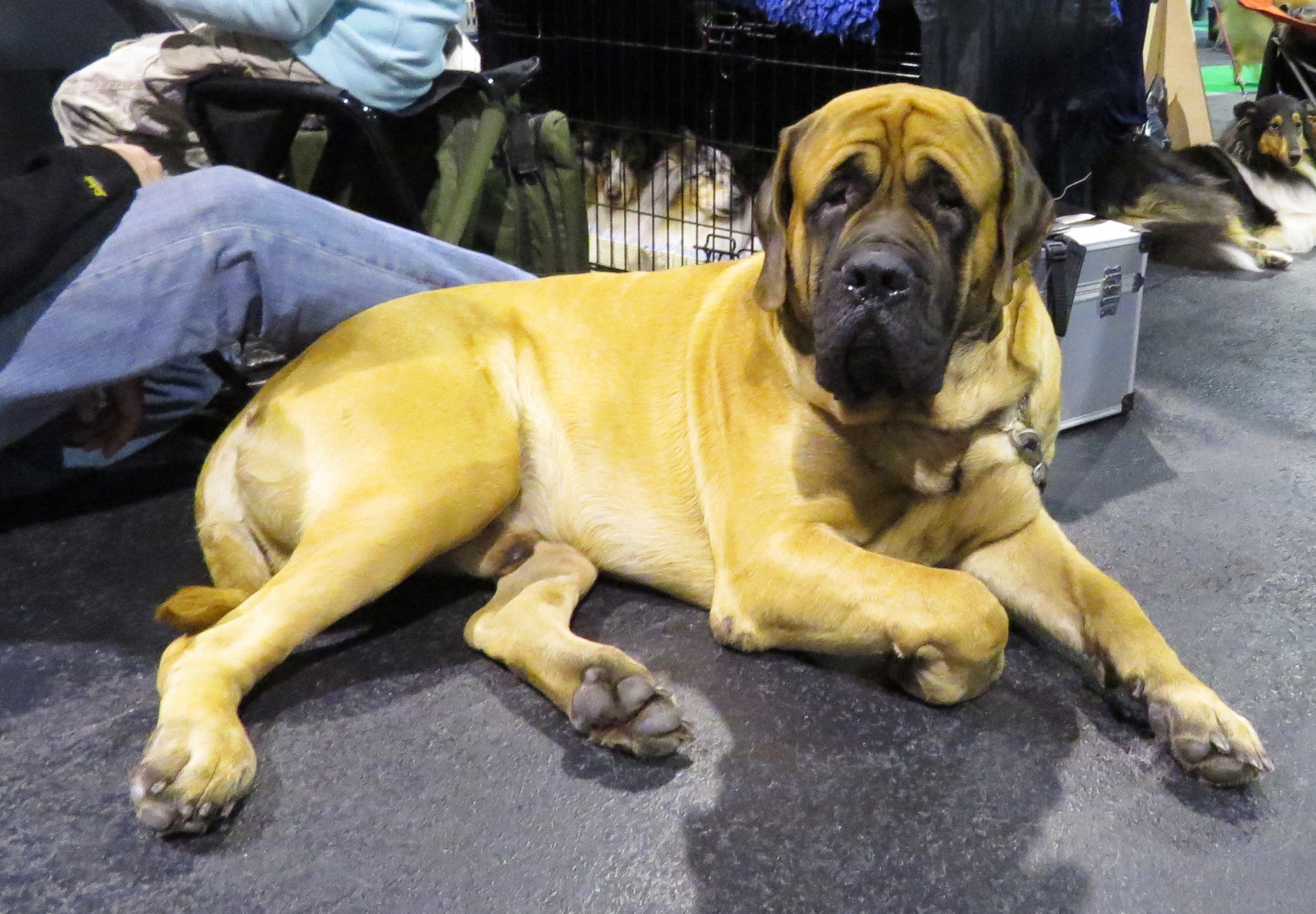
Also known as Old English Mastiffs, their low energy levels mean they are content with staying home with you all day, and this perfectly captures the gentle giant phenomenon. Many of the world’s largest breeds are surprisingly mellow companions who prefer lounging to lengthy hikes.
The temperament and the fact that they hardly need any exercise is why I have a giant breed. Not interested in dogs that needs a ridiculous amount of walking or fetch sticks. This honest observation from a giant breed owner reveals a truth that surprises many potential dog parents.
Large and powerful, yet sweet-tempered and devoted, the Newfoundland makes for the perfect low-energy large family dog and has even earned a reputation as a patient and watchful ‘nanny dog’ for kids. These gentle giants often become beloved family members precisely because their calm nature makes them excellent with children and other pets.
Plus side of Danes is they don’t need too much exercise, are good with children and are very chilled. Great Danes, despite their impressive stature, are often called “gentle giants” for good reason.
Small Dogs with Big Energy Demands

Don’t let their compact size fool you. Although they are a small dog, the Jack Chi is an active breed with relatively high energy needs in relation to their size. This is thanks to their Jack Russell parent. These dogs need roughly 30 to 60 minutes of exercise a day, as well as a lot of playtime!
Generally, the Jack Chi is a high energy little guy, thanks to the Jack parent. They were bred to be tireless and athletic so he will need his daily walks and mental stimulation. This perfectly demonstrates how genetics trump size when it comes to activity requirements.
Some dogs are teensy so they can easily fit into your apartment, but that doesn’t automatically make them low energy dogs. The Jack Russell Terrier for example is a small but energetic canine companion. Give him apartment living, sure, but only if you’re also a mover and a shaker with access to parks and great outdoor spaces.
Many small terriers were originally bred for hunting and working purposes, which means they’ve retained their drive and stamina despite their diminutive stature. These pocket-sized powerhouses can easily out-exercise their larger, lazier counterparts.
Understanding Energy Mismatches and Their Consequences

A high-energy breed confined to a sedentary lifestyle may become bored, anxious, or even exhibit destructive behavior. Conversely, a low-energy breed subjected to excessive exercise and stimulation may experience stress or exhaustion.
When energy levels don’t align, the results can be heartbreaking for both dog and owner. These types of canines often require multiple hours of vigorous exercise each day in order to stay healthy and contented at home – otherwise, they may become destructive or start barking incessantly due to boredom or excess energy levels!
Similarly, the Jack Russell Chihuahua Mix loves people and can suffer from separation anxiety when left alone. If you are out for hours at a time, this dog might not be for you because they can begin to exhibit signs of destructive behaviors, such as barking and chewing.
The emotional toll on families who realize they’ve chosen the wrong energy match can lead to surrendering dogs to shelters. This situation is entirely preventable with proper research and honest self-assessment before bringing a dog home.
Matching Your Lifestyle to Your Dog’s Needs

The best chances of a successful match between pet owner and canine rely on considering lifestyle. Anything less can make for an unhappy pet owner and even worse, an unhappy pet. Honest self-evaluation is the foundation of successful dog ownership.
Furthermore, prospective owners should assess their own activity level and lifestyle. Active individuals who enjoy outdoor activities, such as hiking or running, may find these high-energy breeds to be ideal companions. On the other hand, those with a more sedentary lifestyle may struggle to meet the exercise needs of these breeds, leading to behavioral issues and dissatisfaction for both the owner and the dog.
Consider your daily routine realistically. Are you someone who enjoys morning jogs and weekend hiking adventures? Or do you prefer quiet evenings at home with a book and a cup of tea? Neither lifestyle is better than the other, but each requires a different canine companion.
The key to finding your perfect canine companion lies in an honest assessment of your lifestyle. Factors such as your living space, daily routine, and family dynamics play a significant role in determining whether a high-energy or low-energy dog breed would be the best fit for you.
Exercise Requirements Beyond the Daily Walk
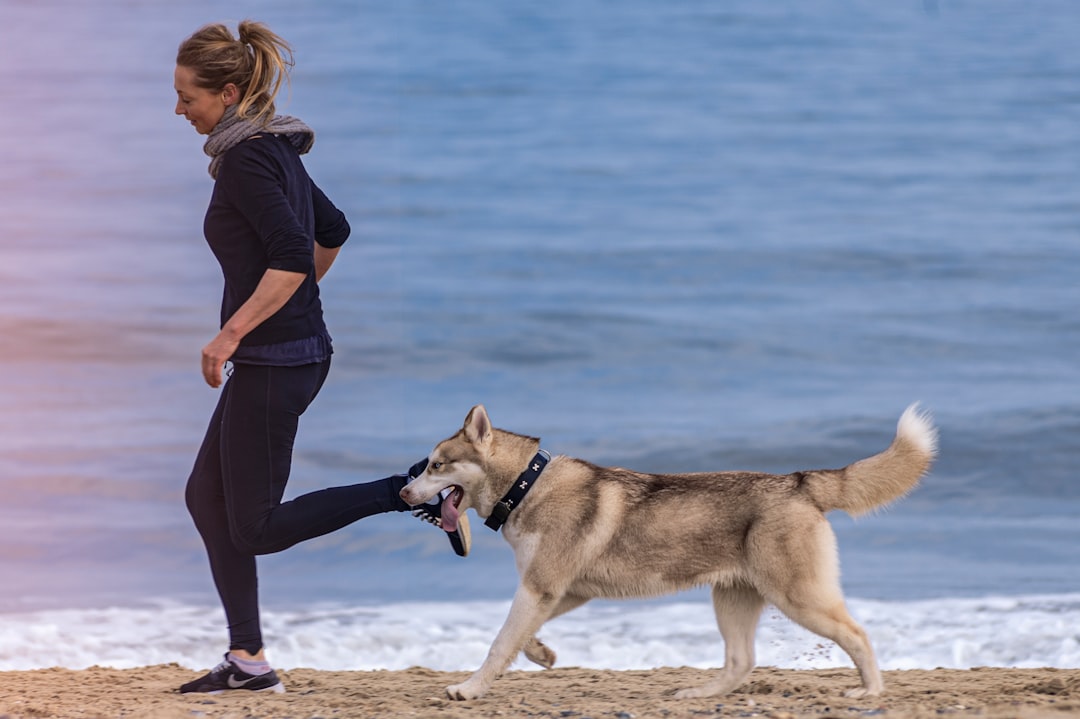
To meet the exercise needs of active breeds, it’s recommended to provide at least 30 minutes of vigorous aerobic exercise most days. This applies not only to larger breeds but also to smaller ones. Some toy breeds are prone to obesity and may need more activity than one might assume.
Physical exercise is only part of the equation. Additionally, active dogs with high energy levels necessitate a significant amount of physical and mental activity. These dogs enjoy jumping, playing, and discovering new sights and smells. Owners of high-energy breeds must provide outlets for their dogs’ physical and mental needs to keep them healthy and happy.
Active breeds benefit from regular and challenging physical exercise, combined with mental stimulation. Puzzle toys, agility training, and interactive play sessions are excellent ways to keep them engaged. Mental enrichment can be just as tiring as physical activity for intelligent, high-energy breeds.
Weather conditions shouldn’t derail your dog’s exercise routine. Safety is paramount, so during extreme weather conditions, it’s advisable to stay indoors and engage your dog’s mind through activities like trick training, interactive play with toys, or running up and down stairs together. A well-rounded exercise routine involves activities that challenge both mental and physical muscles, such as exploring new hiking trails.
The Myth of Apartment-Friendly Breeds

Living space size matters, but not in the way most people think. Another important consideration is the living environment. High-energy dog breeds are best suited to homes with ample space for them to move around and play. For instance, Australian Shepherds thrive in homes with large yards where they can run and play freely. Therefore, individuals living in smaller apartments or homes with limited outdoor space may need to reconsider their choice of dog breed to ensure the well-being and happiness of the pet.
However, many large, low-energy breeds can thrive in apartments better than small, high-energy ones. A Great Dane who’s content with two short walks and plenty of indoor napping might be happier in a studio apartment than a Border Collie in a house with a large yard but absent owners.
The key isn’t square footage; it’s commitment to meeting your dog’s specific energy and stimulation needs. It is an intelligent dog, who can live in your apartment as well because they have a moderate energy level. Some larger breeds with moderate energy levels adapt beautifully to apartment living.
Urban dog owners often become creative in meeting their pets’ needs through indoor games, puzzle toys, dog parks, and structured activities that provide both physical and mental stimulation regardless of home size.
Beyond Energy: Temperament and Training Considerations
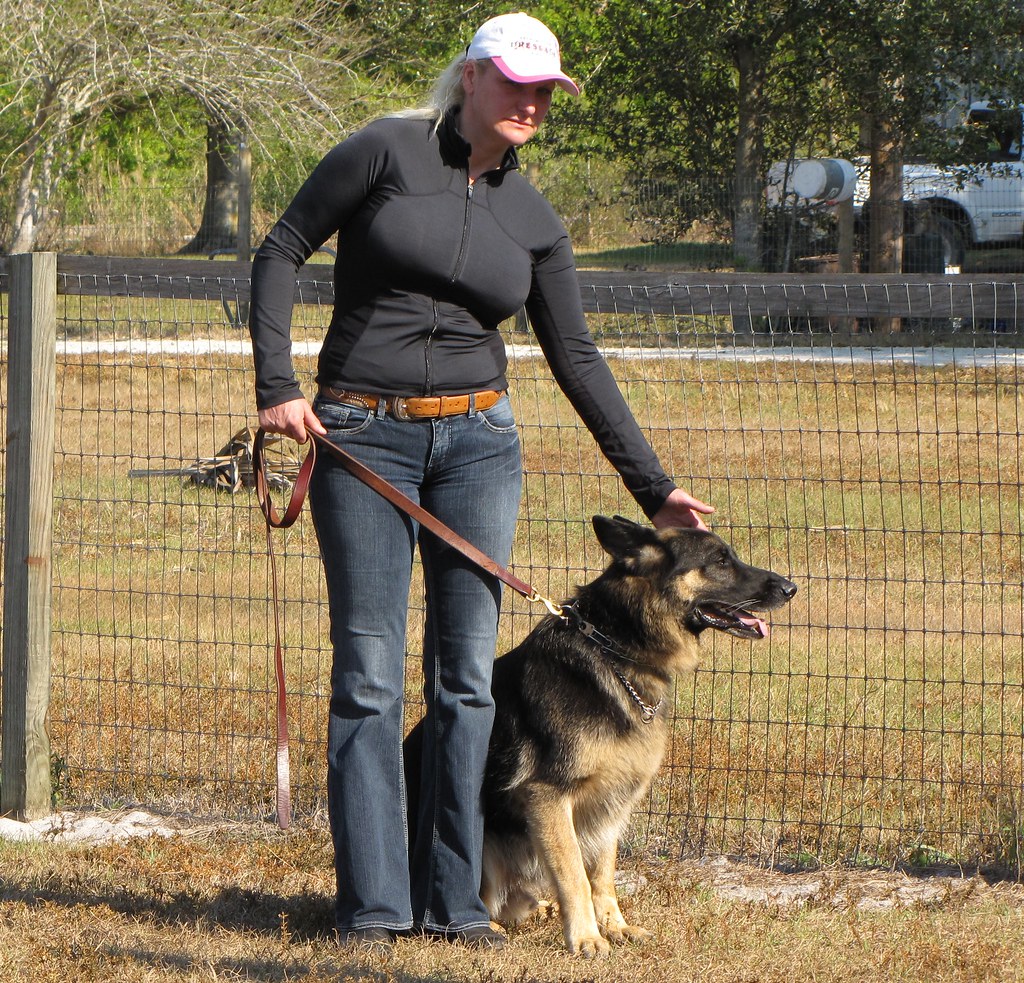
Training and socialization are vital components of a well-rounded dog, regardless of their energy level. These practices not only help in managing their energy but also in ensuring they can adapt well to various environments and situations. A well-trained high-energy dog can be more manageable than an untrained low-energy one.
Understanding the unique traits and temperament of high-energy dog breeds is crucial for prospective owners and current caregivers. High-energy breeds like Border Collies, Australian Shepherds, and Jack Russell Terriers require a deep understanding of their energy levels, intelligence, and physical attributes to ensure they lead fulfilling lives. It’s essential to recognize that these breeds thrive on mental and physical stimulation. For example, Border Collies are known for their exceptional intelligence and require activities that challenge their minds, such as advanced obedience training, agility courses, and complex puzzle toys.
The Chihuahua can sometimes be a stubborn dog, which can be passed onto the Jack Russell Chihuahua Mix. If they inherit this trait, you may find training a bit difficult, but they will eventually learn. Understanding breed-specific traits helps set realistic training expectations.
Some high-energy breeds are also highly intelligent and eager to please, making them excellent candidates for advanced training, dog sports, and even service work. Their energy becomes an asset when properly channeled through structured activities and consistent training routines.
Looking at your daily schedule, your activity preferences, and your long-term commitment level will guide you toward the right canine companion far better than focusing on size alone. Remember that energy levels, not dimensions, determine whether you’ll spend your evenings enjoying peaceful companionship or dealing with a restless, under-stimulated pet. What kind of energy do you bring to the relationship? That’s the question that matters most when choosing your perfect four-legged match.


