
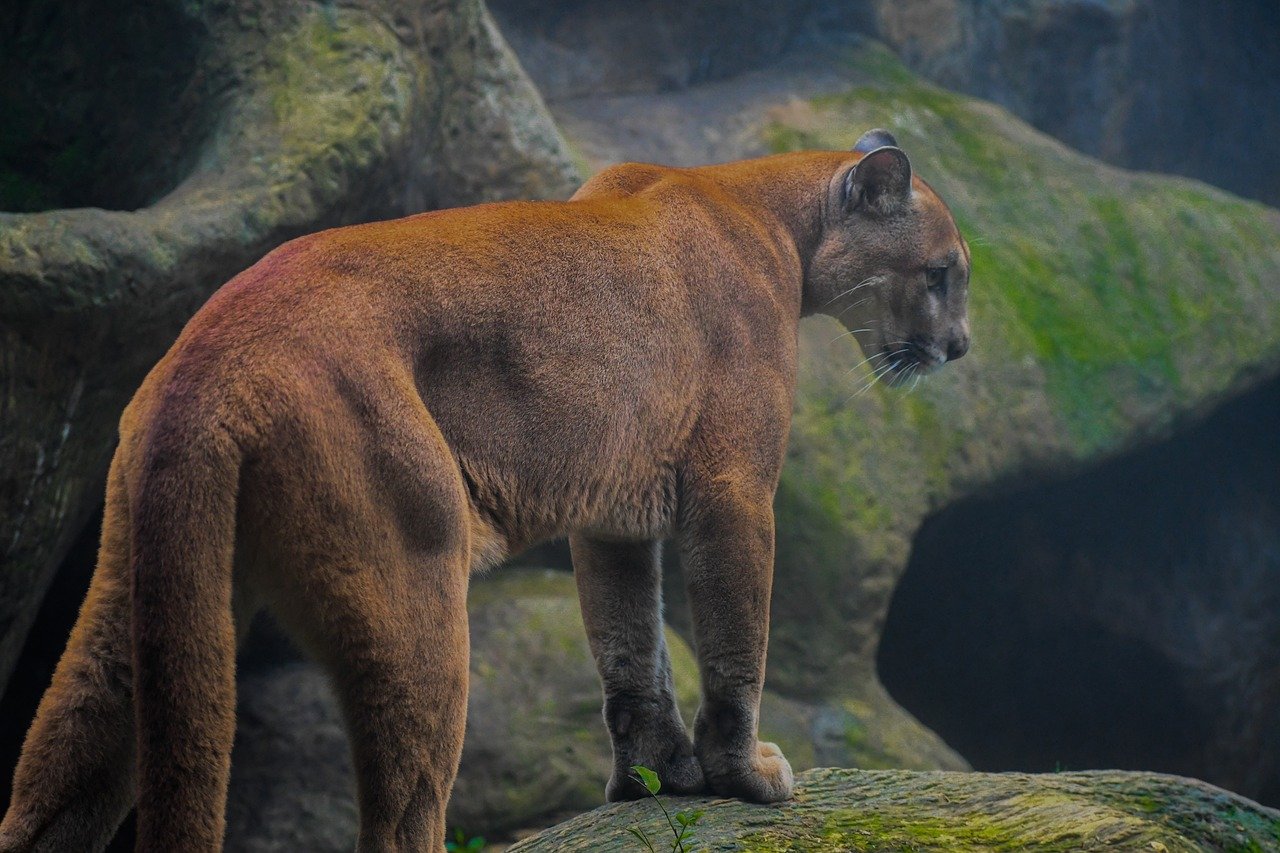

Mountain lions, also known as cougars or pumas, are majestic creatures that play a significant role in the ecosystems of America. These big cats, with their sleek fur and powerful build, are more than just awe-inspiring predators; they are vital components of the ecological balance. Let’s explore why mountain lions are so essential to the American ecosystem and why they deserve our admiration and protection.
Guardians of Biodiversity
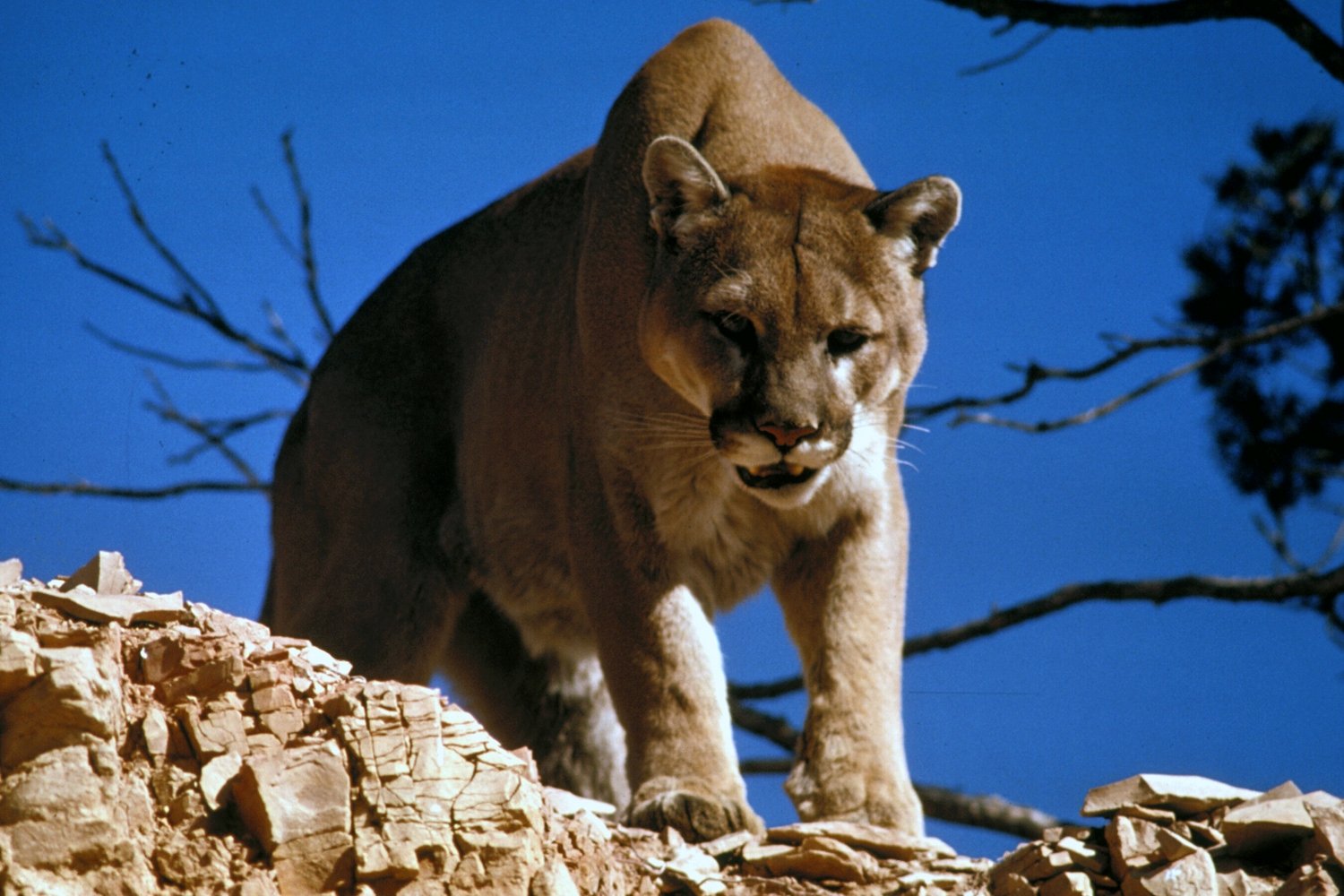
Silent, powerful, and elusive, mountain lions—also known as pumas, cougars, or panthers—are among North America’s most vital predators. As apex predators, they play a critical role in maintaining ecological balance, regulating prey populations, and even shaping the landscapes they inhabit. Despite their importance, these majestic big cats often face habitat loss, conflicts with humans, and misconceptions about their presence. Understanding their ecological significance is essential to protecting both them and the environments they help sustain.
Mountain lions help maintain biodiversity within their habitats. By preying on herbivores such as deer and elk, they keep these populations in check. Without natural predators like the mountain lion, herbivore numbers can skyrocket, leading to overgrazing and habitat degradation. This balance ensures that plant species thrive, supporting a wide array of other wildlife. Imagine a world where the grasses and shrubs are over-consumed, leaving barren landscapes that can’t support life. Mountain lions prevent this scenario, safeguarding diverse ecosystems.
Regulating Prey Populations
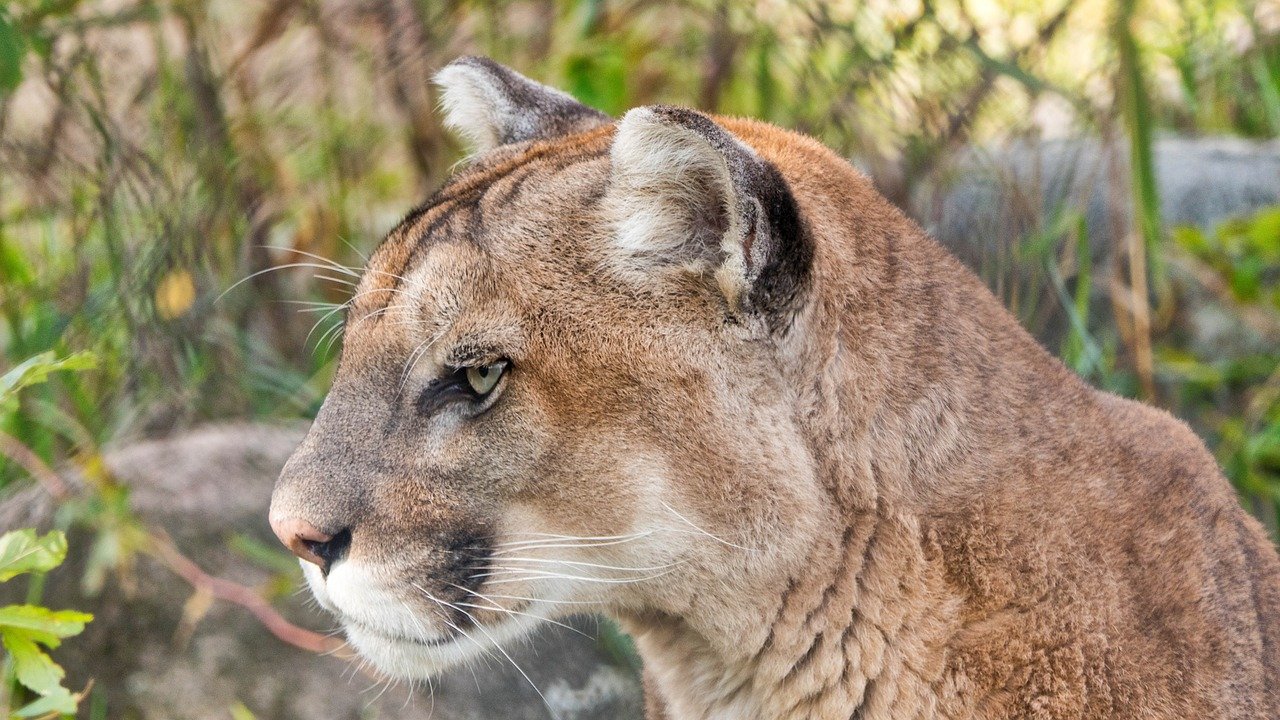
One of the most critical roles mountain lions play is regulating prey populations. Their presence ensures that only the healthiest and fittest animals survive, as they typically target the weak or sick. This natural selection process helps maintain the genetic health of prey species. Without mountain lions, weaker individuals might survive and reproduce, potentially weakening the entire population. In this way, mountain lions act as nature’s quality control, ensuring that prey populations remain robust and resilient.
Influencing Vegetation Growth
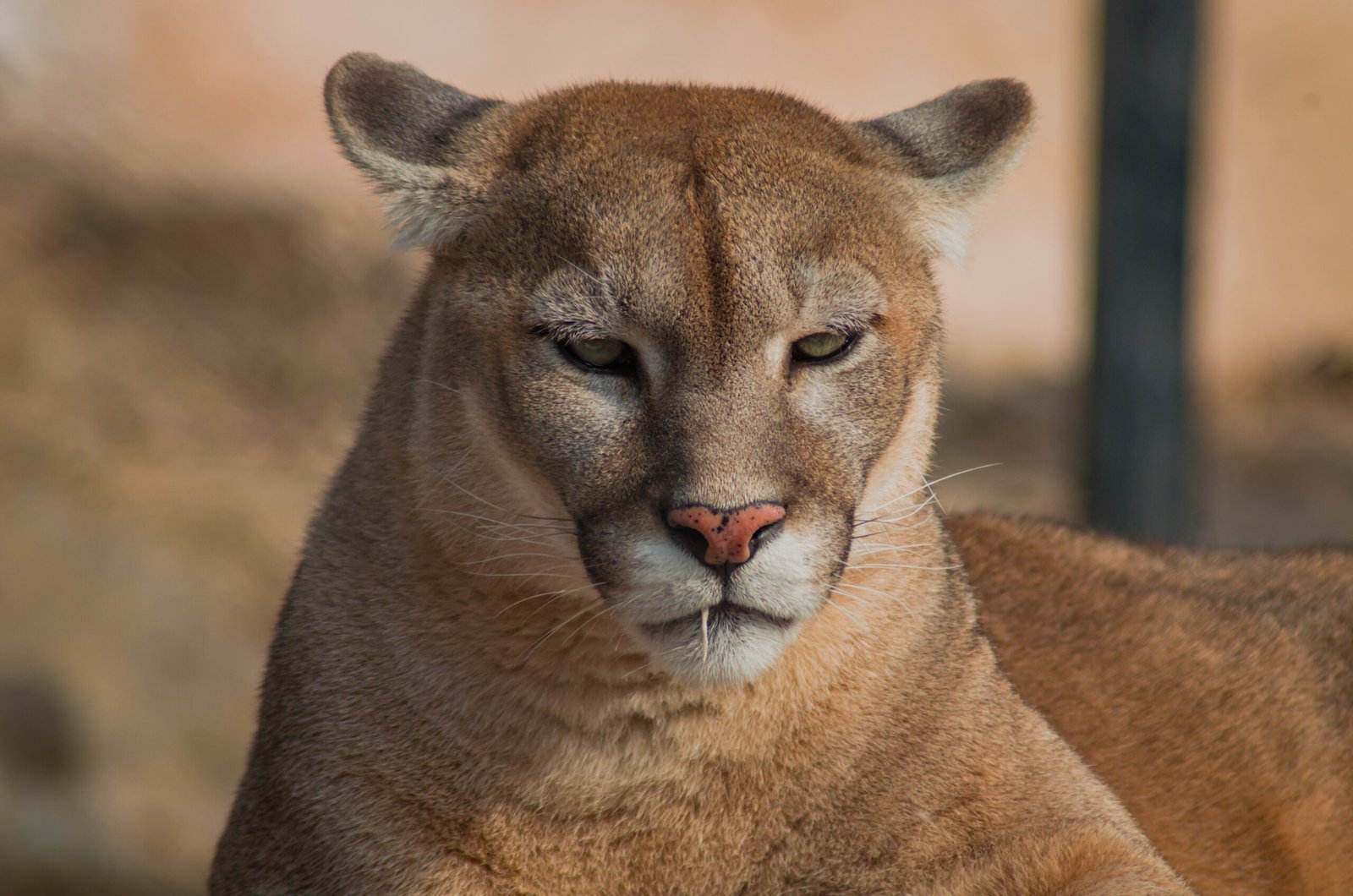
Mountain lions indirectly influence vegetation growth by controlling herbivore populations. When deer or elk numbers are too high, they can decimate plant life, affecting everything from small shrubs to towering trees. Mountain lions help keep these herbivore populations in check, allowing vegetation to flourish. This, in turn, supports other species that rely on these plants for food and shelter, from insects to birds and small mammals. A lush, thriving landscape owes much to the quiet, unseen work of the mountain lion.
Supporting Other Predators
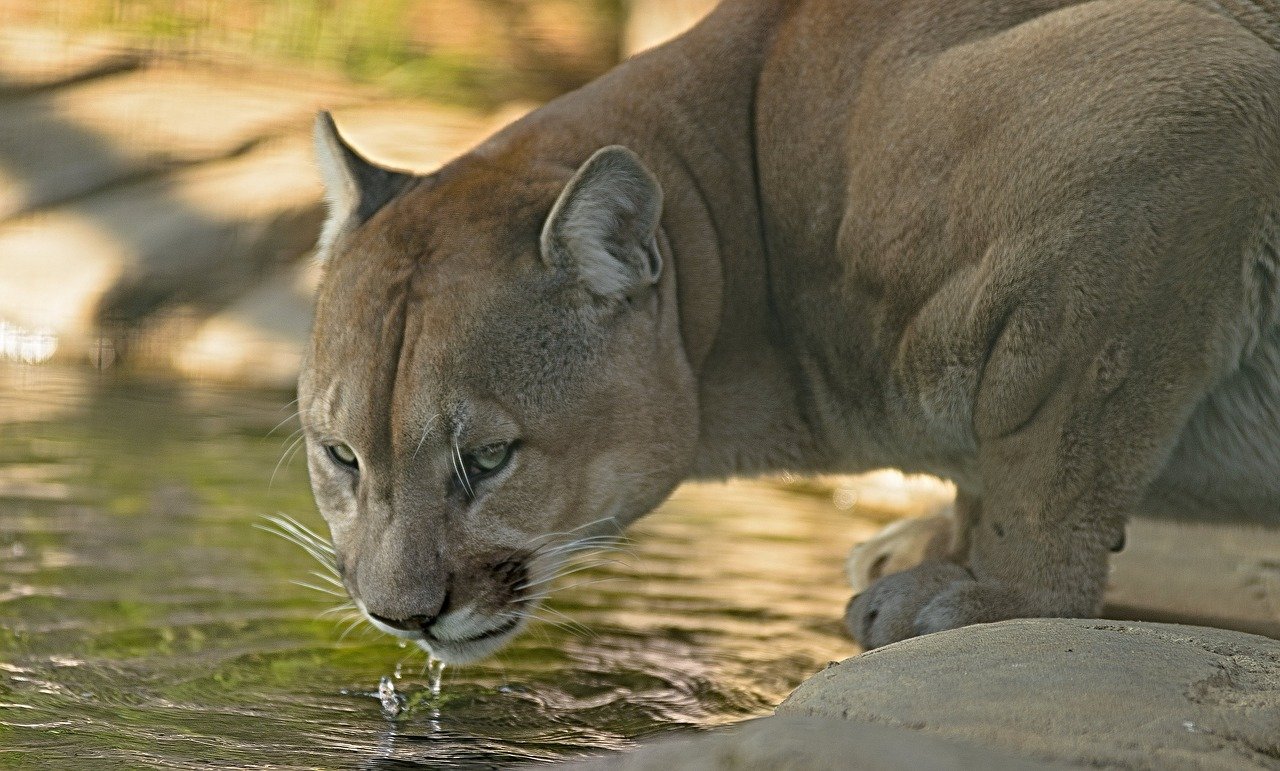
Mountain lions also play a role in supporting other predators and scavengers. When they make a kill, they often leave behind remains that provide vital nourishment for other animals. Coyotes, bears, and even birds of prey benefit from this food source, especially during harsh winters when other food is scarce. This sharing of resources creates a web of life that supports a wide variety of wildlife, each dependent on the mountain lion’s role as a top predator.
Promoting Healthy Ecosystems
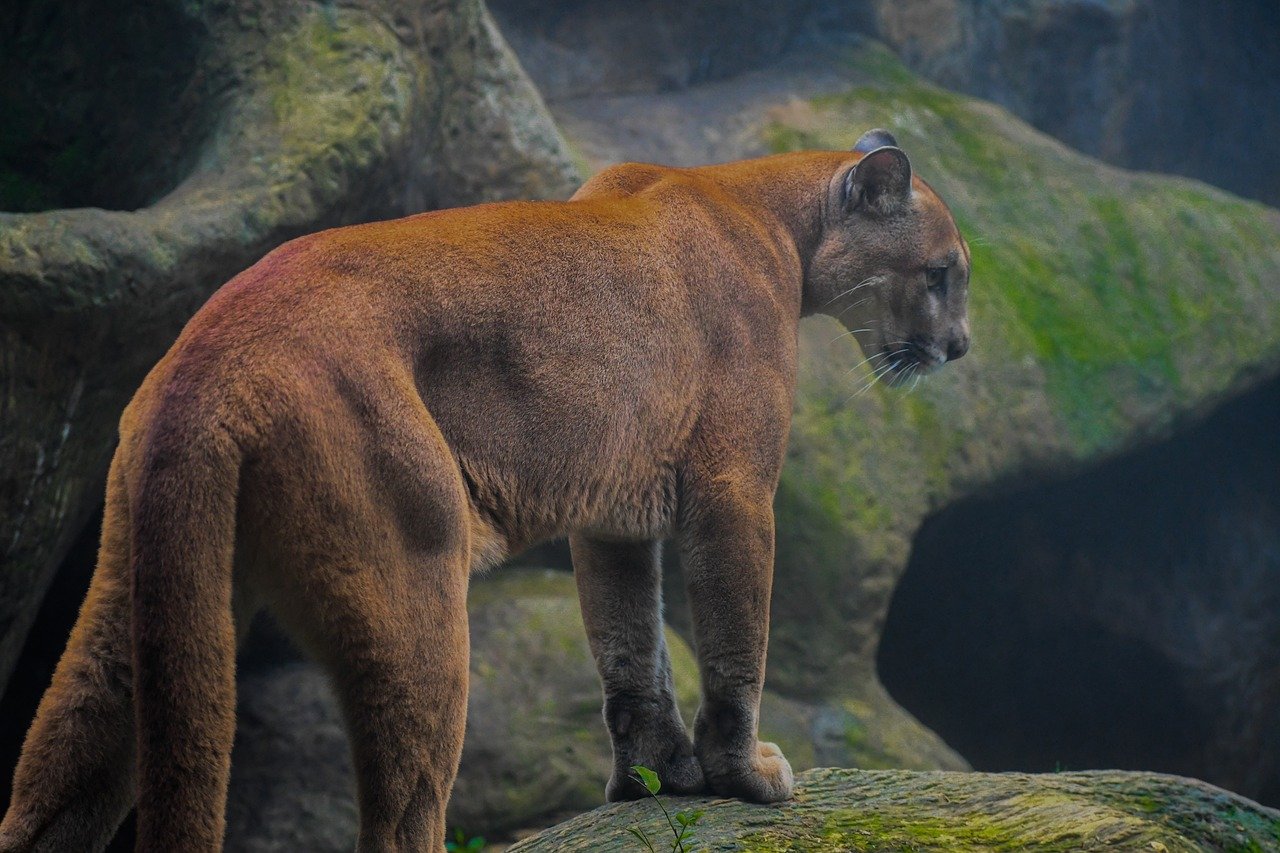
Healthy ecosystems are often the result of balanced predator-prey dynamics, and mountain lions are key to this balance. They help control species that might otherwise dominate the landscape, leading to a more diverse and stable environment. This stability ensures that the ecosystem can withstand changes and challenges, from climate shifts to human encroachment. Mountain lions are like the conductors of an orchestra, ensuring that every piece plays in harmony, creating a symphony of life.
Indicators of Ecosystem Health
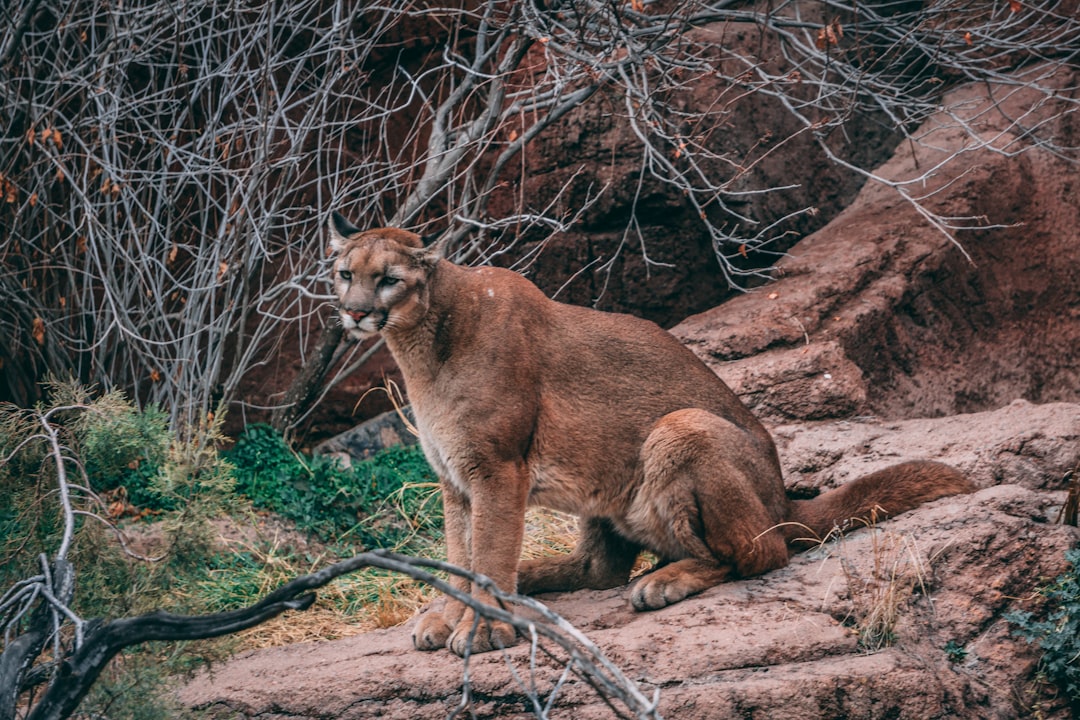
Mountain lions can serve as indicators of ecosystem health. Their presence often signifies a healthy, functioning ecosystem. If mountain lion populations are thriving, it usually means that their prey is abundant and that the habitat is suitable. Conversely, a decline in mountain lion numbers could signal environmental issues that need addressing. By monitoring mountain lions, we gain insights into the broader health of the ecosystem and can take action to protect and preserve it.
Balancing Human-Wildlife Conflicts
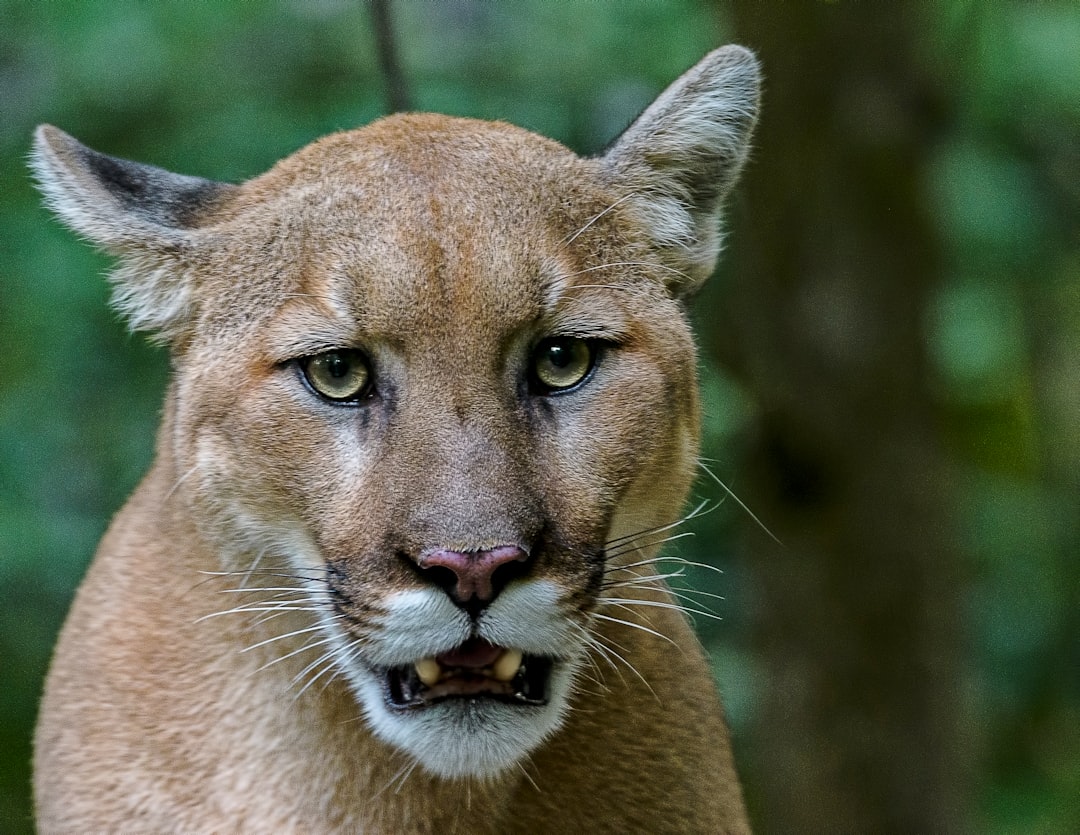
As human populations expand, interactions between mountain lions and humans become more common. While these encounters can be challenging, they also provide opportunities for education and coexistence. Understanding the role mountain lions play in the ecosystem can lead to better management practices that protect both wildlife and human interests. By learning to live alongside these magnificent creatures, we can ensure that they continue to fulfill their ecological roles.
Conservation Efforts
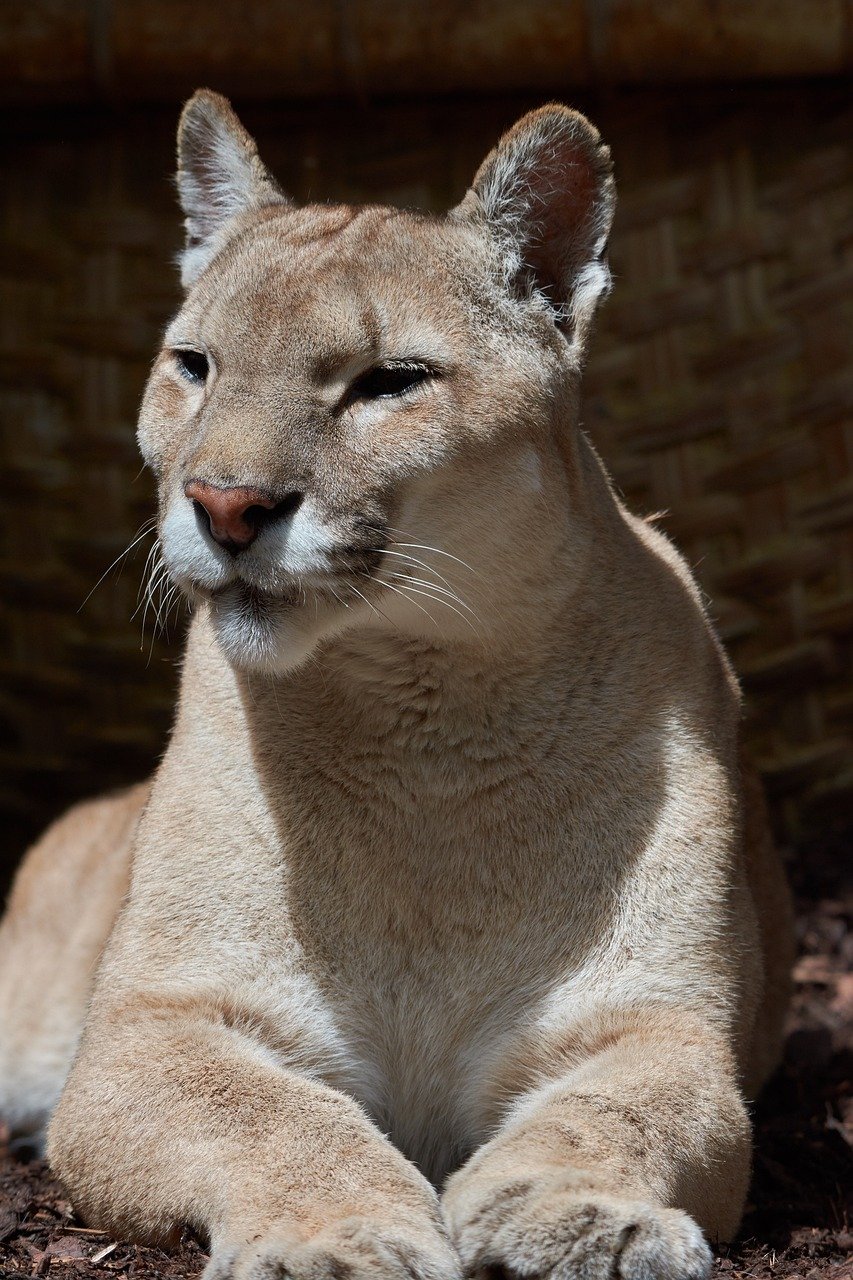
Conservation efforts are crucial for protecting mountain lions and the ecosystems they support. Habitat preservation, wildlife corridors, and public education are essential components of these efforts. By supporting conservation initiatives, we help ensure that mountain lions can continue to thrive in their natural habitats. This, in turn, benefits the entire ecosystem, highlighting the interconnectedness of all living things.
Educational Opportunities
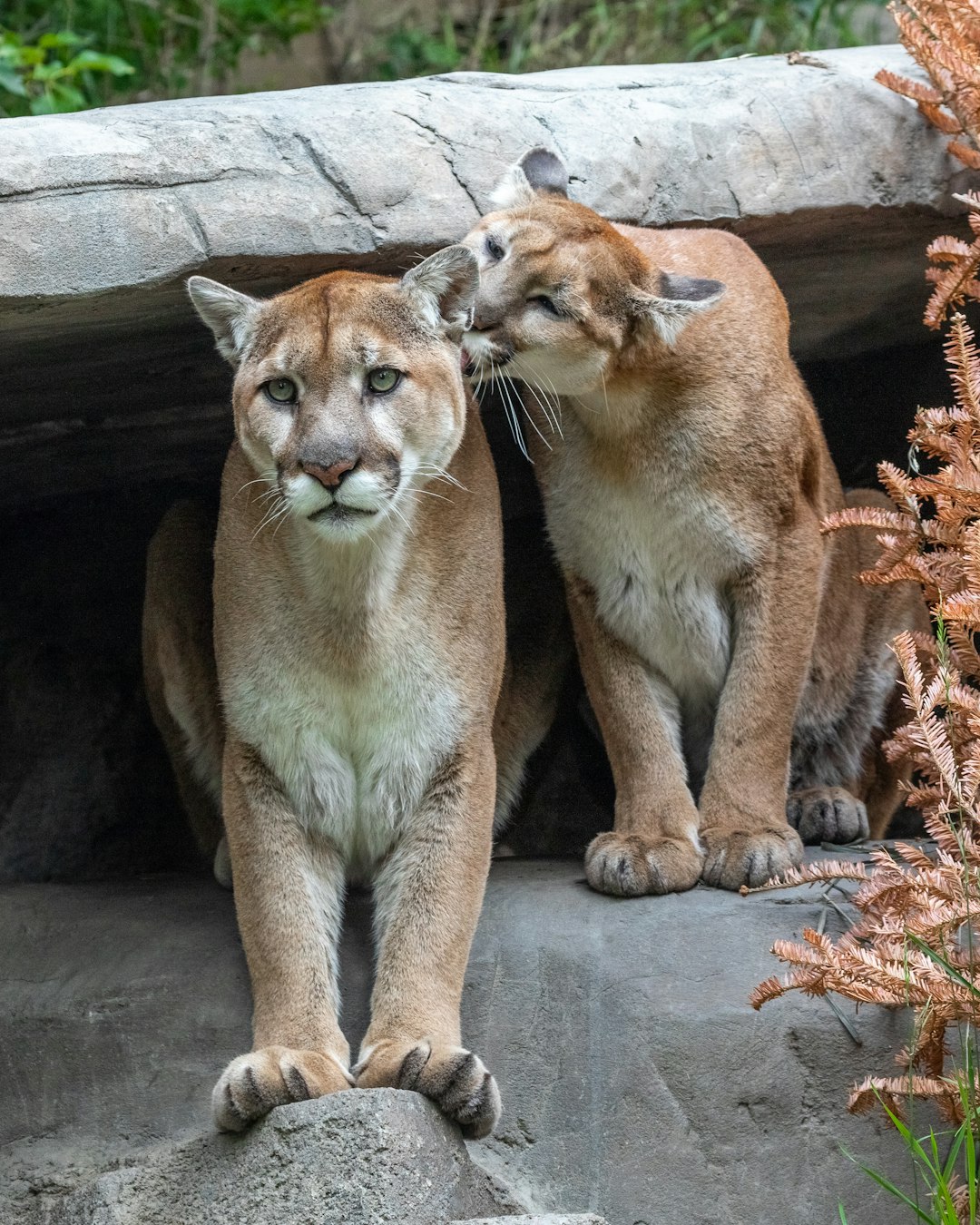
Mountain lions provide valuable educational opportunities for scientists and nature enthusiasts alike. Studying these elusive creatures can reveal insights into predator-prey dynamics, animal behavior, and ecosystem health. Educating the public about the importance of mountain lions fosters appreciation and respect for these animals, encouraging conservation efforts and promoting coexistence. By learning from mountain lions, we gain a deeper understanding of the natural world and our place within it.
Protecting a Vital Legacy
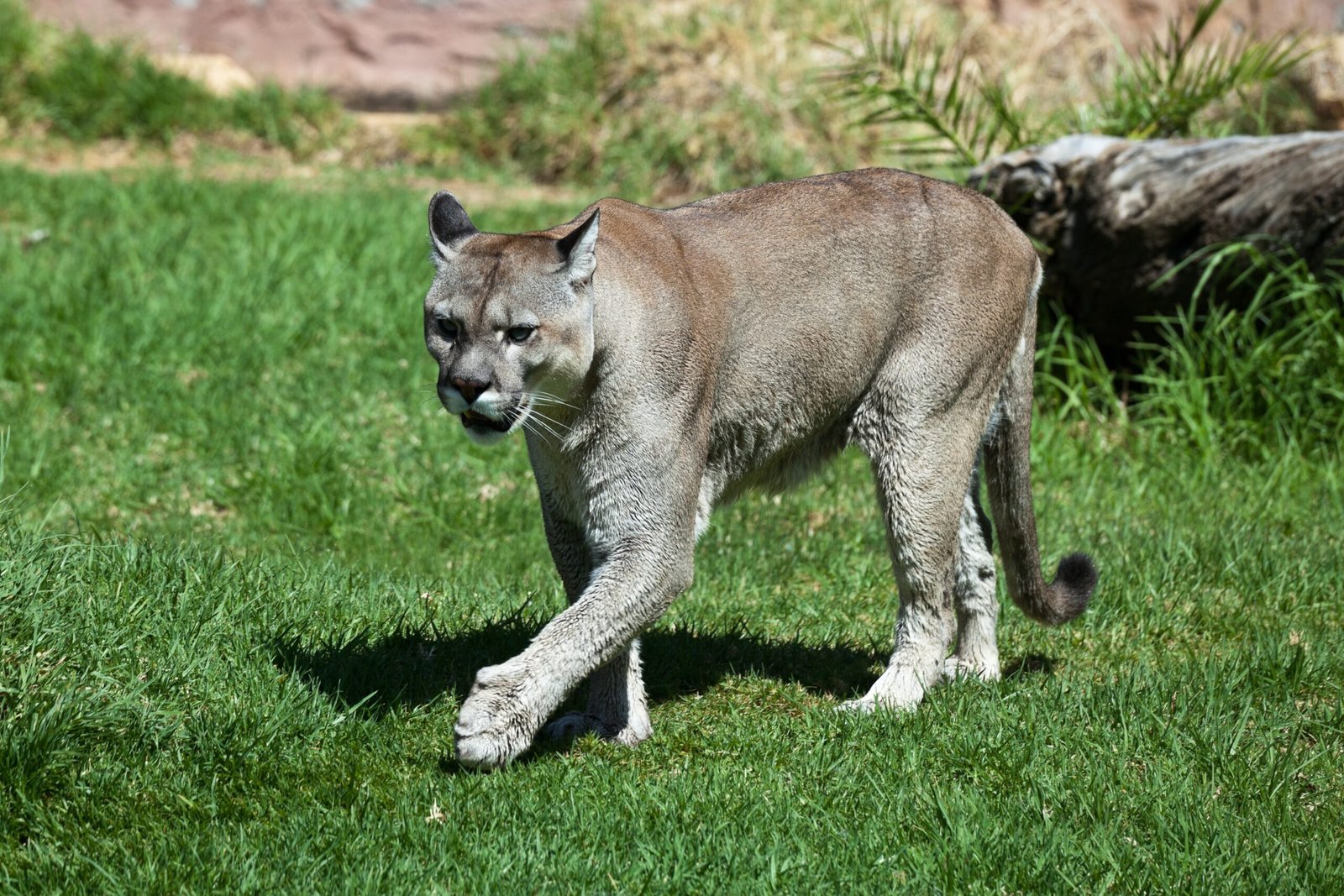
Mountain lions are a vital part of America’s natural heritage. Protecting them ensures that future generations can experience the wonder and majesty of these incredible animals. By preserving their habitats and understanding their ecological roles, we honor the legacy of the mountain lion and the ecosystems they help sustain. In doing so, we contribute to a world where biodiversity thrives, and nature’s intricate web remains intact.
Mountain lions are more than just powerful predators; they are essential components of the American ecosystem. Their presence maintains balance, supports biodiversity, and provides valuable insights into the health of our environment. By understanding and protecting mountain lions, we ensure the continued vitality of the ecosystems they inhabit, benefiting all living things.

Jen is a passionate nature lover and ocean conservationist. She has dedicated her life to protecting the environment and preserving the beauty of the natural world. Growing up in a small coastal town, Jen sincerely appreciated the ocean and its inhabitants. She has spent countless hours exploring the shoreline, learning about the creatures that inhabit the waters, and advocating for their protection. Jen is an active member of ocean conservation organizations, and she is committed to educating the public about the importance of conserving wildlife and the natural environment.


