
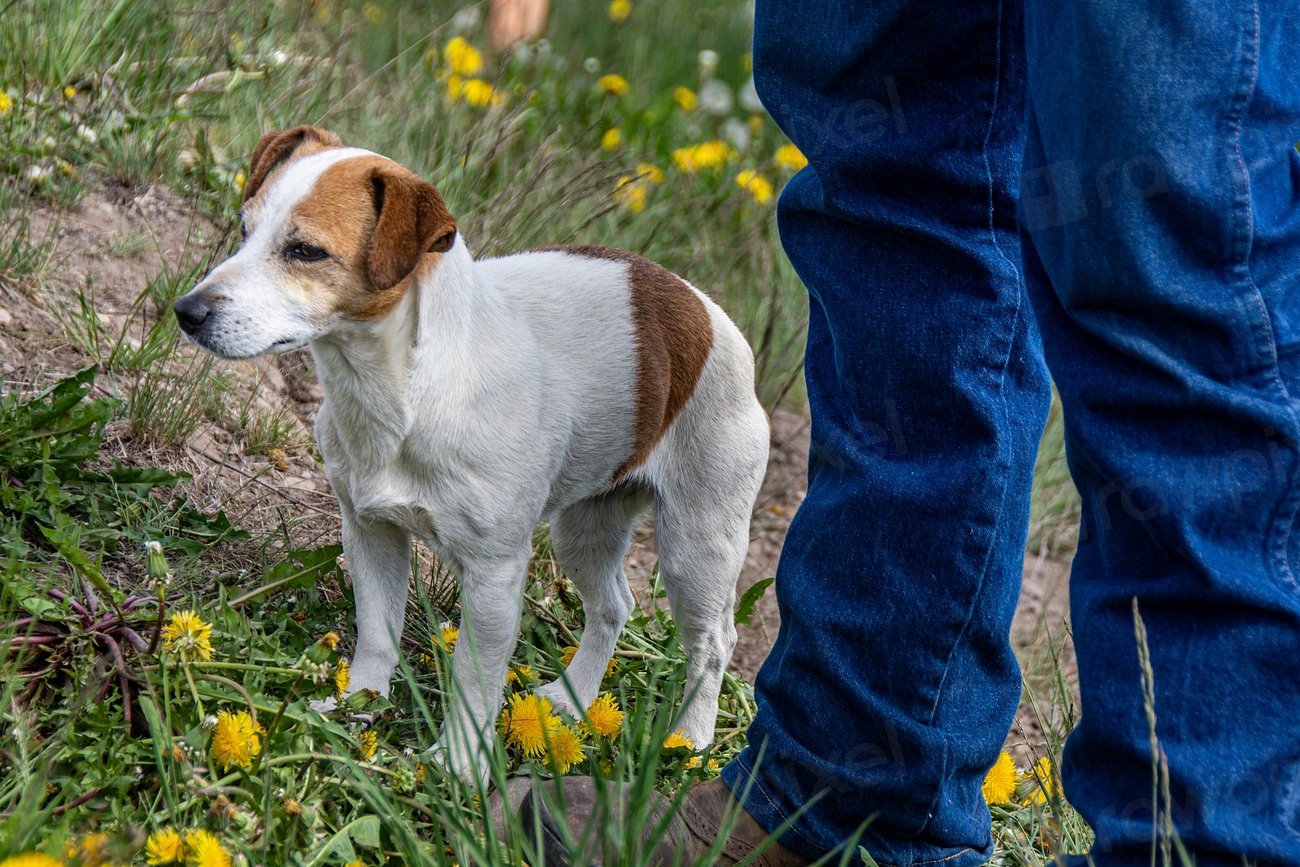
There was a time when my dog was my constant sidekick—car rides, coffee runs, weekend hikes—you name it. But as he’s aged and our routines have shifted, I’ve realized he’s happiest staying home in familiar surroundings. It wasn’t an easy decision, but it came from love and understanding his changing needs. Not every dog enjoys constant activity forever, and that’s okay. Many pet parents may find themselves in the same boat as their once-adventurous pup slows down. Recognizing when to give your dog space and rest is just another form of care. It’s not about leaving them behind—it’s about meeting them where they are.
The Bittersweet Shift: When Your Shadow Stays Home
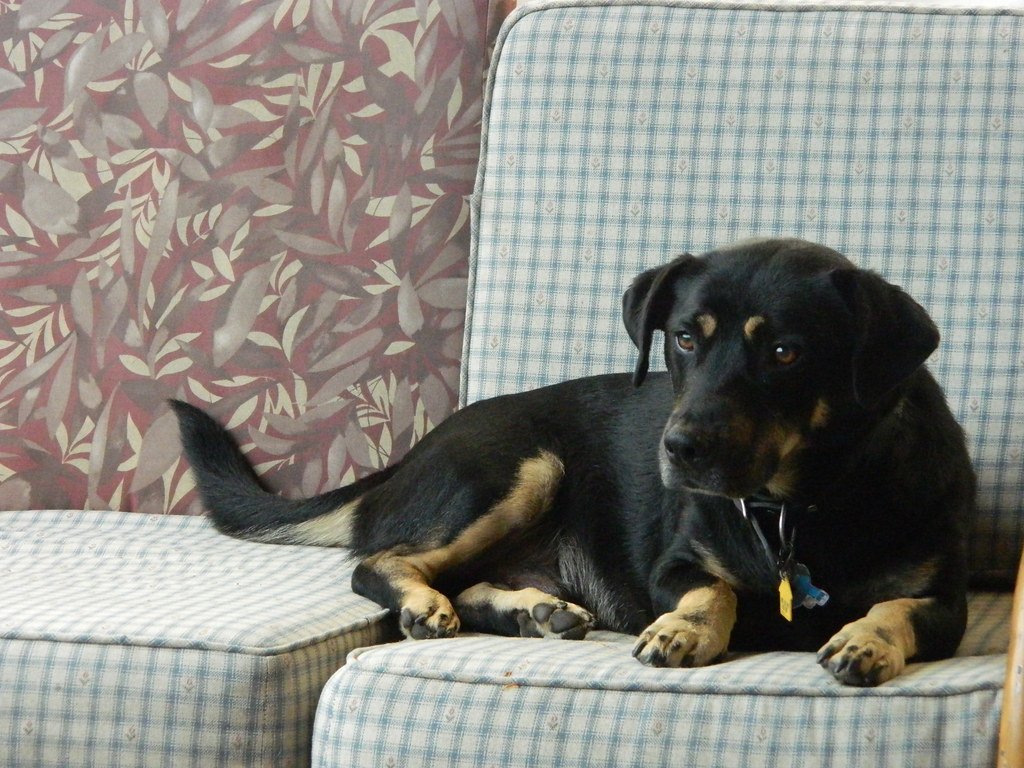
Do you remember those early days when your dog was practically glued to your side? Every car ride, every café visit, every family picnic—there they were, tail wagging, eyes shining, ready for the next adventure. I used to joke that my dog had more stamps in his “passport” than most people. But lately, that’s changed. These days, my loyal companion spends more time snoozing on the couch than joining me on errands. If you’re noticing the same thing, you’re not alone. This transformation can feel a little sad, but it’s also a normal part of life with a beloved dog. Let’s talk about why it happens and how we can make peace with it—together.
Aging Gracefully: The Slowdown We Can’t Ignore
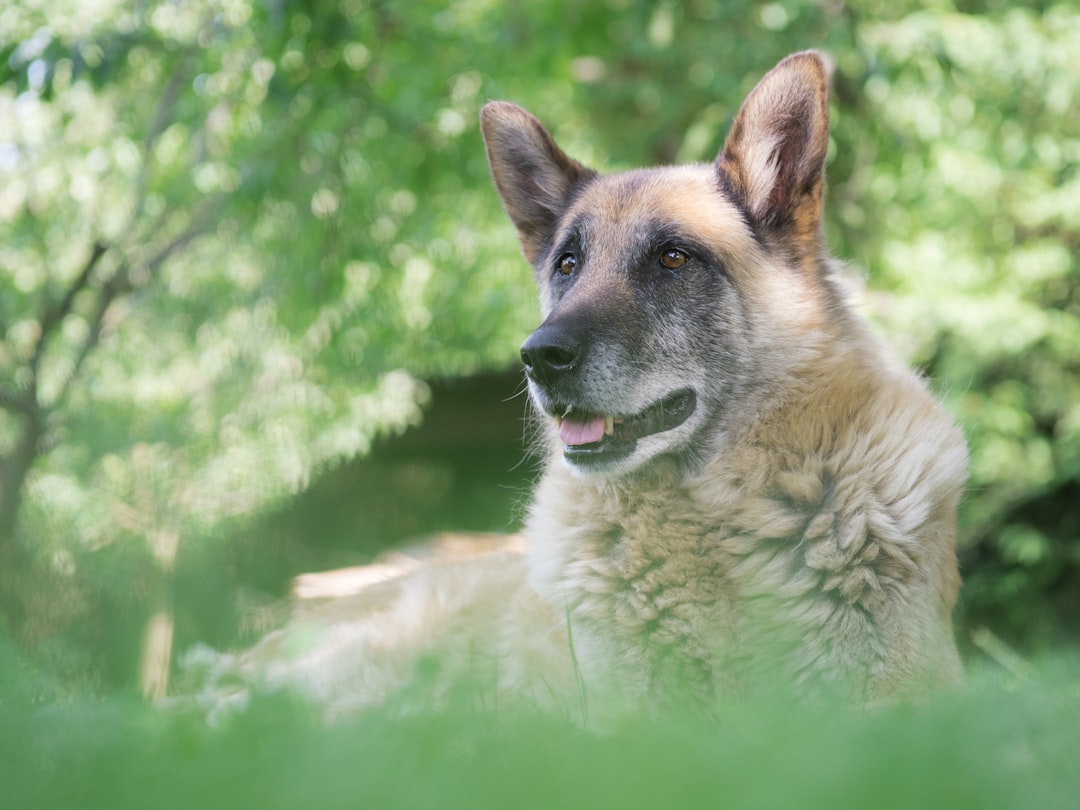
Just like people, dogs age. Their joints get stiff, their energy dips, and suddenly, excitement over a trip to the park is replaced by a contented sigh on their favorite bed. You may notice your dog hesitating before jumping into the car, or taking longer to get up after a nap. These are classic signs of canine aging. Arthritis is one of the most common reasons dogs slow down, especially in larger breeds or those with a history of joint issues. Older dogs may also develop vision or hearing problems, making new environments feel overwhelming or even frightening. It’s not that they don’t love you or the outside world anymore—they’re just more comfortable in familiar surroundings. Watching your dog slow down can tug at your heart, but it’s also a sign of a long, love-filled life.
Health Hiccups: When Outings Become Overwhelming

Sometimes, it’s not just age—it’s health. Chronic issues like heart disease, diabetes, or even allergies can make outings stressful or unsafe for your dog. Maybe your dog pants excessively, seems anxious in crowds, or struggles to keep up on walks. These subtle signs often go unnoticed until you reflect on your outings and realize they’re less frequent. Paying attention to these cues is crucial. If your dog is suddenly reluctant to go places, talk to your vet. Sometimes, simple changes—like shorter walks or avoiding hot weather—can make a world of difference. And sometimes, staying home is just what the doctor ordered. It’s okay to adjust your expectations; your dog’s comfort and well-being always come first.
Behavior Clues: Reading Your Dog’s “No Thanks” Signals
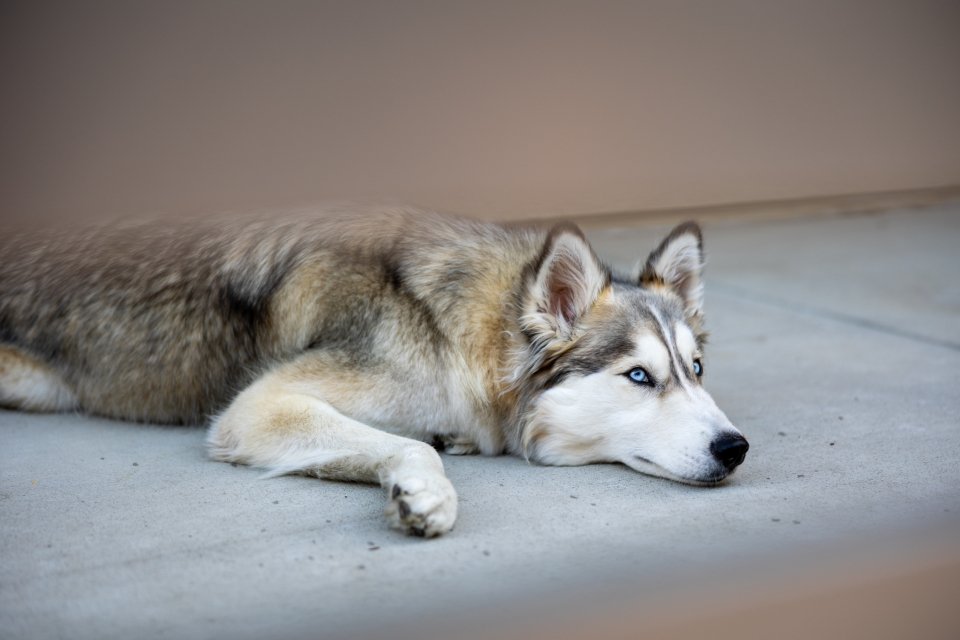
Dogs are experts at telling us how they feel, even if they don’t use words. Maybe your dog turns away when you grab the leash, or hides under the table when you jangle the car keys. These are their gentle ways of saying, “I’d rather not today.” You might also see signs like yawning, lip licking, or pacing when they sense an outing is coming up. These aren’t just random quirks—they’re real communication. Paying attention can help you make better choices for your dog. If they seem uneasy, it might be time to rethink what outings are truly enjoyable for them, and which ones are better skipped.
Changing Lifestyles: When Life Gets in the Way

Let’s be honest—sometimes it’s not about the dog at all. Jobs change, families grow, schedules fill up, and suddenly those spontaneous adventures are harder to pull off. Maybe you’ve moved to a busier neighborhood, or your favorite dog-friendly café closed down. Life evolves, and so do the routines we share with our pets. It’s easy to feel guilty about these changes, but there’s no need. Your dog cares most about your love, not how many places they visit. Even if outings are fewer, quality time at home can be just as meaningful.
Weather Worries: When Mother Nature Changes the Plan

Extreme weather can put a damper on even the best-laid plans. Hot pavement can burn paws in summer, while icy sidewalks are risky in winter. For older or sensitive dogs, humidity, wind, and temperature swings can all make outings uncomfortable or even dangerous. You might notice your dog lagging behind or seeking shade more often. It’s not laziness—it’s wisdom. Adapting your outings to the weather is a sign of caring and respect for your dog’s limits. Sometimes, a cozy day indoors is the best adventure of all.
New Fears and Sensitivities: When the World Feels Too Big

Have you ever noticed your dog becoming jumpier around loud noises, busy streets, or unfamiliar places? As dogs age, or after certain experiences, they can develop new fears or sensitivities. Fireworks, construction, or simply a crowded sidewalk might be too much for them. My own dog started flinching at the sound of skateboards—something he’d ignored for years. These changes don’t mean your dog is “broken.” They’re just more sensitive, and it’s your job to help them feel safe. That might mean choosing quieter routes or outings at less busy times. Respecting your dog’s new boundaries is an act of love.
Routine and Comfort: The Joy of Familiar Spaces

Dogs are creatures of habit. They thrive on routine and the safety of familiar smells, sights, and sounds. As your dog gets older, you may find that they’re happiest sticking close to home. The backyard, the living room, the same corner of the park—these become their comfort zones. There’s something beautiful about seeing your dog nap in a sunbeam, perfectly at ease, rather than stressed in a noisy café. Embracing these simpler pleasures doesn’t mean you’re missing out; it means you’re giving your dog exactly what they need.
Quality Over Quantity: Making Every Moment Count
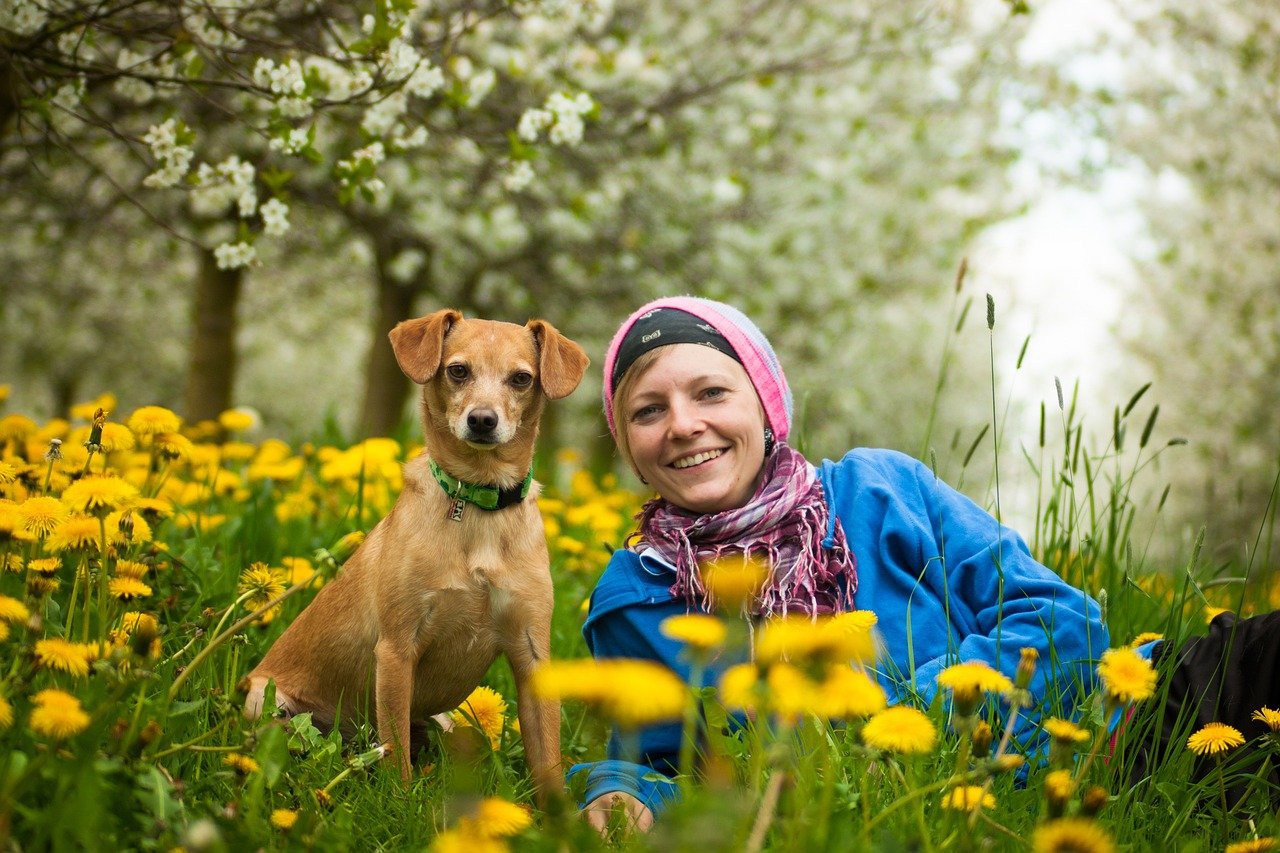
If outings are fewer, that just means the ones you do take are even more special. Maybe it’s a slow stroll to the mailbox or a car ride with the windows cracked and the wind in their fur. Focus on what your dog enjoys most, even if it’s just sitting together in the yard. Adding little touches—a favorite treat, a gentle belly rub, or a new squeaky toy—can make ordinary days feel extraordinary. It’s not about how many places you go, but how much love you share wherever you are.
Prevention and Care: Supporting Your Dog’s Changing Needs
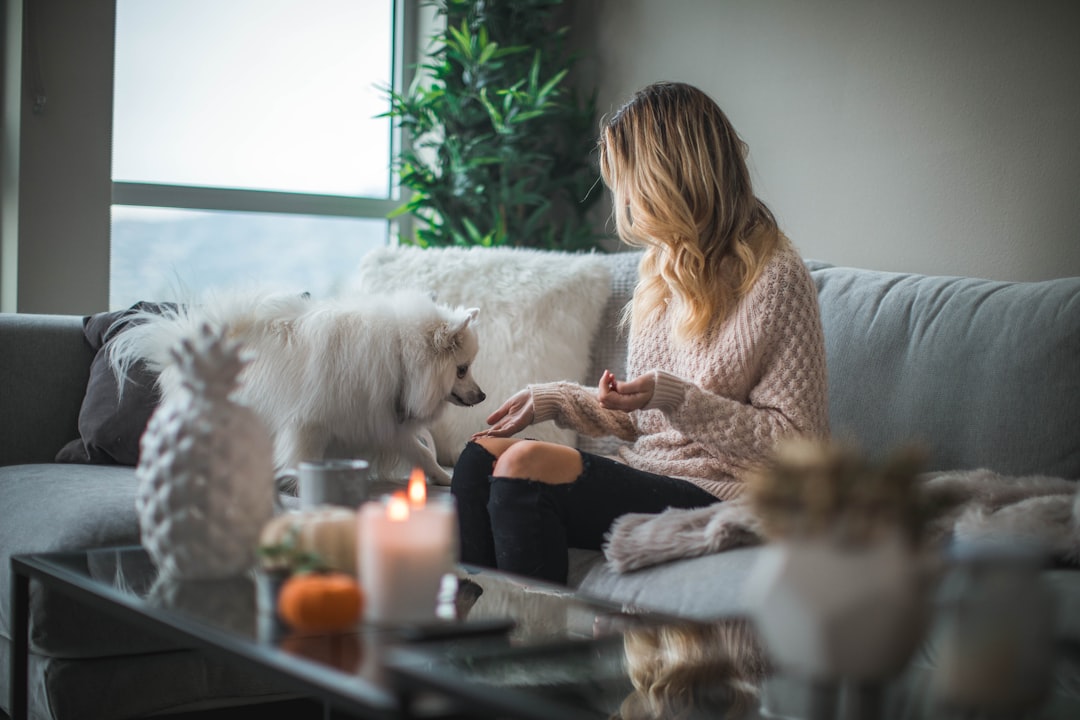
There’s a lot you can do to help your dog stay comfortable and happy as their needs change. Regular vet checkups are key, especially as your dog gets older. Ask about joint supplements, pain management, or modifications to your routine. Keep an eye out for new behaviors: Is your dog limping, drinking more water, or hiding more often? These can be early signs of health issues. Simple changes—like adding rugs for slippery floors, offering orthopedic beds, or keeping walks short—can make a huge difference. The goal isn’t to force your dog to keep up with the past, but to honor who they are today.
Dog Love, Evolved: Finding Joy in New Ways
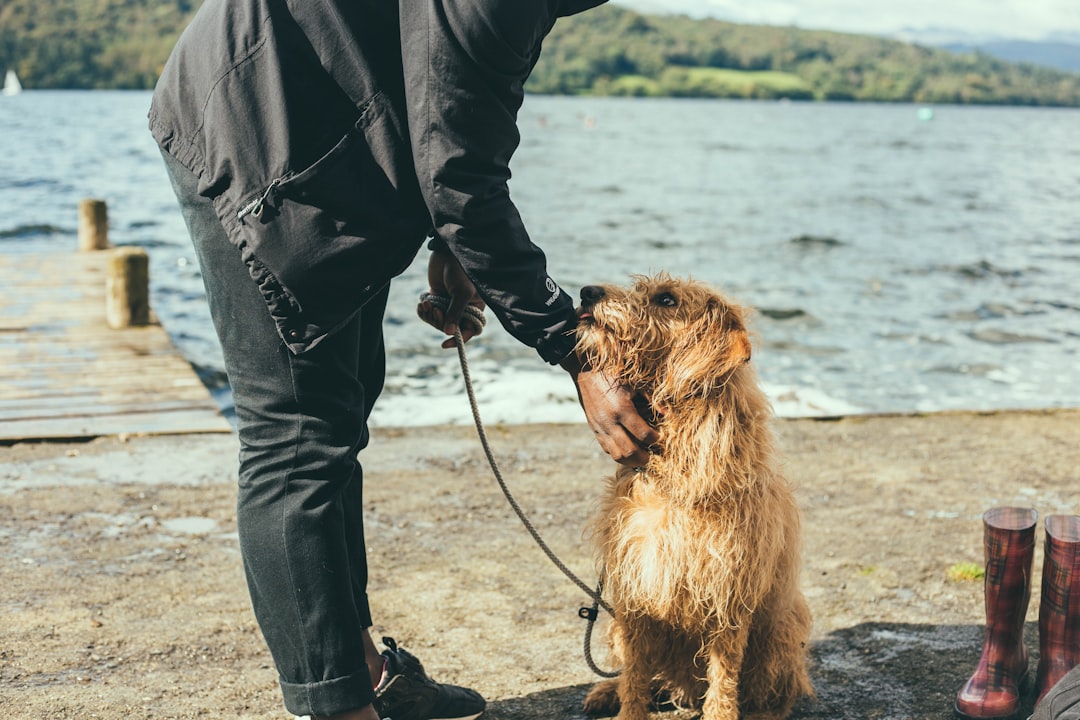
It can be hard to let go of the idea that your dog should be your constant sidekick. But just because they aren’t coming everywhere with you doesn’t mean they love you any less—or that you’re failing them. In fact, recognizing and respecting their new needs is the ultimate act of love. You’ll find new ways to bond and fresh reasons to smile together. Maybe your adventures look different now, but the heart of your relationship is stronger than ever. Isn’t that what really matters?
Letting go of the idea that our dogs have to be part of every outing can be tough—but it’s often what’s best for them. As they age or grow less tolerant of noise, heat, or crowds, staying home becomes their safe haven. Choosing their comfort over our desire for constant companionship is an act of love. If you’ve noticed similar changes in your pup, you’re not alone—and you’re definitely doing the right thing.


