
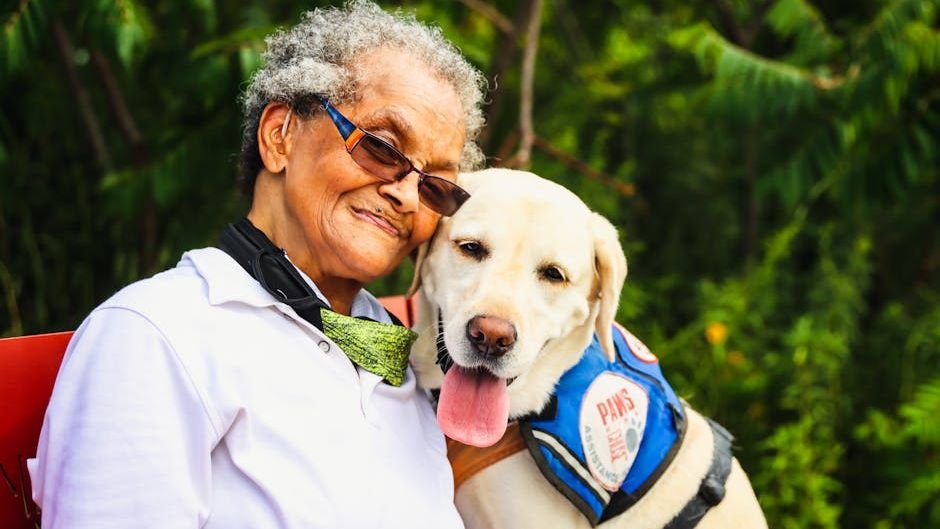
There is something quietly magical about watching a grey-muzzled dog curl up beside an older person in a sunlit armchair. No words exchanged. No performance needed. Just two souls who have been around long enough to know that presence is everything. If you have ever witnessed this kind of connection, you already know, deep in your chest, that it is real.
This bond between senior dogs and older humans goes far beyond cute companionship. Science is catching up to what dog lovers have known for years – that something genuinely profound is happening in that bond. And the reasons why are more fascinating, more emotional, and more health-transforming than most people realize. Stick around, because some of this will surprise you.
A Shared Language That Needs No Words
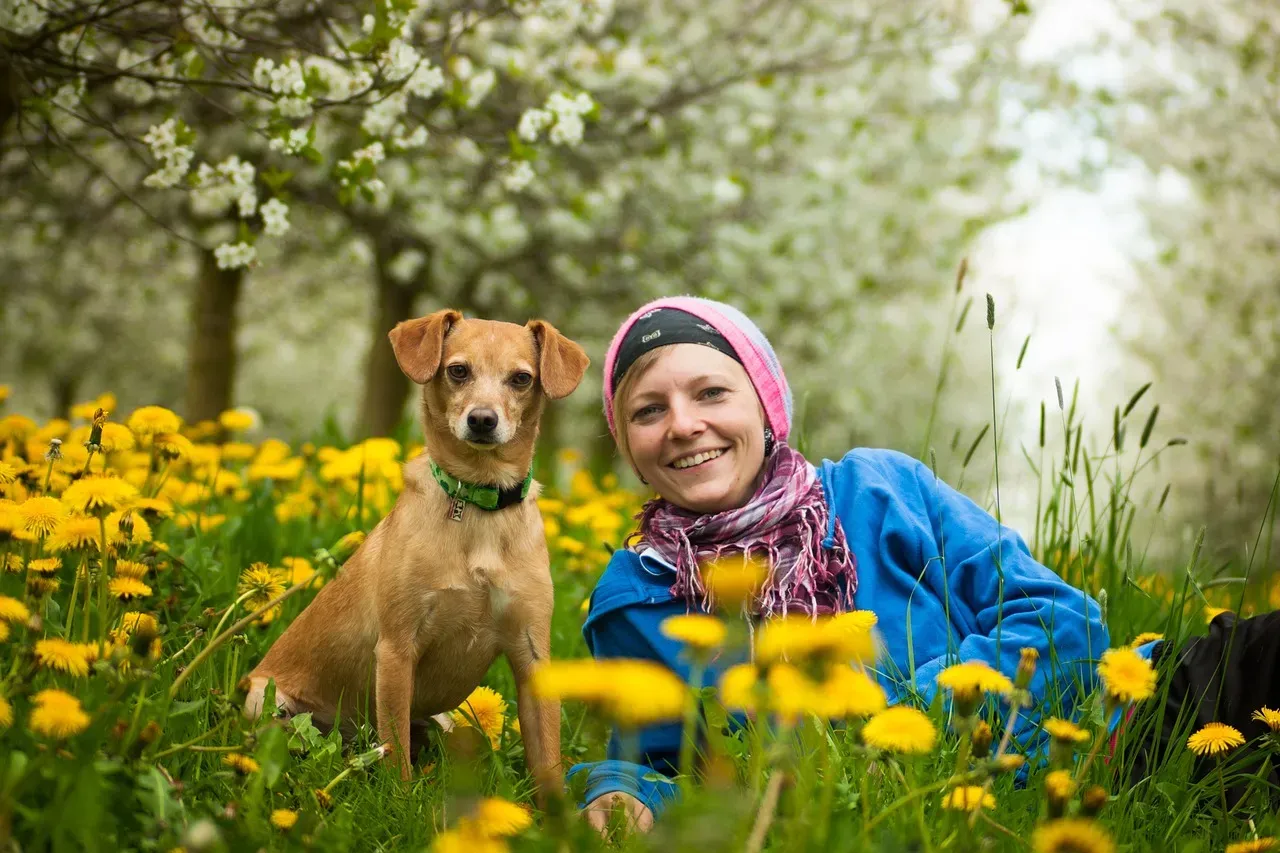
Here’s the thing about older dogs – they have graduated from the chaos of puppyhood into something quieter and infinitely more intuitive. As dogs get older, their behavior starts to change. They become less active, calmer, and will most likely sleep longer. Sound familiar? That mirrors almost exactly what happens to us as we age too.
Older humans often shift away from noise and stimulation, preferring peace, routine, and meaningful connection. A senior dog matches that energy instinctively. No training required. It is like two people who have both read the same book and no longer need to discuss it – they just sit together and understand.
This alignment runs deeper than behaviour. Canines are capable of distinguishing between positive and negative human facial expressions and will react accordingly. An older dog who has spent years watching their person has essentially become fluent in that human’s emotional language. That is not a small thing. That is a lifelong education.
The Science of Feeling Seen: Oxytocin and the Bond
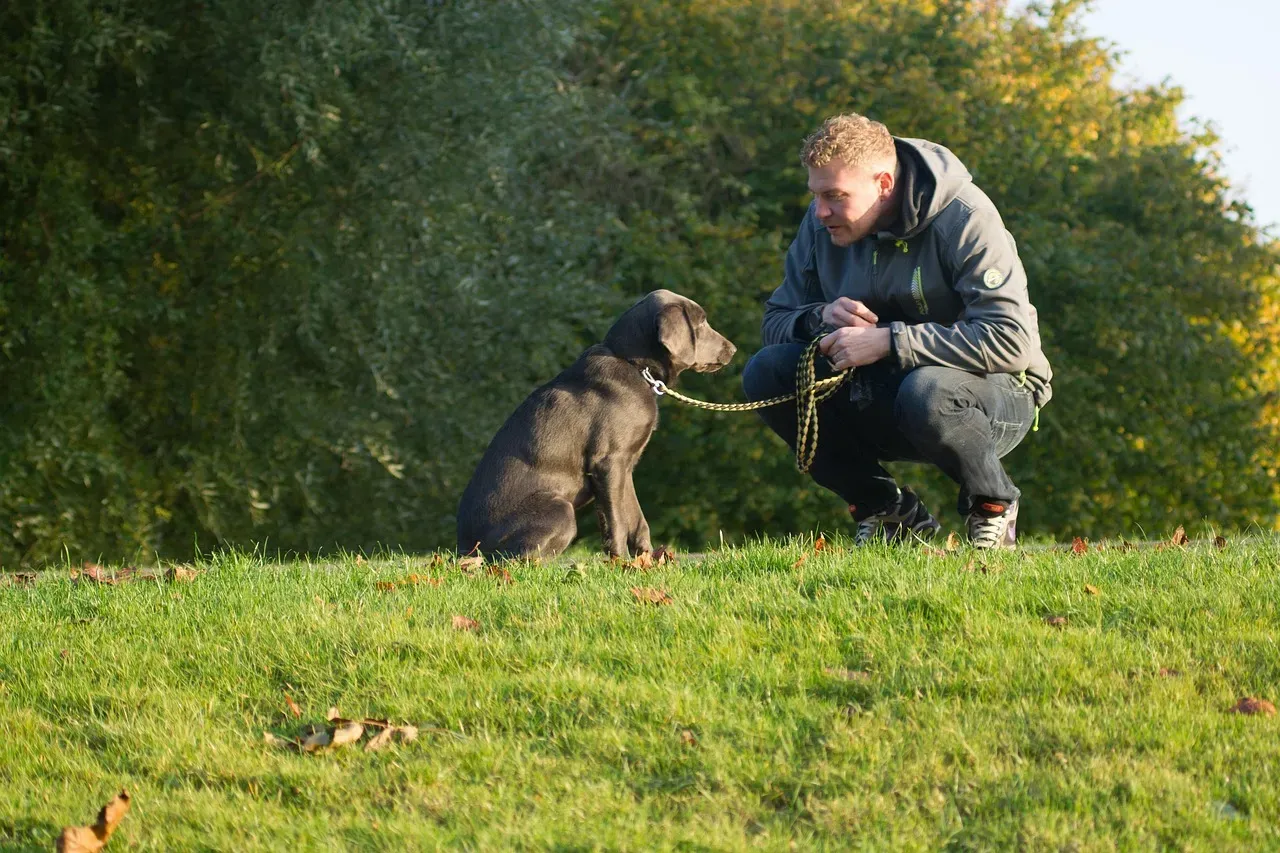
Let’s be real – science sometimes struggles to describe what the heart already knows. Still, when it comes to the dog-human bond, the research is stunning. Researchers trained dogs to lie still in an fMRI machine and had the dog’s human come into their line of sight. The same part of the dogs’ brains lit up when they saw their human as happened in babies when they saw their mother. On a neurological level, dogs have that same kind of love response when they see us as babies have when they see their mom.
It gets even better. Mutual gazing has a profound effect on both dogs and their owners. Of the duos that had spent the greatest amount of time looking into each other’s eyes, both male and female dogs experienced a 130% rise in oxytocin levels, and both male and female owners a 300% increase. That is not just warmth – that is biology doing something extraordinary.
For older humans who may be experiencing fewer social interactions, this hormonal loop becomes even more precious. Studies find that the physical benefits of having a dog are greater for people who have smaller social networks. Older adults who have lost their spouse or whose social circle is smaller, dealing with loneliness, see dramatic increases in benefits from having dogs. Honestly, that is heartbreaking and beautiful at the same time.
Two Bodies, One Pace: Why the Slower Life Fits
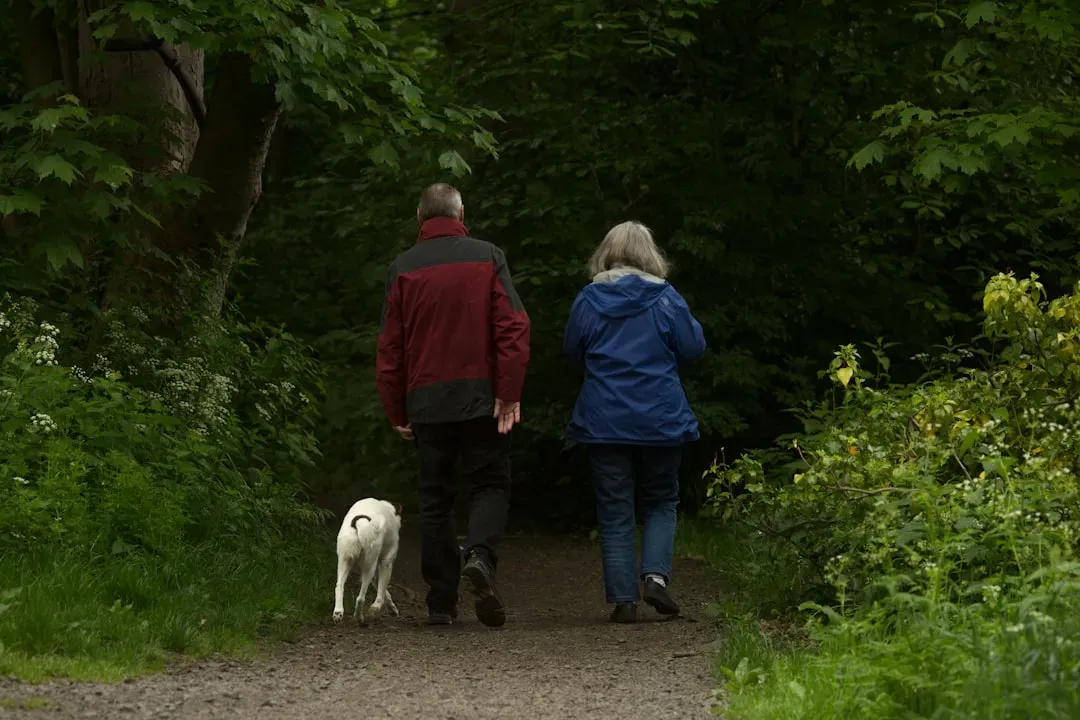
One of the most underrated reasons older humans and senior dogs bond so deeply is simply pace. A 70-year-old who no longer jogs marathons and a 10-year-old Labrador who prefers short strolls to fetch sessions are, quite literally, on the same schedule. Aging dogs commonly slow down and are not as active as they were when younger. There is a beautiful symmetry in that.
Think about it like two neighbours who both prefer coffee on the porch at 7am over late-night parties. They just fit. A senior dog may not have the same energy levels as younger dogs, but it’s still important for them to exercise and be physically active, such as through short daily walks, as well as mentally stimulated through puzzle toys and play. And those short daily walks? They are precisely the kind of low-impact, joyful routine older adults also benefit from.
Older people with dogs cover an average daily distance of approximately 0.95 miles, depending on garden property. That is consistent, purposeful movement. It is not dramatic, but for an older person, that daily rhythm can be genuinely life-changing. The dog insists on it, gently, every single day.
Health Benefits That Go Beyond a Walk in the Park
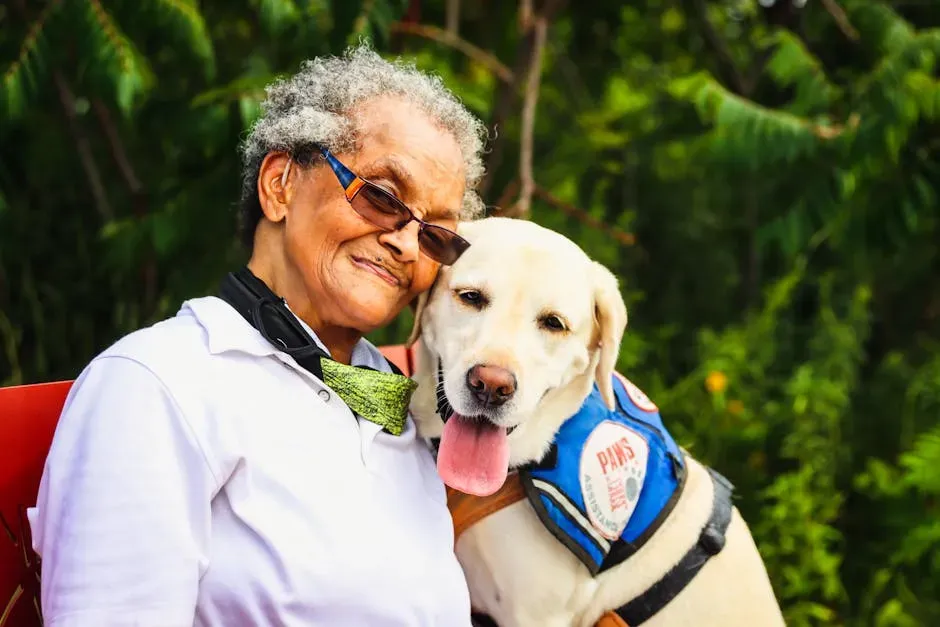
I think it is easy to dismiss the health benefits of senior dog ownership as a soft, feel-good story. The numbers, though, are hard to argue with. Older adults who own pets report a reduction in stress and loneliness. They also experience an increase in activity and overall quality of life. That covers emotional, physical, and social wellbeing in a single relationship.
Research confirms that pet ownership is associated with slower decline in both executive functioning and episodic memory in older adults. That means sharper thinking, better memory, and a brain that stays more engaged. A senior dog, by simply existing in the home and needing care, keeps the human mind alert and purposeful.
There is also the cardiovascular dimension. Research indicates that interacting with animals can lower blood pressure, decrease the risk of heart disease, and even boost immunity in older individuals. Having a pet creates a sense of responsibility and purpose, as older adults follow a consistent schedule for feeding, grooming, and walking their furry companions. This routine can contribute to lower stress levels, boosted mental well-being, and improved overall quality of life for seniors.
Reading the Signs: Caring for an Aging Dog With Empathy
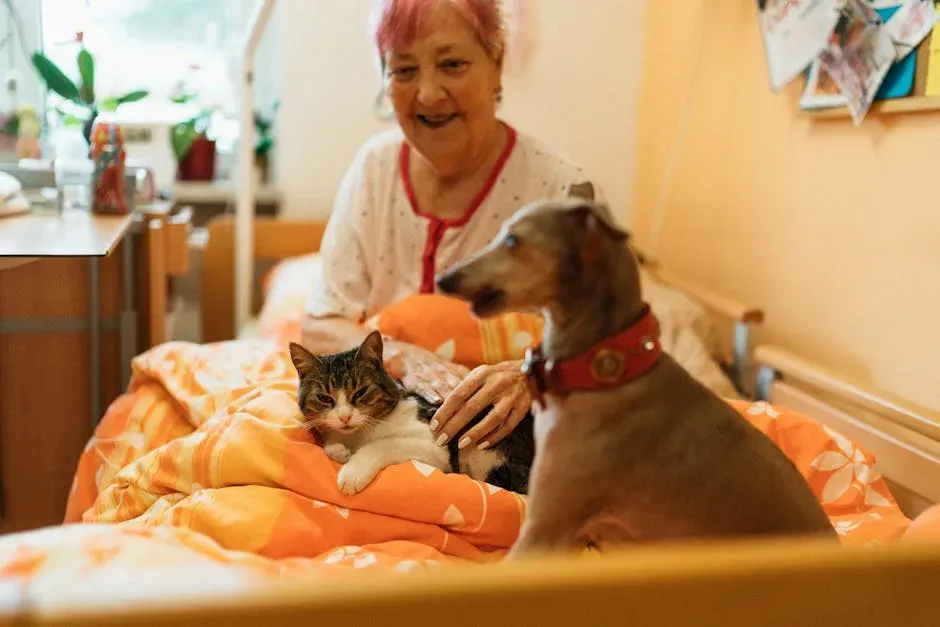
Understanding this bond also means understanding when a senior dog needs extra support. Senior dog behavior changes are often caused by aging-related physical, metabolic, cognitive, or sensory decline – not simply old age. That distinction is important. A dog who suddenly seems distant, confused, or restless is not being difficult. They may be quietly struggling.
Pain may not be obvious in senior dogs because many hide discomfort well. A dog with arthritis may not yelp or limp, but subtle signs such as reduced willingness to climb stairs or jump into the car suggest discomfort. Watch for these quiet clues. They matter enormously. Understanding the changes your dog is undergoing can help you compassionately and effectively deal with behavior problems that may arise in your dog’s senior years. Be sure to report all changes to your dog’s veterinarian. Don’t assume your dog is just getting old and nothing can be done. Many changes in behavior can be signs of treatable medical disorders.
To alleviate aging dog anxiety, provide a stable and predictable atmosphere, maintain a consistent daily schedule, offer comfort and reassurance, and consider veterinary guidance for behavioral interventions or even medication if anxiety becomes extreme. Routine is your most powerful tool here. For a senior dog, consistency is love made visible.
Conclusion: Grey Muzzles and Golden Hearts
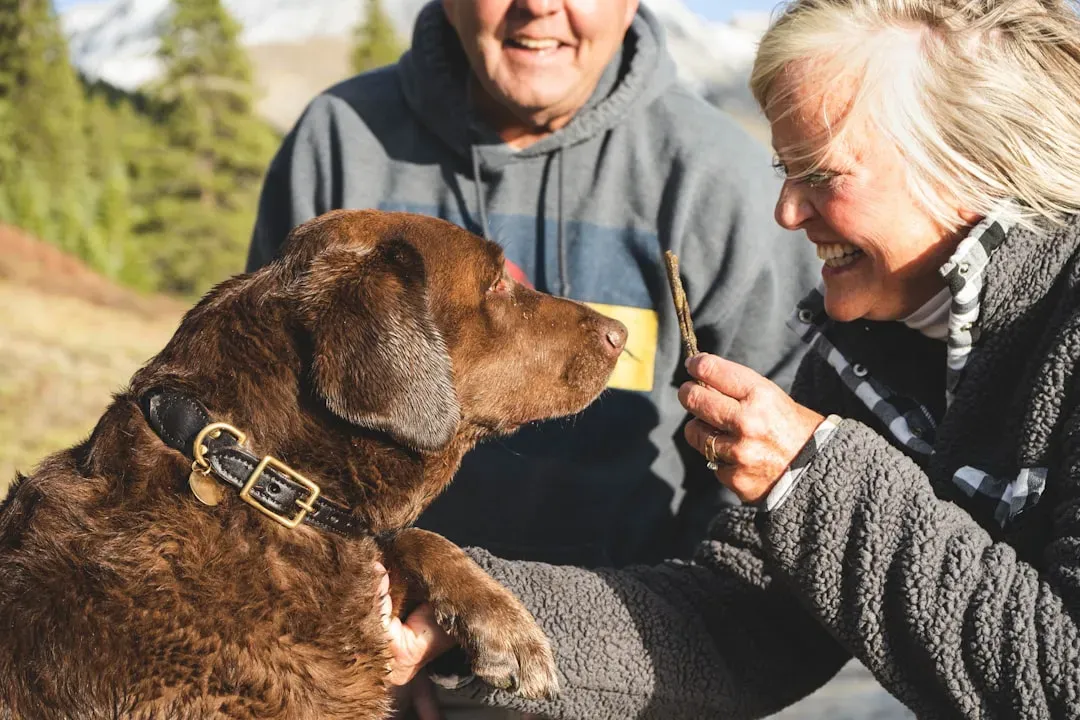
There is a reason so many older humans gravitate toward senior dogs at shelters rather than bouncy puppies. It is not pity. It is recognition. They see in those calm, knowing eyes something that mirrors their own journey through life – patience earned, storms weathered, joy found in the small and simple things.
In more recent times, dogs have become emotional companions and human substitutes for people living in solitude, and they have given new meaning to elderly people’s lives. That is not hyperbole. For millions of older adults, a grey-muzzled dog is the warmest, most constant relationship in their daily world.
So if you are an older dog lover, or if you are caring for one, never underestimate what that bond does for both of you. Feed it, protect it, and show up for it with the same loyalty your dog shows you every single morning. The greatest gift you can give each other is simply being there – unhurried, unjudged, and whole.
What would you do differently in caring for your senior dog knowing just how much that bond shapes both your lives? Share your thoughts in the comments – we would love to hear your story.


