

There’s something poignant about watching a dog tense up at the slightest deviation from routine, or seeing them hesitate before making a single move. If you’re a Virgo owner or someone who values order, precision, and flawless execution in everything you do, this might hit close to home. Our dogs are mirrors of our energy, our expectations, and sometimes, our anxieties.
What if the very traits that make you an amazing caregiver are also creating a stressed-out, hypervigilant companion? Let’s dive into this sensitive topic with honesty and compassion, because understanding the connection between your perfectionism and your dog’s nervous behavior is the first step toward helping both of you thrive.
The Perfectionist Personality: Understanding the Virgo Mindset
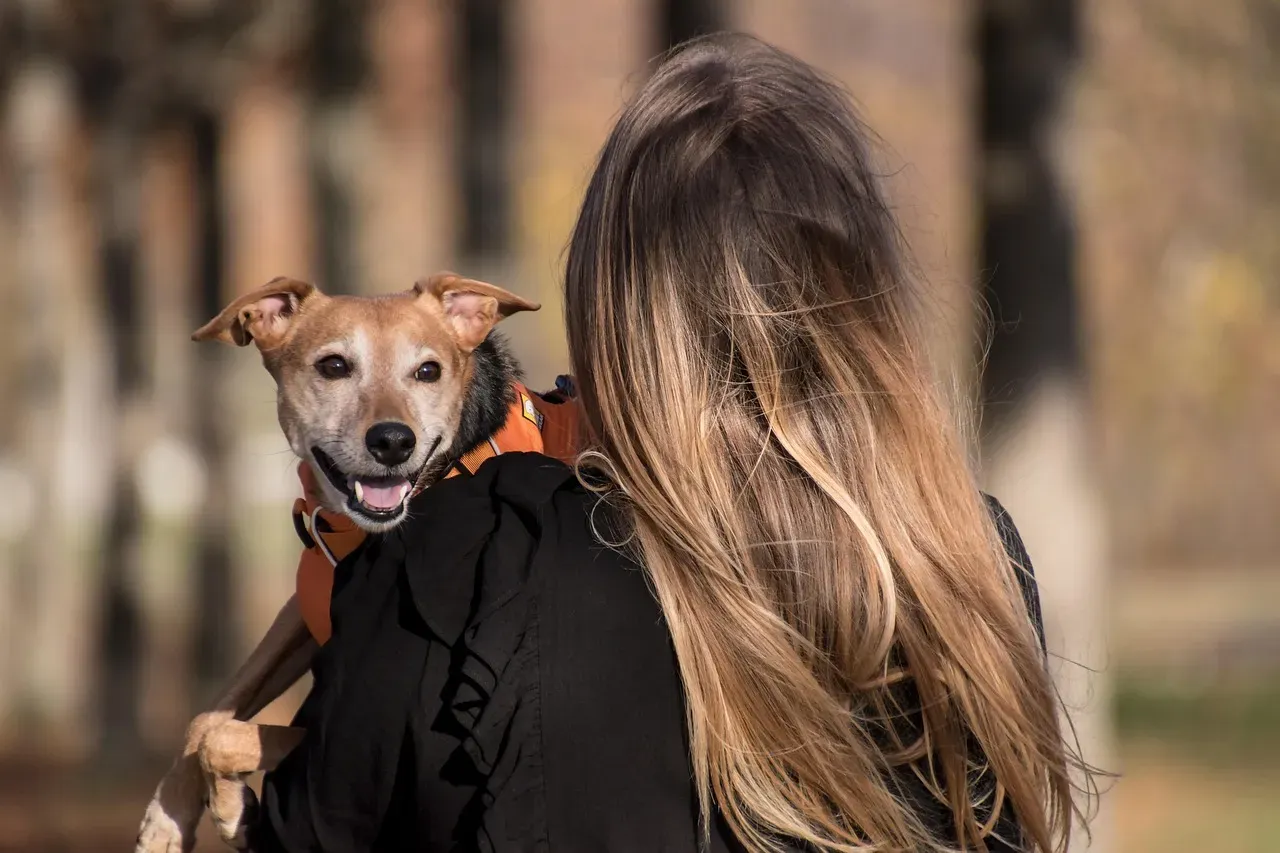
Virgos set high standards for themselves and are constantly pushing themselves to achieve at higher and higher levels, sometimes working themselves into a state of stress unnecessarily. Much of Virgo’s behavior is perfection-oriented. This isn’t about vanity or control for control’s sake. It comes from a genuine desire to do things right, to be helpful, to create order in chaos.
One of the most defining characteristics of Virgos is their unwavering pursuit of perfection, and while their attention to detail and high standards are undoubtedly strengths, their relentless pursuit can lead to a constant sense of dissatisfaction, as they often struggle to accept their own imperfections. This perfectionist mindset can result in them being overly critical of themselves and others.
Here’s the thing. Virgos plan for the best outcome but continually worry about the worst, tend to be anxious and distressed, and ruminate unnecessarily about problems they might have or unpleasant things that could happen. When you constantly strive for flawlessness, you’re operating from a place of heightened vigilance. Your nervous system is always scanning for what could go wrong, what needs fixing, what isn’t quite right yet.
How Dogs Read and Absorb Owner Anxiety
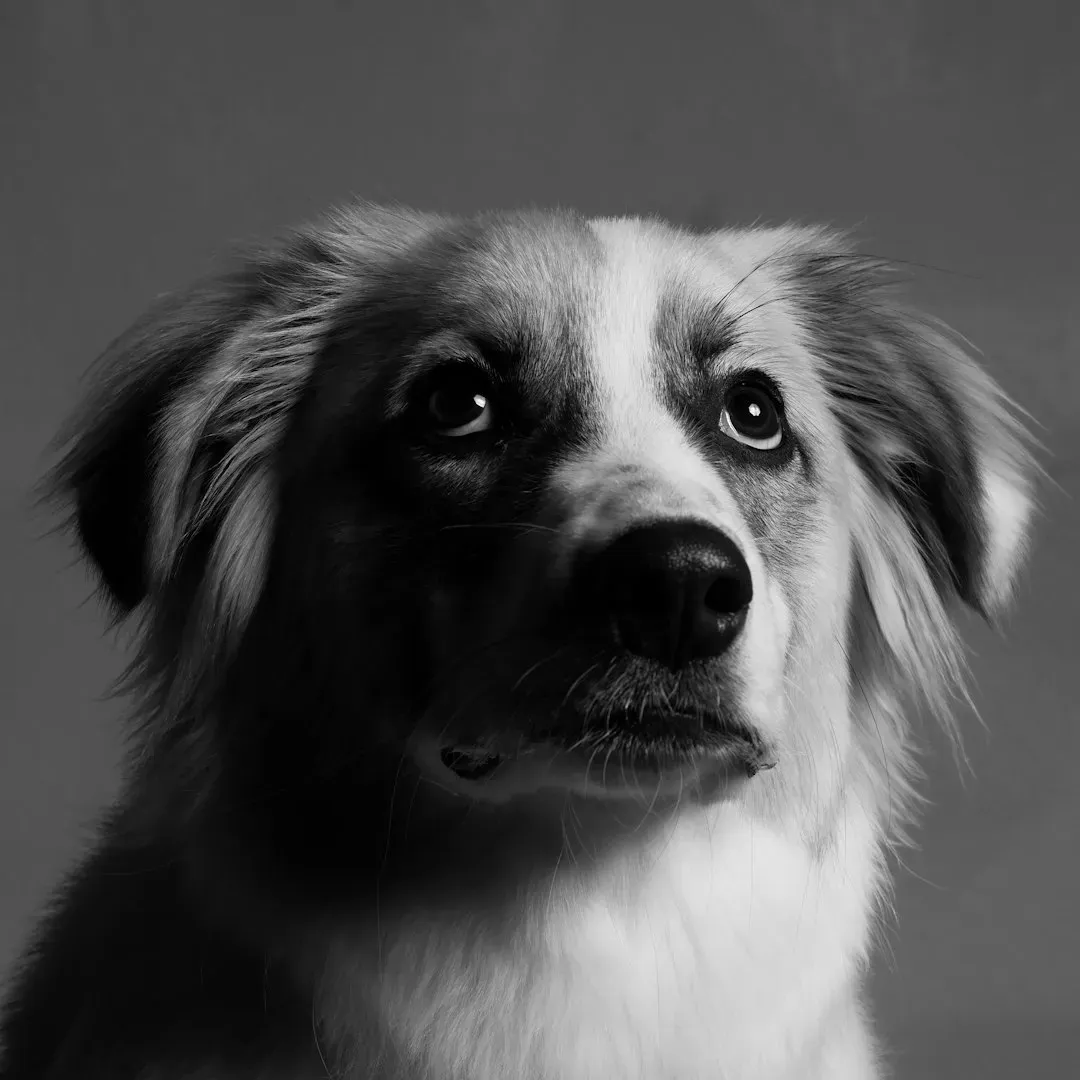
Dogs are brilliant emotional detectives. Dogs are very intuitive, and body language alone can show stress without us even saying a word. They notice when our body tenses up, and rapid movements will catch their eye and let them know that something is wrong. Dogs can also sense stress or fear by using their keen sense of smell, detecting when a person is sweating due to being anxious or afraid.
The only variable that corresponded to the dog’s anxiety level was their owner’s anxiety level. In other words, an owner with a high amount of cortisol in their hair also had a dog with a high amount of cortisol. This is scientific evidence of what many trainers have observed for years.
This empathetic trait that dogs possess could result in what researchers call “emotional contagion” and explain the association between owners’ and dogs’ anxiety. Your dog doesn’t understand why you’re stressed about the perfectly aligned food bowls or the immaculate training schedule. They just know you’re tense, and that tension becomes theirs. It’s hard to say for sure, but your perfectionism might be quietly broadcasting alarm signals your dog is picking up loud and clear.
The Unintended Consequences of Rigid Routines and High Expectations

Many owners expect their pets to behave flawlessly in all environments, free from any signs of fear, aggression, stress, or anxiety. Additionally, dogs are expected to tolerate all forms of human interaction without reacting negatively, regardless of their comfort level. When Virgos apply this perfectionist lens to dog ownership, things can get tricky.
Constant exposure to highly curated content can make pet owners feel inadequate when their dogs don’t meet these idealized standards. They may internalize the belief that if their dog displays any signs of discomfort or stress, it reflects poorly on their training or care. Consequently, there is growing pressure on both the dog and the owner to achieve perfection.
Let’s be real. Dogs aren’t robots. They have off days, distractions, and emotions. When owners enforce rigid routines with little room for flexibility or spontaneity, dogs can become brittle. They learn the rules so precisely that any deviation creates anxiety. Obedience classes, firm corrections, “structure,” and consistency are often recommended as the solution. Unfortunately, for anxious and fearful dogs, standard dog training frequently makes things worse.
Recognizing Stress Signals You Might Be Missing

A staggering nine in ten owners do not know that yawning could be an early warning sign of anxiety or fear, and there was a similarly high lack of awareness about other important stress signs, including licking lips and staring, wide eyes. If you’re so focused on achieving perfect obedience, you might overlook the subtle ways your dog is telling you they’re overwhelmed.
Stress signs to look for include whale eye (when dogs reveal the whites of their eyes), tucked ears or tail, raised hackles, lip-licking, yawning, and panting. Your dog might also avoid eye contact or look away. A stressed dog at a dog park might show whale eye, ears back, lip licking, tail slightly lowered, and body leaning away. This cluster clearly communicates, “I’m very uncomfortable and would like to leave,” and the intensity and number of stress signals correlate with the level of stress the dog is experiencing.
Honestly, once you start noticing these signals, you can’t unsee them. Your dog might be quietly screaming for relief while you’re busy perfecting their heel position. It’s a sobering thought, but it’s also empowering because awareness is the first step toward change.
Breaking the Cycle: Building Confidence Instead of Compliance

Obedience without emotional safety builds suppression, not confidence, and researchers call this “masking” in the dog behavior world. Dogs are taught to hide their emotions while their inner anxiety and fear get worse. Your dog needs to feel safe, not just well-trained.
The role of flexibility in dog training is vital for success. While consistency builds a foundation, flexibility allows space for adjustments. Dogs may have off days, just like humans. Adapting the schedule can prevent frustration and stress, ensuring a positive experience for both handler and dog.
Try giving yourself permission to be imperfect. If your dog doesn’t nail that command on the first try, it’s okay. Consistency, patience, and repetition are key to helping your dog understand what is expected of them and build confidence. But so is celebrating tiny wins without fixating on every flaw. Your dog doesn’t need a drill sergeant. They need a calm, reassuring presence who believes in them even when they mess up.
Practical Steps to Ease Both Your Anxiety and Theirs
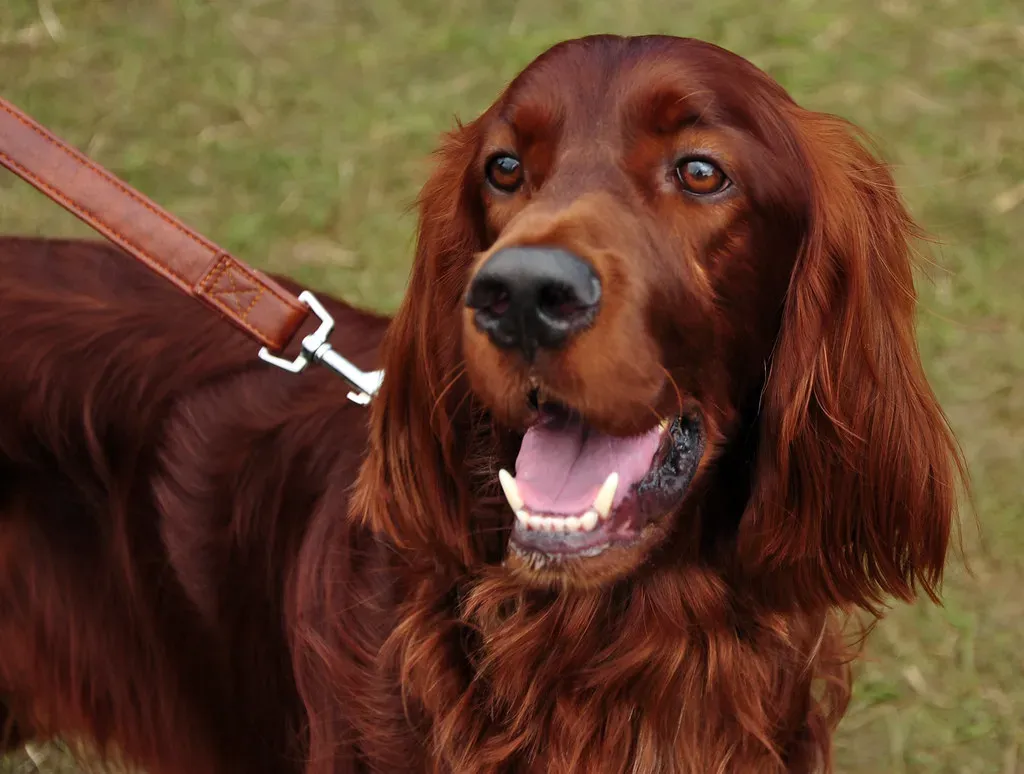
When commands and routines are the same each time, dogs quickly learn what is expected. This reduces confusion and prevents anxiety, making them more obedient and relaxed. Over time, dogs develop good habits through clear and repetitive instruction. The key word here is “relaxed,” not rigid.
Gradual transitions should be part of the strategy when changes are inevitable. Introduce new elements slowly to allow adaptation. For example, if you need to alter feeding times, do it in small increments. This prevents sudden shocks and helps the dog adjust comfortably. Gradual changes within a consistent environment reduce the impact of disruptions.
Practice mindfulness around your dog. Notice when your shoulders tense or when you catch yourself micromanaging their every move. Take a breath. Your dog will notice that shift in your energy before you even give a command. Work on your own stress management, whether that’s through exercise, meditation, or simply accepting that good enough really is good enough sometimes.
Conclusion

Living with a nervous dog when you’re a perfectionist can feel like a heartbreaking cycle. You want the best for them, yet your drive for excellence might be the very thing keeping them on edge. High neuroticism in owners was associated with increased owner-directed aggression and stranger-directed fear. The good news? You have the power to change this dynamic.
By softening your expectations, honoring your dog’s individuality, and learning to read their stress signals, you create space for them to breathe, relax, and truly bond with you. Perfect obedience means nothing if your dog is silently suffering. A slightly messy, joyfully imperfect relationship where both of you feel safe? That’s everything.
What small change could you make today to ease the pressure on both you and your dog? Think about it. Your furry friend is counting on you to let go just a little bit, and honestly, you might find that freedom feels pretty amazing too.


