

Picture this: your dog chews up your favorite slippers again, and in a flash of frustration, you let out a big yell. Their ears flatten, tail tucks, and they slink away. Heartbreaking, right? We’ve all been there, but here’s the gentle truth – it’s not helping, and it might even be hurting more than you realize.
Shouting feels instinctive when tempers flare, yet science shows it backfires spectacularly with our canine pals. Stick with me as we unpack why it’s useless and uncover kinder, smarter ways to guide your dog toward better behavior. You’ll walk away feeling empowered and closer to your furry bestie. Let’s dive in.
The Science Behind Yelling’s Epic Fail
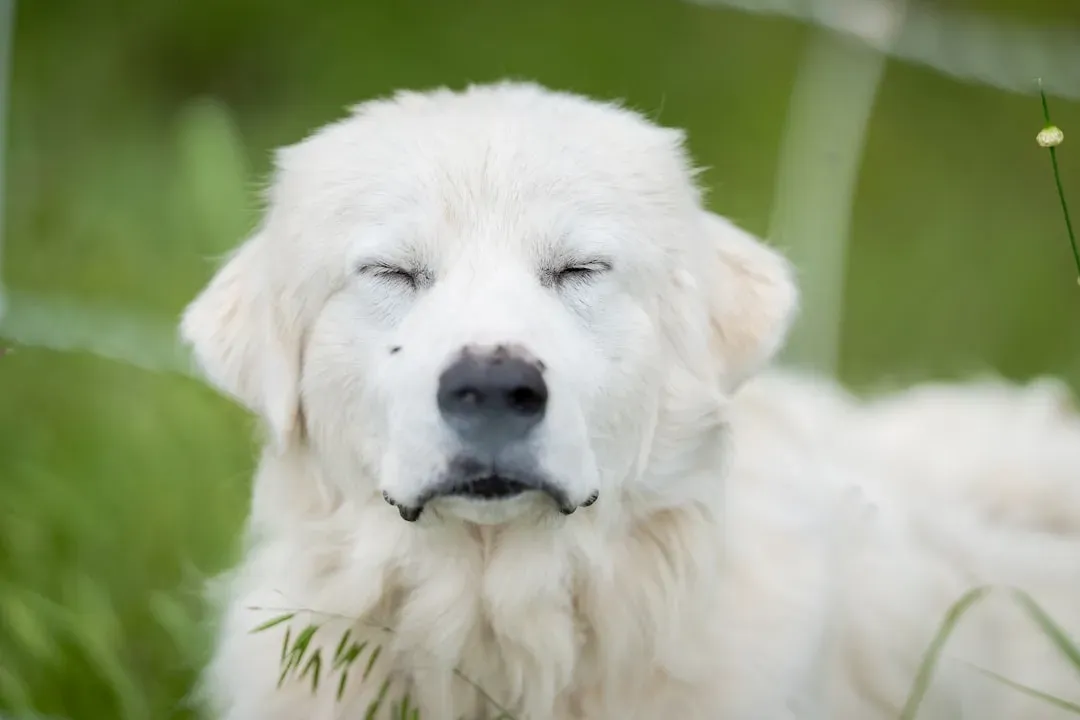
Yelling spikes cortisol levels in dogs, that nasty stress hormone that lingers long after the shout fades.[1][2] It’s like revving their fight-or-flight engine, leaving them anxious and confused instead of corrected. Trust me, I’ve seen pups shut down completely, their eyes darting in fear.
Studies confirm aversive tactics like yelling damage mental health over time, eroding the bond you cherish.[3] Your dog doesn’t connect the shout to the chewed shoe – they just link you to scary vibes. Let’s be real: who wants their dog trembling at their voice?
Spot the Subtle Signs of Stress You’re Causing

Ever notice your dog yawning mid-yell, licking lips frantically, or avoiding eye contact? Those are classic stress signals, screaming overload.[4] Panting heavily without exercise or sudden hiding spots? That’s cortisol talking, wearing them down.
Relatable moment: my neighbor’s Lab started growling at shadows after repeated scoldings – pure anxiety fallout. Watch for dilated pupils or stiff posture too; they’re begging for calm. Spotting these early changes everything.
Embrace Positive Reinforcement: The Game-Changer
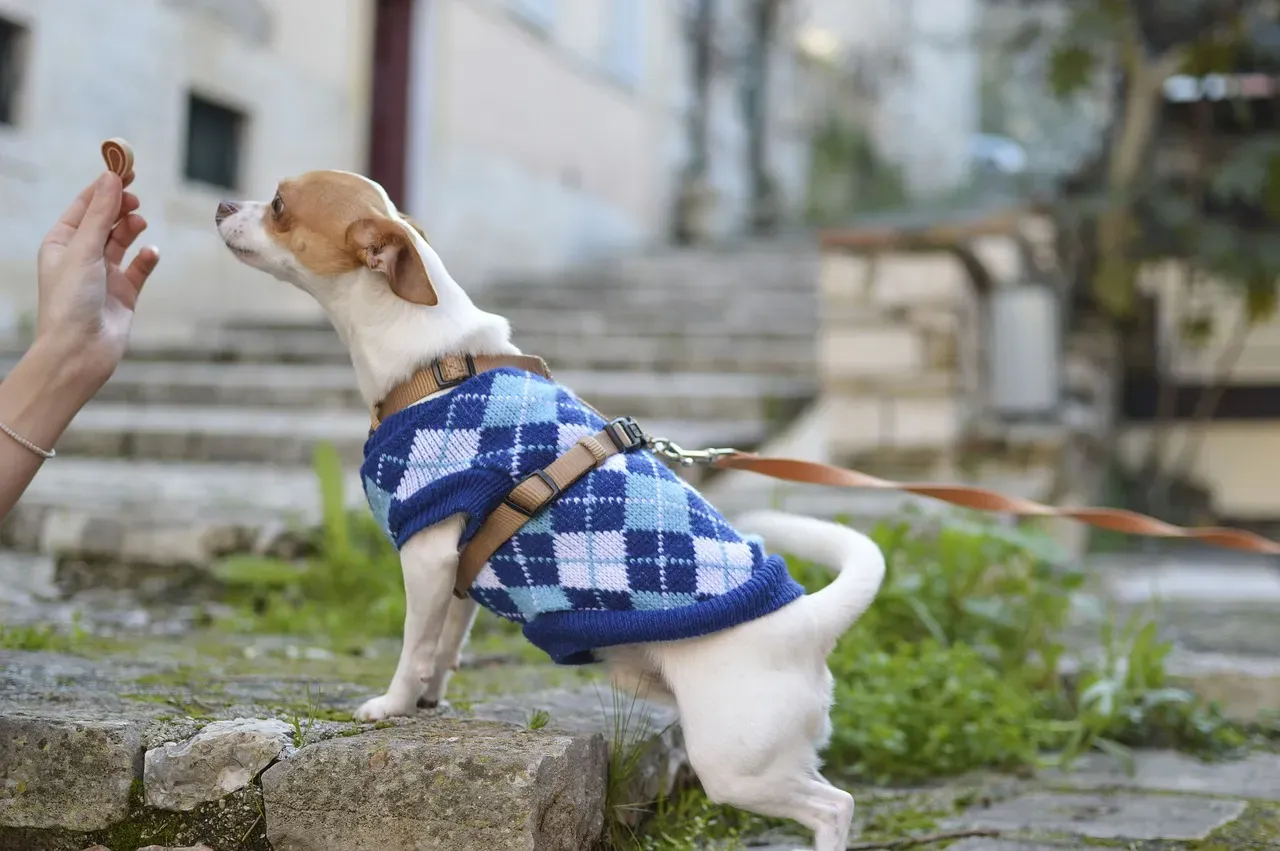
Positive reinforcement shines because it rewards good choices with treats, praise, or play – dogs learn faster with zero fear.[5][6] Picture tossing a treat the instant your pup sits calmly; they’ll chase that joy every time. It builds confidence, not cowering.
Research backs it: reward-based training cuts stress and boosts obedience way better than punishment.[7] Start small, like praising quiet moments during dinner. Your dog will thank you with wagging tails and eager eyes.
Redirect Like a Pro – No Words Needed
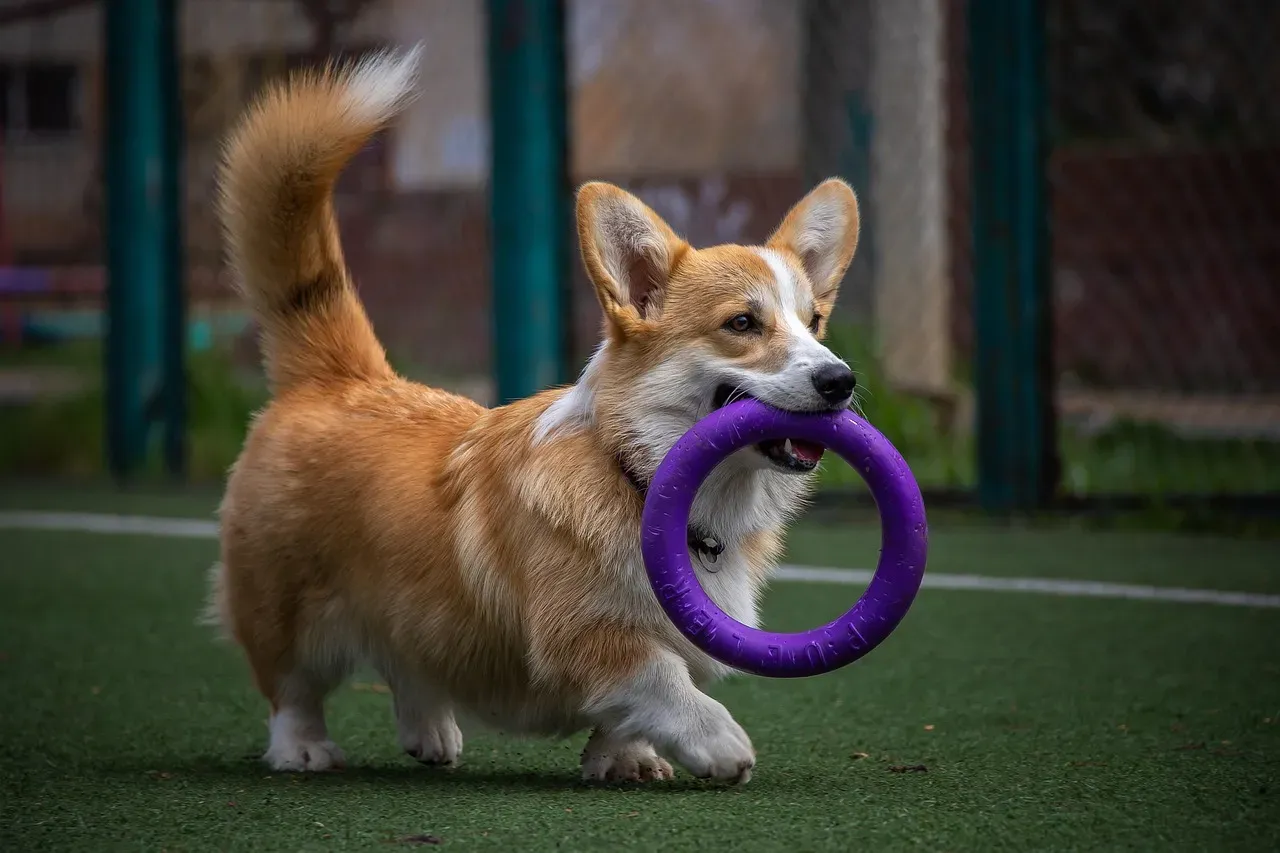
Caught mid-chew? Grab a toy and lure them away with happy energy; it interrupts without intimidation.[8] Consistency turns this into habit – think of it as teaching an alternative adventure. I swear, it’s magic for zoomies or jumping guests.
Use a “positive interrupter” cue like a cheerful “let’s go!” paired with movement. No raised voices, just redirection to fetch or sit. Pups pick it up quick, feeling supported instead of scolded.
Consistency and Patience: Your Secret Weapons
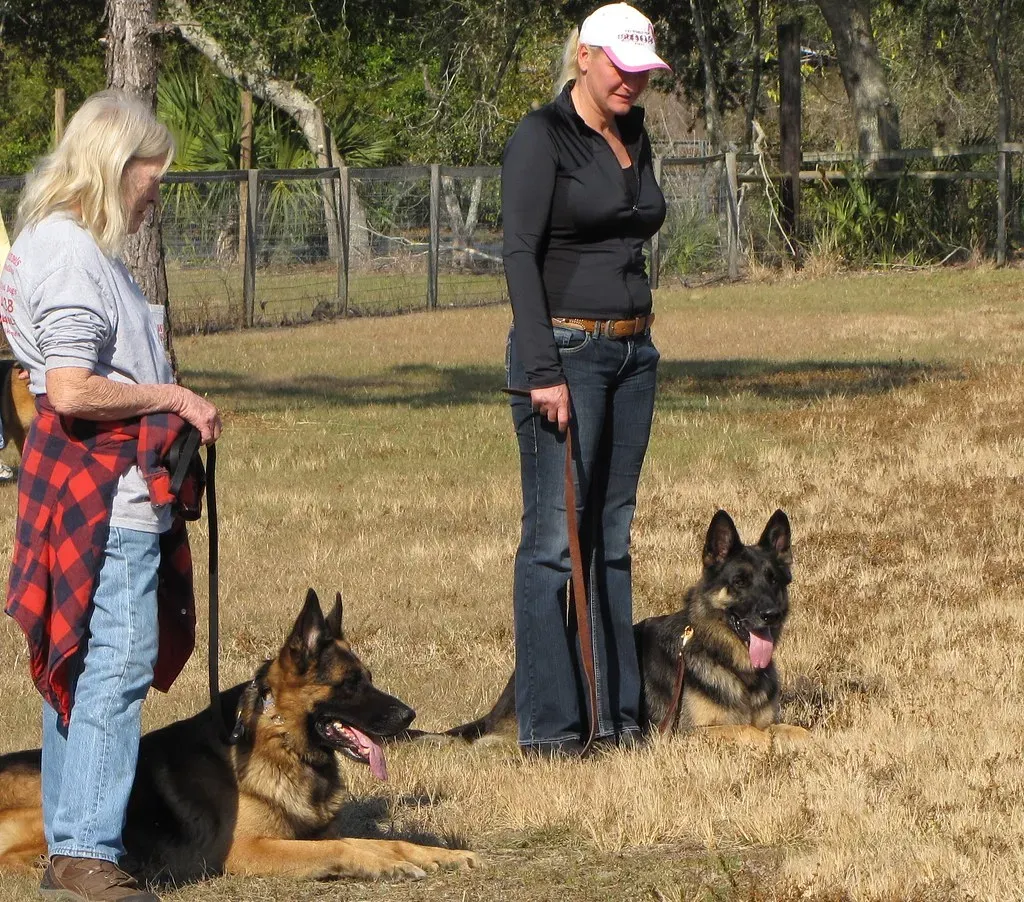
Everyone in the house must use the same calm cues and rewards – mixed signals confuse pups terribly. Set clear routines, like post-walk potty breaks with praise. Patience pays off; rushing breeds mistakes.
Real-world win: a client’s rescue beagle went from chaotic to chill in weeks with daily short sessions. Track progress in a journal to stay motivated. You’ve got this – your dog’s thriving future depends on steady love.
Your Path to a Joyful, Stress-Free Bond
Swapping shouts for smarts transforms frustrated moments into triumphs. You’ll notice a lighter, happier dog mirroring your calm energy. It’s not overnight, but the trust you build lasts a lifetime.
Here’s your takeaway: kindness trains better than volume ever could. What’s one positive swap you’ll try today? Share in the comments – we’re all in this tail-wagging journey together.


