
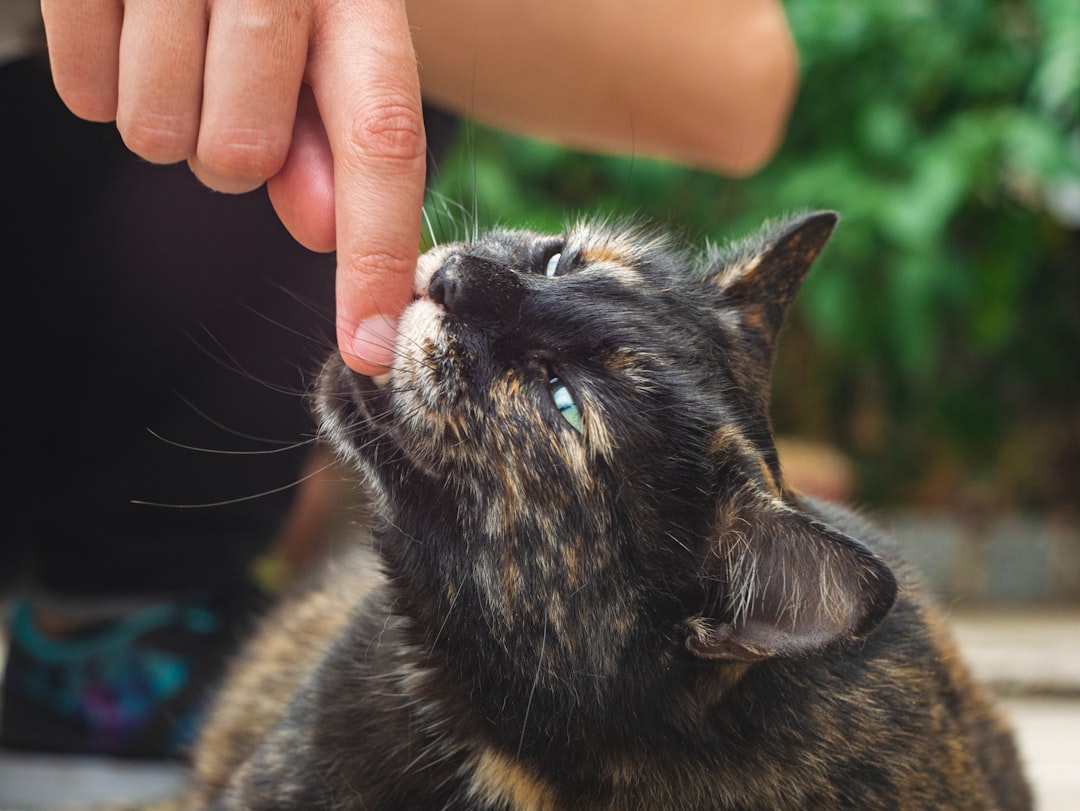
Have you ever been cuddling your cat when suddenly, out of nowhere, they nip at you? It can be both surprising and confusing, especially if your neighbor’s cat seems to be the epitome of calm and gentleness. So, why do some cats bite while others don’t? The answer lies in the complex world of feline behavior and boundaries. Understanding these nuances can help you foster a harmonious relationship with your furry friend.
If you’ve ever been lovingly petting your cat only to be met with an unexpected nip, you’re not alone. Some cats bite as a way to communicate discomfort, overstimulation, or to assert boundaries, while others remain gentle and tolerant. Understanding your cat’s body language and individual personality is key to avoiding these sudden bites. Factors like breed, early socialization, and past experiences can also shape their behavior. By tuning into these subtle cues, you can build a stronger, more respectful bond with your feline friend.
The Nature of Cats: Predators at Heart
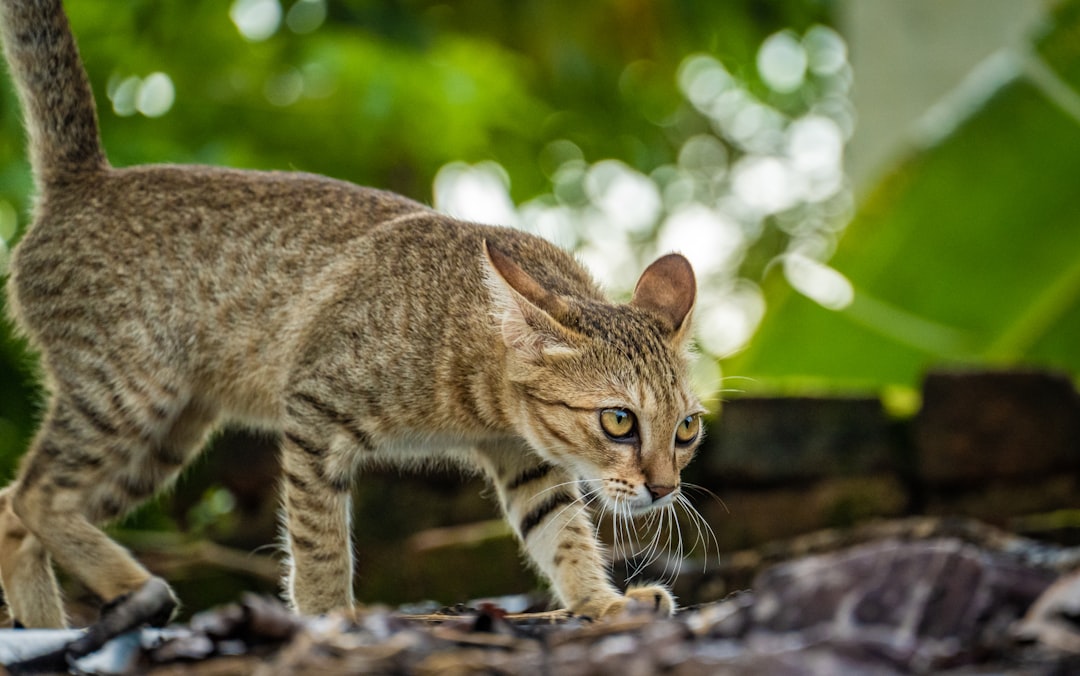
Cats, by nature, are predators. This instinctual behavior is deeply embedded in their DNA. Even the most domesticated house cat possesses the same predatory instincts as their wild counterparts. This means they are always on the lookout, ready to pounce or defend themselves if they perceive a threat. Biting can be a manifestation of these instincts, a reflexive action in response to stimuli that might seem benign to us but appear threatening to them.
Playful Biting: A Misunderstood Gesture
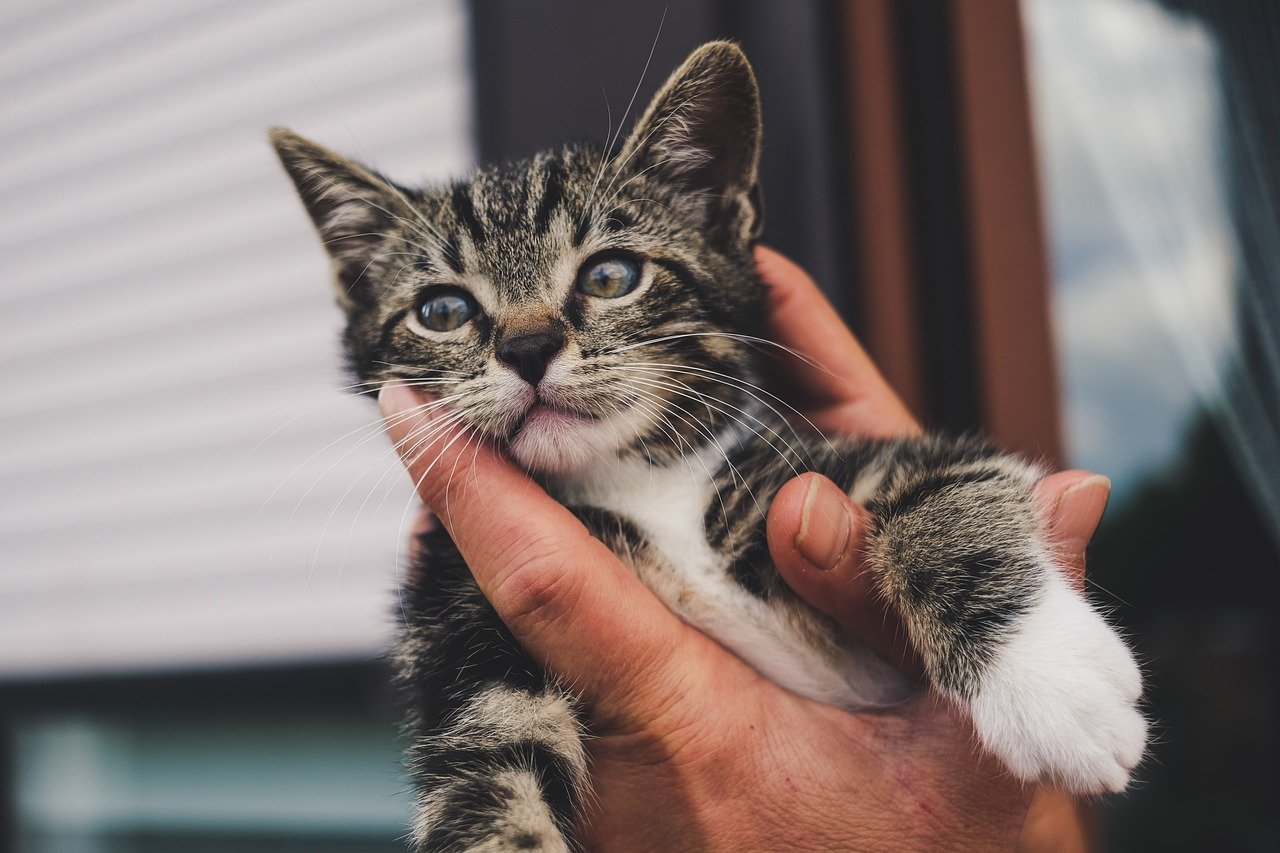
Not all biting is aggressive. Sometimes, cats bite during play. This is especially common in kittens who are learning how to interact with their environment. Playful biting is a way for them to practice hunting skills and establish social hierarchies. However, it’s essential to differentiate between playful nips and aggressive bites. The former is usually lighter and accompanied by other playful behaviors, like pouncing or chasing.
Communication Through Biting
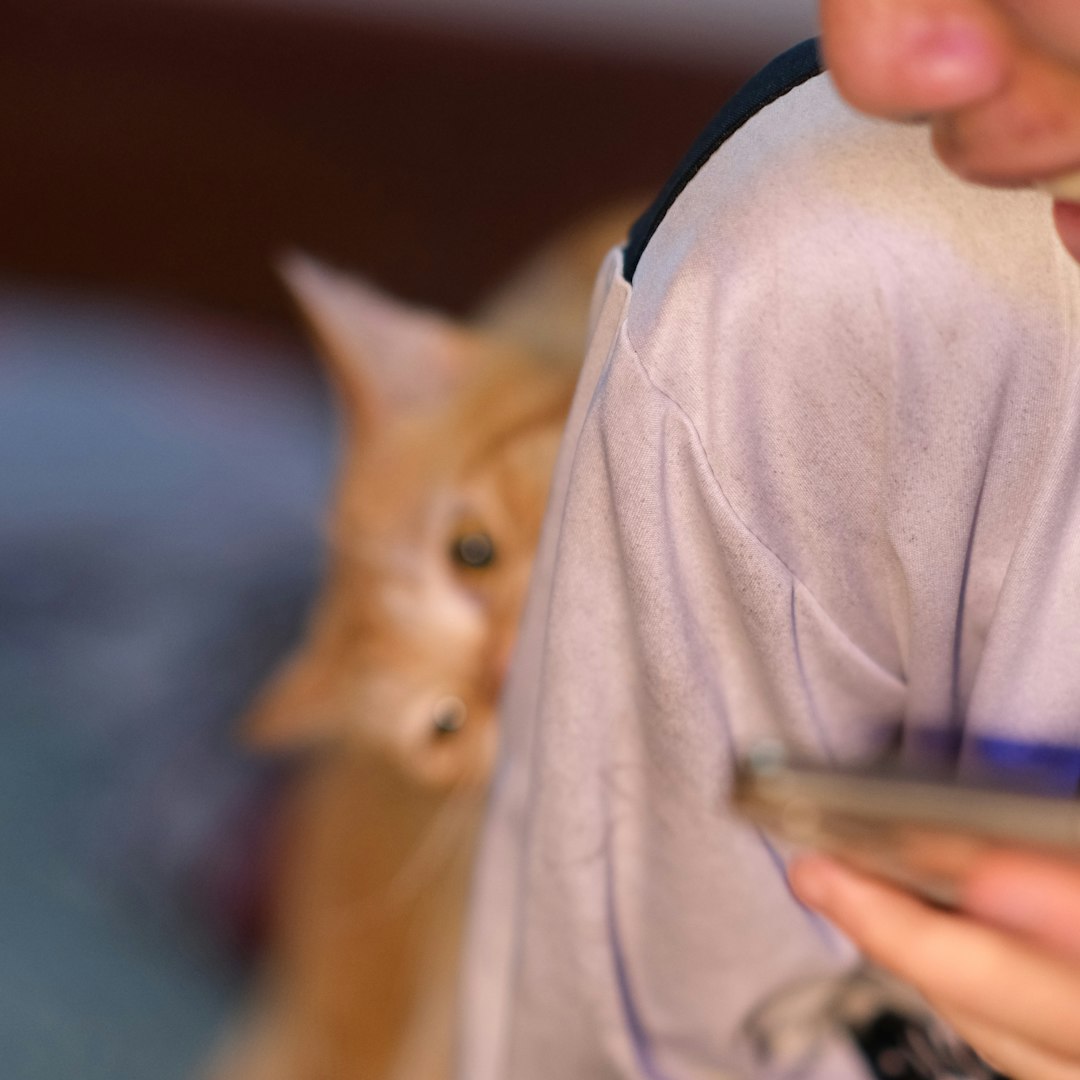
Cats are masters of non-verbal communication. When they bite, it can be their way of saying, “I’ve had enough” or “I need space.” Unlike humans, cats don’t have the luxury of words to express discomfort or overstimulation. A gentle bite can be their way of setting boundaries. Understanding this can help you respect their wishes and prevent future bites.
Overstimulation: When Petting Turns Painful
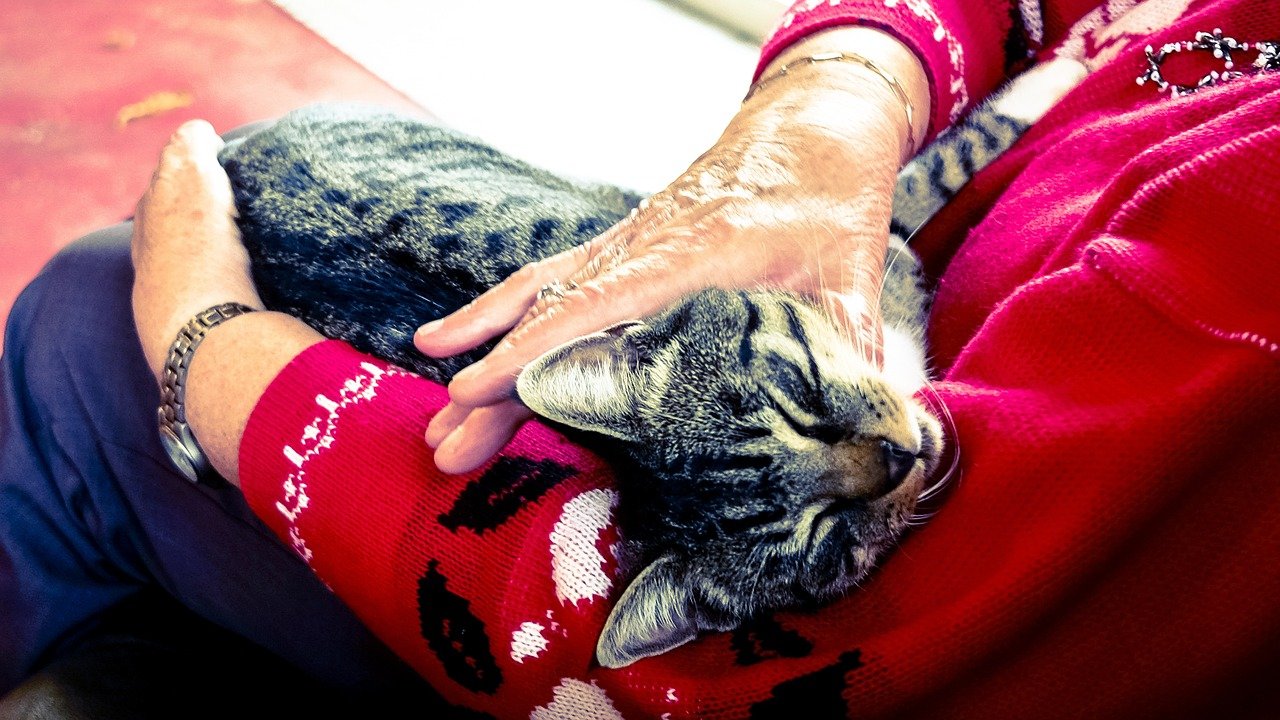
Have you ever been petting your cat when they suddenly turn around and bite? This is often due to overstimulation. Cats have sensitive nerve endings, especially along their backs and tails. Prolonged petting can become overwhelming, leading to a bite as a signal to stop. Recognizing signs of overstimulation, such as twitching tails or flattened ears, can help you avoid reaching this point.
Past Experiences and Trauma

A cat’s history can significantly influence their behavior. Cats that have experienced trauma or negative interactions with humans may be more prone to biting. This is a defense mechanism, a way to protect themselves from perceived threats. Building trust with such cats requires patience and understanding, allowing them to learn that they are safe in their current environment.
Health Issues: When Pain Causes Aggression
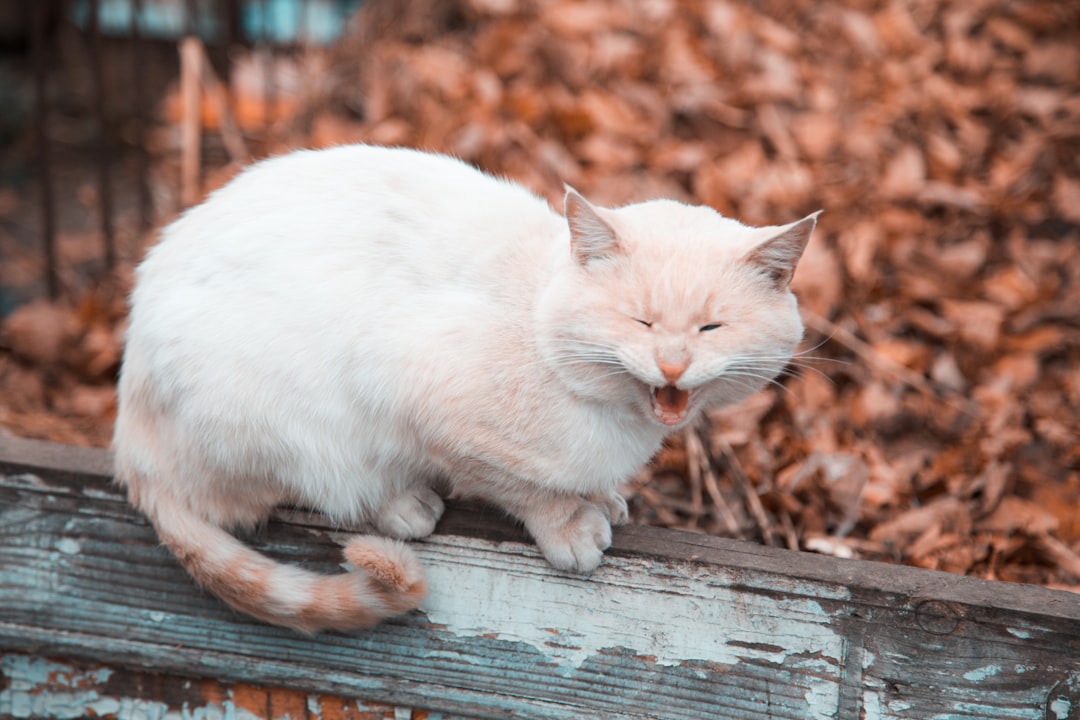
Sometimes, biting can be a sign of underlying health issues. Cats in pain may lash out when touched in sensitive areas. Dental problems, arthritis, or other medical conditions can make them more irritable and prone to biting. Regular veterinary check-ups can help identify and address these issues, ensuring your cat remains healthy and pain-free.
Understanding Feline Body Language
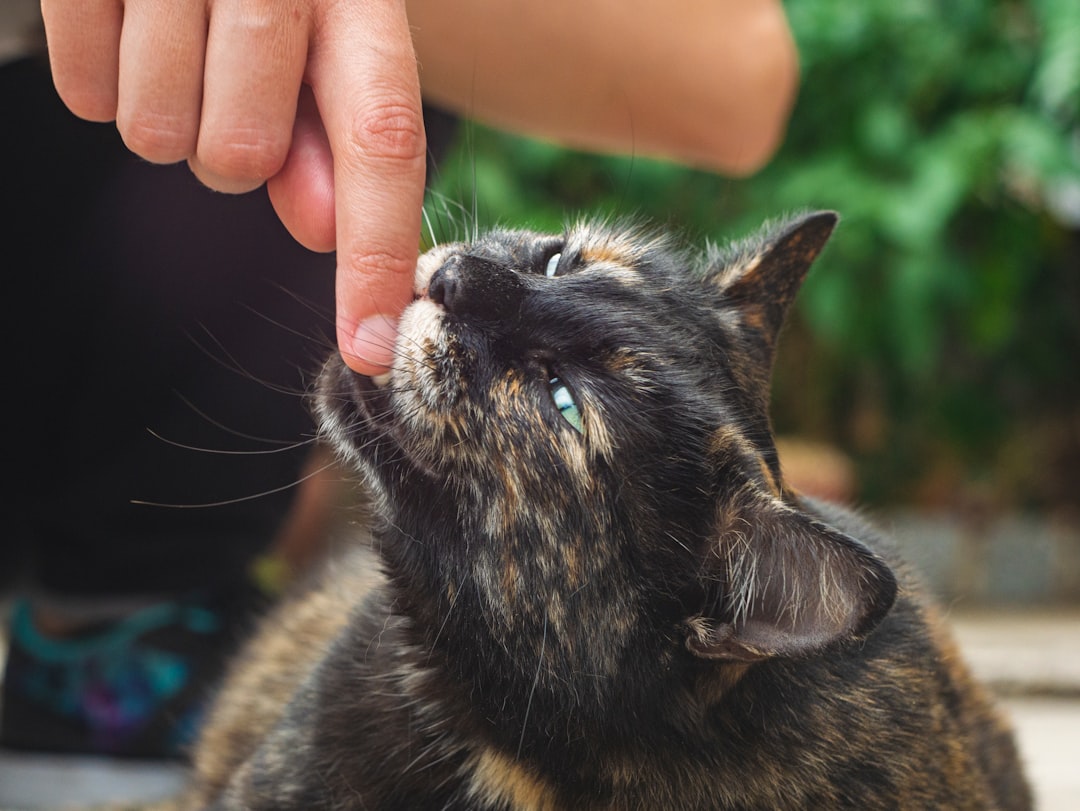
Cats communicate a lot through their body language. A cat that is about to bite might show signs like dilated pupils, flattened ears, or a swishing tail. Learning to read these signals can help you anticipate and prevent bites. It’s like learning a new language, one that can significantly enhance your relationship with your cat.
Respecting Personal Space: The Key to a Happy Cat
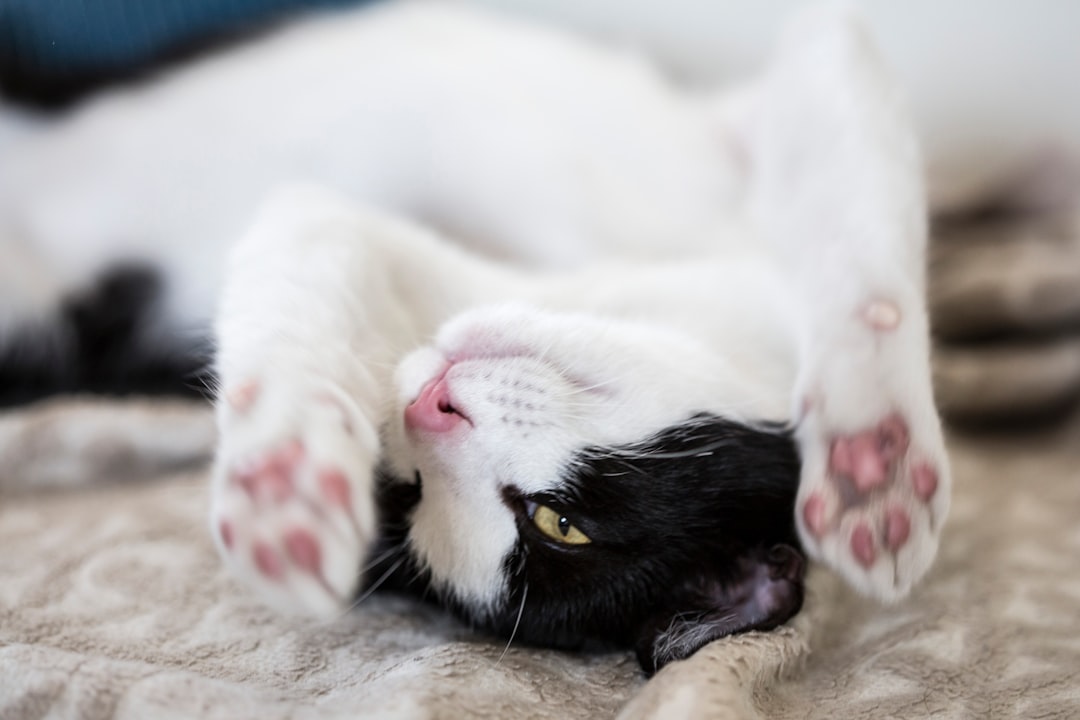
Just like humans, cats have their own personal space preferences. Some cats enjoy being cuddled and held, while others prefer observing from a distance. Respecting these boundaries is crucial. Forcing a cat to interact when they’re not in the mood can lead to biting. Observing your cat’s behavior and respecting their space can lead to a more harmonious coexistence.
Training and Socialization: Shaping Behavior

Training and socialization play a critical role in shaping a cat’s behavior. Positive reinforcement, such as treats or praise, can encourage desirable behaviors and reduce biting tendencies. Socializing kittens from a young age can also help them become more comfortable with human interaction, reducing fear-based biting.
Creating a Safe and Stress-Free Environment

Cats thrive in environments where they feel safe and secure. Stressful situations, such as loud noises or sudden changes, can trigger biting as a defensive response. Providing a stable environment with plenty of hiding spots, toys, and perches can help reduce stress and minimize aggressive behaviors.
In the end, understanding why cats bite requires patience and empathy. Each cat is unique, with its own set of experiences and preferences. By observing their behavior and respecting their boundaries, you can foster a loving and trusting relationship. So, the next time your feline friend gives you a gentle nip, ask yourself: what are they trying to tell me?


