

You’ve probably felt it before. That moment when your dog curls up beside you without a word spoken, somehow sensing the weight of your rough day. Or maybe you’ve noticed how one dog rushes to comfort someone crying, while another barely glances up from their nap.
It’s not your imagination. Dogs are indeed sensitive to human emotions, and this emotional awareness varies dramatically from one pup to another. Some dogs are natural empaths, tuning into every emotional shift like they’re reading your mind. Others march to the beat of their own drum, content to observe the world from a comfortable distance.
The Science Behind Canine Empathy
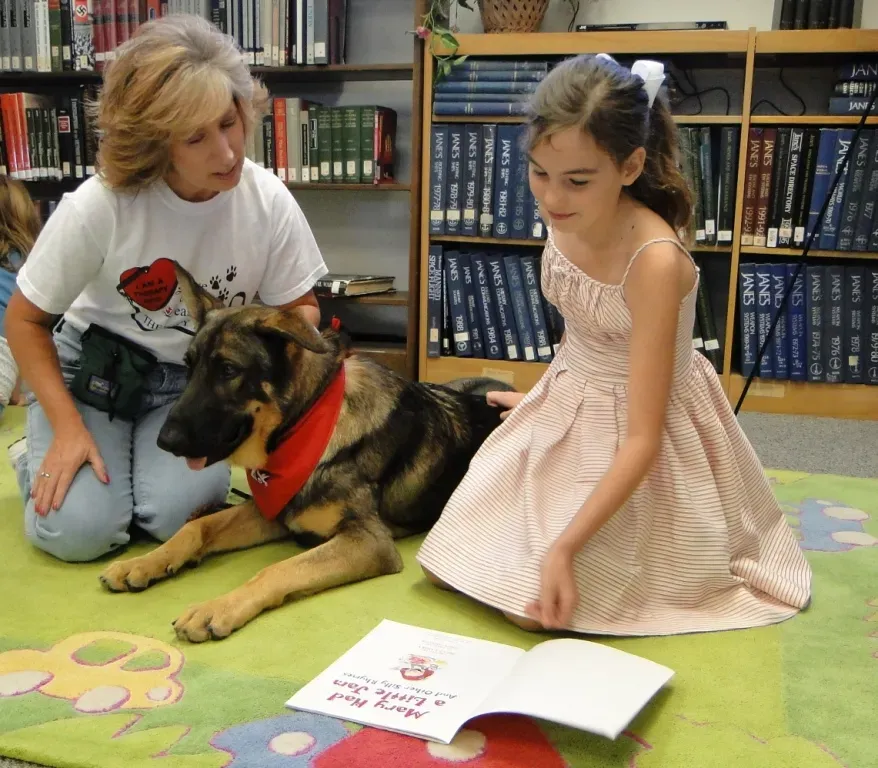
Scientific studies have shown that dogs read human facial expressions, tone of voice, and even our scent to determine how we feel. It’s honestly fascinating how deep this connection goes. Research has found that dogs not only approached and tried to comfort their owner when they cried, but also approached strangers who displayed unhappiness, seeming to offer sympathy and support in much the way that humans display empathy for each other.
This isn’t just learned behavior. Dogs paid closer attention to loudspeakers when they heard emotional content – either positive or negative emotions vocalized by a human or another dog – and had higher scores on freezing behavior when they heard negative emotional sounds compared to positive ones, indicating that they recognized the difference between distress and happiness. Their brains are wired differently than we thought.
When dogs and humans make gentle eye contact, both partners experience a surge of oxytocin, often dubbed the “love hormone,” and owners who held long mutual gazes with their dogs had significantly higher oxytocin levels afterwards, and so did their dogs. This creates a chemical bond between species that’s downright remarkable.
Breeds That Wear Their Hearts on Their Paws

Let’s be real, some breeds seem born to read the room. The Golden Retriever is one of the most caring and sensitive dog breeds, easily reading human emotions by noticing small changes in body language and tone of voice. They’re like emotional sponges.
Labradors are often used as therapy and service dogs due to their ability to sense emotional shifts, and their calm demeanor helps people dealing with anxiety, grief, or trauma. Then there’s the Border Collie, whose intelligence comes packaged with deep emotional awareness. They mirror their owner’s energy – a relaxed person brings out their calm, while an anxious mood can make them unsettled.
Cavalier King Charles Spaniels practically define the word empath. They are especially sensitive to human emotions, offering comfort and companionship to their handler whenever needed. It’s hard to say for sure, but their devotion feels almost intuitive.
The Independent Spirits
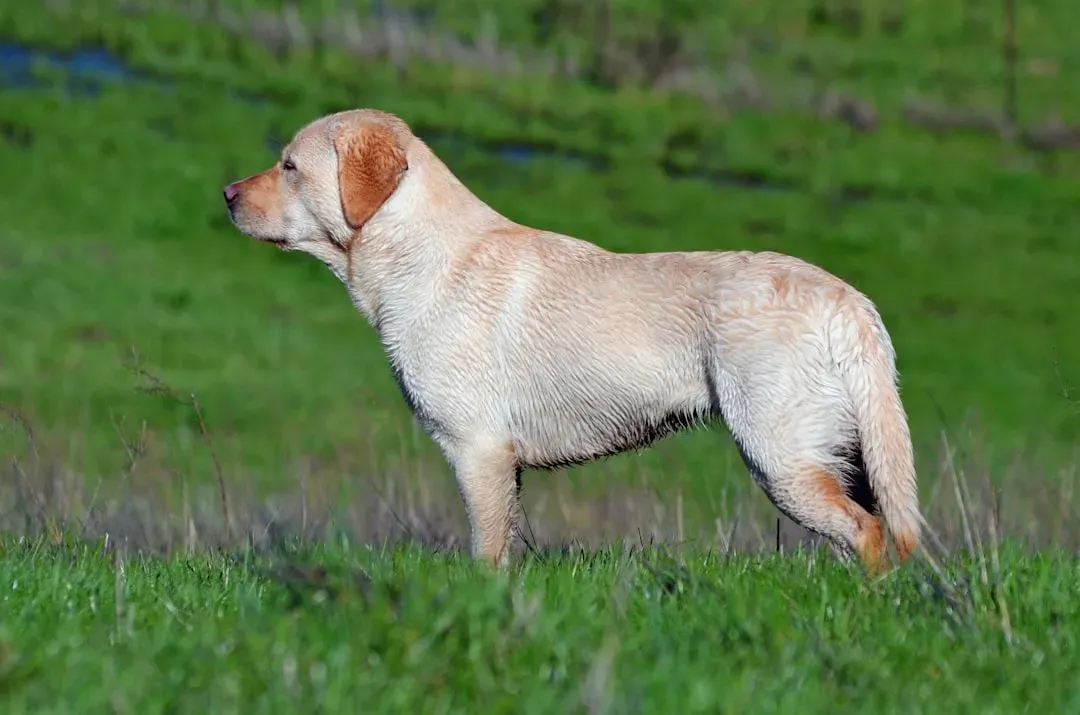
Now flip the coin. The independent Basenji is notorious for being quiet and frequently described as having a catlike personality because of their aloof temperament and reserved nature. These dogs aren’t cold, they just value their personal space.
Historically, the Chow Chow worked as a guardian and hunter in ancient China, and this working heritage, combined with the dogs’ calm disposition, makes the Chow Chow one of the most independent dog breeds. The Borzoi, a hunting breed that originally hunted wolves and foxes for the Russian elite, are known to be quite independent and don’t expect constant attention.
Akitas are arguably the most independent breed, and these elegant beauties give the impression of being able to “take it or leave it” when it comes to interaction with their humans. That doesn’t mean they don’t love you. They just love you differently.
Where Nature Meets Nurture

In dogs a large proportion of their personality is due to their inherited genes. Breed and age had the strongest associations with dog personality traits, though some environmental factors, especially puppyhood socialization, were also associated with personality.
Here’s the thing. During a puppy’s first three months of life, they’ll experience a socialization period that will permanently shape their future personality and how they’ll react to their environment as an adult dog, and gently exposing them to a wide variety of people, places, and situations can make a huge, permanent difference in their temperament.
Think of it like this. You can’t completely change a dog’s temperament through socialization, but you can absolutely influence how they express it. Puppies that are stimulated and handled from birth to five weeks of age are more confident and more likely to be social, and early stimulation may also positively affect a puppy’s brain development and ability to tolerate stress.
Recognizing the Signs
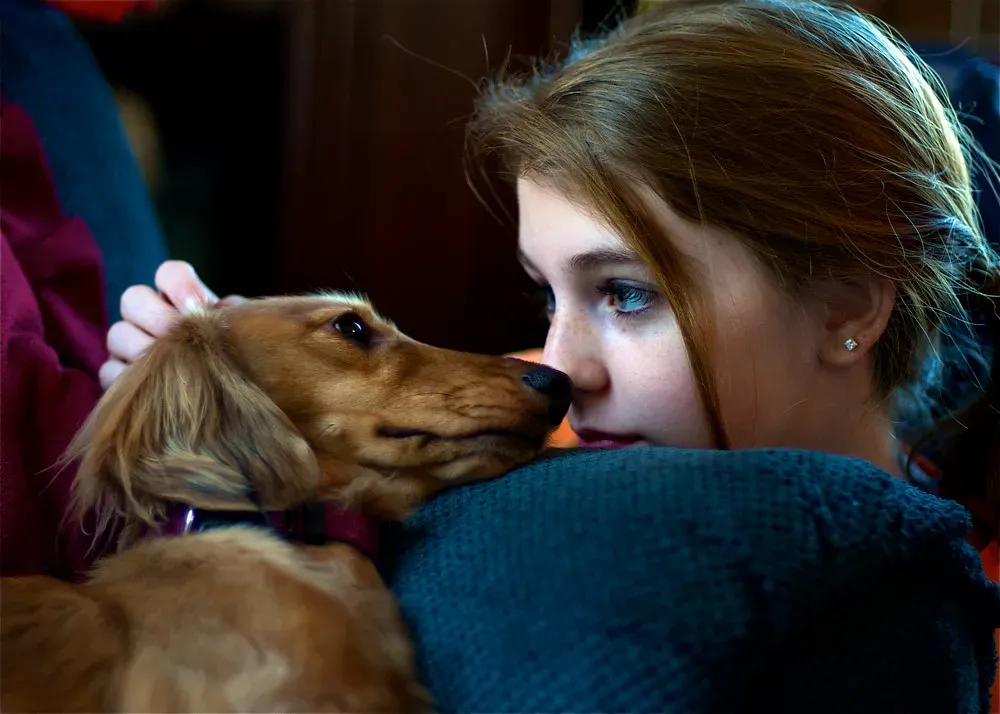
How do you tell if your dog is naturally empathetic? Watch their body language around emotional moments. Dog breeds that are bred to interact closely with humans, which tend to be genetically more sociable, would likely display more empathy towards others as well – for example, your average golden retriever is a very socially interactive dog and is likely to be very in tune to its owner’s emotional state.
Dogs may want to be close to the owner and provide support through physical contact, and they may be more affectionate during these times as well. Some dogs will place their head on your lap. Others bring you toys when you’re sad. A few might simply sit quietly nearby, offering their presence without overwhelming you.
Independent dogs show love too, just more subtly. An independent dog is comfortable and confident without constant interaction from a human companion, and that said, independent dogs have love and loyalty to give – they just might express it differently, like preferring to lie in the corner while you’re watching TV on the couch instead of cuddling up next you.
Living With Each Personality Type
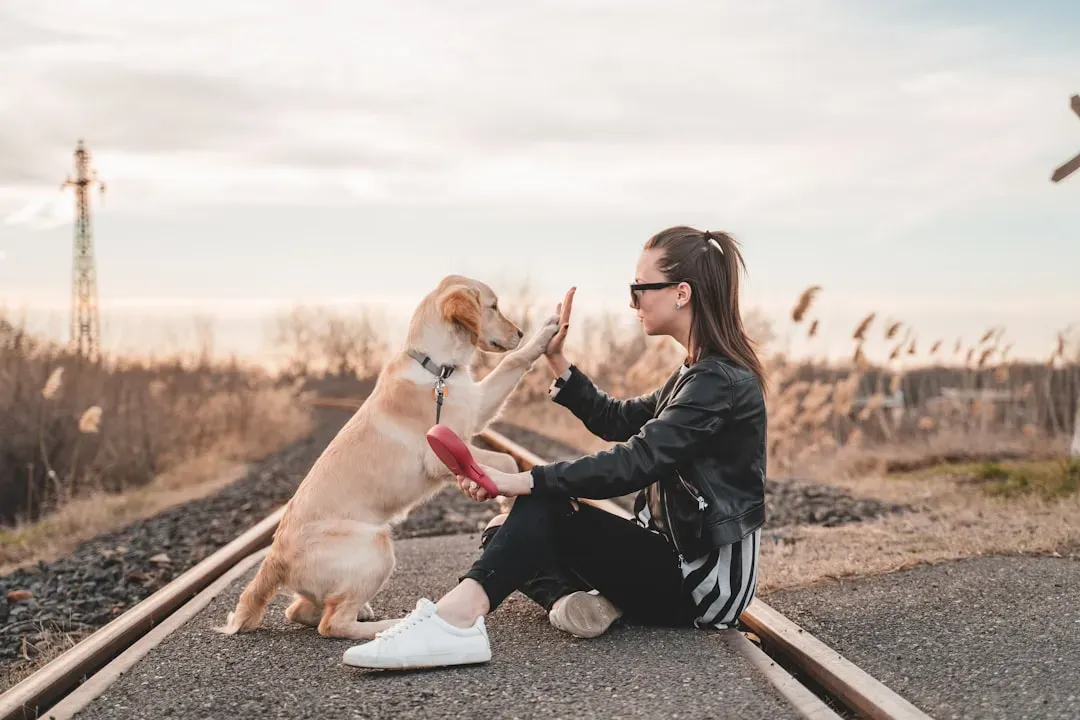
Empathetic dogs need you to understand their emotional sensitivity works both ways. They pick up on your stress, your joy, your frustration. Their sensitivity can be both a gift and a responsibility, as these breeds not only read situations, but they get affected by prolonged negativity in a way that harms their emotional well-being.
Create calm environments for highly sensitive pups. They thrive on routine and positive reinforcement. Harsh corrections can devastate them emotionally.
Independent dogs, meanwhile, need respect for their boundaries. No dog – including independent dog breeds – should be left alone constantly or consistently, as this can lead to anxiety and behavior issues, and every pet relies on you to fulfill their needs. They still need daily interaction, training, and affection. They just might not beg for it.
The Beautiful Spectrum Between

Most dogs fall somewhere between extreme empath and total independence. All factors had small effect sizes, highlighting that a lot of variation in personality remains unexplained, and a dog’s breed is not a predictor of its personality, but the probability of showing certain personality traits differs between breeds.
Your mixed breed might surprise you with empathetic moments one day and ignore you completely the next. That’s normal. Some dogs are naturally more social throughout their lives, while others are more reserved regardless of age, and understanding and respecting individual personality prevents inappropriate expectations and frustration.
Individual dogs defy breed stereotypes all the time. I’ve met aloof Golden Retrievers and cuddly Akitas. What matters most is understanding your specific dog’s emotional language and responding to it with patience and love.
Conclusion
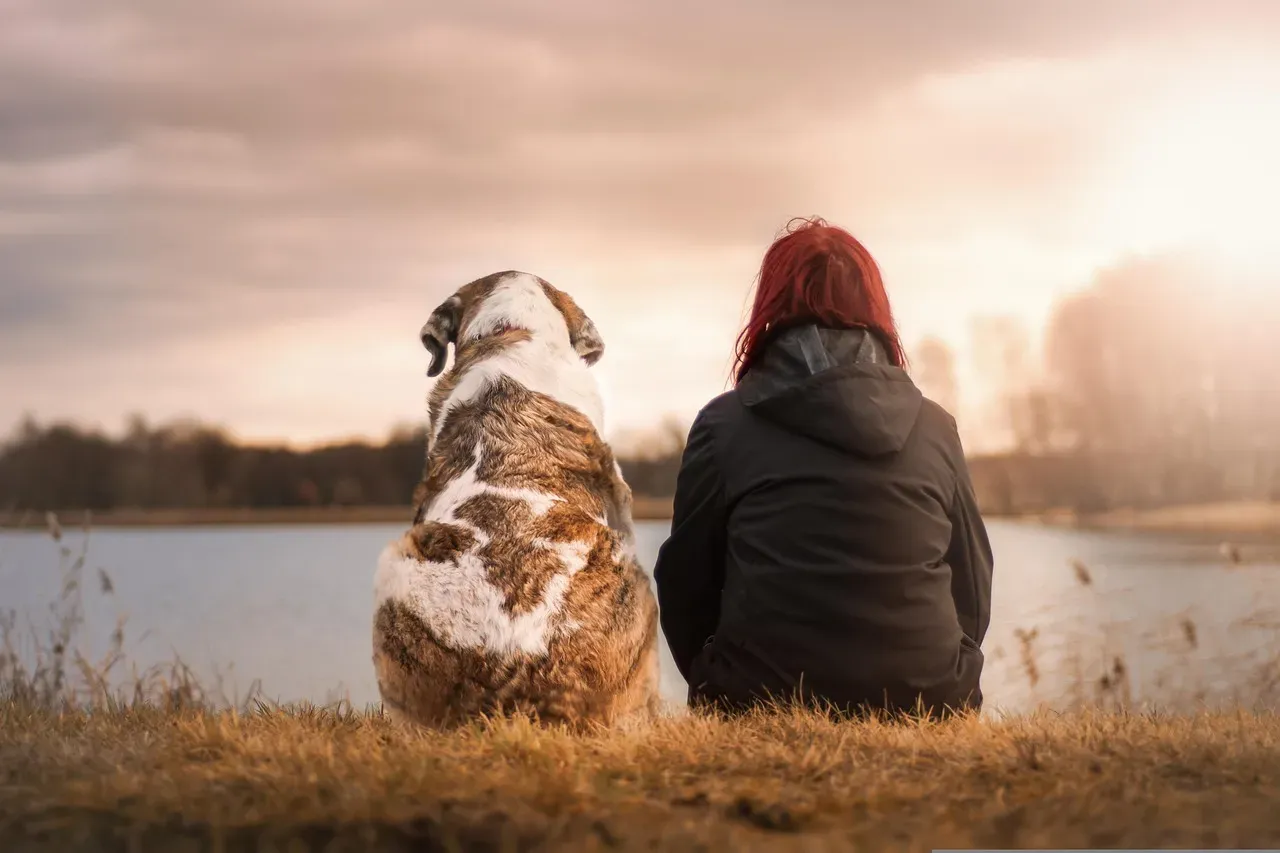
Whether your dog rushes to wipe away your tears or watches from across the room with quiet loyalty, both responses come from a place of connection. There’s compelling evidence that this is an emotional bond more than a cognitive one, and one of the factors that makes a strong argument for emotional attachment is the ease and willingness with which dogs bond with other species.
The empath and the independent aren’t better or worse than each other. They’re simply different expressions of the same incredible capacity dogs have to share our lives. Some dogs feel everything deeply, mirroring our emotions like emotional twins. Others offer steady, calm companionship without the intensity.
Both enrich our lives immeasurably. Both deserve our understanding and respect. The magic happens when we stop trying to change our dog’s personality and start celebrating what makes them uniquely themselves.
What kind of companion do you have at home? Do they sense your every mood, or do they march to their own beat?


