
Have you ever wondered why your neighbor’s Rottweiler seems born to guard the house while your Golden Retriever greets burglars with a wagging tail and a tennis ball? Maybe you’ve noticed this yourself, watching dogs of the same breed act completely differently when a stranger approaches. Some dogs instinctively position themselves between their family and perceived danger, while others happily trot over to make a new friend. It’s honestly one of the most fascinating aspects of living with dogs. This difference isn’t just about training or personality quirks. There’s something deeper going on beneath the surface, something that involves ancient genetics, brain chemistry, life experiences, and even the invisible bond between you and your furry companion. Let’s explore what makes some dogs natural sentinels and others peaceful ambassadors.
The Genetic Blueprint That Shapes Guardian Instincts
For thousands of years, humans across different regions of the world independently bred dogs as protectors of livestock, developing separate genetic lines with remarkably similar physical and behavioral traits. Think about that for a moment. People who never met each other, separated by oceans and mountains, all looked at dogs and thought the same thing: these animals can keep our flocks safe.
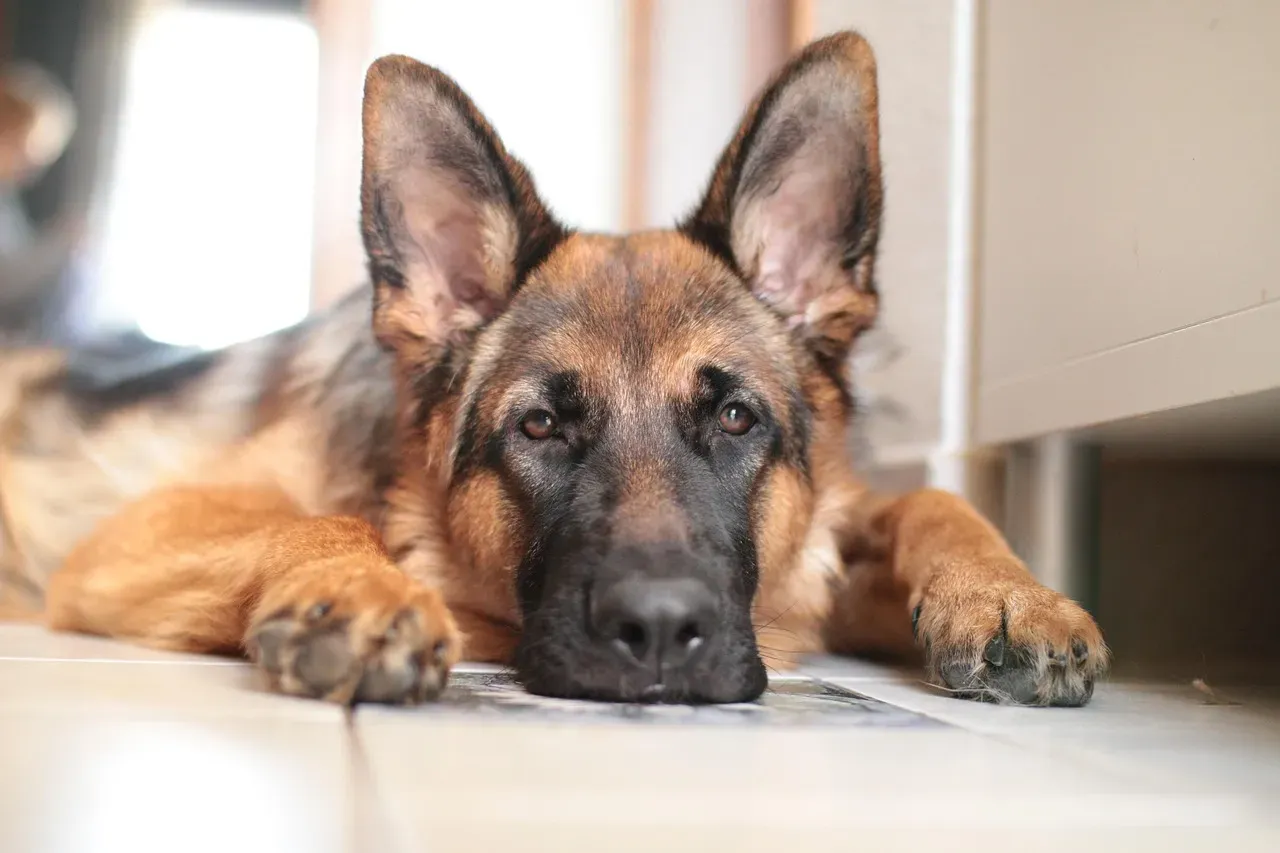
Certain breeds carry genes that predispose them to be more vigilant and responsive to potential threats. Breeds like the German Shepherd, Rottweiler, and Belgian Malinois are built around the instinct to keep people safe, and these dogs are naturally protective of their territory and feel like they own their surroundings. It’s hard to say for sure, but when you watch a well-bred guardian dog at work, you can see generations of selective breeding in every alert posture.
However, breed explains just nine percent of behavioral variation in individuals. This is where things get interesting. Within-breed behavioral variation approaches levels similar to the variation between breeds, which means your individual Golden might be more protective than some German Shepherds. For traits such as aggression toward strangers, trainability and chasing, genes contribute roughly sixty to seventy percent of behavioral variation among breeds, leaving a massive chunk influenced by everything else.
How Early Life Experiences Wire the Canine Brain
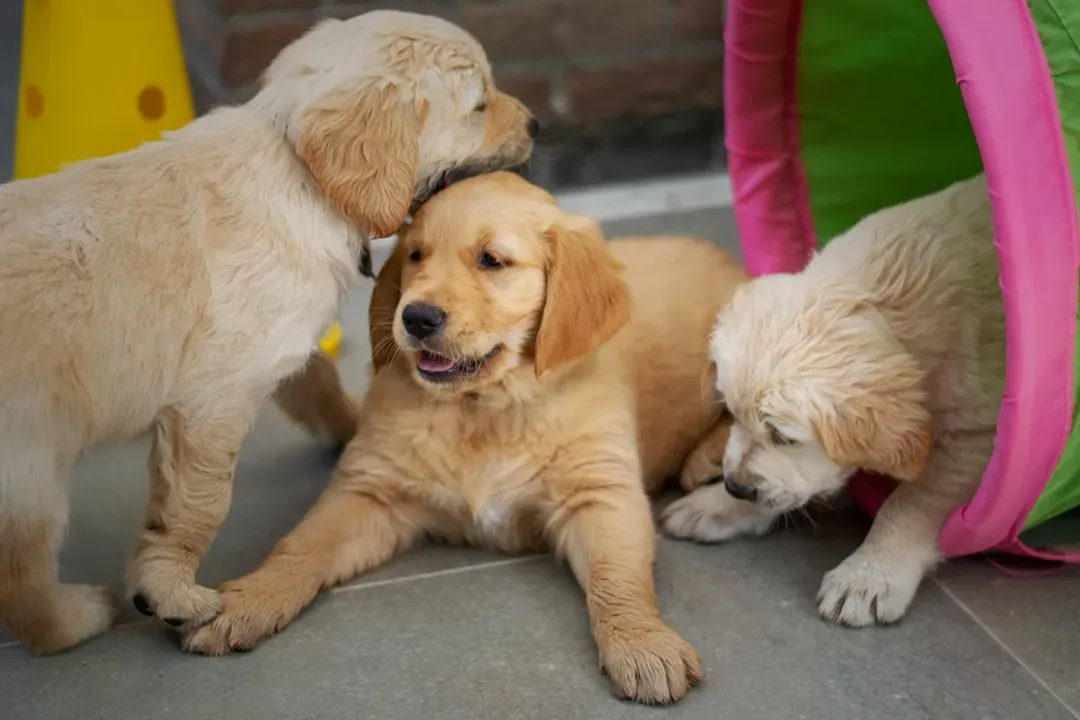
The greatest window of learning in a dog’s life starts around three weeks of age and closes between sixteen and twenty weeks, a period that allows puppies to be exposed to a wide variety of sights, sounds, smells, and sensations without becoming fearful. Miss this window, and you might be dealing with fear and anxiety for years to come.
Dogs that had regular contact with children during the socialization period showed no aggressive or excited behavior towards children during testing. Dogs that are appropriately socialized as puppies are less likely to exhibit behavioral problems as adults, including aggression and fearfulness. I think this is where a lot of people make assumptions about protective behavior that aren’t entirely accurate.
Proper socialization significantly reduces the risk of aggression in dogs, as a dog that feels confident and secure in various situations is less likely to react aggressively out of fear or anxiety. The difference between a protective dog and an aggressive one often comes down to whether they learned to distinguish real threats from harmless situations. Proper socialization during the critical period of three to twelve weeks can prevent a multitude of behavioral issues down the road.
The Chemistry of Calm Versus Vigilance
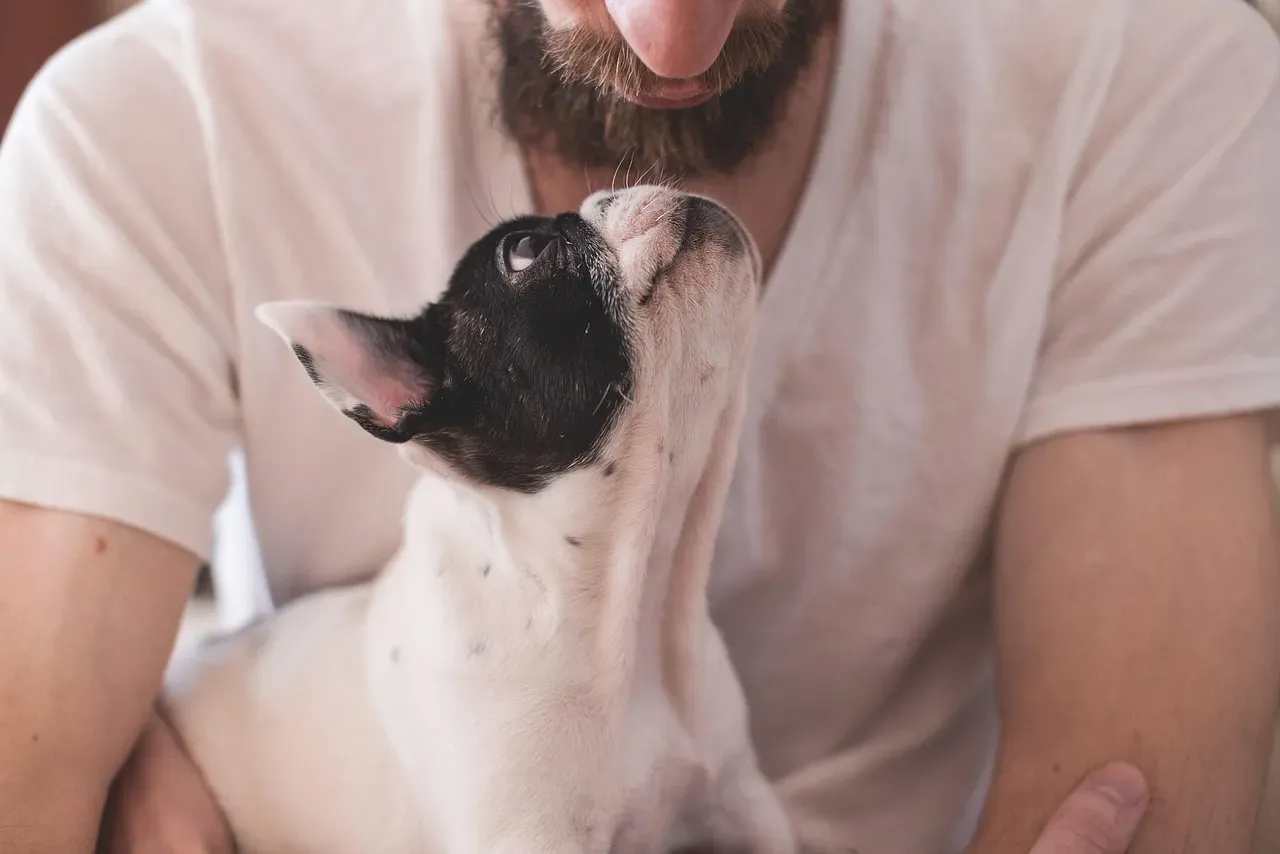
Here’s something that surprised me when I first learned about it. Interaction between dog owners and their dogs results in increasing levels of oxytocin in both owners and dogs, whereas cortisol levels decrease in the owners but increase in the dogs. The bonding hormone affects both species, creating a feedback loop of attachment and responsiveness.
Cortisol concentrations exhibit relationships with performance on inhibitory control tasks and bold behavioral reactions to novel objects, and individual differences in oxytocin and cortisol concentrations are under strong genetic control in dogs. Your dog’s stress response system isn’t just about how scared they get. It influences how they think, how they react, and whether they choose fight or flight when something unusual happens.
Human personality traits neuroticism, conscientiousness, and openness significantly affect dog cortisol levels, suggesting that dogs, to a great extent, mirror the stress level of their owners. So if you’re a naturally anxious person, your dog might become more vigilant simply because they’re picking up on your emotional state. They become protective not necessarily because they were born that way, but because they’ve learned that the world is something to watch carefully.
The Real Difference Between Protective and Aggressive
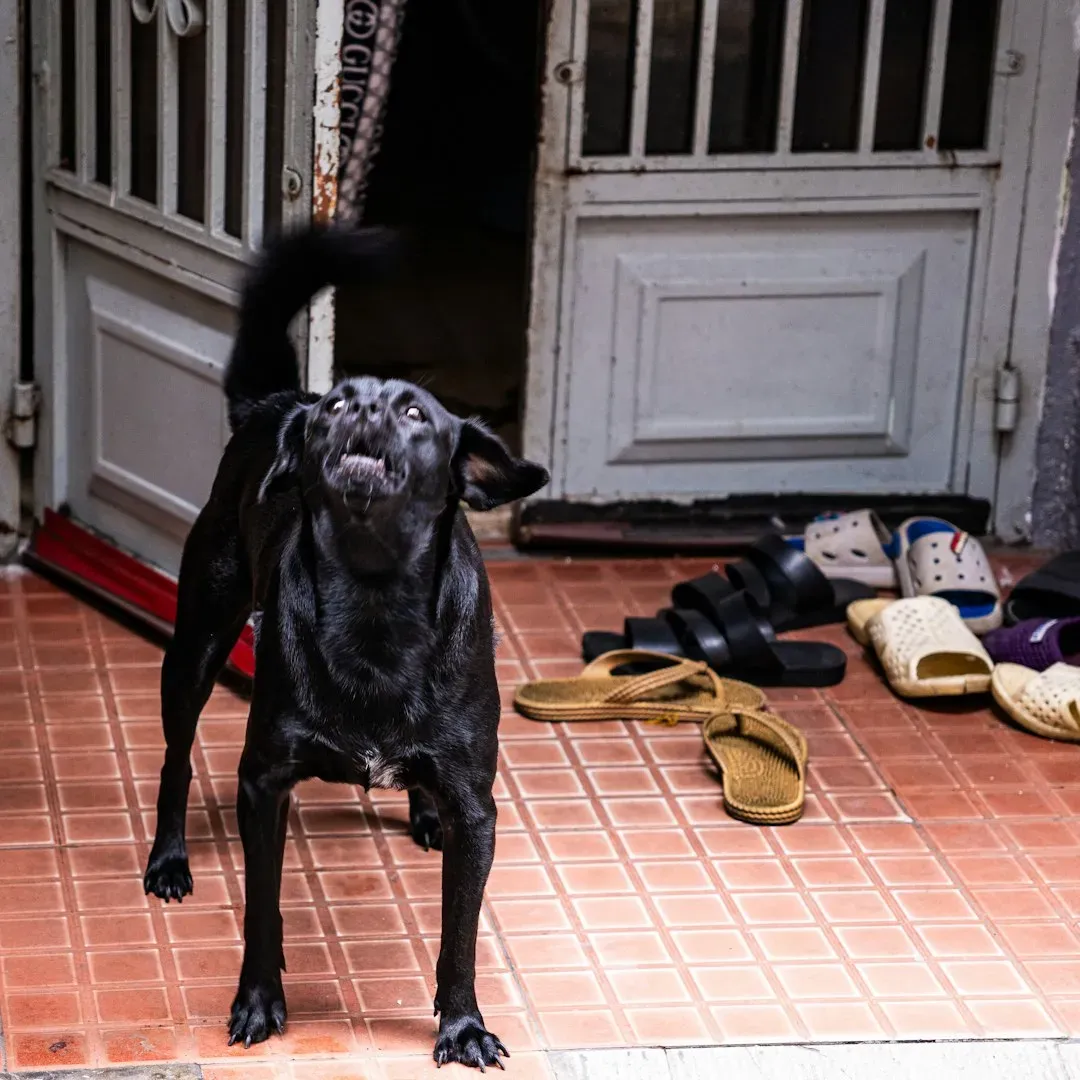
Let’s be real here. Many people confuse these two behaviors, and it matters a lot. A dog’s protective behavior is innate, not something that needs to be curbed. While protective dogs assess possible threats in certain situations, aggressive dogs will consider everything as a threat and do not have any monitoring or reasoning behaviors.
Protective behavior for shepherd and livestock guardian dogs would include aggressive reactions towards strangers and generally biddable behavior with people and animals they know, and the true test of protective behaviour is if the dog is friendly when they’re not with their flock or family. This is crucial. A truly protective dog can turn it off. They’re calm at the vet, friendly at the park, relaxed when there’s no reason to worry.
The temperament test measures different aspects of temperament such as stability, shyness, aggressiveness, and friendliness as well as the dog’s instinct for protectiveness, with situations calling into play the dog’s ability to distinguish between non-threatening situations and those calling for watchful and protective reactions. That ability to discriminate is everything.
Why Some Dogs Choose Peace Over Protection

Not every dog needs to be a guardian, and honestly, most don’t want to be. Golden retrievers are easy-going, affectionate and playful, but gentle with children, making them an ideal family dog, and their temperament often makes them great service and therapy dogs. These dogs were bred for cooperation, not confrontation.
Choosing a dog that has been bred to be friendly and welcoming towards other dogs and people may mean that you have to compromise on other aspects of behavior that you may admire in a dog, such as protecting your property, but trying to find a dog that will be generally friendly and easy to socialize is simply too important a goal to risk compromising. Some breeds were deliberately selected to suppress any guarding instincts because their job required them to work closely with strangers or in groups.
Newfoundlands are exceptionally sweet and affectionate with family members, bond easily with children and other pets, making them great family pets, and with loyalty, calm temperament, and a natural protective instinct, they are the perfect blend of guardian and lovable companion. They watch over their families with a gentle vigilance rather than aggressive posturing. There’s a massive difference between a dog who will alert you to danger and one who actively seeks to neutralize it.
Conclusion: Understanding Your Individual Dog
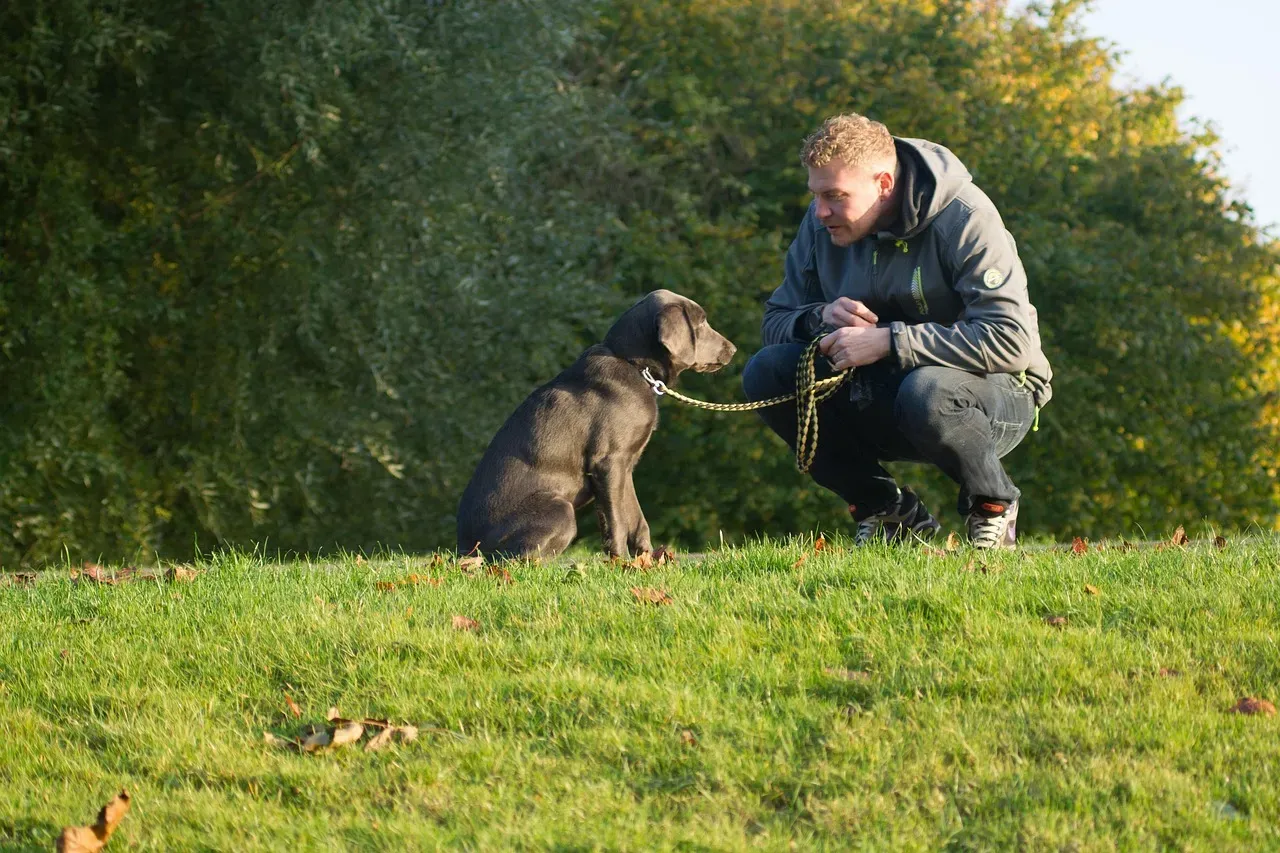
The truth is, whether your dog becomes a natural protector or a peaceful coexister depends on a complex mix of genetics, early socialization, ongoing experiences, and even your own stress levels. Genetics is just one part of a very complicated puzzle. While some protection dogs are naturally loyal and instinctive, they require socialization and training to transform these traits into positive behaviour, and a well-trained dog can tell the difference between a real threat and a harmless situation.
The most important thing to remember is that neither temperament is better or worse. A Golden Retriever who greets everyone with joy isn’t “failing” at being a dog any more than a protective Belgian Malinois is “too aggressive.” They’re simply expressing different aspects of what it means to be canine. Your job as a dog owner is to understand which type you have and provide the training, socialization, and environment that helps them thrive. Whether your dog positions themselves between you and strangers or invites everyone in for belly rubs, they’re showing you who they are. The question is, are you listening?
What kind of dog do you have? Does your pup match their breed stereotype, or did you end up with a guardian in a lap dog’s body? Share your experiences in the comments below.


