
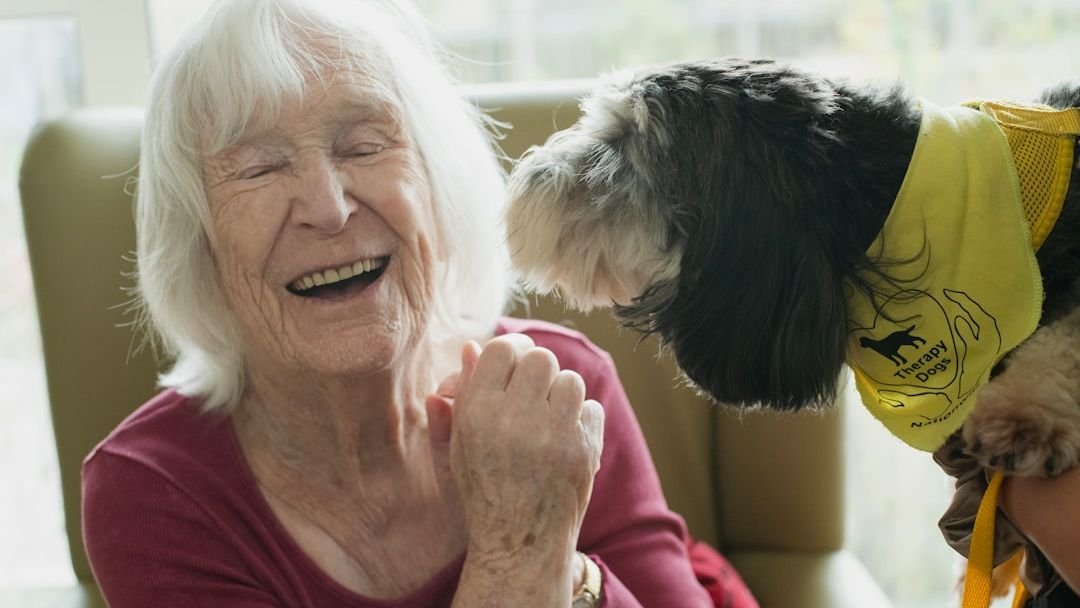
You’ve seen it happen. Your dog who waits dutifully by your side suddenly loses all composure when Grandma walks through the door. The jumping, the spinning, the pure joy radiating from every wagging inch of their body. It’s almost comical how different they act around her, and if you’re being honest, maybe it stings just a little. You’re the one who feeds them, walks them, cleans up after them. Yet somehow, Grandma has become the favorite human. What’s going on here?
The truth is more fascinating than you might imagine. Dogs form bonds based on far more than just who provides their daily care. The relationship between dogs and their human grandparents taps into something deeper about canine psychology, energy recognition, and the subtle ways our furry friends read and respond to us. Let’s dive into why your pup might be absolutely smitten with Grandma.
The Power of Calm Energy
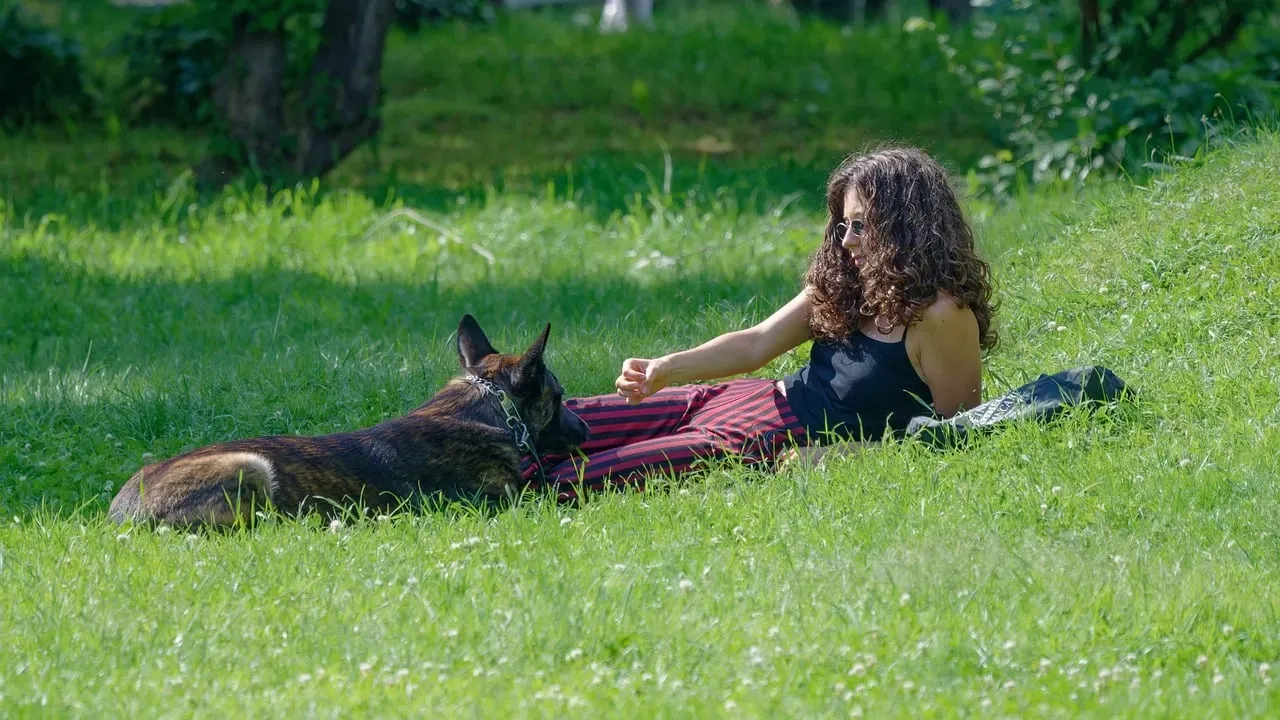
Dogs naturally gravitate toward calm, balanced energy and will not follow frustration, anger, fear, insecurity, or anxiety. Think about your typical day. You’re rushing to work, stressed about deadlines, multitasking between emails and errands. Now picture Grandma’s visit. She settles into her favorite chair with a cup of tea, moves slowly, speaks softly.
Dogs pick up on our energy, and when we stay calm and move slowly, they respond in kind. Grandmas often embody this naturally. They’re not frantically checking their phones or hurrying out the door. Their pace is measured, their touch gentle. Your dog picks up on subtle changes in your mood based on slight shifts in your body language and can start to mirror those energy changes. When Grandma walks in radiating patience and tranquility, your dog feels safe, understood, and completely at ease.
Time Equals Emotional Investment
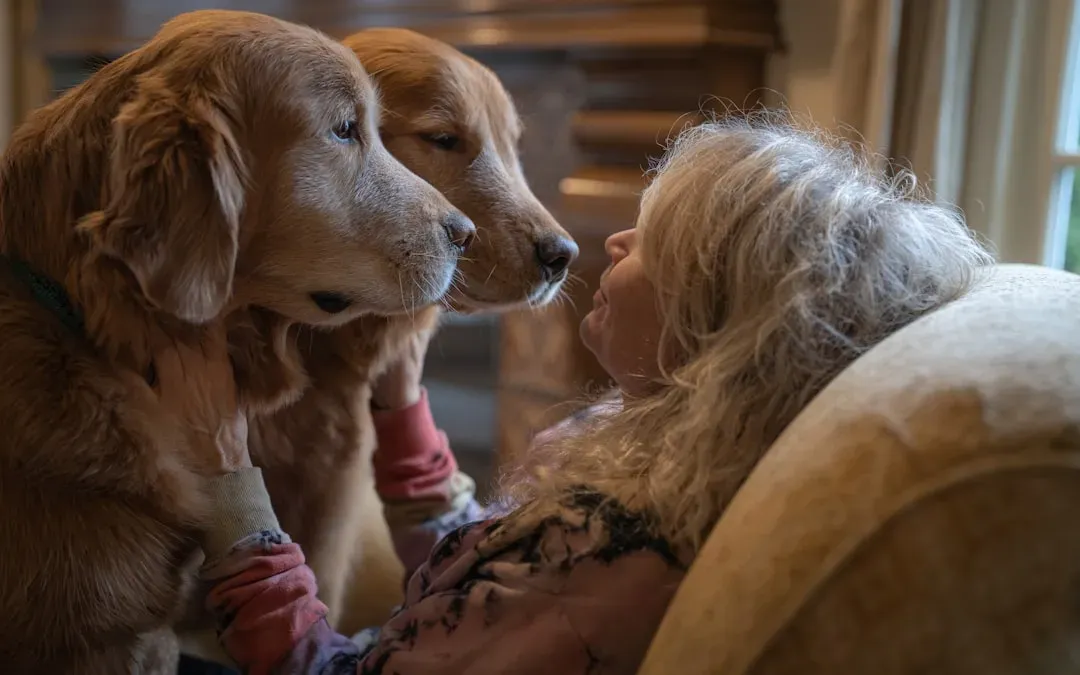
Here’s the thing about Grandma’s visits: they’re special occasions. Dogs can form deep relationships with new people quickly, especially if they see them with fair regularity. When your mom or mother-in-law comes over, she’s not distracted by household chores or work obligations. Her entire focus is often on spending quality time, and your dog is frequently the star of that show.
If your parents think of your dog as their grandchild, they are likely going to bust out the good treats. This isn’t bribery, it’s simply creating positive associations. Grandma arrives with special snacks, undivided attention, and genuine excitement to see your pup. Dogs can have multiple favorites, each for a different reason, and they are able to form a unique and special bond with every one of them. Your dog doesn’t love you less; they’ve simply added another cherished human to their inner circle.
The Gift of Patience and Presence
Dogs are considered loyal companions, particularly for elderly people, and have become emotional companions who give new meaning to their lives. There’s a beautiful reciprocity in these relationships. Older adults often have more time and patience, qualities that dogs desperately crave but don’t always receive from their busy primary caregivers.
Grandma doesn’t rush the petting session. She doesn’t cut the walk short because of a conference call. Elderly guardians in urban areas are more emotionally attached to their dogs and provide significantly higher levels of care, including more frequent walks and attention. When your dog experiences this level of mindful interaction, they remember it. It becomes something they actively seek out, which explains the pure elation when Grandma’s car pulls into the driveway.
Recognition and Ritual
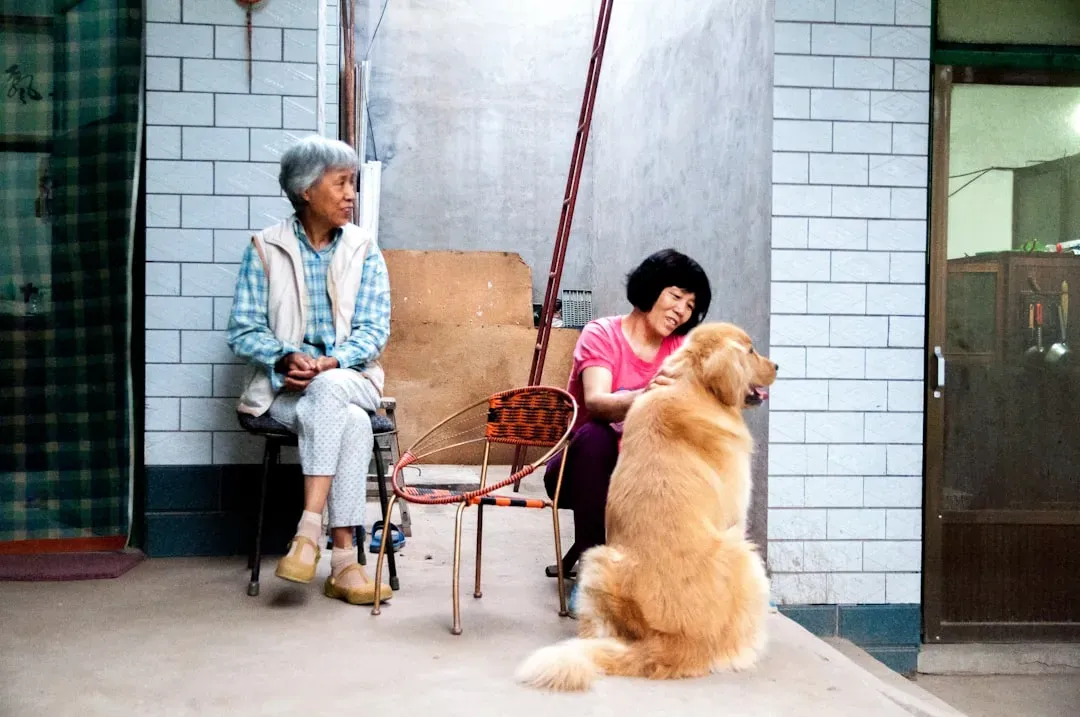
Signs that indicate you are your pup’s favorite human include keeping eye contact with a soft, loving gaze, physical contact including licking and leaning, and just being generally excited to see you. Your dog absolutely displays these behaviors with you. However, they’ve also learned to associate Grandma with specific, wonderful rituals.
Maybe she always brings the same special toy. Perhaps she sits in a particular spot and invites your dog onto the couch beside her, something you might not allow during your busy weekday routine. Dogs are creatures of pattern and routine. It’s often hard to know why dogs bond with certain people. Sometimes it comes down to consistent, positive experiences that create anticipation and joy. Your dog has learned that Grandma time equals relaxation, treats, and unconditional affection without any commands or expectations attached.
Less Discipline, More Indulgence
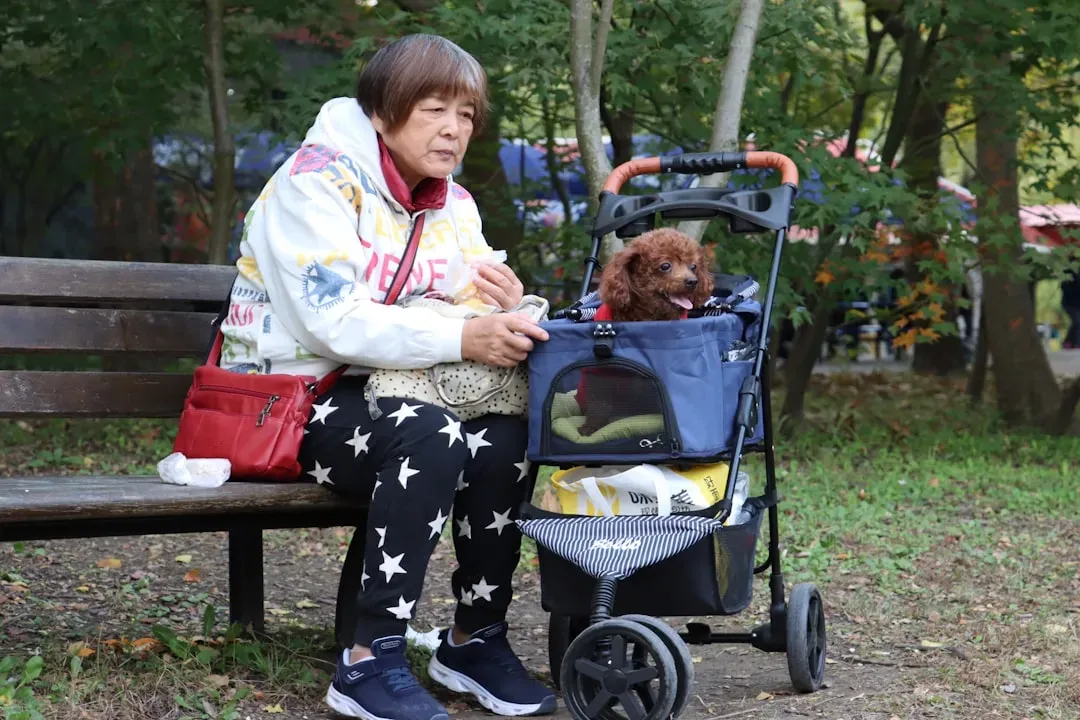
Let’s be real here. You’re the one enforcing the rules. No begging at the table. Stay off the furniture. Wait before going through the door. These boundaries are important for a well-behaved dog, and you’re doing the right thing by maintaining them. Grandma, however, might be a bit more… flexible.
No matter how much your parents might overindulge and coddle your pup, it won’t undermine your relationship with you or make them love home any less. Your dog understands different people have different rules. They’re incredibly adept at reading social contexts. With you, they know structure and routine. With Grandma, they get a little vacation from the rules. It’s not that they don’t respect you; they’re simply enjoying the special exception that comes with their favorite visitor.
The Science Behind Senior Bonds
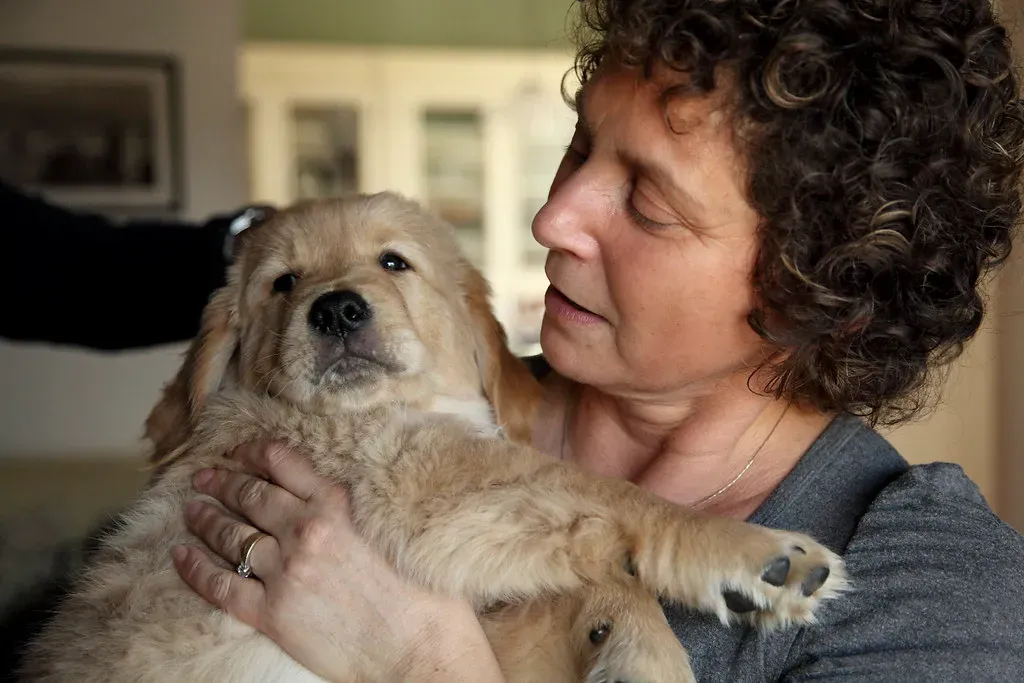
Older adults who are pet owners benefit from the bonds they form with their canine companions. This connection works both ways. Pet attachment was associated with reduced loneliness in older adults and was viewed as a coping resource for loneliness. When your dog interacts with Grandma, they’re not just receiving attention; they’re providing comfort and companionship that creates a powerful emotional loop.
The presence of a dog during interventions facilitates social activities, acting as a catalyst for interpersonal relationships. Research has consistently shown that elderly people and dogs bring out the best in each other. Your dog might sense, on some instinctual level, that Grandma needs them just as much as they enjoy her company. This mutual need creates an incredibly strong bond that transcends the practical, daily relationship you have with your pet.
Conclusion
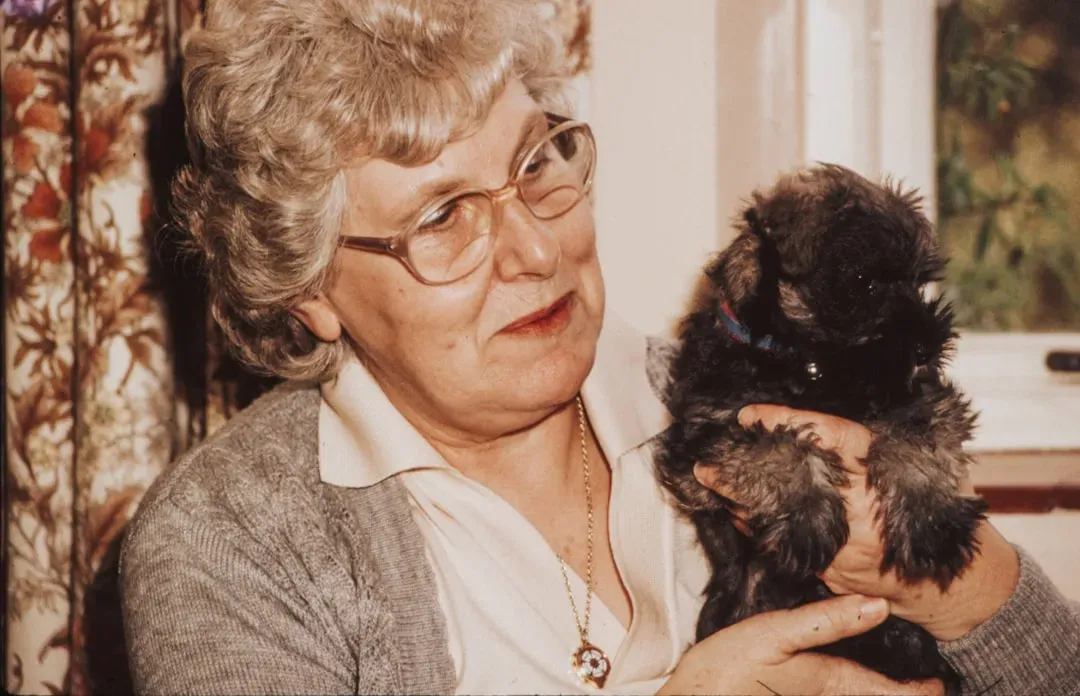
The special relationship between dogs and their human grandparents isn’t a rejection of you as their primary caregiver. It’s a testament to your dog’s enormous capacity for love and their ability to form meaningful connections with multiple people in their lives. Having more stable, rewarding relationships means dogs might adapt better if their primary caretaker has an emergency. This extended social circle actually benefits your dog’s emotional wellbeing.
Rather than feeling jealous of the enthusiastic greeting Grandma receives, celebrate it. Your dog has learned that different people offer different kinds of love, and they’re secure enough in your bond to express joy when their other favorite human arrives. The calm energy, patient attention, and special treats Grandma provides complement the structure, care, and daily devotion you give. Together, you’re creating a rich, fulfilling life for your lucky pup. Doesn’t that tail-wagging excitement suddenly seem a bit sweeter?


