
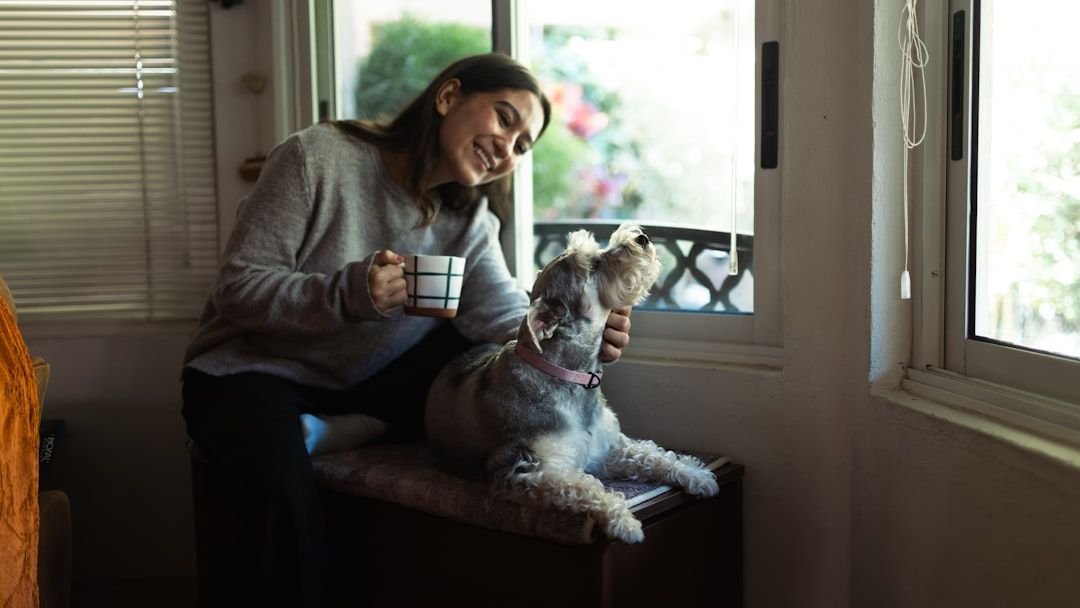
Have you ever noticed how your neighbor’s Labrador seems perfectly content with the same walk at the same time every single day, while your own pup acts like every outing is an entirely new adventure? Here’s the thing: dogs are individuals, just like us. Some find comfort in predictability, waking up knowing exactly when breakfast arrives and when that afternoon stroll will happen. Others? Well, they’re the free spirits of the canine world, thriving on variety and new experiences.
Understanding whether your dog is a routine lover or a spontaneity seeker isn’t just fascinating – it’s genuinely important for their wellbeing. Dogs thrive on structure in the environment and predictability in their lives, yet some are flexible and adaptable with a glass-half-full approach, often staying cool as a cucumber when faced with changes. Let’s explore what makes your furry friend tick and how you can create the perfect lifestyle to match their unique personality.
The Science Behind Canine Personality Types
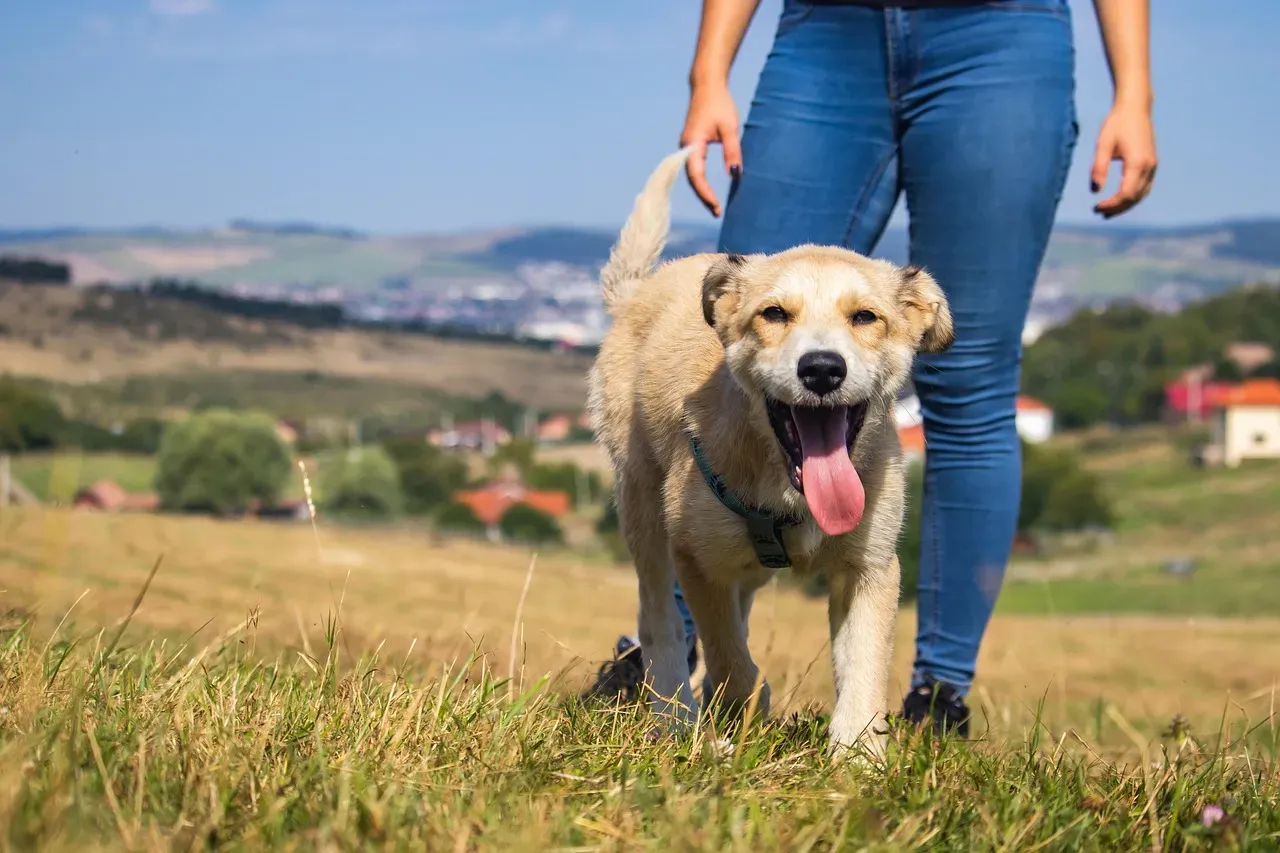
Personality can be defined as “a set of behaviors that are consistent over context and time,” and studies of dogs’ personalities have tried to identify the presence of broad personality traits that are stable and consistent. It’s not just about breed, though that plays a role. Recent research reveals something pretty amazing about how dog personalities work.
Studies found evidence to suggest substantial consistency in dog personality, with personality consistency being higher in older dogs, when behavioral assessment intervals were shorter. Think about that for a moment – your dog’s personality isn’t random. It’s wired into who they are, shaped by genetics, early experiences, and yes, even brain structure.
Modern dogs have increased behavioral flexibility, or ability to adapt to new environments, and bigger dogs have larger neocortices than their smaller counterparts, making them generally more trainable and less anxious. This explains why some dogs handle change with ease while others need more predictability to feel secure.
Routine-Loving Dogs: The Comfort Seekers
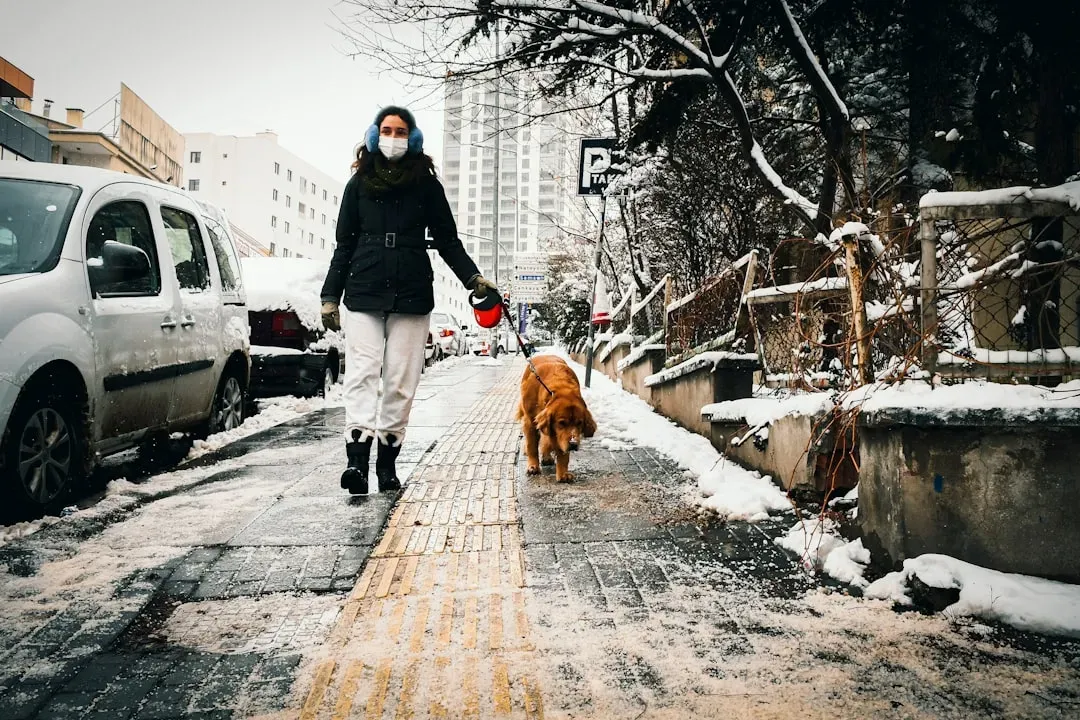
Some dogs are absolute creatures of habit, and honestly, there’s something endearing about their predictable nature. Timid and anxious dogs need routines and predictability to feel comfortable looking to their humans for direction and to reduce stress. These are the dogs who know exactly when dinner should arrive and will stare at you if you’re even five minutes late.
Routine-oriented pups often display specific behaviors. They might become restless or anxious when their schedule shifts unexpectedly. Maybe your dog always sits by the door at 3 PM because that’s walk time, or perhaps they head to their bed at precisely 9 PM every night.
You can change anxious behavior by adding consistency and predictability to your dog’s life, as predictability seems to work best. For these dogs, knowing what comes next isn’t about being boring – it’s about feeling safe. Dogs thrive on routine and predictability, which can significantly reduce anxiety, as establishing a consistent daily schedule for feeding, walking, and playtime helps provide a sense of security.
Spontaneous Dogs: The Adventure Enthusiasts
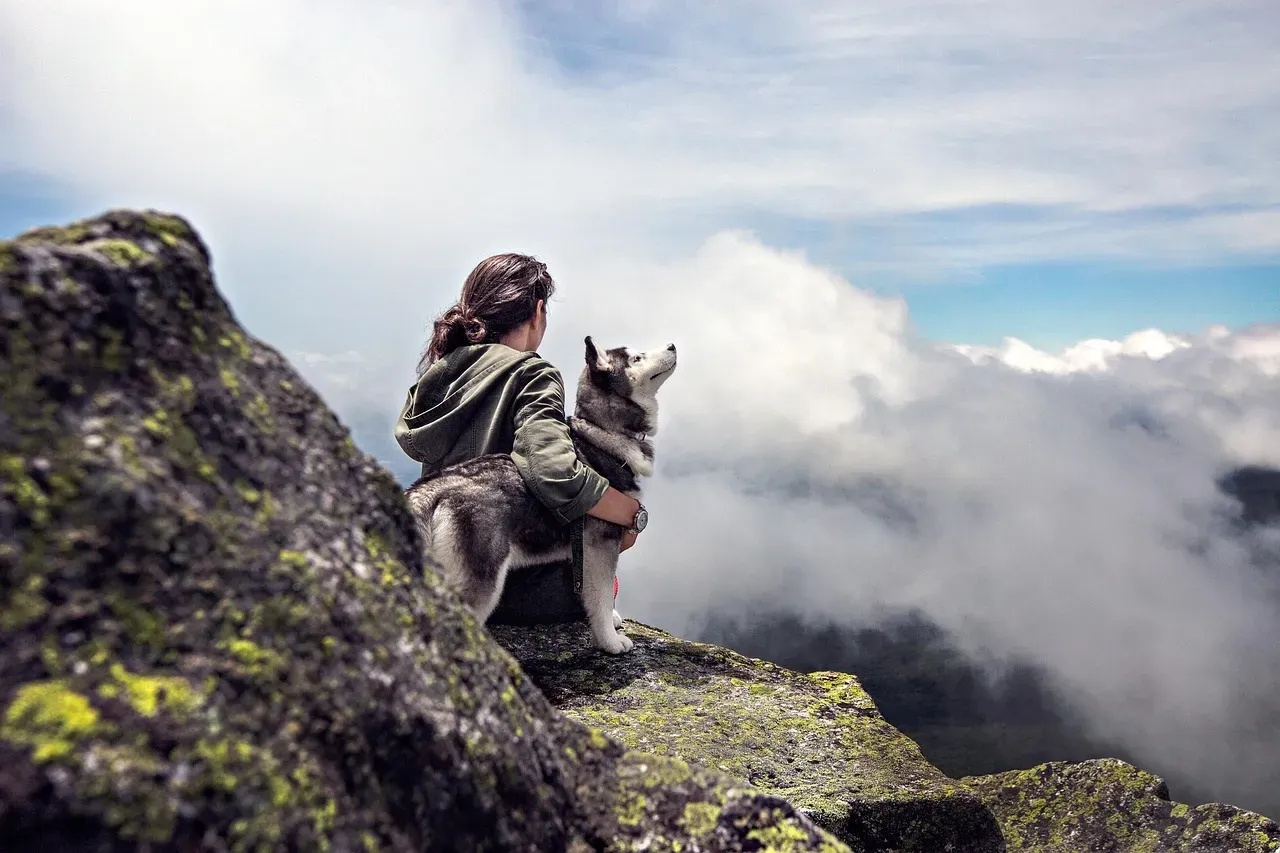
Then there are the dogs who seem to wake up each morning asking, “What’s new today?” Independent dogs march to the beat of their own drum, are adventurous, self-reliant, and happy to entertain themselves. Sporting dogs will generally be adventurous, following their noses wherever scents lead them, embracing whatever the day brings.
These spontaneous souls adapt easily to changes in routine without missing a beat. Take them to a new park? They’re thrilled. Switch up the walking route? Even better. Research shows some dogs are correlated positively with object play, pro-social behaviour, and exploration, displaying what scientists call boldness.
I think what’s fascinating is how these dogs view the world as one big opportunity. They’re not stressed by unpredictability – they’re energized by it. However, this doesn’t mean they don’t need any structure at all. Even the most adaptable dog benefits from some consistency, particularly around meals and basic care.
Identifying Your Dog’s True Nature
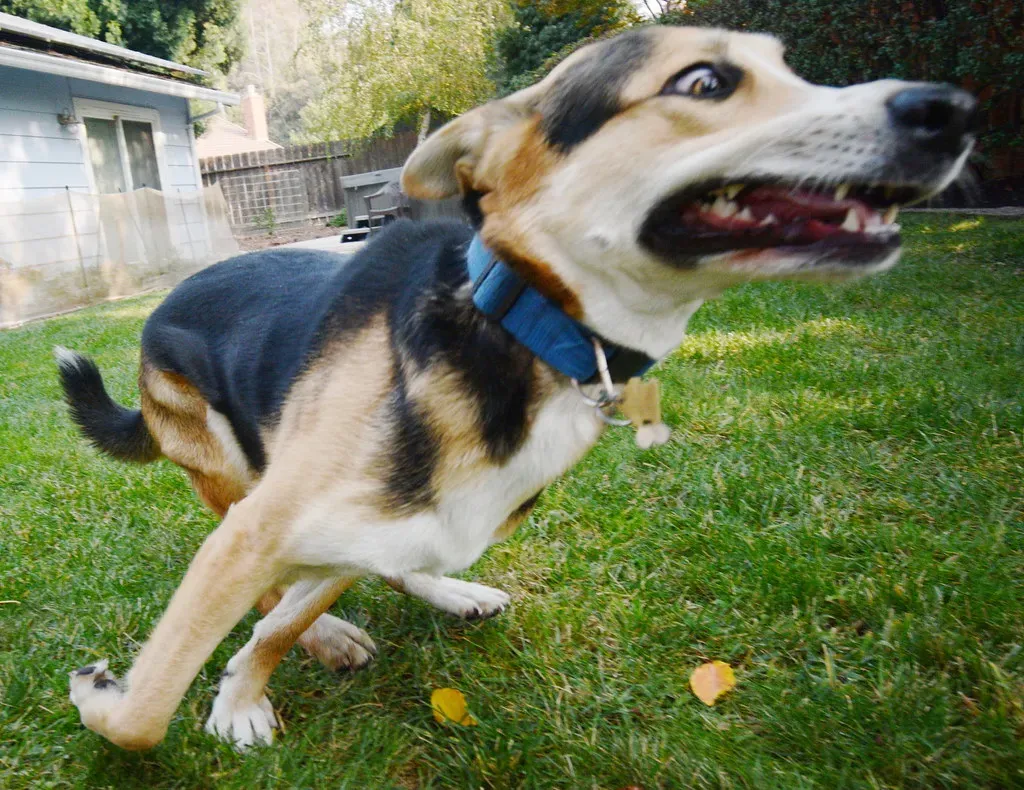
So how do you figure out which camp your dog falls into? Watch their behavior closely. Does your dog become stressed when the usual routine changes? Dogs who experienced changes in their environment displayed more signs of stress compared to dogs in stable environments. Changes to their routine such as changes in your work schedule, a move to a new home, or a visit to the boarding kennel can create challenges.
Look for stress signals during routine changes. Dogs may shake, pace, or display a “shake off” behavior after stressful situations like descending from the veterinarian’s exam table. An anxious dog may pant, pace, tremble, drool, withdraw from its owner, or hide, alternatively appearing irritable or aggressive.
Conversely, does your pup bounce back quickly from unexpected situations? Do they approach new experiences with curiosity rather than caution? These are your spontaneity seekers. The key is observing patterns over time, not just one-off reactions.
Tailoring Daily Life to Match Their Personality
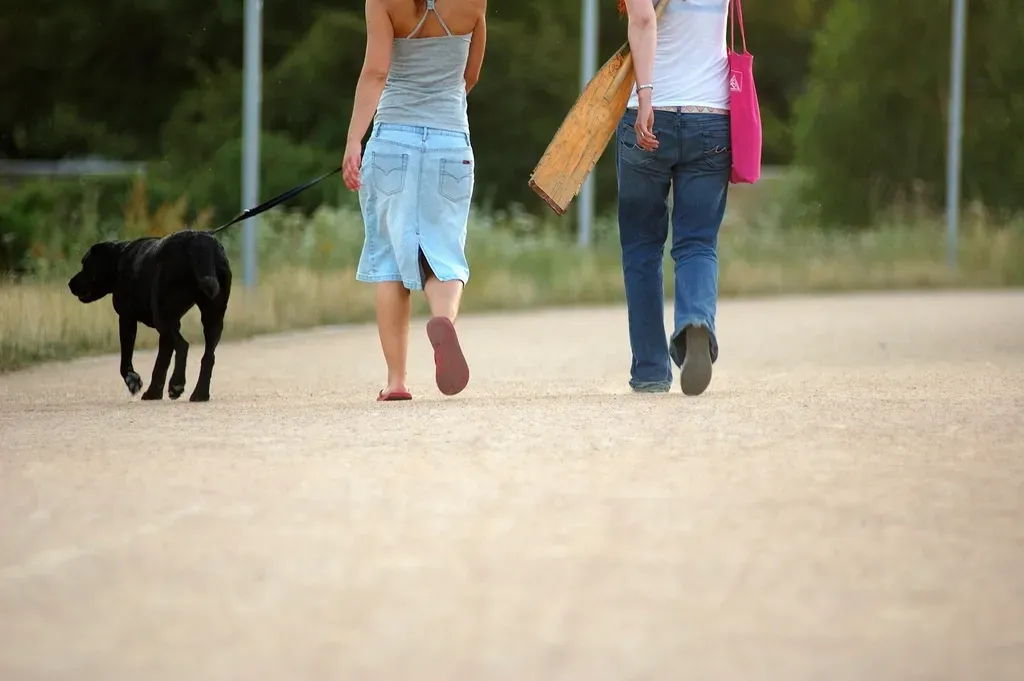
Once you know your dog’s type, you can create an environment that truly supports their wellbeing. For routine-loving dogs, consistency is everything. Feeding and elimination routines can and should be set up with meals offered at specified times, such as 6-7 AM and 5-6 PM. Keep walks at similar times, maintain regular play sessions, and establish bedtime rituals.
Schedule your dog’s meals, walks, play time and training time so they know when to expect these activities, and make rest time part of your regular routine, like putting your dog in their crate every night while the family eats dinner. This creates security for anxious dogs.
For spontaneous dogs, while maintaining basic structure around meals and sleep, feel free to mix things up. Vary your walking routes, introduce new toys regularly, try different activities. A nervous dog may benefit from a quiet and predictable routine, while a social butterfly may thrive on regular socialization and training classes. These flexible pups genuinely enjoy novelty and will appreciate your creativity.
When Routine Changes Are Unavoidable
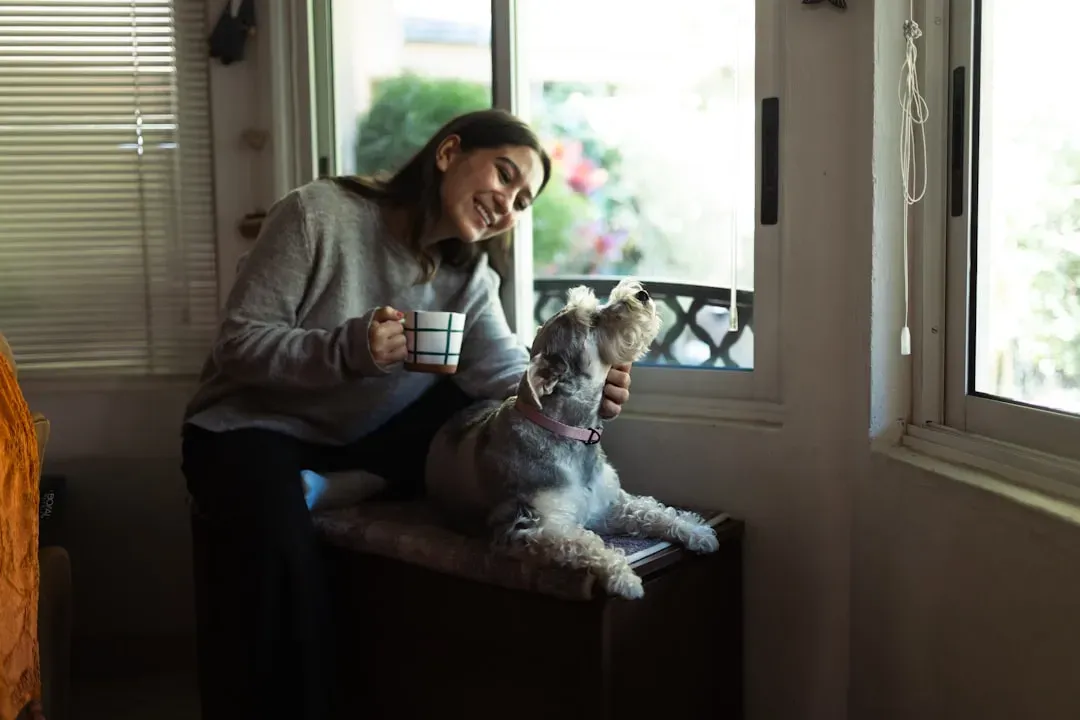
Life happens. Sometimes routines must change, even for dogs who desperately need them. Sudden changes to your dog’s environment or routine might cause them stress or anxiety, but you can help your doggo navigate these changes in many ways. The trick is managing transitions thoughtfully rather than abruptly.
Gradually adjust your pet to the new routine if possible, starting by leaving them alone for short periods and slowly increasing the time to help them get used to being alone. If routines become consistent, the dog will learn them, which can help them to be less anxious, as consistency helps a dog predict what will happen next.
Counterconditioning can change your dog’s response to anxiety stimuli by replacing anxious behavior with more desirable behavior, while desensitization slowly introduces the dog to the source of anxiety in small doses. For major life changes – moving homes, new family members, schedule shifts – give your dog time to adjust. Maintain as many familiar elements as possible while introducing changes gradually.
Building Confidence in All Personality Types
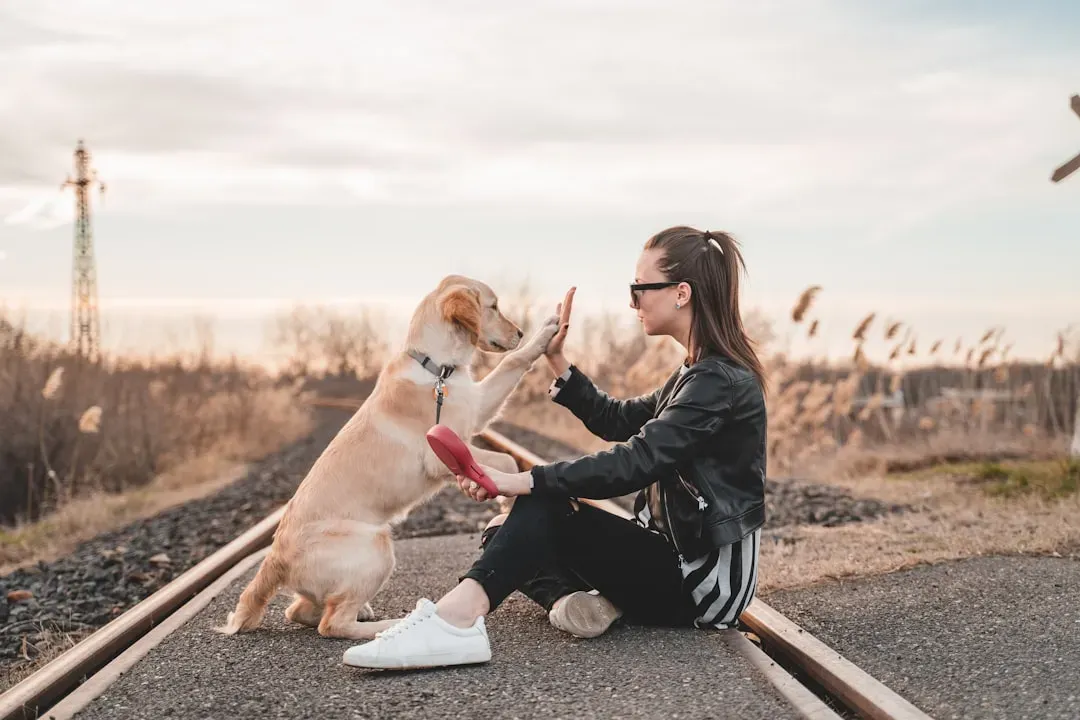
Regardless of whether your dog craves routine or spontaneity, building confidence benefits every canine. Almost all anxious dogs benefit from positive reinforcement training and increased predictability and consistency in their routine and in interactions. Training isn’t just about obedience – it’s about communication and trust.
Practice tricks such as “find it” or training cues such as “come” and “let’s go” to reinforce your dog’s comfort, as even just 10 minutes of play each day can help your dog boost their confidence. For routine-loving dogs, this predictable training time becomes another comforting anchor in their day. For spontaneous dogs, it’s mental stimulation and bonding rolled into one.
Physical activity and mental enrichment are crucial in reducing anxiety, as regular exercise helps burn off excess energy and mental stimulation through interactive toys, puzzle feeders, and training sessions keeps your dog’s mind occupied. Mix physical and mental challenges appropriate to your dog’s personality type. The goal is a balanced, confident companion who feels secure in their world – whether that world follows a strict schedule or embraces daily adventure.
Conclusion
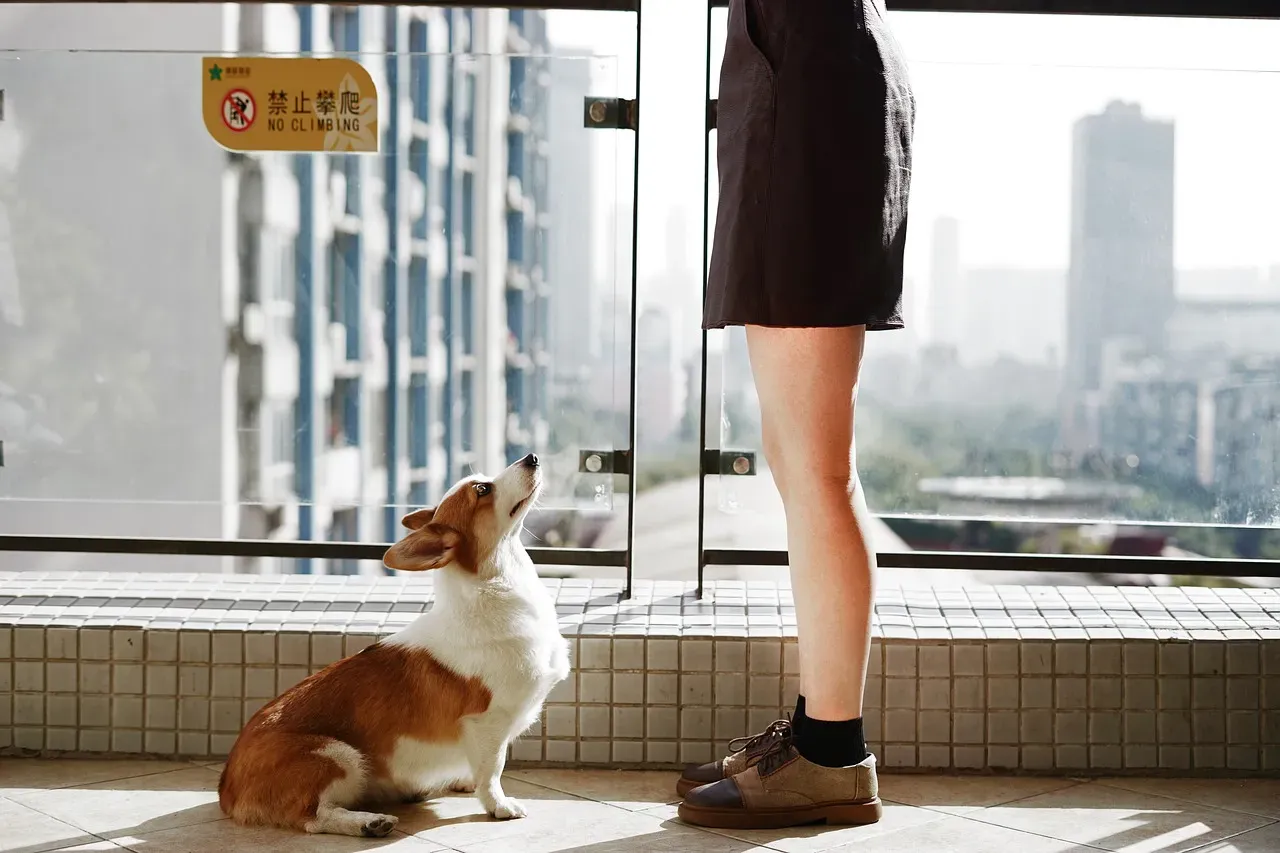
Your dog’s relationship with routine versus spontaneity reveals something profound about their inner world. Some dogs genuinely need that predictable rhythm to feel safe and content, while others are wired for flexibility and novelty. Neither type is better or worse – they’re simply different, much like people.
The beautiful part? Once you recognize your dog’s true nature, you hold the key to their happiness. You can structure their days to reduce anxiety or add variety to keep them mentally stimulated. You can prepare them for inevitable changes or celebrate their adaptability. Dog behavior is influenced from a combination of many physiological factors, environmental conditions or issues, and human interaction, all of which you can thoughtfully shape.
Pay attention to the subtle signals your furry friend sends you. Notice when they relax and when tension creeps into their body. Adjust, adapt, and above all, respect their individual needs. What type is your dog – a routine devotee or a spontaneity enthusiast? Share your observations in the comments below!


