

Picture this: a dog sits perfectly still during grooming, never pulls on the leash, and stays quiet in their crate for hours. Their owner beams with pride, convinced they’ve got the most obedient pup on the block. Yet beneath that picture-perfect exterior, something darker might be brewing. What we often mistake for good behavior could actually be a dog’s way of saying “I’ve given up trying.”
The canine world is filled with subtle signals that many of us miss entirely. Sometimes, the most “well-behaved” dogs aren’t happy at all – they’ve simply learned that resistance is futile. These pups have discovered that shutting down emotionally feels safer than risking another correction or confrontation. So let’s dive into this eye-opening reality and discover what your seemingly perfect pooch might really be feeling inside.
The Quiet Surrender: When “Good Behavior” Masks Deep Stress
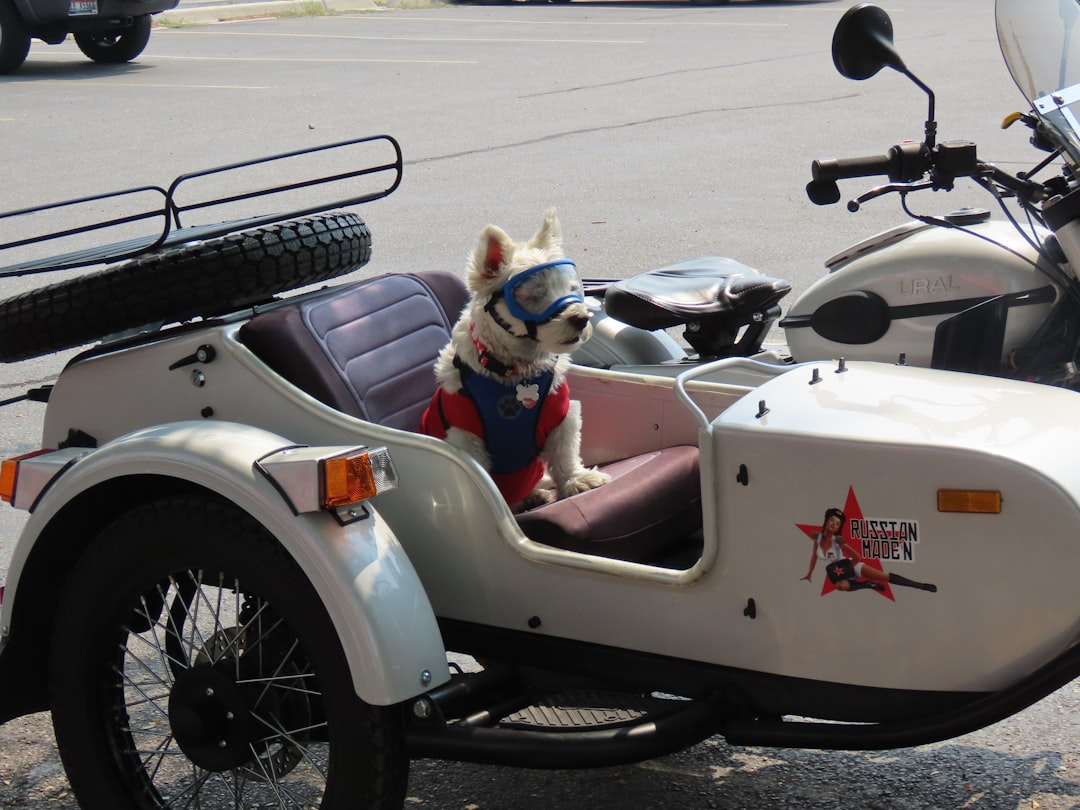
The “well-behaved” stressed (shut-down) dog will be stiffer in her movements, is likely to have a look of caution in her eyes, and will perhaps tolerate your interactions but not truly enjoy them. Picture a dog who never jumps on visitors, never begs for food, and always stays perfectly in place when told. Sounds ideal, right?
Yet this apparent obedience might actually signal something concerning. Less severe cases may appear deceptively well-behaved, showing their real personalities and behaviors only after being in their new world long enough to let down their guard. These dogs have learned that any attempt at natural behavior might lead to punishment or stress.
She may be too intimidated or anxious about offering any behaviors that might have resulted in punishment in her past. Or, she might simply be observing the household and deciding whether it’s safe to move around freely. Their stillness becomes a protective shield rather than genuine contentment.
Reading the Warning Signs: Stress Signals Hidden in Plain Sight
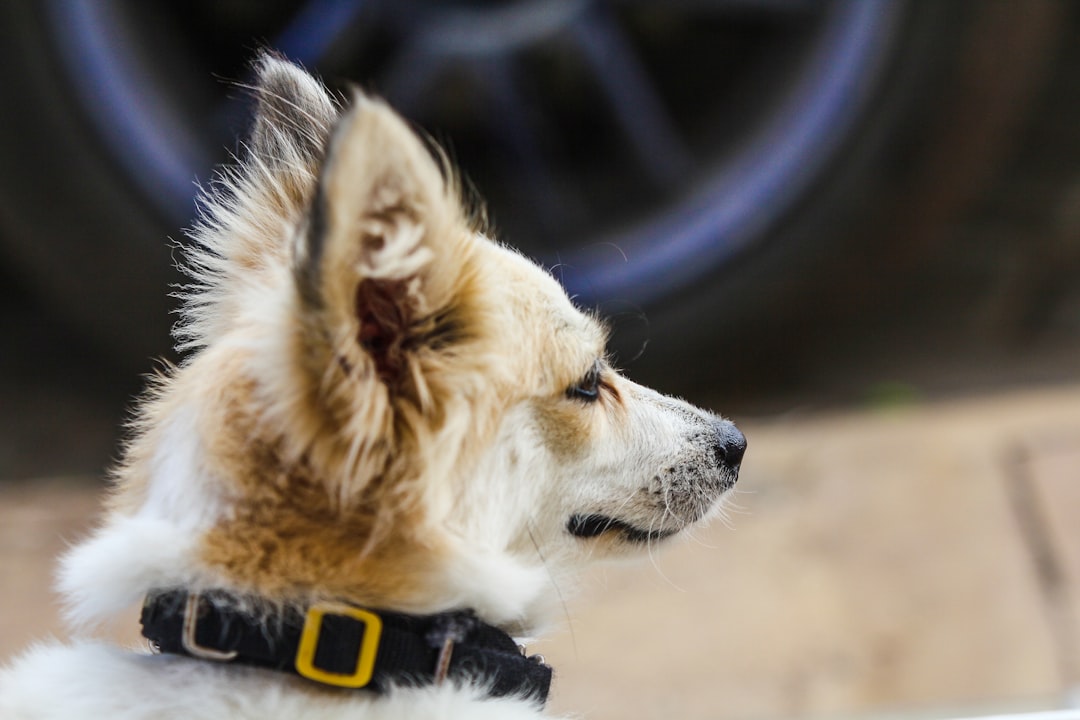
Stress signs to look for include whale eye (when dogs reveal the whites of their eyes), tucked ears or tail, raised hackles, lip-licking, yawning, and panting. Your dog might also avoid eye contact or look away. These subtle behaviors are your dog’s way of communicating distress without making a sound.
Dogs yawn when they are tired or bored, and they also yawn when stressed. A stressful yawn is more prolonged and intense than a sleepy yawn. Dogs may also drool and lick excessively when nervous. Watch for that telltale lip-licking that goes right over the nose – it’s rarely about food.
Dogs normally bear weight evenly on all four legs. If a healthy dog with no orthopedic problems shifts their weight to the rear legs or cowers, they may be exhibiting stress. When scared, dogs may also tuck their tails or become rigid. These physical changes reveal the emotional turmoil beneath their composed exterior.
The Shutdown Phenomenon: When Dogs Emotionally Check Out

When your dog freezes or gets stiff, they’re often stressed about something they see. In a training context, this can sometimes be seen as “submission,” but modern dog training practices tell us that the dog is actually shutting down. This freezing response is often misinterpreted as calm compliance when it’s actually emotional overwhelm.
Dogs are often very still when shut down, but they also can be in motion. We see the latter commonly in shock trained dogs. Some scoot along robotically next to their trainers, with their entire affect suppressed and flattened. They move like remote-controlled toys rather than living, breathing animals with their own desires.
Some dogs may display symptoms that look very like human depression, including the inability to sleep, low energy, lack of appetite, and a limited desire for human or dog interaction. Learned helplessness, where the dog shuts down and ceases to learn, (often misread as a dog becoming calm) is yet another symptom of stress.
The Hidden Cost of Harsh Training Methods

LH occurs when an animal cannot escape or avoid repeated painful or otherwise unwarranted aversive corrections. Dogs get to a point where they simply accept the abuse and believe there is nothing they do that will stop what’s happening to them. They feel they have lost total control and at that point, they stop learning.
In reality, what he is doing is subjecting the dog to a state of learned helplessness. The dogs give up, giving the illusion of behaving when in reality they are in a subdued state of stress and fear! What looks like miraculous transformation is often just a broken spirit.
These are the dogs who can have trouble learning new skills, because they are afraid to make a mistake. But much worse than simply being less trainable at times, these dogs are anxious, worried, and insecure, afraid to do something for which they may be punished. That chronic stress can impact their health, and certainly does not make for a happy life.
Mistaking Compliance for Happiness: The Grooming Room Reality

When a client whose dog has big feelings about being restrained, handled and approached by unknown people tells me his groomer reported back that his dog was ‘fine’ during the appointment, I always ask, “What does ‘fine’ look like?” It could very well be that that dog was actually not ‘fine’ but in a state of learned helplessness.
Many dogs who appear cooperative during grooming, vet visits, or handling are actually enduring the experience in a state of emotional shutdown. They’ve learned that struggling makes things worse, so they simply disconnect mentally. This creates a false impression of a “good” dog when the reality is quite different.
While the ‘fixed’ dog did not bark or lunge, it did blink its eyes, lick its lips, tuck its tail, stiffen its body and avoid eye contact as it passed. These subtle signs reveal the true emotional state beneath the surface compliance.
Physical Symptoms: When Stress Shows Up in the Body
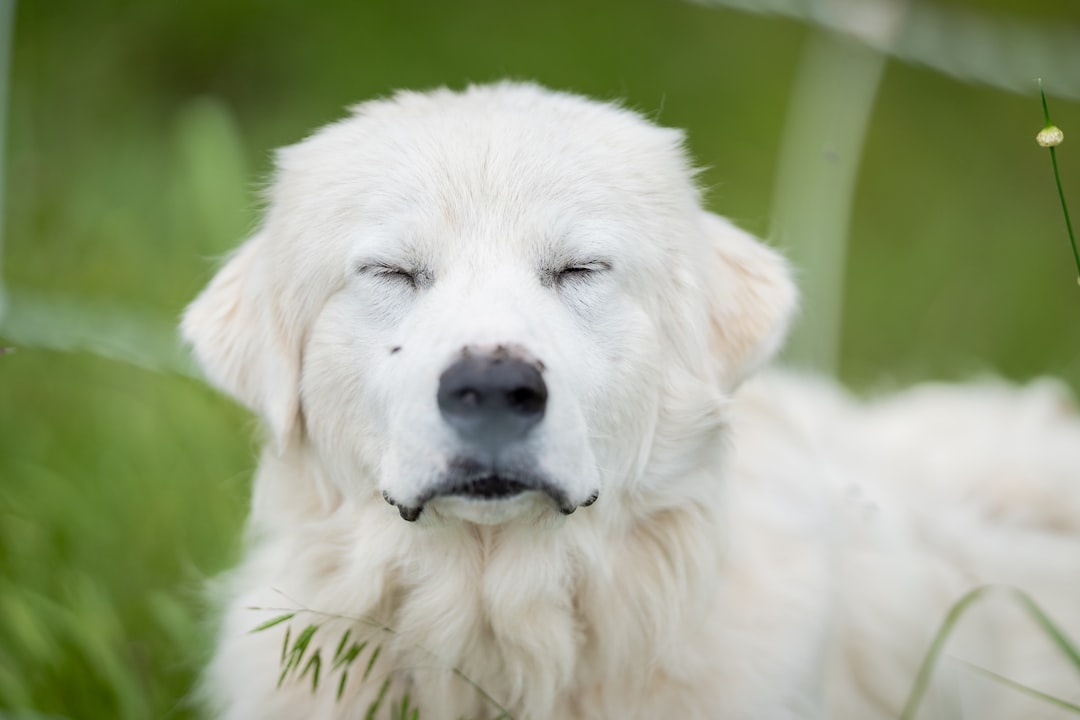
Visible signs of stress include dilated pupils, sweaty paws, shaking, vocalizing excessively, or salivating. Other manifestations of stress include yawning, sneezing, lip licking, or intense displacement behavior such as sniffing, licking, excessive grooming, spinning, or self-mutilation. The dog may urinate or defecate more frequently and often experiences digestive upset such as diarrhea.
When a dog trembles or shivers in the absence of cold or excitement, it often indicates stress. This physical response reflects heightened anxiety or nervousness. These involuntary reactions bypass conscious control and reveal the dog’s true emotional state.
Stress can impact a dog’s digestive system, leading to diarrhoea or more frequent bowel movements. Changes in routine or anxiety-inducing situations may trigger this response. The gut-brain connection in dogs mirrors our own stress responses remarkably closely.
The Training Trap: When Methods Create More Problems

Dogs who are trained with more aversive methods (such as yelling at or physically correcting the dog when she does something wrong) exhibit more stress behaviors, have higher cortisol (stress hormone) level post-training, and are more “pessimistic” during training. These methods might produce immediate compliance but at a devastating emotional cost.
When a dog’s stress-related behavior is punished, that only serves to increase the dog’s insecurity, which in turn can lead to more stress-related behavior. It becomes a vicious cycle where the dog’s natural responses to stress are suppressed, leading to even greater internal turmoil.
Don’t punish your dog, especially if they’re showing defensive behaviours as this is likely to make them even more stressed. Telling them off may mean they stop one behaviour, such as growling, but start biting or snapping instead. Suppressing warning signals doesn’t eliminate the underlying emotion – it just removes our ability to see it coming.
Breaking the Cycle: Building Genuine Confidence
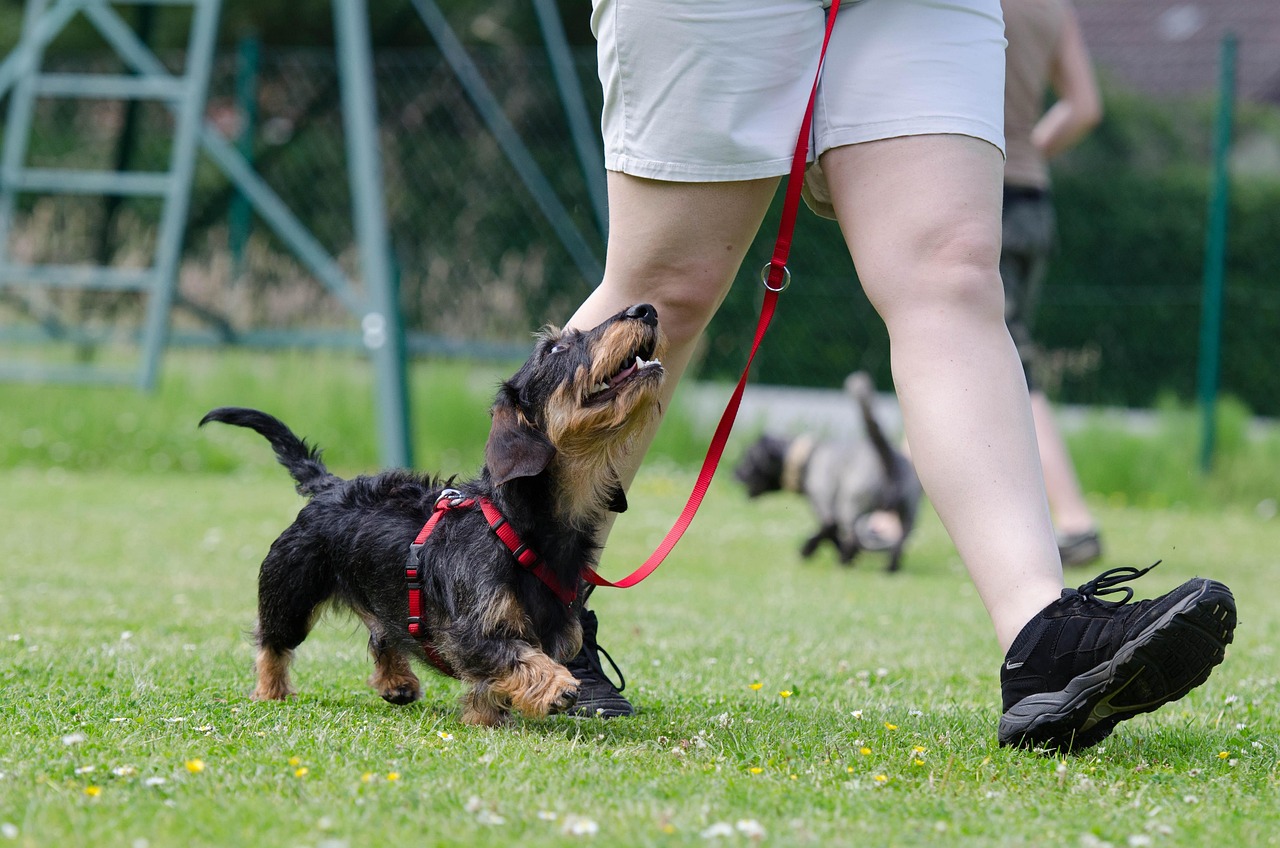
I want them to be successful early and often. This helps my dogs develop very good feelings about the training process in general, and it also helps them develop a sense of self-efficacy. If things typically work out for the best then that sets their overall expectation. Success breeds success, creating dogs who approach challenges with enthusiasm rather than fear.
I have had good success using clicker training. I have seen tentative dogs bloom under my eyes as they discovered the bliss of how interacting with their environment provided them with rewards. And I must say that watching them come out of their shell is very rewarding for me as well. Positive training methods help dogs rediscover their natural curiosity and joy.
Remember that with or without medications, it is still essential to develop a routine for your dog to help give them a more predictable, happy life. “What seems to work best is predictability,” Houpt says. “If dog does X, then Y happens. It sounds simplistic, but it really seems to help dogs know what happens when.” Predictability creates emotional safety that allows true personality to emerge.
Creating a Truly Happy Dog: Beyond Surface Obedience
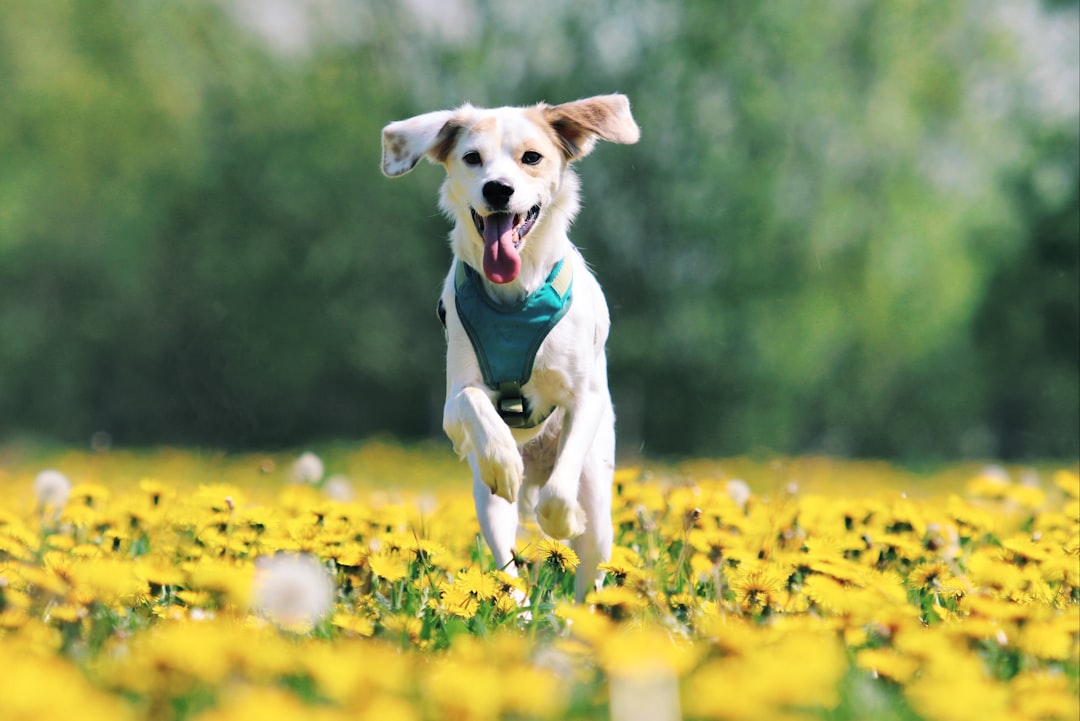
A genuinely content dog displays soft, relaxed body language and seeks out interaction rather than merely tolerating it. The truly calm dog will have soft, relaxed body language and clearly enjoy her interactions with you. They wag with their whole body, not just a stiff tail movement, and their eyes are bright with interest rather than dull with resignation.
Controlled exercise is also a great way to alleviate stress for both dogs and people as exercise has been shown to improve cognitive function, encourage confidence, stabilize mood and reduce reactivity as well as improving the relationship between dog and owner. Physical activity combined with mental stimulation creates balanced, fulfilled dogs who don’t need to shut down to cope.
For many dogs, being around a stressed family member will be enough to affect them, as dogs can sense when things aren’t quite right. Creating a calm household environment benefits everyone – both human and canine family members thrive when stress levels remain manageable.
The difference between a truly well-trained dog and one who’s simply given up is profound. One approaches life with confidence and curiosity, while the other merely endures it. By learning to recognize the subtle signs of stress and shutdown, we can ensure our dogs aren’t just compliant – they’re genuinely happy. Remember, the goal isn’t perfection; it’s partnership. A dog who trusts you enough to show their personality, even their mistakes, is far more valuable than one who’s learned to hide their true self out of fear.
What do you think – have you ever mistaken shutdown behavior for good training? Share your experiences and let’s help more dogs find their way back to joy.


