
You know that sinking feeling when your dog looks at you, clearly understands your command, and then just…doesn’t do it? That moment when you realize you’ve said “come” fourteen times and your pup is still sniffing that fascinating patch of grass? If you’re a Taurus and you’re reading this, I’m willing to bet you’ve felt it more intensely than most.
There’s something uniquely maddening about this disconnect, especially when you’ve spent weeks (or let’s be real, months) carefully training and building routines. The thing is, certain dog breeds are practically hardwired to challenge your patience, and if you happen to be born between April twenty-first and May twentieth, that challenge hits differently. Let’s explore why the stars might actually have something to do with your training struggles.
The Taurus Temperament: Why Routines and Predictability Matter So Much

Taurus individuals are stable, conservative, and practical, ready to endure and stick to their choices until they reach personal satisfaction. Think about your own life for a second. You probably have your morning coffee routine down to a science, right? Maybe you even get a little thrown off when someone rearranges the furniture or suggests a spontaneous road trip.
Fixed signs like Taurus are determined, hard-working, and grounded, though their stubbornness could be related to their sense of purpose rather than being difficult. This isn’t weakness or rigidity for its own sake. Taurus values stability and is happiest when puttering around, looking for stability in relationships and being incredibly loyal. You thrive on knowing what to expect, on having systems that work, and on seeing steady progress toward goals.
When you bring a dog into your life, you naturally want to build that same sense of order and harmony. You’re not asking for perfection, just consistency. A reliable sit when you ask for it. A predictable walk without pulling. Behaviors you can count on.
The problem? Some dogs didn’t get that memo.
Meet the Independent Thinkers: Breeds That Refuse to Play by the Rules
Some dogs were bred to work independently of humans and be more environmentally-focused than handler-focused, unlike breeds like Border Collies, Belgian Malinois, or Golden Retrievers who work closely with humans. We’re talking about Siberian Huskies who’d rather chase the horizon than listen to recall commands. Afghan Hounds who look at you like you’re speaking a foreign language. Beagles whose noses override every single training session.
Huskies are famous for their stubborn behavior, bred to pull sleds in harsh climates as independent thinkers who love to run and explore, often ignoring commands. These aren’t bad dogs. They’re just… different. Akitas are known for strong-willed and independent personalities, originally bred for guarding and hunting which required them to make their own decisions.
Here’s where it gets tricky for you as a Taurus. Stubborn dog breeds often include Afghan Hounds, Parson Russell Terriers, Siberian Huskies, and American Bulldogs, with Terriers and Scenthounds/Sighthounds commonly appearing on such lists. These breeds were specifically developed to think for themselves, to problem-solve without human input, to follow their instincts over your instructions. It’s not personal, even though it absolutely feels that way when you’re standing in the park calling your Husky who’s decided that particular squirrel is more interesting than you.
The Control Collision: When Taurus Meets Stubborn Breeds
Let’s be honest about something. Taureans can be firmly rooted in their ways, struggling to consider alternative perspectives or entertain new ideas. You like things done a certain way because that way works. You’ve thought it through, you’ve created a plan, and you expect that plan to be followed.
Now imagine pairing that mindset with a dog who has zero interest in your plan. Afghan Hounds can be aloof, distant, independent and stubborn, traits that make them hard to train, though that doesn’t mean they’re not smart – they simply prefer to think for themselves. It’s like two stubborn forces meeting head-on.
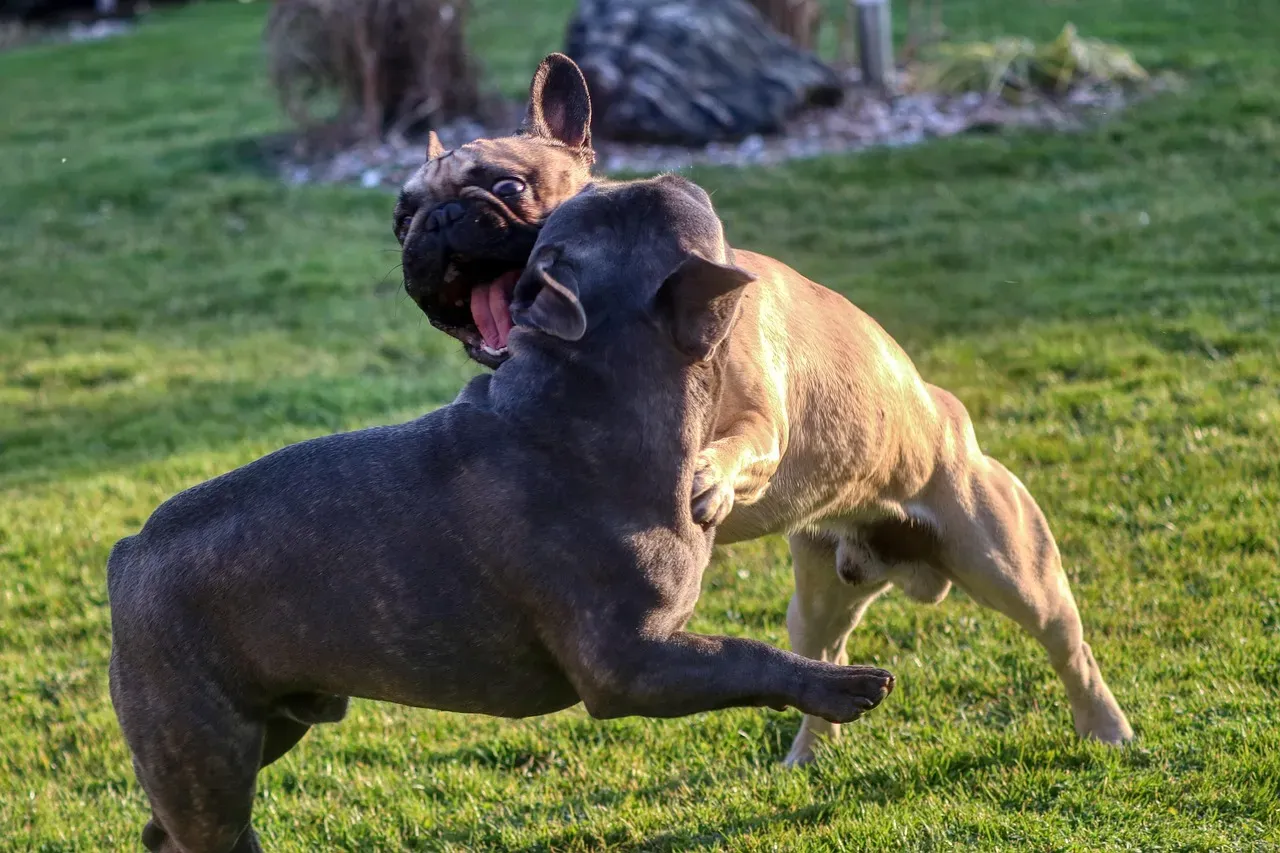
Sometimes Taurus is stubborn because they sense someone is trying to control them. Funny thing is, your dog probably feels the same way. When you’re trying to establish order and your Beagle is following a scent trail, you’re both convinced you’re right. Both of you are digging in your heels. The difference? Your dog doesn’t care about compromising, and compromise isn’t exactly your strong suit either.
This creates a frustrating loop. You get more insistent, your dog gets more resistant, and suddenly what should be a simple “sit” command becomes a battle of wills that leaves you both exhausted.
The Stress Response: What Happens Inside a Taurus Owner During Training Struggles
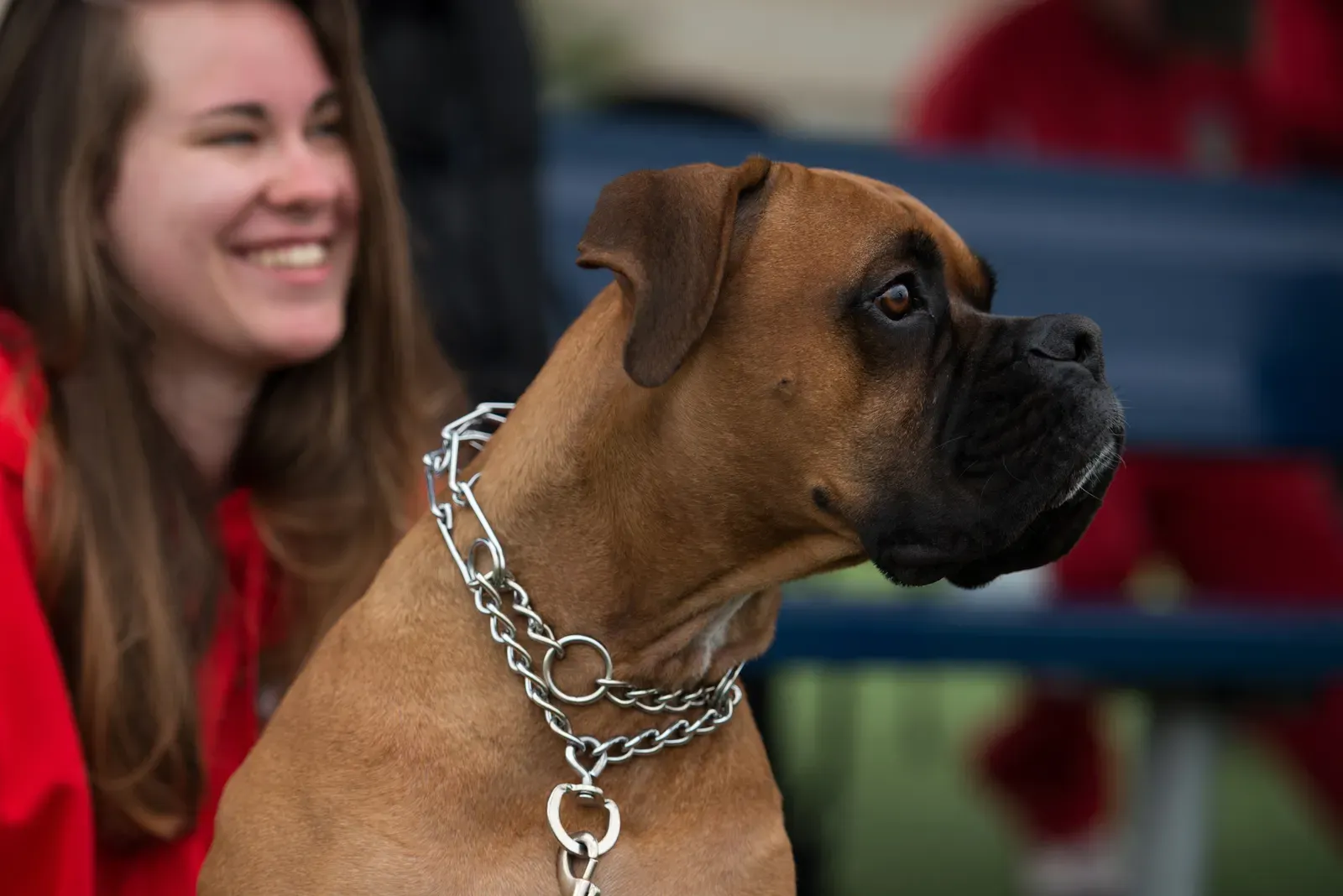
Rushing training can lead to inconsistent performance and increased frustration for both dog and trainer, potentially causing an imbalance where owners become overly critical. I know you don’t want to rush. You want to do it right. The problem is when “right” doesn’t happen on your timeline, stress starts building.
Frustration is stress, and frustration behavior is a way dogs attempt to cope with overwhelming stress. Here’s what many Taurus owners don’t realize: that tightness in your chest when your dog ignores you for the fifth time? That’s a stress response. Some dogs may shut down if they think their owners are upset, others get more distracted, and some seemingly mirror their owners’ moods and get irritated.
Your dog picks up on it immediately. They feel your tension through the leash, hear it in your voice, sense it in your body language. Sometimes your dog can be a source of stress, and if you’re feeling frustrated, your bad mood will shut down your dog and make it difficult for them to listen or learn – what seems like stubborn behavior is actually your dog reacting to your tone and body language. This creates a horrible cycle where your stress makes training harder, which increases your stress, which makes training even harder.
The perfectionist streak common in Taurus owners doesn’t help. What we often see as stubbornness in Taurus can be interpreted as commitment and an uncanny ability to complete tasks whatever it takes. You don’t want to give up, but you’re also not seeing the progress you expected, and that gap between expectation and reality? That’s where burnout lives.
Breaking the Pattern: Training Approaches That Work for Both Personalities
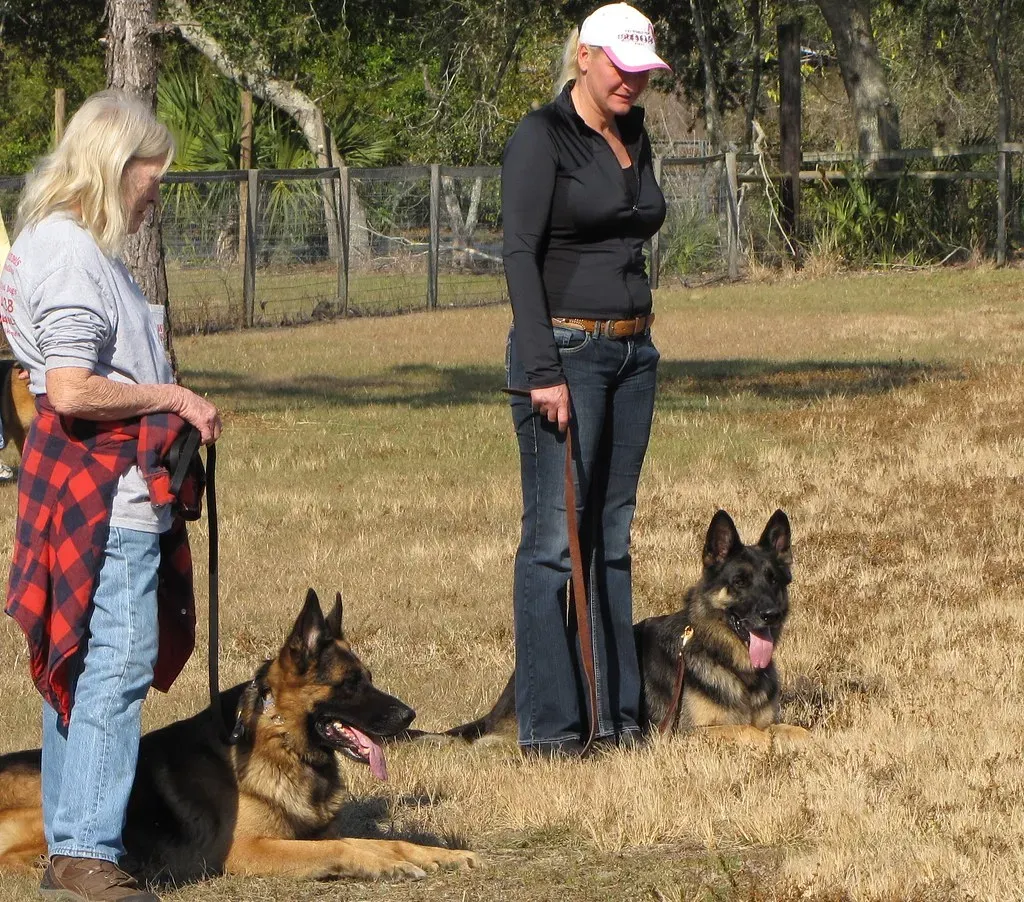
Patience is a virtue when training independent dogs, as stubborn dogs may require more time and repetition to grasp new concepts, with progress being gradual and inconsistent. I know that’s not what you want to hear. You want a fix that works predictably and quickly. The reality with independent breeds is messier than that.
Dogs respond best to positive reinforcement training, not punishment, and when training stubborn breeds the reward needs to be irresistible. Figure out what truly motivates your dog, not what you think should motivate them. Some dogs couldn’t care less about your praise but will backflip for a tiny piece of chicken.
What seems like stubbornness is actually a very strong motivation that doesn’t lie in the rewards we offer – strong willed dogs are usually more driven by their instincts than external rewards. This is important. Your Beagle isn’t being difficult when they ignore your recall while tracking a scent. They’re literally doing what they were bred to do for generations. You’re not going to override that with a stern voice and a biscuit.
Mental stimulation through obedience training, puzzle toys, scent work, or agility exercises challenges dogs’ cognitive abilities and prevents behavioral issues associated with boredom. Give your independent thinker jobs that align with their instincts instead of fighting against them. Let your Husky pull something appropriate. Let your hound use that nose in structured ways. Work with their nature, not against it.
Finding Peace: Adjusting Expectations Without Losing Your Mind
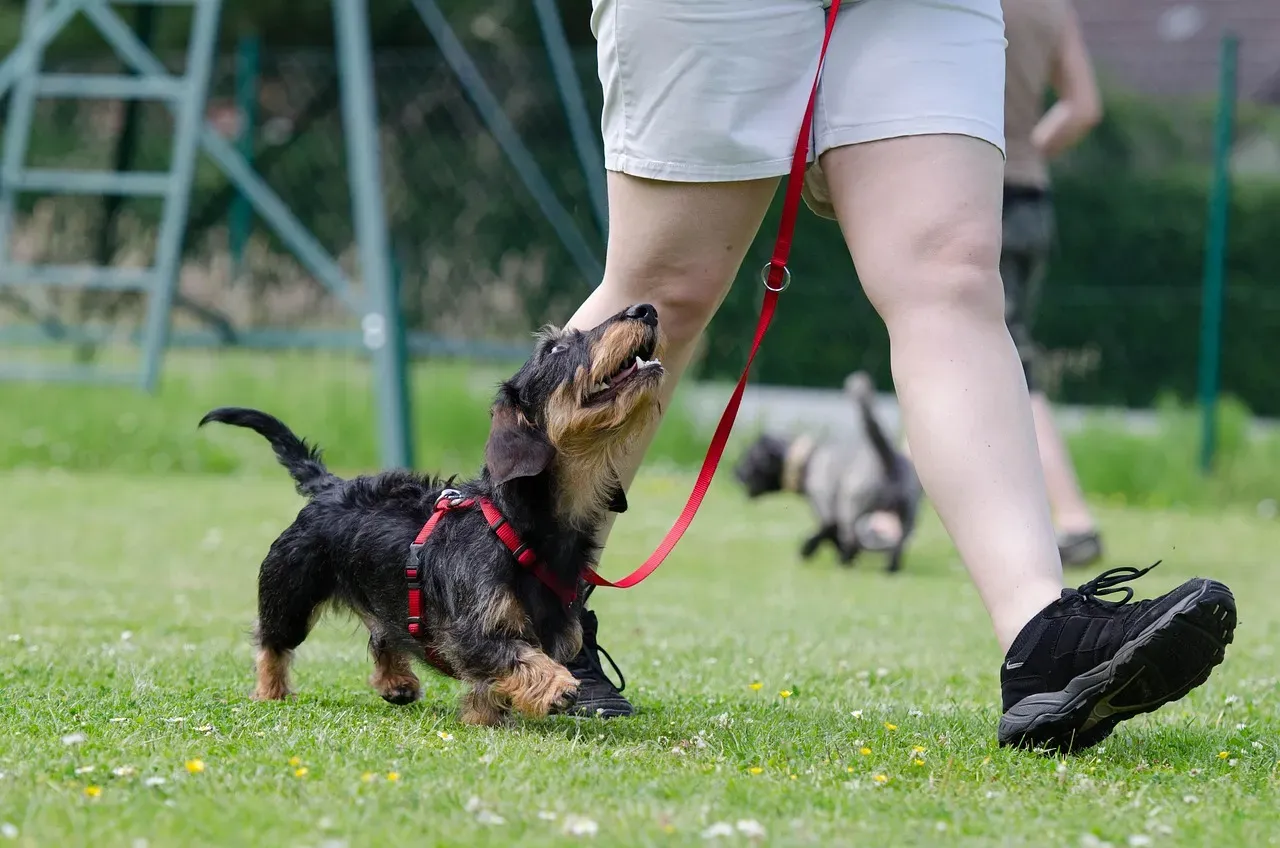
Patricia McConnell reminds us that training takes time, and we should think in terms of months and years when training, not days and weeks – it takes humans about twenty years to learn emotional control. Let that sink in. You’re expecting your dog to master impulse control in what, six weeks?
Be mindful to recognize the beginnings of your own frustration – it doesn’t start when you’re already angry but much earlier, perhaps at the fourth unsuccessful repetition when you refuse to make criteria easier because the dog should know. This is huge for Taurus owners. You have high standards, and there’s nothing wrong with that. The issue comes when those standards become inflexible barriers to progress.
It’s okay to stop when things aren’t going well – sometimes the best thing to do is call it quits for the day, and whether you end on success doesn’t affect the animal’s ability to learn. This goes against every Taurus instinct you have. You want to push through. You want to see it done. You want completion and resolution.
Sometimes the kindest thing you can do for yourself and your dog is walk away and try again tomorrow. Your stubborn Shiba Inu will still be there, still be stubborn, but you’ll both have fresh energy. Stress can affect learning, and recognizing frustration behaviors in dogs can help people decide whether to continue training, take a break, or try a new approach. Look for those signs: sniffing, walking away, whining, or just checking out mentally. Those are your dog’s stress signals, and honestly, they’re probably mirroring yours.
Conclusion

Here’s the truth: you’re not failing, and your dog isn’t broken. You’re just two strong-willed souls trying to figure out how to live together peacefully. Stable and conservative Taurus is ready to endure and stick to choices, though as a fixed sign they can sometimes be stubborn, and you happened to choose a breed that’s equally committed to their own agenda.
The beautiful thing about Taurus energy is your capacity for loyalty and dedication. Loyalty is the most important attribute for Taurus, who will do anything within reason for those they care about – the bull mates for life and is reluctant to leave loved ones’ sides. Channel that toward understanding your dog’s natural drives instead of fighting them. Celebrate tiny wins. Build routines that accommodate their independence rather than demanding total compliance.
Your Afghan Hound might never come sprinting back like a Labrador. Your Husky might always test boundaries. That doesn’t mean your relationship is less valuable or that you’re a bad owner. It means you’re learning to love a creature whose stubbornness rivals your own.
What adjustments have you made with your independent breed? Have you found ways to work with their nature that actually reduced your stress? Share your experiences in the comments – we’d love to hear what’s working for you.


