
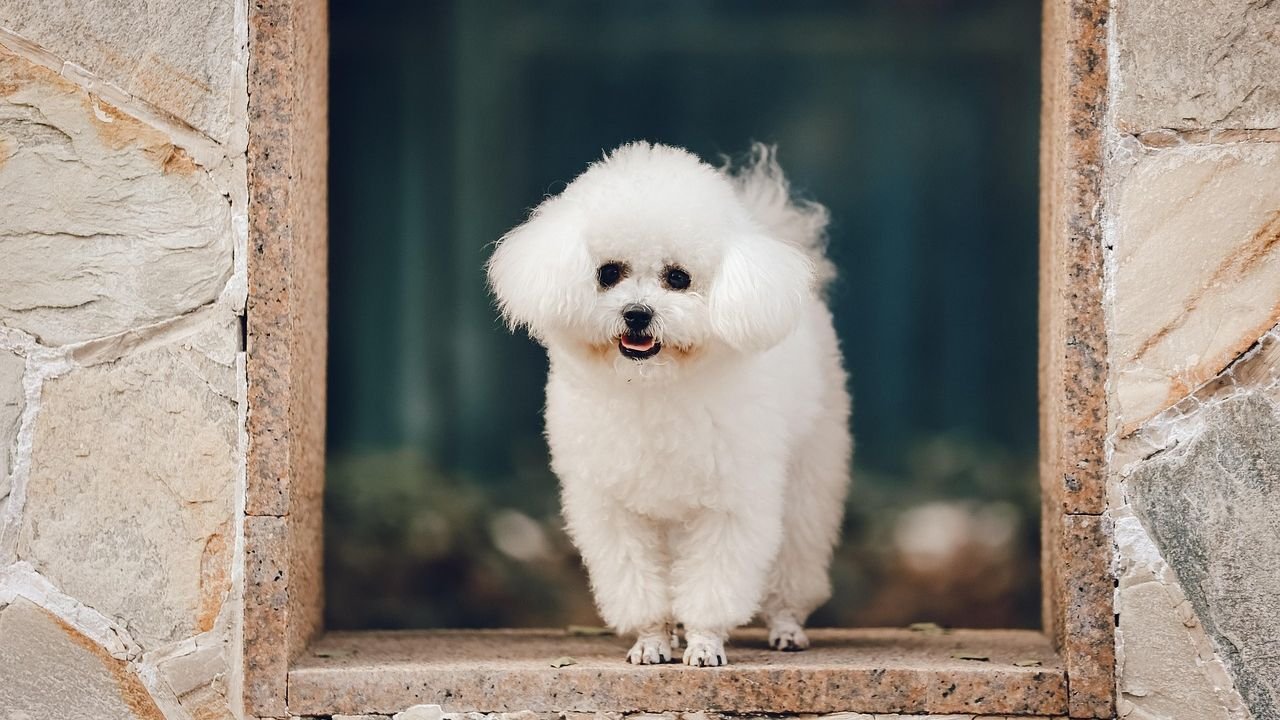
Let’s be real here. You’ve probably seen those fluffy white clouds bouncing around on social media and thought they looked like living teddy bears. Adorable? Absolutely. Low maintenance? Not even close. The Bichon Frise might look like an easy companion, but honestly, if you’re someone who wants to come home, pet your dog, and call it a day, this breed might not be your best friend.
I think we need to talk about what happens when you fall for those big dark eyes and that powder-puff coat without understanding what you’re signing up for. This isn’t about saying the Bichon is a bad dog. They’re wonderful little souls. However, they demand more time, effort, and money than many prospective owners realize. So let’s dive in and uncover why the Bichon Frise could be your worst nightmare if you’re after a laid-back, easy-going pup.
That Gorgeous Coat Comes With A Price Tag You Won’t Believe
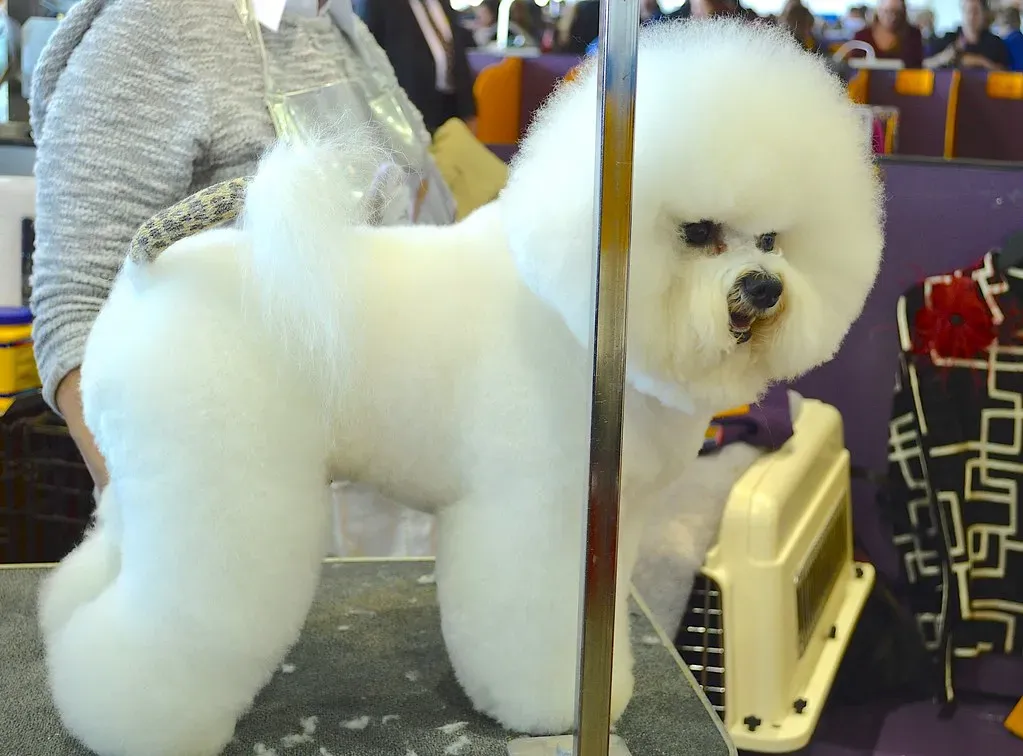
The Bichon is a high-maintenance dog when it comes to their grooming needs. Bichons should be brushed at least three to four times a week, though many experts will tell you daily brushing is truly necessary. Their fluffy double coat doesn’t shed much, which sounds great until you realize the hair just keeps growing and tangling instead.
As the dog approaches a year old and develops their adult coat, mats occur most frequently behind the ears, armpits, and at the junction of the body and legs, and dead hairs will quickly form mats that can turn into a felt-like pattern. Miss a few days of brushing? You’re looking at painful dematting sessions or even having to shave your dog down to the skin.
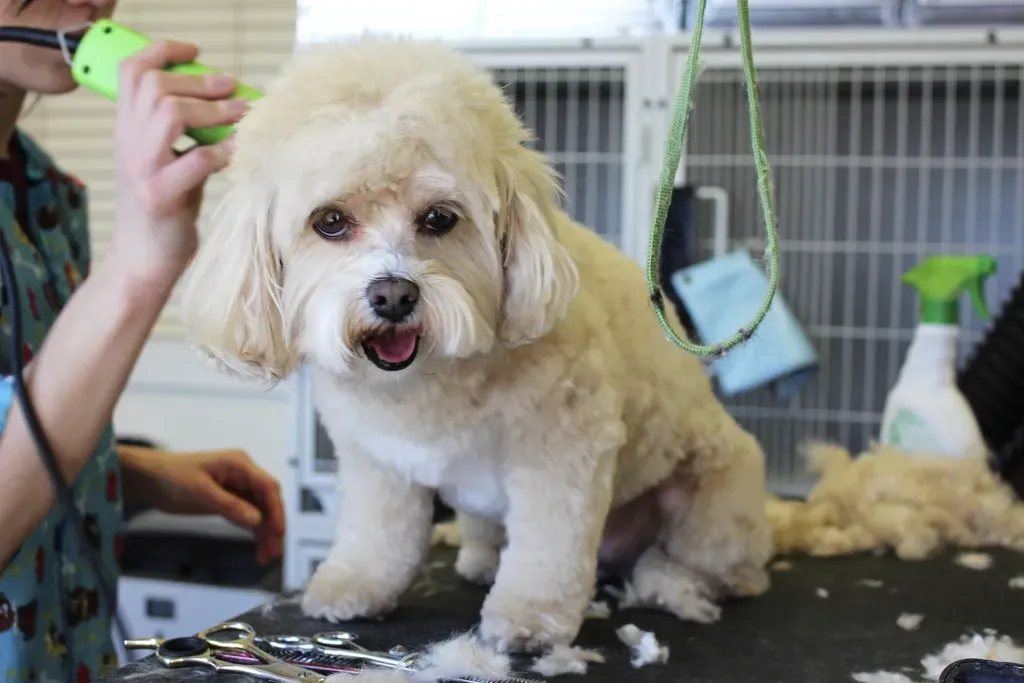
In addition to regular brushing, Bichons typically require professional grooming every 4 to 6 weeks to trim their coat and maintain their signature powder puff appearance. That’s not a suggestion. That’s a requirement. We’re talking about twelve professional grooming appointments every year, and each one can easily set you back anywhere from fifty to over a hundred dollars depending on where you live.
Bathing your Bichon Frise every 3-4 weeks keeps their coat clean and white. White coats show every speck of dirt, every tear stain, every little adventure through the grass. You’ll become intimately familiar with dog shampoo brands and stain removers.
Your Wallet Will Cry Over The Health Issues
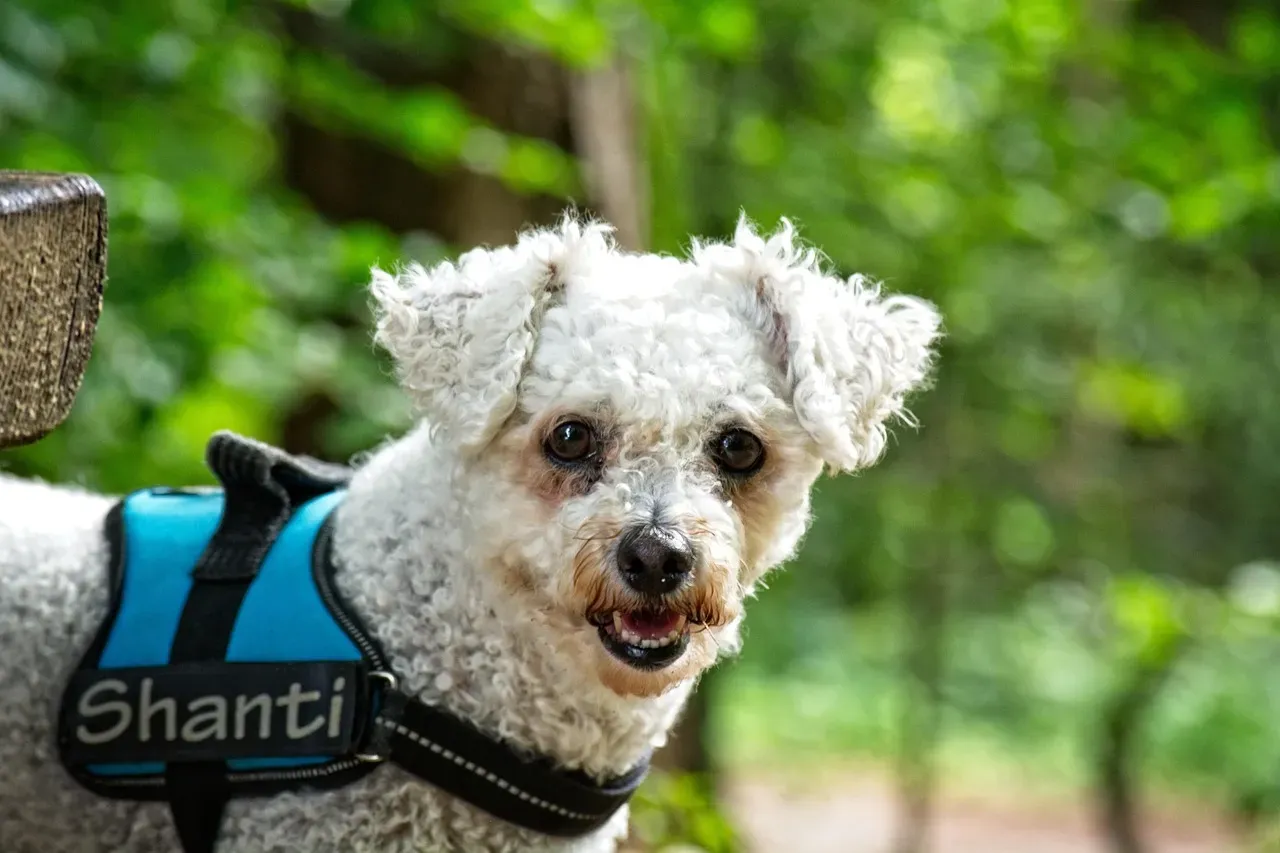
Here’s the thing people don’t always mention at the pet store. Bichon Frises are susceptible to dental issues, including tartar build-up, gum disease, and tooth loss due to their small mouths and crowded teeth, and regular dental care such as brushing their teeth and providing dental chews can help prevent these issues. Dental cleanings at the vet aren’t cheap, and many Bichons need them annually.
The average Bichon Frise lifespan is 14 to 15 years, but they can develop a few common health conditions during their long life, and pet insurance may be a good investment. That’s a lot of years to potentially deal with medical bills. Bichons have a higher risk of developing diabetes, with symptoms including excessive thirst, urination, and weight loss, though early detection and management through diet control, regular exercise, and insulin therapy can allow them to live a normal life.
These little dogs are also prone to luxating patellas, which is basically when their kneecaps slip out of place. Patellar luxation is common in small breeds like the Bichon Frise and depending on the severity can range from a minor inconvenience to a more serious issue that requires surgical intervention. Surgery for this condition? We’re talking thousands of dollars.
Eye problems are another concern. Bichons Frise can develop cataracts, which is likely hereditary and may begin developing when puppies are as young as 6 months old, and while cataracts affect vision they can be treated with surgery. Notice a pattern here? Lots of potential surgeries and ongoing treatments.
Good Luck Leaving This Dog Alone
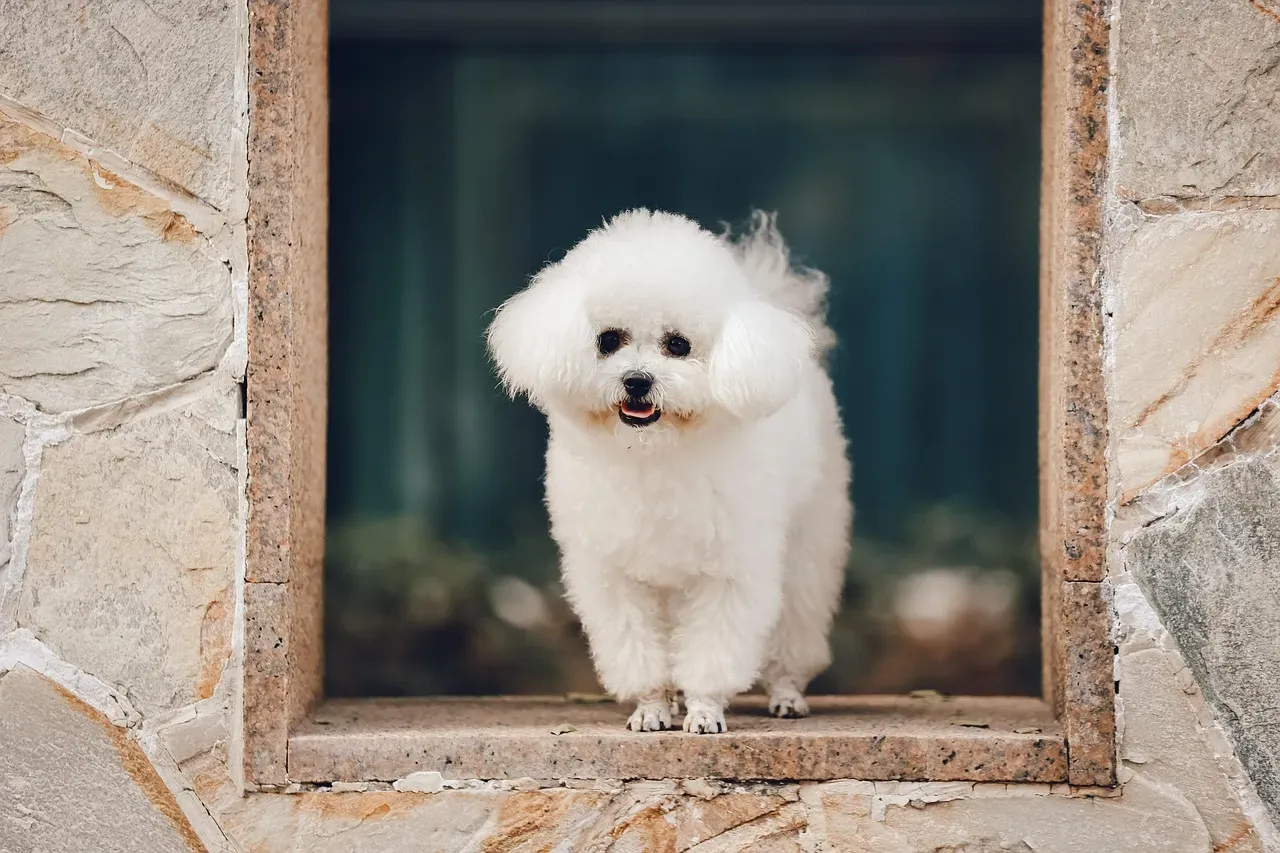
Prone to separation anxiety, Bichon Frises can exhibit unwanted behaviours such as barking, whining, scratching and chewing if they are left alone for too long, so they need lots of human interaction. If you work full time and nobody’s home during the day, you’re potentially setting yourself up for disaster.
Bichons frises are particularly prone to separation anxiety because they are companion dogs that grow very attached to their owners, and they are on the extreme end of the spectrum when it comes to this issue, so much so that many bichon breeders prefer to sell only to people who can keep their dog with them all the time. That should tell you something right there.
Signs of separation anxiety in Bichon Frises may include excessive barking, destructive chewing, and house soiling, and to prevent separation anxiety it is important to gradually acclimate your Bichon Frise to being alone. Your neighbors definitely won’t appreciate hours of barking while you’re at work. Some Bichons become so distressed they’ll destroy furniture, scratch walls, or have accidents indoors even if they’re fully housetrained.
The emotional toll on the dog is genuine. The Bichon does not like to be left alone and can become anxious and destructive, as this is a very sociable dog that loves to be with others, to snuggle and to play and does not do well when left for long periods of time. It’s hard to feel good about going to work when you know your little buddy is having a panic attack at home.
Training Isn’t As Simple As You’d Think
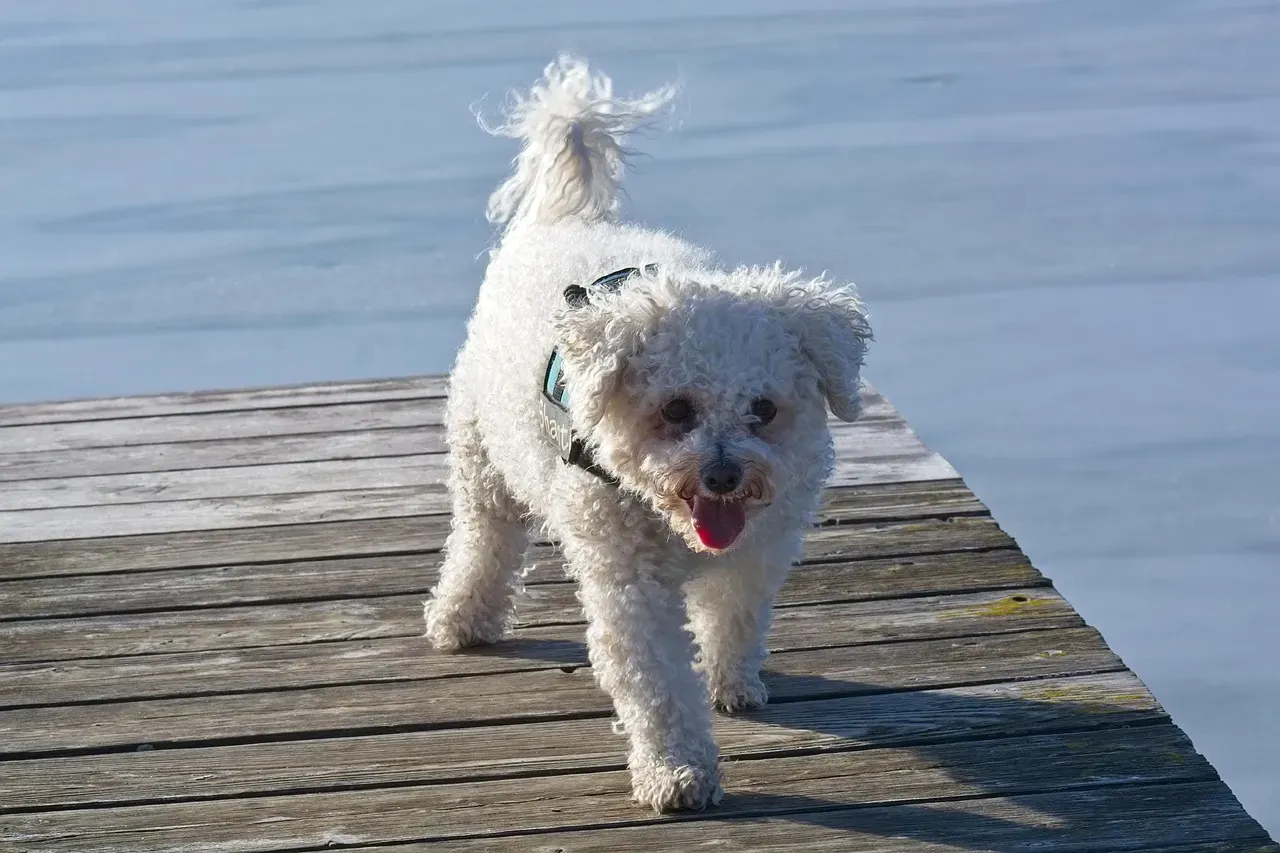
Sure, the Bichon Frise is highly trainable, smart, and learns quickly, and they are eager to please their humans and can learn a variety of tricks. That sounds promising, right? Well, there’s a catch. They can also be stubborn and independent at times, so a consistent and patient approach is key.
Start puppy training from around three months old to reduce the likelihood of common Bichon Frise problems, including excessive barking and slow housetraining. Yes, you read that correctly. Housetraining can be notoriously difficult with this breed. Toilet training can take time, and owners need to be patient, use consistent routines and mark small successes.
Bichons are highly intelligent which translates to easily bored, and they also do not train easily, especially without a lot of rewards and praise. So you need to be constantly engaging, constantly rewarding, and constantly consistent. Miss a day of reinforcement and you might find yourself back at square one. They’re smart enough to know when you’re not paying attention and will absolutely test boundaries.
The Energy And Attention Demands Are Relentless
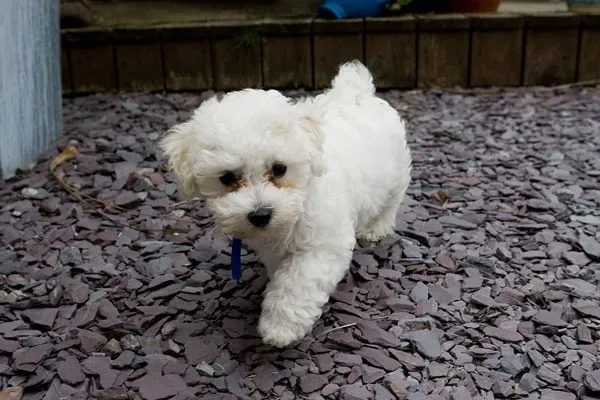
The Bichon Frise needs 30 to 60 minutes of moderate daily exercise. That might not sound like much, but it’s every single day. Rain or shine, tired or not, your Bichon needs physical activity. Because the Bichon Frise is an intelligent breed, they need daily mental as well as physical stimulation, and training them to perform tricks or tasks is an excellent way to fulfill both of these needs.
At home, Bichons are gentle, playful, and loving dogs that love to play and need lots of attention and affection to be happy, and if they’re bored or lonely they may turn to undesirable behaviors like excessive barking or chewing in an effort to entertain themselves. They’re not the type of dog who will contentedly nap while you binge-watch your favorite series. They want to be involved in everything.
Bichons command a lot of attention and are known to paw at you if you are not giving them what they feel they need. Imagine trying to work from home with a furry white cloud constantly demanding your focus. This breed has the energy of a dog twice their size and regular games and interaction are needed to keep their energy in check.
Conclusion: Beautiful But Demanding Beyond Belief
Look, I get it. The Bichon Frise is undeniably charming. Those eyes, that personality, the way they prance around like little show ponies. They’re genuinely wonderful dogs for the right owner. However, if you’re looking for low maintenance, this is absolutely not your breed.
Between the grooming costs that rival a car payment, the potential health issues that require expensive veterinary care, the separation anxiety that can destroy your home and sanity, the challenging training process, and the constant need for attention and stimulation, the Bichon Frise is one of the most high-maintenance breeds out there. They’re not starter dogs. They’re not easy companions for busy professionals. They’re full-time commitments wrapped in an adorable fluffy package.
If you can’t commit to daily brushing, professional grooming every month, being home most of the time, investing in training, managing potential health issues, and providing constant companionship, then please, for both your sake and the dog’s sake, consider a different breed. The Bichon deserves an owner who can meet all these needs without resentment. Are you really ready for that level of commitment? What do you honestly think after reading all this?


