
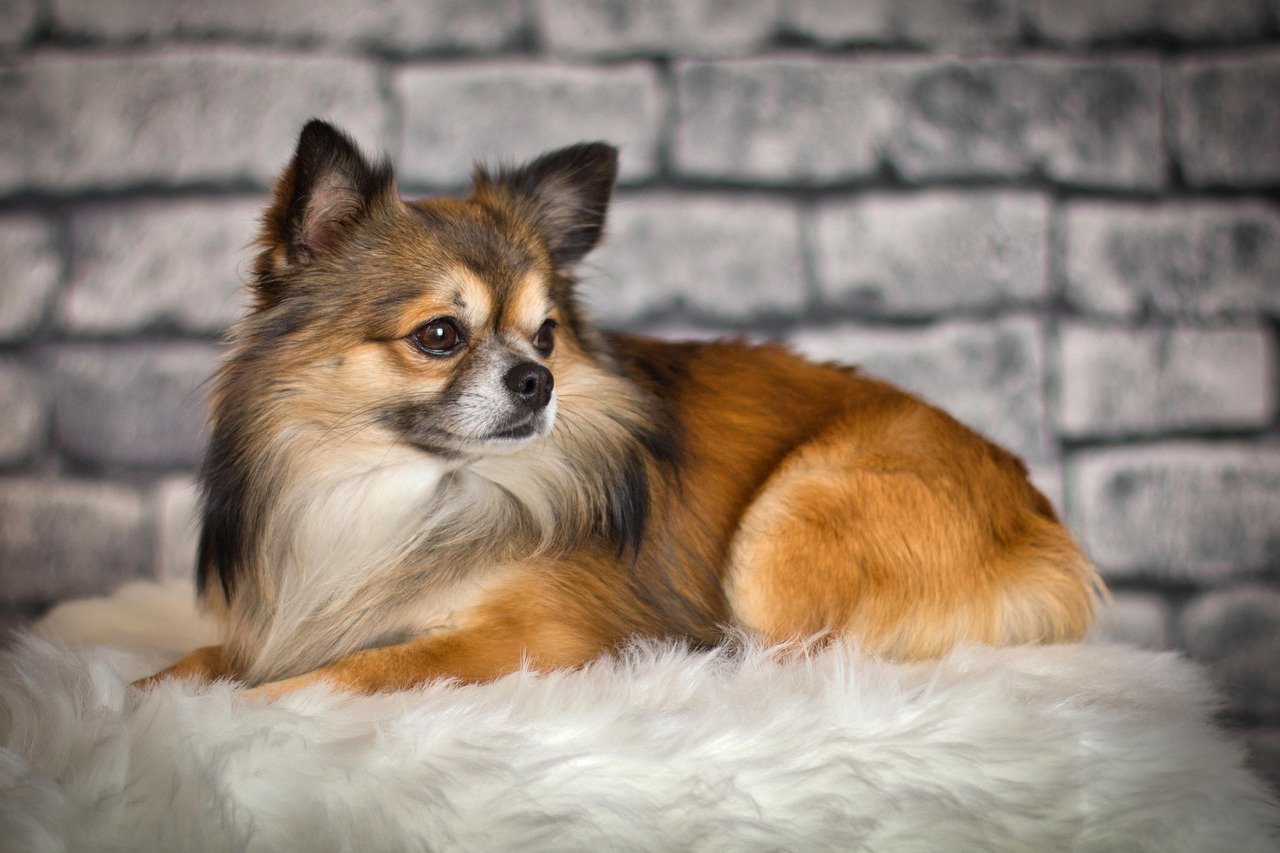
Have you ever seen a Chihuahua wagging its tiny tail and thought, “What a perfect family dog!”? Their adorable faces and pocket-sized bodies often make people believe they’re ideal pets for homes with children. But looks can be deceiving. Underneath that cute exterior lies a breed that may not be the best match for families with kids. If you’ve ever wondered whether a Chihuahua would thrive in your bustling, child-filled home, you’re not alone. Let’s dig into the surprising reasons why this pint-sized pup might not be the companion you’re hoping for.
Tiny Size, Big Vulnerability
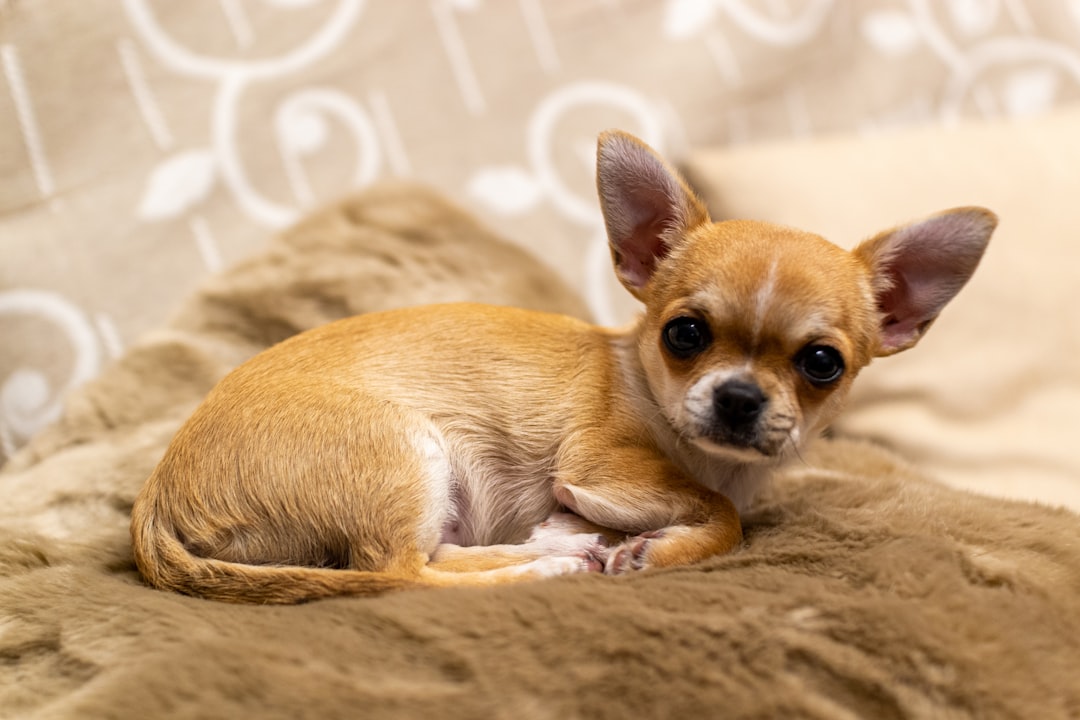
Chihuahuas may be tiny in size, but they come with big personalities—and specific needs that don’t always align with the energy and unpredictability of a household full of children. While these spirited little dogs can be incredibly loyal and loving to their favorite person, they often prefer a quieter, more controlled environment where they feel safe and respected. For families with young kids, who may not always understand a Chihuahua’s boundaries, this can lead to stress, fear, and even defensive behavior.
Chihuahuas are one of the smallest dog breeds in the world. While their size makes them easy to carry and cuddle, it also means they are incredibly fragile. Even a gentle hug or an accidental step from a child can result in a serious injury. Imagine a toddler running through the house and tripping over a tiny dog—this scenario is unfortunately common and can lead to broken bones or worse. Their delicate bones mean they require careful handling at all times, something that’s tough to guarantee with energetic kids around. For families with young children who don’t always understand the need for gentle play, a Chihuahua’s tiny body is at constant risk. This vulnerability can turn what should be happy family moments into stressful situations.
Strong-Willed Temperament
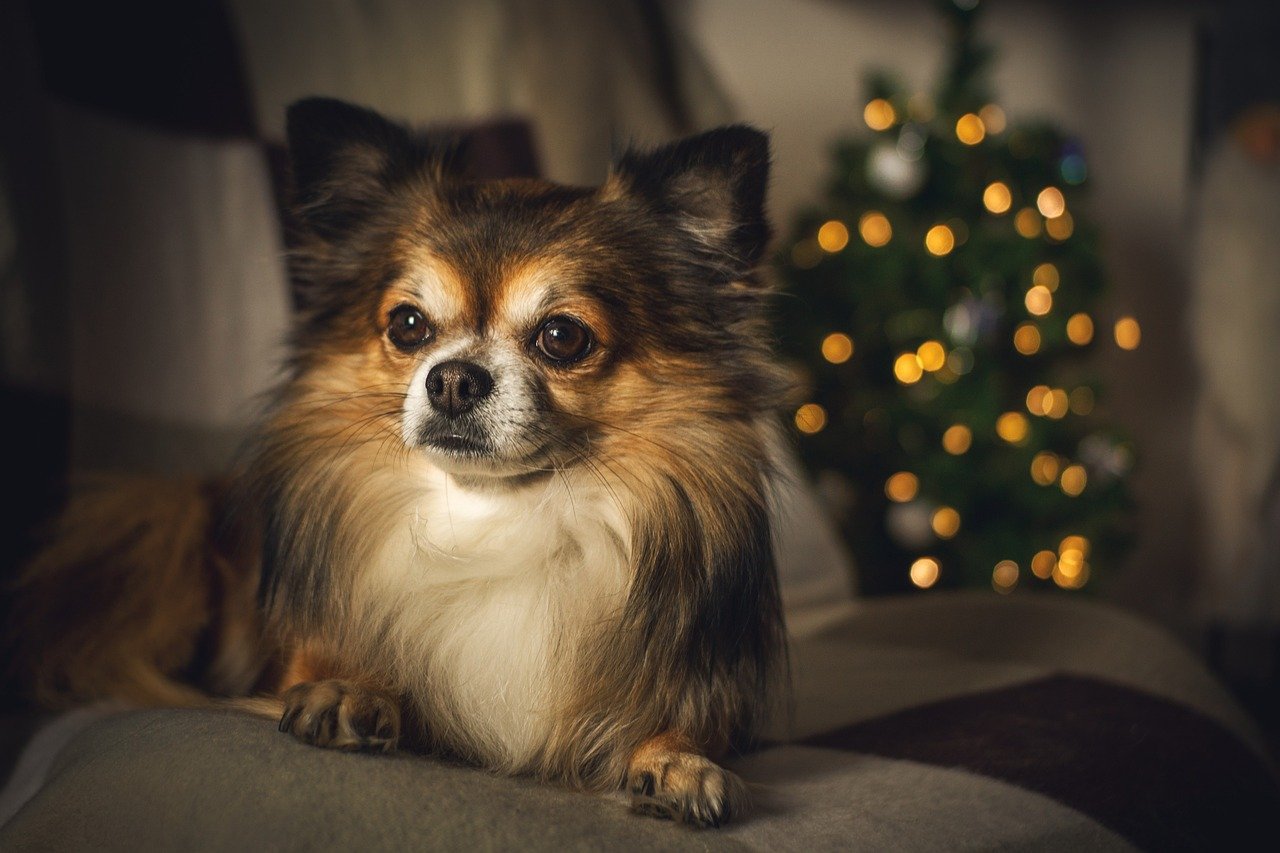
Chihuahuas pack a lot of personality into their petite frames. They are known for being bold, stubborn, and sometimes even bossy. These traits can clash with the unpredictable nature of children. When a child tries to pick up or play with a Chihuahua, the dog may not respond with patience but instead with assertiveness or irritability. Some Chihuahuas develop a sense of “small dog syndrome,” where they try to compensate for their size with aggressive or dominant behavior. This headstrong attitude can make them unwilling to tolerate the noise, roughhousing, or fast movements typical in households with kids. As a result, conflicts can arise, leaving both the child and the dog upset.
Tendency Toward Nipping and Snapping
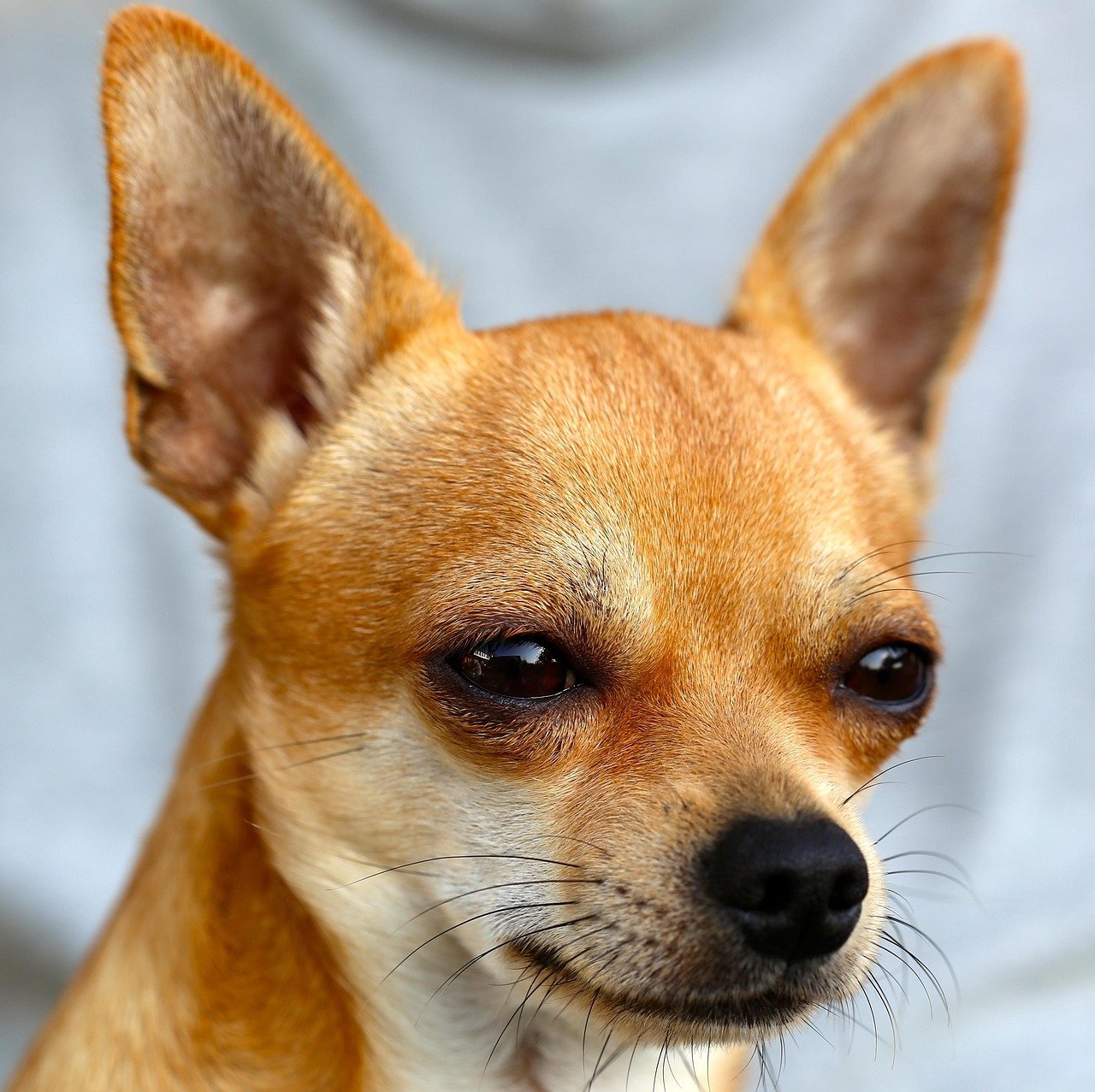
Despite their size, Chihuahuas can be quick to use their teeth when they feel threatened or annoyed. Many Chihuahuas have a low threshold for tolerance and may nip or snap when startled or handled in a way they dislike. For young children who might pull a tail or grab a paw out of curiosity, this can quickly become dangerous. Chihuahuas are known to defend themselves with surprising force for their size, and their sharp little teeth can cause real pain. These bites often happen out of fear or overstimulation rather than true aggression, but for a family with small kids, any bite is a serious issue.
High Sensitivity to Noise and Chaos
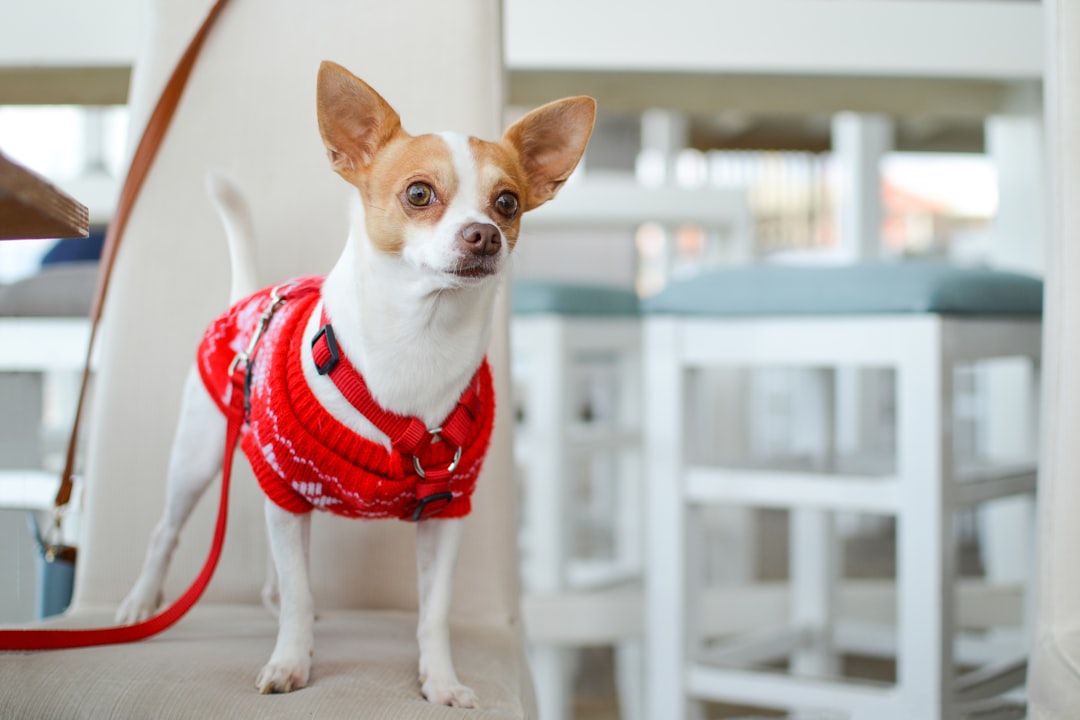
Chihuahuas love peace and predictability. Unfortunately, a home with kids is rarely quiet or calm. The loud sounds, sudden movements, and constant activity that children bring can quickly overwhelm a Chihuahua. This breed is highly sensitive to noise, which can cause them stress, anxiety, or even behavioral problems like excessive barking or hiding. A frightened Chihuahua may become withdrawn or develop nervous habits, making it difficult for them to feel safe and happy in a busy household. Their need for a tranquil environment is a major reason why they struggle to adapt to homes with energetic children.
Difficulty Bonding With Multiple People
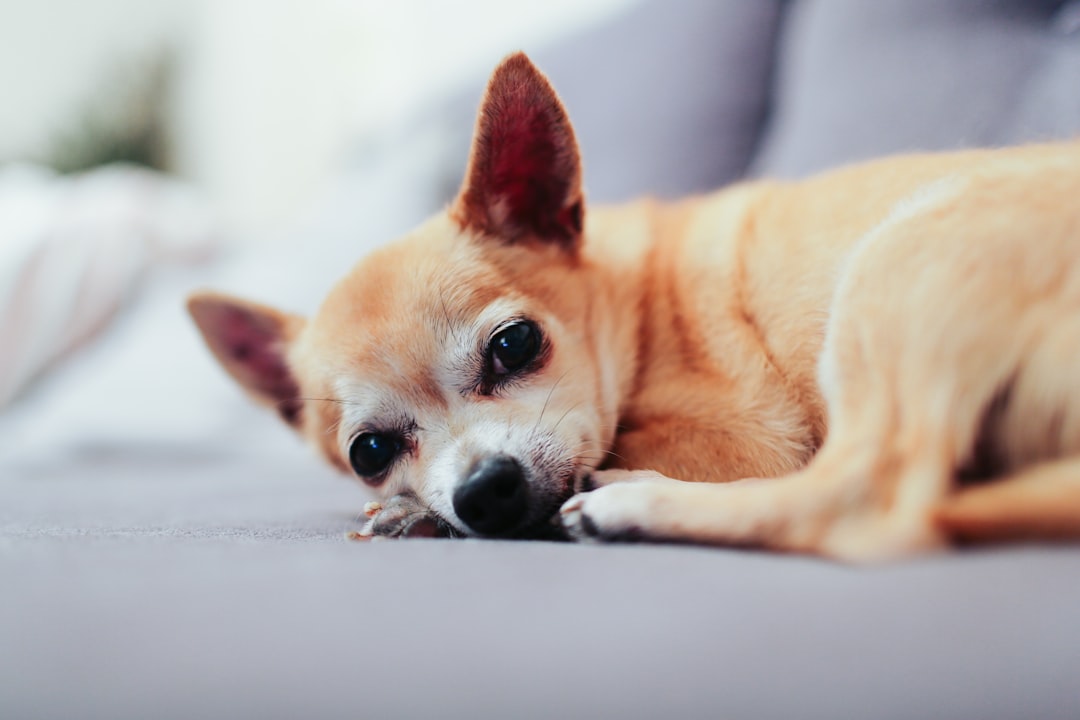
Chihuahuas are famous for forming deep bonds with one or two people. They often choose a “favorite” in the family and may ignore or even avoid everyone else. This can be heartbreaking for children who want a loving, interactive pet. Instead of being the family’s best friend, a Chihuahua might become clingy with one adult and distant with the kids. This selective attachment can lead to feelings of rejection for the children, and even jealousy or rivalry within the household. In families where everyone wants to share in pet ownership, this breed’s tendency for one-person devotion can create more problems than joy.
Training Challenges and Stubbornness
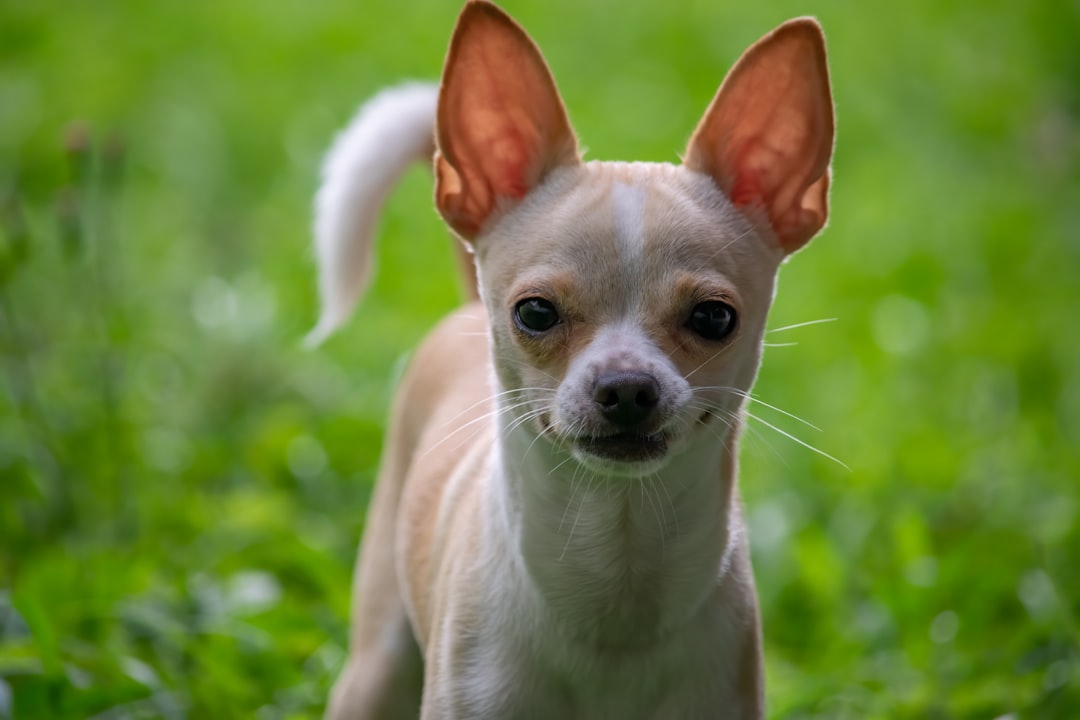
Training a Chihuahua can be an uphill battle, especially for first-time dog owners or families with little patience for stubborn behavior. Chihuahuas are intelligent, but they prefer doing things their own way. They may resist housebreaking, refuse to obey commands, or ignore rules they don’t like. For families with kids, this means the dog might not learn essential behaviors such as not jumping on people, staying out of certain rooms, or politely accepting handling. These training challenges add extra stress and frustration, especially in households where consistency and routine are already hard to maintain.
Not Naturally Tolerant of Rough Play
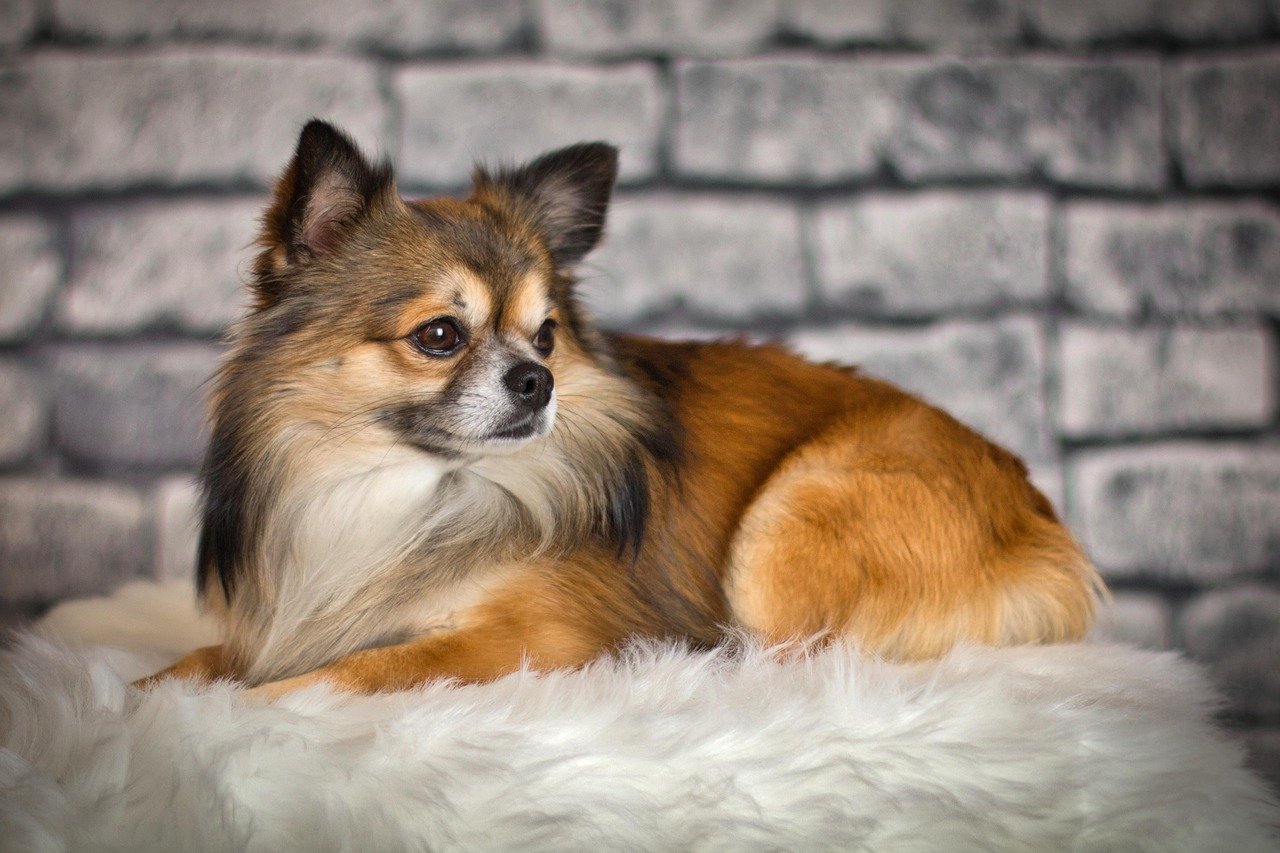
Children often show affection by hugging, playing, or chasing their pets. Chihuahuas, however, are not built for rough-and-tumble play. They can easily become scared or defensive when approached too quickly or handled too roughly. Unlike some larger, more tolerant breeds, Chihuahuas may interpret a child’s loving pounce as a threat. This can result in fearful reactions, such as hiding, growling, or even snapping. Over time, these negative experiences can damage the bond between the dog and the children, leading to a lack of trust on both sides.
Health Issues and Veterinary Needs
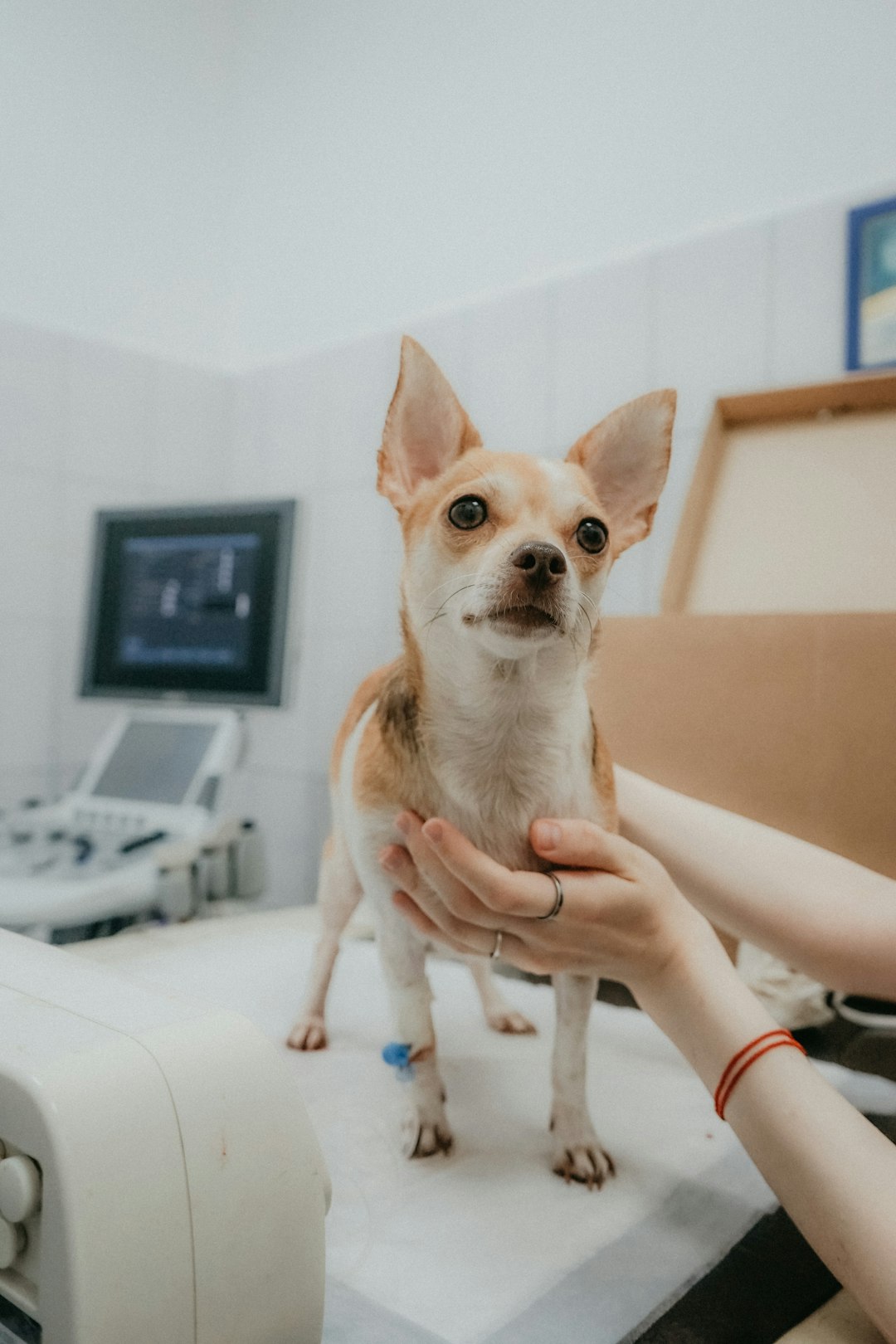
Chihuahuas are prone to several health problems, including dental disease, heart conditions, and patellar luxation (knee problems). These medical concerns mean they require regular veterinary checkups and sometimes costly treatments. For families already juggling the expenses and responsibilities of raising children, adding a dog with frequent health needs can be overwhelming. Kids may struggle to understand why their furry friend is often at the vet or needs to be handled so gently. The stress of managing a fragile pet’s health can take away from the joy of having a family dog.
Prone to Possessiveness and Resource Guarding
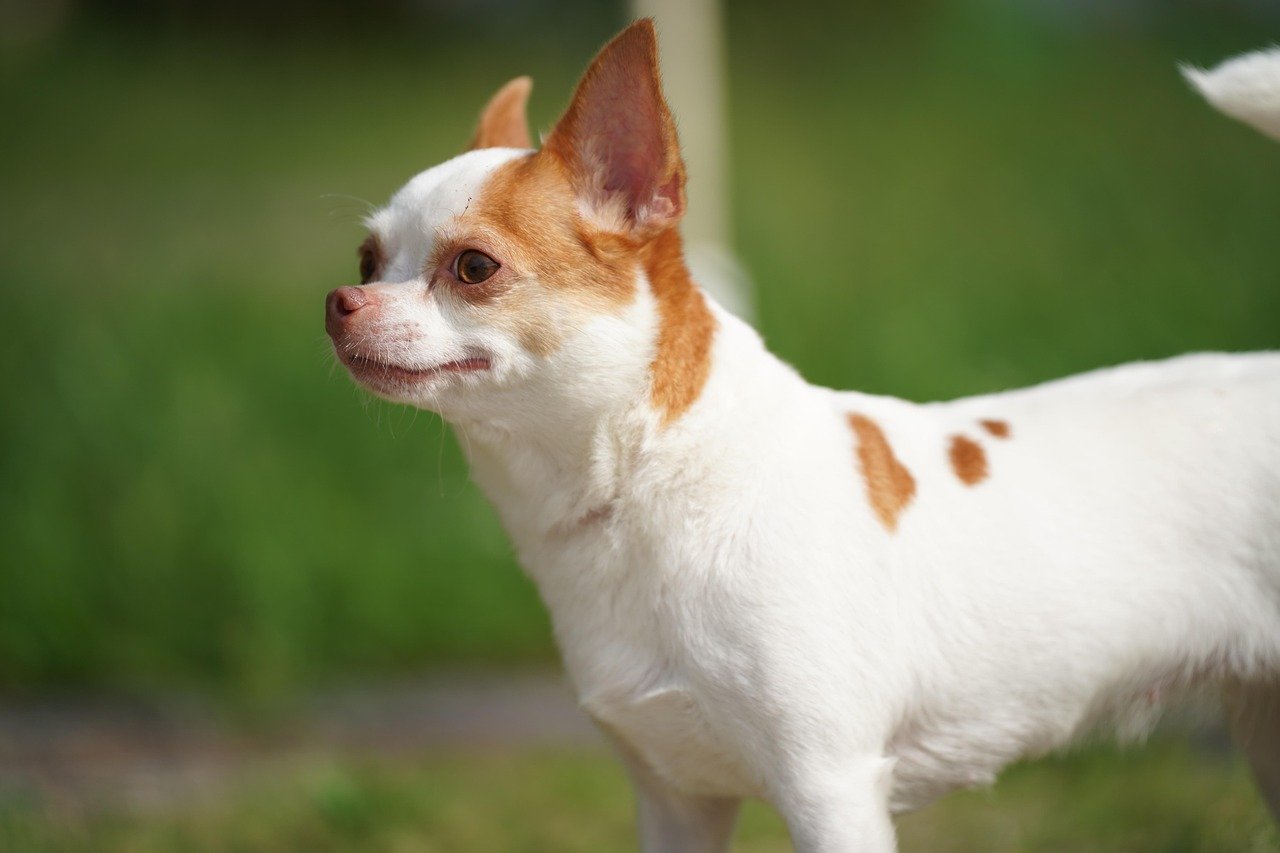
Many Chihuahuas develop strong attachments to their favorite toys, food bowls, or even a particular person. This can lead to possessive behaviors, such as growling or barking when someone approaches their “property.” For families with children, this possessiveness can cause conflicts, especially if a child tries to take a toy or climb onto a parent’s lap while the dog is present. Teaching children to respect a dog’s boundaries is important, but with a Chihuahua, these boundaries can be surprisingly strict and easy to cross by accident.
If you’re searching for a family-friendly dog, there are breeds that are far better suited to life with children. Golden Retrievers, Labradors, and Beagles, for example, are known for their patience, gentle nature, and adaptability. These breeds can handle the excitement, noise, and sometimes clumsy affection that come with growing families. They’re more forgiving of mistakes, easier to train, and less likely to react defensively when startled. Choosing a breed that thrives in a lively home ensures both your kids and your new pet will enjoy a happy, healthy relationship.


