
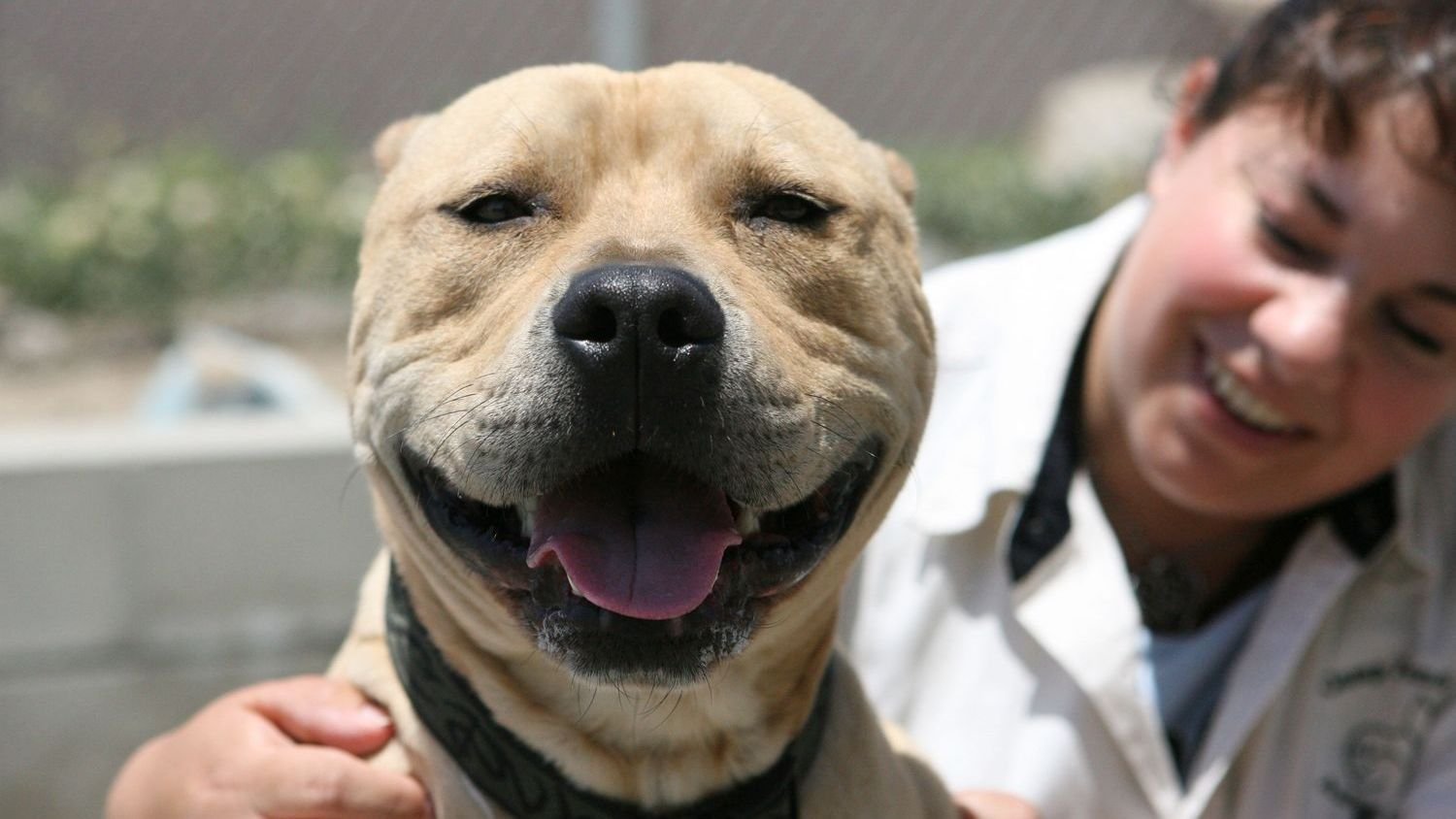
There’s something deeply unsettling about the way we’ve painted pit bulls in our collective imagination. Walk into any dog park, and you’ll likely witness a fascinating contradiction. A stocky, broad-headed dog might be wrestling playfully with a golden retriever, tail wagging furiously, yet someone nearby will quietly gather their kids closer. The label alone carries weight. But here’s the thing that most people don’t realize: the pit bull sitting in front of you might not actually be a pit bull at all. The story behind America’s most misunderstood dog is far more complicated than the headlines suggest, and honestly, it’s time we talked about it.
Let’s be real. These dogs didn’t ask for the reputation they carry. If you dig into the research and strip away the sensationalism, what emerges is a tale of misidentification, media bias, and a whole lot of human error masquerading as fact. So why exactly do pit bulls get such a bad rap, and more importantly, is any of it actually justified? Grab your coffee, settle in, and let’s unpack this together.
The Breed That Isn’t Really A Breed
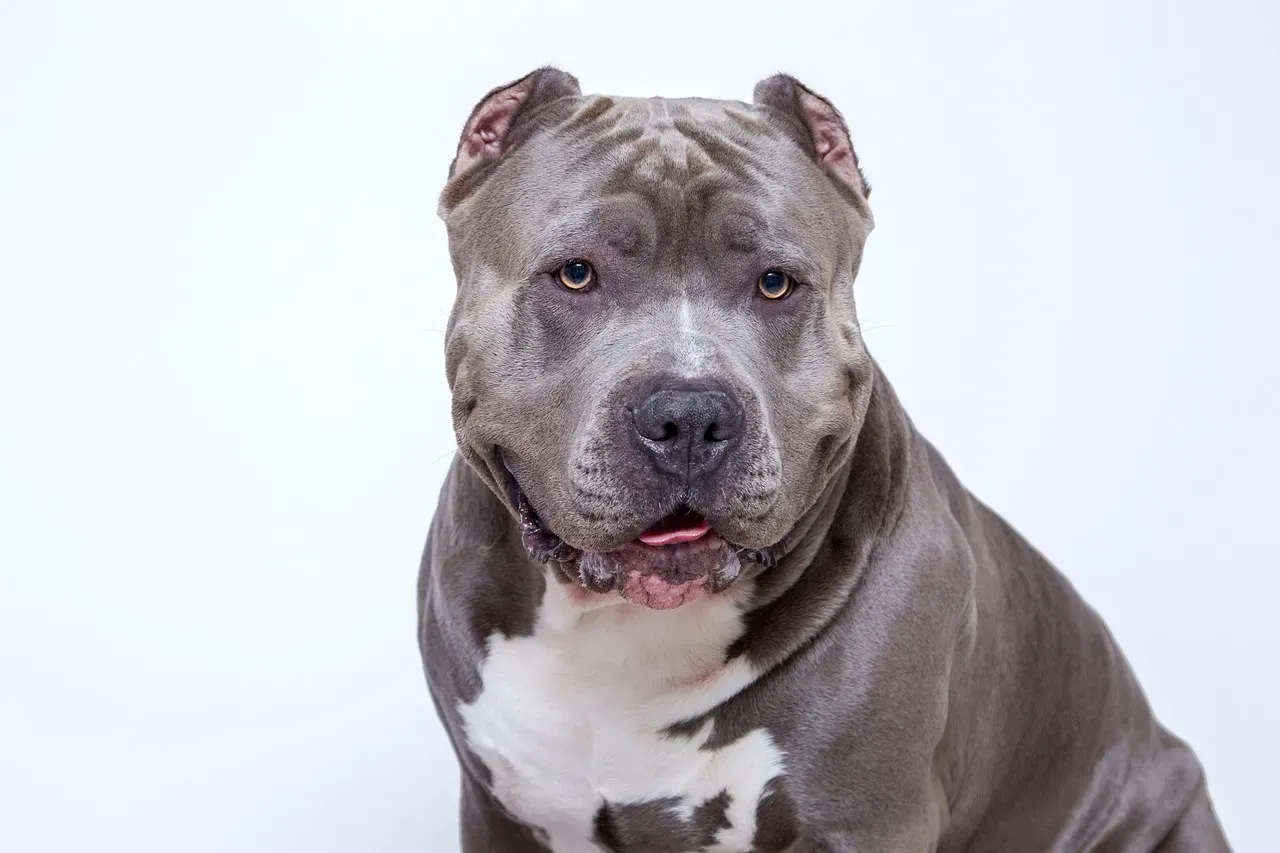
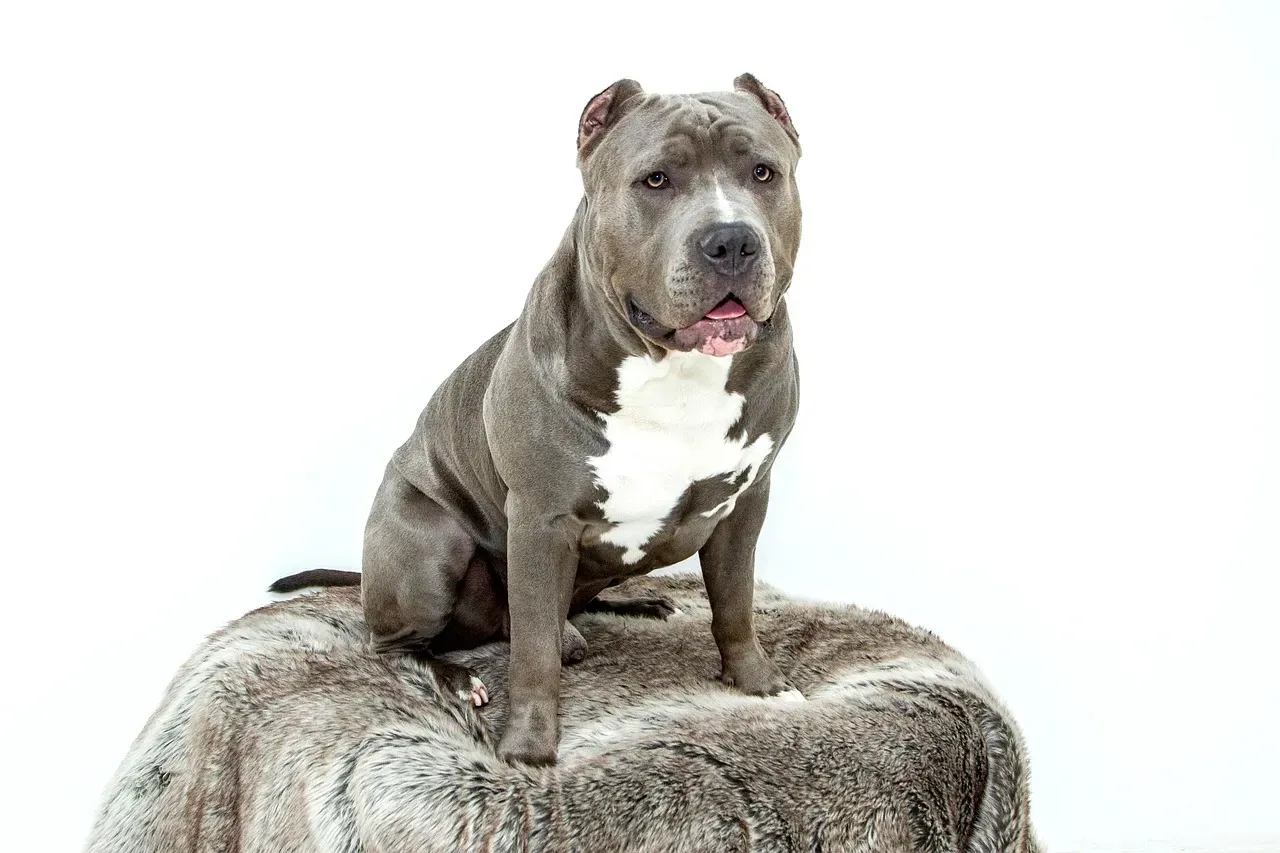
Here’s where things get confusing right from the start. When someone says “pit bull,” they’re usually not talking about a single, recognized breed. The term encompasses several breeds, including American Staffordshire Terriers, American Bully, and Staffordshire Bull Terrier. In reality, it’s become a catch-all label for any medium-sized dog with a muscular build and blocky head.
On average, roughly 60% of dogs visually identified as pitbulls have no genetic ancestry from pitbull-type breeds. Think about that for a second. More than half of the dogs we’re calling pit bulls aren’t even genetically related to the breeds we’re supposedly concerned about. Breed labels at animal shelters are wrong about three quarters of the time, which means the data we’re using to make sweeping judgments is fundamentally flawed from the get-go.
Even experts struggle with identification. Shelter employees can’t reliably identify a true pit bull, with only roughly one third of dogs identified as pit bulls by shelter staff actually being pit bulls by DNA analysis. When the people who work with dogs every single day can’t get it right, what hope do the rest of us have?
A History Written In Blood Sports, Rewritten By Family Love
Let’s travel back in time for a moment. Today’s pit bull is a descendant of the original English bull-baiting dog, a dog that was bred to bite and hold bulls, bears and other large animals around the face and head. It’s a brutal origin story, no question about it. These blood sports were entertainment for the working class in 19th century England, back when animal welfare was barely a consideration.
What’s fascinating though is what happened when these dogs arrived in America. In early America, these frontier dogs took on an all-purpose role, responsible for herding cattle, herding sheep, guarding livestock and families against thieves and wild animals, helping on hunts. They became farm dogs, family protectors, and loyal companions. The same traits that made them tenacious in the pit, strength and determination, made them invaluable on homesteads across the expanding nation.
After World War II, pit bulls began to be seen more as regular dogs, with the vast majority used for herding, hunting or guardian purposes, but most were bred and kept primarily as companions. For decades, they were just another dog breed, neither celebrated nor vilified. It’s hard to say for sure, but it seems like we collectively forgot their darker past and simply appreciated them for what they’d become.
The Media Magnifying Glass That Changed Everything
Here’s where the story takes a dark turn. In August 2007, there were four dog bite incidents involving different dogs in four days, with one involving a pit bull and the others involving other breeds. The three attacks that did not involve a pit bull were covered by no more than one local paper, while the pit bull bite was covered by 230 different national and international news agencies. Let that sink in. Same timeframe, dramatically different coverage.
The reporting bias is staggering. When a Labrador bites someone, it’s often not even newsworthy. When a dog that looks like it might be a pit bull does the same thing, suddenly it’s national news. This creates a feedback loop in our minds where we associate pit bulls with danger, not because they’re actually more dangerous, but because we hear about them constantly.
It’s worth noting that valid breed identification is confirmed in only about 18 percent of media-reported dog bite incidents. Translation? Most of the time when you read a headline screaming about a pit bull attack, nobody actually verified what breed of dog was involved. They just looked at it, made an assumption, and ran with it. The consequences of this sloppy journalism have been devastating for an entire category of dogs.
What The Science Actually Says About Temperament
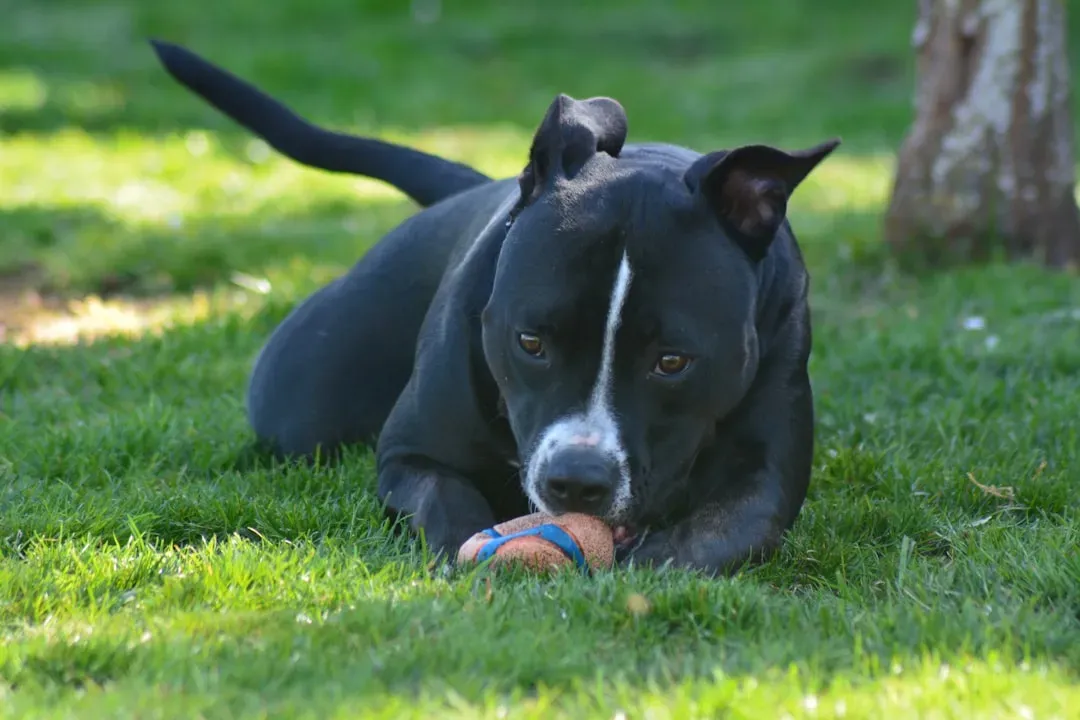
Now we get to the part that might genuinely surprise you. Studies by the American Temperament Test Society confirmed that pit bulls are in the top 23 percent of best-tempered dogs, with three different pit bull breeds included in the test getting an average score of nearly 88 percent. That’s not just good. That’s exceptional.
To put it in perspective, The American Temperament Testing society tested 870 pit bulls, with 755 passing the test for an 86 percent pass rate. They also tested 785 Golden Retrievers, of which 669 passed and 116 failed, leaving Golden Retrievers with an 85.2 percent pass rate. Pit bulls actually scored slightly better than one of America’s most beloved family dogs.
Multiple controlled studies have reached similar conclusions. There was no significant difference in aggression between pitbull-type dogs and other breeds such as Golden Retrievers, German Shepherds, and Labrador Retrievers, with no significant differences in aggression between the legislated breed group and the Golden Retriever control group. The science is pretty clear: breed alone doesn’t predict aggression. Only about 9 percent of a dog’s behavior is attributable to breed, which means the vast majority of what determines a dog’s temperament comes from environment, training, and individual personality.
The Human Factor We Keep Ignoring
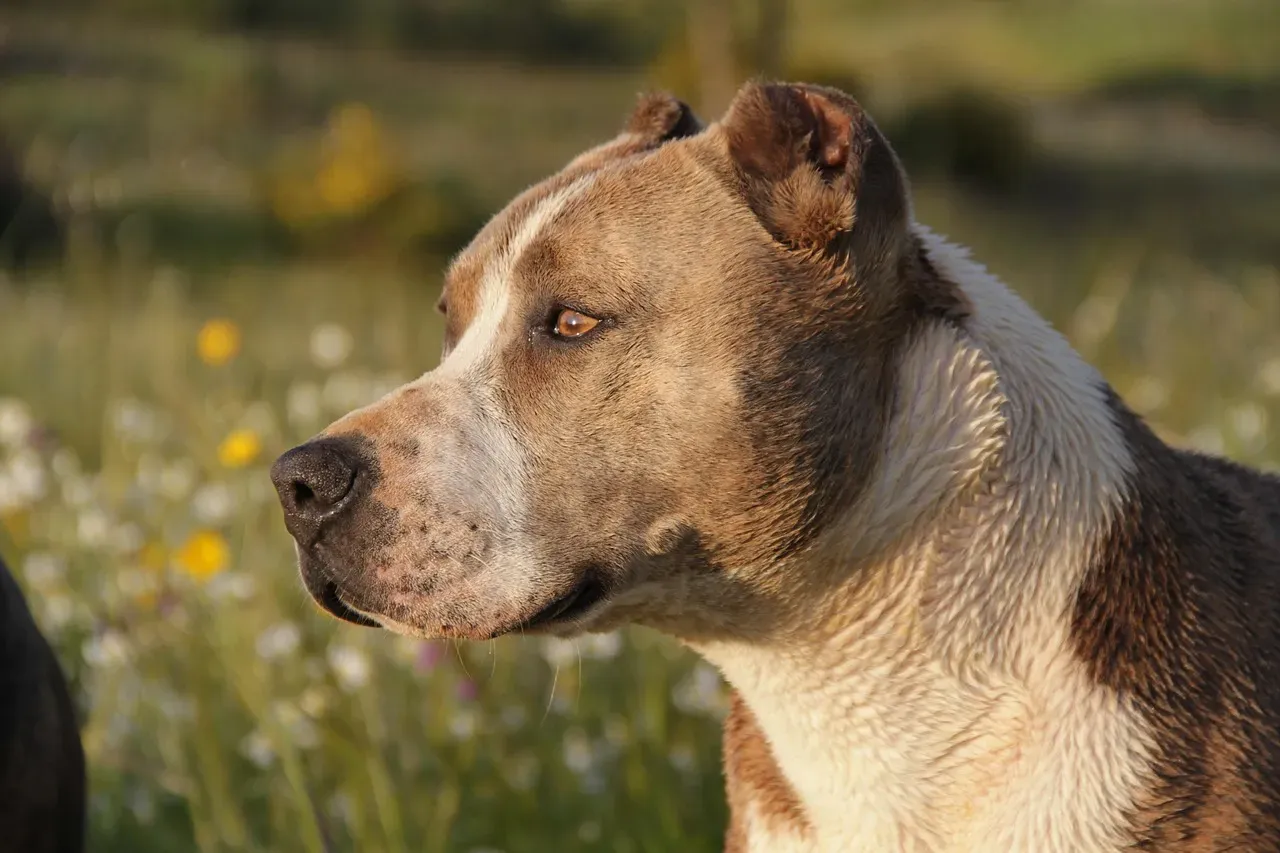
Let’s talk about the uncomfortable truth that nobody wants to address. Owners purposefully mistreat their pit bulls and starve them of affection in order to trigger their aggressive behavior, and the extent of pit bull abuse also contributes to the common myth that they are ferocious dogs. These dogs are victims, not villains.
Pitbull-type dogs are strong and will become aggressive when abused and riled up, making them the most commonly used dogs in fighting rings, where many pit bulls are abused, beaten, starved, and even mutilated to get them ferocious ahead of a fight. The horrifying reality is that the very traits we fear in pit bulls are often deliberately created by humans through systematic torture. Any dog subjected to that treatment would become dangerous.
There’s also the issue of irresponsible breeding and ownership. When pit bulls became associated with toughness and protection in the 1980s and beyond, people started breeding them indiscriminately without regard for temperament or proper socialization. Roughly 84 percent of fatal dog attacks involve dogs that aren’t neutered or spayed, with intact dogs associated with higher rates of aggression. This isn’t a breed issue. This is a responsible ownership issue that affects all dogs but gets disproportionately blamed on pit bulls.
Breaking The Cycle Of Fear
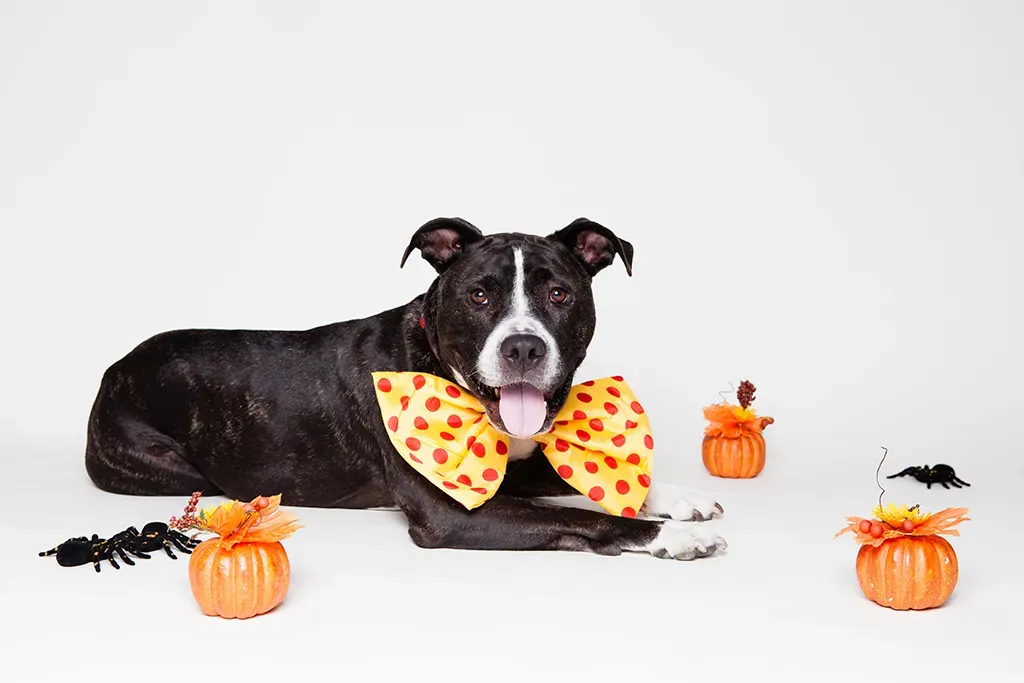
So where does all this leave us? Pit bulls face an existential crisis that’s entirely of our own making. Dogs that look like pit bulls but aren’t labeled as such stay in shelters for an average of 12 days, however by adding the pit bull label, the same dog stays in the shelter for 42 days on average. The label itself has become a death sentence.
Thousands of pit bulls are euthanized daily, mainly due to misinformation surrounding the breed. These are dogs that could have been wonderful companions, therapy animals, or service dogs. Instead, they’re being killed because we’ve collectively decided to believe a narrative that science doesn’t support.
The path forward requires us to let go of fear-based legislation and embrace what actually works. Breed-specific legislation is opposed by experts including the American Veterinary Medical Association, National Animal Care & Control Association, and the Centers for Disease Control and Prevention, with research showing breed-neutral laws are more effective as they address all dangerous dogs and irresponsible owners regardless of breed. Over 100 cities have repealed these discriminatory laws since 2018, recognizing that targeting breeds doesn’t make communities safer.
What do you think about the disconnect between pit bull perception and reality? Have you had experiences with these dogs that challenge the stereotype? The conversation needs to continue, because every day we wait, more dogs lose their chance at the life they deserve.


