The Uninvited Guests Arrive On Ice Highways
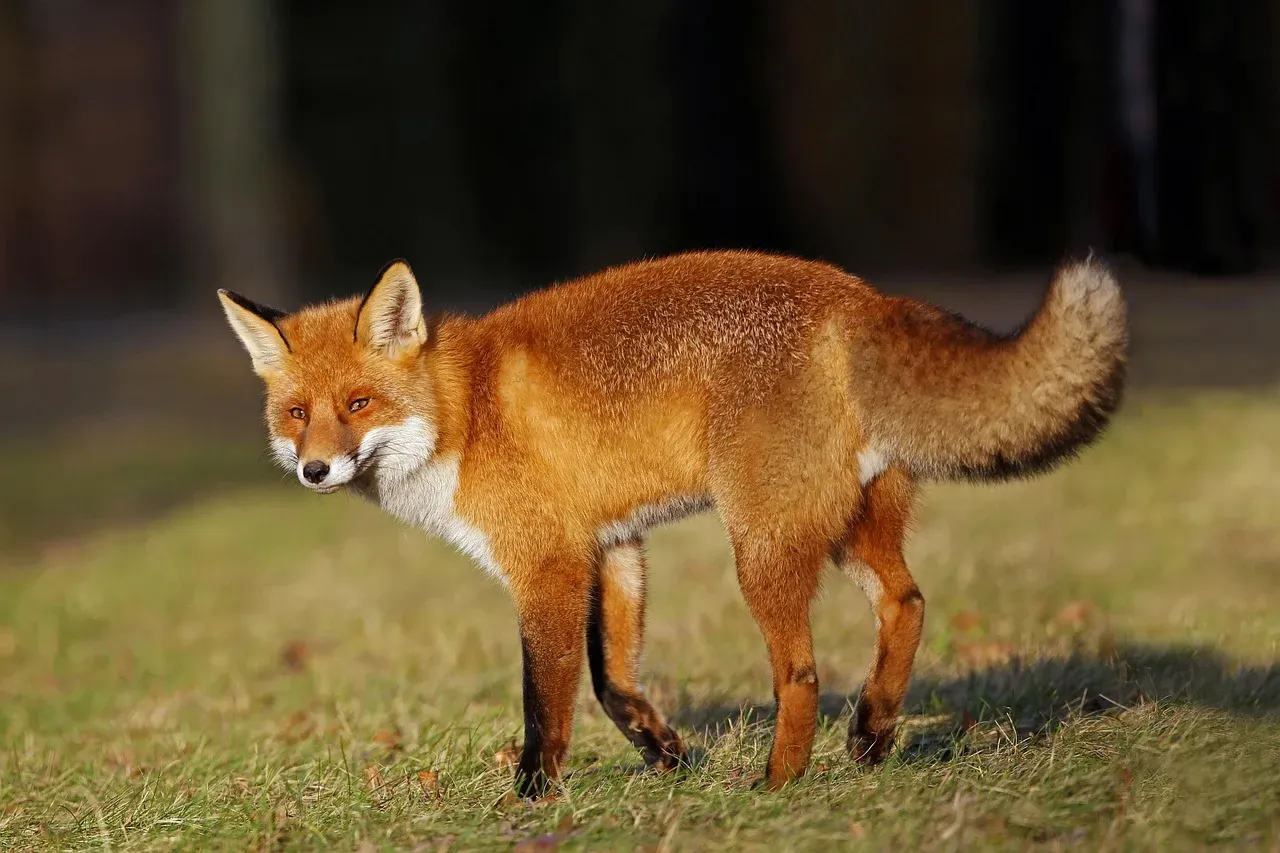
Red foxes established a breeding population on the remote St. Matthew Islands in association with climate warming in recent decades and are now suppressing native Arctic foxes. The arrival wasn’t exactly planned. A 2017 study found that the island was colonized by at least three mitochondrial matrilines of red fox, suggesting we may have underestimated the ability of red foxes to disperse over ice or ocean.
Think about that for a moment. These foxes traveled over 200 miles across sea ice or open water to reach an island most humans have never heard of. A single red fox was first observed on St. Matthew in 1966, though red foxes were first observed breeding there in 1997. What used to be an impossible journey became feasible as changing ice conditions created new pathways north.
Climate change essentially built highways where none existed before. Winters grew milder, ice patterns shifted, and suddenly red foxes could venture into territories that were once exclusively Arctic fox domain. It’s a bit like someone moving into your neighborhood, except they’re bigger, tougher, and competing for everything you need to survive.
Size Matters When Resources Are Scarce
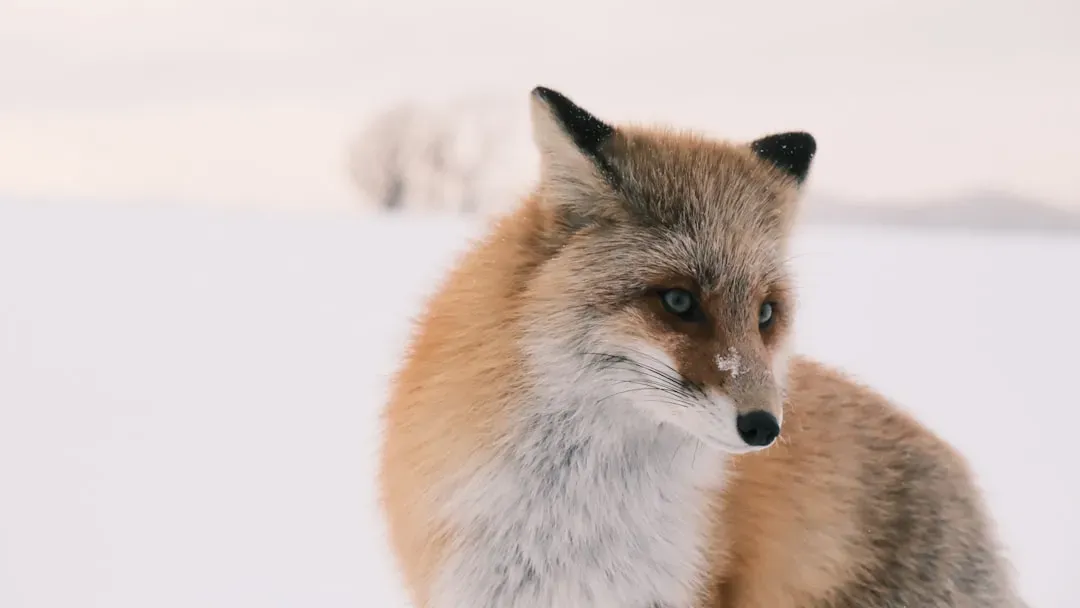
Here’s where things get brutal. Red foxes are often larger and more aggressive than Arctic foxes, and the larger size and greater aggressiveness of red foxes make them formidable predators of Arctic fox kits. In penned trials, red foxes were dominant over Arctic foxes during encounters in 8 of 9 trials, and activity of Arctic foxes decreased upon addition of red foxes, as Arctic foxes tried unsuccessfully to defend preferred den, resting, and feeding areas.
Imagine being outmatched in your own home. Arctic foxes weigh roughly six to ten pounds, while red foxes can tip the scales considerably higher. That size advantage translates into dominance at food sources, control over the best denning sites, and tragically, direct predation. Scientists in Sweden report numerous occasions of red foxes invading Arctic fox dens and consuming Arctic fox cubs, as well as adult Arctic foxes.
The competition isn’t subtle or theoretical. It’s visceral and often deadly. In two out of three cases when Arctic foxes did reproduce near red foxes, juveniles were killed by red foxes. For a species already stretched thin by environmental pressures, losing offspring to a competitor is devastating.
The Great Den Takeover
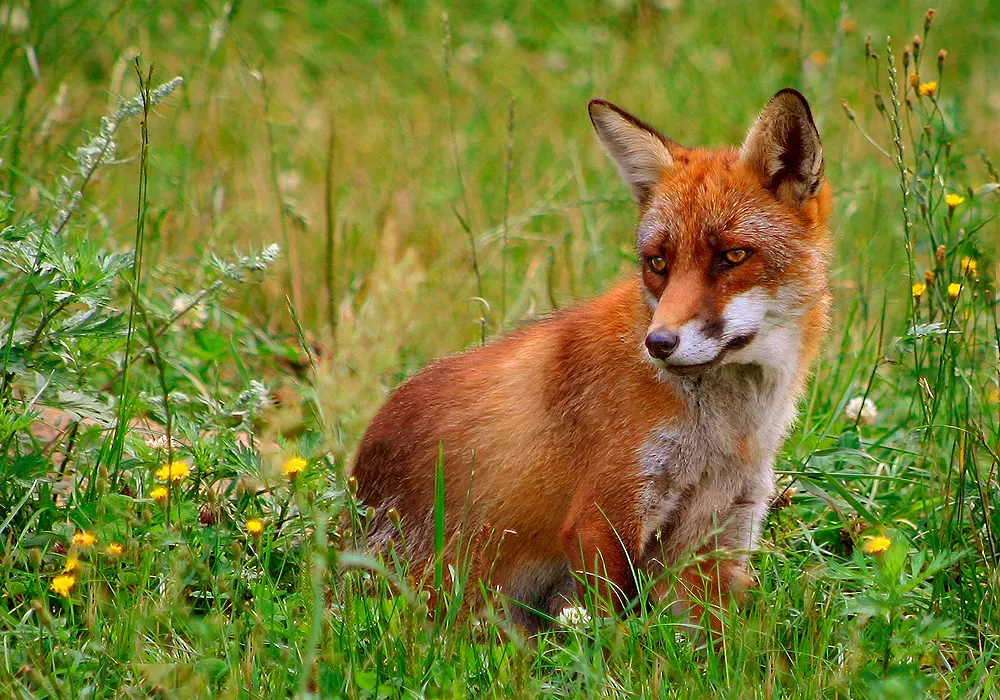
One of the most striking indicators of red fox dominance comes from den occupancy studies. In 2005, 85 percent of dens were occupied by Arctic foxes, but by 2012, those same dens were occupied by red foxes, and once a den was vacated by an Arctic fox, it never returned. Let that sink in. Within just seven years, a complete turnover occurred.
Dens are everything to foxes. They’re not just shelter from storms and predators but nurseries for raising vulnerable pups. Quality denning sites are limited on the tundra, making them valuable real estate. Arctic foxes prefer large, maze-like dens for predator evasion and a quick escape, especially when red foxes are in the area.
What’s particularly heartbreaking is the permanence of this displacement. As the red fox has moved north, researchers have observed red foxes laying claim to Arctic fox dens with aggressive and territorial behavior, with one 2014 study on fox den occupancy in Prudhoe Bay noting a sizeable and irreversible turnover of den sites over a seven-year period. Once red foxes establish themselves, Arctic foxes simply can’t reclaim lost ground.
When Your Food Source Becomes Someone Else’s Buffet
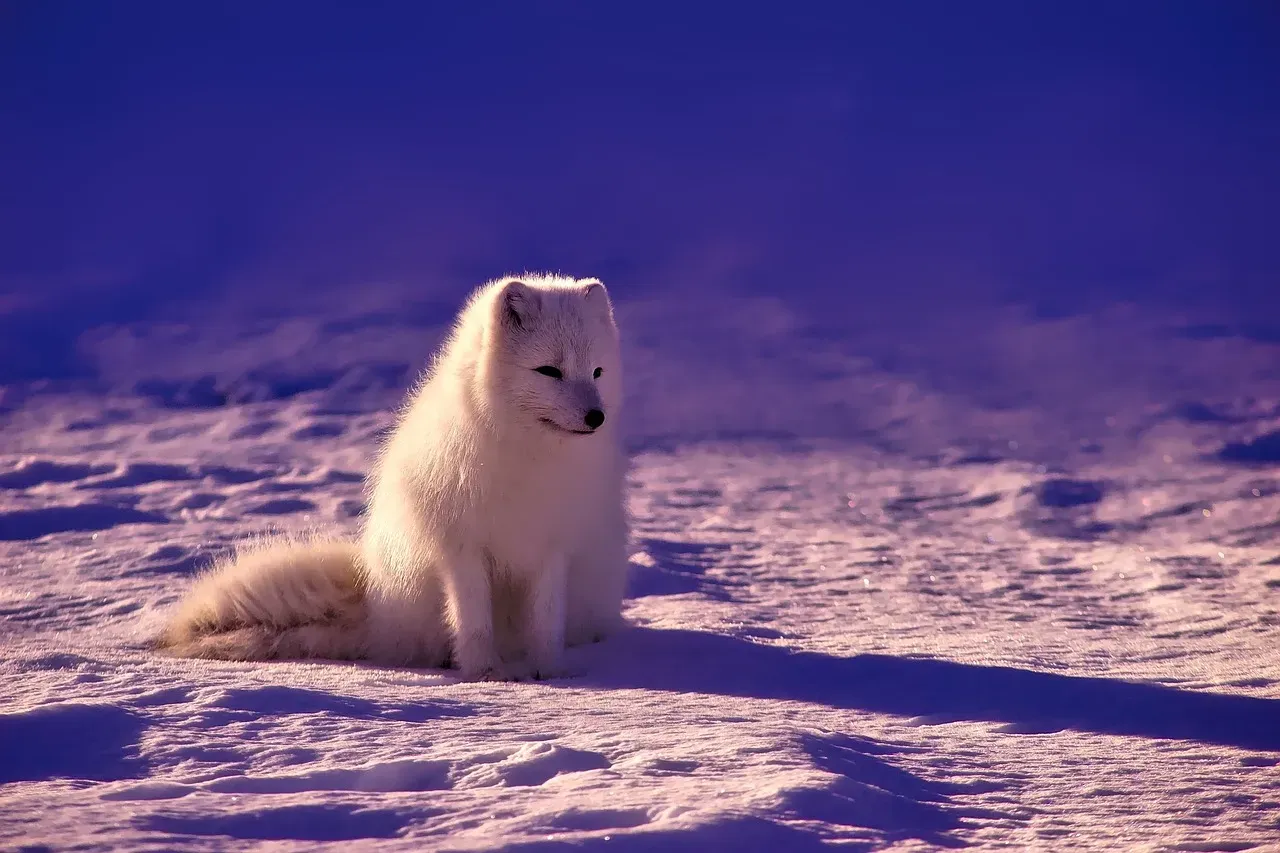
Arctic foxes subsist largely on tundra-dwelling lemmings, and when lemming populations decline, Arctic foxes rely on sea pack ice to scavenge polar bear leftovers and supplement their diet, but as these food sources dwindle with the ice, the Arctic fox must find other ways to adapt. Here’s the kicker: red foxes eat the same prey.
Red foxes, because of larger body size, longer legs, and behavioral adaptations for hunting small mammals under snow and vegetative cover, are presumably somewhat better adapted than Arctic foxes for preying on voles in winter. They’re not just competing equally; they’re winning the competition through physical advantages.
The endemic singing vole on St. Matthew Island represents a critical food source for both species during winter months when seabirds have migrated away. Both species compete for similar resources, including prey and territory, and as red foxes invade, they can deplete resources more quickly, leaving Arctic foxes with insufficient food and shelter, leading to malnutrition and decreased reproductive success. It’s a zero-sum game where red foxes consistently come out ahead.
A Glimpse Into The Arctic’s Uncertain Future
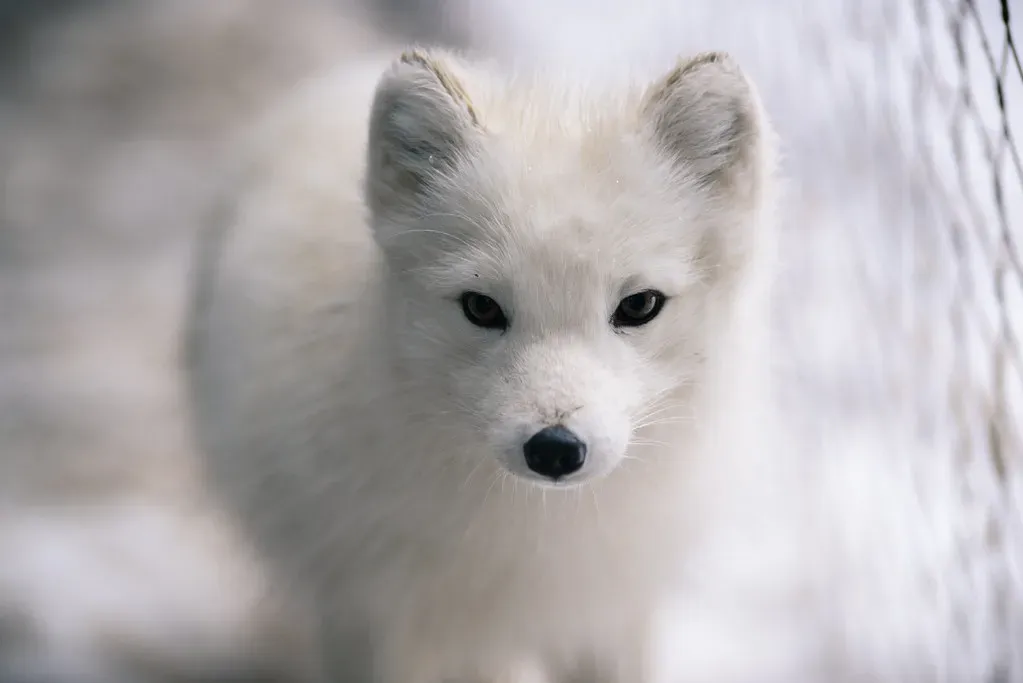
A study of fox populations in the Scandinavian Arctic shows Arctic fox numbers as low as 120 individuals, and in areas where red foxes exist, Arctic foxes are completely absent, recolonizing only in areas where red foxes had been culled, as they have not been found to coexist for very long in the same environment. This pattern is repeating across the Arctic wherever the two species meet.
What’s unfolding on St. Matthew Island isn’t an isolated incident. It’s a preview of ecological disruption playing out across the circumpolar north. The red fox has already intruded the Arctic region and caused a retreat of the southern limit of Arctic fox distribution range. According to polar researchers, the red fox’s northward migration is real and a direct result of a warming Arctic.
For those of us who care deeply about wild canids, these shifts feel personal. Arctic foxes represent remarkable evolutionary adaptation to some of Earth’s harshest conditions. Their thick fur, compact bodies, and ability to survive temperatures that would kill most mammals showcase nature’s ingenuity. Watching them lose ground to climate-driven competition forces us to confront uncomfortable questions about what we’re willing to sacrifice in a warming world. The Arctic fox might head farther north to escape, but eventually, there’s nowhere left to go.
Conclusion
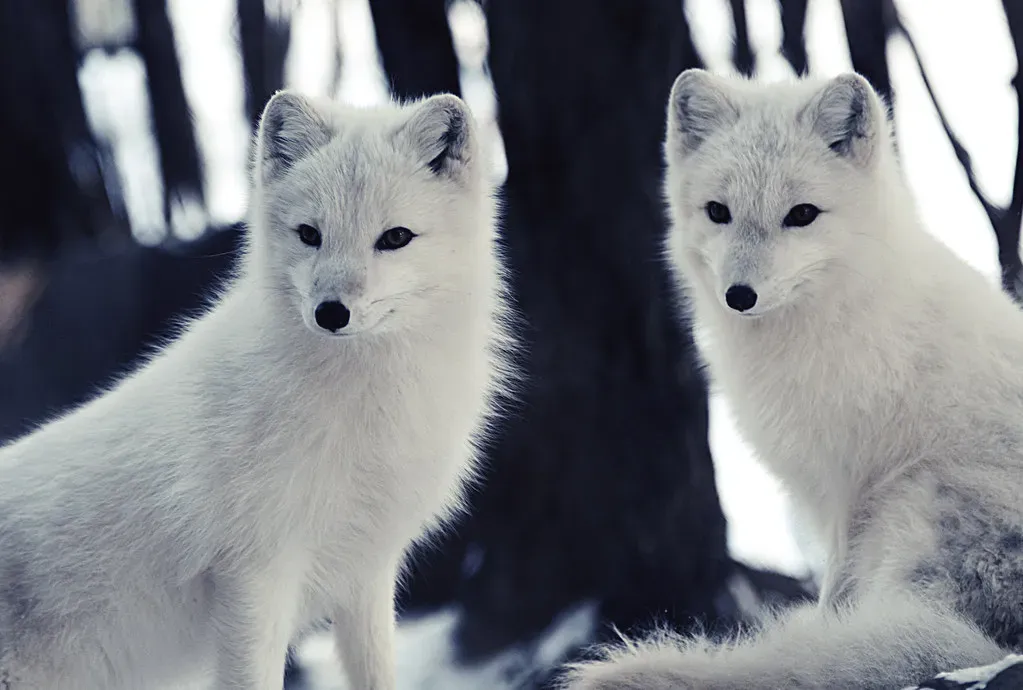
St. Matthew Island tells a story that’s both specific and universal. It’s about two fox species, yes, but it’s really about how rapidly our planet is changing and what that means for species caught in the crossfire. The red fox isn’t a villain in this narrative. It’s simply doing what evolution programmed it to do: expand into available habitat and compete successfully. The tragedy is that this expansion is happening at a pace Arctic foxes can’t match.
For anyone who loves the Canidae family, from our domestic dogs to their wild relatives, this ecological drama matters. It reminds us that these remarkable animals face challenges far beyond our cozy homes and dog parks. What do you think can be done to help these incredible Arctic survivors? The answer might be more complicated than we’d like to admit.