
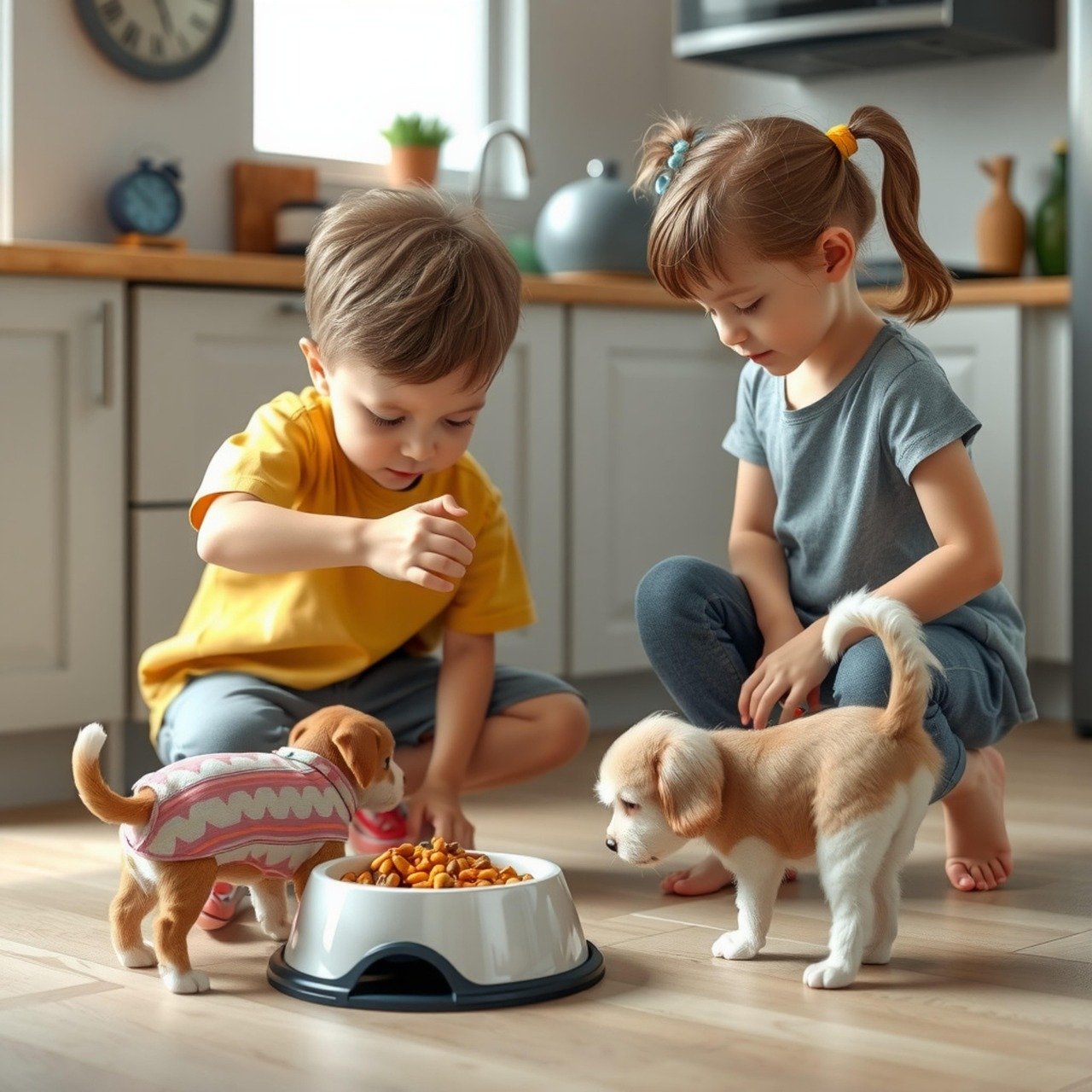
Picture your dog looking at you with those trusting eyes, tail wagging with pure joy at your arrival home. Yet somewhere across town, another dog of the same breed is cowering in fear or showing aggressive behavior. What makes the difference? The truth might be harder to swallow than we’d like to admit.
Known for her “no bad dogs” philosophy, Woodhouse was highly critical of “bad owners”, and decades of scientific research have proven she was right. Every single behavioral issue we see in our canine companions traces back to the humans who shape their world. It’s time we stop blaming our dogs and start taking responsibility for the creatures who depend entirely on us for guidance, love, and proper development.
The Science Behind Bad Behavior
Research has shattered the myth that some dogs are simply born aggressive or problematic. The use of positive punishment or negative reinforcement based training methods was associated with increased chance of aggression to family and unfamiliar people outside the house. Importantly, for all types of aggression, the variables measured explained a relatively small amount of the variance (<10%) between aggressive and non-aggressive animals, suggesting a much greater importance of factors specific to the experience of individual dogs in the development of aggression.
Think about that for a moment. The individual experiences we provide our dogs matter far more than their breed or genetics. Results showed that dogs from Group Aversive displayed more stress-related behaviors, were more frequently in tense and low behavioral states and panted more during training, and exhibited higher post-training increases in cortisol levels than dogs from Group Reward. Additionally, dogs from Group Aversive were more ‘pessimistic’ in the cognitive bias task than dogs from Group Reward.
When we use harsh methods, we’re literally changing how our dogs see the world. They become pessimistic, stressed, and defensive. Would you blame a child for being anxious if they lived in constant fear of punishment?
The Owners Behind Aggressive Dogs Tell a Story
The most eye-opening research comes from studying the people behind problematic dogs. Owners of aggressive dogs were found to be more likely to have a history of antisocial behaviors and instances of animal abuse or neglect. This isn’t about judging people, but understanding patterns that put dogs at risk.
The majority of these owners (63 percent) did not provide any assistance at the time their dog attacked, such as trying to stop the biting. Furthermore, 20 percent of the owners were themselves aggressive, threatening, or intimidating toward the victim. The owners of these aggressive dogs showed little empathy toward the individuals who were bitten: 13 percent denied the seriousness of the situation (despite the fact that the severity of the bites was later judged to be sufficient to have the dog impounded) and 9 percent blamed the victim.
The pattern becomes clear when we look deeper. The high-risk dog owners had nearly 10 times more criminal convictions than other dog owners. Breaking the data down by categories of criminal behavior, they found that high-risk dog owners were 6.8 times more likely to be convicted of an aggressive crime, 2.8 times more likely to have carried out a crime involving children, 2.4 times more likely to have perpetrated domestic violence, and 5.4 times more likely to have an alcohol-related conviction when compared to low-risk dog owners.
Training Methods Shape Everything
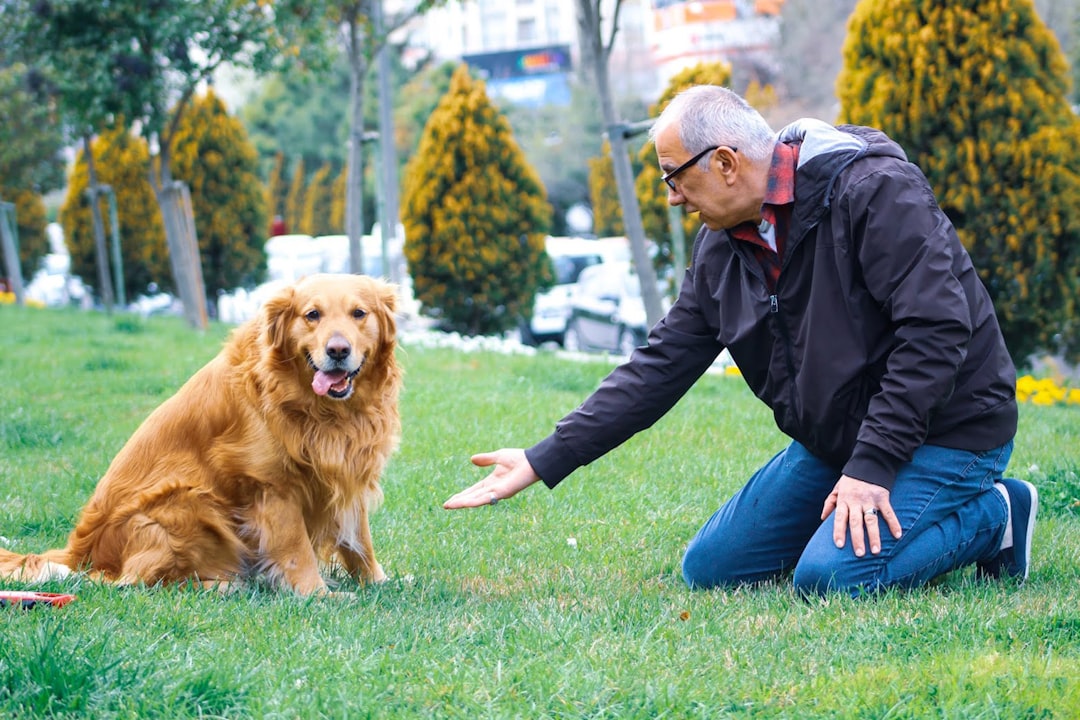
The results show that using aversive training methods (e.g., positive punishment and negative reinforcement) can jeopardize both the physical and mental health of dogs. Yet many owners still believe that dominance and punishment create respect. They couldn’t be more wrong.
In addition, although positive punishment can be effective, there is no evidence that it is more effective than positive reinforcement–based training. In fact, there is some evidence that the opposite is true. Science has repeatedly shown us that reward-based training isn’t just kinder – it’s more effective.
Multiple studies have shown that training based on punishments or confrontations are more likely to lead to fear, avoidance, and increased aggressi. When owners choose harsh methods, they’re creating the very problems they’re trying to solve. It’s like trying to put out a fire with gasoline.
The Critical Window We Often Miss
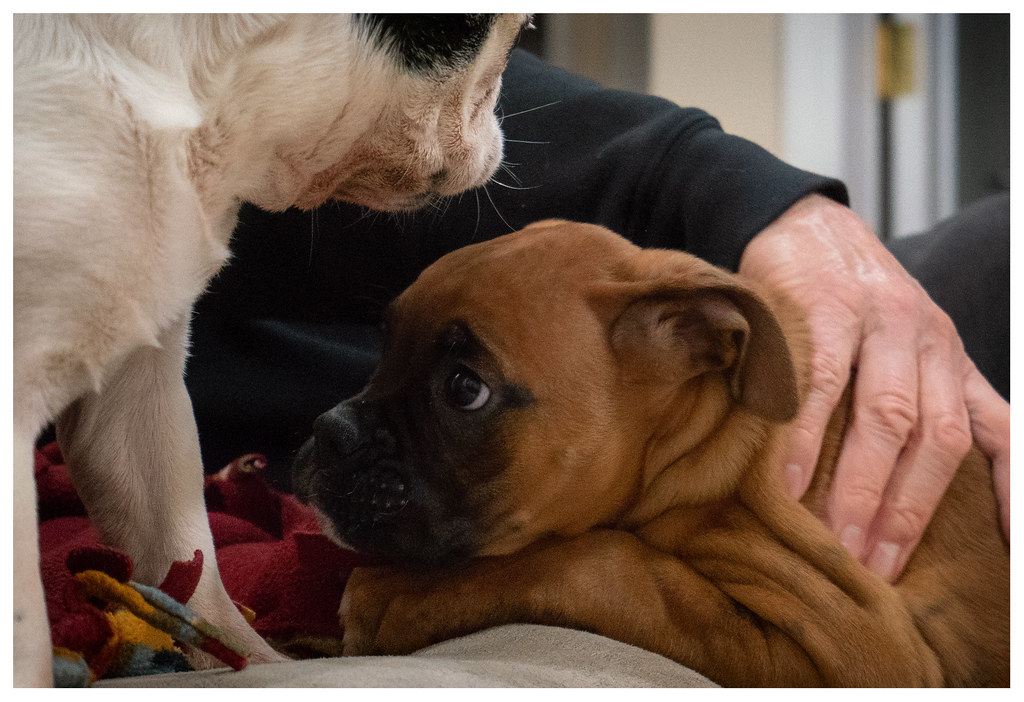
The greatest window of learning in a dog’s life starts around 3 weeks of age and closes between 12 and 16 weeks. This period allows puppies to be exposed to a wide variety of sights, sounds, smells, and sensations without becoming fearful. Puppies who miss out on these experiences may never learn to be comfortable around unfamiliar things, paving the way for anxiety, fear, and aggression later on in life.
Most owners don’t realize they have such a short window to shape their dog’s entire future. Socialization and early exposure is the single most effective way to prevent fear, behavior problems (including aggression), and adult dogs that cannot cope with their environment. Missing this window isn’t the puppy’s fault – it’s ours.
According to the American Veterinary Society of Animal Behavior, improper socialization can lead to behavior problems later in life. The organization’s position statement on socialization reads: “Behavioral issues, not infectious diseases, are the number one cause of death for dogs under 3 years of age.” Think about that statistic. We’re failing our dogs so badly that behavioral problems kill more young dogs than diseases.
Fear Creates the Problems We Blame Dogs For
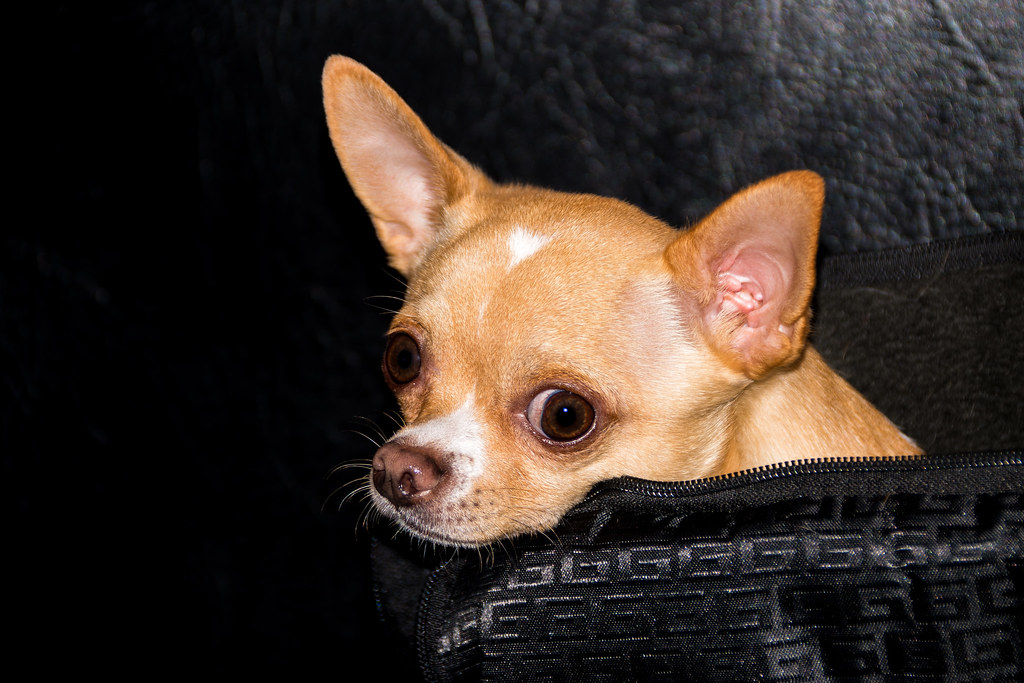
Aggression is the most common and most serious behavior problem in dogs. It’s also the number-one reason why pet parents seek professional help from behaviorists, trainers and veterinarians. Yet most aggression stems from fear, not malice.
Most displays of aggression are the result of fear. When we see a dog snap or growl, our first instinct is to label them as bad or dangerous. Instead, we should ask ourselves what made them so afraid that aggression felt like their only option.
A fearful dog will normally adopt fearful postures and retreat, but she may become aggressive if cornered or trapped. Some dogs will cower at the prospect of physical punishment but attack when a threatening person reaches for them. We create fearful dogs through our actions, then punish them for being afraid.
Environmental Factors We Control
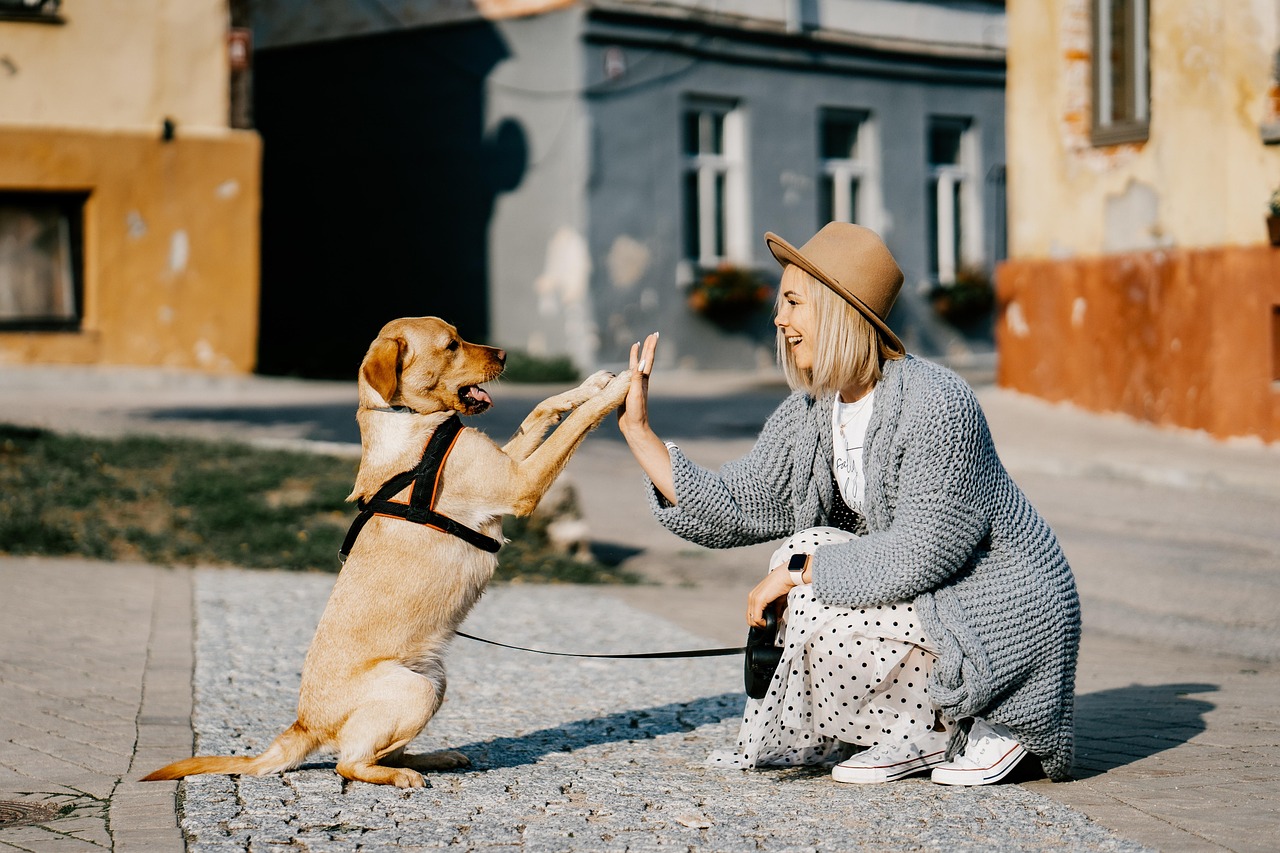
Several factors increased the probability of aggressive behaviour toward people: older age, being male, fearfulness, small body size, lack of conspecific company, and being the owner’s first dog. Notice how many of these factors relate to the environment and care we provide.
Isolation, inexperienced handling, and lack of proper socialization all fall squarely on the owner’s shoulders. Our data suggest that nine factors may in particular serve as a warning signal for biting incidents, as these factors were most frequently (≥15%) prevalent in the total of reported cases: having a multiple dog household, a dog reportedly roaming a neighbourhood without an owner, a dog’s care tasks being transferred, a short leash and muzzle obligation served to the owner for a dog, an isolated and/ or confined keeping of a dog, a dog owner’s (suspected) substance abuse, a dog owner’s (suspected) animal abuse, a dog owner aggressing at confiscation of the dog and a dog owner being reported on for antisocial behaviours such as intimidation.
These warning signs paint a clear picture of neglect, irresponsibility, and poor decision-making by humans. The dogs are simply responding to the chaos we’ve created in their lives.
The Responsibility We Can’t Escape
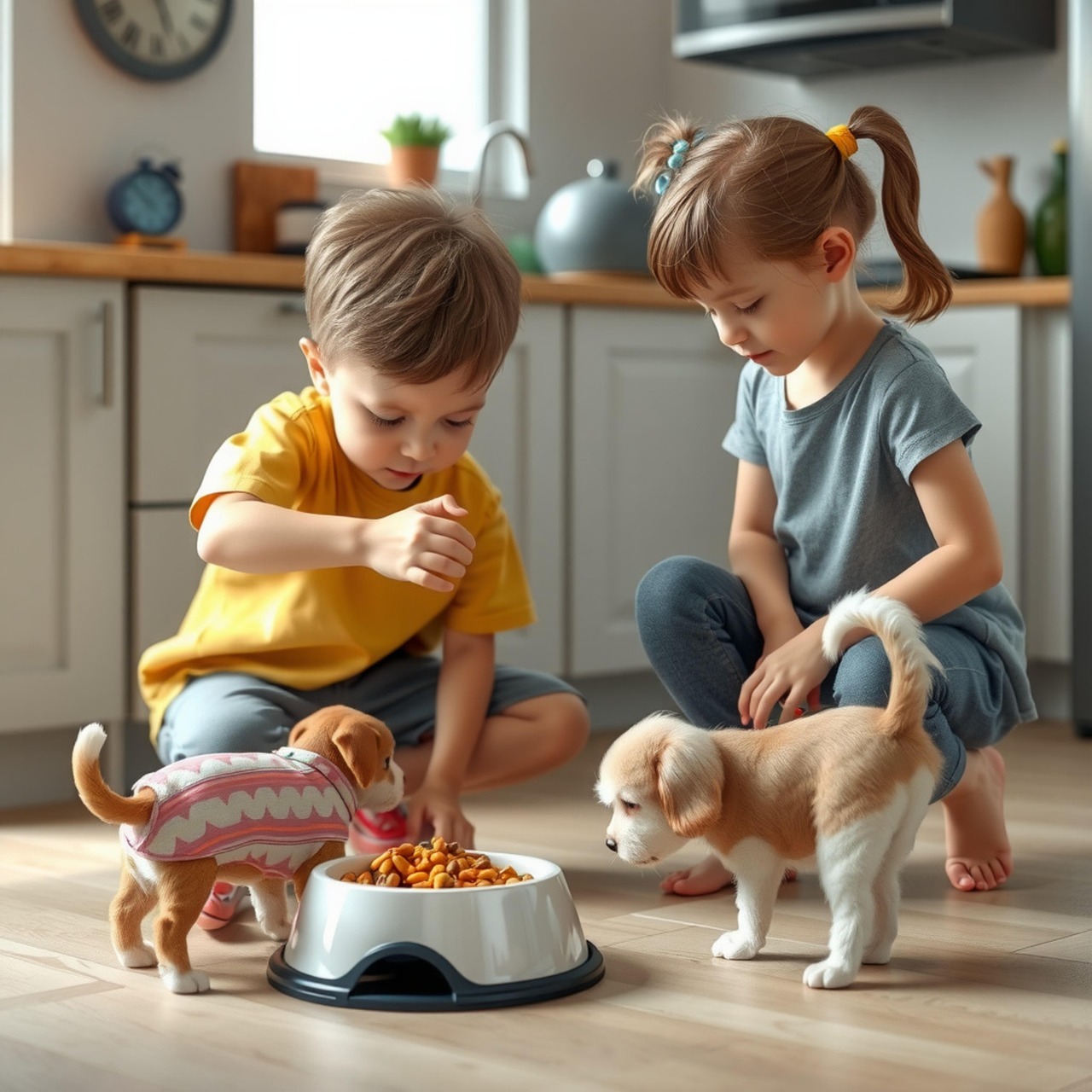
If you’re deciding whether to live with and treat your aggressive dog, there are several factors to consider because you, as the pet parent, are ultimately responsible for your dog’s behavior. This responsibility doesn’t start when problems appear – it begins the moment we bring a dog home.
Understanding the factors that contribute to dog aggression and the statistics of attacks by breed underscores the importance of responsible dog ownership. Key responsibilities for dog owners include: Proper Training: Ensuring that dogs receive appropriate training to manage their behavior and prevent aggression. Socialization: Exposing dogs to various people, animals, and environments to help them become well-adjusted and less prone to aggression.
Factors such as genetics, training, socialization, environment, and owner behavior play significant roles in determining a dog’s propensity for aggression. Of these factors, owners have direct control over most of them. We can’t change genetics, but we can shape everything else that matters.
What Good Owners Actually Do
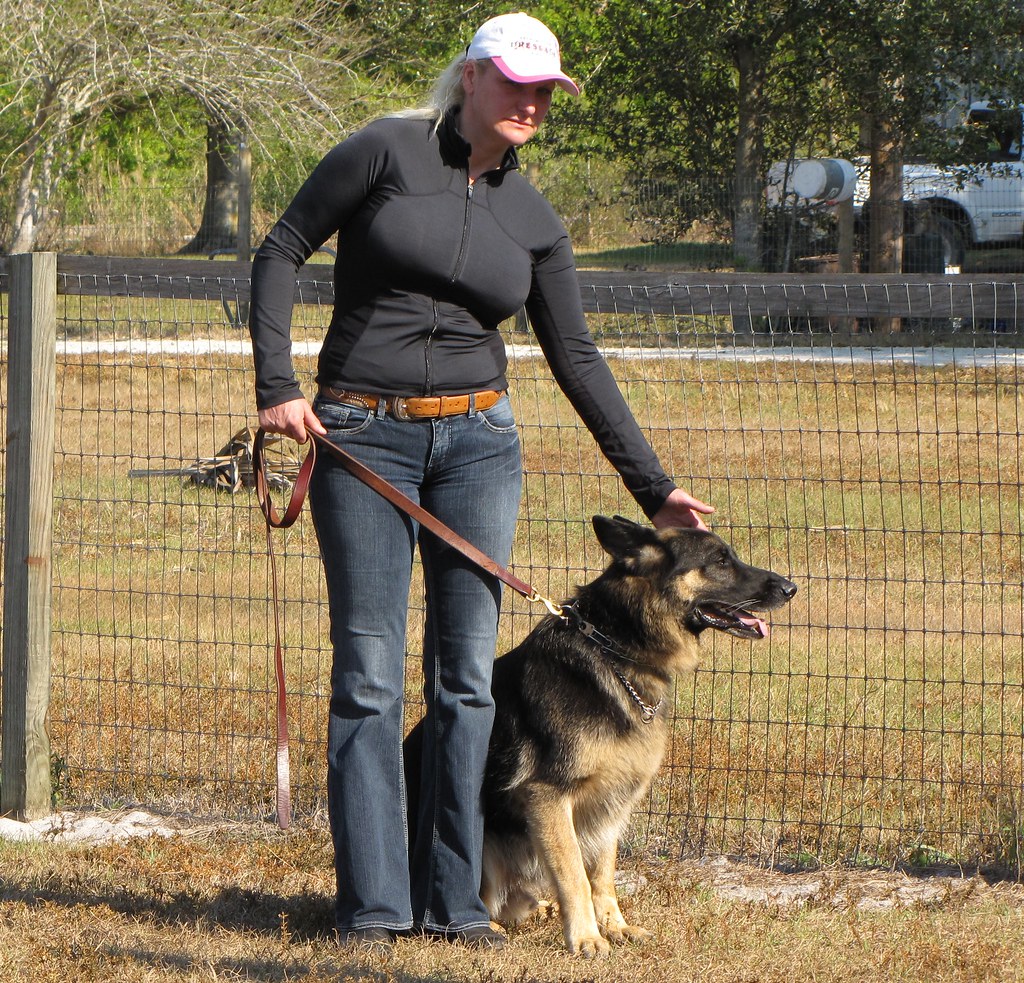
Dogs trained with rewards have fewer behavioral problems and are less fearful. Good owners understand that building trust and confidence in their dogs prevents problems before they start.
They invest time in proper socialization, knowing that social and environmental exposure administered to puppies was found to be positively correlated with measures of sociability, and negatively correlated with measures of fear and aggression. They don’t wait for problems to appear – they prevent them through thoughtful, consistent care.
Good owners also recognize their limitations and seek help when needed. Attendance at puppy classes reduced risk of aggression to unfamiliar people both in and out of the house; attending ring-craft classes were associated with reduced risk when outside the house. They understand that professional guidance creates better outcomes for everyone.
Conclusion
The evidence is overwhelming and undeniable. Every single study, every piece of research, every expert opinion points to the same conclusion: there truly are no bad dogs, only bad owners. The dogs we label as problematic are simply reflecting the care, training, and environment we’ve provided them.
This truth isn’t meant to shame anyone – it’s meant to empower us. If we’re responsible for creating behavioral problems, that means we also have the power to prevent them. Through proper socialization, positive training methods, responsible ownership, and seeking help when needed, we can ensure our dogs become the confident, well-adjusted companions they’re meant to be.
The next time you see a dog with behavioral issues, resist the urge to blame the animal. Instead, look deeper at the human story behind that dog. What would you have done in their place, given the same experiences and environment?
What kind of owner will you choose to be? Tell us in the comments how you’re committed to being the owner your dog deserves.


