
I’ve heard this phrase my whole life. Maybe you have too. It sounds like a bumper sticker, something people slap on car windows to defend pit bulls or mixed breeds. Still, the more I’ve worked with dogs and their families, the more I understand that this isn’t just a catchy saying. It’s the truth. Dogs don’t wake up one morning and decide to be destructive, aggressive, or anxious. Their behavior is a mirror reflecting what we’ve given them or, more often, what we’ve failed to provide.
Here’s the thing: every single behavior issue you see in a dog has a root cause. Fear, confusion, lack of structure, poor socialization, unmet needs. These aren’t character flaws. They’re symptoms of a deeper problem, and that problem almost always traces back to us. So let’s dig into this together, not to point fingers, but to understand how we can do better for the dogs we love.
Understanding That Dogs Are Products of Their Environment
Dogs don’t arrive in this world with a moral compass. They’re not born knowing the difference between right and wrong in human terms. What they do know is survival, instinct, and learning from experience. As pet parents, we are ultimately responsible for our dog’s behavior and must take precautions to ensure that no one’s harmed.
When a dog jumps on guests, chews furniture, or growls at strangers, they’re not being defiant. They’re responding to a lack of training, inconsistent boundaries, or an environment that hasn’t taught them what’s expected. Any dog, even a family pet, is capable of causing harm if it is threatened, in pain, out of control, protecting its territory, or deliberately or inadvertently trained to be aggressive.
Think of it this way: if you never taught your dog what “sit” means, would you blame them for not sitting? Of course not. Yet we often expect dogs to understand complex social rules without ever actually teaching those rules. Dogs thrive on clarity and consistency, and when we fail to provide that, behavioral problems emerge. It’s not the dog’s fault.
Training Is Not Optional, It’s Essential
Dogs trained using only positive reinforcement are more obedient than dogs trained with punishment. This isn’t just opinion; it’s backed by research. Dogs trained with positive reinforcement were quicker to learn new tasks and commands compared to those trained with punishment-based methods, and retained the learned behaviors for longer periods.
Yet roughly half of dog owners still rely heavily on punishment rather than rewards. That’s a problem. Training isn’t something you do for a few weeks when your puppy is young and then forget about. It’s an ongoing conversation between you and your dog. Studies have shown that approximately 80% of dogs show improved behavior when trained using positive reinforcement methods.
I think what happens is that people get frustrated. They expect instant results. Dogs don’t work that way. They need time, patience, and repetition. Dogs enrolled after 2020 had lower average trainability scores, likely due to pandemic-related factors such as more dogs being adopted from shelters or owners being more stressed and less able to dedicate time to training. When life gets busy or stressful, training is often the first thing to slip. That’s when problems start piling up.
Aggression Is Often Rooted in Fear and Poor Management

There are many types of aggressive behaviors with different motivations, but fear, anxiety, uncertainty, inheritance, and previous learning are usually involved, with fear causing most types of aggression. When animals are afraid and escaping isn’t an option, most will switch to a fight response; a fearful dog will normally adopt fearful postures and retreat, but she may become aggressive if cornered or trapped.
Here’s where it gets real: dogs labeled as aggressive are often just terrified dogs who never learned how to cope with scary situations. Maybe they were poorly socialized as puppies. Maybe they experienced trauma. Maybe their owner unknowingly reinforced fearful behavior by coddling them during moments of panic.
It is important to recognize that aggression is a response to a perceived threat, not a character flaw, and even friendly, well-socialized dogs can display aggression under certain circumstances; aggression is not limited to bad or poorly trained dogs. This is crucial to understand. Some aggressive dogs behave the way they do because of a medical condition; dogs with orthopedic problems, thyroid abnormality, adrenal dysfunction, cognitive dysfunction, seizure disorders and sensory deficits can exhibit changes in irritability and aggression, and geriatric dogs can suffer confusion and insecurity which may prompt aggressive behavior.
Socialization Windows Are Brief but Critical
Puppies have a golden window for socialization, roughly between three and fourteen weeks of age. During this time, they’re like little sponges, soaking up experiences and forming opinions about the world. Miss this window, and you’ve got a much harder road ahead. Dogs who aren’t properly socialized during this critical period often develop fear-based behaviors that persist into adulthood.
I know what you’re thinking: what if I adopted an adult dog who missed that window? It’s not hopeless. It just requires more work, more patience, and often professional help. The point is, if you’re getting a puppy, prioritize socialization above almost everything else. Expose them to different people, places, sounds, and experiences in a positive, controlled way.
Honestly, this is where so many well-meaning owners drop the ball. They keep their puppy home for months, thinking they’re protecting them, then wonder why their dog is reactive and anxious around strangers or other dogs. Protection during the vaccination period is important, but complete isolation is harmful. Find safe ways to expose your puppy to the world.
Consistency and Leadership Shape Canine Confidence
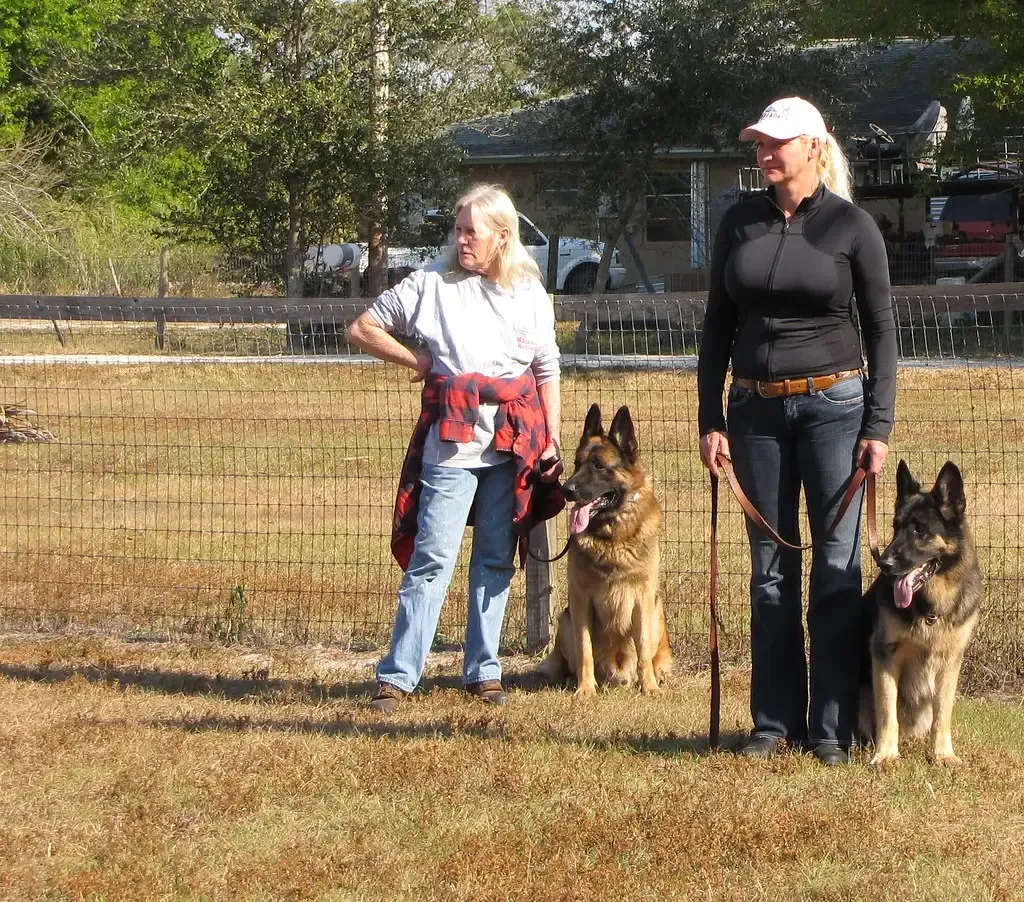
Dogs are pack animals at their core. They crave structure and leadership. When we fail to provide clear, consistent guidance, dogs feel anxious and confused. Some will try to take charge themselves, which often looks like dominance or aggression. Others will become anxious and shut down.
It is important that family members set themselves up as good parental leaders very early in their relationship with their dog; good leaders treat their dogs more like a good parent would treat children or a good teacher would treat a student, and it is important to provide consistency, patience, persistence, routine and predictability.
Think about it from the dog’s perspective. If the rules change every day, if sometimes jumping on the couch is fine and other times you get yelled at, how are you supposed to know what’s expected? Consistent responses reduce your dog’s anxiety and conflict by teaching your dog what behaviors will get rewards and what will not; in a sense you gain control over your dog’s behavior while your dog gains control over its rewards.
This doesn’t mean being harsh or domineering. It means being fair, predictable, and calm. Dogs feel safe when they understand the rules. They relax when they trust that their human will handle things. That’s the foundation of a well-behaved dog.
We Owe Them More Than Just Love
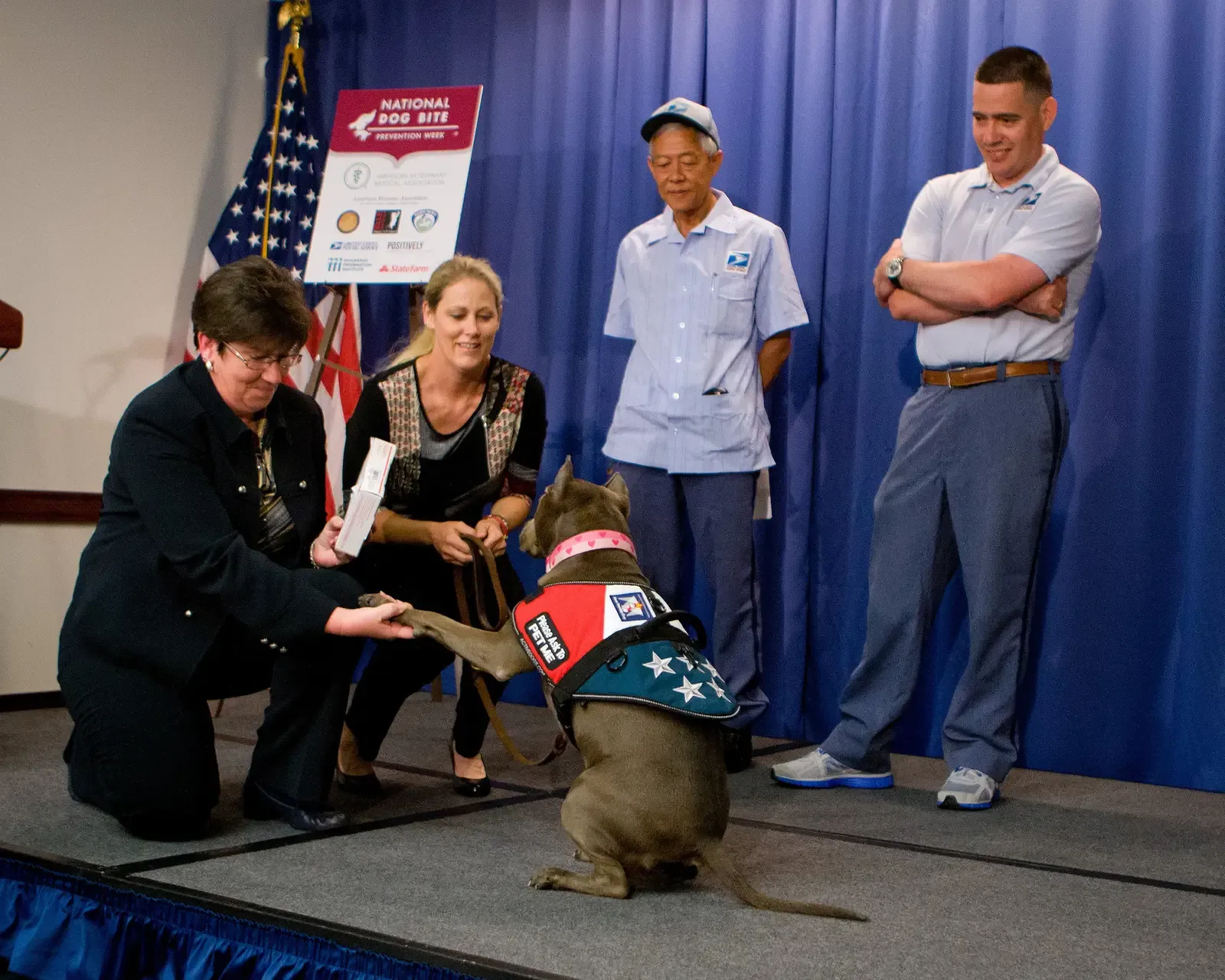
Dogs provide great companionship, but owning a pet involves serious responsibilities. Dog ownership is more than feeding, walking, and playing fetch; it requires foresight and care to keep your pet and everyone else safe.
Love is wonderful. It’s necessary. Yet it’s not enough. Dogs need mental stimulation, physical exercise, training, boundaries, and socialization. They need veterinary care, proper nutrition, and a safe environment. Health issues such as pain, infections, or untreated injuries can cause dogs to behave aggressively; keeping your pet healthy protects them and lowers risks to others.
The responsibility for dangerous dog behavior rests with owners, not the dogs; if you want to own a dog, any dog, regardless of size or breed, you must assume the full weight of that responsibility. That means investing time in training. It means recognizing when your dog is stressed or fearful and addressing it. It means not making excuses for problem behaviors but instead seeking solutions.
Let’s be real: some people treat their dogs like accessories or entertainment. They want the Instagram moments without putting in the work. That’s not fair to the dog. Every behavioral problem I’ve seen could have been prevented or managed with proper education, training, and commitment from the owner.
Conclusion

At the end of the day, dogs are doing the best they can with what they’ve been given. They don’t have hidden agendas or malicious intent. They’re simply responding to their environment, their experiences, and the guidance they’ve received or not received.
When we say , we’re not trying to shame anyone. We’re recognizing a fundamental truth: dogs are incredibly adaptable, loving creatures who will rise to meet our expectations if we give them the tools to do so. Every dog deserves an owner who’s willing to learn, grow, and put in the effort.
So here’s my question for you: Are you giving your dog everything they need to succeed? What would you change if you could start fresh with what you know now?


