
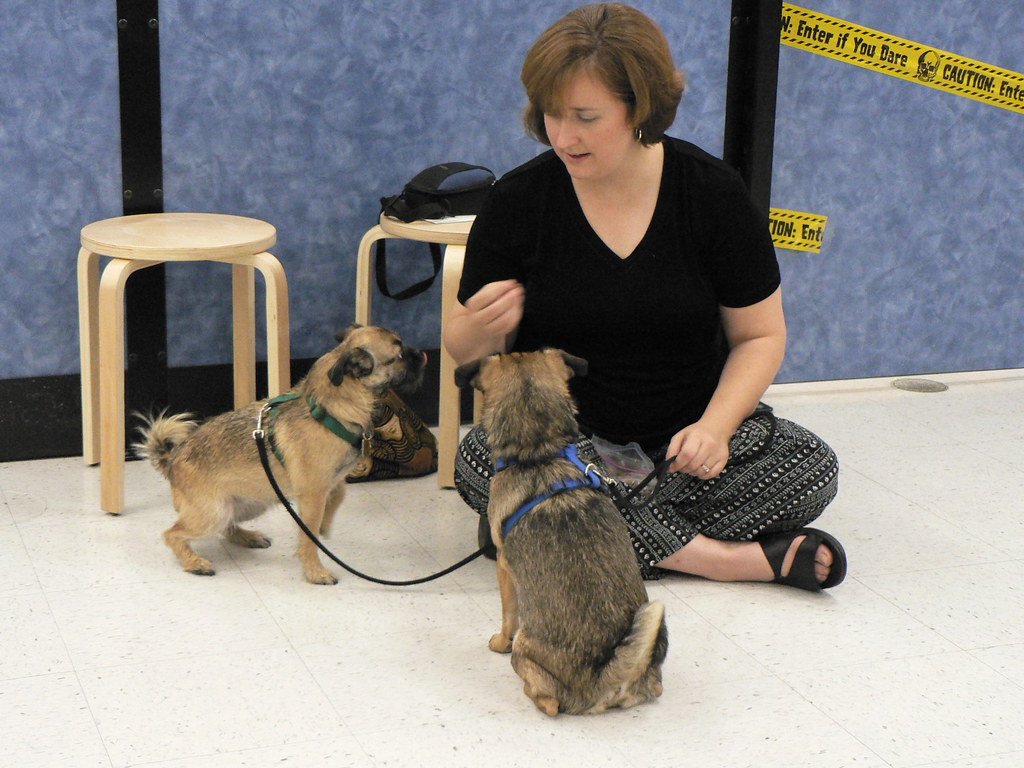
Picture this: you walk into obedience class full of hope, your furry best friend by your side, ready to finally master “sit” and “stay.” Six weeks later, you’re walking out feeling defeated while your dog still pulls on the leash and ignores every command you’ve practiced a hundred times. If this sounds familiar, you’re not alone. Thousands of devoted dog parents face the same frustrating cycle every year, watching their pups flunk out of training program after training program.
But here’s the thing that most people don’t realize – most people fail when it comes to training their dog, and it’s not because their dogs are broken or stubborn. The truth is far more complex and hopeful than you might think. Behind every “problem dog” is usually a perfectly normal pup whose needs simply aren’t being met by conventional training approaches.
The Anxious Avoider Who Shuts Down

Meet the dog who seems to disappear right before your eyes during training sessions. When a dog is anxious, they aren’t focused on you, but rather the scary distraction, and it can be a struggle to get them to listen. These sensitive souls often come from rescue backgrounds or simply have naturally cautious temperaments that make group classes feel overwhelming.
Fear makes dogs shut down, and training can’t happen when cognitive connections can’t form. Rather than trying to train your dog when they’re fearful, you need to respect how your dog is feeling. Watch for the telltale signs: trembling, excessive panting, or that heartbreaking look where your dog seems to be mentally checking out. These dogs need smaller, quieter environments and lots of patience to build their confidence first.
The Stubborn Independent Thinker
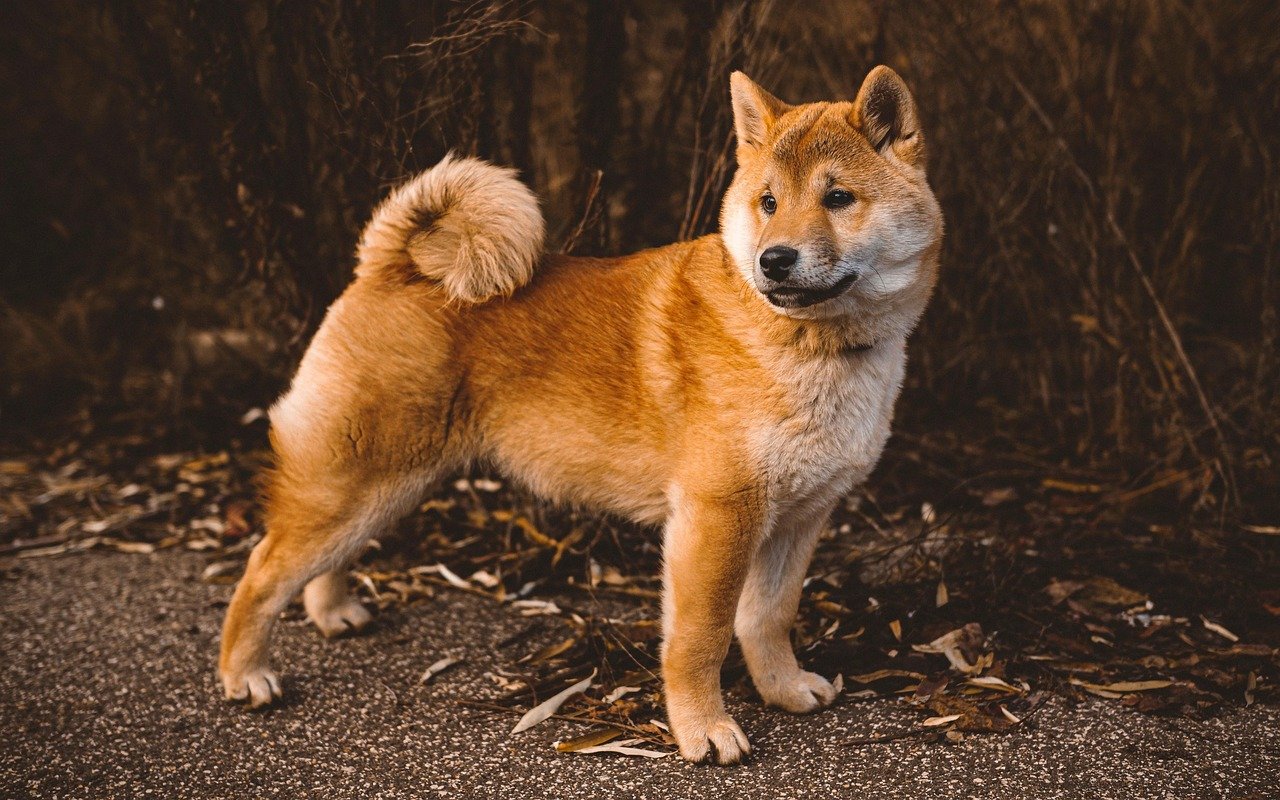
Shiba Inus, Beagles, and Dachshunds often get the “stubborn” label because they were bred to be hunting dogs who have to think and outsmart prey. These intelligent rebels aren’t being defiant just to annoy you – they’re literally hardwired to make their own decisions.
The problem with treat-waving is that it doesn’t make the dog want to engage with you, and it doesn’t let them make the choice. When a dog chooses to engage with you because they want to, that’s a gazillion times more powerful. These dogs need training that taps into their natural instincts and makes them feel like partners rather than subordinates.
The Fear-Aggressive Protector
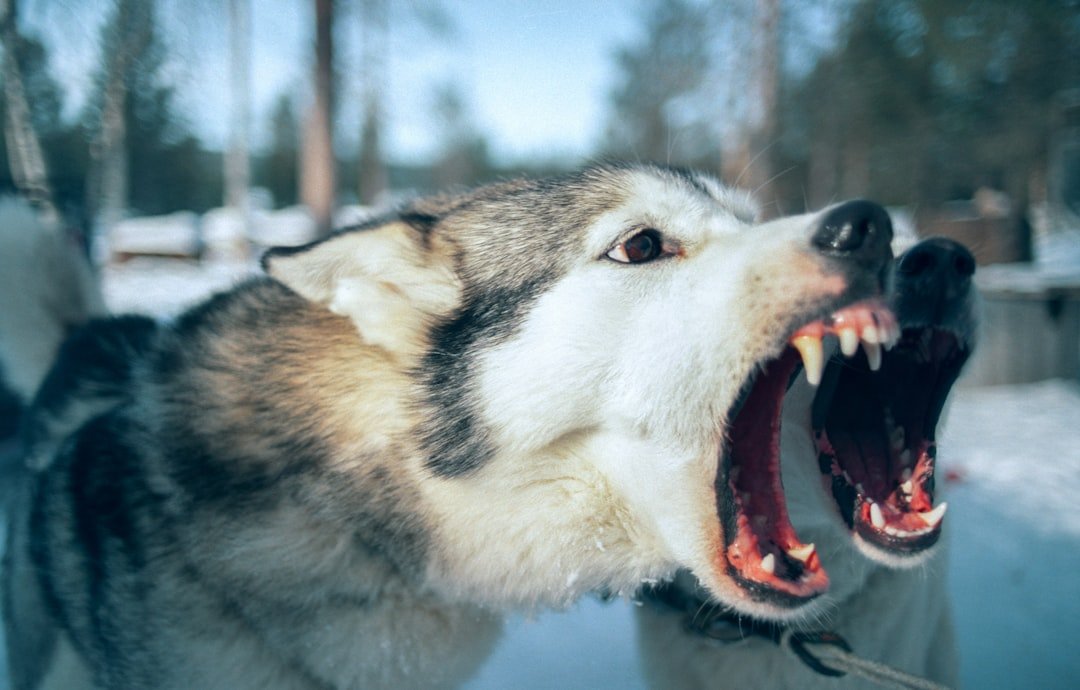
Fear aggression is one of the most common behavioural challenges dog owners face, and it’s a behaviour stemming from a deep-rooted fear. These dogs aren’t mean – they’re terrified and using aggression as their last resort to create distance from whatever scares them.
This seemingly aggressive behavior can actually be underpinned by fear. If your dog exhibits these signs, it’s time to build their confidence and help them face their fears in a safe and productive way. Traditional obedience classes with multiple dogs and strangers can actually make these dogs worse, not better. They need specialized behavior modification programs, not basic sit-stay commands.
The Overstimulated High-Energy Breed
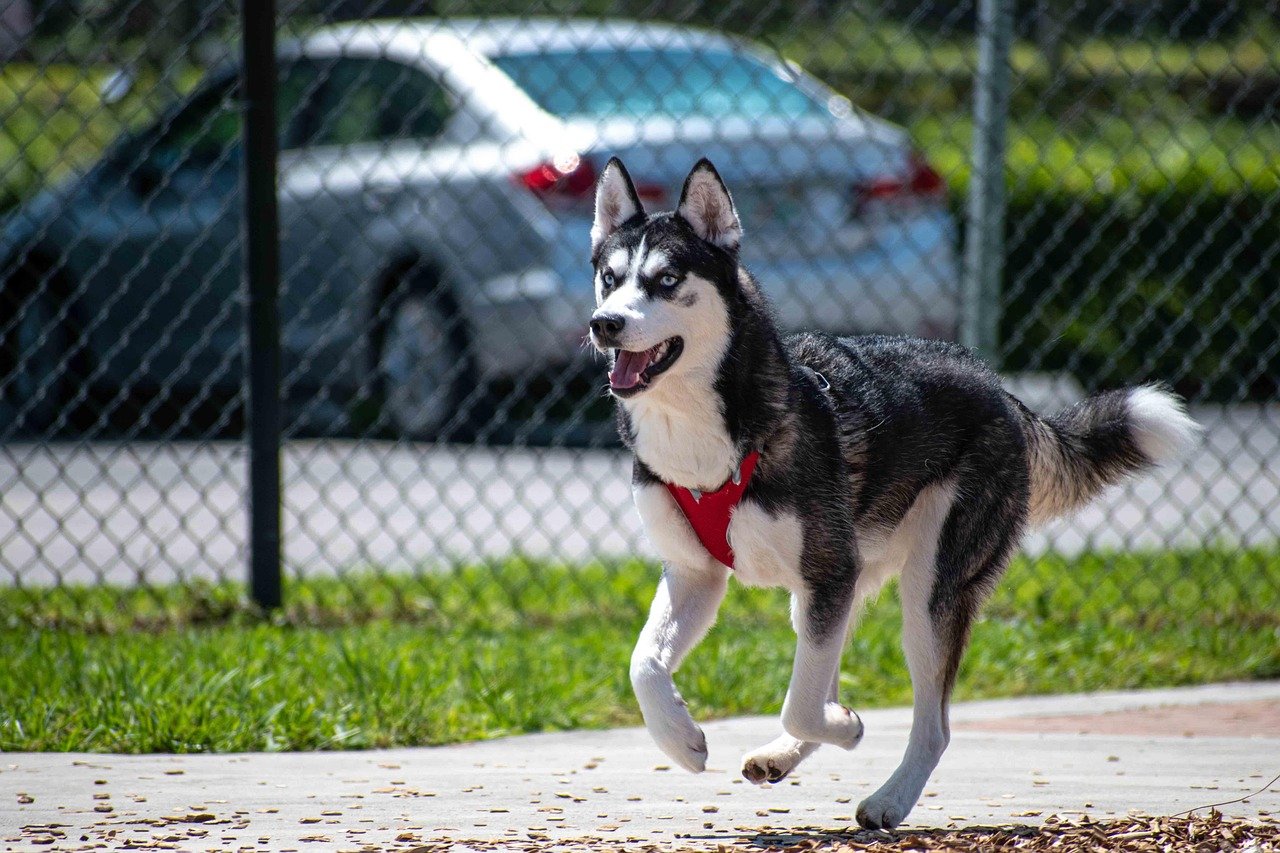
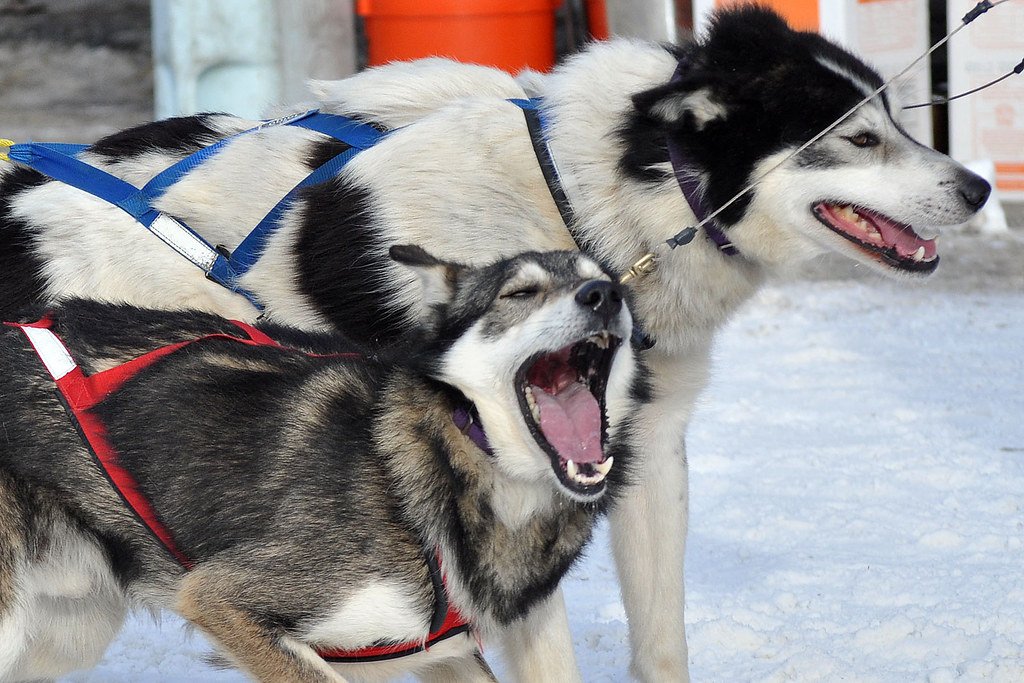
Huskies are demanding, strong-willed and stubborn, and they’re also one of the highest energy dogs out there, developed to be sled dogs capable of traversing long distances. These athletic powerhouses often struggle in traditional obedience settings because their physical and mental needs aren’t being met.
If they don’t get heaps of exercise and mental stimulation, they’ll find more “unsavory” ways of exhausting their energy and relieving their boredom. A tired Border Collie or frustrated Husky can’t focus on “down-stay” when their entire being is screaming for action and adventure.
The Medically Compromised Student

When dogs are suffering from a medical condition that causes pain, chronic inflammation, or other imbalances, they frequently overreact to situations that otherwise would not feel so threatening to them. Hidden pain is behind a significant portion of behavior problems, yet many owners never consider this possibility.
That “disobedient” dog who won’t sit might have hip dysplasia. The “aggressive” pup who snaps during training could be dealing with an ear infection or dental pain. Once the underlying medical problem is addressed, behavior may improve significantly. Always rule out physical issues before assuming your dog is just being difficult.
The Mismatched Method Victim
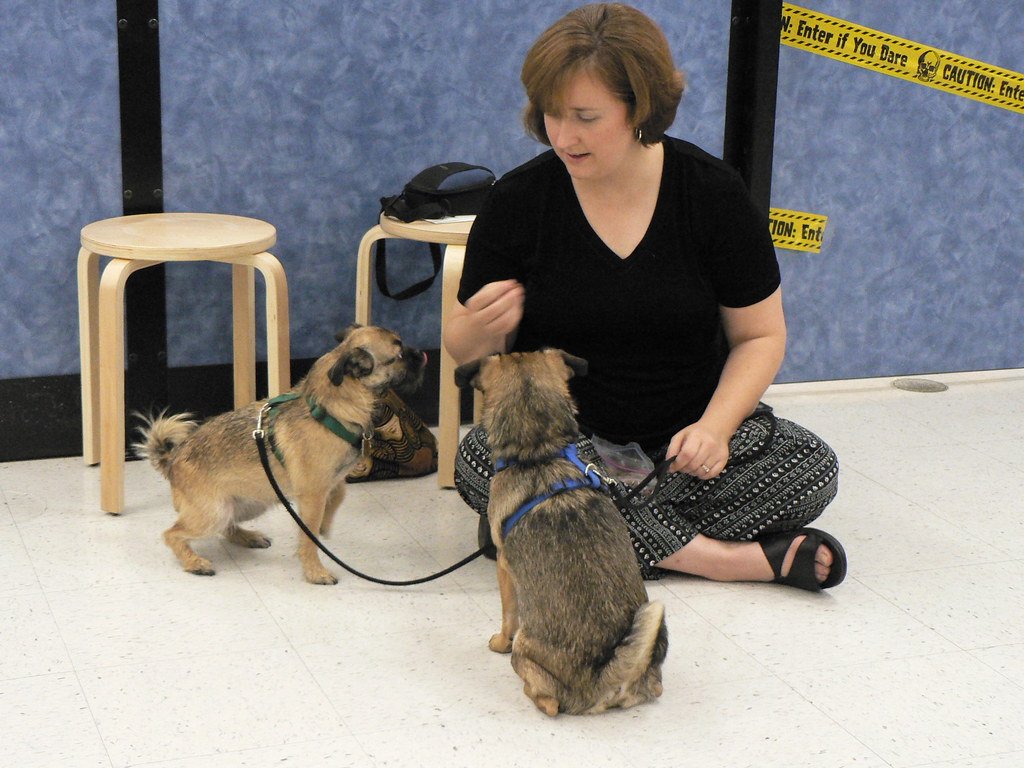
Training advice varies wildly: Use food. Never use food. Use shock collars. Never shock your dog; it’s cruel. Be positive, all the time. No, show the dog who’s boss. This conflicting information leaves many owners spinning their wheels with approaches that simply don’t match their individual dog’s learning style.
Dog training “tips” and even whole “methods” sometimes fail because general advice cannot take into account the specific context in which a behavior occurs. What works brilliantly for a food-motivated Golden Retriever might be completely useless for a toy-driven Terrier or a praise-seeking rescue dog.
The Commitment-Challenged Owner
Many dog owners believe that training is a “set it & forget it” activity; it’s not. Obedience training is something that is learned and polished as the puppy matures, like teaching a child age-appropriate behaviors. The harsh truth is that some dogs fail because their humans aren’t putting in the necessary work.
Behaviorists estimate it requires around 2,000 repetitions before most dogs can fully learn a behavior. If you’ve told your dog to “sit” 1,000 times, and she complies half the time, you haven’t failed, and neither has she. Consistency and repetition are non-negotiable, but many owners give up too soon or practice too infrequently.
The Emotionally Overwhelmed Learner
Behavior problems are emotional reactions, rather than learned behaviors. Your dog is not voluntarily “choosing” to bark and lunge at strangers, in the same way that he chooses to sit for a treat. These dogs are dealing with deeper issues that basic obedience training simply can’t address.
For dogs with true behavior problems, including dog or human-directed aggression, leash reactivity, or anxiety issues, a basic obedience class won’t be nearly as helpful as you might think. It’s not that obedience training is a bad idea, but it misses the point. These dogs need specialized help, not more heel-sit-stay drills.
Conclusion
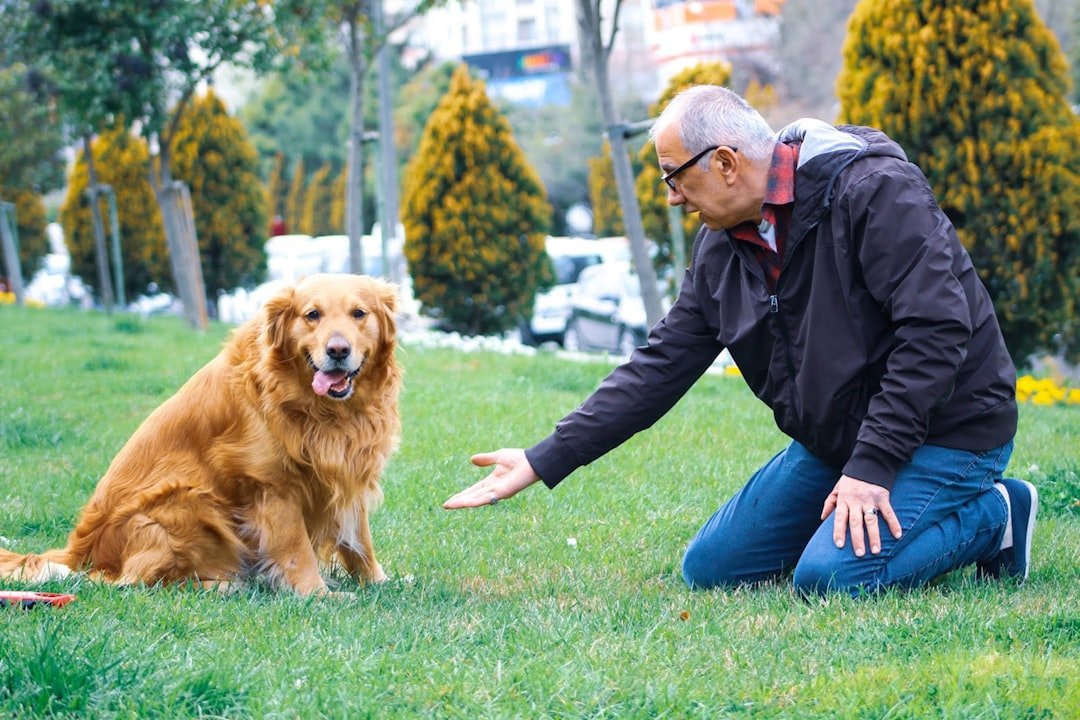
The next time you see a dog “failing” obedience school, remember that failure often says more about the mismatch between dog and method than about the dog’s intelligence or potential. Every dog deserves training that honors their individual personality, addresses their specific needs, and works with their natural instincts rather than against them.
Your struggling pup isn’t broken – they might just need a different approach, better timing, medical attention, or simply more understanding of what makes them tick. With the right combination of patience, knowledge, and sometimes professional help, even the most “difficult” dogs can become wonderful companions.
The most successful dog-human partnerships aren’t built on perfect obedience – they’re built on mutual understanding, respect, and meeting each other halfway. Isn’t that exactly what real friendship looks like?


