

Imagine a household bustling with the joyful chaos of multiple pets. It’s like a symphony, each animal contributing its own unique sound. But amidst this delightful pandemonium, certain dog breeds stand out, gracefully navigating the whirlwind while maintaining harmony. Ever wondered why some dogs thrive in such environments while others struggle? Let’s explore the characteristics and traits that make these dogs the unsung heroes of multi-pet households.
Adaptability: The Key to Multi-Pet Harmony
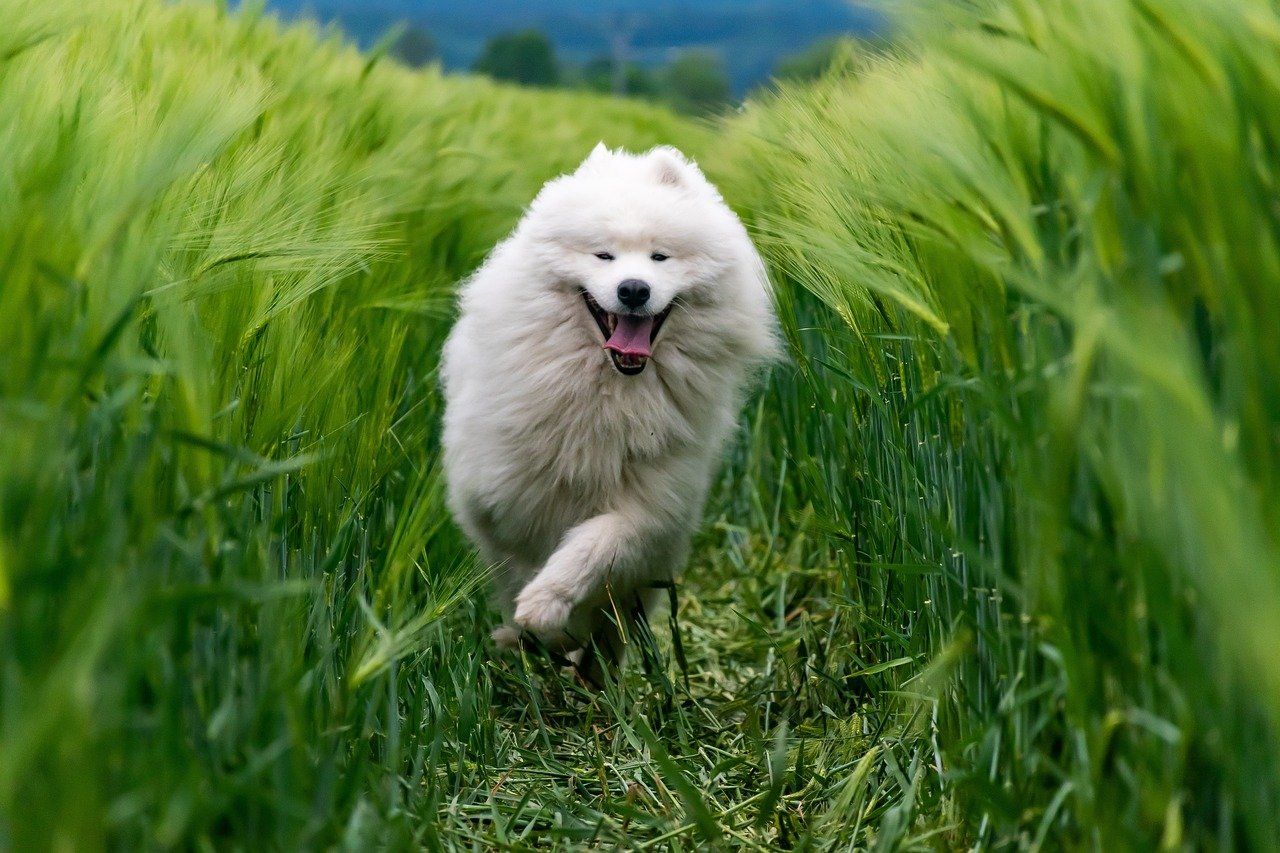
Adaptability is the cornerstone trait that allows certain dog breeds to excel in a multi-pet environment. These dogs have an innate ability to adjust to changing circumstances, whether it’s a new pet joining the family or a shift in the household routine. Think of them as the diplomats of the animal kingdom, capable of maintaining peace and balance. Their flexible nature makes them less stressed by the unpredictability of a lively home, allowing them to thrive where others might falter.
Social Butterflies: Embracing New Friends

In a home teeming with various animals, a dog’s social skills are paramount. Breeds known for their friendly and outgoing nature, like Labradors and Golden Retrievers, often excel in multi-pet settings. These dogs are the social butterflies of the canine world, effortlessly making friends with other pets. Their welcoming demeanor can help ease tensions and foster camaraderie among different species, turning potential chaos into a cohesive community.
Intelligence: Navigating Complex Dynamics

Intelligent dog breeds shine in multi-pet households due to their ability to understand and respond to the complex dynamics at play. Dogs like Border Collies and Poodles are not only quick learners but are also highly perceptive. They can read the room, so to speak, and adjust their behavior accordingly. This intelligence helps them to navigate social hierarchies and resolve conflicts, ensuring a peaceful coexistence with their furry companions.
Calm Demeanor: The Rock in the Storm

In a bustling household, a calm and composed dog can be a grounding presence. Breeds with a naturally calm demeanor, such as the Basset Hound or the Cavalier King Charles Spaniel, bring a sense of tranquility to a multi-pet environment. Their serene nature acts as a soothing balm, reducing the overall stress levels and helping other pets feel more at ease. These dogs are like the eye of the storm, providing a stable center in the midst of chaos.
Playfulness: Keeping the Energy Positive

Playful dogs inject a dose of fun into a multi-pet home, helping to keep the energy positive and lively. Breeds like the Beagle or the Boxer are known for their boundless enthusiasm and love for play. Their infectious energy encourages other pets to join in, fostering healthy interactions and strengthening bonds. It’s like having a perpetual playdate, where everyone is invited to join the fun, making the household a happier place for all.
Patience: Tolerating the Unpredictable
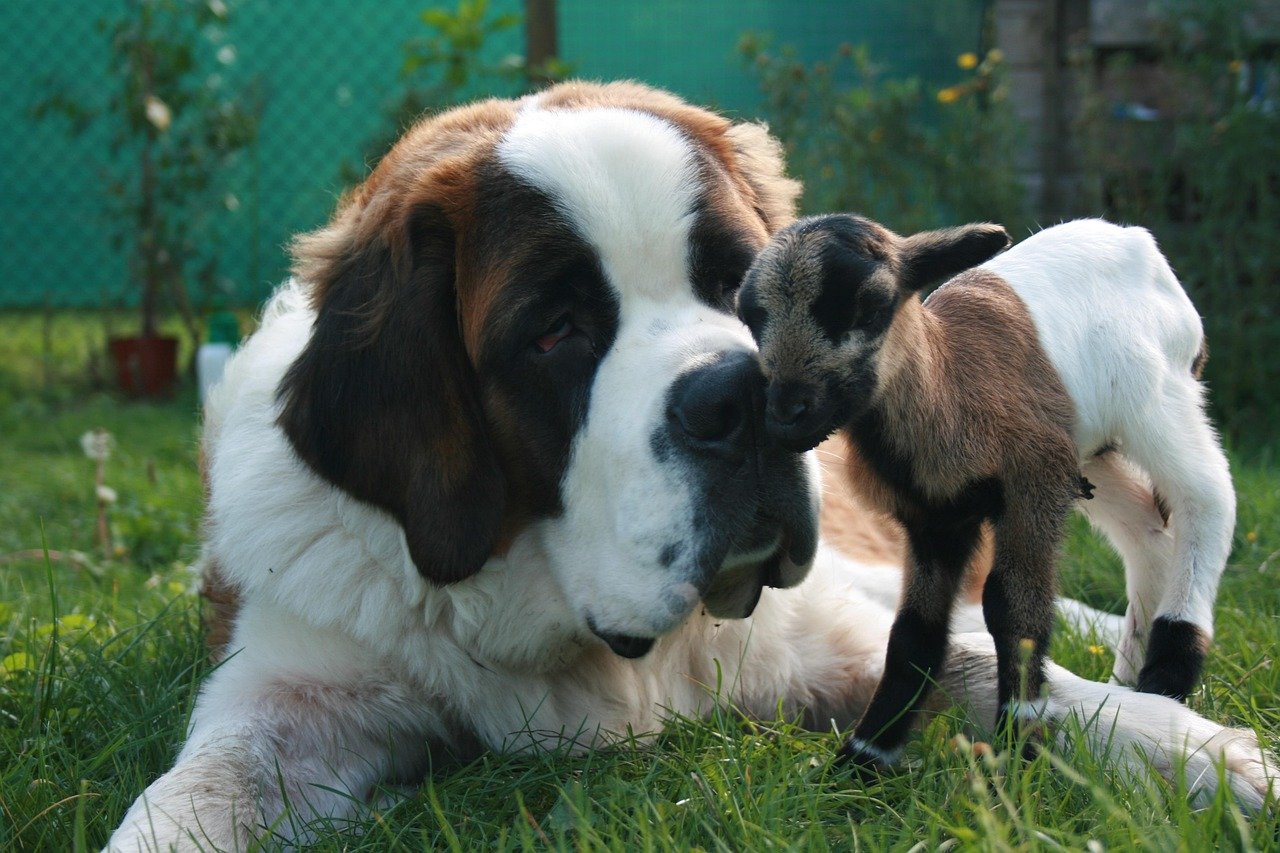
Patience is a virtue, especially in a home with multiple pets. Dogs that possess this trait, such as the Saint Bernard or the Newfoundland, can tolerate the unpredictable antics of other animals. Their patience allows them to remain calm and composed, even when faced with overzealous kittens or mischievous ferrets. These dogs are the peacekeepers, ensuring that minor squabbles don’t escalate into full-blown conflicts.
Protective Instincts: Safeguarding the Pack

In a multi-pet household, a dog’s protective instincts can play a crucial role in maintaining safety and security. Breeds like the German Shepherd or the Rottweiler are known for their strong protective nature. They act as guardians, watching over their furry family members and alerting them to potential dangers. This sense of responsibility fosters a sense of security among all the pets, knowing they are looked after by their vigilant canine companion.
Affectionate Nature: Building Strong Bonds

Dogs that are naturally affectionate help to build strong bonds within a multi-pet household. Breeds like the Cocker Spaniel or the Shih Tzu are known for their loving nature, often seeking out companionship with both humans and other animals. Their warmth and affection create a nurturing environment, encouraging other pets to form close relationships. It’s like having a glue that holds the household together, ensuring everyone feels loved and included.
Medium Size: The Perfect Fit
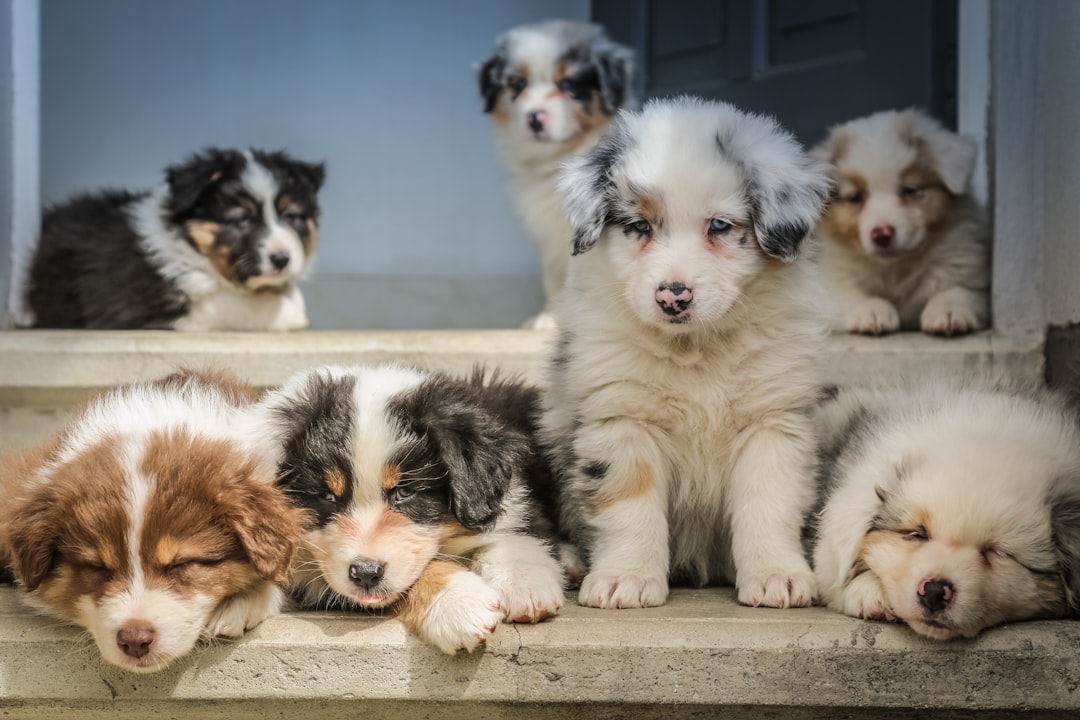
Size can be a significant factor in how well a dog fits into a multi-pet home. Medium-sized dogs, such as the Australian Shepherd or the Whippet, often find themselves in the sweet spot. They are large enough to hold their own but not so big that they overwhelm smaller pets. This balance allows them to interact comfortably with a variety of animals, making them versatile companions in a bustling household.
Trainability: Learning the House Rules

A trainable dog is a valuable asset in a multi-pet household. Breeds that are eager to learn, like the Labrador Retriever or the Shetland Sheepdog, can quickly grasp the house rules and adapt to the expectations of their environment. Their willingness to learn and follow commands makes them easier to manage, reducing potential conflicts and ensuring a harmonious living space for all the pets involved.
In conclusion, the unique combination of traits such as adaptability, intelligence, and patience allows certain dog breeds to excel in multi-pet households. These dogs are not just surviving in the chaos; they are thriving, bringing joy and harmony to their homes. So next time you find yourself in the midst of your own multi-pet pandemonium, take a moment to appreciate the dogs that keep the peace and make it all possible. What traits do you think are most important for a dog in a multi-pet home?


