Ever watch a Chihuahua try to square up with a Labrador five times its size? It’s equal parts hilarious and baffling. That little dog is convinced it’s running the show, barking commands like a tiny drill sergeant while the bigger dog just stares in mild confusion. If you’ve spent any time around small dogs, you’ve probably noticed this pattern. They seem utterly clueless about their actual size and act like they could take on the world.
What’s actually happening inside those pint-sized brains? It’s not quite what you’d think. The phenomenon has a name, some fascinating science behind it, and a truth that’s honestly pretty endearing once you understand it.
They’re Not Actually Delusional About Their Size
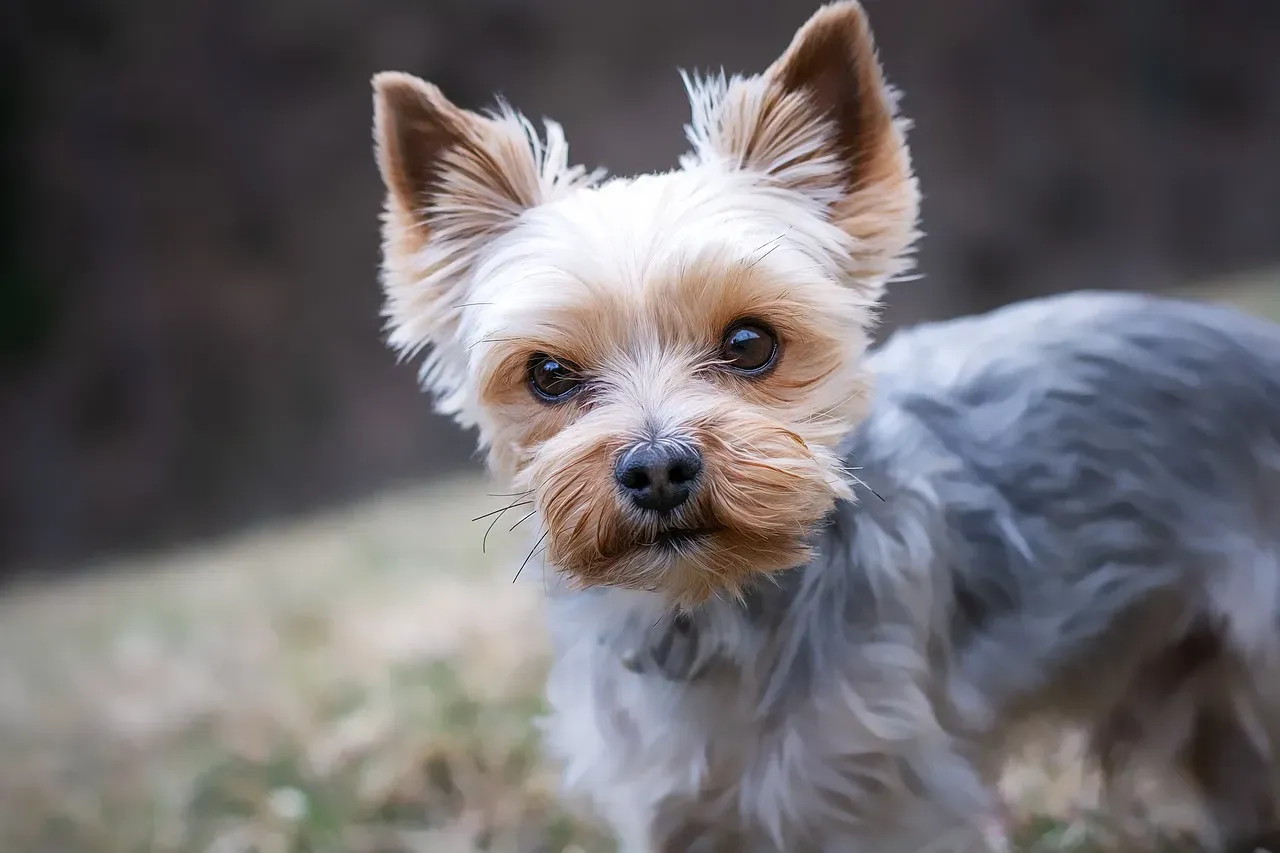
Here’s the thing that might surprise you. Little dog syndrome does not happen because a dog knows it’s small, but because their owners treat them differently because they are small. Your tiny terror isn’t walking around thinking they’re a mastiff trapped in a Yorkie body.
Dogs don’t have mirrors or measuring tapes. They experience the world through social interactions, physical sensations, and learned behaviors. Small dogs subconsciously realize they are small, which makes them scared, and they react in an aggressive manner to protect themselves. So when your pocket-sized pup acts tough, it’s actually coming from a place of vulnerability, not delusion.
The World Looks Really Scary When You’re That Small
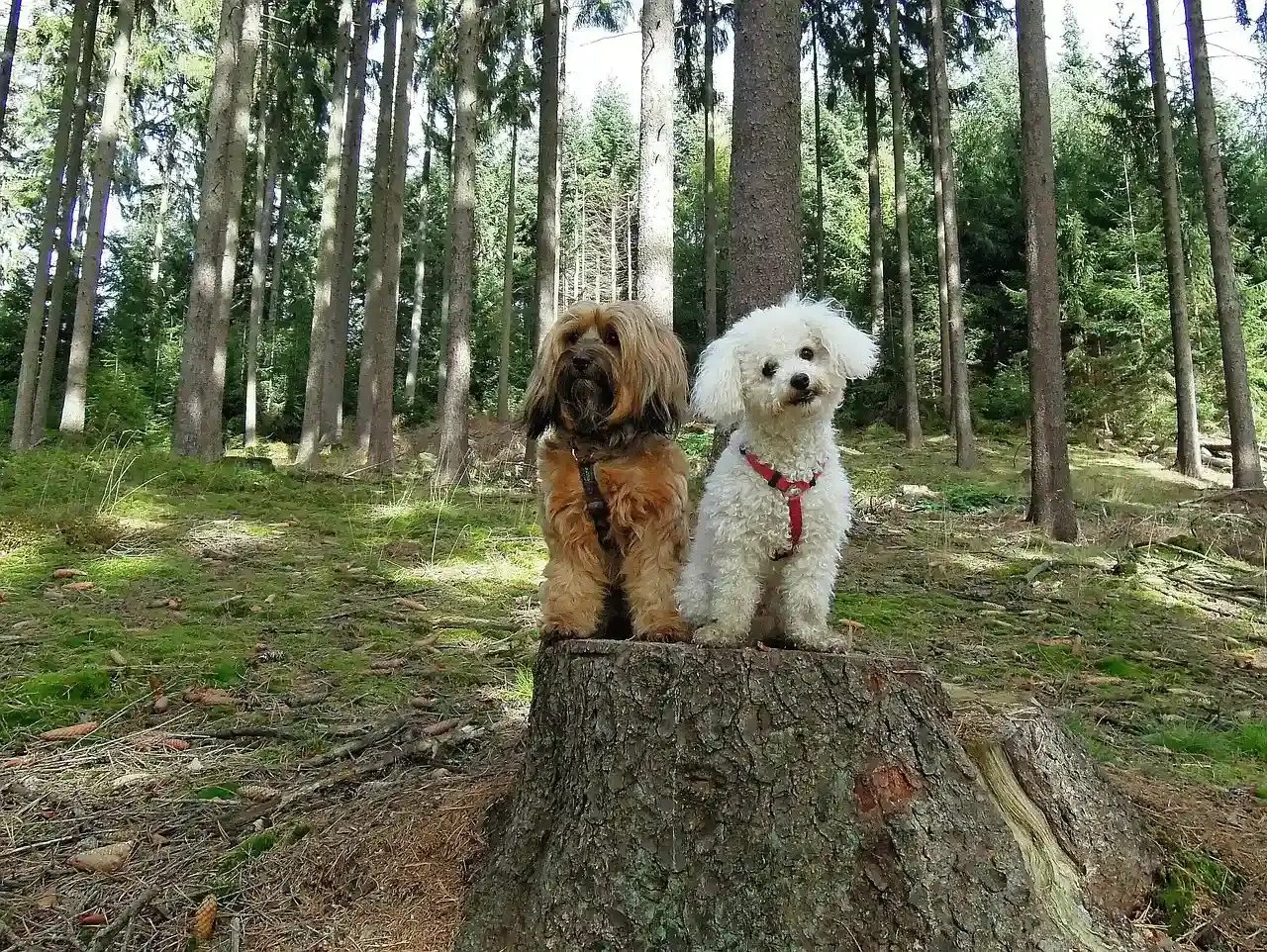
For small dogs, the world can be a pretty scary place, and in the wild, they would have to shout louder and use more aggressive body language just to survive. Imagine walking through a forest where every tree trunk is a skyscraper and every other creature towers over you like Godzilla. That’s basically Tuesday for a Pomeranian.
Think about it from their perspective for a second. Every human foot coming toward them could potentially crush them. Every larger dog they encounter could hurt them without even meaning to. Pint-sized pups are more likely to lash out because they are more vulnerable than bigger dogs and therefore have more to be fearful of, so they’re quicker to go on the defense. That fierce bark? It’s basically their version of “Please don’t step on me, I’m right here!”
We Accidentally Encourage The Behavior
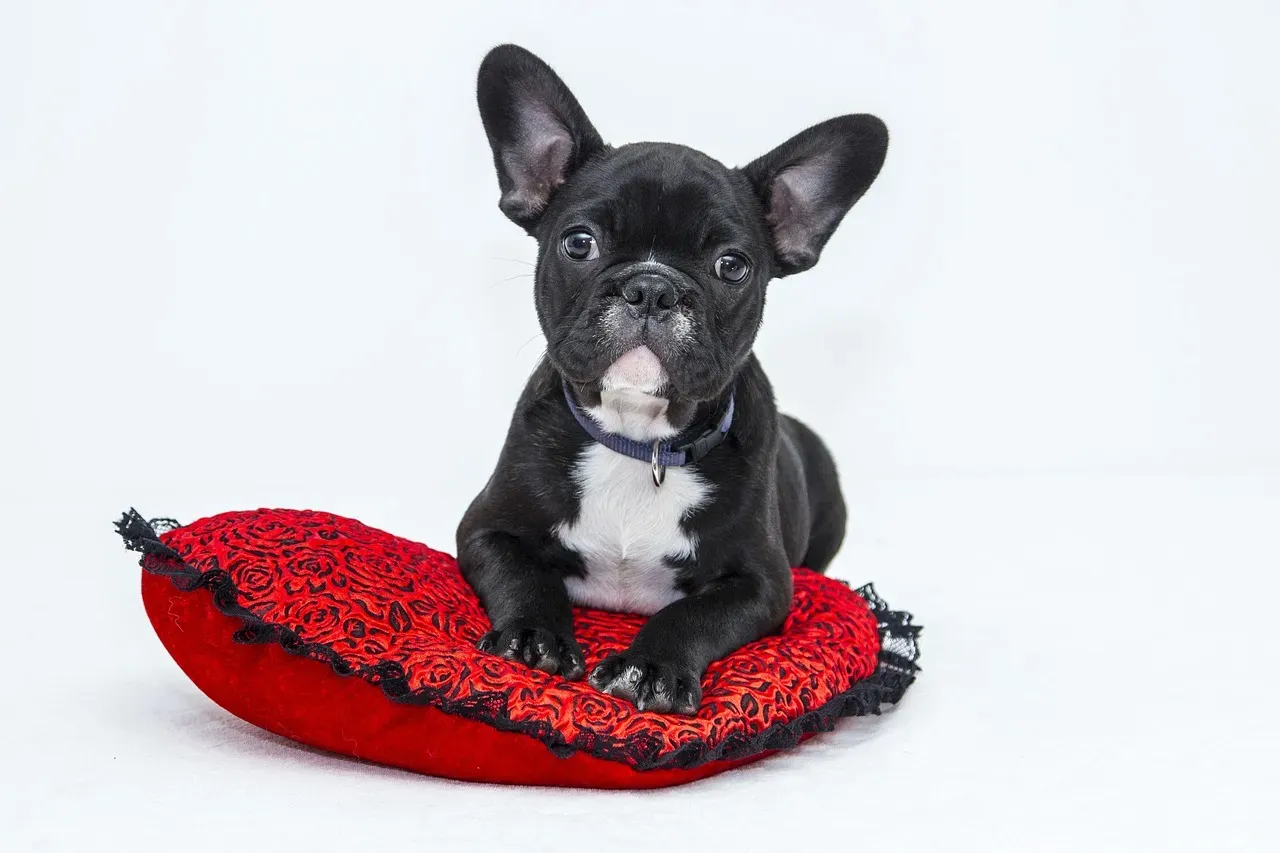
Let’s be real, we’re part of the problem. Small dogs develop this syndrome because humans treat small dogs differently. When a five-pound Chihuahua jumps on your leg, you might laugh and call it cute. When a seventy-pound German Shepherd does the exact same thing? You’re probably calling a trainer.
Owners of small dogs were found to be less likely to train, walk or play with their dogs. We scoop them up when they misbehave, let them growl at strangers without correction, and essentially give them a free pass on behaviors we’d never tolerate in larger breeds. Behaviors like jumping up or nipping get dismissed as harmless. The result? A tiny dictator who thinks they’re in charge because, well, we taught them they are.
There Might Actually Be A Genetic Component
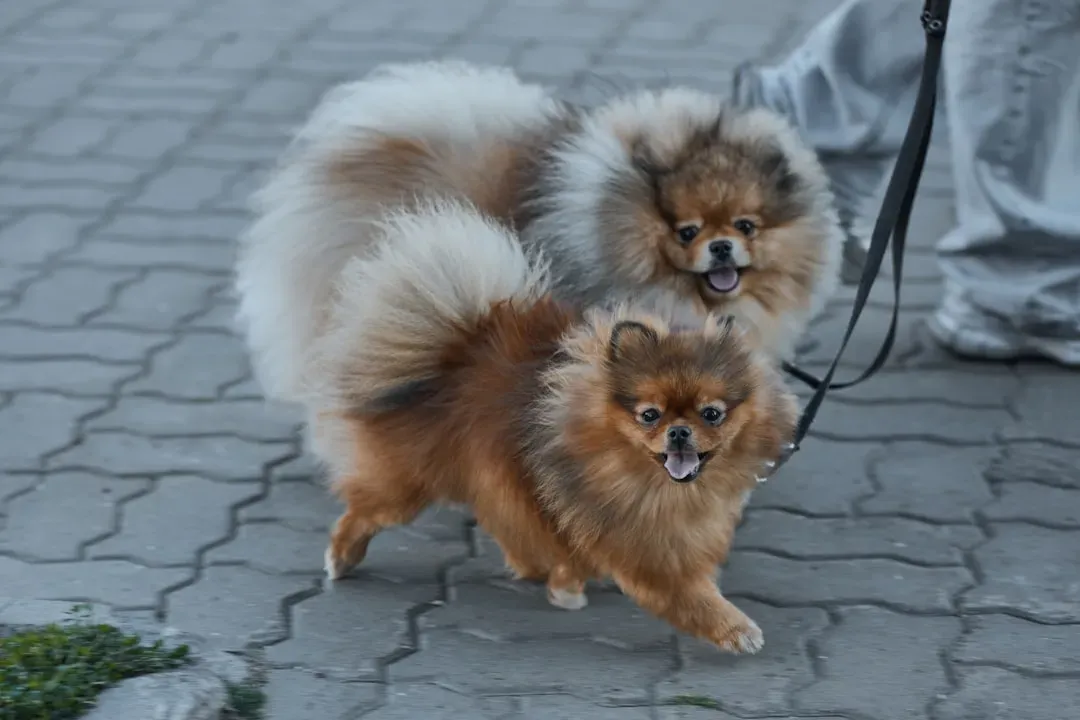
This gets interesting. A 2016 study published in BMC Genomics mapped the genomes of several hundred dog breeds in search of genetic indicators of fear and aggression, finding a link between aggression and a growth factor gene that gives small dogs their miniature stature. So it’s not just nurture, there’s some nature mixed in too.
Compared with large dogs, small dogs tend to have more severe separation anxiety, usually bark more and are more likely to urinate in the house. Scientists aren’t entirely sure if this is purely genetic or if it’s because humans haven’t bothered breeding aggression out of small dogs like they did with larger breeds. After all, a nipping Maltese is annoying, but a biting Mastiff is dangerous.
Fear Is The Real Driver Behind The Attitude
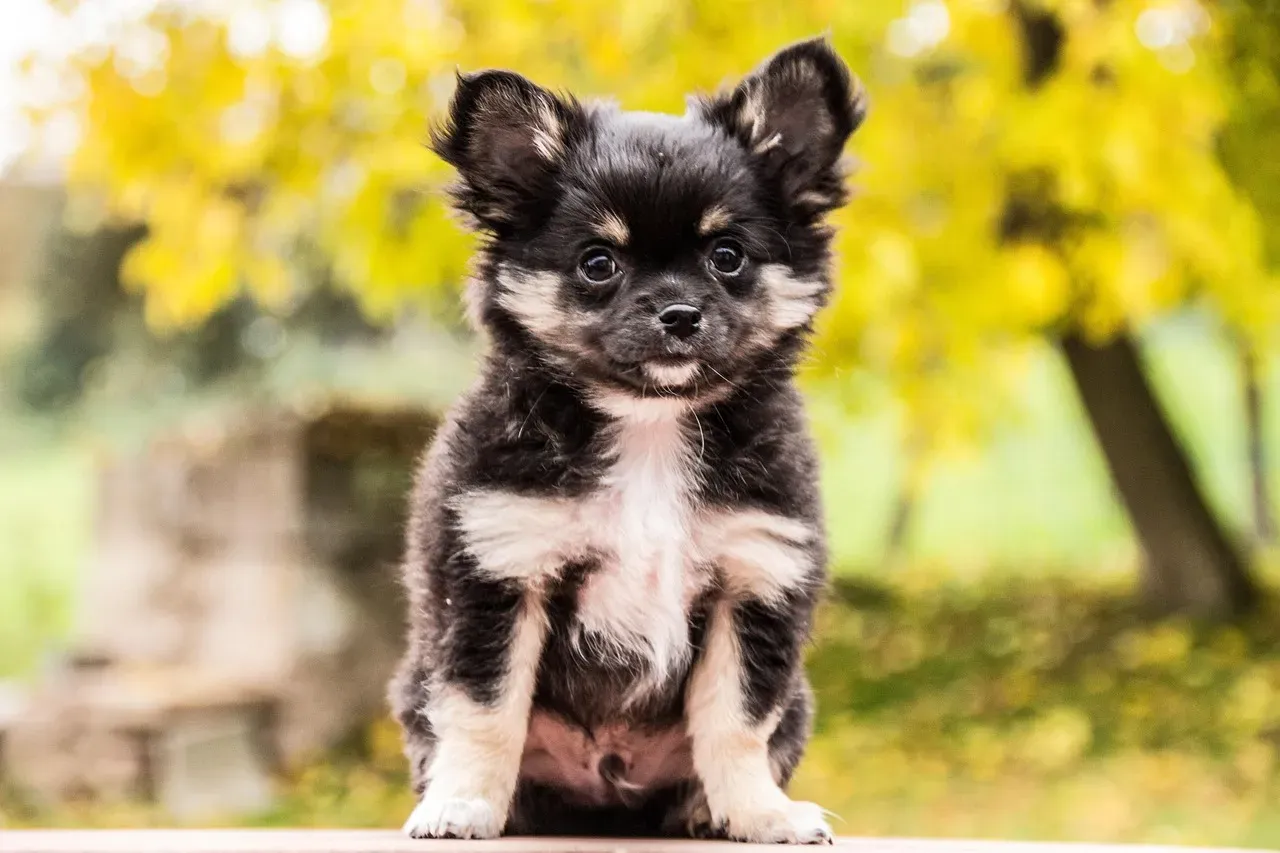
Most of what looks like aggression in small dogs is actually fear-based reactivity. The prevailing theory is small dogs are so aggressive, not because they are mean, but because they are actually frightened, and to small dogs the world seems so big and it is overwhelming for them, so they lash out in fear. That growling Dachshund at the dog park isn’t picking a fight for fun.
The growling Chihuahua gets dismissed as ridiculous or funny whereas the growling Rottweiler tends to get taken a bit more seriously, but that Chihuahua is no less miserable, and quite possibly more so. We laugh at their displays of bravado, but from their perspective, they’re genuinely trying to survive what feels like constant threats. It’s not a power trip. It’s anxiety dressed up as attitude.
They Miss Out On Proper Socialization
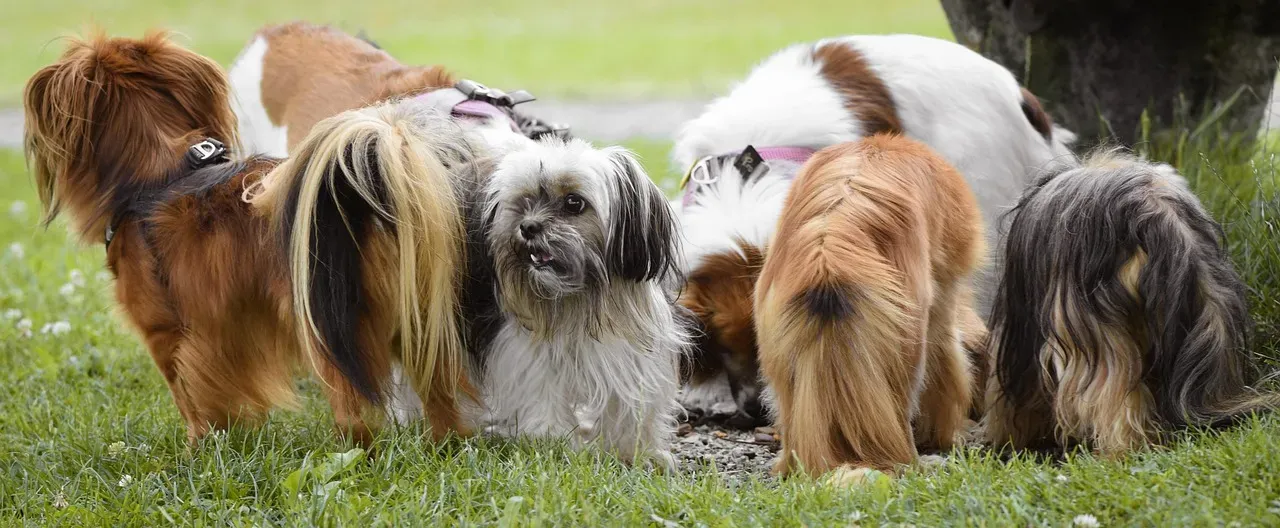
Lack of proper socialization during the critical early months of a pup’s life can lead to fear or aggression toward other animals or people, and small dogs may not have as many opportunities for socialization as large breeds, particularly if they’re constantly carried or sheltered by their owners. When you keep your tiny dog in your purse or away from other dogs because you’re worried they’ll get hurt, you’re actually making the problem worse.
Dogs learn appropriate social behavior through interaction. They need to sniff, play, get corrected by other dogs when they’re being jerks, and navigate canine politics. When small dogs are deprived of these experiences, they never learn the ropes. It often indicates a small dog who is feeling anxious and insecure because the dog hasn’t been properly socialized. They become that awkward kid at the party who doesn’t know how to read the room.
Carrying Them Everywhere Makes It Worse
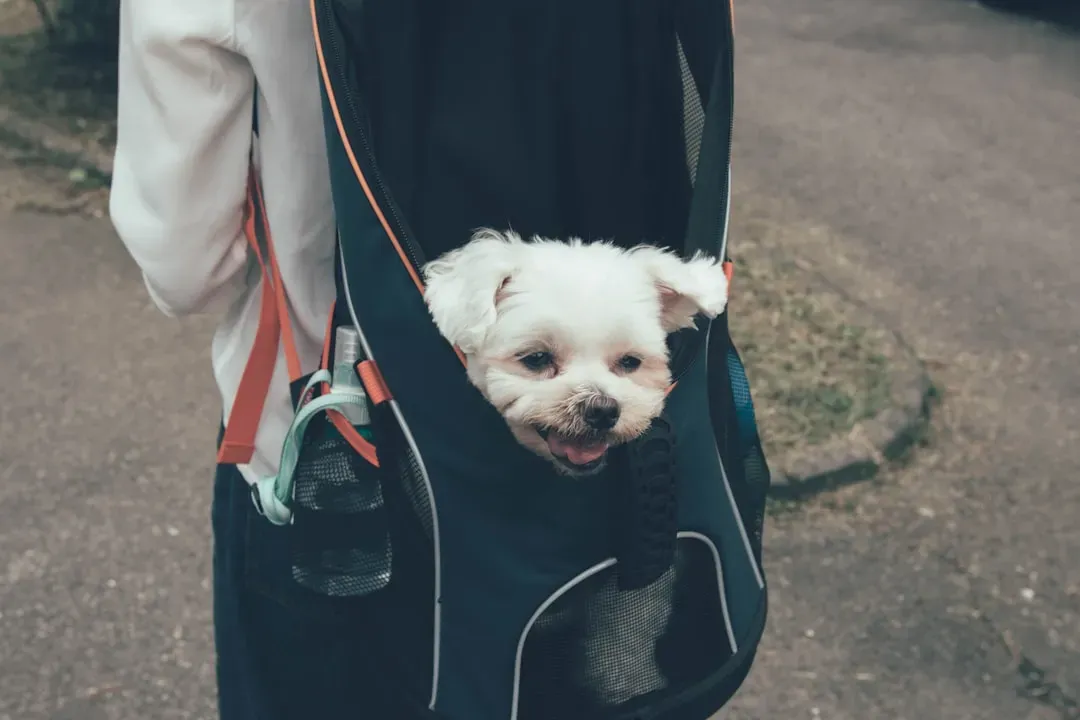
I know they’re adorable and portable, but constantly carrying your small dog is doing them no favors. Offering your dog an elevated view of the other dogs gives her the idea that she is in charge. From up in your arms, they’re literally looking down on the world, and that creates a skewed perception of their place in the social order.
Regularly carrying your dog will encourage them to think that being carried is the norm rather than walking. Plus, they miss out on all the important ground-level information. Dogs use their noses to read the world, and when you’re carrying them through every potentially stressful situation, they never learn to cope with it themselves. You’re essentially helicoptering your dog, and trust me, it shows.
The Research Backs Up What We’ve Observed
A 2021 study conducted by the University of Helsinki and published in Scientific Reports looked into the factors contributing to aggressive behavior in more than 9,200 purebred dogs, finding that small dogs indeed have significantly higher odds of aggression compared to their medium and large counterparts. So this isn’t just anecdotal evidence from frustrated dog park regulars.
Dachshunds, Chihuahuas and Jack Russell terriers are the most likely to attempt to bite, according to a 2008 study in the journal Applied Animal Behaviour Science that surveyed the owners of more than 30 dog breeds. Meanwhile, Labrador Retrievers and Golden Retrievers consistently rank as the least aggressive. The data is clear: size matters when it comes to behavior patterns.
It’s Actually A Welfare Issue
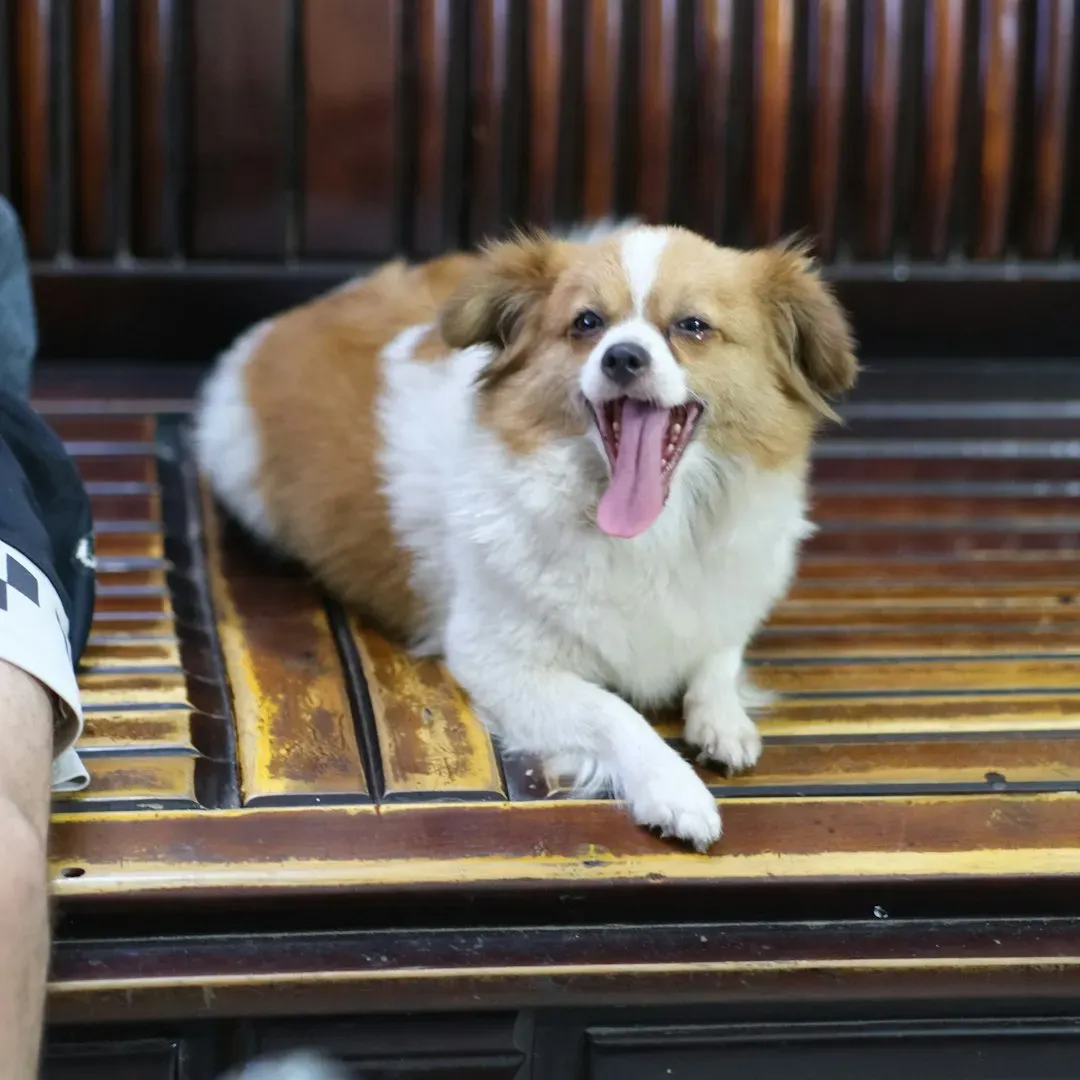
A small dog who wants to bite is often a very stressed dog, and we often think about neglect as a dog who is deprived from water, food or veterinary care, but what about the dog’s emotional well-being? Small dogs deserve professional, force-free behavior modification so to help them learn how to better cope with their fears. When we laugh off their aggression or just accept it as “how small dogs are,” we’re ignoring their suffering.
Living in a constant state of fear and anxiety takes a toll. Chronic stress affects cortisol levels, resulting in Hippocampal shrinkage, and the Hippocampal in the brain is in charge of memory, which can make it hard for a chronically stressed dog to learn new behaviors that could make its life less stressful. It becomes a vicious cycle where the dog is too stressed to learn how not to be stressed.
The Behavior Is Totally Fixable
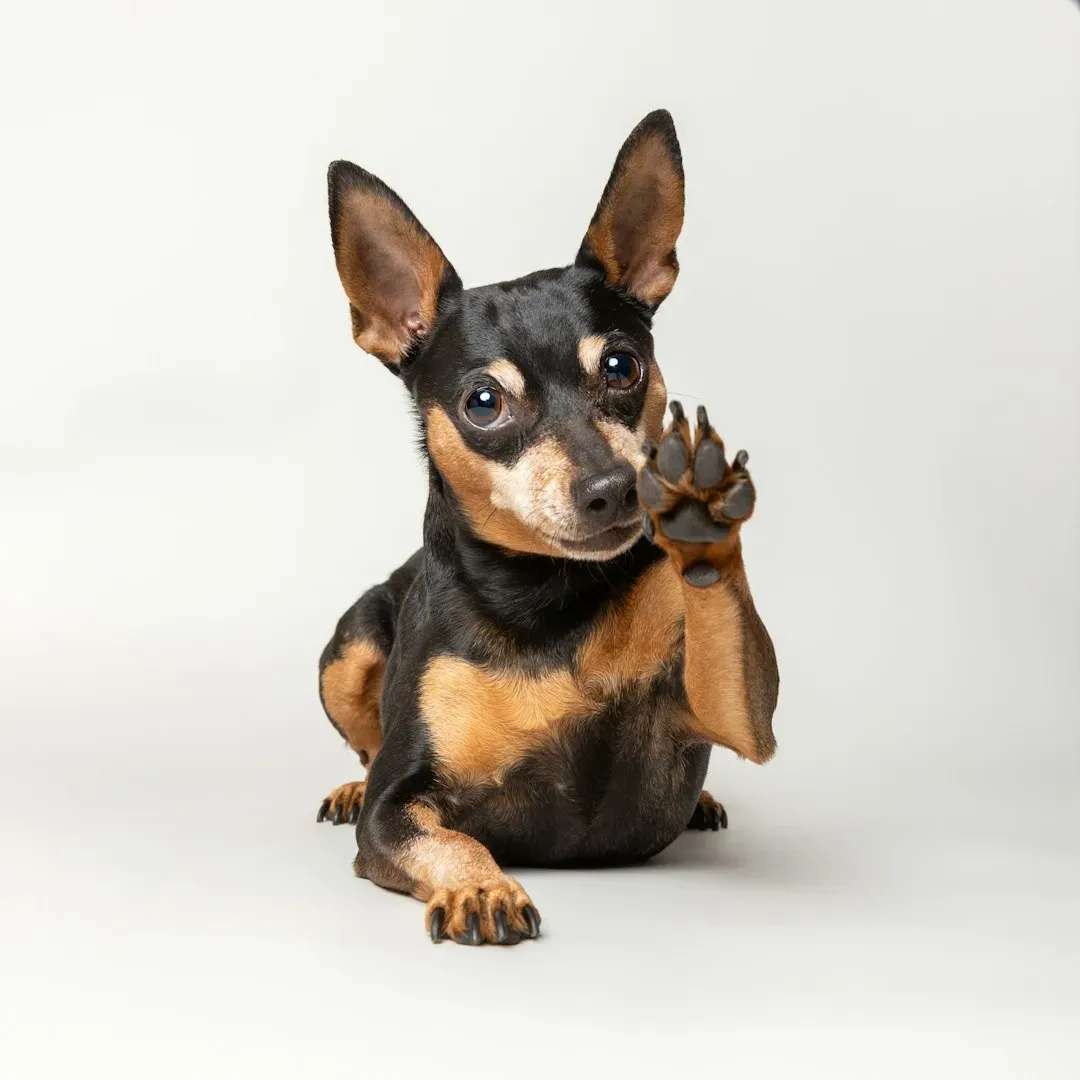
Good news time. There is no genetic reason behind these behaviors, and this syndrome is not inherited and can be corrected. Your tiny tyrant doesn’t have to stay that way. It just takes consistency, patience, and treating them like the actual dog they are rather than a living stuffed animal.
Consistent training is vital to overcome small dog syndrome, and you should strongly consider enrolling your little pup in obedience classes or seeking guidance from a professional trainer, through which you can teach your pup basic commands and proper behavior. Start by setting the same expectations you would for a bigger dog. No jumping, no growling at guests, proper leash manners. The works.
Treating Them Like Real Dogs Is The Solution
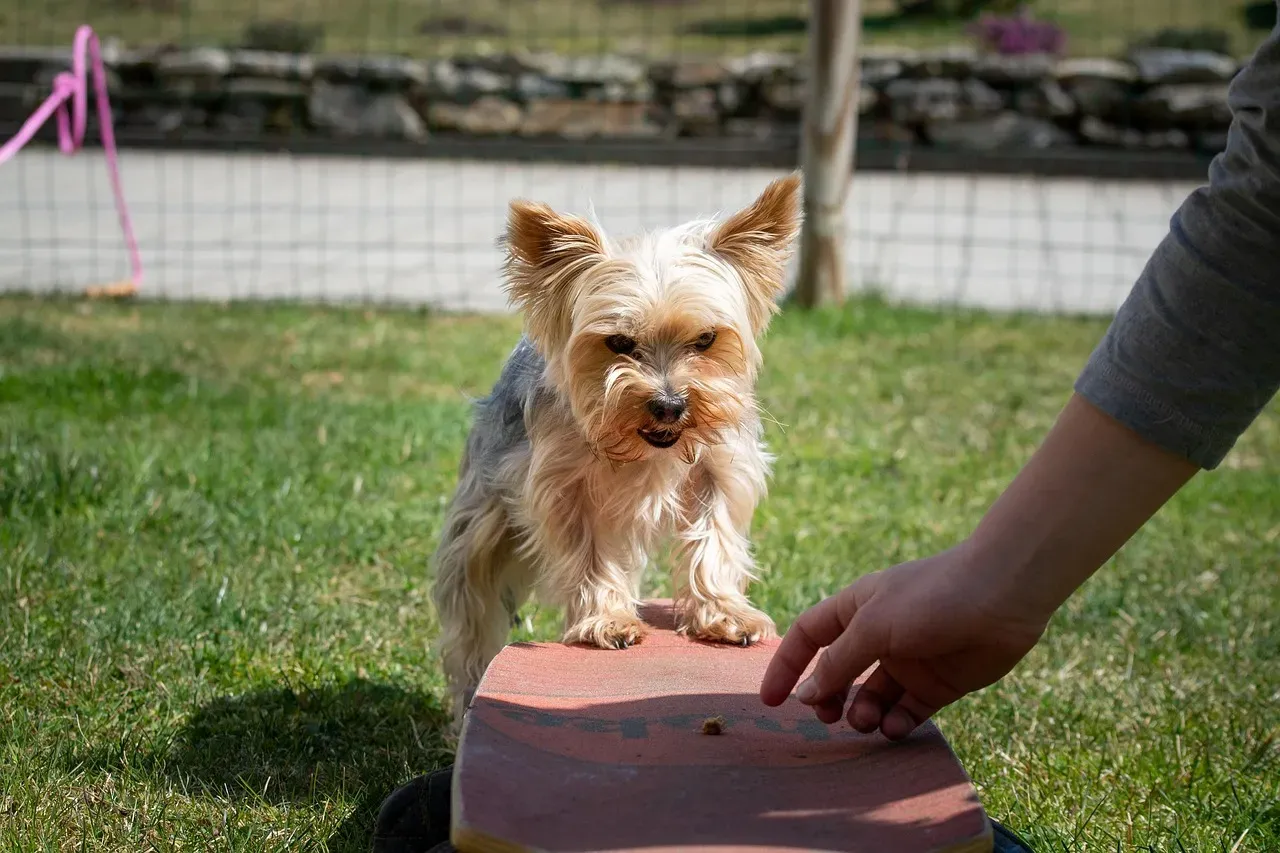
No longer carrying your dog everywhere or excusing their aggression or other unwanted behavior as adorable is key, and when a dog is coddled, they can learn that they can get away with things that a bigger dog would not, so change the response by treating your dog as you would any other canine. It sounds harsh, but you’re actually doing them a kindness.
Let them walk on their own four paws. Correct bad behavior immediately. Don’t pick them up every time another dog approaches. They are all big dogs in their own minds and should be treated as such. Give them the respect of expecting proper behavior, and you’ll be surprised how quickly they rise to meet those expectations.
Conclusion: Giants In Spirit, Not Delusion
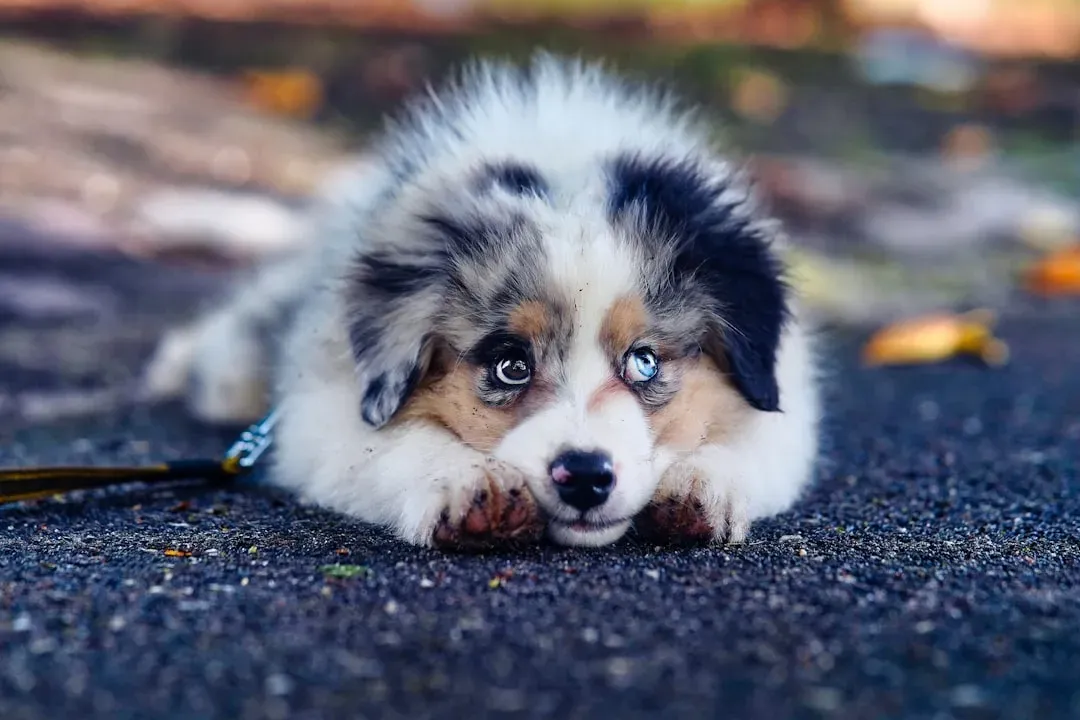
So tiny dogs don’t actually think they’re giants in the way we imagine. They’re not strutting around with inflated egos. They’re scared little creatures trying to navigate a world that’s genuinely intimidating from their vantage point, and we’ve accidentally taught them that aggression is an acceptable coping mechanism. It’s not the dog who has a Napoleon complex, it’s the human making an excuse for their own sake.
The truth is adorable not because their tough-guy act is cute, but because underneath all that bluster is just a vulnerable little dog trying their best to feel safe. When we understand that and respond with proper training, socialization, and reasonable expectations, those tiny terrors can become confident, happy companions. So next time you see a Chihuahua losing its mind at a Great Dane, remember it’s not arrogance. It’s anxiety. And honestly? That makes it all the more important to help them feel secure.
What’s your experience with small dog syndrome? Have you successfully helped a tiny dog overcome their big attitude?