
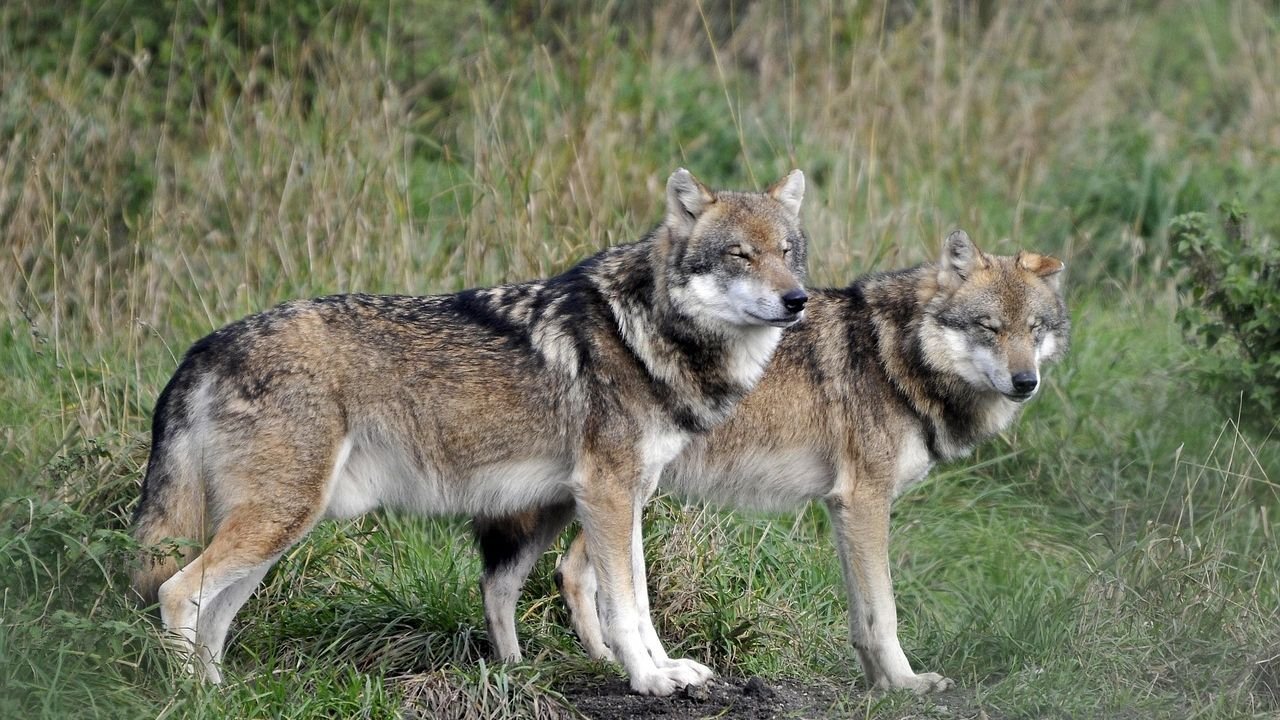
Picture this: a landscape so delicate that the absence of a single predator sends everything tumbling like dominoes. That’s exactly what happened in Yellowstone National Park during the seven decades when wolves vanished from the region. When they finally returned, something extraordinary unfolded, teaching us lessons about nature that continue to reshape conservation thinking worldwide.
Most people don’t realize how profoundly interconnected wild places truly are. Remove one thread, especially a predator at the top of the food chain, and the entire tapestry can unravel in ways we never imagined. So let’s dive in to discover what those returned wolves revealed about the intricate dance of life in our ecosystems.
The Disappearance That Changed Everything
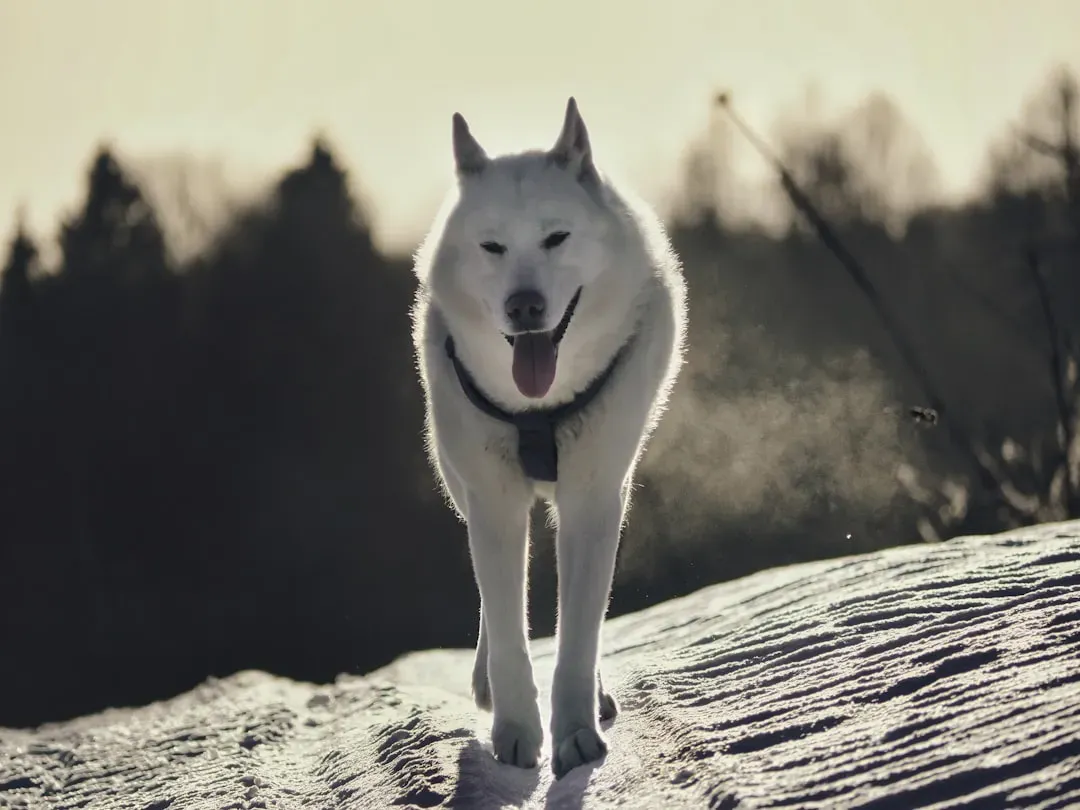
Wolves were exterminated from the Yellowstone area in the 1920s as part of predator control efforts that swept across North America. Ranchers feared for their livestock. Park officials believed removing predators would protect elk and other game animals.
What they didn’t anticipate was the chaos that would follow. The elk’s main predator was gone, and their population more than doubled.
Think about it like removing the brakes from a car careening downhill. Without wolves to keep them in check, elk browsed freely wherever they pleased. The absence of wolves took a huge amount of predatory pressure off the elk, and as a result, elk populations did very well, pushing the limits of Yellowstone’s carrying capacity while browsing heavily on young willow, aspen and cottonwood plants.
Elk overgraze the entire park, upsetting the natural balance of the ecosystem, causing mammals like mice and rabbits to lose their plant cover from predators, and grizzly bears to suffer as the elk munch away their berry supply. Honestly, it was a cascade of ecological disasters unfolding in slow motion.
The Return of a Keystone Predator
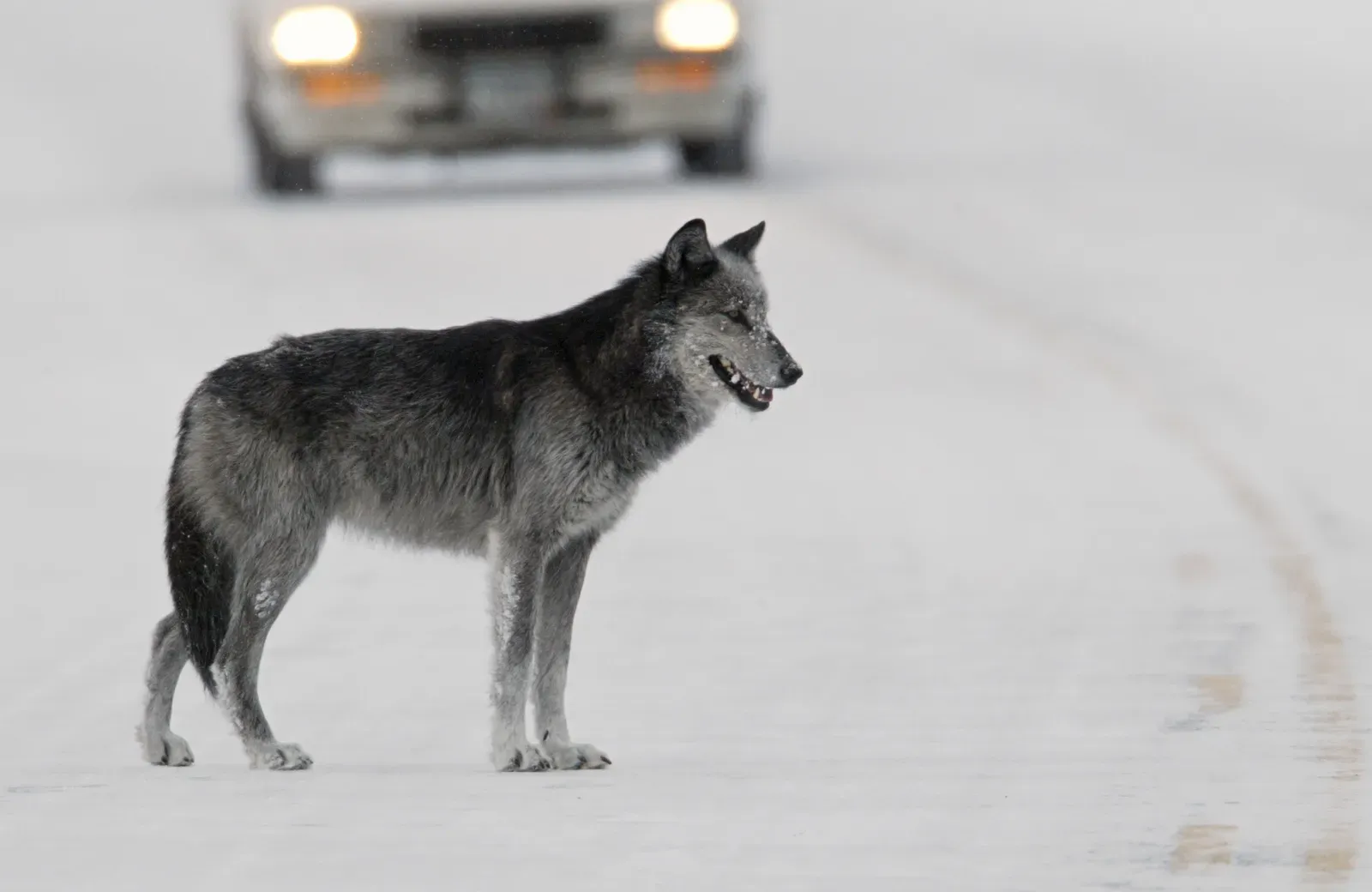
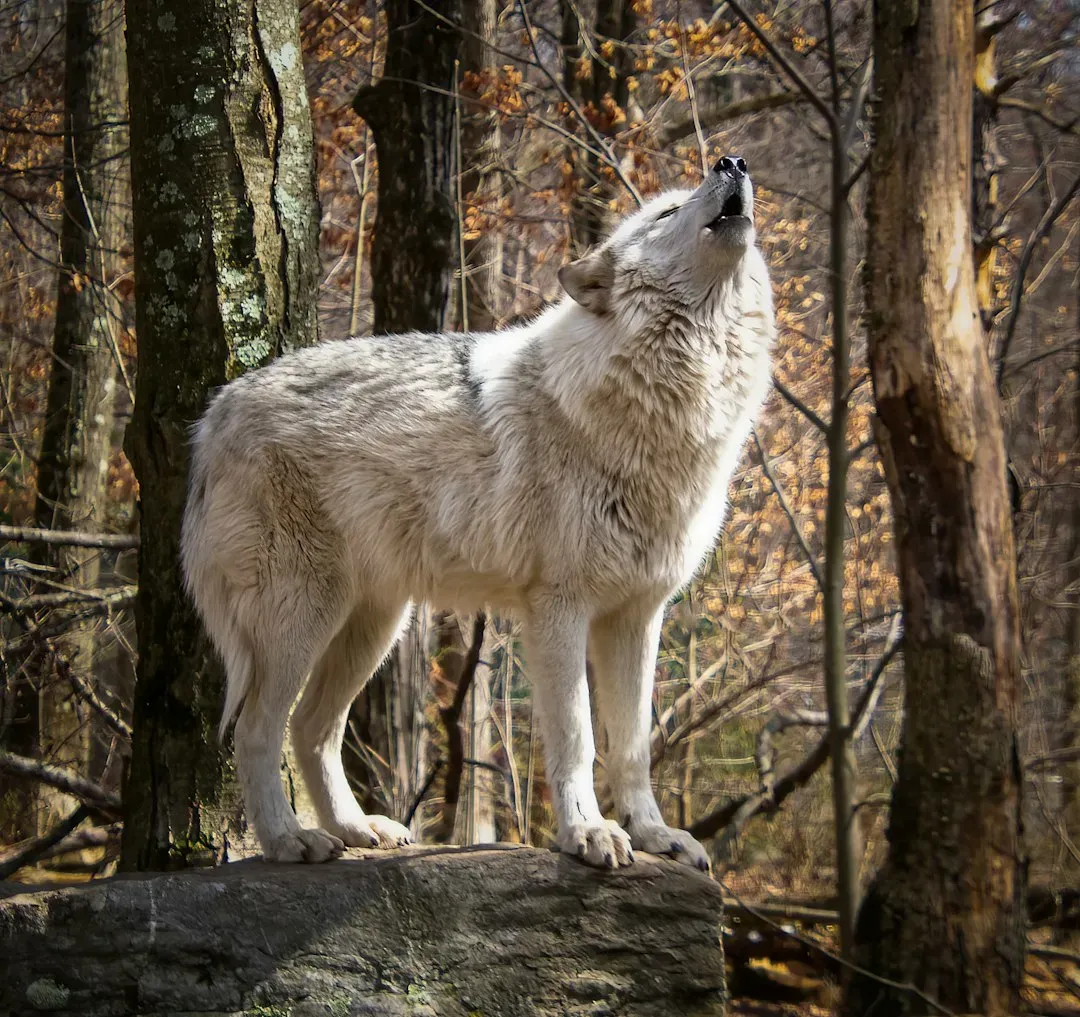
Thirty years ago, park rangers reintroduced grey wolves into Yellowstone National Park to restore the ecosystem and get the elk population, which had decimated the plant community, in check. This wasn’t just any wildlife project; it was the first deliberate attempt to return a top predator to a large ecosystem.
Fourteen gray wolves were captured in Canada and relocated to Yellowstone’s Lamar Valley in 1995, followed by seventeen more Canadian wolves in 1996. Spectators actually lined the roads to watch them arrive.
The designation of wolves as a keystone species isn’t just fancy scientific jargon. A keystone species is a plant or animal that plays a disproportionately large role in the ecosystem, impacting both the prevalence and population levels of other species within their community. It’s like the cornerstone of an arch; remove it, and everything collapses.
Wolves are a critical keystone species in a healthy ecosystem, and by regulating prey populations, they enable many other species of plants and animals to flourish. The question was: would it actually work?
The Trophic Cascade Phenomenon
Here’s the thing: ecosystems don’t function like simple machines where you flip a switch and everything works perfectly. Trophic cascades, the effects of predators on herbivores and plants, have long been a topic of ecological interest.
Let me explain this using a real-world example. Research revealed a remarkable 1,500% increase in willow crown volume along riparian zones in northern Yellowstone National Park, driven by the effects on elk due to a restored large carnivore guild following the reintroduction of wolves over a twenty-year period from 2001 to 2020.
The presence of wolves triggered a still-unfolding cascade effect among animals and plants, like kicking a pebble down a mountain slope where conditions were just right that a falling pebble could trigger an avalanche of change. That avalanche touched nearly every living thing in the park.
Elk didn’t just decline in numbers. Their entire behavior shifted. Instead of grazing freely across the entire park, elk became more cautious and avoided open riverbanks and valleys where wolves could ambush them, creating what scientists call an ecology of fear.
Vegetation Recovery and River Transformation
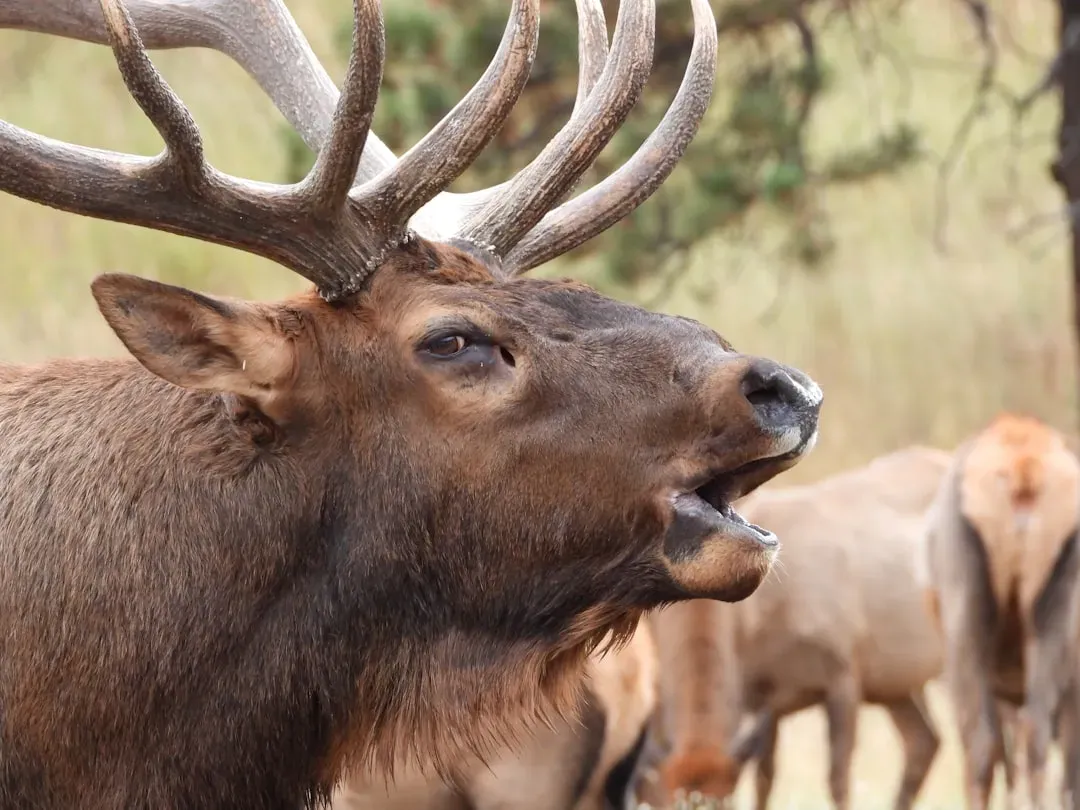
Once elk stopped camping out along riverbanks munching on every sapling in sight, something remarkable happened. The elk’s fear of wolves gives the riverbank trees, like aspen and willow, a chance to regenerate, and they can grow to five times their original size in just six years.
With fewer elk feeding on young saplings, aspen, willow, and cottonwood forests recovered along riverbanks. Trees that hadn’t successfully grown in roughly seventy years suddenly thrived.
The recovery didn’t stop with the plants themselves. Bigger trees along the rivers means greater root structures, which means stronger riverbanks and less erosion. Rivers actually began changing their physical courses.
Stronger tree roots stabilized riverbanks, preventing erosion and reducing soil loss, and rivers started meandering and regained their natural structure, creating stable waterways that improved water retention. Who would’ve thought wolves could reshape rivers? Yet that’s precisely what happened.
The Ripple Effects on Wildlife Diversity
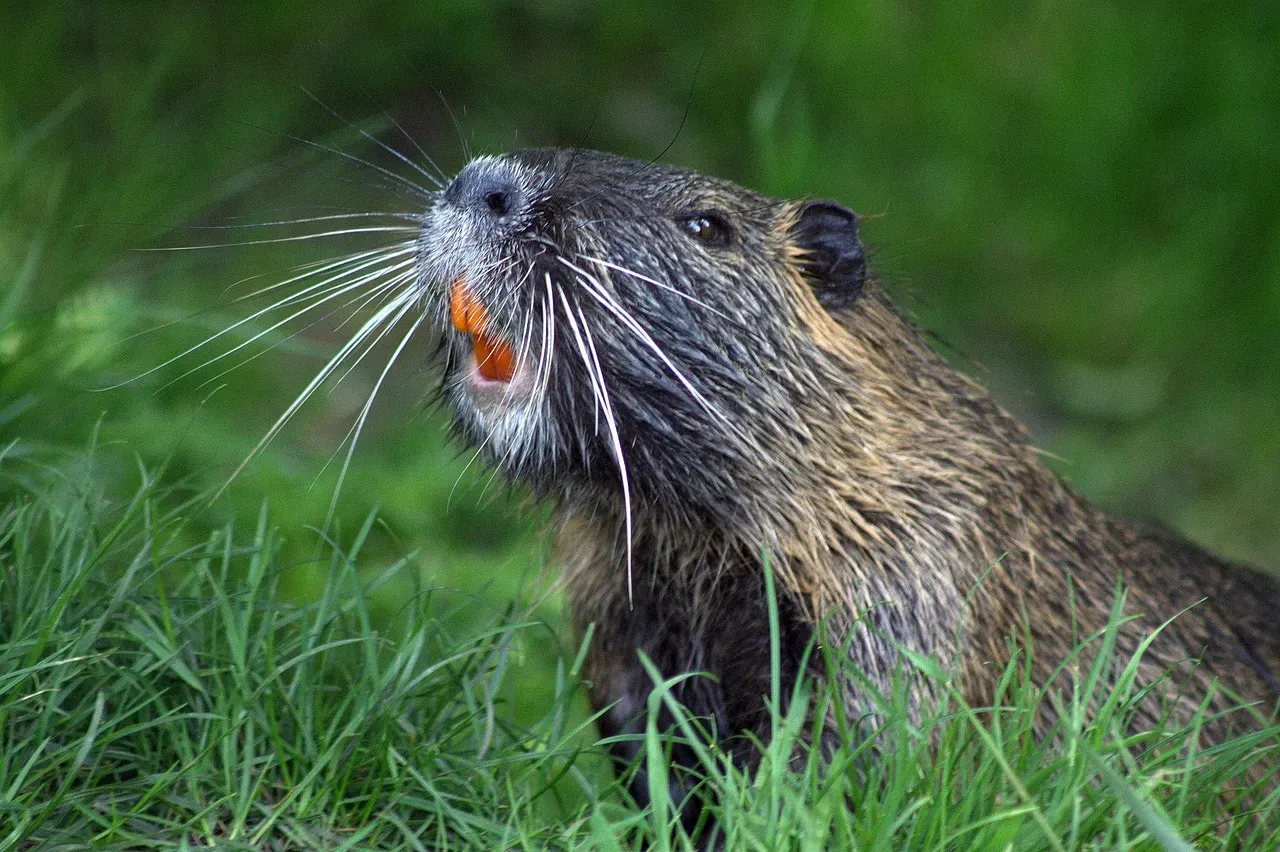
When the grey wolf was reintroduced into the Greater Yellowstone Ecosystem in 1995, there was only one beaver colony in the park, but today, the park is home to nine beaver colonies, with more appearing regularly.
Clean water and big trees create beaver paradise, and the return of beaver dams creates new habitats for fish, amphibians, reptiles, and even otters. The beavers themselves became ecosystem engineers, working alongside wolves.
Scavenger species also benefited enormously. The combination of less snow and more wolves has benefited scavengers both big and small, from ravens to grizzly bears, as scavengers that once relied on winter-killed elk for food now depend on wolf-killed elk, especially benefiting bears as they emerge hungry from hibernation.
In 2005, over 100,000 visitors went to Yellowstone National Park just to see the wolves, pumping $30 million into the local economy, and wolves contribute to the health and diversity of all Yellowstone’s wildlife. The economic impact alone surprised everyone.
Understanding the Complexity and Limitations
Let’s be real: the Yellowstone wolf story isn’t as simple as some popular narratives suggest. Ecosystems are incredibly complex, and in addition to wolves changing the feeding habits of elk, the rebound of the beaver in Yellowstone may also have been affected by the 1988 Yellowstone fires, the ongoing drought, warmer and drier winters and other factors yet to be discovered.
The complexity of the Yellowstone ecosystem is what makes it so resilient, because there are multiple predators and multiple prey, the impacts of any one predator on the whole system are going to be weaker than if it were just an island with wolves and elk.
Scientists continue debating the precise mechanisms. Many strong patterns are observed, though several of these may be correlation without causation, and there is still a need for stronger data to support some of the beneficial claims made for wolf reintroduction.
Still, biologists have the rare, almost unique, opportunity to document what happens when an ecosystem becomes whole again, and in the entire scientific literature, there are only five or six comparable circumstances. That makes Yellowstone incredibly valuable for understanding ecological restoration worldwide.
Conclusion
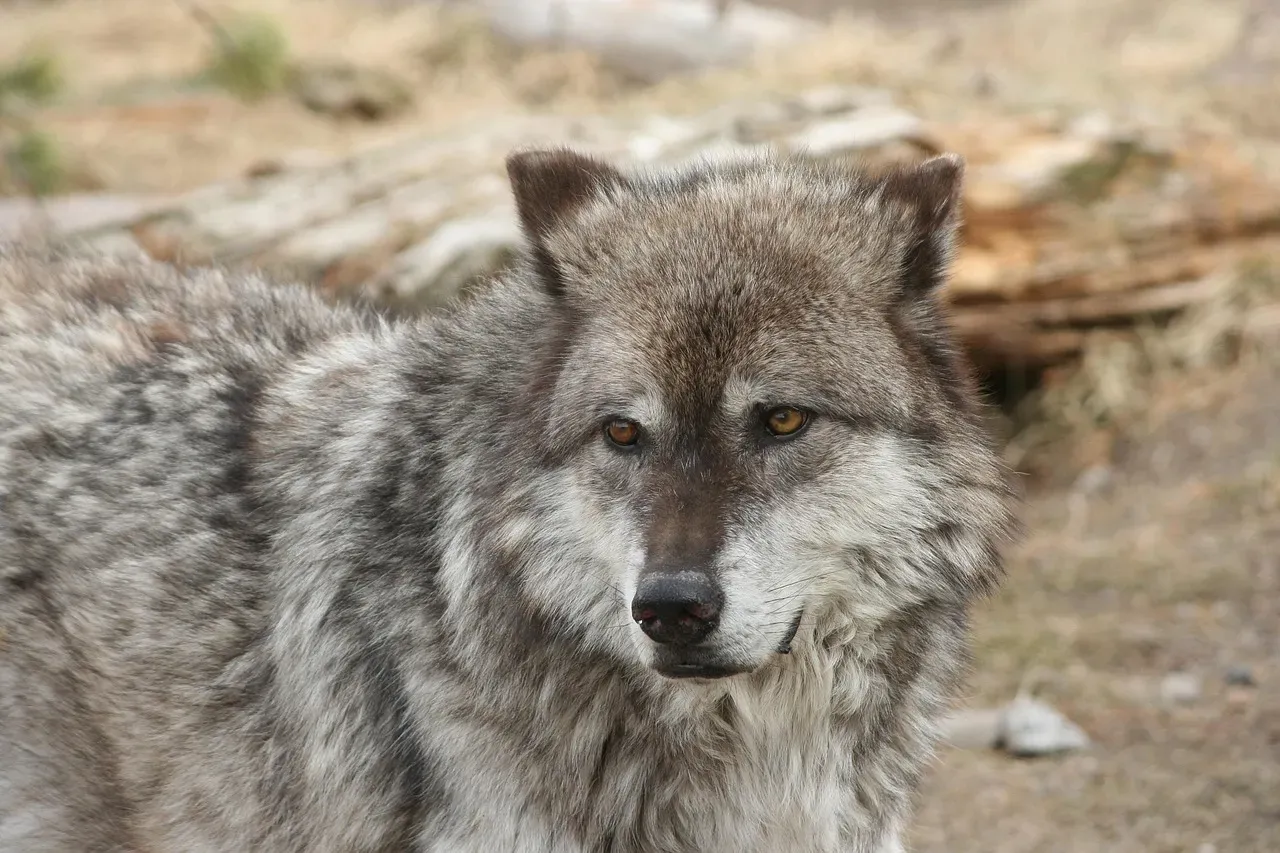
The Yellowstone wolf reintroduction stands as one of conservation’s most profound teaching moments. It demonstrated that apex predators aren’t just another species occupying space; they’re architects of entire ecosystems, shaping everything from the tiniest songbird to the mightiest river.
Nature operates through connections we’re only beginning to understand. Removing one piece disrupts countless others. Restoring that missing piece can trigger healing cascades that ripple outward for decades.
The lessons from Yellowstone extend far beyond one park’s borders. They remind us that healthy ecosystems require all their original players, especially those at the top of the food chain. Wolves don’t just belong in wilderness areas because they’re majestic or because we romanticize them. They belong because ecosystems genuinely need them to function properly.
What’s your take on rewilding efforts like this? Do you think we should prioritize bringing back predators to other landscapes where they’ve disappeared?


