
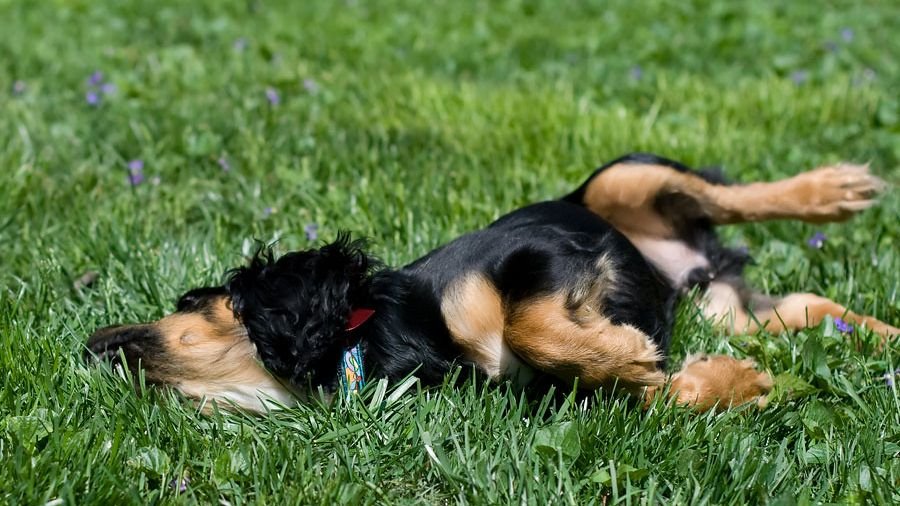
We love them with every fiber of our beings. We share our homes, our couches, sometimes even our beds with them. They’re family, plain and simple. Yet here’s the truth that might sting a little: your dog isn’t a furry human child. They’re a dog. Treating them like one isn’t cold or unloving – it’s actually the most compassionate thing you can do.
I know how tempting it is to project our human feelings onto those soulful eyes staring up at us. We want to give them everything, spoil them endlessly, and see them as our equals in every way. There’s nothing wrong with adoring your pup. The problem arises when we forget that dogs experience the world completely differently than we do. They have needs, instincts, and ways of thinking that are uniquely canine. When we ignore those realities, we’re not helping them – we’re actually setting them up for confusion, anxiety, and behavioral problems.
So let’s dive in and explore why honoring your dog’s true nature is the ultimate act of love.
Dogs Think Like Dogs, Not People
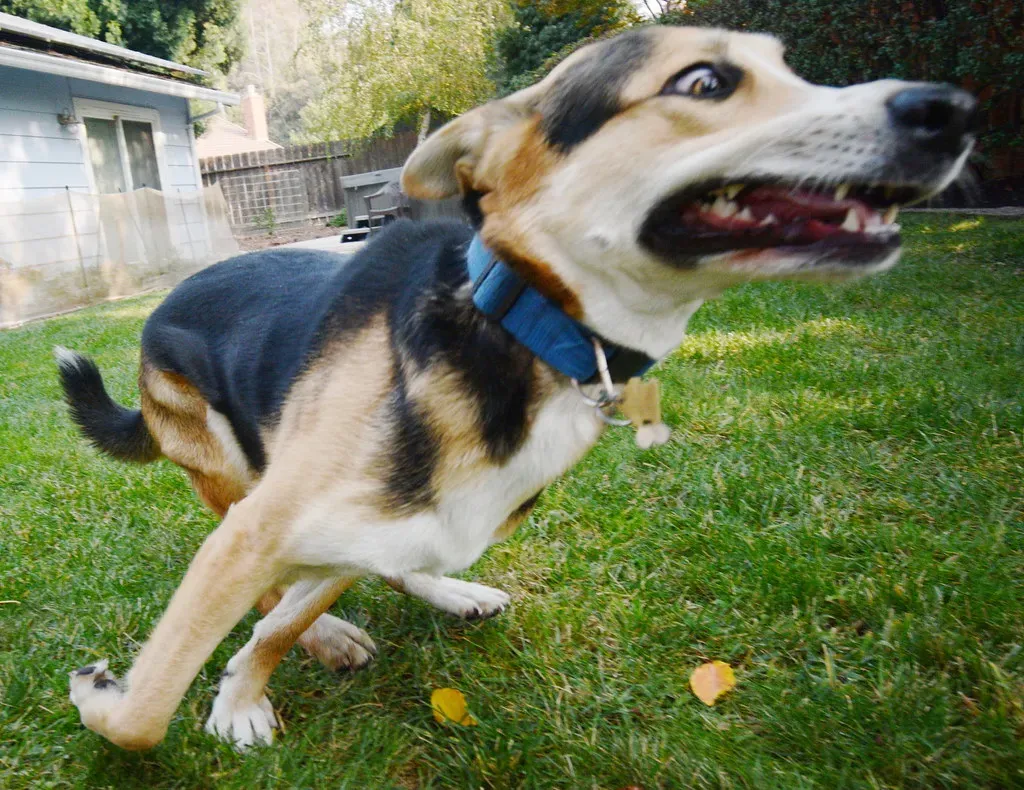
When we assign human motives and emotions to our dogs, we miss the true source of their misbehavior and lose our chance to properly help and retrain them. Bad dog behavior has nothing to do with revenge, ungratefulness, or lack of love. Your dog didn’t chew your favorite shoes because they’re mad you left for work. They’re not sulking in the corner out of spite.
Your dog isn’t guilty; he’s scared. That guilty look you see when you come home to a mess? It’s not guilt at all. Dogs don’t process emotions like shame or revenge the way humans do. What looks like guilt is actually your dog reacting to your body language and tone. They’re reading your anger and trying to calm you down with submissive behavior.
When humans project their feelings on animals while trying to help them, they will never be able to completely fulfill the animal’s true needs. This is because animals have a perception of the world that differs a lot from ours. They want and need different things than we do.
Understanding dog psychology means stepping outside our human perspective. It means recognizing that when your dog barks at the mailman, digs in the yard, or refuses to come when called, they’re acting on instinct and learned behavior – not plotting against you.
Natural Instincts Need an Outlet

These traits are known as primal instincts and are healthy for your dog to express as it’s what they know to do in their core, even if they don’t know why. Your dog’s ancestors survived by digging, sniffing, chasing, and protecting. Those drives didn’t disappear just because we brought dogs into our living rooms.
Dogs were bred to perform tasks including protection, guarding, hunting, tracking, digging, herding, and scavenging, but in urban and suburban settings, these instincts often go unfulfilled. And what’s worse when our pet dogs exhibit any of these natural behaviors they are labelled as destructive, reactive, and hard to train. A dog needs to sniff, to feel the earth beneath their paws, given opportunities to engage in instinctual behaviors; in short, we must let dogs be dogs.
Think about it this way. If you have a Border Collie and expect them to lounge on the couch all day without any mental challenges, you’re asking them to suppress everything they were bred to do. That energy has to go somewhere. Usually it comes out as problem behaviors we label as “bad.”
Understanding these breed-specific behaviors is crucial for providing appropriate training, activities and environments that satisfy their innate drives. Channeling breed-specific behaviors in appropriate ways is key to maintaining a dog’s mental and physical health while preventing undesirable actions. Give your retriever something to fetch, let your terrier dig in a designated spot, allow your hound to follow scent trails. You’re not indulging bad habits – you’re respecting who they are.
Structure and Leadership Matter
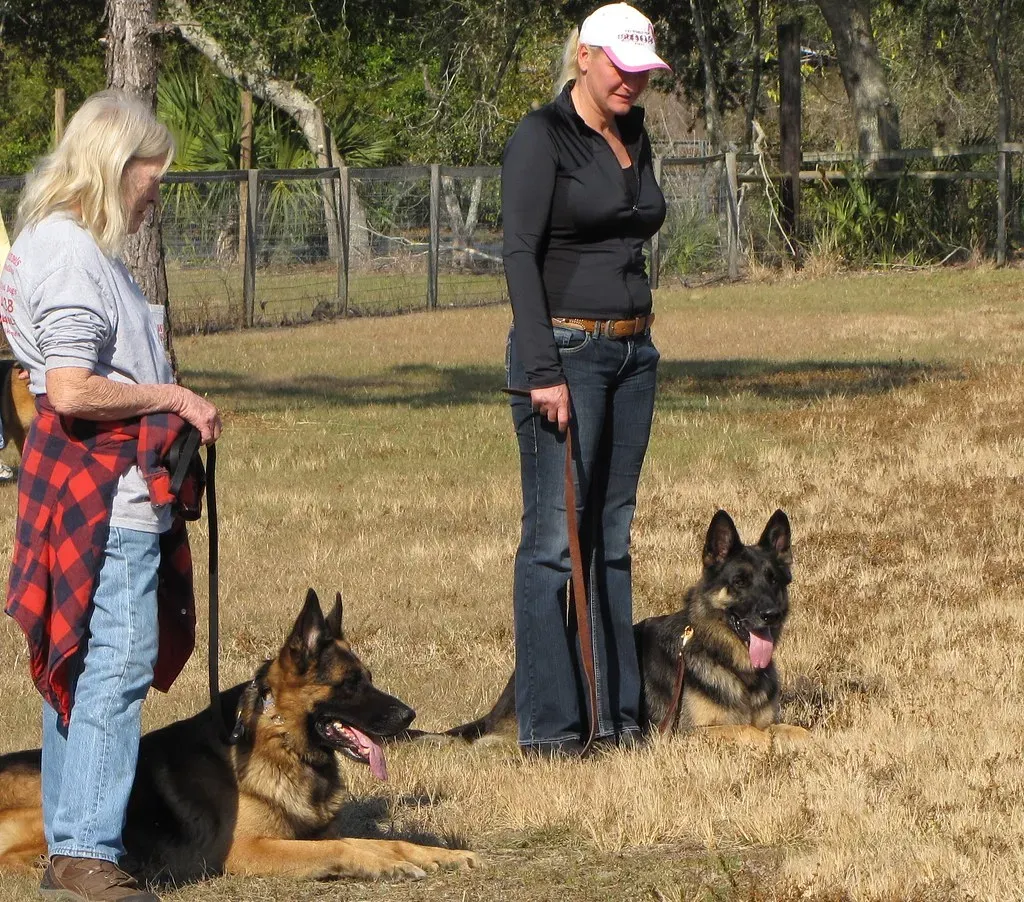
Dogs can be the greatest and most loyal family members you will ever have, but they will never be human. We need to recognize that and stop treating them as if they were, asking them to do things that are unnatural or setting unrealistic expectations. Instead, if we cater to their most basic needs, set boundaries and recognize they are dogs rather than people, we can much more effectively interact with and train them.
Your dog doesn’t need to be your equal – they need you to be their leader. That doesn’t mean dominance or harsh corrections. The most important role is to protect your dog and keep them safe from harm. They should feel relaxed and confident knowing that you’re in control so they don’t have to assume the role of protector.
Oftentimes, we overstimulate and over communicate with our dogs, which confuses them and can result in them learning to ignore us altogether or demonstrate more severe behavioral problems like aggression and separation anxiety. Dogs thrive on clarity. They want to know what’s expected of them.
Being the “pack leader” doesn’t mean using harsh tactics or asserting dominance, but rather providing consistent guidance, setting boundaries, and fulfilling your dog’s needs. Structure in the form of a daily routine, regular feeding times, and set playtime lets your dog know what to expect, helping them feel secure.
Honestly, I think we sometimes confuse love with permissiveness. Letting your dog run the household doesn’t make you a good dog parent – it makes your dog anxious. They’re not equipped to make decisions about when strangers are threats or whether it’s safe to dart into traffic. That’s your job.
Physical and Mental Exercise Are Non-Negotiable
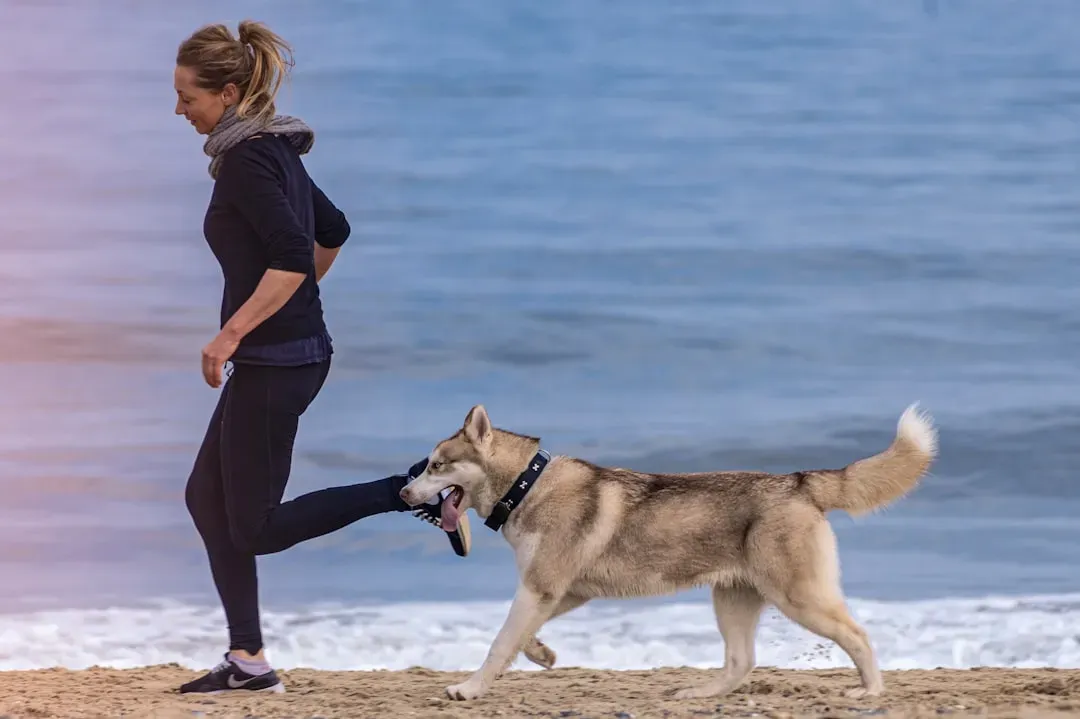
Mental stimulation and social interaction are crucial for a dog’s overall health and happiness, just as important as physical exercise. Engaging a dog’s mind can reduce the risk of behavioral problems such as chewing and excessive barking. A walk around the block isn’t enough for most dogs. They need to work, to think, to problem-solve.
Mental stimulation is just as important for dogs as physical exercise. Dogs are incredibly smart animals, so mental stimulation is just as important for them as physical exercise. Mental exercises can actually make dogs even more tired than physical exercise. That’s right – a fifteen-minute training session or puzzle game can exhaust your dog more than a half-hour walk.
Adult dogs require around thirty to sixty minutes of exercise each day. For some active breeds, they will need aerobic exercise daily, which may be for thirty minutes or more.
The beautiful thing about exercise? It prevents so many behavioral issues before they start. Canine misbehavior is rooted in instinct and intensifies when a dog is bored, stressed, or both. Early training, mental and physical exercise, and plenty of attention go a long way toward both preventing and treating behavior problems. A tired dog with a satisfied brain is a happy, well-behaved dog.
Mix it up too. Let your dog sniff on walks instead of rushing them along. Hide treats around the house. Teach new tricks. Play hide and seek. These aren’t luxuries – they’re essentials for your dog’s wellbeing.
Respecting Dog Nature Deepens Your Bond

Here’s the thing nobody talks about enough: when you , your relationship actually gets stronger. We show them what a dog truly needs and simplify the amount of communication they have with the dog to make it more effective. Nine times out of ten, this “fixes” behavioral issues because the dog is free to act on his or her own instincts and knows exactly what the owner expects.
Your dog doesn’t want you to baby them or treat them like a fragile human. They want clear communication, consistent boundaries, opportunities to use their natural abilities, and to trust that you’ve got everything under control. When you provide those things, the stress lifts from their shoulders.
Dogs instinctively seek a place in their “pack,” and when they feel secure and understood, they become more relaxed, trusting, and connected with their human family. By providing structure, boundaries, and love, you’ll foster a balanced, happy dog who’s both a beloved family member and a well-behaved companion. Creating a supportive, structured environment for your dog respects their natural instincts and strengthens your bond, leading to a lifetime of love and loyalty.
There’s no contradiction between loving your dog deeply and acknowledging they’re a different species with different needs. In fact, that’s where real love lives – in seeing them for who they truly are and giving them what they actually need, not what we think they should want.
Conclusion
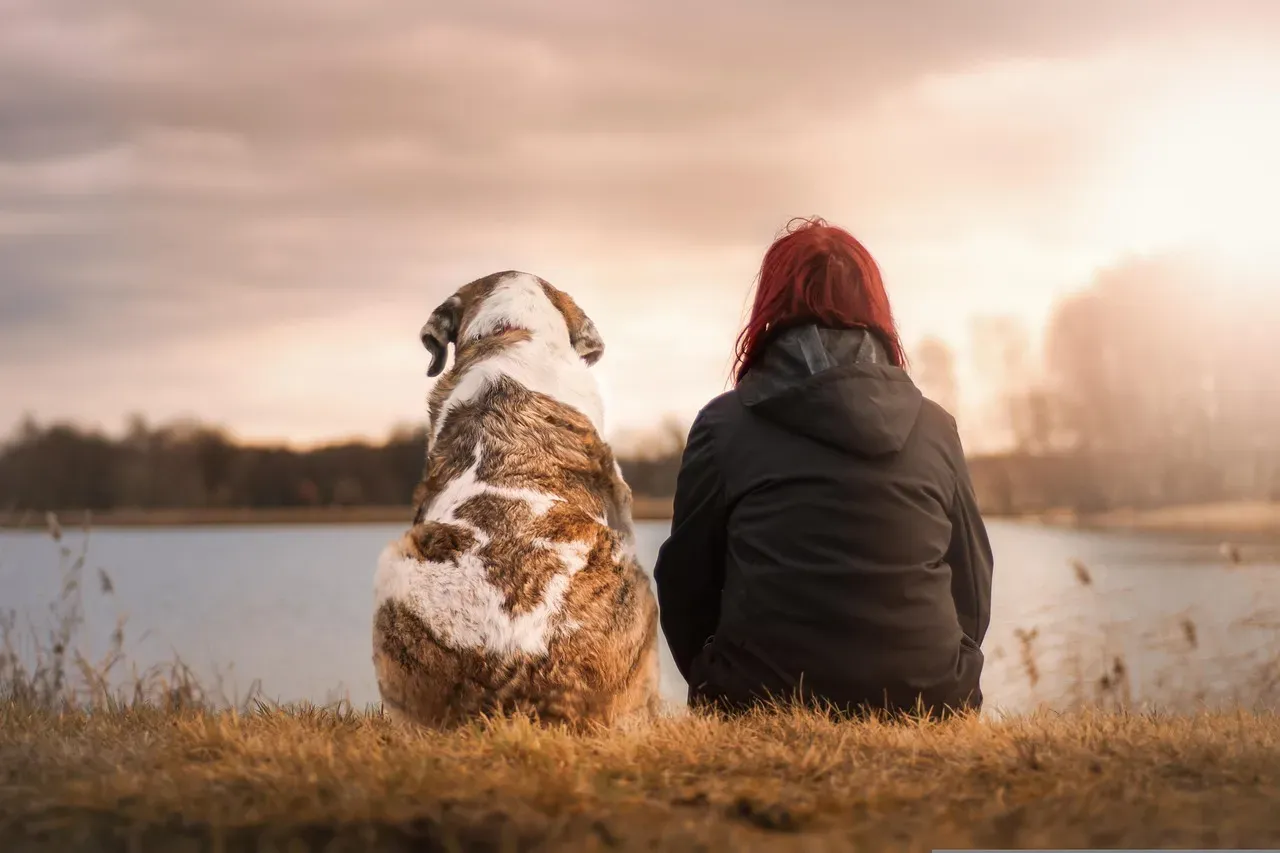
Treating your dog like a dog isn’t about loving them less. It’s about loving them better. It’s about stepping outside our human tendencies to anthropomorphize and instead learning their language, respecting their instincts, and meeting their genuine needs.
Your dog will be happier, calmer, and more confident when you honor their canine nature. They’ll trust you more deeply because you’re giving them what they’ve been asking for all along: leadership, structure, outlets for their energy, and permission to just be a dog. What do you think about this approach? Have you noticed changes in your dog’s behavior when you started treating them more like the amazing canine they are?


