
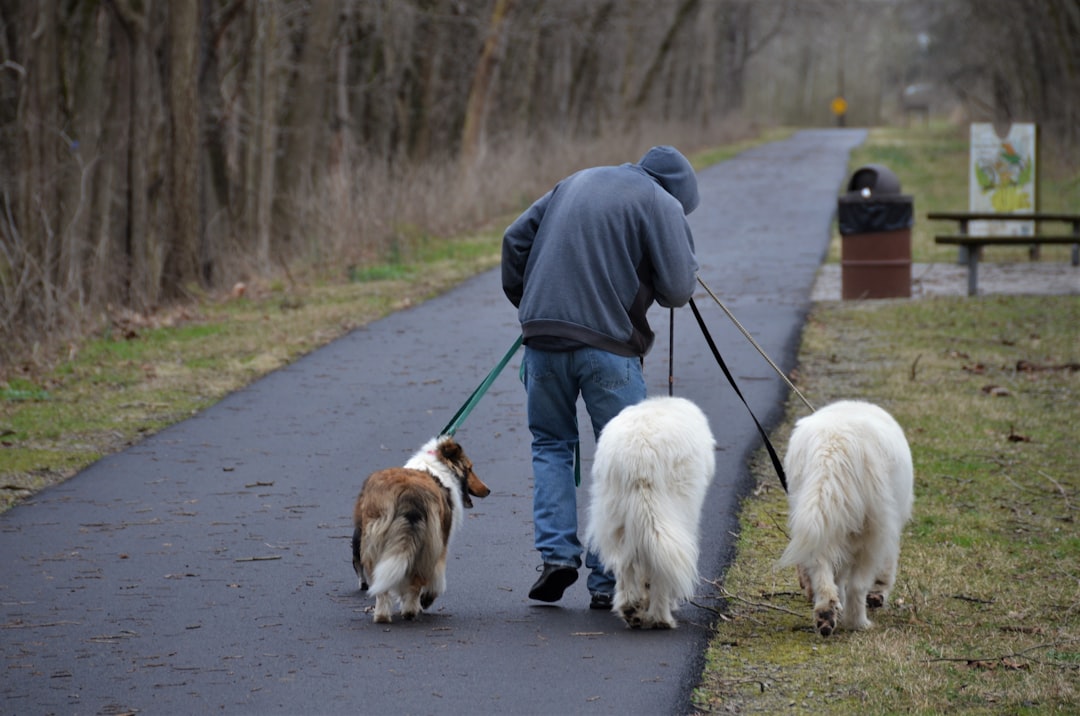
Have you ever wondered what’s running through your dog’s mind when they stop to sniff every lamppost, blade of grass, or mysterious patch on the sidewalk? To us, it might look like dawdling, but to our dogs, sniffing is so much more—it’s their way of reading the world. Imagine being handed the latest gossip, the news, and a treasure map all at once, every time you step outside. That’s what a good sniff is for your pup. So, why not let them enjoy it more often?
Sniffing Is a Dog’s Superpower
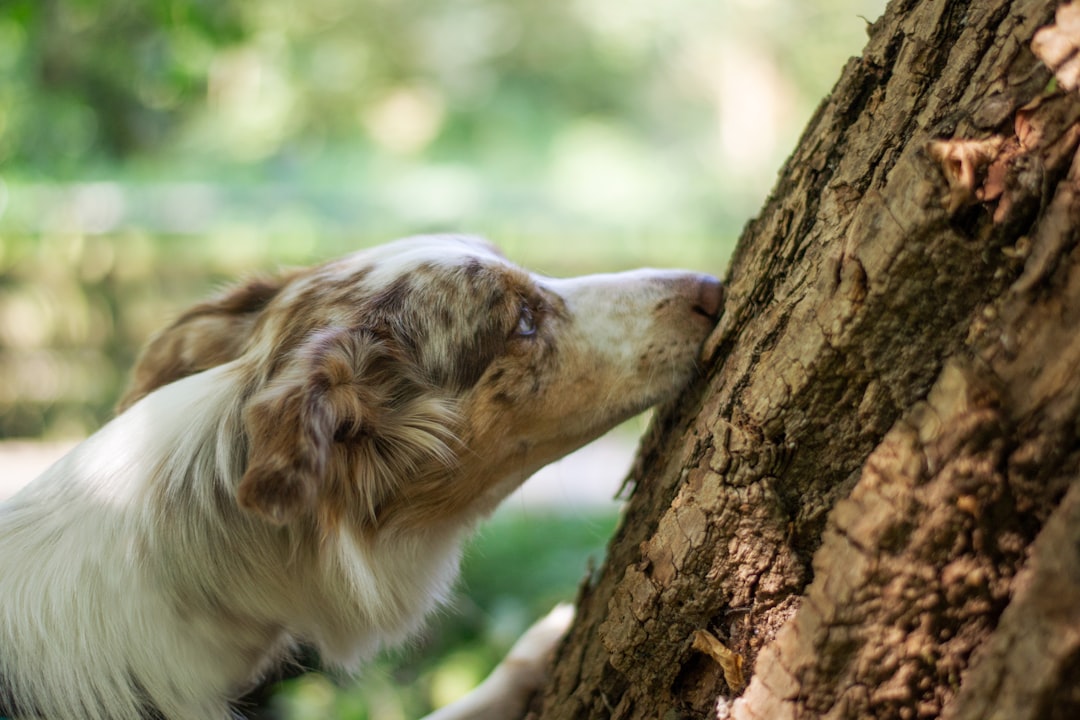
Dogs experience life through their noses. Their sense of smell is up to 100,000 times stronger than ours, making each walk a sensory adventure. When they put their nose to the ground, they’re not just smelling—they’re decoding stories left by other animals and people.
Letting your dog sniff is like handing them a newspaper full of headlines. It’s mentally stimulating and offers them a way to process the world, helping to keep boredom and frustration at bay. Imagine being forced to ignore your phone all day—pretty tough, right? That’s how it feels for dogs when we rush them along.
Sniff Walks Are Mental Exercise
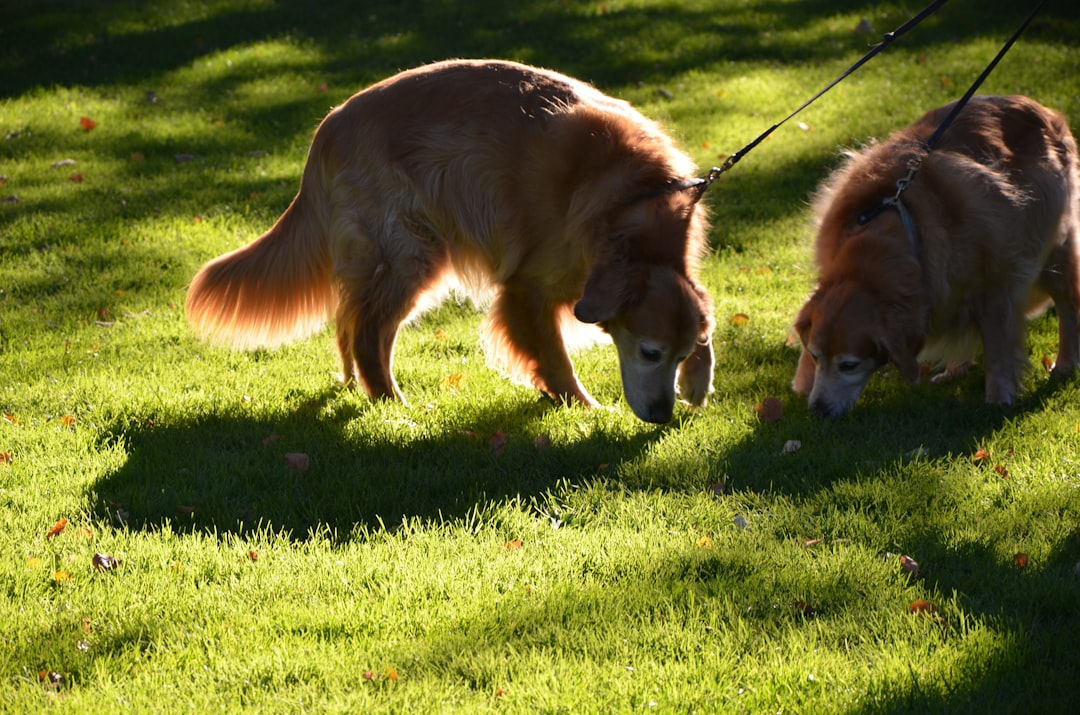
A walk isn’t just about burning off energy; it’s also about engaging your dog’s brain. When dogs get to sniff, they’re solving puzzles and working through scents, which is as tiring as a long run. A sniffy stroll can leave your dog as satisfied as a fast-paced jog.
If your dog seems hyper after a walk, it might be because they didn’t get enough mental stimulation. Allowing them time to explore scents can result in a calmer, more content pup when you return home. Try it out—you might notice the difference right away.
Sniffing Supports Emotional Well-being
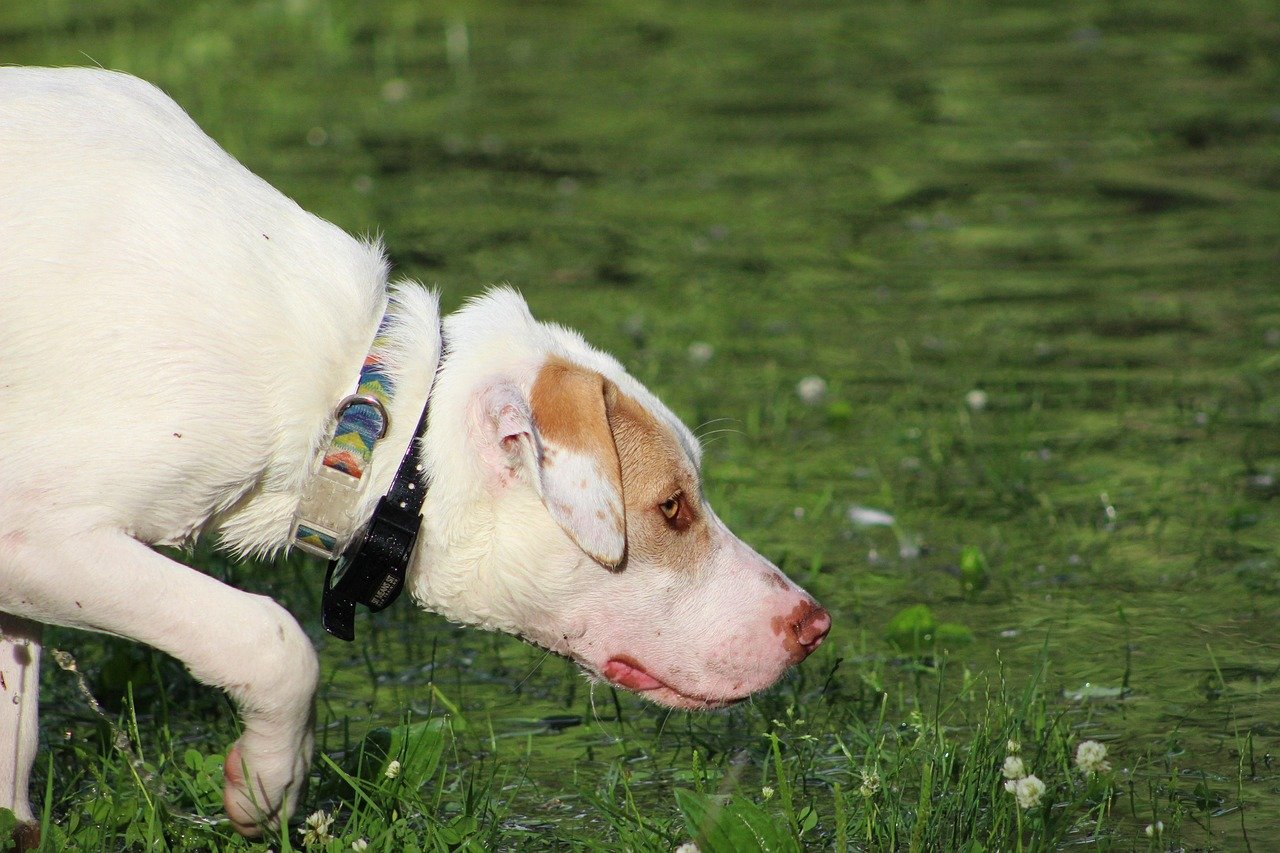
Sniffing is more than just a fun activity; it’s calming, too. When dogs are anxious or stressed, sniffing can help them relax. It’s like a form of meditation for them—slow, deliberate, and grounding.
If you notice your dog getting overwhelmed on a walk, letting them sniff can make all the difference. It’s a gentle way to help them process their surroundings and feel safe, especially in busy or new environments.
Sniffing Encourages Natural Dog Behavior
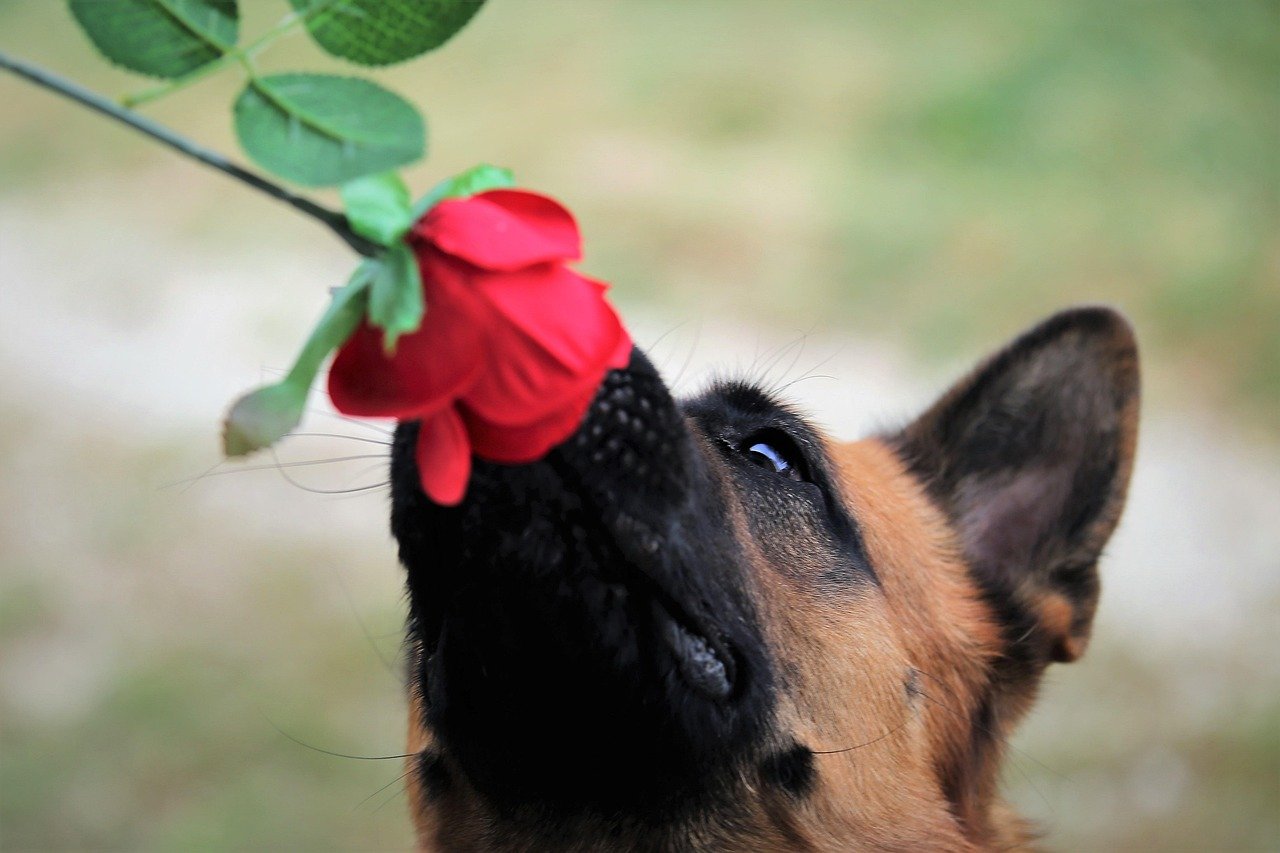
Dogs are born sniffers. It’s part of their DNA. Trying to stop your dog from sniffing is like asking a bird not to sing. Embracing this natural behavior supports their instincts and lets them be their true selves.
When we allow dogs to engage with their environment, they become more confident and happier companions. You’ll likely see wagging tails, relaxed bodies, and bright eyes when you give them the freedom to sniff.
Sniffing Can Prevent Behavioral Problems
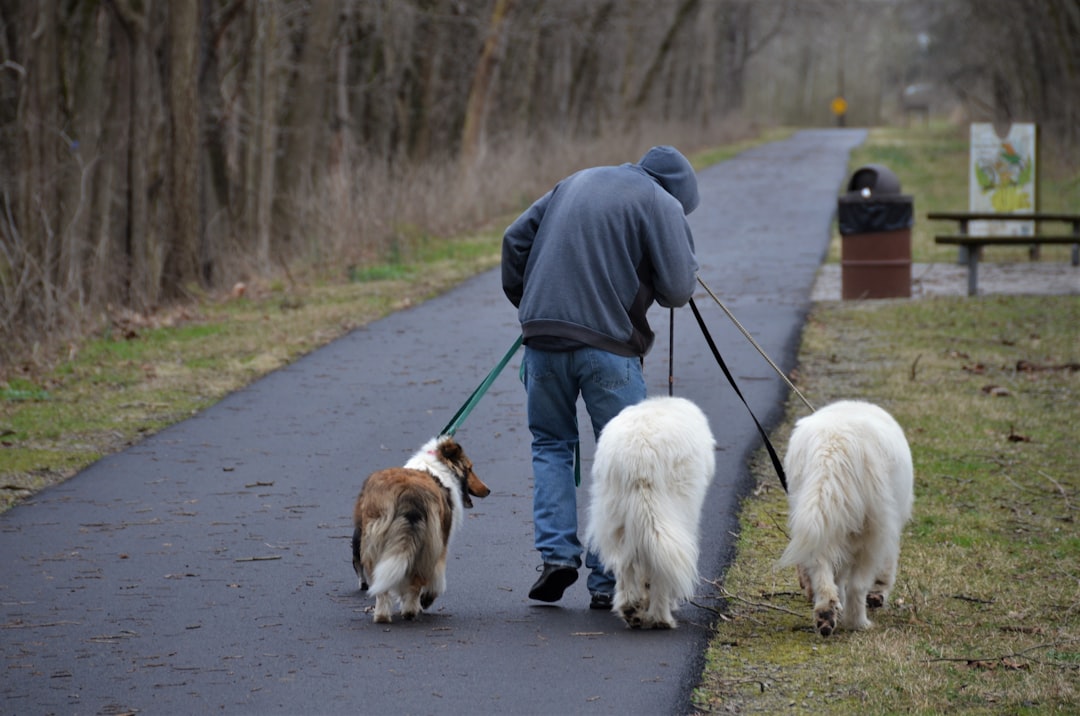
Boredom and frustration often lead to problem behaviors, like chewing, barking, or digging. A walk that includes lots of sniffing helps meet your dog’s mental needs, reducing the chances they’ll act out at home.
If your dog is acting up, try slowing down your walks and letting them sniff more. This small change can work wonders for their mood and your peace of mind. Think of it as a daily dose of therapy for your best friend.
How to Read Your Dog’s Sniffing Cues
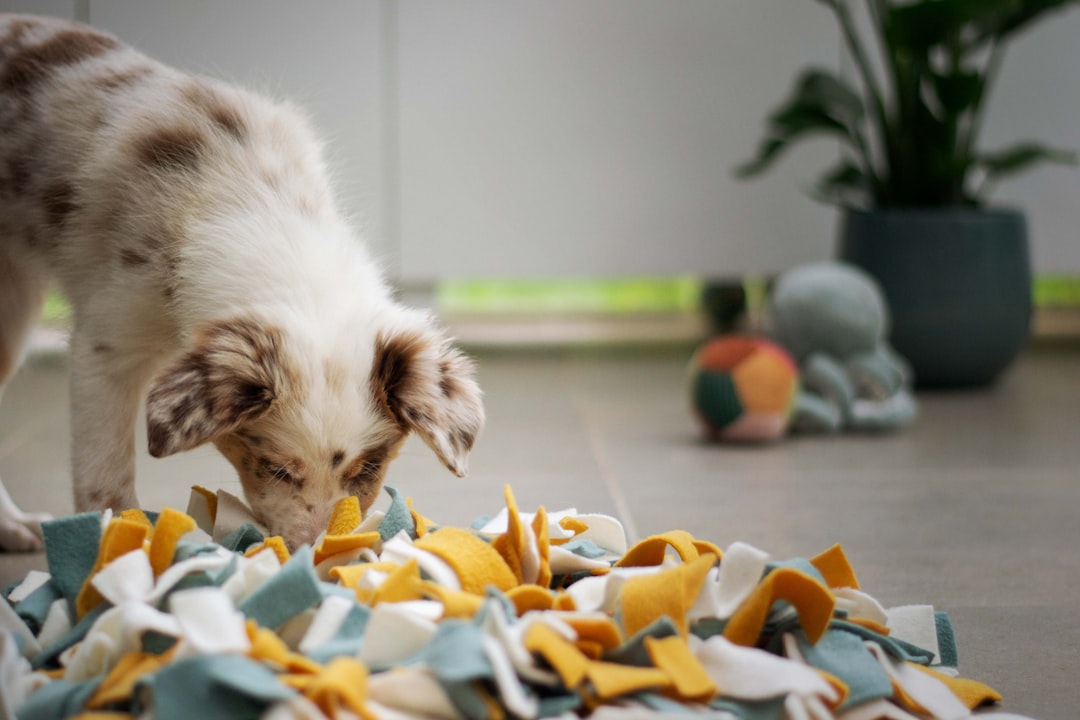
Pay attention to how your dog sniffs. A relaxed, curious dog will move calmly and sniff in short bursts, while a nervous dog may sniff obsessively in one spot. This can help you understand what’s going on in their head.
If your dog seems fixated on a certain area, it might mean something exciting—or stressful—has been there. Use these moments to tune into your dog’s feelings and adjust your route or pace as needed.
Practical Tips for Enriching Sniff Walks
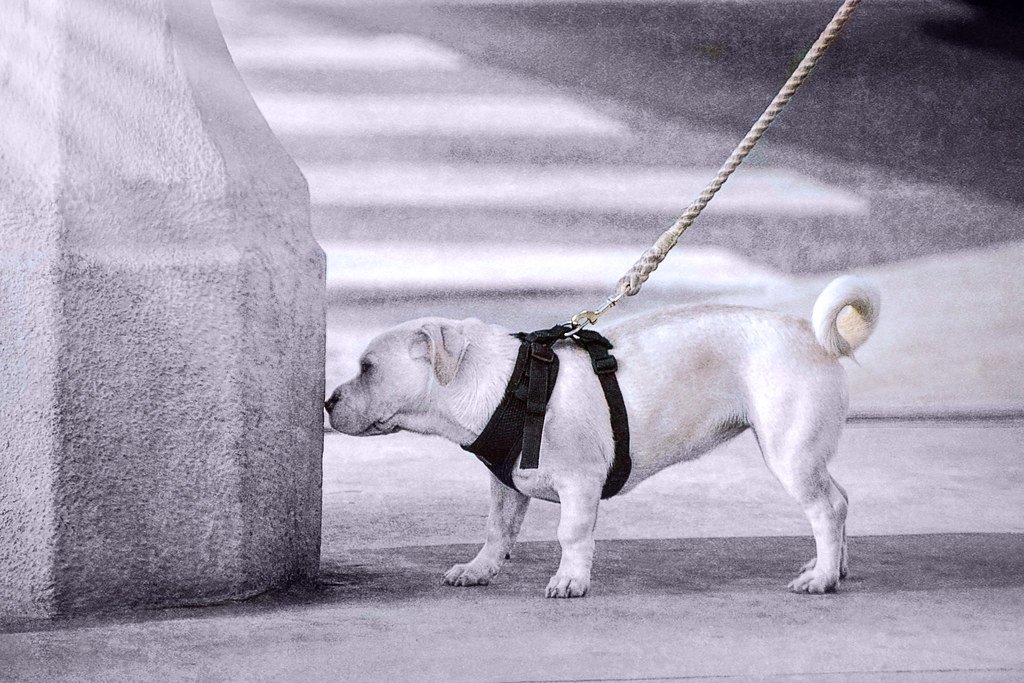
Consider bringing your dog to different environments: parks, wooded trails, even new neighborhoods. Each place offers fresh scents and new stories to uncover. Try alternating between “sniff walks” and brisk walks so your dog gets both mental and physical exercise.
Bring a longer leash to give your dog more freedom, and be patient. Yes, it might take longer to get around the block, but the joy your dog gets from sniffing is worth every extra minute.
Health and Safety While Sniffing
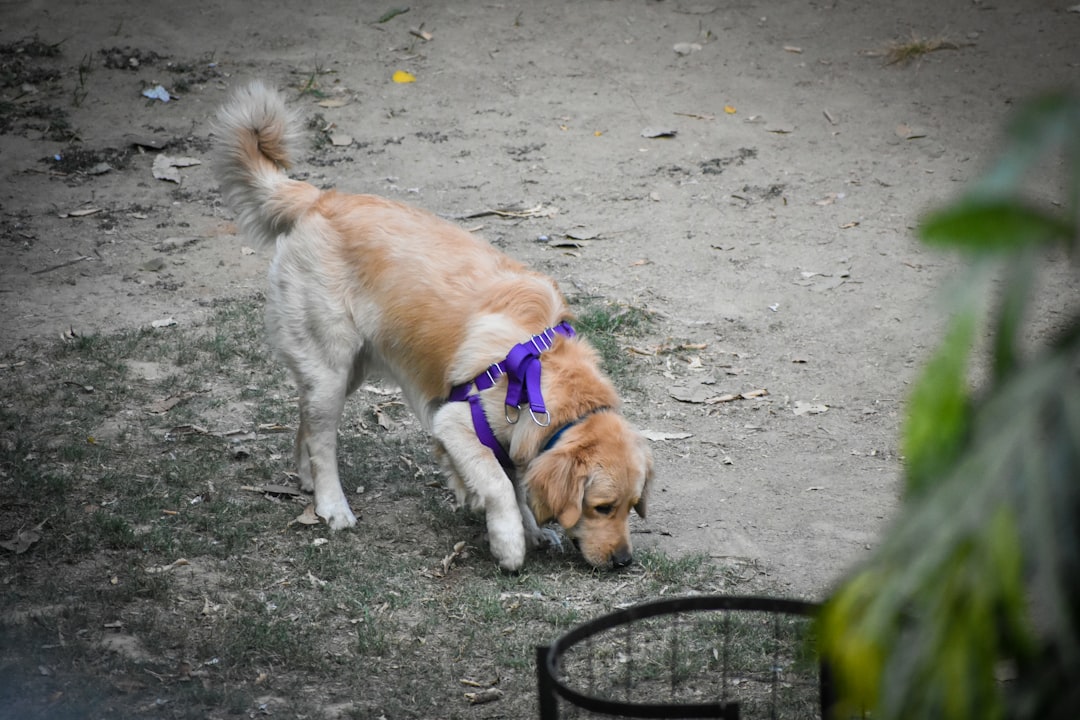
Always keep an eye out for things your dog shouldn’t eat, like discarded food or toxic plants. If your dog is a “vacuum cleaner,” use a harness and redirect them gently if they try to gobble something dangerous.
Watch for signs of overexcitement or stress, like frantic sniffing or pulling hard on the leash. These can be cues to give your dog a break or redirect their attention. It’s all about finding a healthy balance.
Letting your dog sniff more on walks is one of the simplest, kindest ways to make their world bigger and brighter. Why not start today and see how it changes both your routines?


