
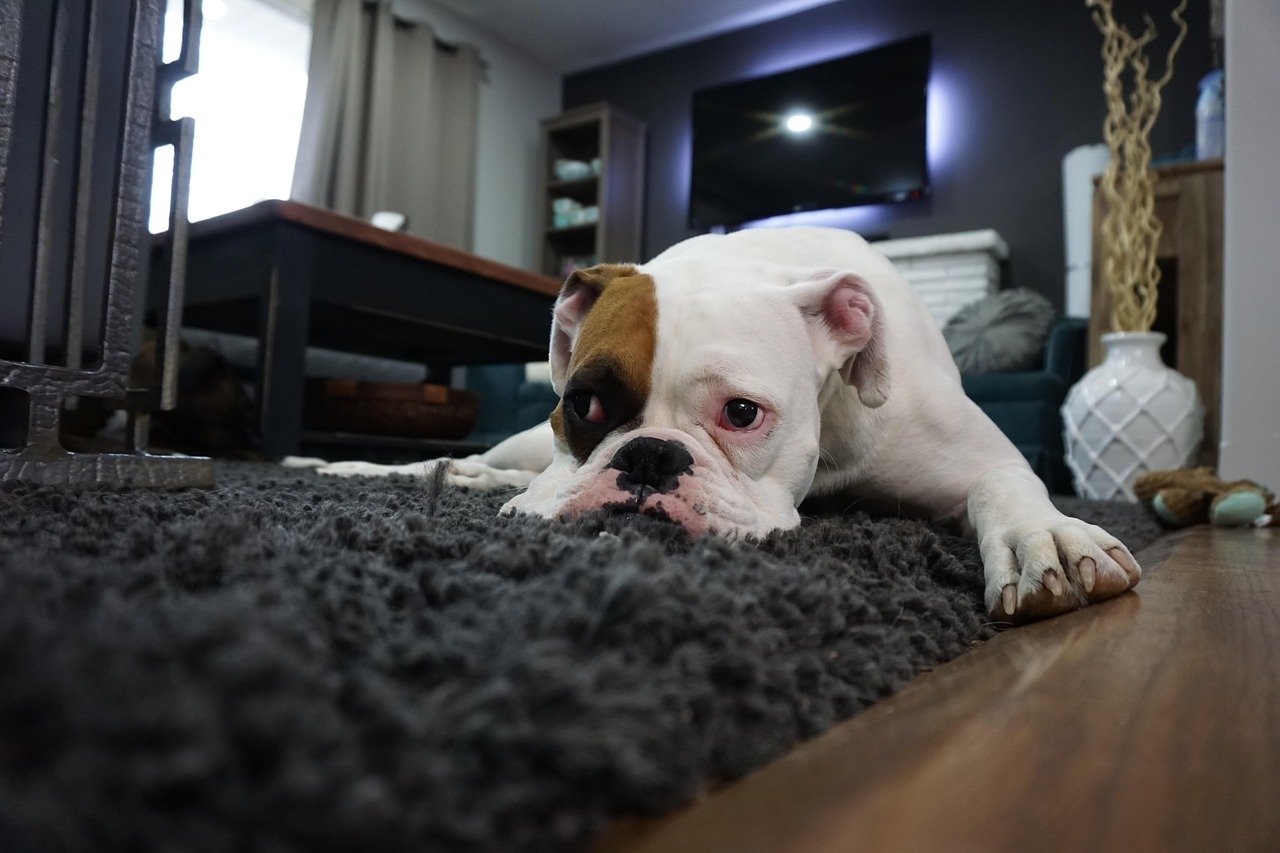
Picture this: you walk into your living room after a long day, and there it is – a yellow puddle gleaming on your pristine carpet. Your first instinct might be to grab your dog and let them know exactly how you feel about their indoor bathroom break. But hold that thought. What if I told you that scolding your furry friend for peeing on the carpet is not only ineffective but could actually make the problem ten times worse?
The truth about how dogs learn might surprise you more than finding that unexpected puddle. Understanding why traditional punishment fails and what actually works can transform both your relationship with your dog and your carpet’s future.
The Psychology Behind Why Scolding Backfires
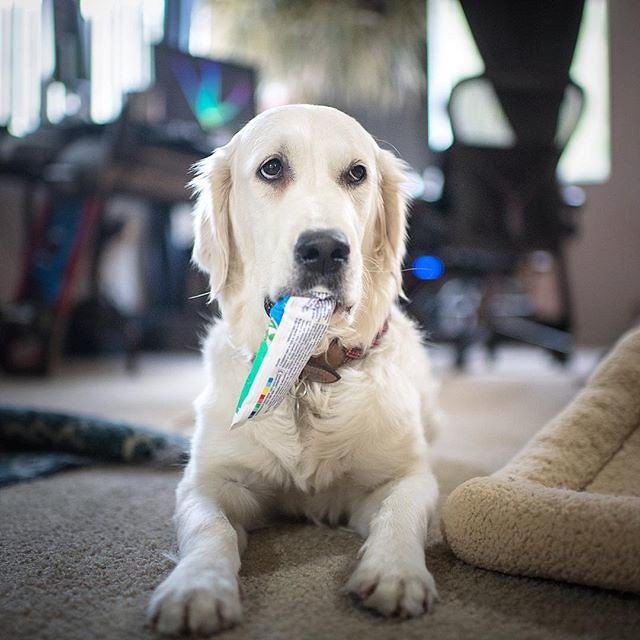
When you start scolding or shouting at your dog, he perceives you as a threat and pees on himself when you approach him. Punishment or a loud sound also causes dogs to pee on themselves. Think about it – if someone yelled at you every time you used the bathroom incorrectly, you’d probably develop some serious anxiety around the whole situation.
Dogs that are punished for urinating inside actually makes the problem worse because it means the dog is now scared to pee in front of you outside. This can make resolving house training issues even harder. They may avoid urinating on walks, instead waiting until they are home and you are not there. It’s like creating a secret bathroom user who only goes when you’re not watching.
The Medical Reality You’re Probably Missing

Before you even think about addressing behavior, there’s something crucial you need to consider. If your dog is already house trained and they have an accident in the house, it’s time to schedule an appointment with your vet. There are several medical issues that can cause dogs to pee in the house, including urinary tract infections. Diabetes, kidney issues, prostate disease, and other issues can also be the cause.
Some of these conditions can be very painful. The dog may associate urinating in the usual spots with pain and be looking for new places to pee instead. Imagine having a painful bladder infection and then getting yelled at for trying to find relief. Your dog might be dealing with something similar, and punishment only adds insult to injury.
The Emotional Triggers That Create Carpet Accidents

Dogs, especially younger ones, may pee on the carpet when excited. Excitement and anxiety peeing is also known as submission urination. It occurs naturally in dogs. This is their way of proving they’re submissive and ‘don’t deserve any punishment.’ It’s essentially your dog’s way of saying “Please don’t be mad at me!”
Dogs who behave this way are usually shy or anxious, and may have a history of being punished for having accidents or jumping up on people. If a dog lives in a home where the guidelines constantly change or one person expects different things than another, this can exacerbate any existing stress. Your scolding might be creating the very anxiety that causes more accidents.
How Punishment Actually Teaches the Wrong Lesson

The dog won’t link the punishment to the rug, but to you, which will make him more secretive and he’ll probably hang on until you leave the room to pee on the rug. You’re not teaching them where to go – you’re teaching them to hide from you when they need to go.
They have no idea what they’ve done wrong and will work extra hard not to get caught again. Spanking or hitting your pup, rubbing their nose in the mess, scolding or physically intimidating her will confuse and scare your dog. Your dog doesn’t understand human concepts of property damage or cleanliness – they just know you’re angry and scary.
The Scent Science That Makes Problems Worse
Unfortunately, peeing in the wrong place (such as a rug) is habit forming. This is because urine contains a number of scent markers that are highly attractive to dogs and mark the place as an area of interest. Continued peeing keeps the signals fresh and will repeatedly draw the dog back to re-offend.
When you focus on punishment instead of proper cleanup, you’re missing the real culprit. Dogs will often relieve themselves multiple times in the same place, especially if the scent of their previous accident lingers. It’s important to take steps to keep this from happening in the first place and ensure that you thoroughly clean any area where he does pee to keep him from being drawn to the same spot again. That carpet has become a bathroom billboard in your dog’s nose.
What Positive Reinforcement Actually Accomplishes

Compared with other methods, positive reinforcement strengthens behavior, builds trusting relationships between pet parents and their animal companions, and protects the behavioral health of pets. Instead of creating fear and confusion, you’re building a partnership based on clear communication.
Several studies have found that people who use positive reinforcement to train their dogs report a better-behaved dog than those who use aversive techniques. In one study, the dogs of people who used only positive reinforcement training were less likely to have behaviour problems. The science is clear – rewards work better than punishment for creating lasting behavioral change.
The Right Way to Handle Carpet Accidents

If your dog has an accident, don’t make a fuss, just clean up the mess. Use a cleaner that eliminates odors to remove the scent, so the dog won’t use it in the future. Your calm response teaches your dog that accidents happen, but they’re not the end of the world.
If you catch the dog in the act of urinating on the rug, do NOT punish him. However, it’s fine to screech or squeal or make some alarming noise that interupts his train of thought and stops him mid flow. Then grab his collar and whisk him straight outdoors to the place where you do want him to urinate. You’re redirecting, not punishing – showing them where TO go instead of just where not to go.
Conclusion: Building Success Through Understanding

The next time you discover an unwelcome surprise on your carpet, take a deep breath and remember that your dog isn’t plotting against your home decor. They’re either dealing with a medical issue, emotional stress, confusion about where they should go, or responding to lingering scents that you can’t even detect.
There will be a reason why they are exhibiting this behavior, and it is our job as pet parents to help them with whatever they may be experiencing. Punishment, both verbal and physical, are never conducive to a safe and productive training environment, and will only cause your dog to shut down rather than retain the information you want them to. Likewise, frightening your dog will only lead to further issues, and so when it comes to their training, pups respond best to gentle encouragement, a solid and regular routine that offers repetition as the main learning tool, and lots of cuddles and reassurance.
Your carpet might take a few hits during the learning process, but your relationship with your dog will emerge stronger, built on trust rather than fear. After all, isn’t a happy, confident dog worth more than a spotless rug?


