You walk through the door after a long day, hoping for a tail-wagging welcome. Instead, you’re greeted by torn couch cushions, a shredded shoe, and stuffing scattered like snow. Your blood pressure spikes. The urge to yell floods your chest. It’s the most natural thing in the world to lose your temper in that moment, right?
Here’s the thing though. That instinct, while perfectly understandable, might actually be sabotaging your relationship with your dog. I know it sounds crazy when you’re staring at the wreckage of your favorite sneakers. The science tells us something surprising about what really happens in your dog’s mind when you shout, and honestly, it’s not what most people expect.
Your Dog’s Brain Doesn’t Speak Human Frustration

Dogs don’t have the ability to reason in the same way humans do, which means that shouting at destructive behavior doesn’t land the way you think it does. When you yell at your pup for chewing the furniture, they don’t connect the dots between the crime and the punishment.
If your dog goes potty on the carpet and you shout at him, the only thing he will take from the experience is to fear eliminating in front of you. In this scenario, he will continue to go potty inside, but hide it from you so that you don’t catch him in the act. The same applies to destructive chewing or digging. They learn to fear you, not to avoid the behavior itself.
Think about it like this: imagine someone screaming at you in a language you don’t understand. You’d feel scared and confused, but you wouldn’t know what you did wrong. Dogs don’t perform bad behaviors to spite you or show defiance. They simply need to be taught to act in a way that pleases you because making you happy is what makes them happy.
Yelling Creates Stress That Lingers for Months

Programs that use even relatively mild punishments like yelling and leash-jerking can stress dogs out, making them more pessimistic than dogs that experience reward-based training. That’s not just a feel-good claim from dog lovers. It’s backed by solid research.
Dogs in negative reinforcement programs showed more stress-related behaviors during training, such as lip licking and yawning, and they had higher levels of cortisol in their saliva. Cortisol is the stress hormone, the same one that floods your body when you’re anxious or afraid. Elevated cortisol isn’t just uncomfortable. It affects your dog’s immune system, digestion, and overall health.
Even more concerning? Pessimistic mindsets have been associated with separation anxiety and other problem behaviors in dogs. The more punishment a dog had received, the more pessimistic it was. Shouting doesn’t just hurt in the moment. It changes how your dog sees the world, making them less confident and more anxious long after the volume dies down.
Destructive Behavior Is a Symptom, Not the Problem

Let’s be real. Your dog isn’t shredding the couch because they hate you or want revenge for leaving them alone. Dogs engage in destructive behavior due to boredom, anxiety or stress, changes in routine, separation anxiety, or fear.
When a young dog chews everything in sight, it might be teething pain. When an adult dog digs holes in the backyard, it could be pent-up energy or loneliness. Dogs with separation anxiety often become distressed when left alone, leading to behaviors like chewing furniture or scratching doors. Yelling at these behaviors is like shouting at someone for coughing when they have pneumonia. You’re not addressing the root cause.
I think we forget sometimes that dogs are social animals who crave connection and mental stimulation. Dogs are social animals and need interaction. Destructive behavior is often their way of saying, “I’m bored, lonely, scared, or confused.”
What Shouting Actually Teaches Your Dog

Yelling at your dog can confuse her and make her hyper or aggressive as she tries to imitate your actions. When you shout at a barking dog, they might actually think you’re barking with them, joining in on the noise. Some dogs interpret yelling as you barking along with them, which only reinforces the behavior you’re trying to stop.
Yelling can create an atmosphere of fear and confusion, and your dog will not only not understand your request but start associating it with bad things. Over time, your dog might become anxious around you, less willing to try new things, or even develop fear-based aggression.
There’s also the issue of habituation. If you yell too often, your dog may habituate to it, to the point that he’ll start to block out your vocalizations entirely. Your dog might begin to tune you out, and you become as irrelevant as the birds chirping in the trees. So not only does yelling not work, but it can also make you completely ineffective as a communicator in your dog’s eyes.
The Science-Backed Alternative That Actually Works
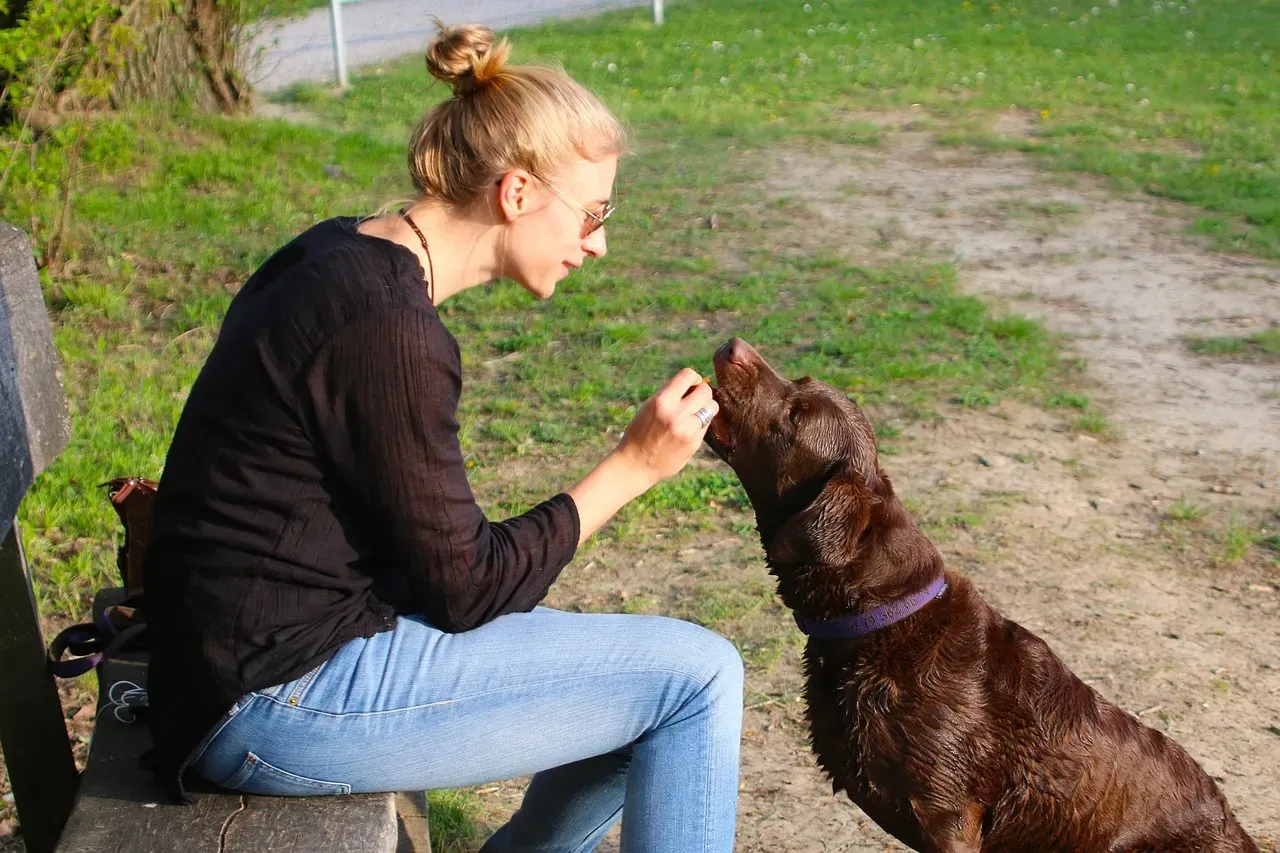
Reward training is much better for your dog’s happiness, and honestly, it’s more effective too. Dogs that had received reward-based training were quicker to learn where the bowl’s location was as compared to dogs exposed to aversive-training methods. That means positive reinforcement doesn’t just make your dog happier; it makes them smarter learners.
So what does this look like in practice? Addressing destructive behavior requires patience, consistency, and positive reinforcement. Redirect your dog to appropriate outlets when they begin chewing or digging. Reward desirable behaviors with praise, treats, or play to reinforce habits.
If your dog is chewing a shoe, don’t scream. Distract them so it doesn’t look like you’re rewarding destructive chewing. Then, offer them a meaty, marrow-filled dog bone instead. You’re teaching them what they should chew, not just punishing them for what they shouldn’t. It’s hard to say for sure at first, but most dogs catch on surprisingly fast when the message is clear.
Building Trust Instead of Fear

Positive reinforcement is the most effective way to communicate with your dog, unlike negative reinforcement which can result in your dog becoming fearful of you. Dogs are very eager to please their owners, and positive reinforcement lets them know their behavior was good.
When you respond to destructive behavior with calm redirection and rewards for better choices, you’re building a bond based on trust rather than fear. Your dog learns that you’re their safe person, their guide, not someone to hide from. Positive reinforcement helps reinforce that bond, providing your dog with a level of confidence and trust that isn’t easily achieved with other methods of training.
Think about your most frustrating moments with your dog. What if, instead of feeling like adversaries, you could work together as a team? That shift starts with how you respond when things go wrong. Prevention matters too. Engage dogs with games of fetch and let them cut loose at the dog park. Provide plenty of appropriate chew toys so they don’t have to resort to chewing on your shoes or couch. Pleasantly tired pups are much less likely to be destructive or bark excessively.
Conclusion

When your dog destroys something you love, the anger feels justified. I get it. Yet every time you choose calm over chaos, redirection over rage, you’re investing in a dog who’s more confident, less anxious, and genuinely eager to learn.
The welfare of companion dogs trained with aversive-based methods is at risk, especially if these are used in high proportions. Your voice has power. Use it to guide, not to punish. The torn cushion will be replaced, but the trust you build with your dog is irreplaceable.
Have you ever caught yourself yelling and then wondered if there was a better way? What changes do you think you could make starting today?