
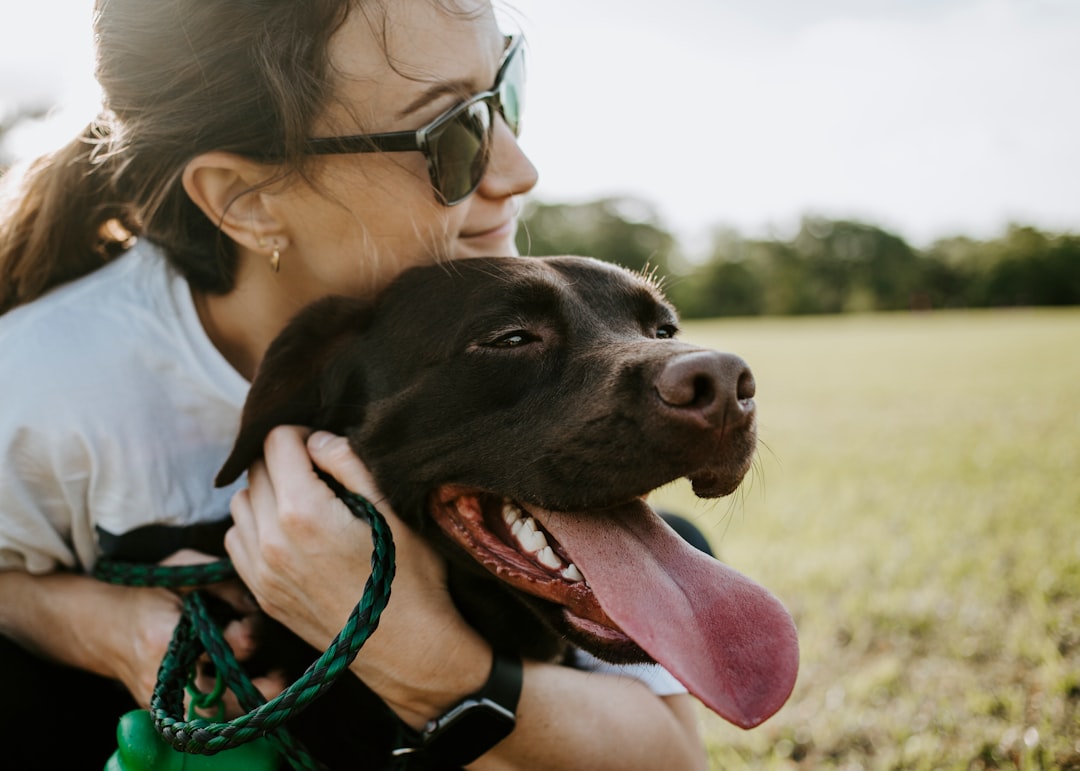
Ever been caught off guard by your dog’s playful nip, only to feel a sharp sting and an even sharper urge to snap back? You’re not alone. It’s easy to forget, in the excitement of tug-of-war or a game of fetch, that our furry friends don’t always know their own strength. But before you let frustration take over, there’s something important you should know: shouting at your dog might do more harm than good—for both of you.
Understanding Play Biting: It’s Natural, Not Nasty

Dogs explore the world with their mouths, just like toddlers do with their hands. Play biting is a normal part of how they interact, especially when they’re excited or trying to bond. Most pups don’t mean to hurt; they’re just caught up in the joy of play.
It’s important to recognize the difference between aggressive biting and playful mouthing. Playful bites are usually gentle, and your dog’s body language stays relaxed—think wagging tails and wiggly bodies. When you see these signs, it’s a learning moment, not a cause for anger.
Shouting Scares, It Doesn’t Teach

Raising your voice in the heat of the moment might feel like the quickest way to show you’re hurt. But for dogs, loud yelling is just scary noise. Instead of understanding what went wrong, they may freeze, cower, or even grow wary of playing with you altogether.
When we shout, we risk breaking the trust we’ve built. Dogs thrive on positive connections, and fear-based reactions can make them anxious or confused. A calm “ouch!” and pausing play is far more effective—and much kinder.
How Dogs Read Your Body Language

Dogs are experts at picking up on our emotions, even before we say a word. They watch our faces, listen to our tone, and sense tension in our bodies. When you shout, your dog’s first instinct is to figure out what’s wrong, not what they did.
If you tense up or turn away, your dog may interpret it as a signal that playtime is over. This gentle withdrawal sends a clear, non-scary message. Over time, they’ll learn that gentle play keeps the fun going.
The Hidden Cost: Stress and Trust Issues

Repeated shouting can create a cycle of stress for your dog. You might notice them flinching, hiding, or hesitating to play. These are signs that your pup’s happiness—and your bond—are taking a hit.
A dog that feels safe around you is more likely to listen and respond well to gentle guidance. Building that trust takes patience and consistency, not volume and anger.
Better Ways To Respond To Play Biting
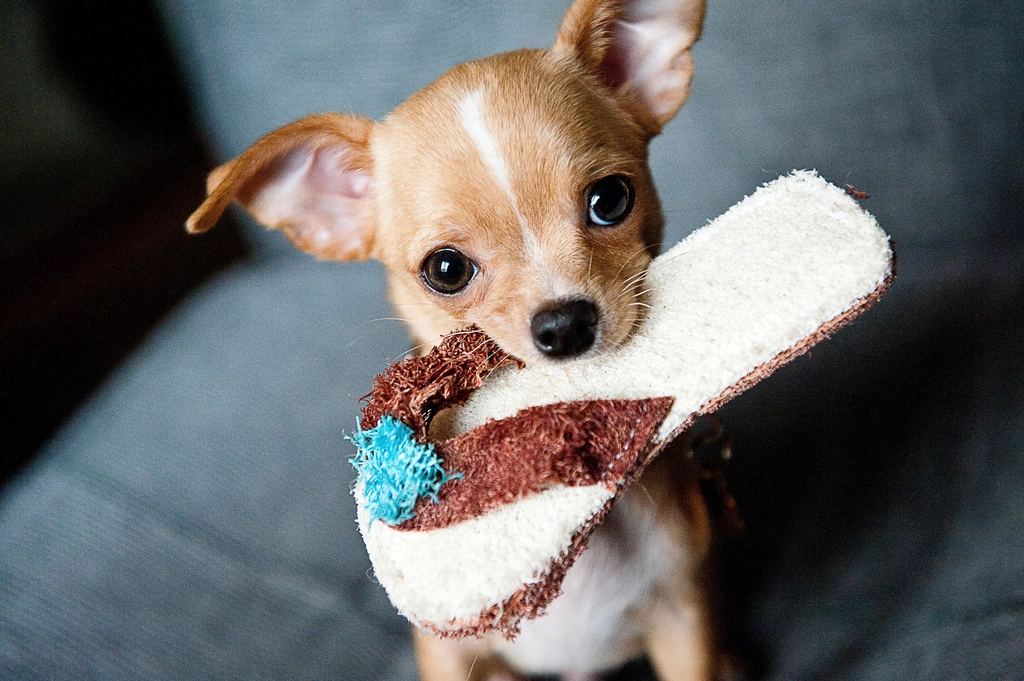
When those puppy teeth catch your skin, try freezing for a moment and calmly withdrawing your hand. A gentle “no” or “ouch” in a normal tone can be enough to catch their attention. Follow this by pausing play, which teaches your dog that biting ends the fun.
Reward gentle play with treats, praise, or more playtime. Positive reinforcement works wonders, helping your dog understand boundaries without fear or confusion.
Reading The Signs: When Play Turns Too Rough

Watch for signs that play is getting out of hand—like stiff body posture, intense staring, or repeated hard bites. These cues mean your dog might be overstimulated, and it’s time for a short break.
If you notice growling or snapping, calmly separate yourself and let your dog cool down. Consistent, calm responses help your dog learn what’s okay and what’s not.
Prevention Tips: Setting Up For Success
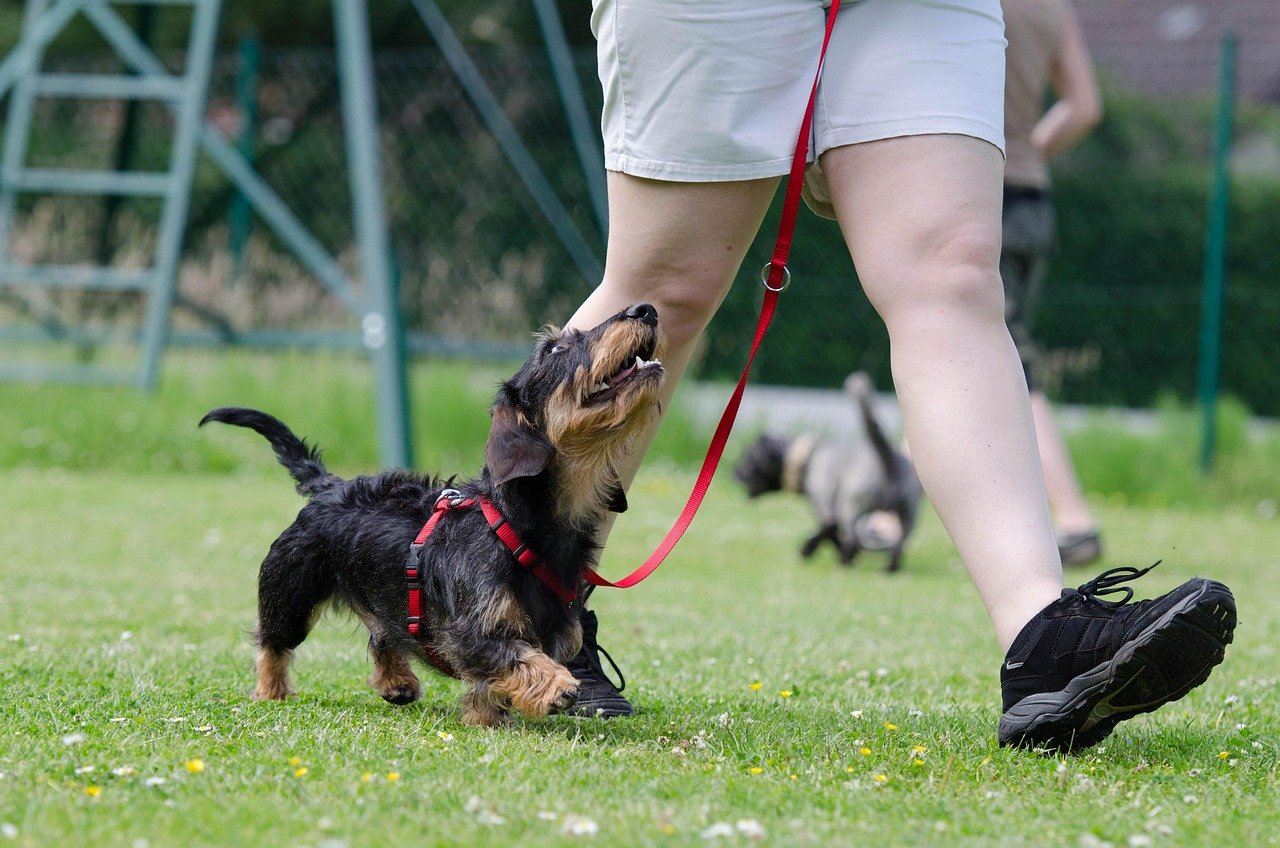
Start teaching bite inhibition early, using toys as the main focus during play. Encourage gentle mouthing and redirect biting onto appropriate objects. Practice short, frequent play sessions to keep excitement at a manageable level.
If your dog struggles with self-control, structured training games can help them learn to manage their impulses. Remember, every dog is different—what works for one might need a tweak for another.
When To Seek Extra Help

If your dog’s biting seems aggressive or you’re worried about their behavior, don’t hesitate to reach out to a professional trainer or your vet. Sometimes pain, anxiety, or past experiences can influence how a dog reacts during play.
Getting help early can prevent problems from growing and ensure that both you and your dog stay safe and happy together. You’re your dog’s best advocate, and seeking support is a sign of love, not failure.
Building A Bond That Lasts

Every play session is a chance to teach, connect, and grow closer to your four-legged friend. By responding with patience and understanding, you’re not just avoiding hurt feelings—you’re deepening a lifelong bond.
Next time those puppy teeth get a little carried away, remember: gentle guidance shapes gentle companions. Isn’t that a trade worth making?


