

You walk through the door after a long day, and your jaw drops. The throw pillow is in shreds. The remote control is unrecognizable. Your favorite sneaker has been chewed beyond rescue. The rush of frustration is instant and completely understandable. Your hand almost instinctively rises, and the thought crosses your mind: “Maybe I need to teach this dog a lesson.”
Stop right there. Honestly, I’ve heard this story from so many dog owners, and the impulse makes total human sense. But what feels like discipline is often doing something far more damaging than a ruined sofa ever could. Before you react, there’s something important you need to understand about your dog, about how they think, and about why your relationship with them depends on what you do in this exact moment.
The answers might surprise you. Let’s dive in.
Your Dog Is Not Being Spiteful – Here’s What’s Really Going On

Let’s be real: when you come home to a destroyed living room, the first assumption is that your dog “knew better” and acted out anyway. It feels personal. It feels like defiance. But it’s crucial to understand that your dog isn’t acting out of revenge or spite – this behavior is a symptom of a deeper underlying issue. Your dog is not plotting against you while you’re at work. That’s not how their brain operates.
Destructive behavior in dogs is often a symptom of underlying issues such as boredom, anxiety, or a lack of physical and mental stimulation. Think of it like this: a toddler who knocks over a glass isn’t being vindictive, they’re just overwhelmed, bored, or under-stimulated. Destructive behavior is typically a form of doggy communication – your dog may be trying to express frustration, relieve stress, or entertain themselves. They are talking to you the only way they know how.
While people may exercise, chew on their nails, or have a drink to relieve tension, dogs tend to chew, lick excessively, pace, or house-soil when anxious. Recognizing that distinction changes everything about how you respond. Because destructive behavior has many potential causes, a careful analysis of the dog’s history and environment is necessary to help identify the cause of the problem so that effective behavior modification techniques can be recommended.
The Science Is Clear: Spanking Dogs Increases Aggression

In much the same way that data shows that spanking human children leads to aggression and acting out later on, research shows that punishing dogs to control their behavior leads to an increase in canine aggression. This isn’t a fringe opinion. It’s backed by hard data from some of the most respected institutions in animal behavior science. The numbers are frankly shocking once you see them laid out.
Meghan Herron and her colleagues from the School of Veterinary Medicine at the University of Pennsylvania reported in the journal Applied Animal Behavior Science that using punishing techniques when training dogs tends to increase the aggression in the animals. Just how aggressively dogs responded to these negative control methods depended upon the severity and nature of the technique used. Thus nearly half of the dogs increased their aggression in response to being hit or kicked, while only 3 percent showed an increase in aggression in response to a corrective sound. Let that sink in for a moment. You could be making your dog more dangerous, not less.
Aversive training methods, including spanking, have been shown to jeopardize dogs’ physical and mental health. Not only do these methods potentially provoke fearful or defensively aggressive behavior, but they also don’t guarantee long-term obedience or understanding from the dog. Spanking, in other words, is a gamble you are very likely to lose.
Timing Matters More Than You Think – And You’re Almost Always Too Late
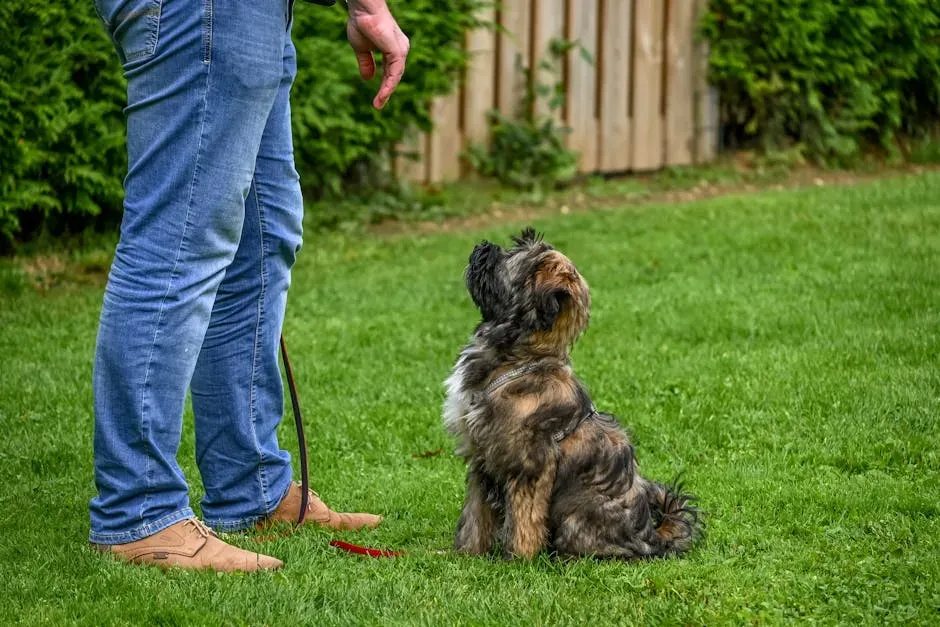
Here’s one of the most overlooked facts in dog training: timing is everything. Dogs are associative learners – your dog will learn how a certain behavior they perform will be followed by a certain consequence or reward. The window between action and consequence is extremely narrow. Miss that window, and you’re not correcting anything.
If you find out later that your dog chewed up your shoes as opposed to earlier, and you decide to attempt to correct their behavior while it is sleeping on its bedding, they will not learn from their mistake. By performing a correction on them now you’re only conditioning them to learn from the behavior they are currently doing. In this case, spanking your dog while it is sleeping because it chewed up your shoes will not correct its behavior – you are not teaching your dog to not chew on shoes, you are teaching it to not sleep. That’s a mind-bending idea, isn’t it?
Studies showed that unless you are able to catch a dog actually in the act, it’s unlikely that they will make the connection that they’ve done something “wrong.” It then undermines your relationship with the dog because your unpredictable behavior will only reduce their trust in you and cause them to fear you. Punishment after the fact is never appropriate. Full stop.
The Hidden Damage to Your Bond – and Your Dog’s Mental Health

Punishing your dog hasn’t only been proven to be ineffective but it also breaks the bond between you and your pet. Spanking your dog causes your dog to fear you. Fear is corrosive. Once a dog starts to fear their owner, that trust is incredibly difficult to rebuild. It’s like trying to fill a cracked cup – you can keep pouring in, but the damage keeps leaking out.
In a study published in 2020, Ana Catarina Vieira de Castro and researchers sought to answer the question of whether dog training methods mattered. They found that companion dogs trained with aversive-based methods experienced poorer welfare during training sessions than dogs trained with reward-based methods. Dogs trained with aversive methods or tools frequently display stress-related behaviors during training, including tense body, lower body posture, lip licking, tail lowering, lifting front leg, panting, yawning, and yelping. These are not small side effects. They are signs of genuine psychological distress.
These behaviors lurking under the surface persist and intensify over time. The dog may disguise their discomfort on the outside for fear of punishment but remain internally conflicted. At worst, you and your dog may eventually find yourselves at the end of a frayed rope. This is when bites often occur. A dog that appears to have “submitted” after physical punishment is not a trained dog. It is a frightened one.
Understanding the Real Root Causes of Destructive Behavior

I think one of the most compassionate things you can do as a dog owner is to ask “why” before you react. Destructive behaviors include digging, chewing, scratching, garbage-raiding, and stealing. Each one of these can point to a very specific unmet need in your dog’s life. Treat the symptom and you fix nothing. Treat the cause and you change everything.
Common causes of destructive dog behavior include boredom, anxiety or stress from changes in routine or separation, teething in puppies, social isolation, and attention-seeking. Even health issues play a role. Upper gastrointestinal irritation, dental or gum pain may cause destructive chewing in adult dogs. Some diseases may cause excessive hunger or eating of non-food items. Consult your veterinarian if you suspect these problems. Your dog chewing the baseboards might actually be a vet visit, not a training session.
Excessive punishment or punishment after the fact for any misbehavior can cause dogs to have anxiety around their caretaker. Anticipation of the caretaker’s return or arrival increases the dog’s anxiety level, and they might engage in destructive behavior to relieve the anxiety. In a truly cruel irony, spanking your dog for destruction can actually create even more destruction the next time you leave the house.
What to Do Instead: Smarter, Kinder, and Actually Effective Strategies
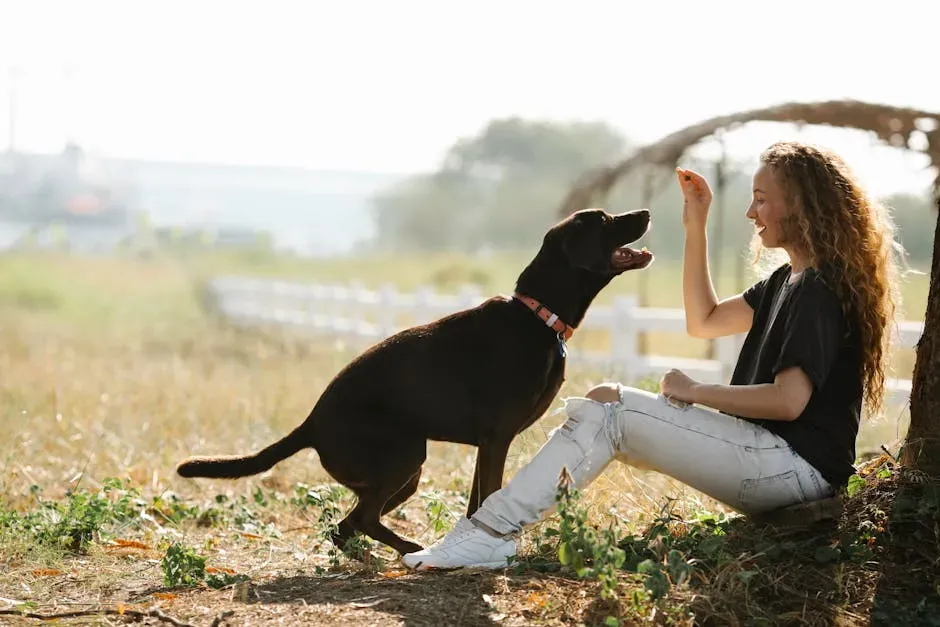
Professional dog trainers universally recommend positive reinforcement as the most effective training approach. This method focuses on rewarding desired behaviors rather than punishing unwanted ones. By using treats, praise, and consistent training techniques, you can effectively shape your dog’s behavior while maintaining a strong, loving relationship. It sounds simple because it genuinely is. The hard part is slowing down enough to apply it consistently.
If you catch your dog in the act, it’s best to immediately interrupt their behavior with a firm “no” and redirect their attention to an acceptable activity. Redirection is one of the most powerful tools you have. One of the most straightforward and underutilized solutions for destructive chewing is simply making sure a dog is getting enough physical exercise. A dog who has genuinely spent their energy is dramatically less likely to redecorate the living room. A tired dog is, almost always, a good dog.
Keep a watchful eye on your dog, especially in the early stages of behavior modification. Use baby gates or crates to restrict access to areas where they might cause damage. Ensure your home environment is safe and free from easy-to-reach temptations. When a dog is properly crate trained, the crate becomes a place of security and comfort – a safe place that can keep them out of potentially dangerous destructive behaviors. Prevention, in this case, is truly the kindest form of discipline.
Conclusion: Lead With Empathy, and Your Dog Will Follow
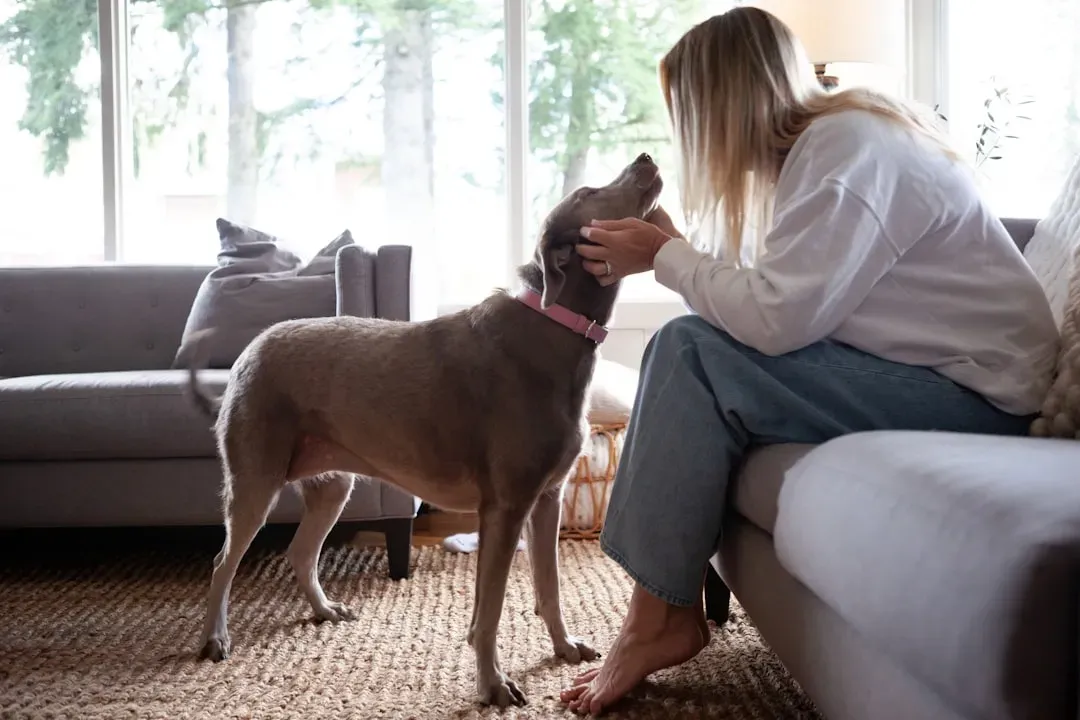
Here’s the thing: every single dog owner who has ever raised a hand out of frustration has done so because they care. You care about your home, you care about your dog, and in that panicked moment of seeing destruction, you want a solution fast. That impulse is human. What separates great dog owners from struggling ones is the ability to pause and choose differently.
A destructive dog is not a hopeless case – it’s a dog expressing an underlying issue. By understanding the root of the problem and applying the right methods, you can transform your relationship and rediscover the joy of coming home. Your dog is not your adversary. They are your student, your companion, and honestly, your biggest fan. They just need you to speak their language.
The next time you walk through the door to a chewed-up mess, take a deep breath. Ask why. Then respond with intention. Positive reinforcement rewards behaviors we want to see continue, creating a happy and stress-free learning environment for the dog. This method has been proven to strengthen the bond between you and your dog, ensuring they associate good behavior with positive outcomes rather than fear of punishment. That is the kind of dog owner your dog deserves – and the kind of relationship you’ll both treasure for years to come.
So what do you think – has understanding the “why” behind your dog’s behavior changed how you see those frustrating moments? Tell us in the comments below.


