


Ever found yourself raising your voice at your dog, only to be met with those wide, confused eyes and a tucked tail? It’s a moment most dog lovers regret instantly. Our dogs don’t speak our language, but they feel our emotions deeply—sometimes even more than we do. Yelling might feel like a quick fix in the heat of the moment, but it can create invisible wounds that take much longer to heal. If you’ve ever wondered why your voice isn’t getting through, or why your pup seems worried around you, you’re not alone. Let’s dive into the real reasons why yelling at your dog is never the answer and how you can build a bond rooted in trust and understanding.
Dogs Don’t Understand Yelling—They Only Feel Fear

When you raise your voice, your dog doesn’t connect your loud words with what they did wrong. Instead, dogs react to your tone and body language, not the actual message. The sudden harshness can startle them, making them anxious or scared rather than teaching them anything useful.
Imagine being shouted at in a language you don’t understand. All you’d feel is confusion and fear, not clarity. Dogs are much the same. Their world is built on trusting their humans, and when that trust is shaken, it can take a long time to repair.
Yelling Damages the Human-Dog Bond

Every time you yell, even if it’s just once in a while, you chip away at your dog’s sense of security. Dogs crave consistency and safety with their favorite humans, and yelling interrupts that sense of peace. Over time, this can make your pup wary of approaching you, especially during stressful moments.
Leading with patience and calm builds a foundation of love and respect. Dogs remember how you make them feel, not necessarily what you say. Consistently warm, gentle guidance is the key to a strong, lasting partnership.
Stress Harms Your Dog’s Health

Chronic stress from repeated yelling isn’t just emotional—it can lead to real physical health problems for your dog. Signs like excessive shedding, upset stomach, or constant licking could mean your pup is struggling with anxiety. Their bodies react to stress hormones much like ours do.
A stressed-out dog is more likely to develop long-term issues, including weakened immunity or behavioral problems. Fostering a calm environment helps your dog stay healthy and happy, both inside and out.
Yelling Doesn’t Teach—It Confuses

Dogs learn best from clear, consistent cues and positive reinforcement. When you yell, the message gets muddy. Instead of understanding what you want, your dog may freeze, cower, or even act out more because they’re unsure what’s expected.
Picture a teacher yelling at students for every mistake—they’d shut down or act out, right? Dogs thrive when you show them what to do, rather than punishing what they did. Reward the behaviors you like, and guide them gently away from the ones you don’t.
Behavioral Problems Can Get Worse

Ironically, yelling often makes unwanted behaviors stick around. A dog who’s shouted at for barking, chewing, or jumping may start doing those things more out of anxiety or confusion. They might even start hiding their behavior, making it harder to help.
Dogs need clear, calm corrections and redirection. If your dog is making mistakes, look for the reasons why—are they bored, anxious, or not getting enough exercise? Prevention and gentle training go much further than any raised voice ever could.
Recognizing Stress Signals in Your Dog

Dogs have their own language for stress—yawning when not tired, licking their lips, avoiding eye contact, or even pacing. If your dog shows these signs after you yell, it’s a clear message that they’re feeling overwhelmed.
Learning to spot these cues helps you adjust your own reactions. Pause, take a breath, and try to respond with patience. Your dog will feel safer, and your training will be much more effective.
Building Trust Through Positive Reinforcement
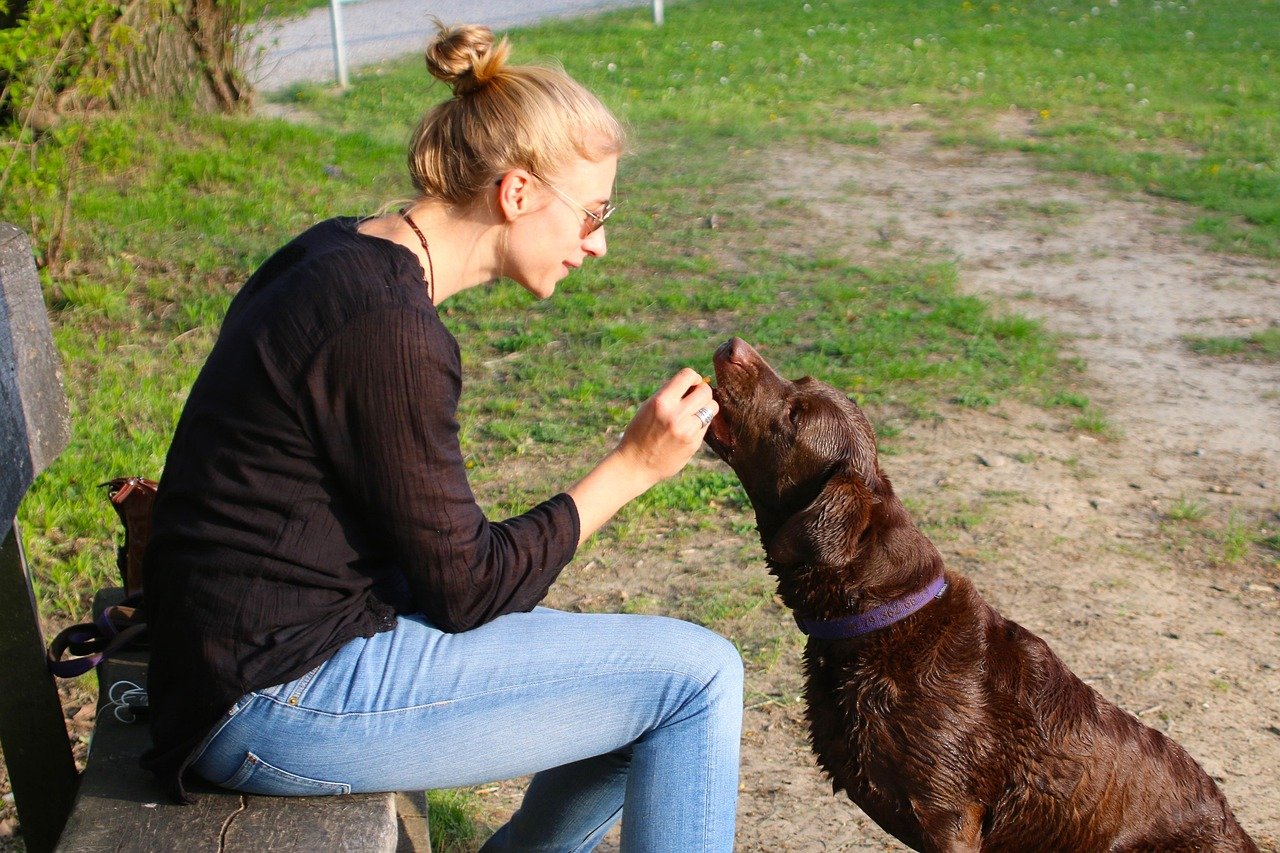
Positive reinforcement is like magic for dogs. When you reward the behaviors you want—whether with treats, toys, or praise—your dog is eager to please and learns much faster. It’s a win-win: your dog feels good, and you see the results you want.
Think of it like teaching a child to ride a bike with encouragement instead of criticism. Celebrate the small wins and your dog will blossom under your guidance.
What To Do When You’re Frustrated
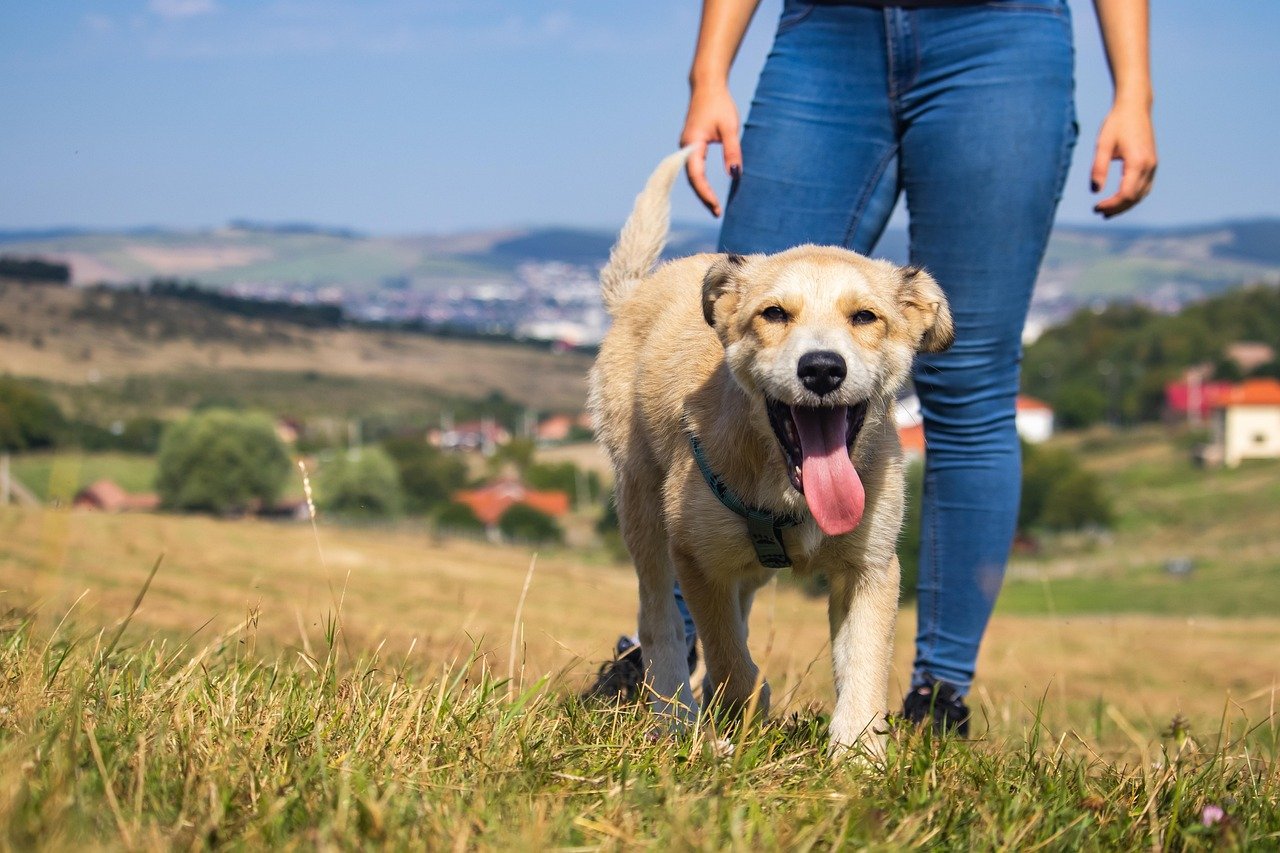
Everyone reaches their limit sometimes. If you feel frustration boiling up, it’s okay to take a break. Step away, breathe deeply, and remember your dog isn’t acting out of spite—they’re just being a dog.
Try redirecting your dog with a favorite toy or ask for a simple command you know they can do. Both of you will feel better, and you’ll keep that important trust intact.
Born and bred in South Africa, a Capetonian at heart. Amy-Leigh’s love for nature and animals was inherited from her Dad. He loves taking the family on road trips to experience nature at its finest; Amy-Leigh’s favourite being whale watching in Hermanus and spotting Kudu along the West Coast. Amy-Leigh holds a BA in English Literature and Communication Studies.


