
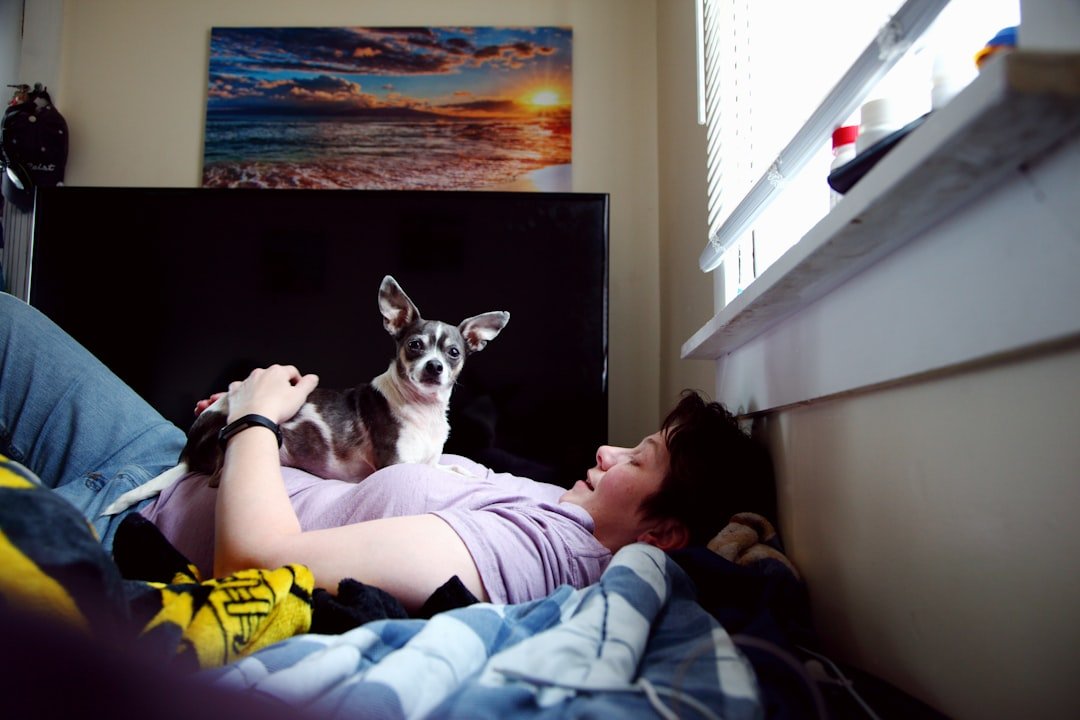
Picture this: your sweet furry friend follows you everywhere, hangs on your every word, and seems like the most perfect companion in the world. Then someone new walks through the door, and suddenly your adorable pup transforms into a snarling, protective beast that you barely recognize. You’re left standing there wondering if you’re living with Dr. Jekyll and Mr. Hyde in dog form. If this sounds familiar, you’re definitely not alone in this confusing canine mystery.
The truth is, this behavior is more common than you might think, and it stems from deep psychological and evolutionary patterns that have shaped dogs for thousands of years. Understanding why your dog acts like your personal angel while treating others like unwelcome intruders isn’t just fascinating – it’s essential for creating a balanced, well-adjusted pet who can navigate the world with confidence.
The Science Behind Selective Bonding
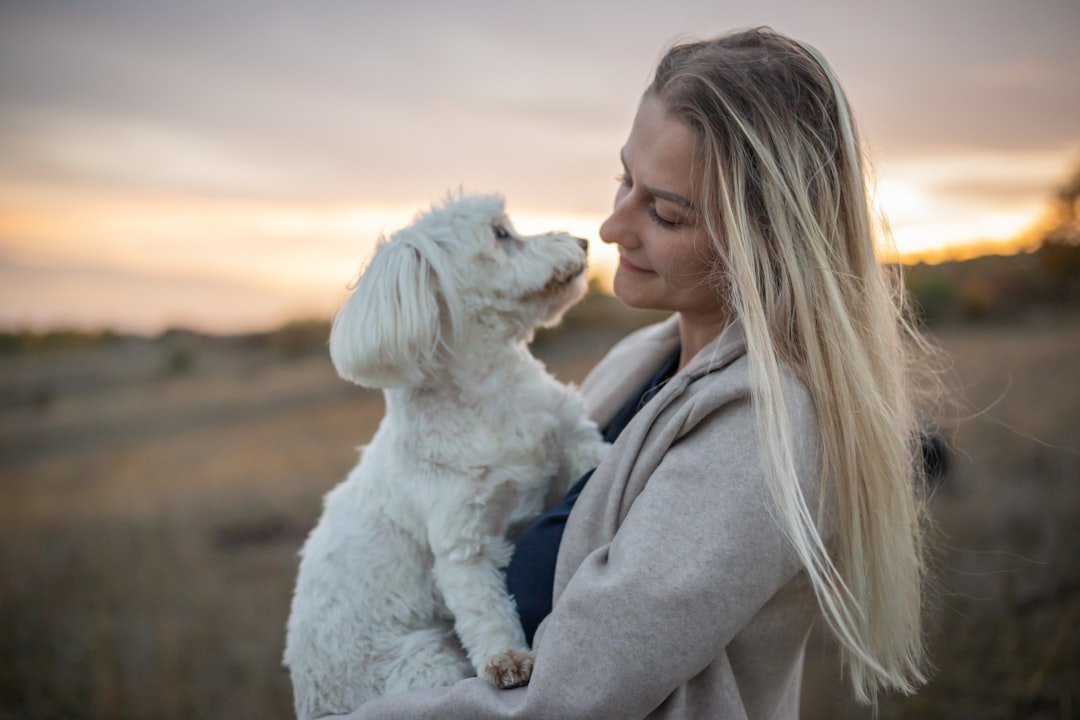
Dogs aren’t just randomly choosing to be picky about their favorite humans – there’s actual science behind their selective bonding behavior. Research shows that bonding comes down to four key factors: socialization, attention, positive association, and personality matching. Many dogs bond hardest to whoever cares for them during their key socialization period, which occurs between 3 and 14 weeks of age.
The unique bond between a dog and their favorite human is often a result of various factors, including early socialization and structure. Dogs are highly perceptive animals, sensing and responding to subtle cues from their environment. Think of it like imprinting – just as baby ducks follow the first moving object they see, your dog’s brain is wired to form the strongest attachments during specific developmental windows.
The Critical Socialization Window
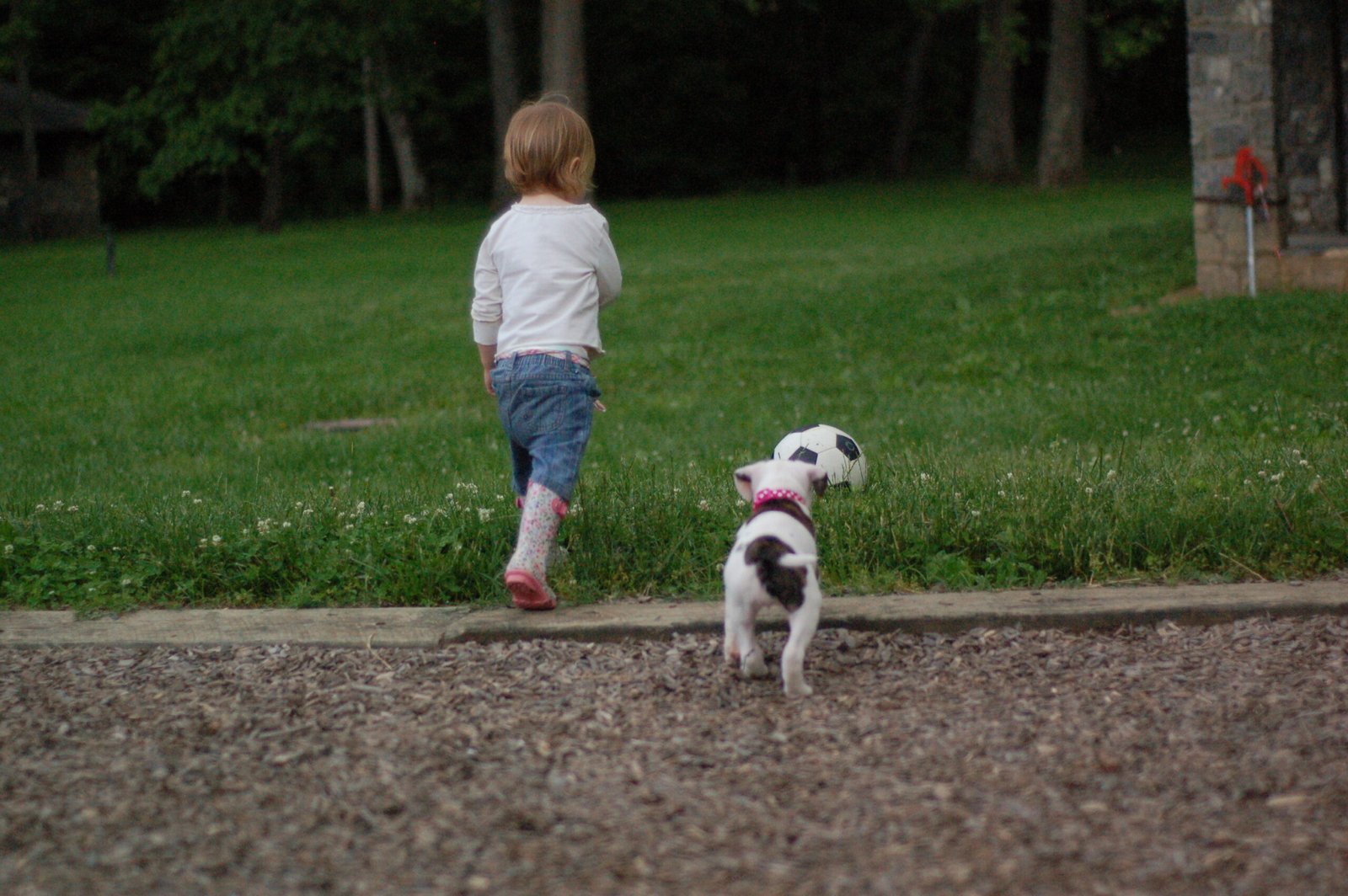
The critical social development period for dogs is approximately between 3 and 14 weeks. This is the age that they are most accepting, less cautious, and very curious about their environment. During this brief but crucial time, whatever experiences your puppy has will shape their entire worldview for life.
Missed opportunities during the critical puppy socialization period put pups at risk of becoming shy, fearful, defensive adult dogs. The Critical Socialization Period is time you will never get back. It’s like learning a language as a child versus trying to master it as an adult – the earlier it happens, the more naturally it sticks. If your dog only bonded with you during this window, they might view everyone else as foreign territory.
When Protection Becomes Possessiveness
A possessive dog is trying to dominate and control. The possessive dog sees a threat, but unlike a protective dog doing his job, possessive behavior keeps a dog on high alert and he won’t back down, even though there’s no real threat. This is where your sweet angel can quickly turn into someone else’s nightmare.
When a dog is showing possessive behavior he growls, snaps, whines or attacks another pet or person, he’s telling you he feels insecure, confused, and has a lack of confidence. He’s always on guard and stressed out. And when people tease a stressed out, insecure dog, he uses aggression to protect himself because in his mind, his owner isn’t protecting him. Your dog might genuinely believe they’re doing you a favor by keeping others at bay, even when you’re perfectly safe.
The Psychology of Territorial Behavior
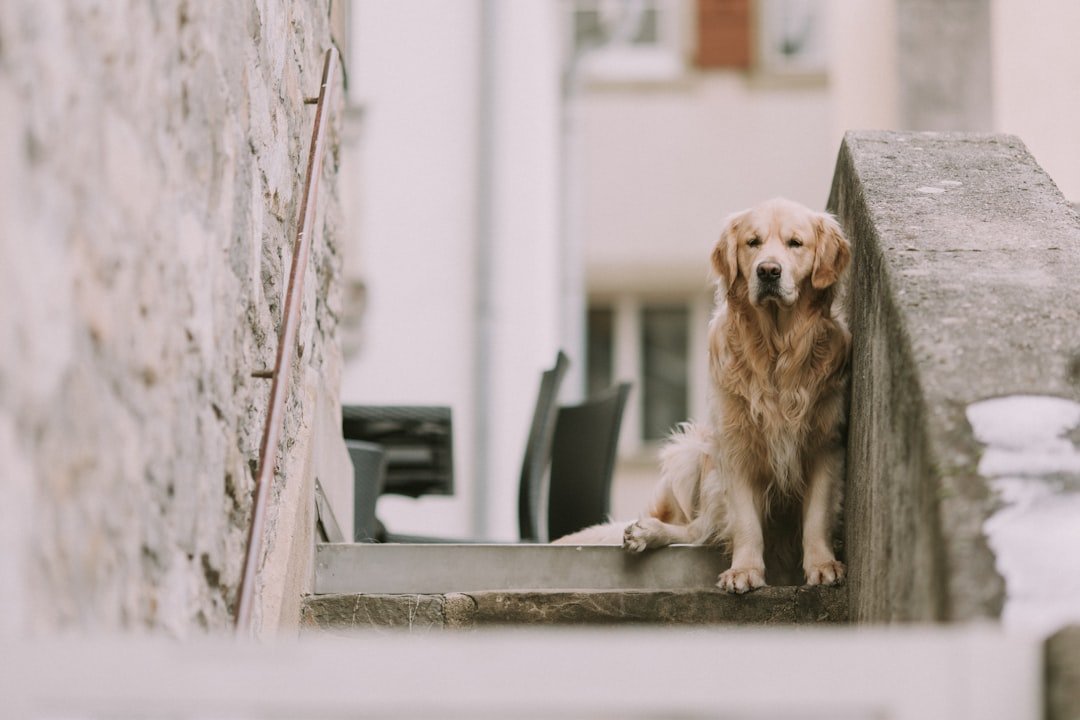
Dogs may show aggressive behavior when they think that one of their family members or friends is in peril. If one member of a pack is in danger, the others typically rush in to help defend that individual. This is classified as protective aggression because the dogs are protecting one of their own.
Territorial aggression is typically the result of an unfamiliar human in the dog’s home or yard. Territorial aggression can be intense, as the dog fears for themselves and their owners – who they are often fiercely protective of under any circumstance. Your home becomes their fortress, and you become their most precious treasure to guard. While this might make you feel special, it can create serious problems for everyone involved.
Breed Tendencies and Individual Personalities
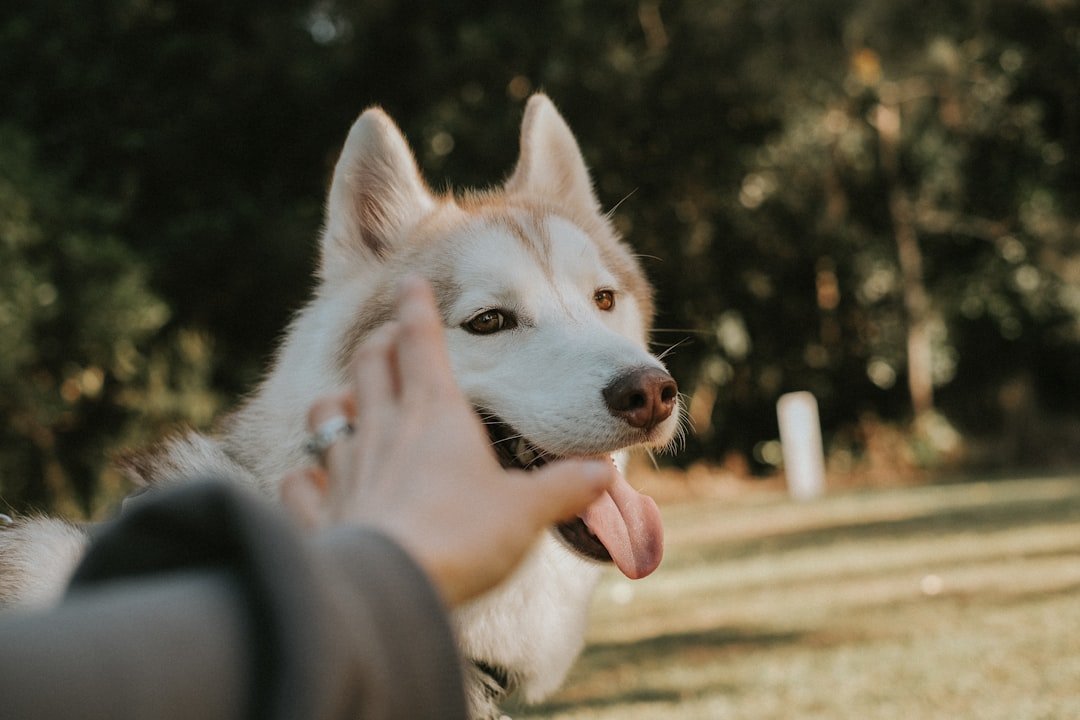
Dogs often choose a favorite person who matches their own energy level and personality. I’ve certainly found that my more reserved, cautious dog is more closely bonded to me, while my more outgoing, boisterous dog is very attached to my more active brother. It’s like how you naturally gravitate toward people who “get” you – dogs do the same thing.
German Shepherds are known for their loyalty and protective nature, German shepherds may form strong attachments to one person within the family. Chihuahuas often bond closely with a single person and may display aggression toward others because of their protectiveness. Rottweilers have a reputation for being loyal and protective, which can lead to a strong bond with one person and potential aggression toward unfamiliar individuals. Some breeds are simply more predisposed to intense one-person bonds than others.
The Rescue Dog Factor
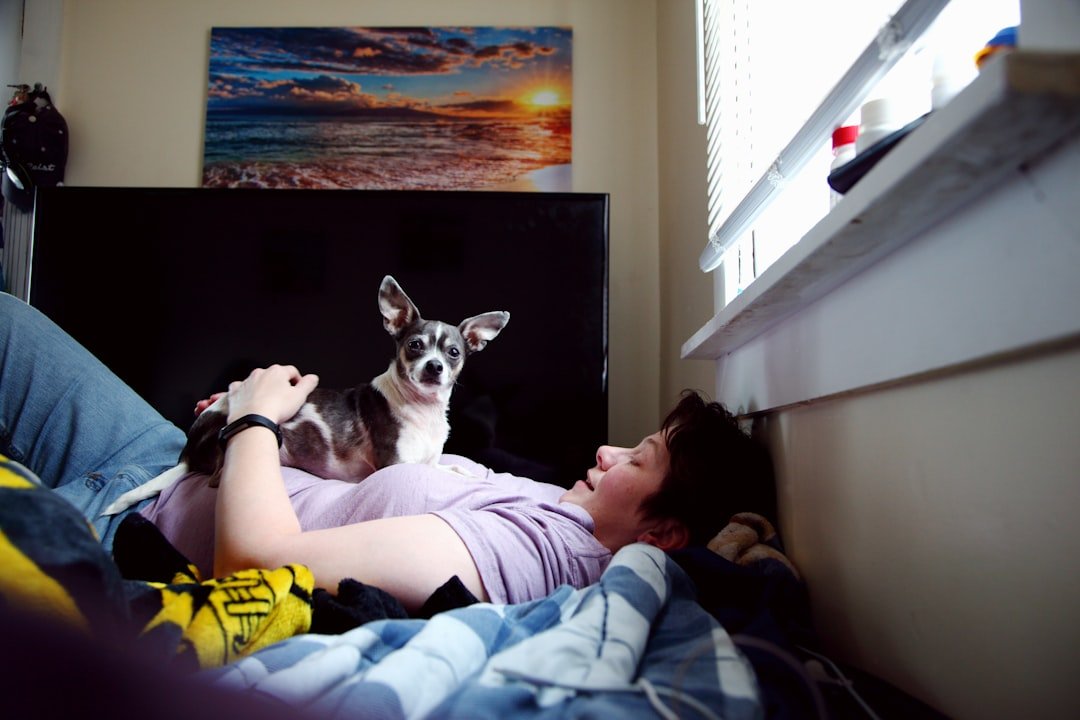
Adult rescue dogs from difficult situations may be the most likely to over-bond to one individual in a new home. This might be the first person they developed a bond with. Or it could be the person who was least threatening, most sympathetic, or that gave them the most comfort (or space) when they needed it.
When a dog bonds very strongly to one member of the family, to the complete exclusion of the others, it can create difficulty both for the dog and people involved. Truly one person dogs are only happy when they are around their person. In severe cases, they may mope, hide away, refuse to play or even eat when “their” person is away from home. For rescue dogs, you might represent safety in a world that previously felt dangerous.
Reading the Warning Signs
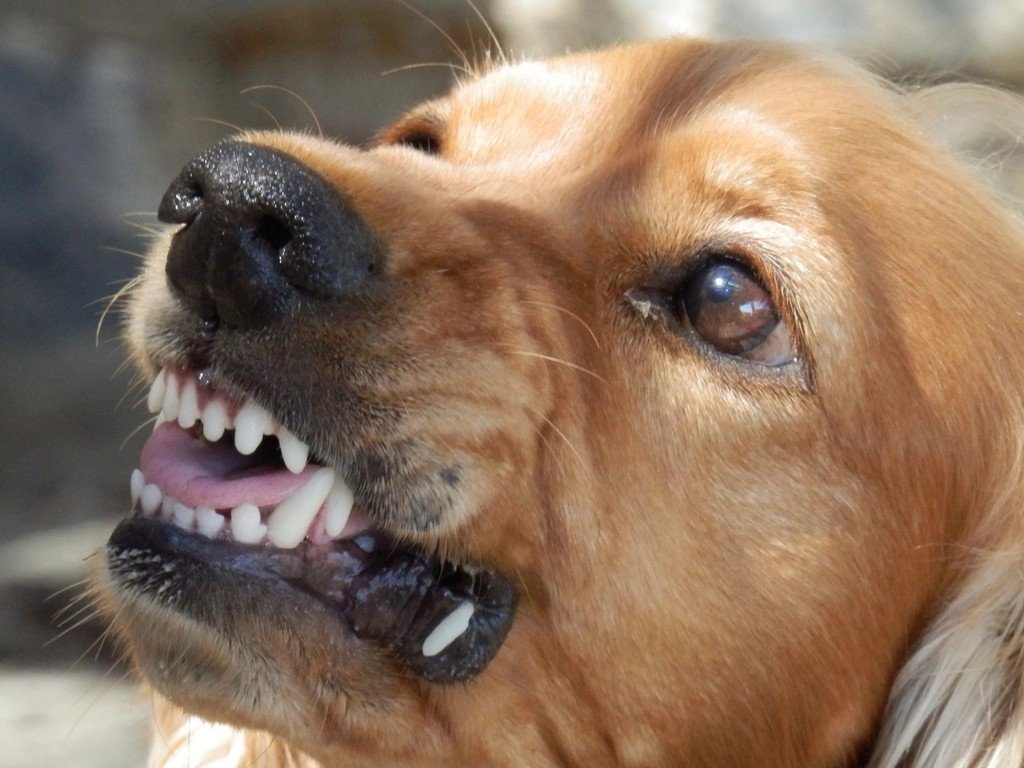
Here are some telltale signs to watch for: Intense Focus: Your dog suddenly becomes stock-still, eyes locked on a perceived threat. Body Stiffness: The dog’s body becomes rigid, often with hackles raised. Positioning: The dog may place itself between you and the perceived threat. Growling or Barking: Often low and intense, directed at the “intruder.”
Look out for aggressive behavior that is unprovoked, such as showing teeth, barking, snapping, or even biting. An overprotective dog becomes aggressive even when the situation doesn’t call for it and may even try to harm a person or animal who gets near their human. It’s critical that you discourage this behavior if it happens; otherwise, your dog may end up biting or attacking someone. These aren’t cute quirks – they’re serious behavioral patterns that need attention.
Breaking the Cycle
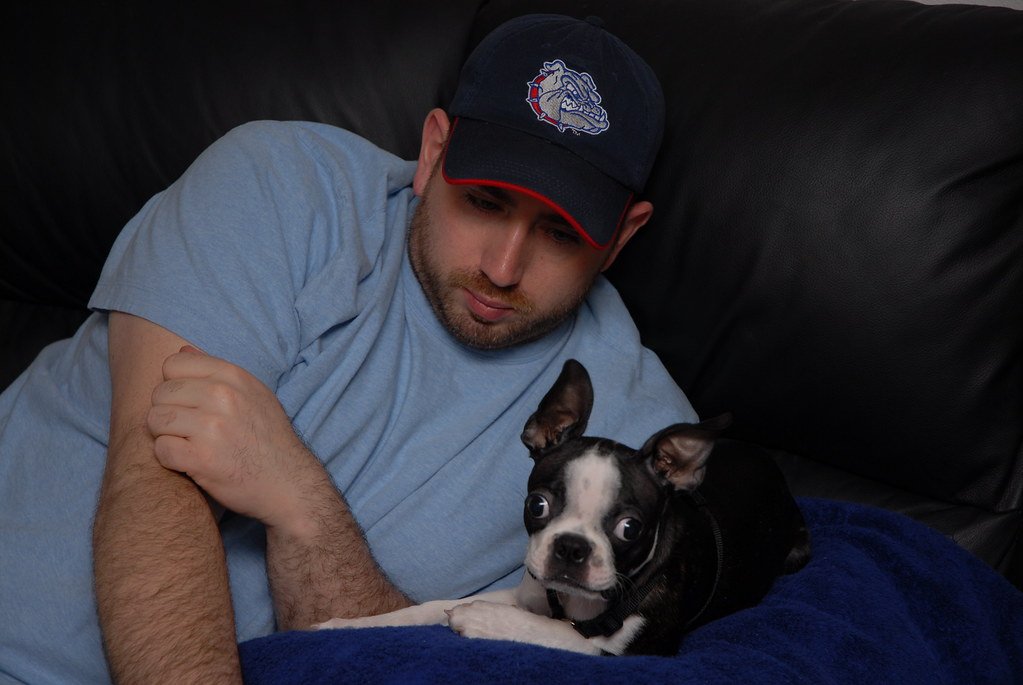
You can improve and increase the bond between you. The easiest (and most fun) way is to spend at least 30 minutes of focused, one-on-one time together each day. Your bonding time should be active and focused. But here’s the twist – sometimes you need to become less available to help your dog bond with others.
Having the “person of less interest” take over feeding the dog is generally the first recommended change to make. This works best if your dog really looks forward to mealtimes! If you have other people in your household, let them bond more with your dog. Give others the tasks of feeding, training, playing with, and walking. It might feel counterintuitive to step back when your dog clearly prefers you, but it’s one of the kindest things you can do for them.
Dogs who act like angels with one person and devils with everyone else aren’t broken – they’re just incredibly focused in their love and loyalty. Understanding this behavior is the first step toward helping your furry friend become more socially balanced while still maintaining that special bond with you. Remember, the goal isn’t to make your dog love you less, but to help them feel confident and secure enough to extend some of that wonderful personality to others too. After all, wouldn’t it be amazing if everyone could see the same sweet, loving dog that you get to enjoy every day? What would your world look like if your dog could be everyone’s angel, not just yours?


