
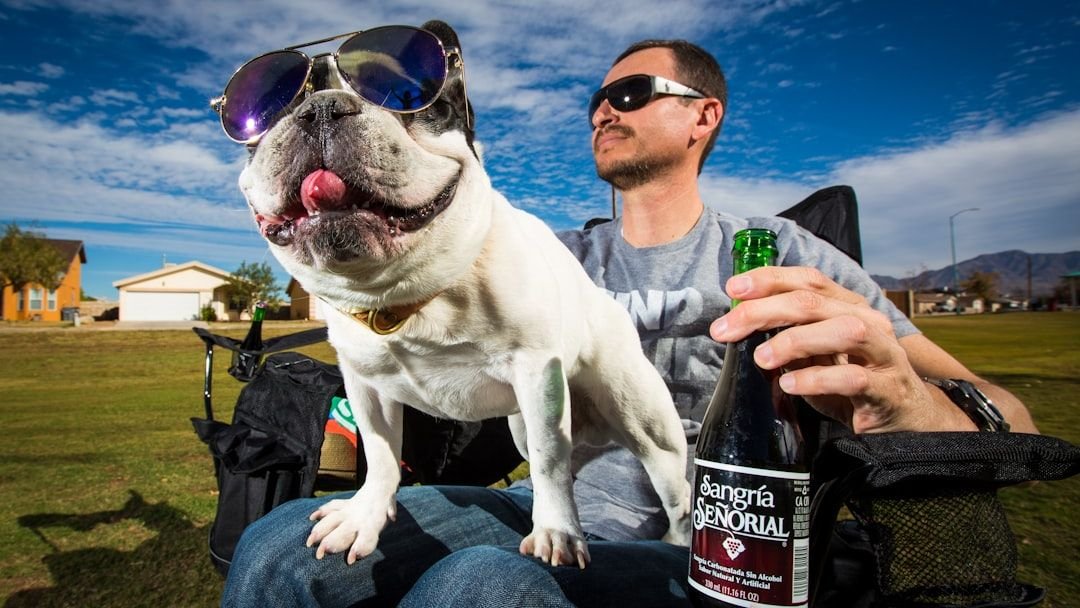
You settle into your favorite armchair for a quiet evening. Minutes later, you get up to grab a drink from the kitchen. When you return, your dog has claimed your spot, curled up exactly where you were sitting. Sound familiar? This quirky behavior isn’t random or accidental. It’s deeply rooted in your dog’s biology, emotional needs, and social instincts.
Most dog lovers have witnessed this seat-stealing act countless times. Yet few truly understand what drives their furry friend to swap a perfectly good dog bed for a human’s temporarily vacated chair. The answer involves warmth, scent, bonding, and ancient survival instincts that still pulse through modern dogs. Let’s dive in.
The Irresistible Pull of Your Body Heat
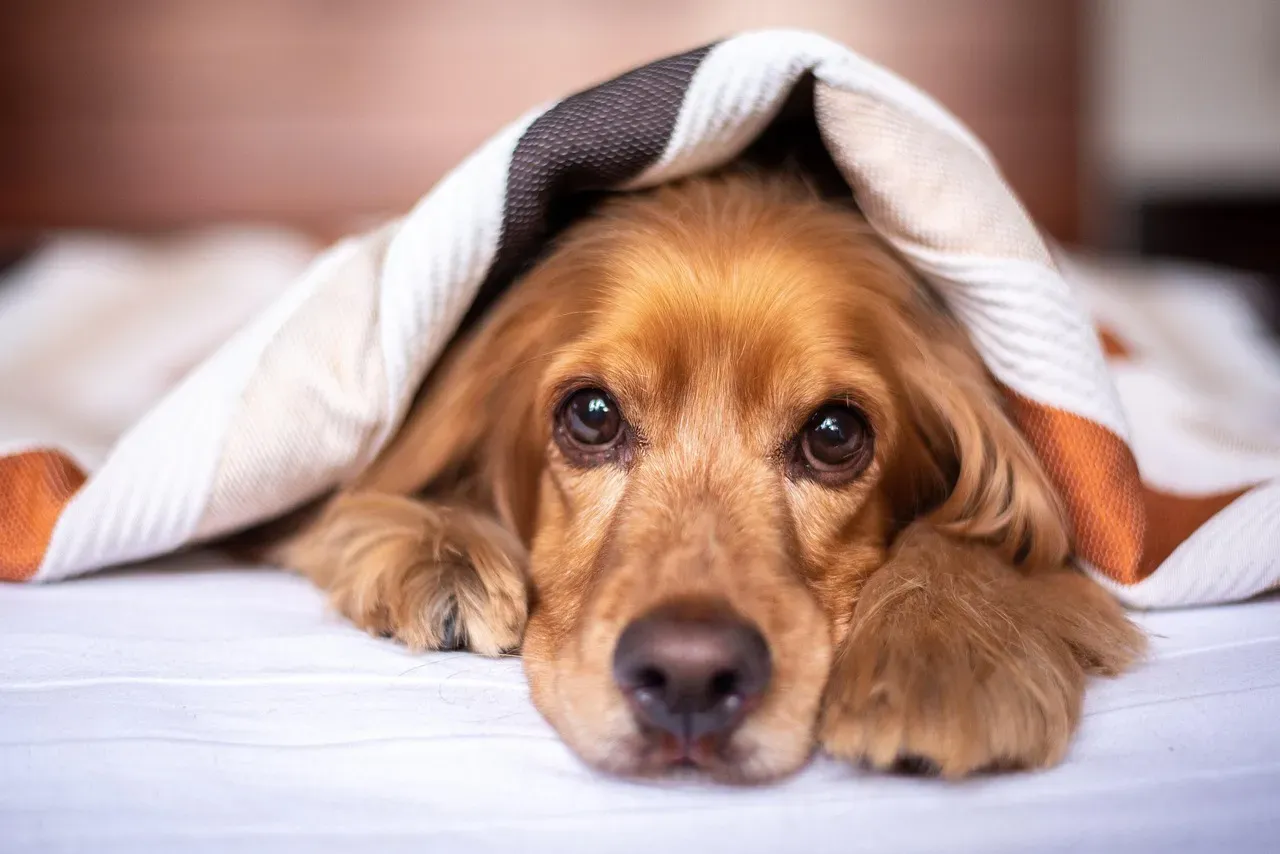
It’s often still warm from your body heat, making it extra cozy. Dogs are drawn to warmth like moths to a flame. Most people are surprised to learn that dogs naturally run warmer than humans. In general, a temperature of 101.5°F is considered a normal temperature for dogs. Still, they actively seek out additional heat sources, especially when they’re relaxing.
When their fur or body mass isn’t enough to keep them warm, dogs will often display heat-seeking behaviors to try and warm up. Your spot retains a thermal imprint that feels like a cozy heated blanket to your pup. A dog will extend its legs to increase the surface exposure when it is hot and curl up when it is cold. When a dog determines that it is hot it will seek out cooler locations. That same logic applies in reverse: when they’re seeking comfort, a warm spot becomes prime real estate.
Smaller dogs with less body mass feel this pull even more intensely. Dogs with a lower body mass will typically feel the effects of cold temperatures quicker than those with a higher body mass. They are much more sensitive to the cold. For these pups, your abandoned seat isn’t just comfortable – it’s genuinely warming and soothing.
Your Scent Is Their Security Blanket
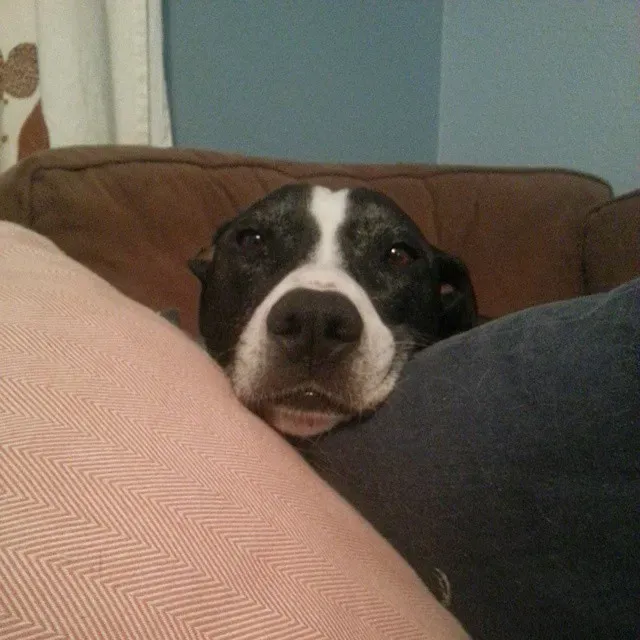
Your scent lingers there. Dogs experience the world primarily through their noses, with scent providing layers of information we can barely comprehend. Their noses are equipped with up to 300 million olfactory receptors, compared to humans who have about 5 million. This allows them to detect even the faintest odors. When your dog snuggles into your spot, they’re literally surrounding themselves with you.
This isn’t just about recognition. Dogs have a strong sense of smell, and sitting in your spot allows them to surround themselves with your scent, providing comfort and security. Your unique scent acts like an emotional anchor, especially when you’re temporarily out of the room. It’s honestly quite touching when you think about it – they miss you even during a quick bathroom break.
Human scents play a crucial role in the relationship between dogs and their owners. Dogs can recognize their owners by scent alone, leading to strong bonds and loyalty. That worn-in cushion carries chemical signatures that tell your dog you were just there, you’re nearby, and everything is safe. It’s a form of closeness they can access even when you’re physically absent.
Pack Bonding and Social Closeness
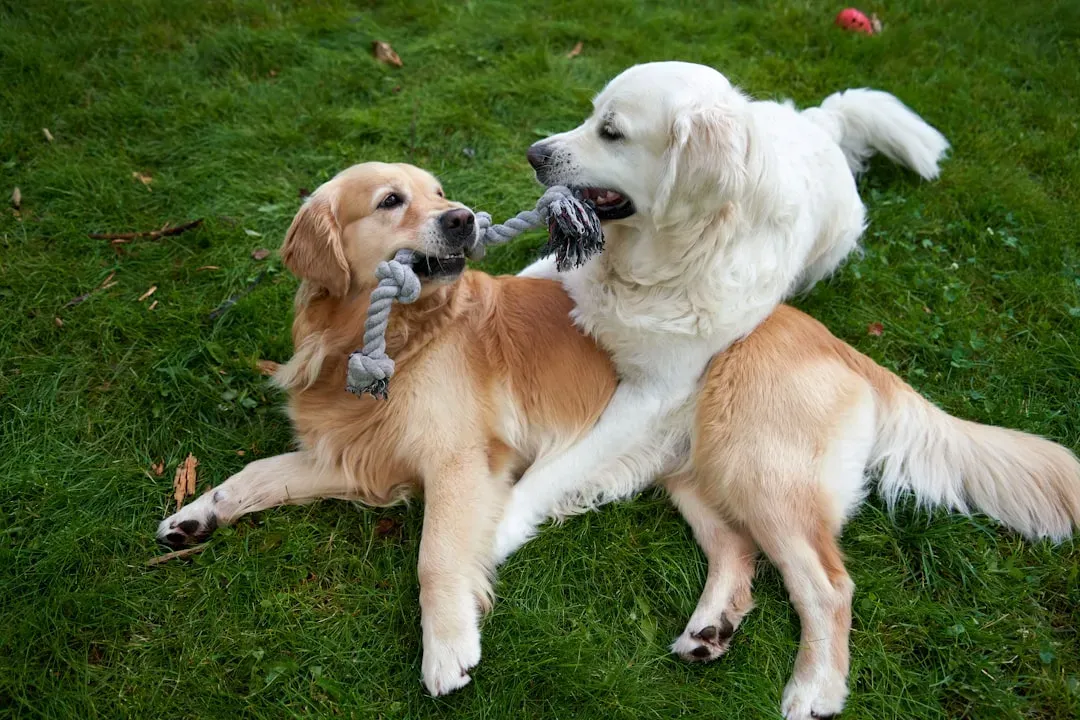
Despite thousands of years of domestication, dogs retain many social behaviors from their wolf ancestors. They’re inherently social creatures that generally prefer company to solitude and often seek physical closeness with their social group. Taking your spot isn’t about dominance or defiance. It’s about connection.
In the wild, wolves and feral dogs sleep together, often in physical contact, for warmth, security, and social bonding. This instinctual desire for physical contact with social allies persists in domestic dogs. When your dog sits on you, they’re exhibiting this natural social behavior – seeking closeness with a member of their “pack.” Your seat becomes a proxy for you when you’re not available for direct contact.
This is especially common if you tend to sit in the same spot regularly. Most people have a specific “spot” of their own in comfortable places throughout their home, and it’s possible that your dog is stealing the spot of the person they are most bonded to or protective of. They just want to surround themselves with your scent when you aren’t available.
Let’s be real – if your dog consistently chooses your spot over anyone else’s in the household, that’s a compliment. They’ve chosen you as their person, and claiming your chair is their way of staying emotionally tethered while you’re gone.
Comfort, Habit, and Opportunistic Behavior
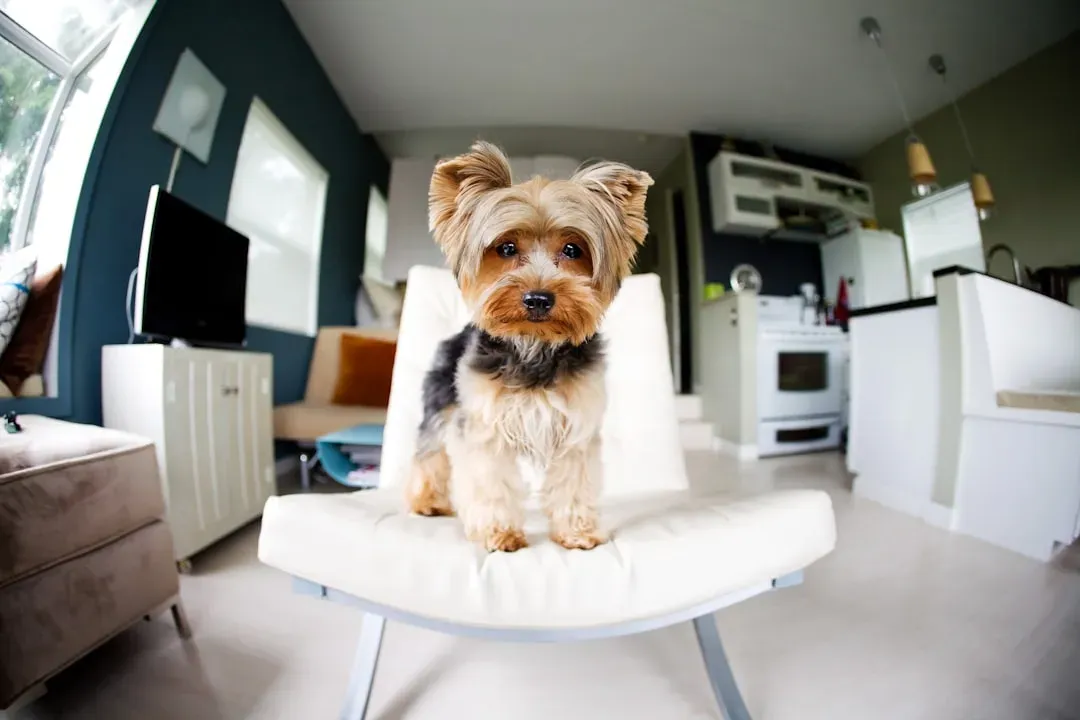
Some dogs are just opportunists: when a comfy seat becomes available and unclaimed, why not take advantage? They’re curious about places their humans frequent most and want to investigate those spots for themselves. Dogs are intelligent creatures who learn patterns quickly. They notice that certain spots in the house offer superior comfort – better cushioning, ideal positioning, or strategic views.
One of the most popular reasons given for dogs always sitting in your spot when you get up is because they just like how comfortable it feels. This rings very true with my own dog, as he often steals my seat from a where he is: sitting on the rug position which can’t be as comfortable as where I am sitting. Your favorite chair likely got that status because it’s genuinely the best seat in the house – and your dog figured that out too.
The habit can also be self-reinforcing. If your dog has taken your spot before and enjoyed a positive reaction – laughter, attention, or just being allowed to stay – they’ll repeat the behavior. Dogs are masters at reading our responses and adjusting accordingly. Sometimes what starts as innocent curiosity becomes a cherished routine for both of you.
When to Pay Attention and What to Do About It
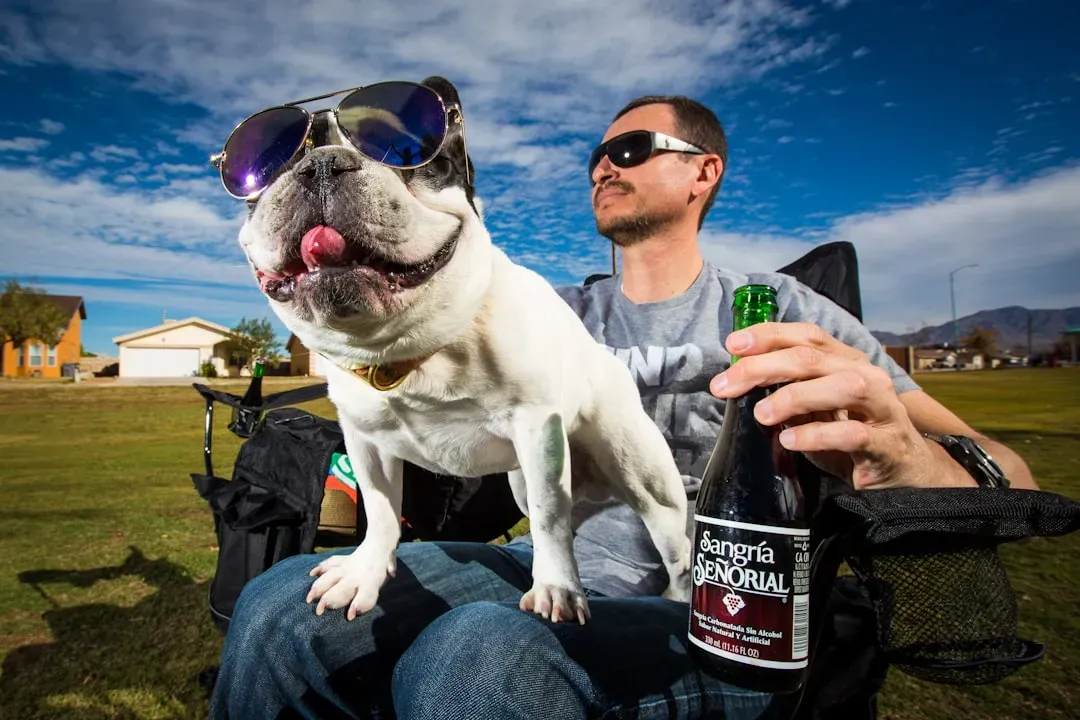
If this happens occasionally and your dog moves when asked, there’s usually no cause for concern. Most seat-stealing is harmless and actually reflects a healthy bond. However, there are times when the behavior warrants a closer look. It could even more a more negative reason; separation anxiety. Dogs are very attached to their human owners and will often not want them out of their sight. Being near their owner, or in the company their smell can put a dog at ease.
If your dog becomes possessive of your spot – refusing to move, growling, or showing signs of aggression – that’s a red flag. True territorial or aggressive behavior involves warning signs like growling or refusing to move – if that’s happening, professional training may be needed. These situations are rare but should be addressed promptly with a trainer or veterinary behaviorist.
Occasionally, changes in sitting behavior – particularly sudden increases – might indicate physical discomfort. Dogs sometimes seek closer contact with owners when not feeling well, similar to how children want to be held when sick. Joint pain, particularly in older dogs, might make your dog more likely to seek the cushioning and warmth of your lap rather than harder surfaces. If your senior dog suddenly starts claiming your spot more frequently, consider whether arthritis or another health issue might be at play.
For dogs who make the behavior intrusive, gentle redirection works best. Train them to go to a designated area using cues and rewards. Create an equally appealing alternative – a dog bed near your chair with their favorite blanket – and reward them for choosing it. Positive reinforcement builds better habits than scolding ever will.
Conclusion
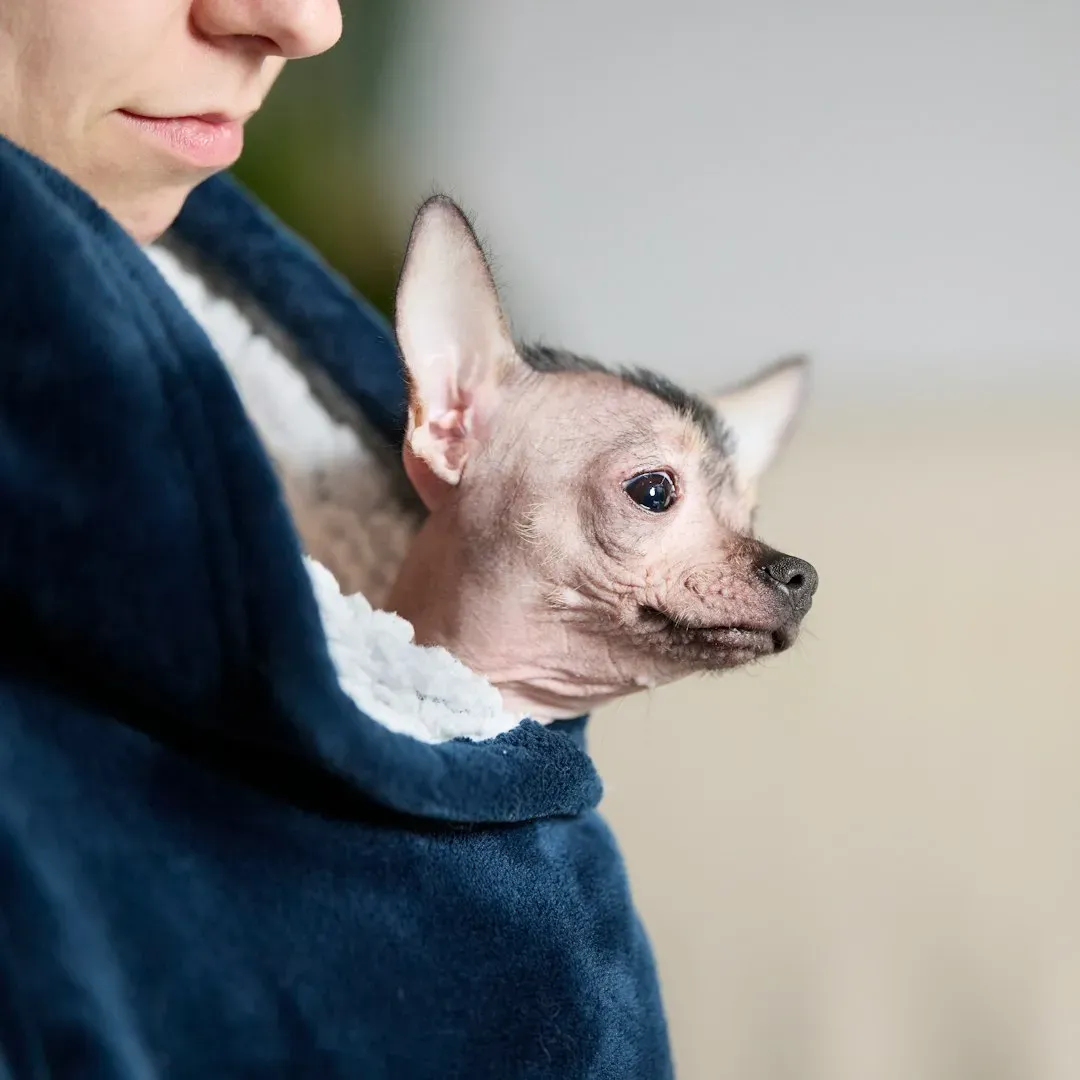
When your dog steals your warm spot, they’re not being cheeky or dominant. They’re seeking warmth, comfort, and closeness with the person they love most. It’s a behavior woven from ancient pack instincts, modern bonding, and the simple pleasure of a cozy seat. Understanding this helps us appreciate the depth of the canine-human connection – one that transcends words and expresses itself in everyday moments.
Next time you find your dog curled up in your chair, remember they’re not just stealing your seat. They’re staying close to you in the best way they know how. What do you think – do you let your dog keep your spot, or do you reclaim it? Either way, that little act speaks volumes about the bond you share.


