
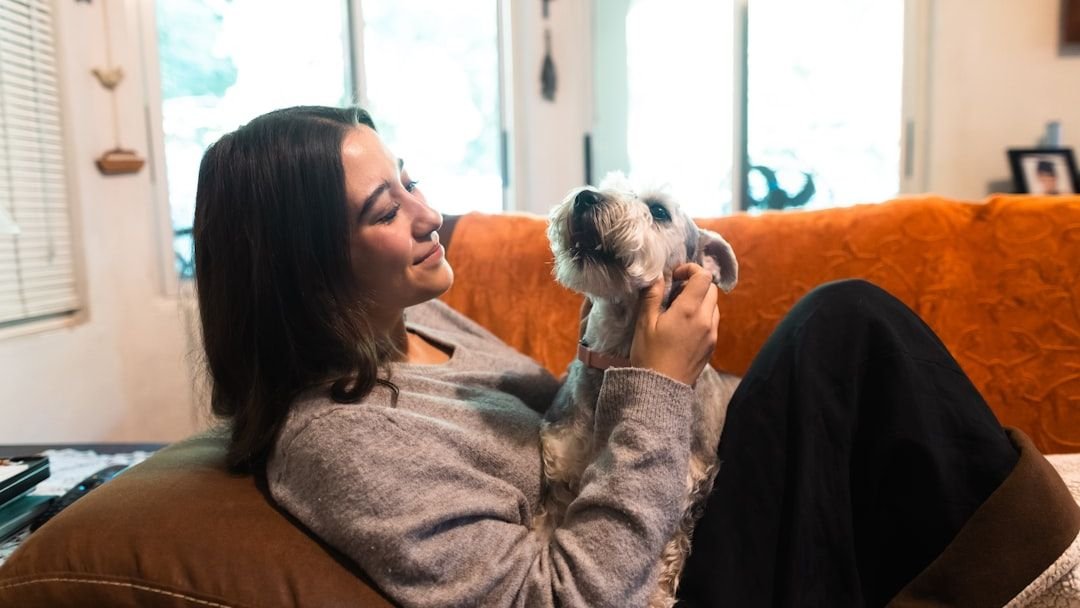
Have you ever wondered why your dog rushes to greet you like you’ve been gone for months, even if you just stepped out to grab the mail? Or why they follow you from room to room, that tail wagging in quiet contentment just being near you? It’s not just loyalty or habit. The connection between you and your dog runs deeper than most people realize, shaped by evolutionary forces, brain chemistry, and something remarkably similar to the bonds between parent and child. Dogs don’t just love us. They attach to us in ways that mirror human relationships, complete with different attachment styles that affect how they see the world, handle stress, and even cope when you’re not around. Let’s dive into the fascinating world of canine attachment and discover what makes your dog’s devotion so uniquely powerful.
The Science Behind That Tail Wag: How Dogs Form Emotional Bonds
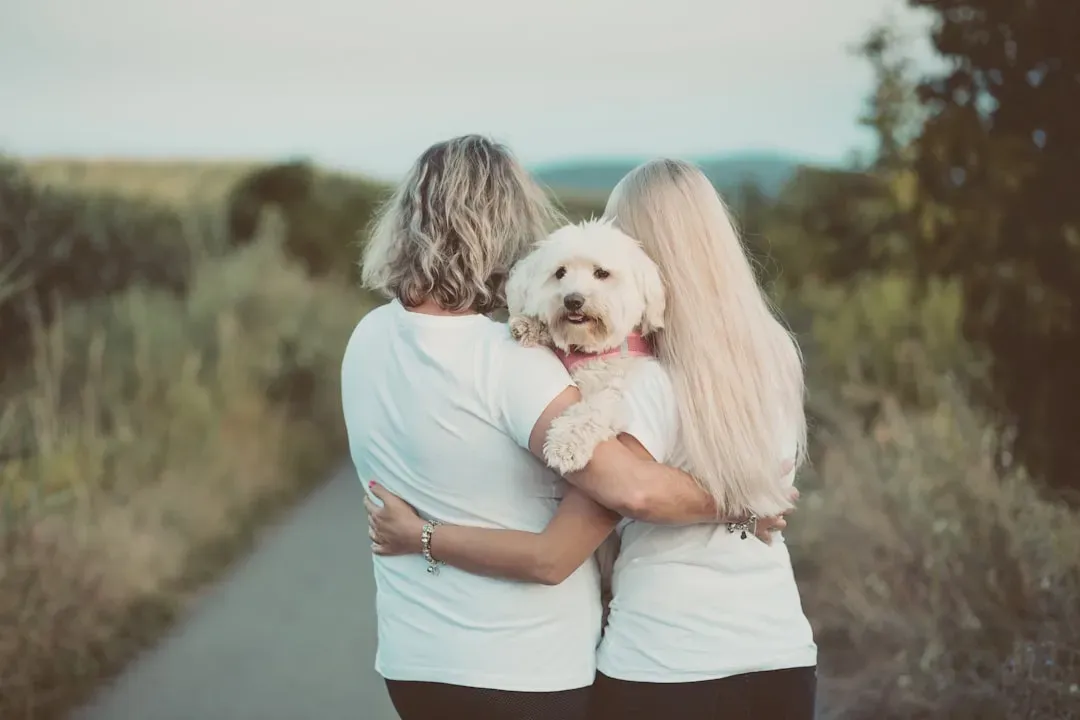
The dog-human attachment bond mirrors human caregiver-infant relationships, characterized by proximity seeking, separation distress, the safe haven effect, and the secure base effect. Think about it: when your dog is scared during a thunderstorm, where do they go? Straight to you. Studies have found that human-dog interaction creates a self-perpetuating oxytocin-mediated positive loop similar to that of human mother-infant relations, with gazing behavior triggering oxytocin release in both humans and dogs.
This isn’t just anecdotal warmth. Brain imaging research shows that viewing pictures of their own dogs activates the same brain regions in owners as viewing their own children, including areas involved in emotion, reward, affiliation, and social cognition. Your dog really does occupy a space in your heart and brain similar to family members.
The magic ingredient? Oxytocin, often called the love hormone. Research demonstrates that oxytocin enhances social motivation in dogs to approach and affiliate with close social partners, forming the basis for any stable social bond. When you pet your dog, gaze into their eyes, or engage in play, both of your oxytocin levels can rise, creating a beautiful biochemical feedback loop that strengthens your connection over time.
Secure Attachment: When Your Dog Knows You’re Their Safe Harbor
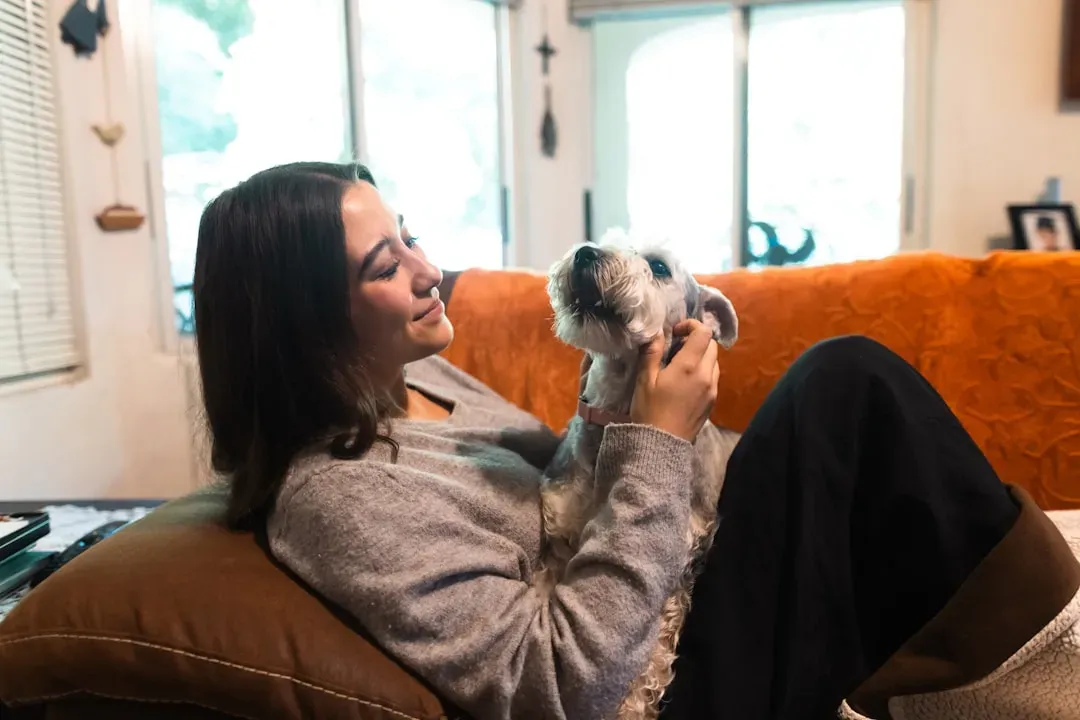
Let’s talk about what healthy attachment looks like. Research examining dogs using methods adapted from human infant studies found that roughly sixty-one percent of dogs display secure attachment patterns. These are the dogs who confidently explore new environments when you’re present but seek comfort from you when things get scary or uncertain.
Dogs with secure attachment show clear patterns of proximity and contact seeking behavior toward their caregiver, particularly evident during reunion episodes after separation. Picture this: your dog explores a new park enthusiastically, checking back with you periodically. When startled by a loud noise, they return to you for reassurance, then venture out again once calmed. That’s the secure base effect in action.
What creates this security? Caregiver sensitivity toward their dogs during interactions significantly differentiates dogs with secure versus insecure attachment classifications. It’s about being attuned, responsive, and consistently available. Dogs with secure attachments tend to be more resilient, better at problem-solving, and generally more confident in novel situations because they know you’ve got their back.
Anxious Attachment: The Velcro Dog Who Can’t Let Go
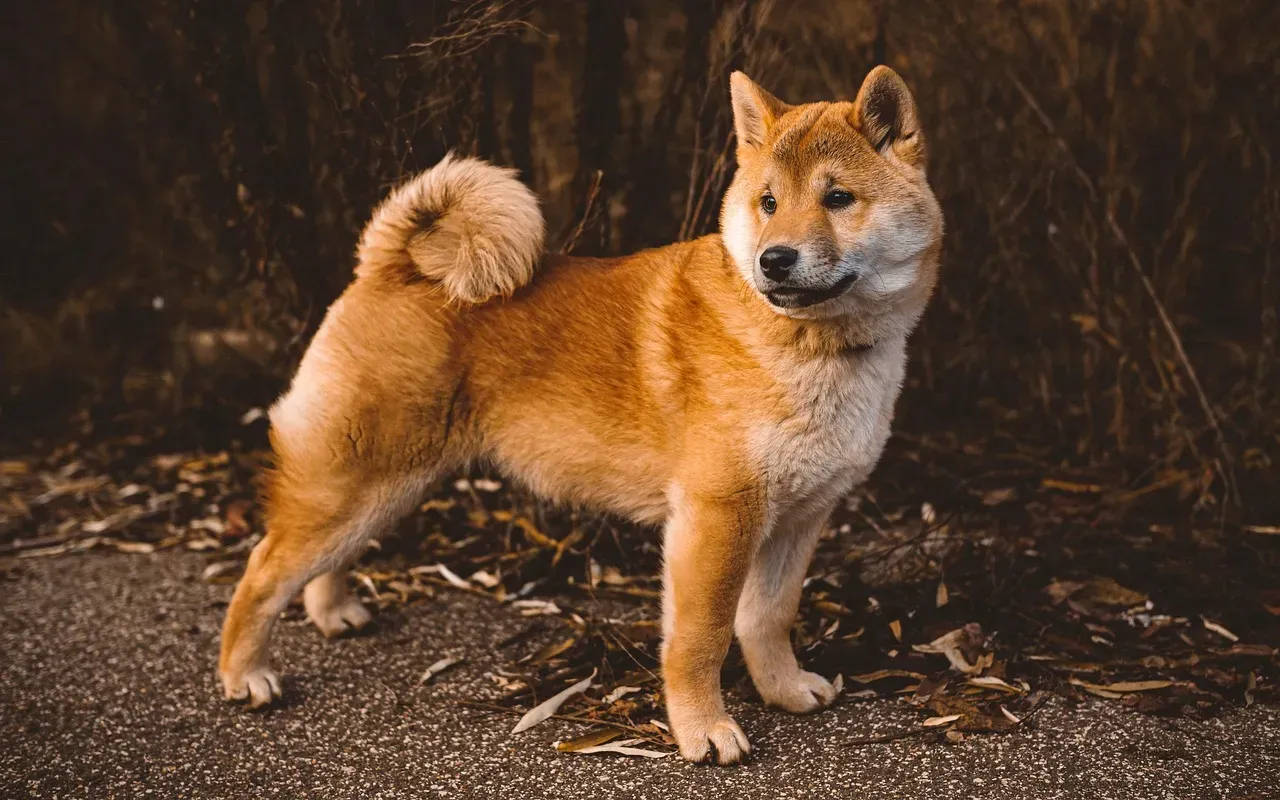
You know that dog who shadows your every move, whines when you’re out of sight for even a moment, and practically glues themselves to your leg when guests arrive? They might have an anxious attachment style. Anxious attachment is characterized by needing extra reassurance that the attachment figure is attuned and available.
Research has found that when owners score higher on attachment avoidance themselves, their dogs are more likely to develop separation-related disorders, suggesting that less responsive owners may not provide a secure base when needed. It’s a hard truth: our own emotional patterns can shape our dogs’ attachment styles.
These dogs often show intense greeting behavior, struggle to settle when you return home, and may exhibit distress behaviors like excessive barking, destructive chewing, or house soiling when left alone. They’re not being spiteful. They genuinely feel anxious about your availability and their safety without you. Honestly, it’s heartbreaking when you understand what’s driving the behavior.
Avoidant Attachment: The Independent Soul Who Keeps Distance
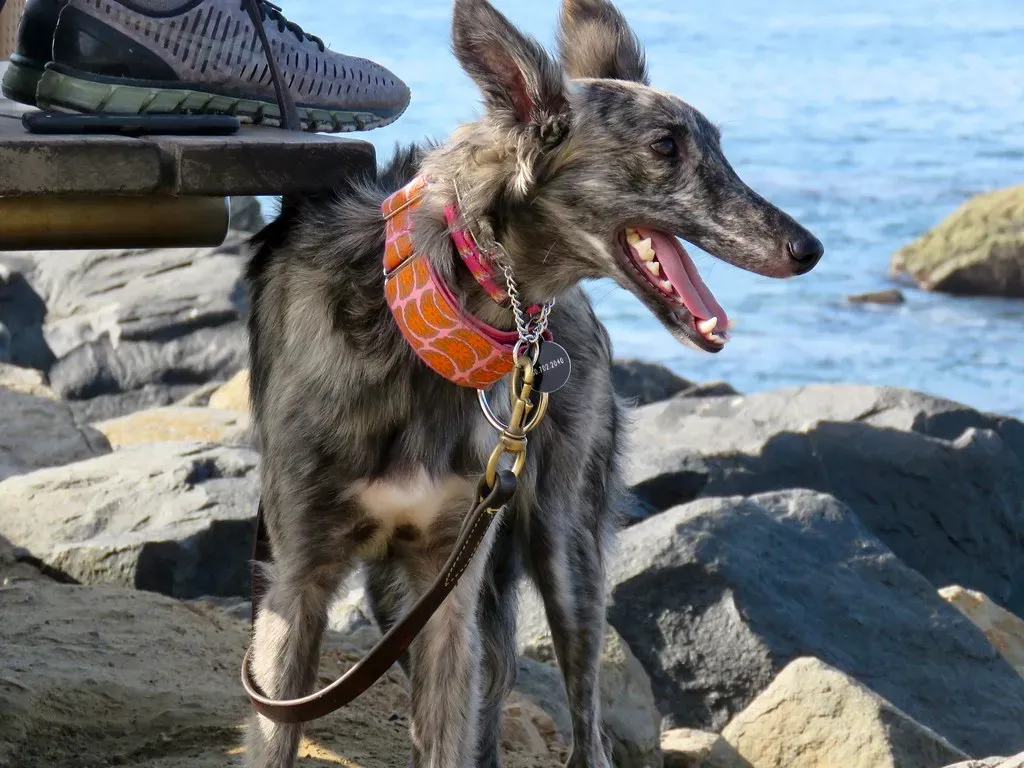
Then there are the dogs who seem emotionally distant, who don’t rush to greet you at the door, who prefer their own space to cuddling on the couch. Unlike secure dogs, avoidant dogs don’t show an increase in proximity or contact seeking behavior with their caregiver even during stressful test procedures.
Avoidant attachment is triggered by the attachment figure not allowing enough solitude and individual exploration, though it can also stem from inconsistent or unresponsive caregiving. These dogs have learned that seeking comfort doesn’t always lead to relief, so they develop strategies of emotional self-reliance.
Interestingly, this doesn’t mean they don’t love you or aren’t bonded. The low number of behavioral differences avoidant dogs show across stressful episodes is consistent with the inhibitory aspect of the avoidant attachment style. They’ve simply adapted differently to their relational experiences. Some breeds naturally lean toward independence, making it harder to distinguish temperament from attachment style.
Building Stronger Bonds: What Your Dog Really Needs From You
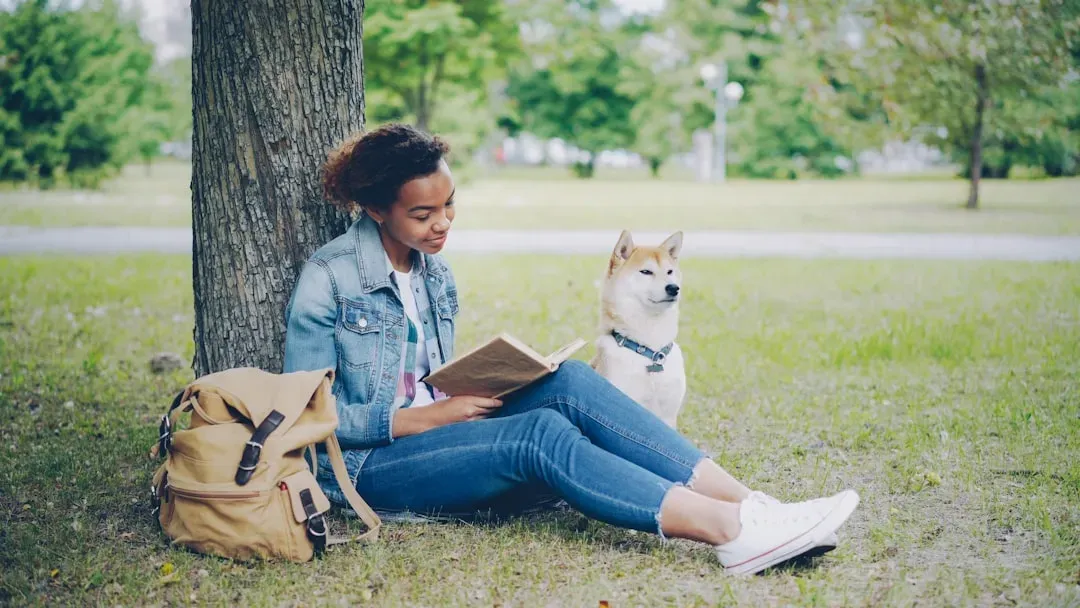
Here’s the beautiful thing about attachment: it’s not set in stone. Attachment styles can change over a lifetime through a blend of nature and nurture. So what helps dogs develop secure attachments?
Consistency matters more than you might think. Experts suggest that owners should provide consistent and reliable responsiveness toward their dogs, especially for dogs prone to developing separation issues. This means responding to your dog’s cues for attention, comfort, or play in predictable ways. It doesn’t mean catering to every demand, but rather being a steady, dependable presence.
Research indicates that more frequent interactions with pets, including affection and play, are linked to stronger and more secure bonds. Simple things count: daily walks, training sessions that build trust, gentle handling, and yes, those moments of mutual gazing that boost oxytocin in both of you. Studies found that dogs with stronger attachment bonds to their owners were more likely to prefer people who helped their owners, suggesting that attachment quality influences how dogs perceive and evaluate social interactions.
Physical touch plays a significant role too. Stroking, petting, and gentle massage during calm moments can strengthen your bond neurochemically. Think quality over quantity: focused, attentive interactions beat hours of distracted coexistence.
Conclusion
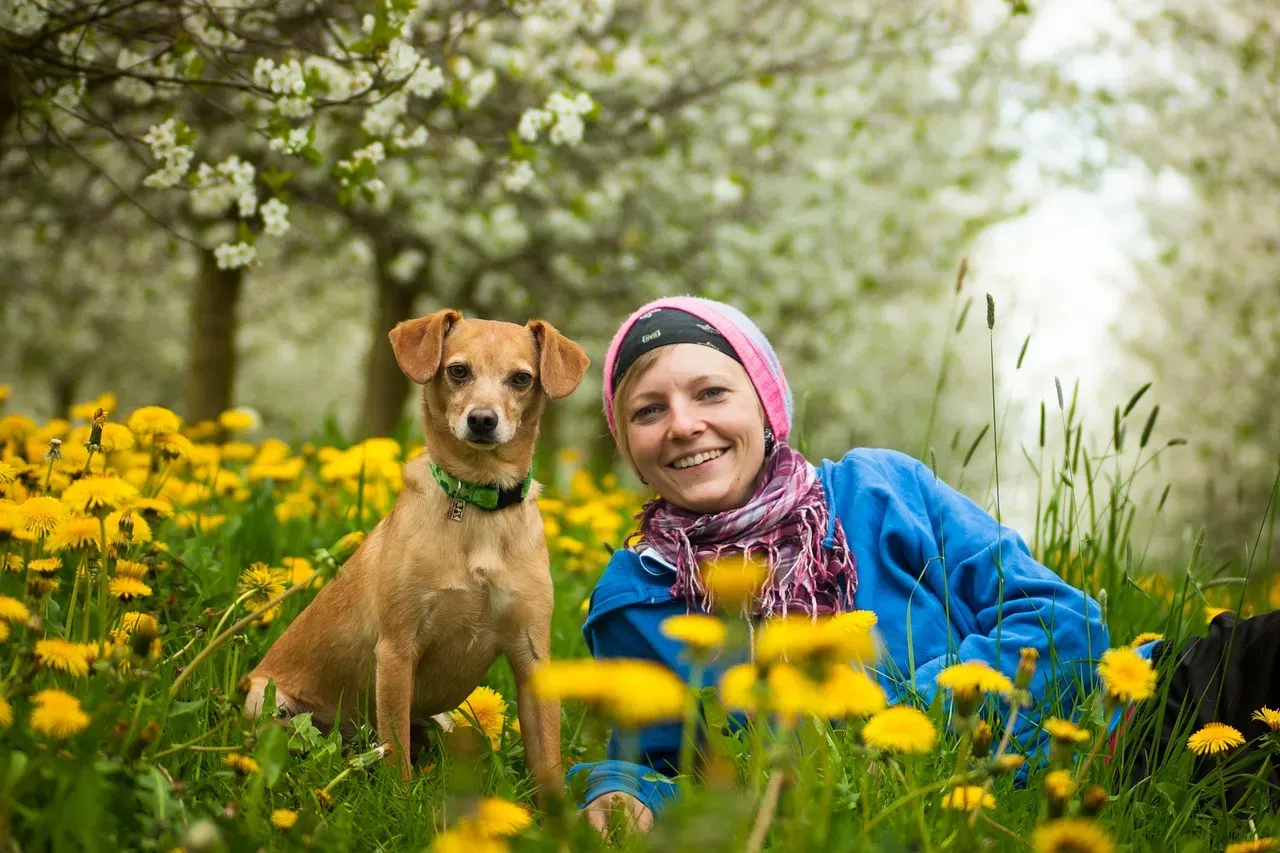
The bond between you and your dog represents something truly remarkable in the natural world: an interspecies attachment that runs on the same biological and emotional systems that connect human families. Whether your dog displays secure, anxious, or avoidant attachment patterns, understanding their unique style helps you meet their needs more effectively and strengthen your relationship.
Remember that every interaction shapes your bond. Your consistency, sensitivity, and responsiveness matter profoundly to your dog’s sense of security and wellbeing. The way they seek you out when scared, the joy in their greeting when you return, the calm presence they offer when you’re down – these aren’t just behaviors. They’re expressions of a deep, neurochemically reinforced attachment that evolution has cultivated over thousands of years of companionship.
What does your dog’s attachment style look like? Have you noticed patterns in how they seek comfort or handle your absences? Understanding these attachment dynamics doesn’t just make you a better dog owner – it deepens the most rewarding friendship many of us will ever know.


