
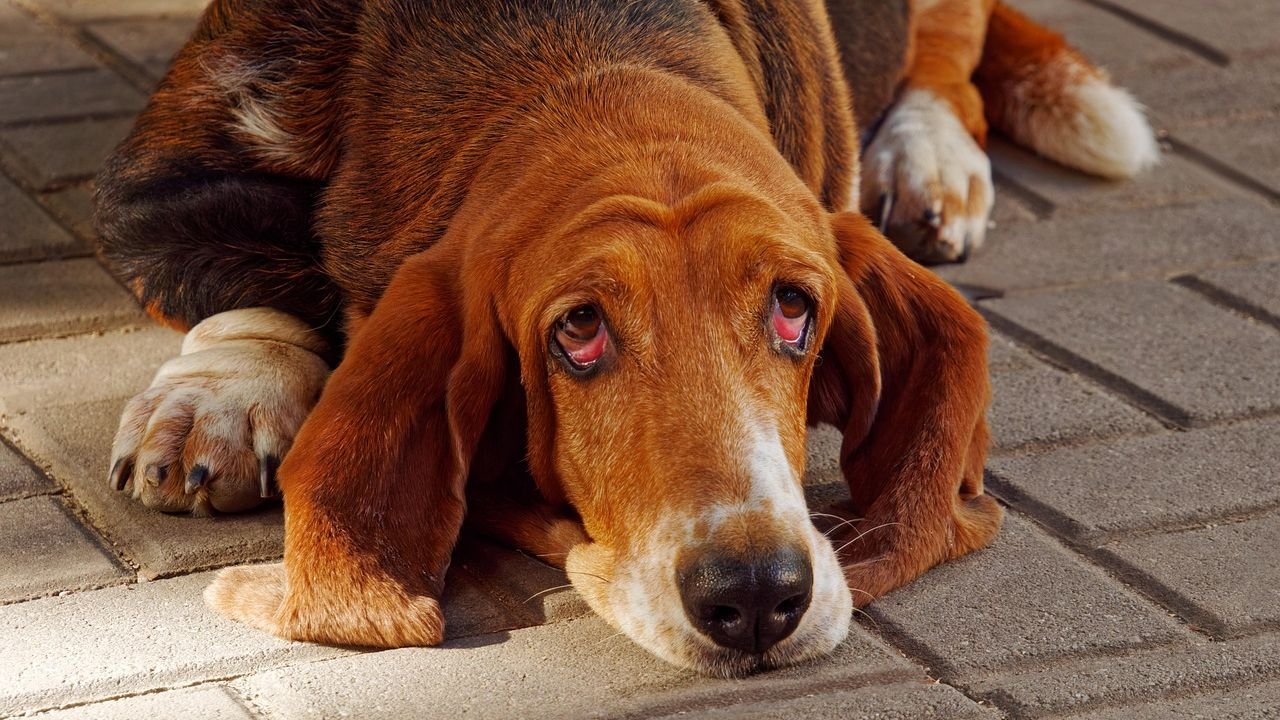
You just stepped out for a quick grocery run. Maybe you grabbed coffee with a friend or squeezed in a workout at the gym. An hour passes, you return home, and there they are: your beloved pup, tail wagging so hard their entire backside wiggles, whining and whimpering like you’ve been gone for years. Ever wonder why such a short absence triggers such an emotional reunion? That enthusiastic greeting isn’t just excitement. It’s something deeper, something wired into the very heart of your dog’s emotional world.
The truth is, your dog’s crying when you return home tells a fascinating story about attachment, biology, and thousands of years of evolution. Let’s explore what’s really happening behind those teary eyes and desperate tail wags.
The Pack Mentality: You’re Not Just an Owner, You’re Family
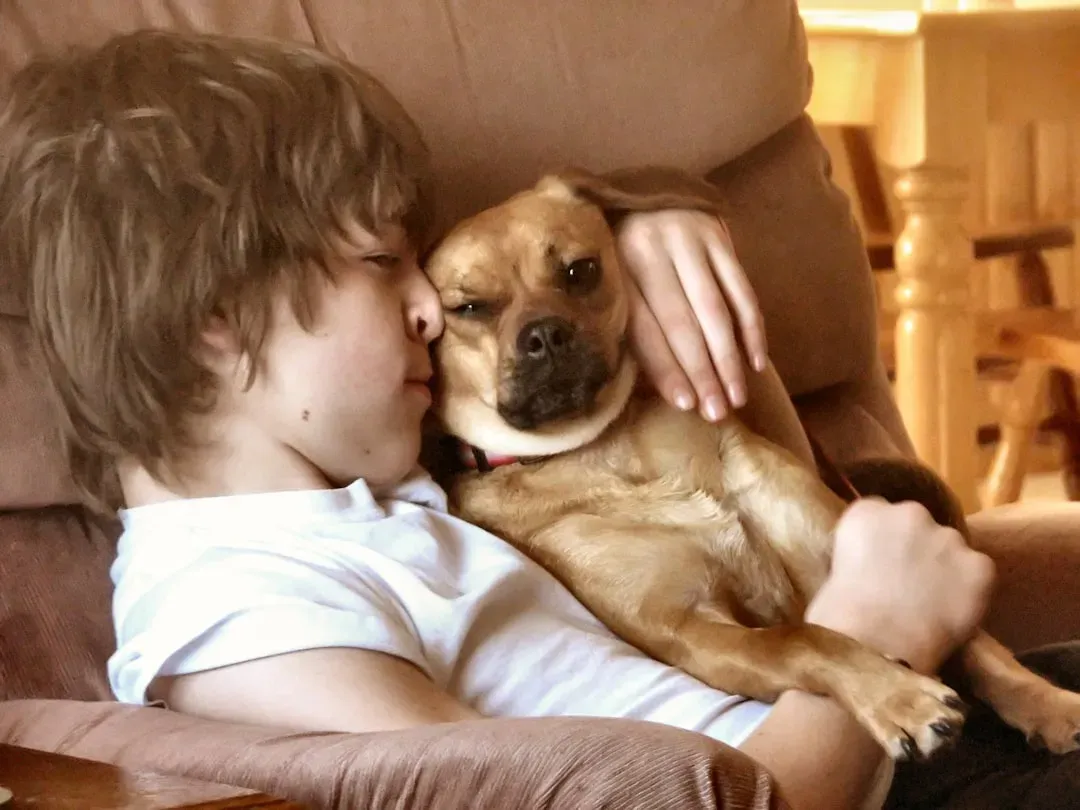
Dogs consider their family their pack and their owner their pack leader, and they need interaction to remain mentally healthy and happy. Even though your furry friend lounges on a comfy bed and enjoys regular meals, those ancient instincts haven’t disappeared. To them, you being away is an unnatural situation and not the default one that feels right.
Think about it from their perspective. In the wild, pack members stick together for survival. Separation could mean danger or abandonment. Your dog doesn’t understand you’re just running errands. Their emotional response is rooted in something primal and protective. Dogs are vocal animals and use their barking, howling, and crying to communicate with you; when you leave the house your dog cries because it doesn’t want you to leave him alone and wants you to know that.
The Science Behind Those Tears: It’s All About Oxytocin

Here’s where things get really interesting. Researchers found that pets produced about 10 percent more tears when they were reunited with their owners after several hours of separation. Dogs shed tears associated with positive emotions, with oxytocin as a possible mechanism underlying it. This hormone, often called the “love hormone,” plays a huge role in bonding between mothers and infants in mammals.
When dogs and humans interact with each other in a positive way, both partners exhibit a surge in oxytocin, a hormone which has been linked to positive emotional states. When you walk through that door, your dog’s brain floods with this bonding hormone, intensifying their emotional response. Studies even showed that when oxytocin was applied to dogs’ eyes, their tear production increased, proving the connection between emotion and those watery eyes.
Your Dog’s Sense of Time: Longer Than You Think
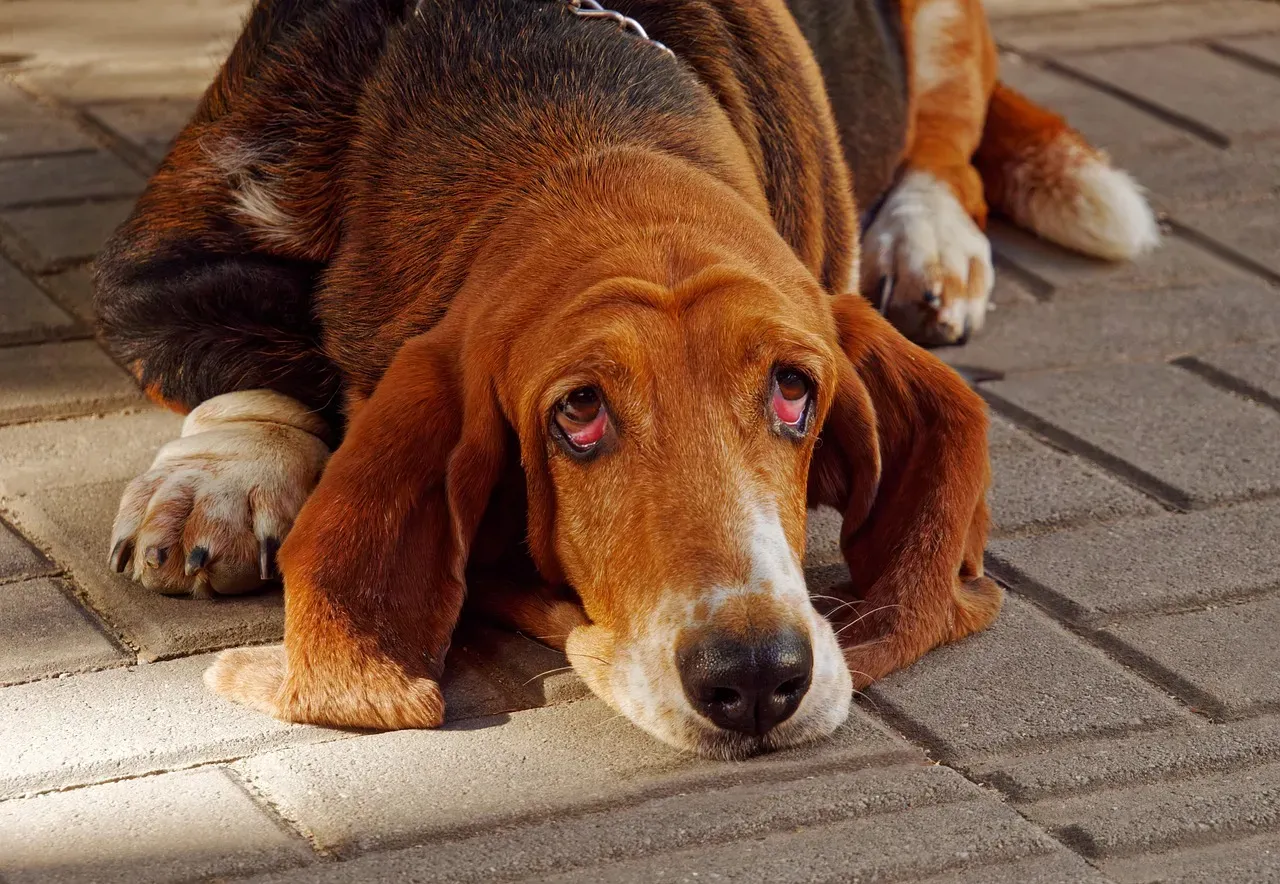
There’s an old saying that dogs have no sense of time, but that’s not entirely accurate. Studies show there was definitely a higher frequency of physical activity and attentive behavior when the owner returned after having been gone for a longer time frame. Your dog can distinguish between a thirty-minute absence and a four-hour one.
However, they can’t understand you’ll be back in an hour. They don’t grasp the concept of temporary departures the way we do. Lengthy separation becomes a sad and miserable loss to them. Even that brief trip to the store might feel like an eternity in dog time. Their distress when you leave and their overwhelming joy when you return reflect this uncertainty about your coming back.
Attachment Styles: Not All Dogs React the Same Way
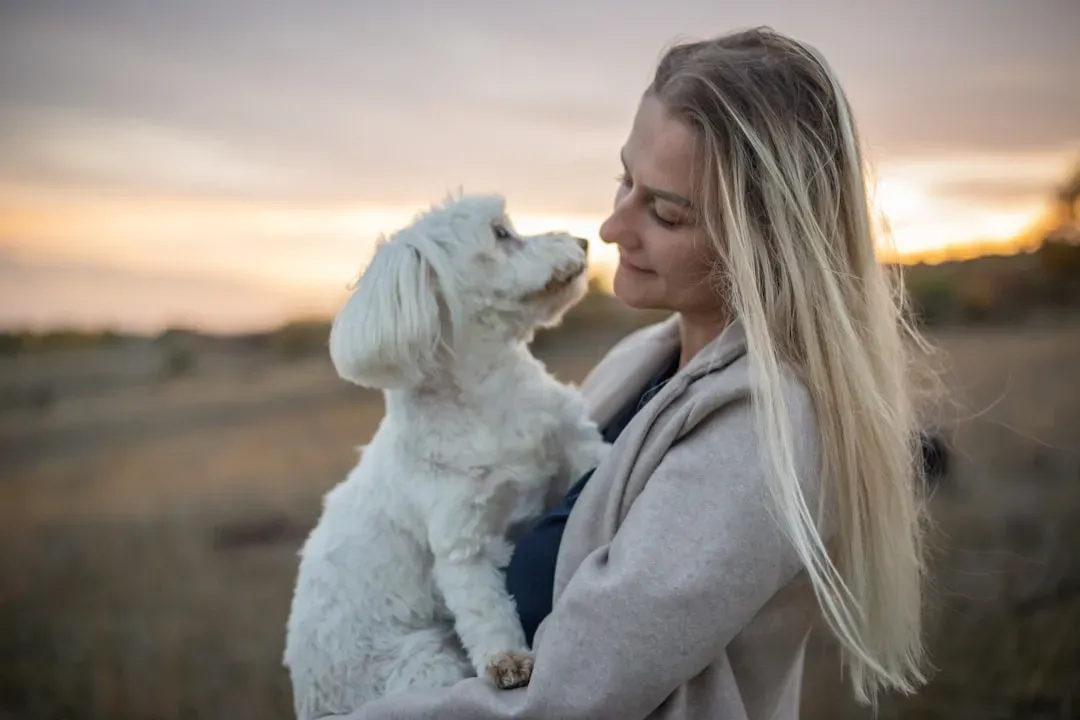
Just like humans, dogs develop different attachment styles with their owners. When a securely attached dog is separated from their owner, exploratory behaviors decrease and distress behaviors increase, but when the owner returns, the dog will approach the owner, make eye contact and initiate physical contact. These dogs feel confident in their bond with you.
Other dogs show what researchers call anxious attachment. When separated from their owner, they typically show a high frequency of distress behaviors and vocalizations, and they will actively search for their owner, and upon reunion they make strong efforts to maintain physical contact but often do not calm down after being reunited. If your dog seems overly frantic when you return, even after just an hour, this might explain why. Their attachment runs so deep that any separation feels threatening.
What This Means for You and Your Bond
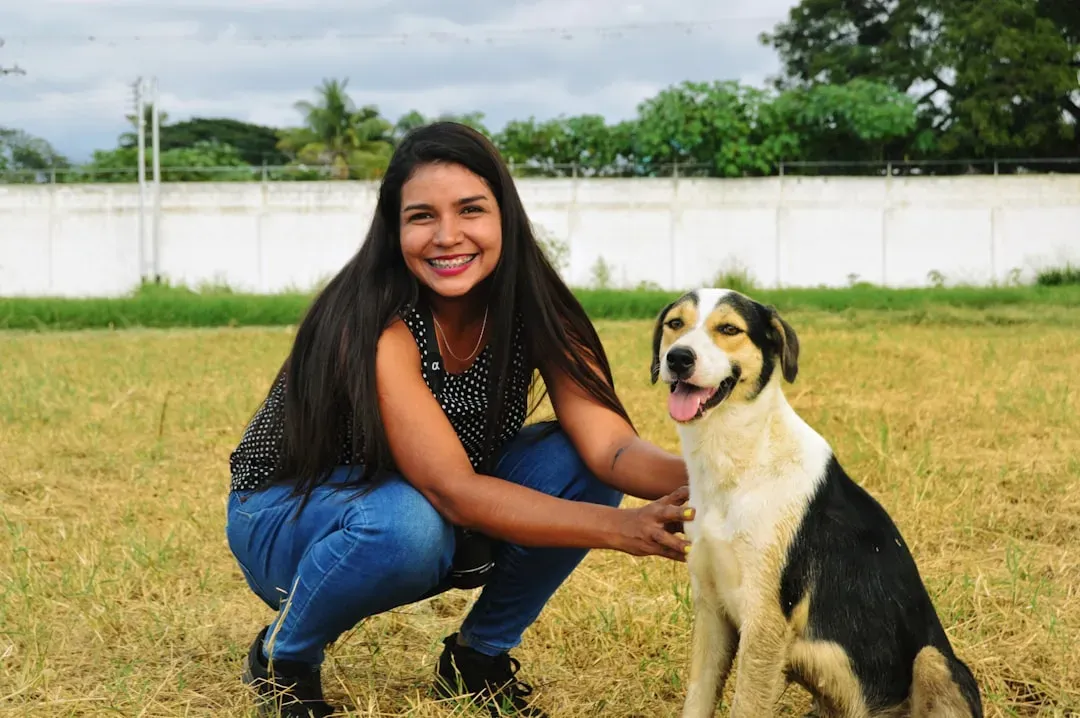
When the guardian returns home, the dog acts as though it’s been years since he’s seen his mom or dad. That dramatic greeting isn’t manipulation or theatrics. It’s genuine emotion. Your dog’s tears and vocalizations serve a purpose beyond just expressing feelings. Dogs’ tear production helps to forge stronger connections between people and their dogs, and it is possible that dogs that show teary eyes during interaction with the owner would be cared for by the owner more.
Understanding this can transform how you handle comings and goings. While it might feel heartbreaking to see your pup so emotional, remember that calm departures and arrivals can actually help. When arriving home, say hello to your dog and then don’t pay any more attention to him until he’s calm and relaxed. This teaches them that your return is routine, not a dramatic event worth excessive distress.
Conclusion
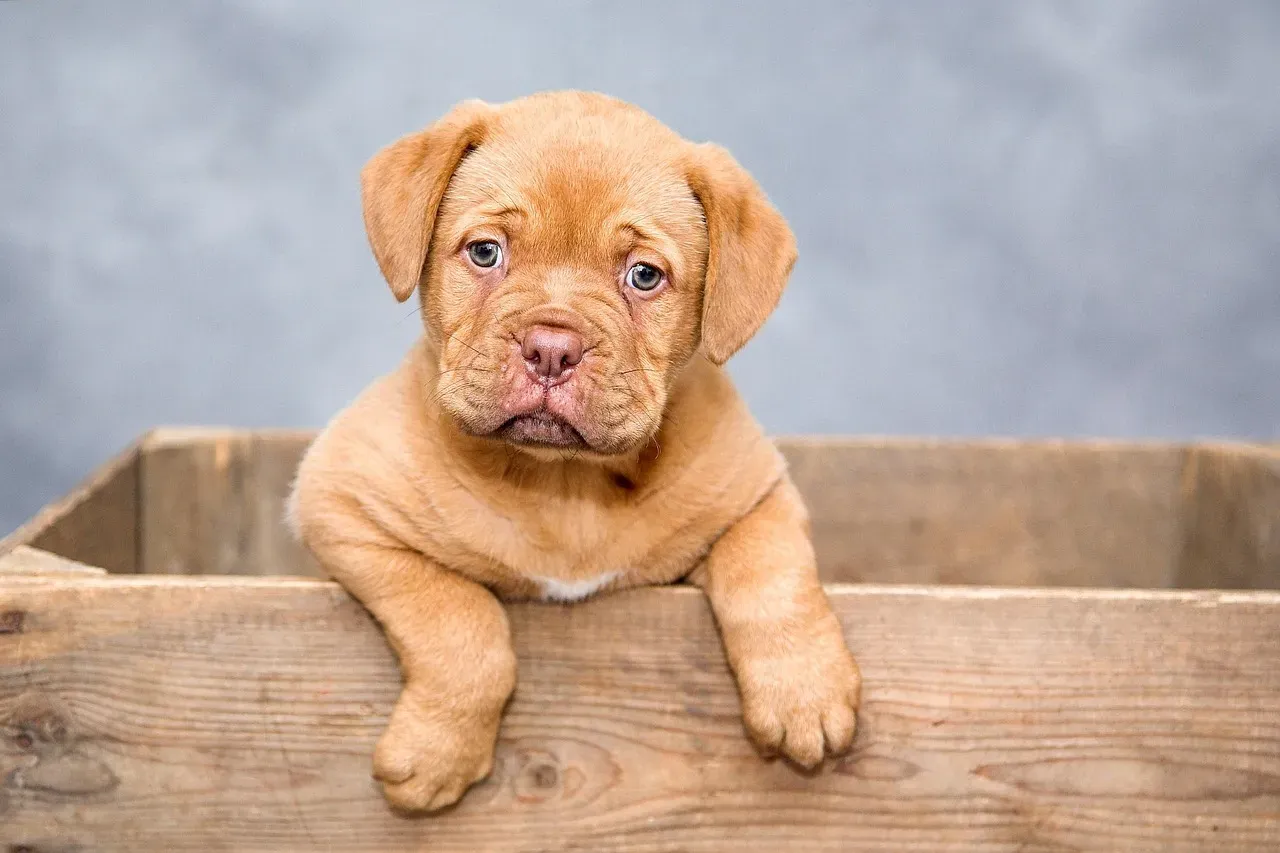
Your dog’s tears when you return aren’t a sign of weakness or neediness. They’re proof of one of the most genuine bonds in nature. That hour you spent away triggered an ancient emotional system designed to keep pack members connected. The oxytocin rush, the tears, the frantic greeting, they all serve to strengthen the incredible relationship between you and your four-legged companion. Next time you see those glossy eyes and hear that whimper, remember: you’re witnessing thousands of years of evolution culminating in pure, unfiltered love.
What do you think about your dog’s emotional reactions now? Does it change how you see those tearful homecomings?


