

Picture this. You’re sitting on the couch, coffee in hand, enjoying a quiet Tuesday evening. Then suddenly, out of absolutely nowhere, your dog transforms into a four-legged tornado. Eyes wide, butt tucked, sprinting full speed across the living room like something is chasing them. You didn’t do anything. Nothing changed. Yet here they are, lapping the coffee table for the fifth time.
If you’ve ever watched this happen and thought, “Is my dog okay? Did I miss something?”, you are not alone. Millions of dog parents have stood in exactly that bewildered, half-laughing, half-worried spot. The truth is, what your dog is doing has a name, a science, and honestly, it’s one of the most joyful things they can show you. Let’s dive in.
What Are Zoomies, Really? The Science Behind the Chaos
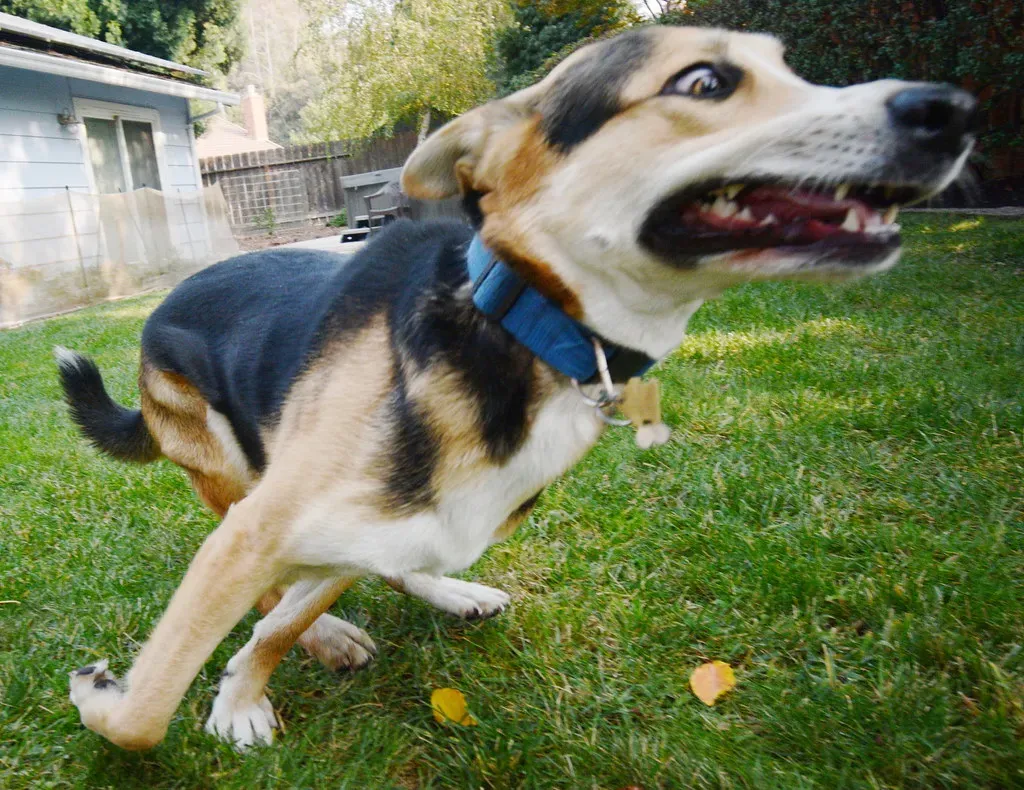
This explosion of activity has many nicknames among dog owners, from “zoomies” and “crazy eights,” to “midnight madness” and “demon possession,” but the official scientific term for this behavior is Frenetic Random Activity Periods, or FRAPs. I think “demon possession” is honestly the most accurate description at 11 p.m. on a hardwood floor.
In most dogs, it’s a sudden burst of activity that usually includes running in big circles around the house, usually in a hunched position for maximum speed. Sometimes the zoomies also include a few spins and play bows, when a dog has their elbows down and their butt up, the universal canine invitation to play.
It’s an explosion of energy that typically lasts only a few minutes before your dog collapses in a happy, panting heap. Think of it as your dog’s way of blowing off steam, an instinctual release of built-up energy or excitement. Short, wild, and completely irresistible to watch.
Why It Happens: The Most Common Triggers You Should Know
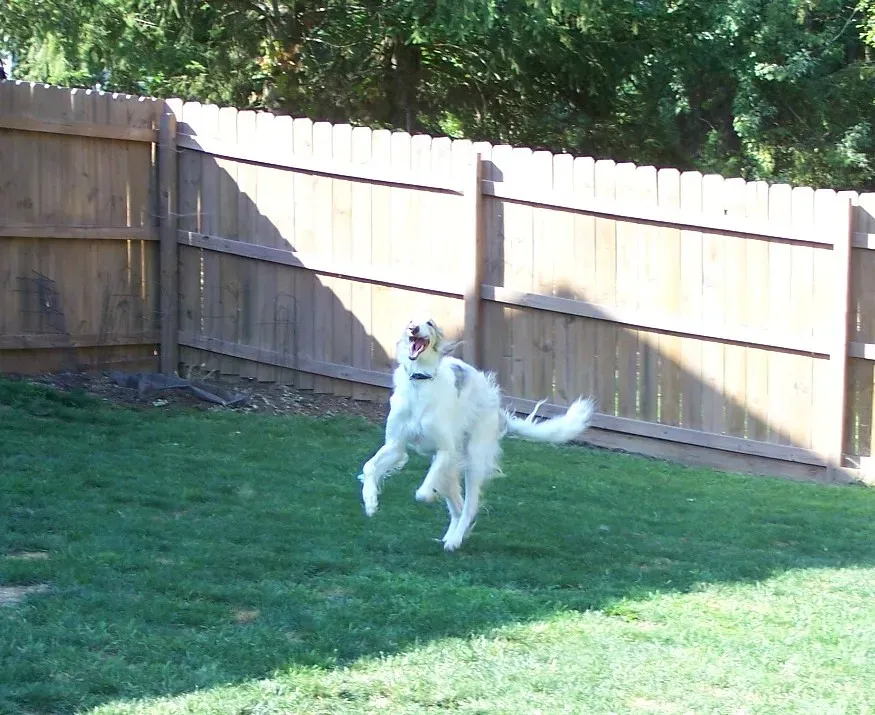
Zoomies appear to be a way to release pent-up energy, or perhaps to alleviate stress. A dog who has been home alone all day with nothing to do may feel the need to zoom around the house or yard to expend some of that energy. FRAPs can also occur whenever a dog becomes very excited, such as when an owner returns after a long absence.
Moments of high arousal, like spotting the leash as you get ready for a walk, or when you arrive home at the end of the day can trigger a FRAP. Dashing around the house can help to vent a dog’s remaining happy energy before settling down. It’s like their version of jumping up and down with excitement, just considerably more aerobic.
Another frequent time for FRAPs is after a bath, possibly to release nervous energy or excitement from getting bathed. Dogs’ full-body shakes are highly effective, so the post-bath zoomies likely aren’t just for drying off. Some experts believe that the change in scent and the tactile experience of drying off stimulates their excitement, resulting in a zoomie burst.
Happy Zoomies vs. Anxious Zoomies: Reading Your Dog’s Body Language
Here’s the thing, not all zoomies are created equal. Most of the time your dog is having the time of their life, but occasionally, zoomies can signal something more unsettling. Knowing the difference is genuinely important for every dog owner.
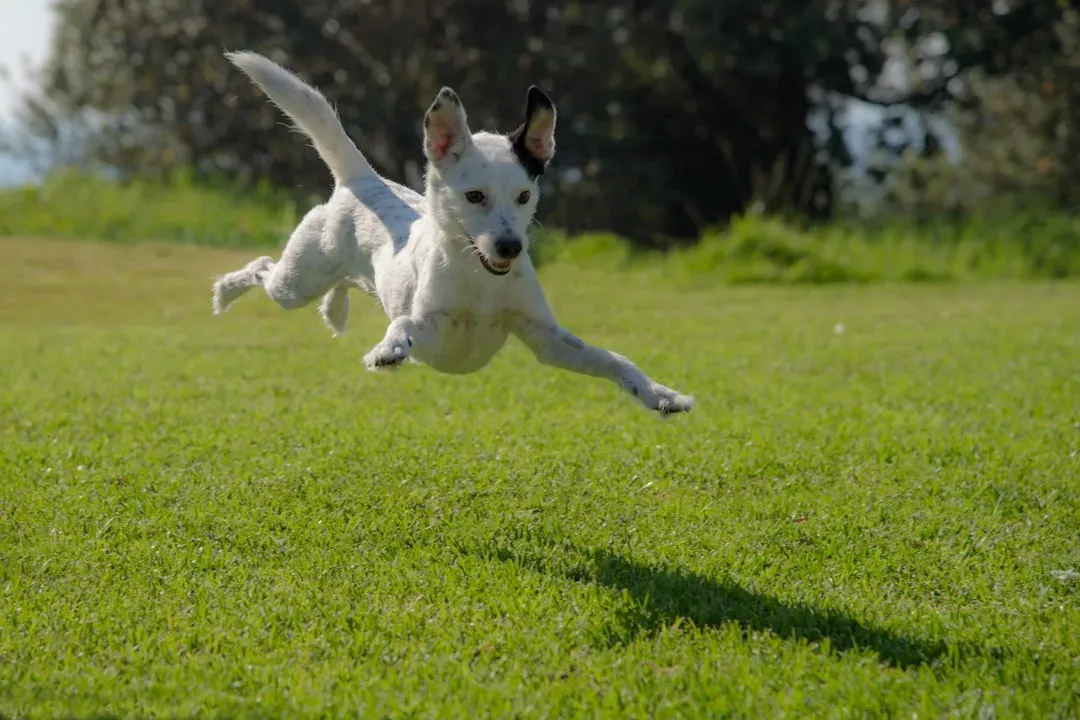
A typical happy zooming dog will be loose and even wiggly, bouncing around you when they slow down. Your dog’s tongue might flap out, and they may play bow. A frightened dog will be more tense, with wide eyes and a tightly tucked tail that stays tucked to the belly even when stopping. They may also carry their head low with ears folded back submissively.
Zoomies can sometimes be a way for dogs to relieve stress or anxiety. After a stressful event, like a visit to the vet or being around unfamiliar dogs, a dog may release built-up tension by running around in zoomie-like behavior. If in doubt, always look at the whole picture, not just the speed.
Are Zoomies Actually Good for Your Dog? The Surprising Benefits
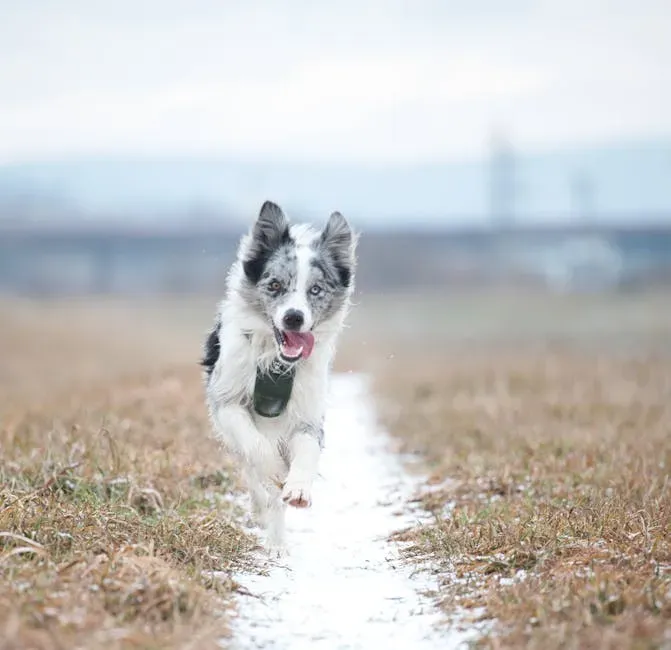
Honestly, yes. More than most people realize. Those wild laps around the kitchen are doing more work than they look like. Zoomies are a form of high-intensity exercise that can help burn off excess energy and keep your dog fit. Running, jumping, and playing during zoomies uses multiple muscle groups, promoting cardiovascular health and improving overall strength and agility.
Zoomies also provide mental stimulation for dogs. The bursts of energy and the need to navigate their surroundings require mental focus and problem-solving skills. This mental stimulation can help keep your dog’s mind sharp and prevent boredom-related behavior issues.
It releases endorphins, which are natural mood boosters, helping to keep your dog happy and calm. Think of it like your dog’s own version of a runner’s high, fast, joyful, and genuinely therapeutic. In general, zoomies are a positive sign that your pet is healthy, happy, and able to express normal behavior around you.
Keeping Zoomies Safe: What You Can Do Right Now

Zoomies themselves won’t hurt your dog, but a dog running around at full speed without a plan sometimes has unfortunate consequences. Although FRAPs are normal, a dog zooming around the house or yard may be in danger of injuring themselves or breaking something. Owners should keep zooming dogs away from stairs, slippery floors, obstacles, and the road.
The best footing for hard running is grass, but carpet and packed dirt are also good options. Hard floors, ice, and unstable footing such as gravel or sand increase the risk of the dog slipping or falling, which could result in an injury. A fenced yard is basically the gold standard for safe zooming territory.
If your dog exhibits zoomies frequently or at inopportune times, such as when you are asleep, they may be telling you that they need more exercise and mental stimulation. Mental stimulation, like puzzle feeders, classical music, or watching the world outside, can contribute to keeping your dog’s energy levels balanced and reducing zoomie occurrences. A tired dog, body and mind, is a calmer dog. Full stop.
Conclusion: Embrace the Chaos, It’s Pure Love
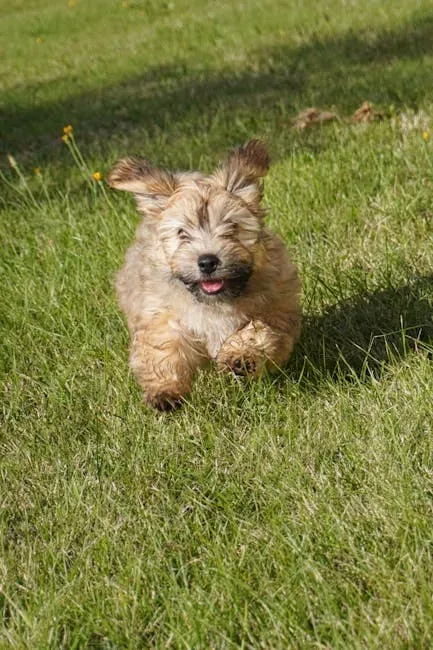
When your dog gets the zoomies, they’re not broken, bored, or misbehaving. They’re alive and overflowing with joy. Zoomies showcase dogs’ exuberance and playful spirit, reminding us of the simple pleasures in life. Understanding the reasons behind zoomies and embracing the fun can enhance your bond with your furry friend.
The next time your dog tucks their butt and goes absolutely feral around the living room, take a breath. Laugh a little. Move the vase. Zoomies are natural and healthy behaviors in dogs, reflecting your pet’s need to release pent-up energy and indicating that your dog is happy and comfortable in its environment.
That little tornado racing around you is, at its core, a dog that feels safe enough to be completely, wildly, unabashedly themselves around you. There’s something really beautiful in that, don’t you think? So what does your dog’s zoomie look like? Tell us in the comments below!


