
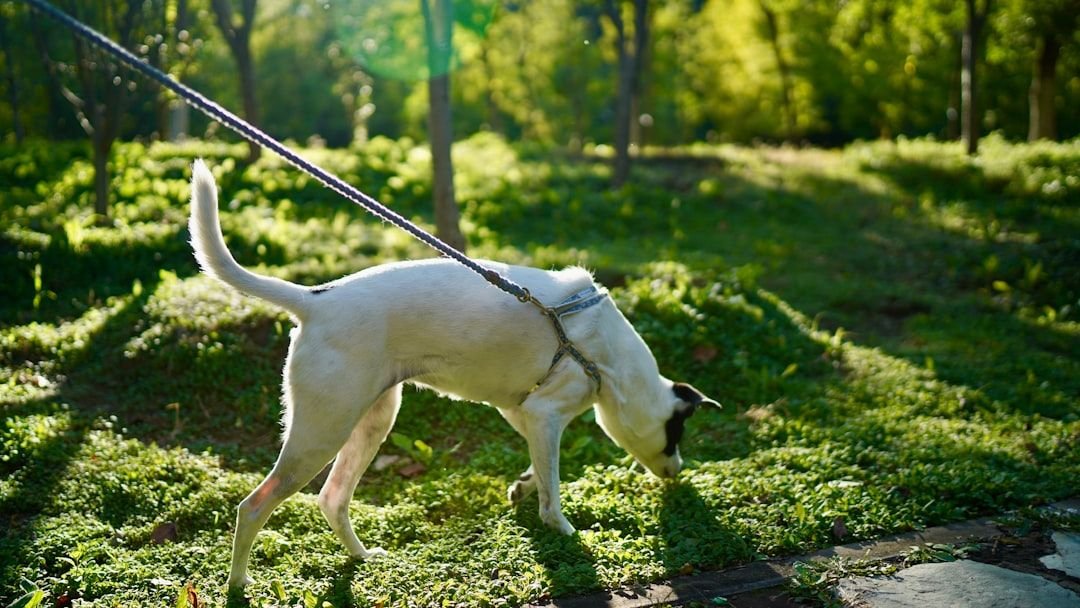
You’ve probably noticed it before. You’re eager to cover your usual mile-long circuit, walking briskly through the neighborhood, when your dog slams on the brakes to investigate a fire hydrant for the third time in five minutes. Maybe you’ve felt that tug of impatience, that urge to keep moving, to get the walk done and checked off your list. I get it. We’re busy.
Here’s the thing, though. What if I told you that those seemingly pointless pauses might be exactly what your dog needs? That the traditional power walk we think keeps our dogs healthy might actually be leaving them mentally hungry? The kind of walk that truly makes your pup happy might look nothing like what you’ve been doing. Let’s explore why the best walk for your dog isn’t always about distance or speed, and how a simple shift in approach could transform both your dog’s mood and behavior.
Your Dog’s Nose Is Their Superpower (and We Keep Ignoring It)
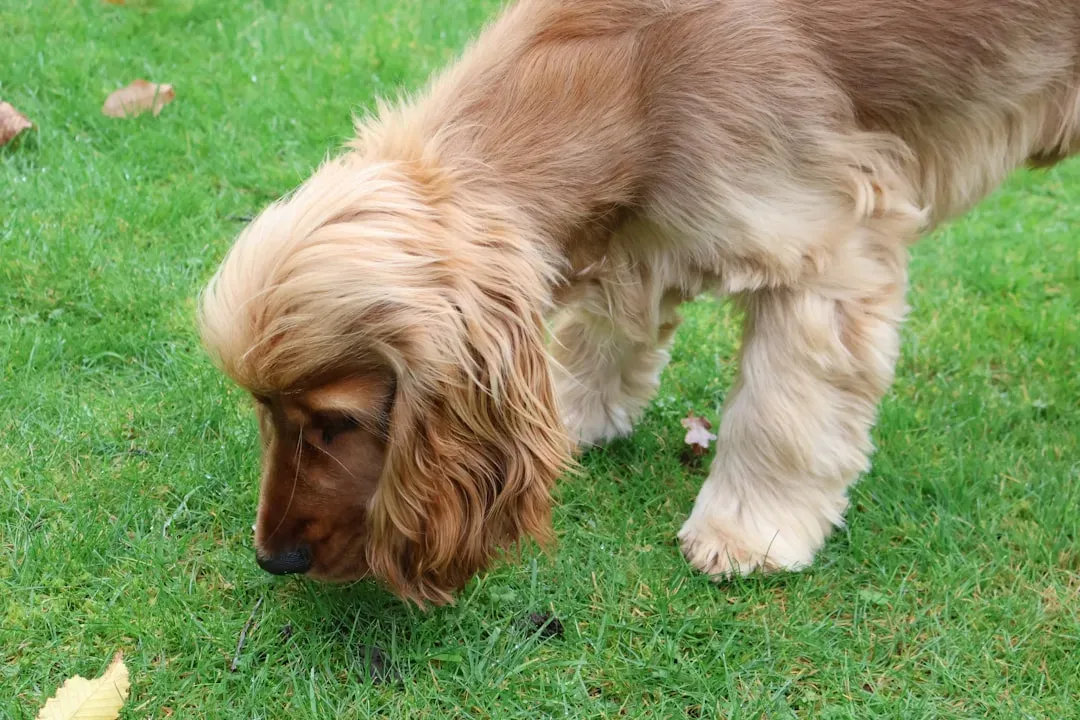
Dogs have more than 200 million scent receptors compared to our measly six million. Think about that for a second. Imagine having vision hundreds of times sharper than everyone around you, only to be dragged past every interesting sight at breakneck speed. That’s essentially what we do when we rush our dogs through walks.
Sniffing is how dogs gather and process information to interpret the world, and when we don’t allow them time to sniff, it’s like taking someone to an art gallery blindfolded. Depending on the breed, dogs have up to 300 million scent receptors, which makes sniffing an essential activity that provides mental enrichment. Your dog isn’t being stubborn or difficult when they stop to investigate that patch of grass. They’re reading the neighborhood news, catching up on who passed by, what they ate, and whether there’s anything worth investigating further.
When your dog sniffs, they’re not just smelling. They’re gathering vital intel about their territory and neighbors, discerning scents that tell them about other animals. It’s their version of scrolling social media, honestly, except infinitely more fascinating to them.
The Magic of Sniff Walks (Yes, They’re Actually Called That)
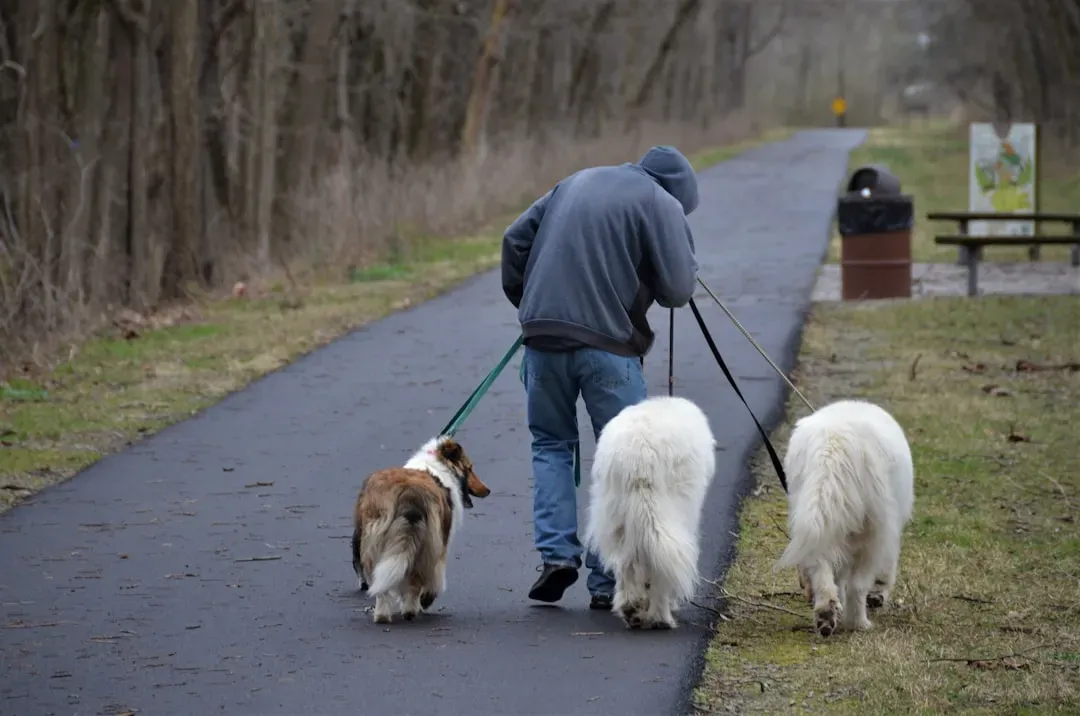
Sniffing-oriented walks, sometimes called sniffaris, are now recognized as one of the most practiced enrichment activities by dog trainers and behaviorists. The concept is beautifully simple. Instead of marching your dog along a predetermined route at your preferred pace, you let them lead. You become the follower.
Rather than focusing on reaching a particular destination in a set time, pick a safe, peaceful spot and allow your dog to take the lead and explore at their own pace. This might mean covering less ground. You might spend twenty minutes going a few hundred feet. That’s completely fine.
Experts tell us just 20 minutes of sniffing is equivalent to an hour’s walk in terms of enrichment for your dog. Let that sink in. A shorter, slower walk where your dog gets to use their nose can be more beneficial than a long, brisk march where they’re constantly pulled along. This type of walk helps reduce stress, alleviates boredom, and can tire out your dog mentally through slow-paced exploration with frequent stops for sniffing.
What Happens in Your Dog’s Brain During a Sniff Walk
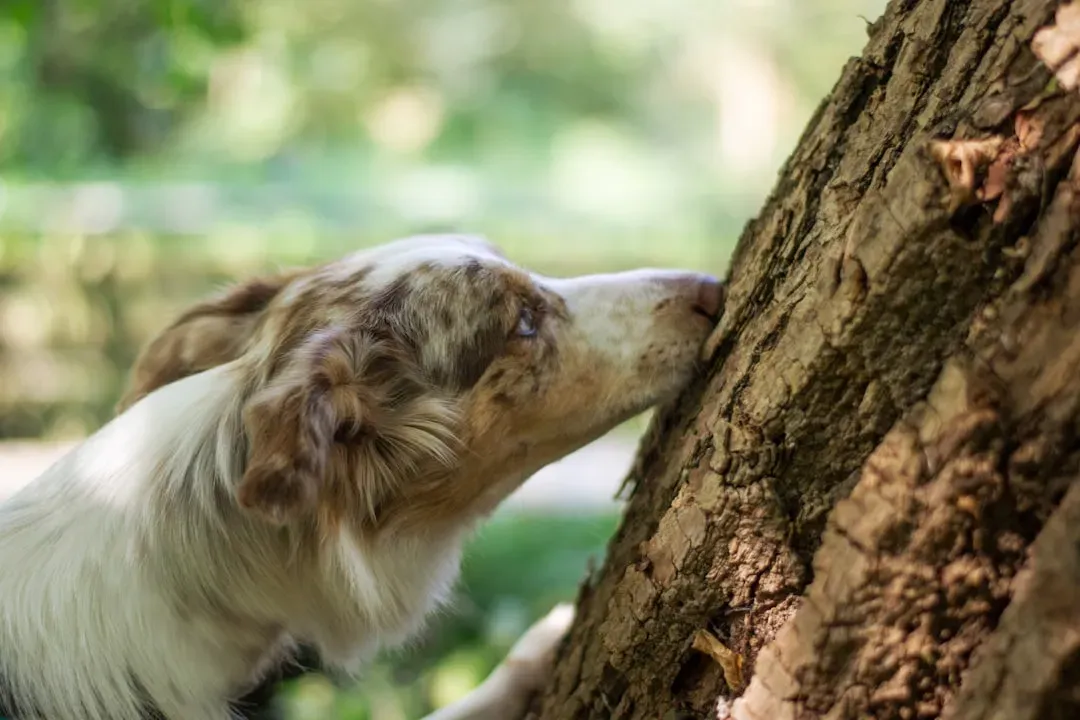
The science behind this is genuinely fascinating. Studies even suggest sniffing makes dogs feel more optimistic. Not just content or relaxed, but actually more positive about life. How incredible is that?
Scent work can decrease heart rate, lower blood pressure, and improve a dog’s optimism. Meandering sniff sessions on a long leash can lower a dog’s pulse rate and release the mood-boosting chemical dopamine. This is particularly important for anxious or fearful dogs who find traditional walks stressful. Fast-paced walks through hectic surroundings can pile on added pressure for fearful dogs, while exploring using their noses in a safe place can greatly reduce stress.
Meanwhile, the mental workout your dog gets from processing all those scents is considerable. Working mentally is much more demanding for a dog than physical exercise, with 15 minutes of mental training equivalent to about an hour of walking. Your dog might come home from a sniff walk physically less tired but mentally satisfied in a way that a regular walk simply can’t achieve.
How to Actually Do a Sniff Walk (It’s Easier Than You Think)
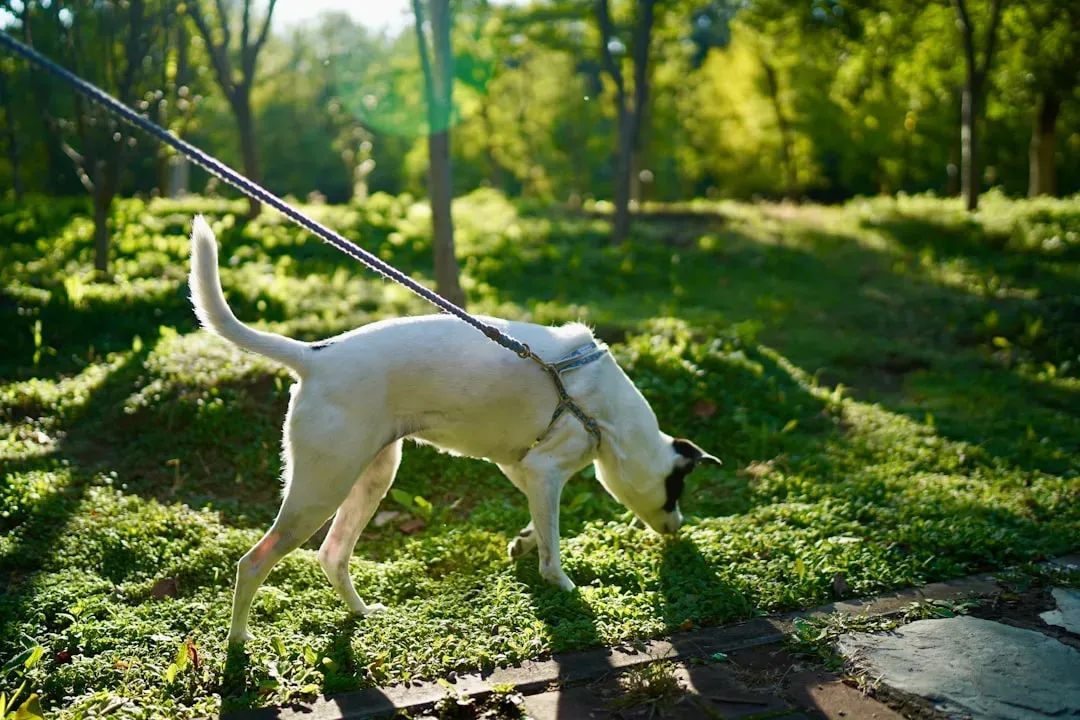
Ready to try it? The setup is simple. Use a well-fitting harness and a long line measuring between 10 and 15 feet rather than a retractable leash, which enables your dog to get ahead and set the pace without pressure on their neck. The harness prevents any strain on your dog’s throat when they pull forward to investigate something.
Pick a safe, peaceful spot with lots of grass, trees, bushes, and natural terrain, and let your dog dictate the route. Your only job is to follow along safely, keeping them out of harm’s way. Let them linger where they want to linger. If they spend five minutes smelling one particular tree trunk, wonderful. They’re getting exactly what they need.
Watch their body language. Ensure their sniffing is calm and methodical by reading behavior; a relaxed and happy dog has an open countenance with no stress line around their face and no tension in their body. If you notice frantic, stressed sniffing, you might need to move to a quieter location or give them more space.
Balancing Different Types of Walks (Because Your Dog Needs Both)
Here’s what I want to be clear about: I’m not saying you should never do exercise walks again. Exercise walks are typically brisk and aim to provide cardiovascular benefits, muscle strengthening, and weight management, making them essential for high-energy breeds or dogs that need to lose weight. Your Border Collie or young Labrador still needs to run and burn off physical energy.
The key is variety. By incorporating both sniff walks and exercise walks into your routine, you ensure your dog gets physical activity while also benefiting from mental stimulation and relaxation, leading to a happier, healthier, and more well-adjusted pet. You might schedule exercise walks in the morning and sniff walks in the evening, adjusting the balance based on your dog’s age, breed, and energy levels.
Changing up your walking route can be very stimulating, as walking somewhere new allows them to see and smell new things, keeping things exciting and mentally stimulating. Even on exercise walks, building in brief sniff breaks gives your dog the best of both worlds. Let them have structured exercise time, then finish with ten minutes of unstructured sniffing.
The Behavior Changes You Might Notice
What can you expect when you start incorporating more sniff walks? Many dog owners report surprising changes. Mental exercises can actually make dogs even more tired than physical exercise, and many destructive behaviors in dogs can be resolved simply by implementing mental exercises every day. That chewed-up couch cushion or the incessant barking might decrease when your dog’s brain gets properly exercised.
Dogs build confidence and independence when they are allowed to sniff, which can transform a nervous dog’s entire demeanor over time. Trainers believe scent work improves behavior outcomes for dogs and positively influences dog welfare. You might find your previously reactive dog becomes calmer, or your hyperactive pup settles more easily at home.
The beauty is that this doesn’t require fancy equipment, expensive classes, or hours of your day. It just requires slowing down and letting your dog be a dog. Let them use the incredible nose nature gave them. Trust me, the shift in your dog’s happiness and behavior might just surprise you. What could be better than that?
So next time you clip on that leash, consider leaving your watch and fitness tracker behind. Follow your dog’s nose instead of your usual route. You might discover that the best walks aren’t measured in miles or minutes, but in tail wags and contented sighs. Give it a try for a week and see what changes. I’d love to hear how it goes for you and your pup.


