

Have you ever wondered why your dog seems to shadow your every move, while your cat lounges quietly in the sun? If you’ve lived with both, you’ve probably noticed dogs can be needy, clingy, even downright demanding, while cats often act like they own the house and you’re just a guest. The truth is, dogs really do need more care and attention than cats. From their emotional needs to their daily routines, dogs rely on us in ways cats simply don’t. Whether you’re a lifelong dog lover, a feline fanatic, or just curious, let’s dig into what really sets these two beloved pets apart—emotionally, physically, and practically.
Packed With Emotion: Dogs Crave Human Companionship
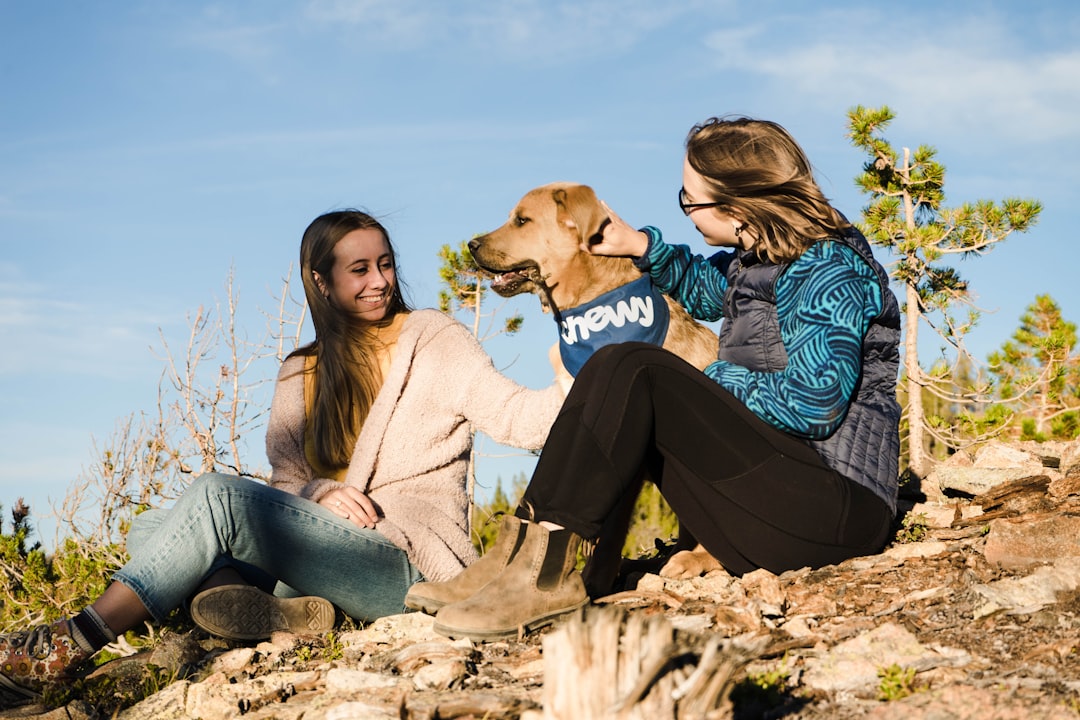
Dogs are social creatures to their core. For thousands of years, they’ve lived alongside humans, bred to work, hunt, and bond with us. This means they’re wired to seek out our attention, affection, and approval. When you leave the house, your dog might whimper, pace, or wait by the door—proof that their happiness is tied to your presence. It’s not just separation anxiety, it’s a deep-seated need for companionship.
In contrast, cats were domesticated differently. While they can be affectionate, most are content to spend hours alone, exploring or napping. Some even prefer solitude. This independence means they’re less likely to experience emotional distress when left alone, making them lower-maintenance in the companionship department. Your dog, on the other hand, sees you as their pack leader and best friend rolled into one—so their emotional well-being depends on your care and attention.
Exercise Needs: Dogs Demand Daily Physical Activity
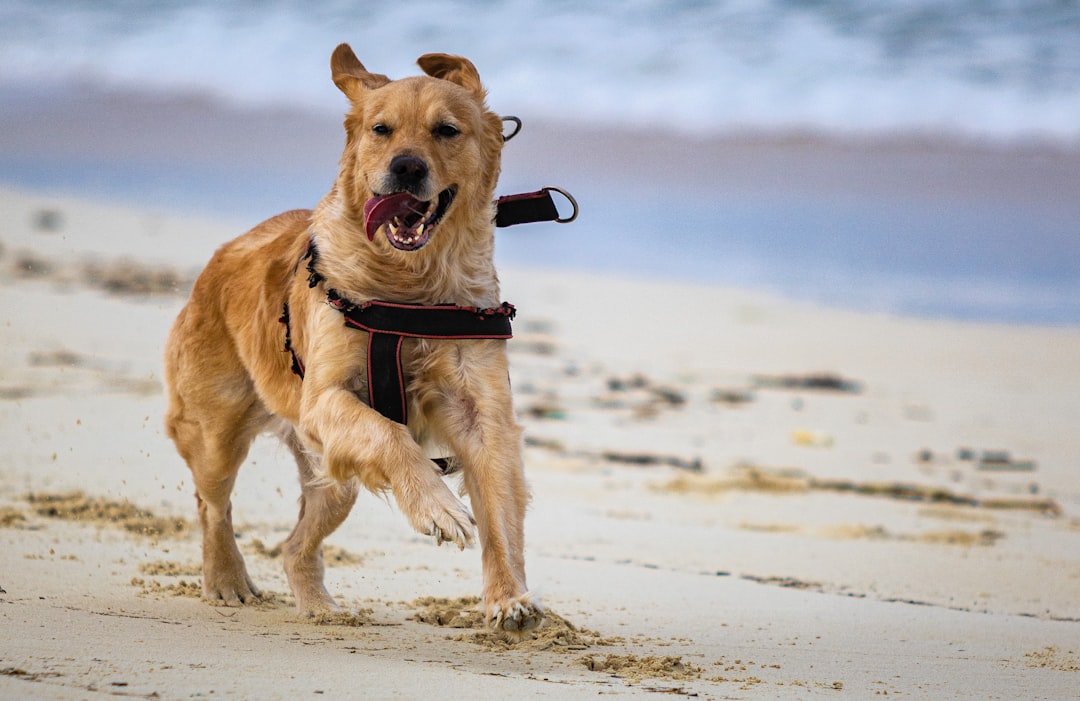
A dog’s energy can feel boundless. Most breeds need regular walks, playtime, and mental stimulation to stay healthy and happy. Skipping daily exercise can lead to boredom, anxiety, and even destructive behavior like chewing furniture or digging up the yard. For many dogs, a quick stroll around the block isn’t enough—they crave games of fetch, agility training, and time to sniff around outside.
Cats, though playful, usually get enough exercise on their own, especially if they’re indoor cats with toys and climbing spaces. They’ll chase a feather or pounce on a shadow, but then quickly settle in for a nap. Unlike dogs, cats don’t need scheduled walks or supervised outdoor time. This makes caring for a dog a bigger commitment—your dog’s health and happiness depend on your willingness to get up and move, rain or shine.
Training and Socialization: Dogs Thrive With Guidance

Training is essential for most dogs. From learning basic commands like “sit” and “stay” to mastering leash manners, dogs benefit from consistent rules and positive reinforcement. Proper socialization is also crucial, especially for young puppies. Without it, dogs can become fearful, anxious, or even aggressive.
Cats, on the other hand, are much more self-reliant. While you can train a cat to use the litter box or respond to their name, extensive training isn’t usually necessary. Most cats naturally adapt to their environment with minimal guidance. For dog owners, the responsibility of teaching good behavior falls squarely on their shoulders, making the pet-parent role more hands-on and time-consuming.
Feeding Routines: Dogs Need More Structure

Dogs thrive on routine, especially when it comes to meals. Most dogs do best with set feeding times, portion control, and monitoring for weight gain or loss. Some breeds are prone to overeating, so it’s up to you to keep their diet balanced and healthy. Dogs may also require special diets based on age, health conditions, or allergies, adding another layer of care.
Cats, in contrast, are natural grazers. Many cats will nibble on their food throughout the day and self-regulate their intake. Unless your cat is overweight or has health issues, you can often leave food out and trust them not to overdo it. For dog owners, feeding is an active process that can’t be left to chance, demanding more attention and planning.
Health Monitoring: Dogs Rely Heavily on Their Owners
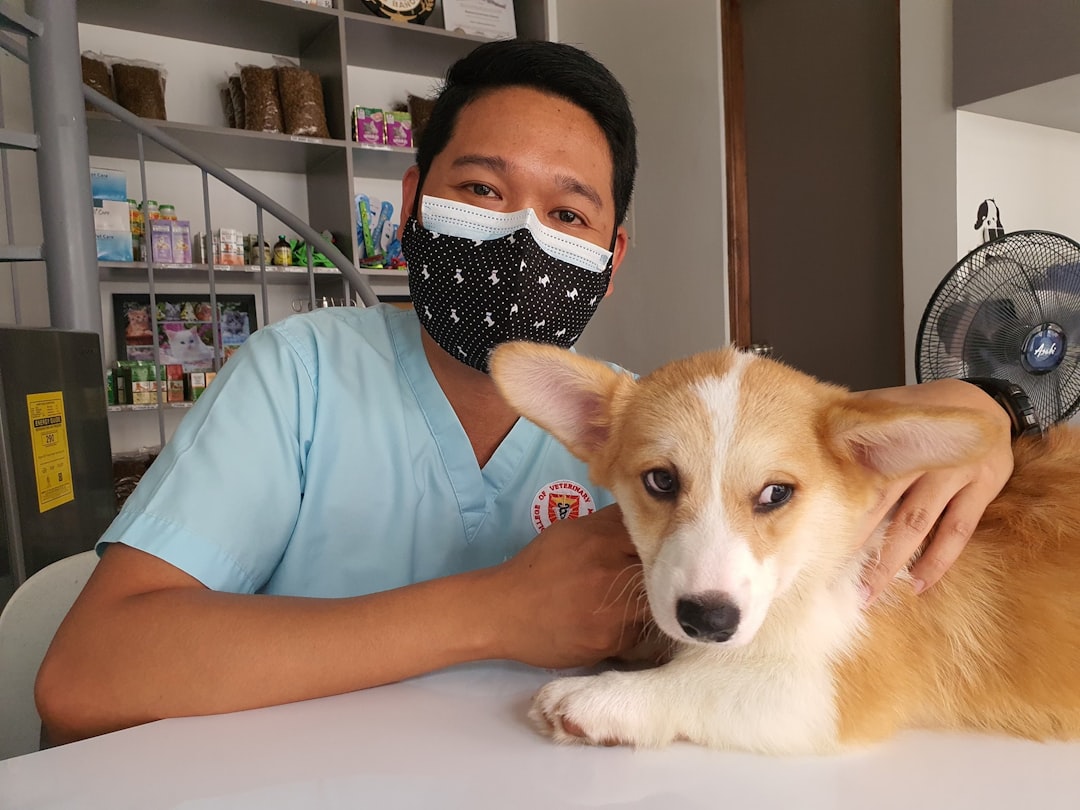
Dogs are masters at hiding pain, but they still rely on us to notice when something’s off. Regular checkups, vaccinations, flea and tick prevention, and dental care are all crucial. Some dogs are prone to specific health problems based on their breed, such as hip dysplasia, skin issues, or respiratory troubles. Owners must be vigilant, paying close attention to changes in behavior, appetite, and movement.
Cats are also good at hiding illness, but their independent nature means they often need less hands-on care. They groom themselves meticulously and, if kept indoors, face fewer health risks from the environment. While both pets require routine veterinary care, dogs need more active monitoring and intervention, often making their health care more demanding for owners.
Grooming Commitments: Dogs Often Need More TLC

Depending on the breed, dogs can require extensive grooming. Long-haired or double-coated breeds need regular brushing to prevent mats and tangles. Many dogs also need regular baths, nail trims, and ear cleanings. For some, professional grooming appointments are a must.
Cats are famously fastidious, spending hours each day grooming themselves. While some long-haired cats benefit from brushing, most short-haired cats manage their own hygiene. Occasional nail trims and dental care are usually all that’s needed. This self-sufficiency means that, in the grooming department, cats make life a lot easier for their humans compared to most dogs.
Behavioral Issues: Dogs Need More Intervention

Dogs can develop a range of behavioral problems without enough attention and stimulation. Separation anxiety, excessive barking, chewing, digging, and even aggression can stem from boredom or lack of interaction. Solving these issues often requires time, patience, and sometimes professional help.
Cats can be quirky and sometimes mischievous, but serious behavioral problems are less common. They’re generally content with a stimulating environment and don’t require as much direct intervention. For dog owners, preventing and addressing behavioral issues is an ongoing responsibility that demands consistent care and involvement.
Travel and Lifestyle: Dogs Are Less Adaptable

Traveling or making lifestyle changes is much trickier with a dog. Most dogs can’t be left alone for long periods, and boarding or pet-sitting can be expensive and stressful for both pet and owner. Bringing your dog along on trips often requires planning for accommodations, transportation, and activities that are dog-friendly.
Cats are far more adaptable to changes in routine. As long as they have food, water, and a clean litter box, most cats are content to stay home while you’re away. Finding a friend or neighbor to check in is usually enough. This flexibility makes cats easier to care for in fast-paced or travel-heavy lifestyles, while dogs require more forethought and adjustment.
While both dogs and cats make wonderful companions, dogs typically require a higher level of care, attention, and involvement from their humans. Unlike cats, who are naturally more independent, dogs thrive on social interaction, routine, and consistent training. Their emotional and physical needs are often more demanding, from regular walks and playtime to deeper behavioral engagement. Understanding this difference is key to being a responsible dog owner. Giving your dog the extra time and attention they crave isn’t just about meeting their needs—it’s about honoring the loyalty, love, and companionship they so willingly give in return.


