

You know the scenario all too well. You’re sleeping peacefully, lost in a dream, when suddenly there’s a cold nose pressing into your arm or a gentle paw tapping your shoulder. You squint at the clock: 3 AM. Your dog sits beside the bed, staring at you with those unblinking eyes or maybe whimpering softly. What could possibly be so urgent at this ungodly hour?
Here’s the thing: when your dog nudges you in the dead of night, it’s not some quirky, random thing they decided to do for fun. There’s always a reason behind it. Sometimes it’s something simple. Other times, it’s your dog’s way of telling you something important is going on, either physically or emotionally.
Let’s dig into what your dog is really trying to tell you when they wake you up at 3 AM. Trust me, understanding this behavior will help both of you sleep better.
They’ve Learned That Nudging Gets Results
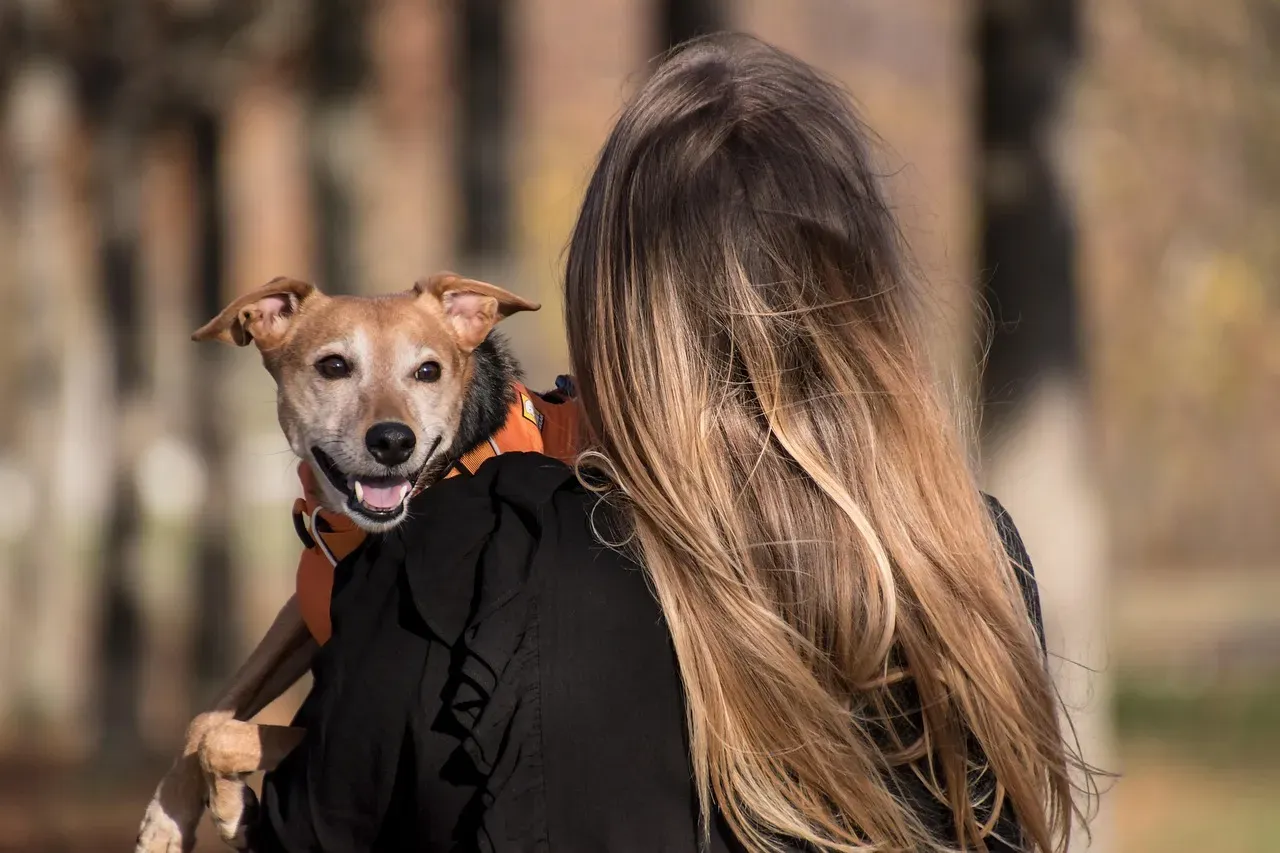
Dogs quickly learn that waking their owners gets them what they want, and if you respond every time they nudge or paw at you, the behavior gets reinforced. Even if you’re grumpy about it, any reaction from you counts as attention in their eyes.
Think about it this way. The first time your pup nudged you awake, maybe you got up and let them outside. Or perhaps you gave them a quick pet to settle them down. That single response taught your dog a powerful lesson: nudging equals action from you.
If your dog wakes up at the same time every night, this suggests a habit rather than a genuine need. Dogs are creatures of routine, and once they establish a pattern, they stick to it religiously. So if that 3 AM wake up call happens like clockwork, you might be dealing with learned behavior rather than an actual emergency.
They Really Do Need A Bathroom Break

Let’s be real: sometimes your dog genuinely needs to pee. The most common reasons dogs wake their owners include needing to use the bathroom, hunger, or plain boredom. Especially if you have an older dog, bladder control becomes trickier as they age.
Senior dog incontinence is common and may be caused by changing hormones, UTIs, bladder stones, or muscle weakness, with urinary sphincter mechanism incompetence being the most common cause. In around 80% of true incontinence cases, the bladder neck is weakened and cannot retain urine, with changes in internal pressure when the dog lies down causing urine to leak.
Here’s what to watch for: Does your dog immediately head to the door when you acknowledge them? If the dog eliminates right away when taken outside, they may have a genuine physiological need. That’s different from a dog who wanders around the yard, sniffs everything, and seems more interested in exploring than actually doing their business.
Anxiety And Fear Are Keeping Them Awake

The world feels different at night. Sounds are amplified, shadows move strangely, and your dog’s protective instincts kick into high gear. Dogs go into a protective mode during night hours, as if they sense their owners are more vulnerable when asleep.
Persistent nighttime restlessness may indicate anxiety, medical conditions, or lack of exercise, with anxiety or stress being major contributors just like in humans. Maybe there’s construction happening a few blocks away that you can’t hear but your dog’s sensitive ears pick up perfectly. Perhaps a neighbor’s cat is prowling around your yard.
Dogs with separation anxiety at night know the bedtime routine and become anxious with each step, showing distress through pacing, whining, pawing, or scratching at doors. Even though you’re just in the next room, some dogs genuinely panic when separated from their humans during nighttime hours. The nudging is their way of checking that you’re still there and asking for reassurance.
Medical Issues Might Be The Hidden Culprit

Sometimes that 3 AM nudge is your dog’s way of telling you they don’t feel well. Dogs feeling anxious or uncomfortable might wake their owners, and these can be signs of underlying health conditions that require veterinary attention when new or confusing behaviors develop.
Sleep disorders in dogs include insomnia, which stems from underlying behavioral or medical problems like canine cognitive dysfunction, anxiety, stress, pain, and excessive itching. Older dogs especially can develop cognitive dysfunction syndrome, which is basically dementia for dogs. Dogs with cognitive dysfunction show progressive confusion and reversal of day-night wake-sleep patterns, functioning well in routine situations but becoming confused in new ones.
Pain is another biggie. Pain is one of the most common things disrupting sleep, with causes including arthritis, injury, and bowel problems. Your dog might seem fine during the day when they’re distracted and moving around, but when everything is quiet and they’re lying still, that hip pain or stomach discomfort becomes impossible to ignore.
What You Can Actually Do About It

Alright, so now you understand why your dog is nudging you at 3 AM. What can you actually do to help both of you get better sleep?
Start by ruling out medical issues. Before ignoring wake-up calls, you must determine the reason, because if your dog needs to relieve themselves, that’s behavior you want to reinforce by letting them go outside. A vet visit can rule out urinary tract infections, cognitive dysfunction, arthritis, or other health concerns.
To break the habit, ignore the behavior if it’s not an emergency by not speaking, making eye contact, or getting out of bed. This is honestly the hardest part because you’re tired and just want the nudging to stop. Increase daytime engagement and ensure your dog is mentally and physically satisfied before bed to reduce their desire to seek interaction at night.
Ramping up exercise routines significantly, giving a full hour of vigorous exercise a few hours before bed, helps dogs sleep more soundly through the night. A tired dog is a sleeping dog. Mental stimulation matters too – puzzle toys, training sessions, and sniff walks during the day can wear out your pup’s brain just as much as physical exercise tires their body.
Did you expect your dog’s nighttime nudging to be so complex? Understanding what’s behind that 3 AM wake-up call transforms it from a frustrating interruption into a form of communication you can actually address. Your pup isn’t trying to ruin your sleep – they’re trying to tell you something important. What changes will you make tonight to help both of you rest easier?


